MYVOYAGES

Passion for exploring and photography

A TRIP ROUTE

Panama - trasa wycieczki


INTERESTING STORIES

Surely everyone has heard the bugle call of St. Mary in their lives, but few know why the melody suddenly stops. Legend has it that it was a Tatar arrow that pierced the bugler's throat before he finished sounding the alarm, warning the inhabitants of Krakow about the approaching enemy. An interesting ending to this legend is given by Ksawery Pruszyński in his short story "Trębacz z Samarkandy". When the Polish troops led by General Anders from the Soviet camps stopped in Samarkand, the local elders came to the general. The trumpeters were asked to play a melody that they have been playing in the capital of their country since time immemorial. The general guessed that it was the bugle call of St. Mary. They played it several times, in different places, but no one wanted to explain to the Poles what they were playing it for and why in Samarkand. Finally someone spoke up. Centuries ago, one of the trips to Europe ended in a great disaster, and many brave warriors and their leaders were killed. The loss was the result of God's wrath. God took offense at his believers and put a curse on them because they attacked the city when it called its inhabitants to pray. In Islamic culture, the music flowing from the top of the tower signifies a call to prayer. This curse would weigh on the nation for so long, until a warrior from this raided country comes and plays the same tune in Samarkand.
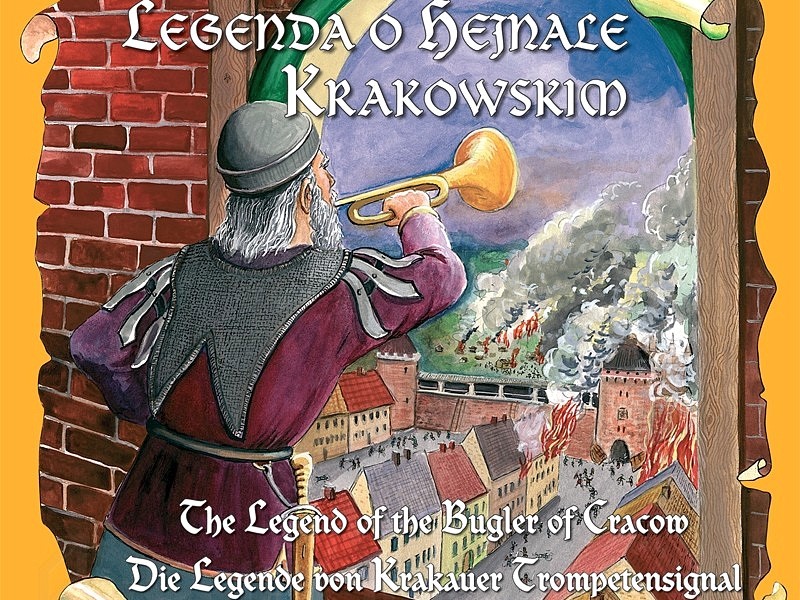
fragment okładki ksiązki Legenda o Hejnale Krakowskim


IT IS WORTH KNOWING

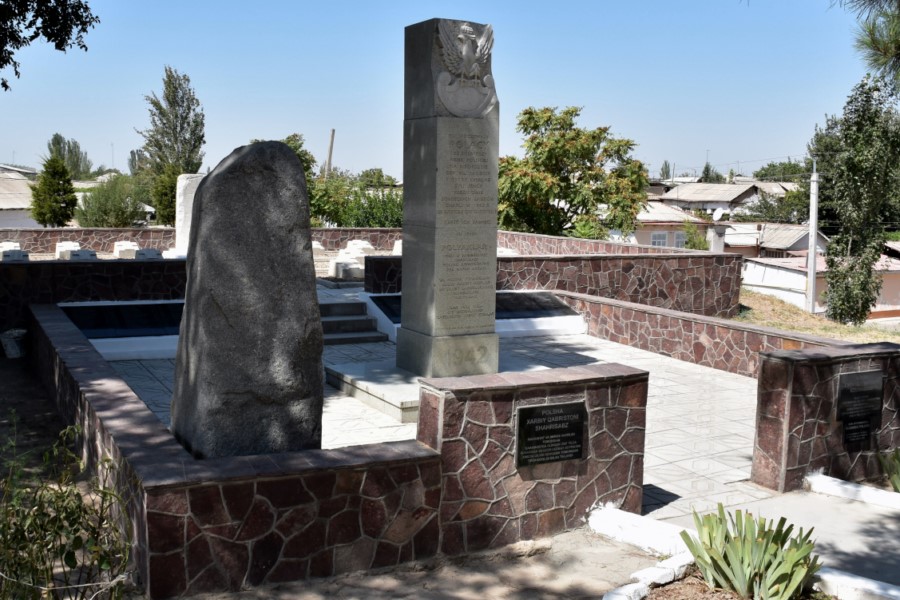
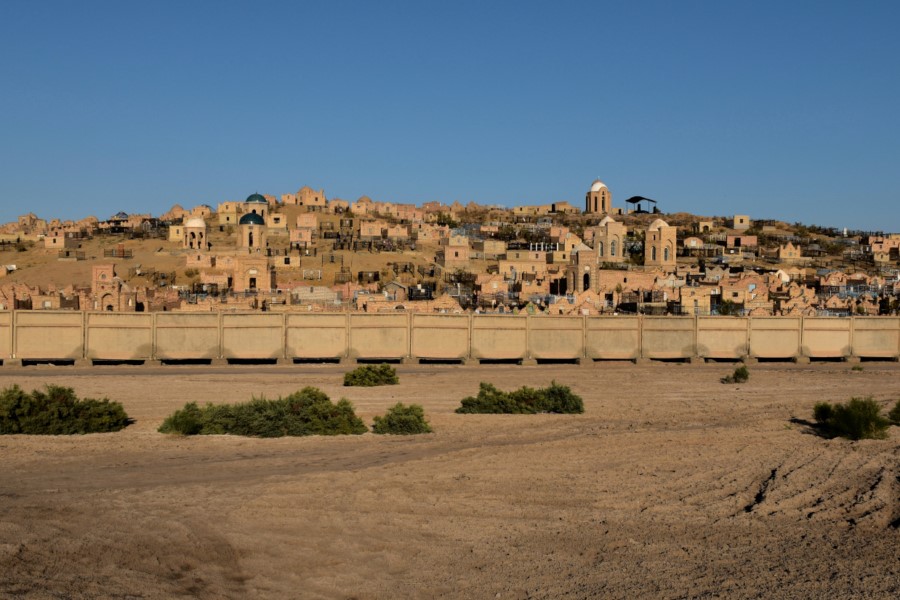
In June 1941, in the territory of the Soviet Union, the Polish army was established under the command of General Władysław Anders. The changing political situation caused her to be moved by the Russians to the Asian republics: Uzbek, Kazakh and Kyrgyz. There were extremely unfavorable climatic conditions, poor sanitary conditions and a lack of drinking water. Epidemics of typhus, malaria and dysentery decimated weakened and starved people, and the mortality rate among the Polish population was enormous. Some historians give the number of 10,000 dead soldiers and civilians. Eventually, the Poles were evacuated to Iran, and then to Palestine and Egypt. The most important cemeteries are: Guzar, Karkin-Batash, Jakkabag, Shakhrisabz, Kitab, Chirakchi, Karmana, Kanimech, Narpai, Jangijul, Wrevskaya, Marglan, Karshi, Dzhizak and Tashkent, however, today not all burial sites have been located. In free Poland, systematic work is being carried out to organize them and to commemorate them permanently. So far, a dozen or so cemeteries have been restored or rebuilt. Uzbekistan is probably the only country in the former USSR where you can find the inscriptions "In Memory of Polish Friends" in the preserved cemeteries of Polish soldiers.

Jangi-Jul in the Tashkent vilayach, a monument in the place of a Polish cemetery


Uzbekistan, Tajikistan

August 2019

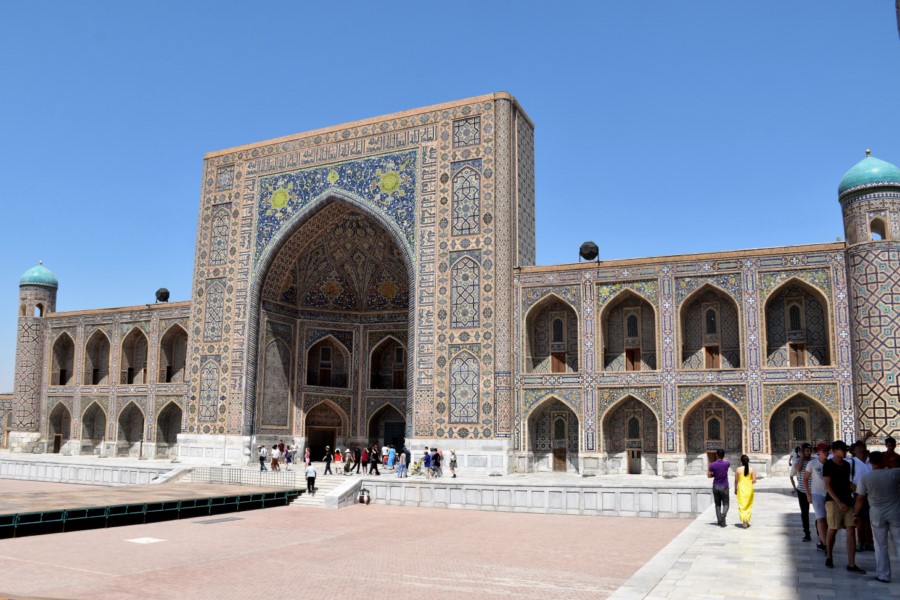
Samarkanda, plac Registan

I have been planning my visit to Uzbekistan for a long time, but only now have I managed to make my dreams come true. Maybe it was a good thing, because in previous years there was no favorable climate for tourists here, and complicated and ambiguous migration, currency and customs regulations were able to effectively spoil the joy of traveling and sightseeing.

Uzbekistan, with its numerous medieval mosques, minarets, caravanserai and madrassas, is the embodiment of the romantic image of the ancient East and the Silk Road. There is no exaggeration in it, and cities such as Samarkand, Bukhara and Khiva just charmed me. A considerable inconvenience is the huge distance by our standards and the difficulty of traveling, especially to small towns. It had its good sides, because I visited western Tajikistan , not so rich in monuments, but offering picturesque mountain landscapes.


UZBEKISTAN

Samarkand


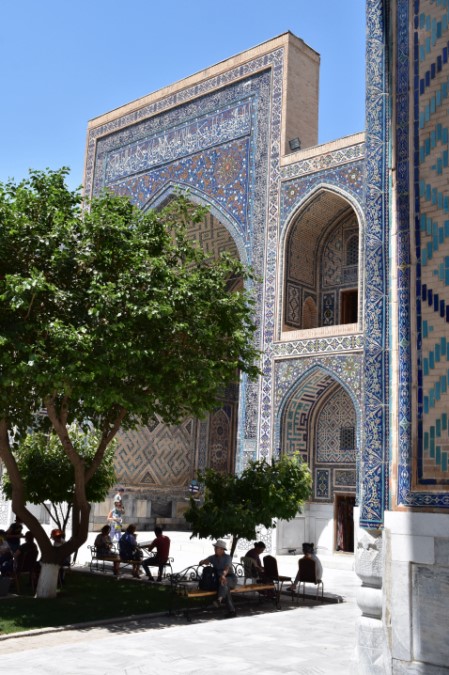
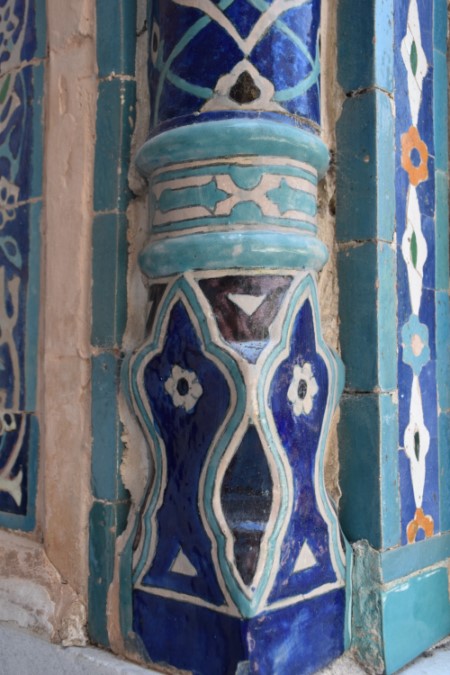
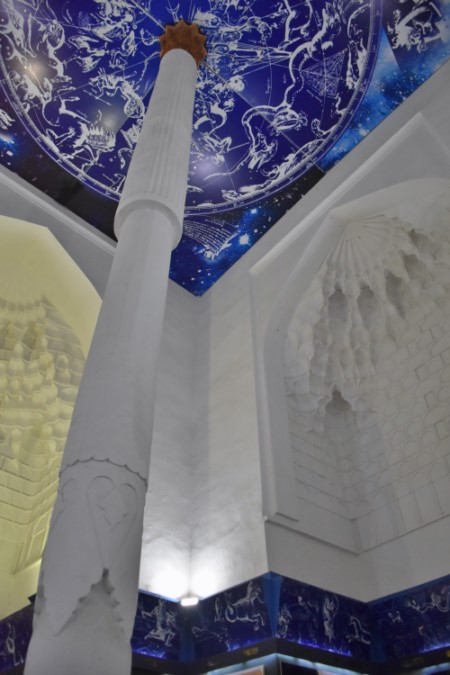
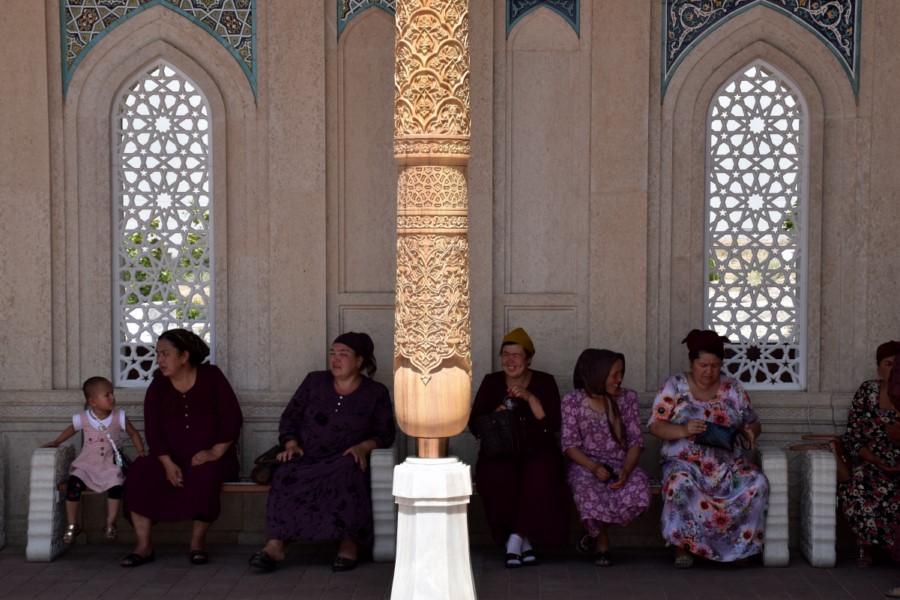
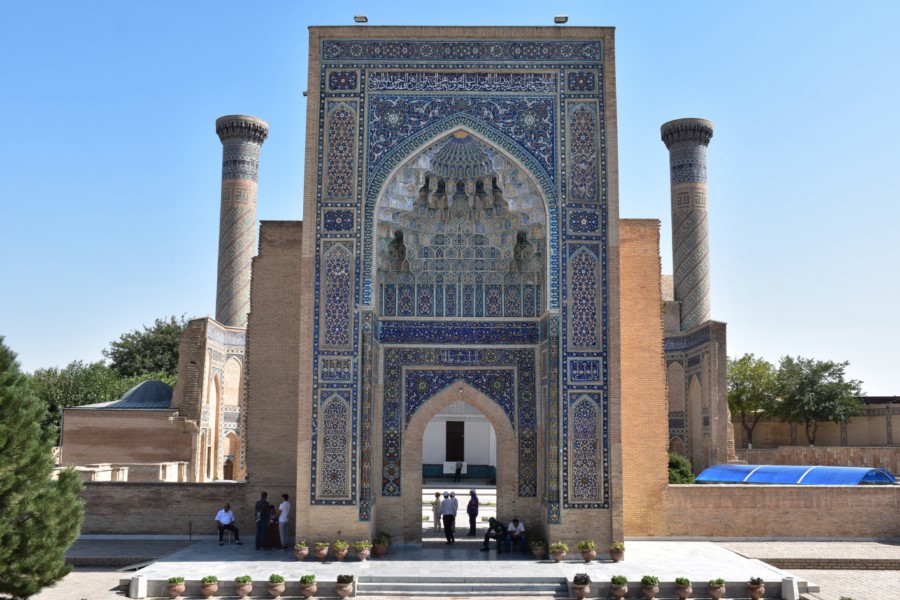
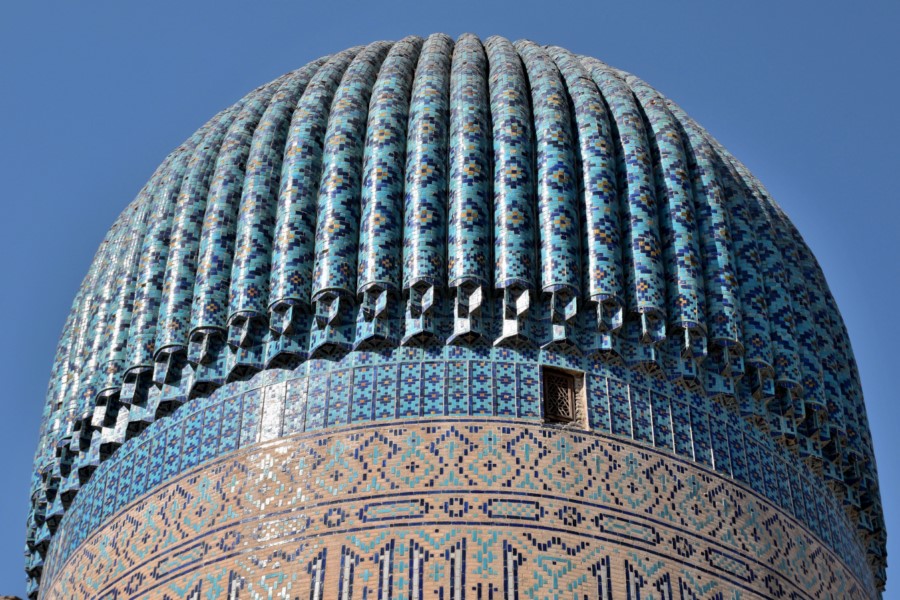
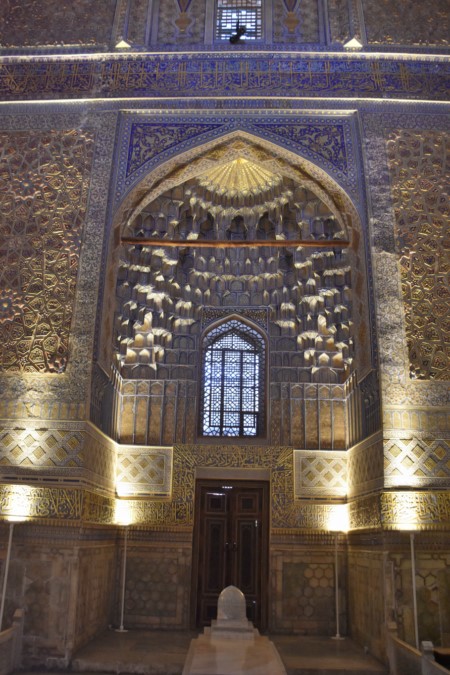
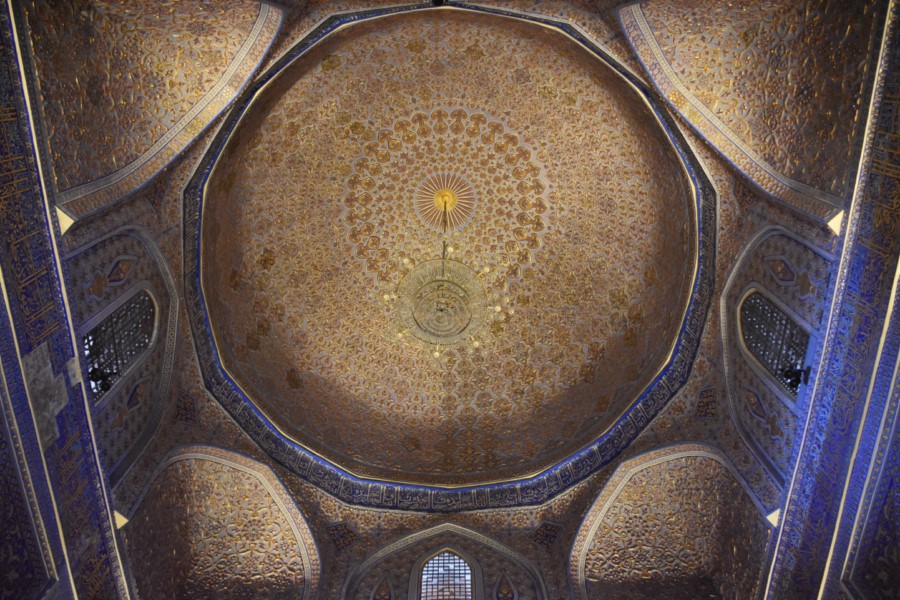
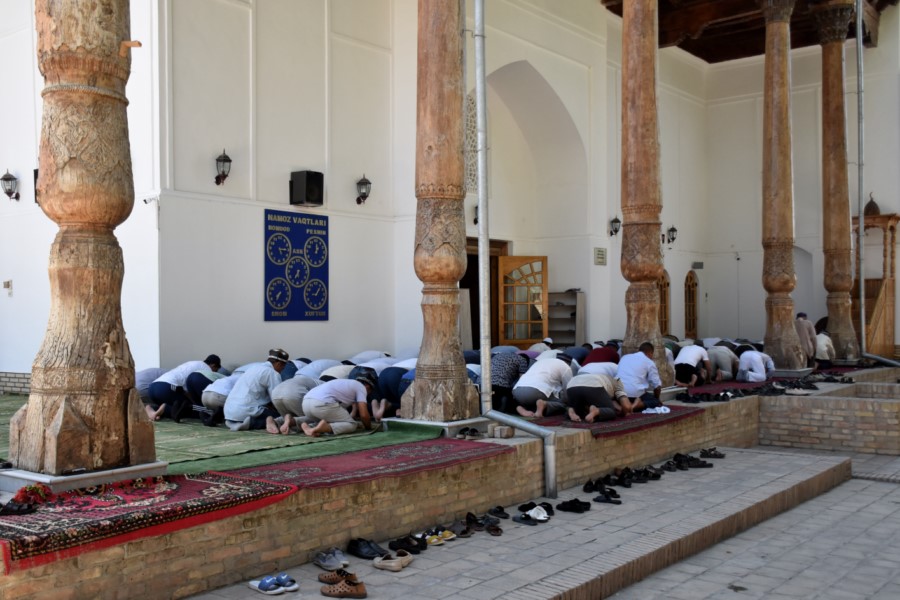
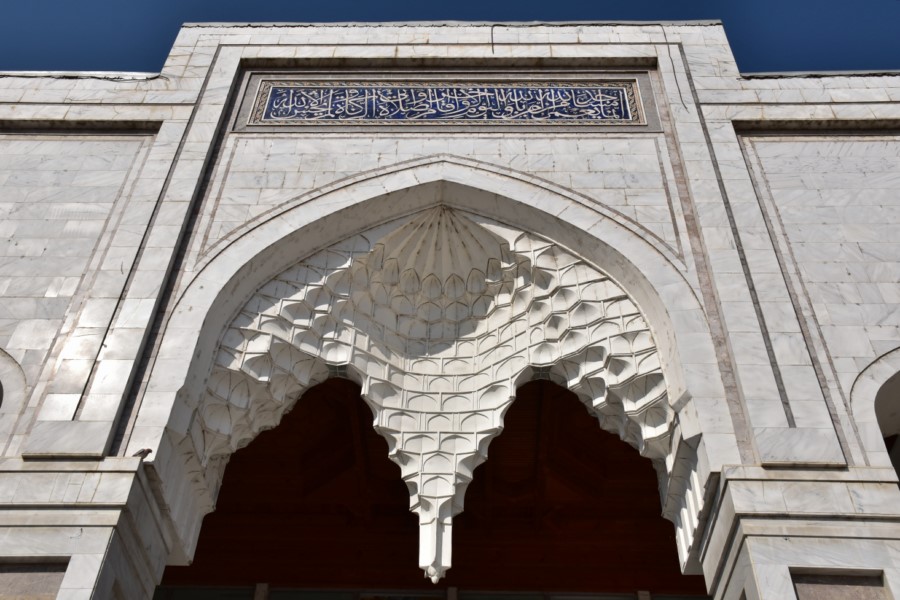
Registan Square Tilya-Kori Madrasah Mosque at the Tilya-Kori Madrasah interior of the dome hall of the mosque Soffit of the dome Mihrab niche decorated with kundal ornaments Courtyard of the Tilya-Kori Madrasah pishtaq Artisan at work Arch of the portal decorated with bands of painted faience Sher-Dor Madrasah lions hunting fallow deer minaret Entrance gate Courtyard of the madrasah Soldiers from the Timurid era A moment of reflection Iwan with honeycomb-style decorations A moment of respite in the niche of the madrasah Ribbed dome Ulugh Beg Madrasah Tourists resting in the courtyard of the madrasah Multicolored faience mosaics Wall decorations in the form of quotes from the Quran Column decorated with faience mosaic Iwan with honeycomb-style decorations doors Darskhana chamber decorated with a sky map Fragment of faience decoration Outer walls of the Sher-Dor Madrasah Chorsu Bazaar afternoon tea dusk Light and Sound show Hazrat Khizr Mosque women's area in the mosque Guide Samarkand panorama facing southwest Bibi-Khanym Mosque Monumental eastern iwan Decorative element Fragment of faience decoration Women in front of the facade of the prayer hall wooden framework by the prayer hall minaret Decorative wall in the niche of the iwan Northern iwan with ruins of arcades Fragment of the dome decorated with faience facing and inscription bands Resting Bibi-Khanym Mausoleum Muqarnas ornament Crypt with the coffins of Saray Mulk Khanum A moment of relaxation Siab Bazaar Siab Bazaar Siab Bazaar Siab Bazaar Siab Bazaar Gur-e-Amir Mausoleum of Timur Minaret Monumental pishtaq Muqarnas decorations Bulbous dome Mausoleum burial hall Interior of the mausoleum dome Cenotaph of Tamerlane Ceramic decoration Door to the spiral stairs leading to the minaret Ak-Saray Mausoleum Alexeyevsky Cathedral Rukhabad Mausoleum Prayer hall Double-domed mausoleum Lower gatehouse Dome of the Shadi Mulk Aga Mausoleum Siesta View to the avenue of mausoleums Octagonal Mausoleum Mausoleums of Ali Nasafi, Anonymous and Amir Burunduk Pilgrims Kusam ibn Abbas complex Inscription in the gatehouse Doors to the mosque Prayer hall in the Kusam ibn Abbas complex Wall decoration Mausoleums of Tuman Aga, Khodja Ahmad and Shah Arab Wall decoration Ulugh Beg Observatory fragment of the arc forming the lower part of the sextant Ulugh Beg Monument

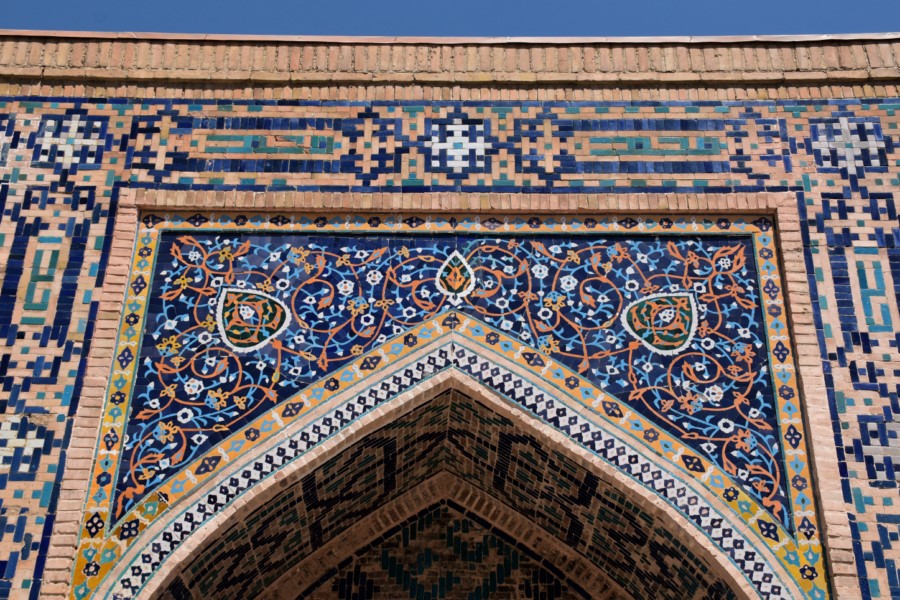
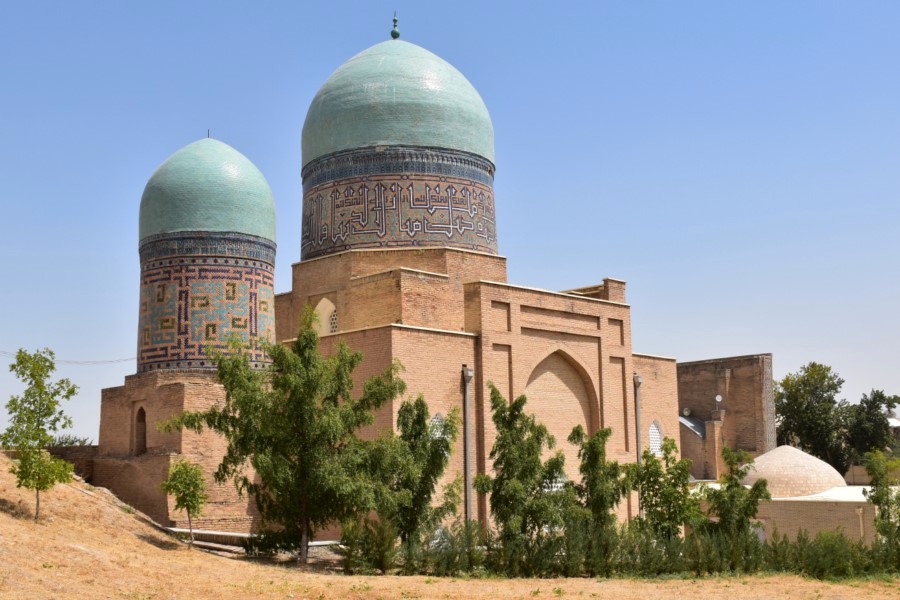
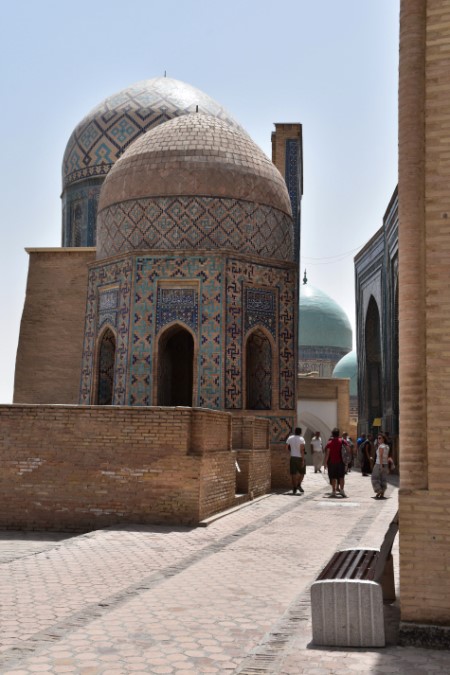
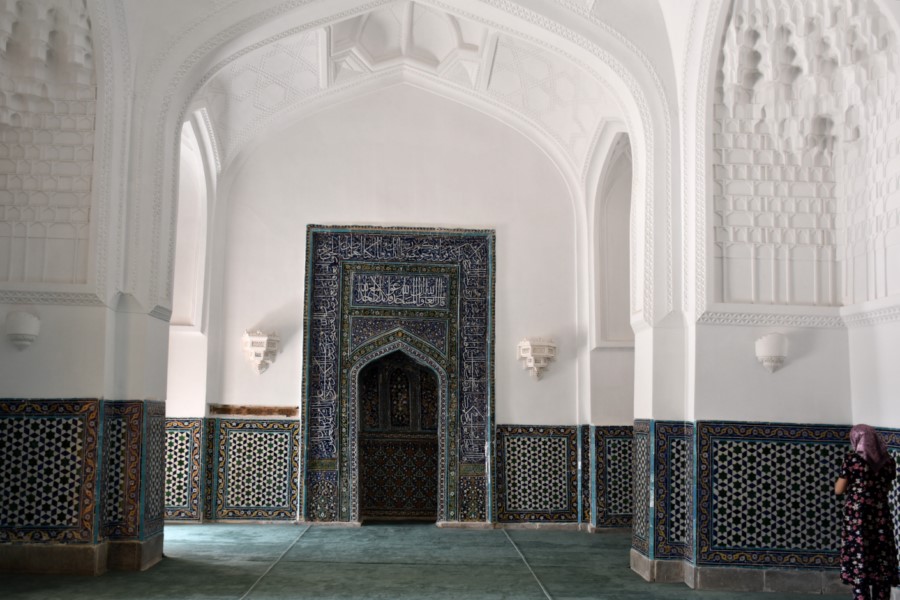
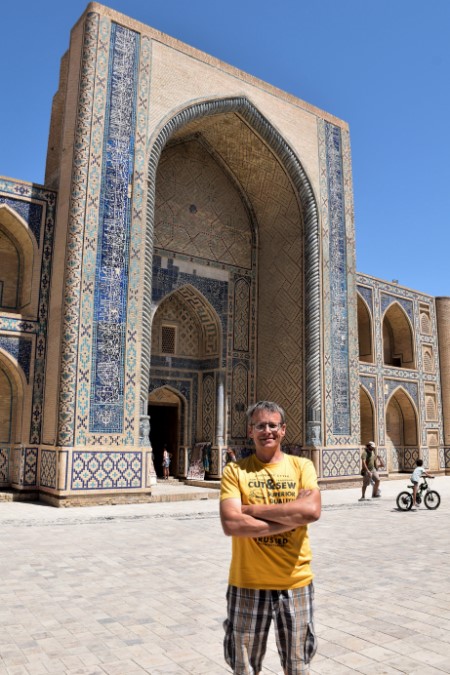
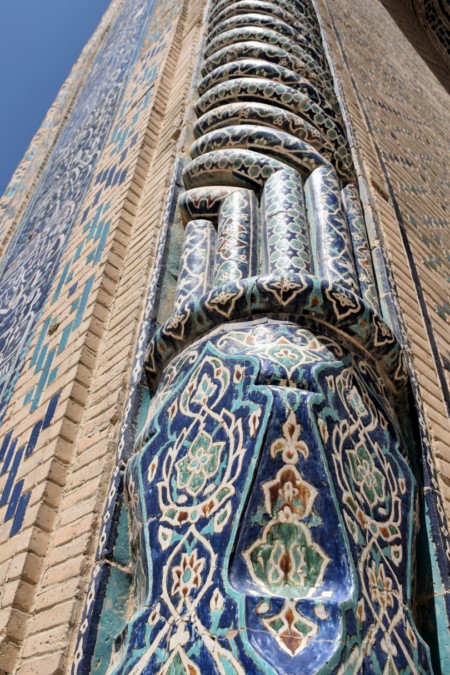
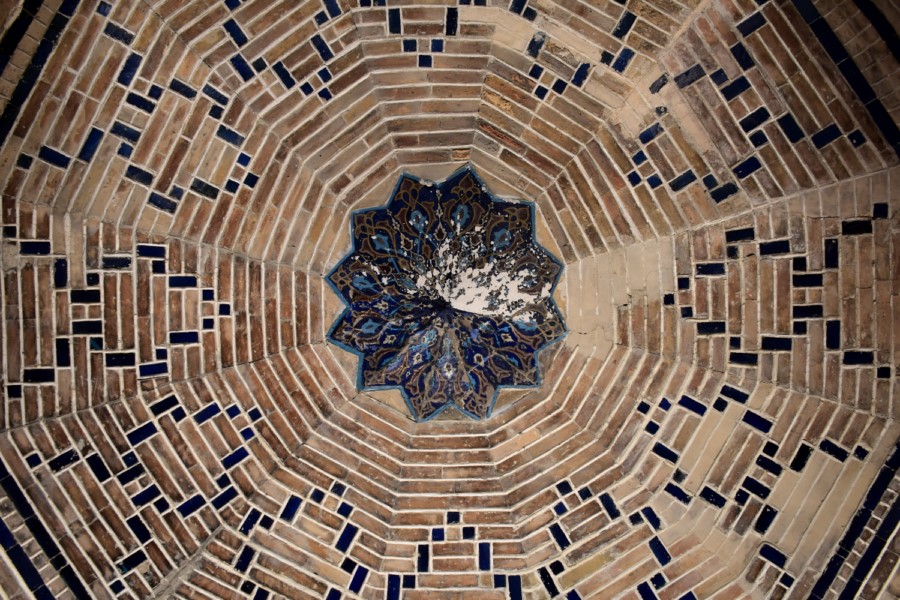
Samarkand is sometimes called the 'Pearl of Central Asia'. However, to visit this pearl, I had to wander a lot, as the monuments are scattered over a large area. The Sza-i-Zinda complex, the Bibi Chanum mosque or the Gur-i-Mir mausoleum, covered with paintings, mosaics and fancy decorations, make an amazing impression. However, Registan Square, the most famous architectural complex of Uzbekistan, beats all these wonders.


Shahrisabz


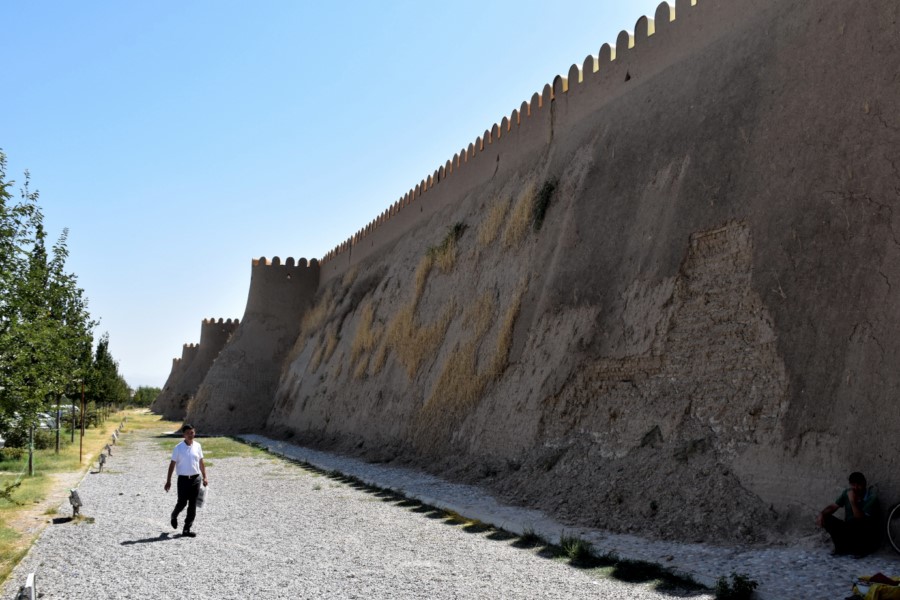
Heading towards Shahrisabz Roadside stalls Qurt Polish military cemetery Local cemetery caretaker Defensive wall Ak-Saray, ruins of Timur's palace Monumental pylons Chorsu Bazaar Statue of Tamerlane Amir Timur Dorut Tilawat Complex Minaret and Kok Gumbaz Mosque Prayer hall Wall decoration Mihrab and minbar Ceiling decoration Dorus Saodat Complex Prayer in the mosque Crypt of Amir Timur Returning from shopping Local rascals

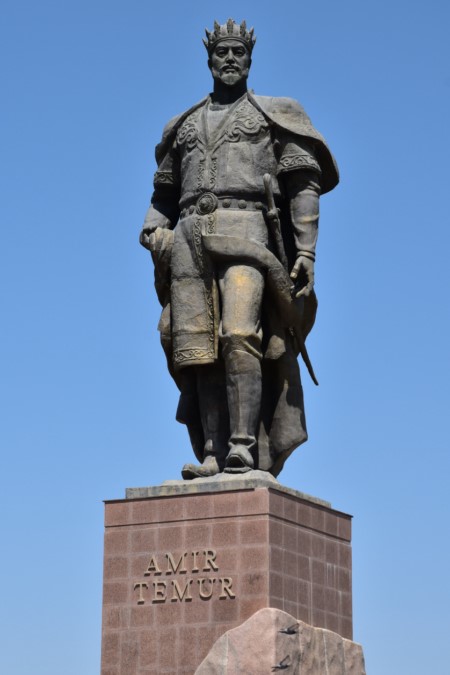
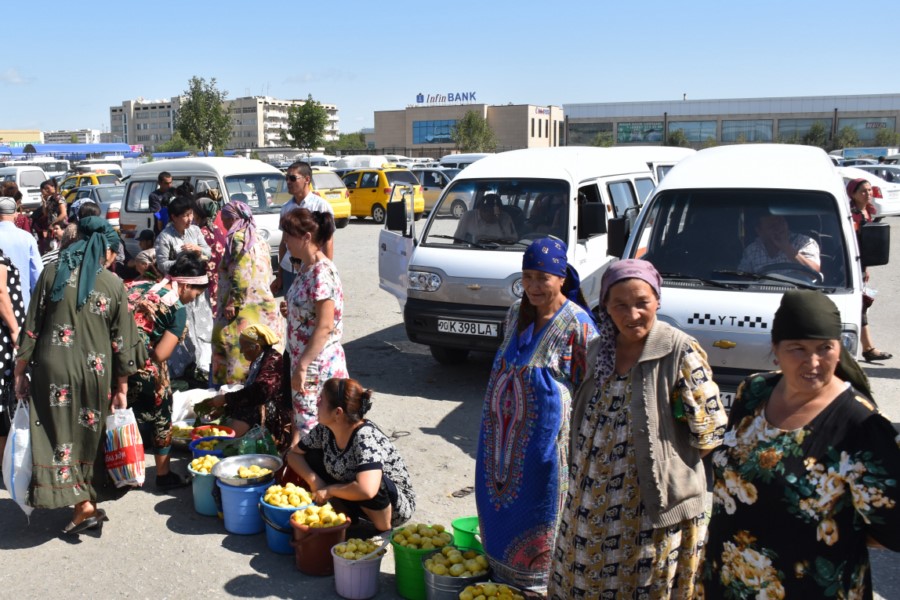
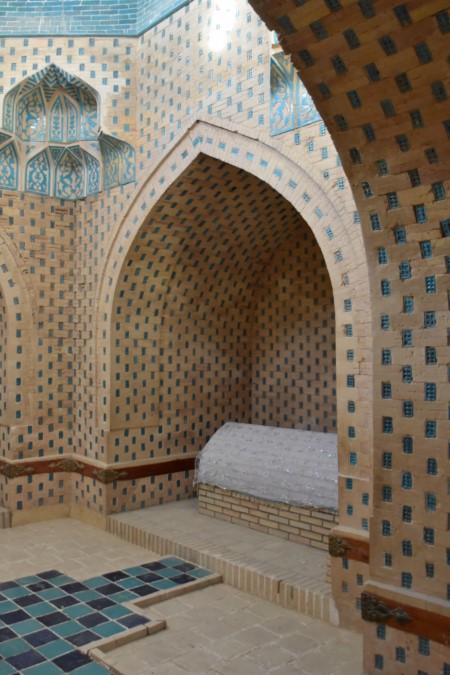
Shahrisabz, known in antiquity as Kesh, is today a small, provincial town. But it was here that Timur Chromy was born, known in Europe as Tamerlan, the conqueror of Central Asia, Iran, Iraq and the Transcaucasus. I came to Shahrisabz especially to see with my own eyes the monumental ruins of the palace erected on the orders of Timur at the turn of the 14th and 15th centuries. The Dorus-Siadat complex is also worth visiting, with Timur's empty crypt.


Bukhara


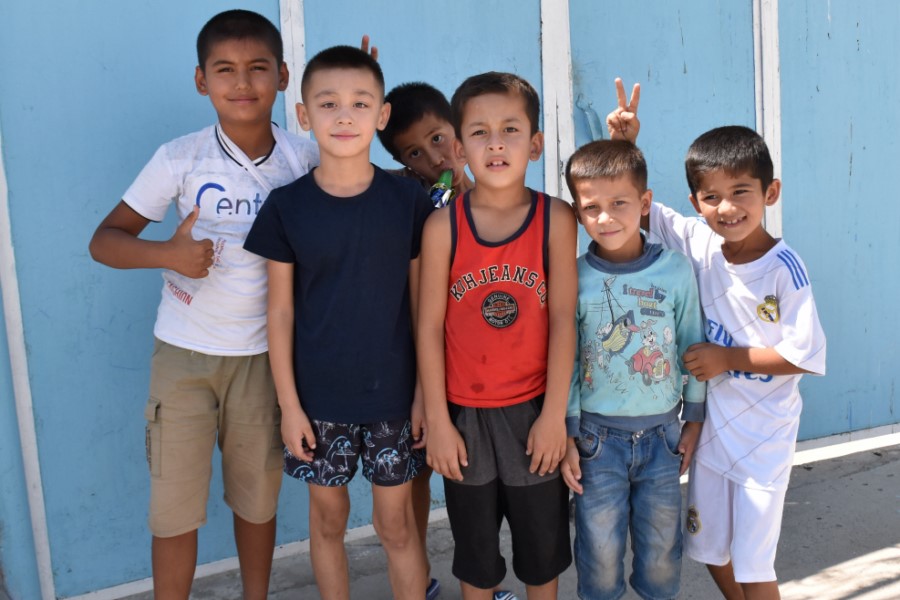
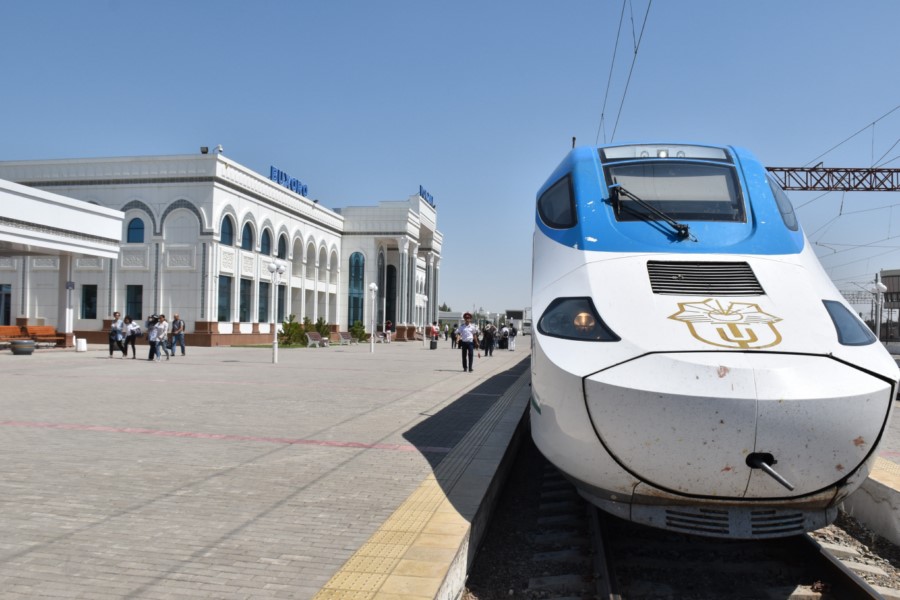
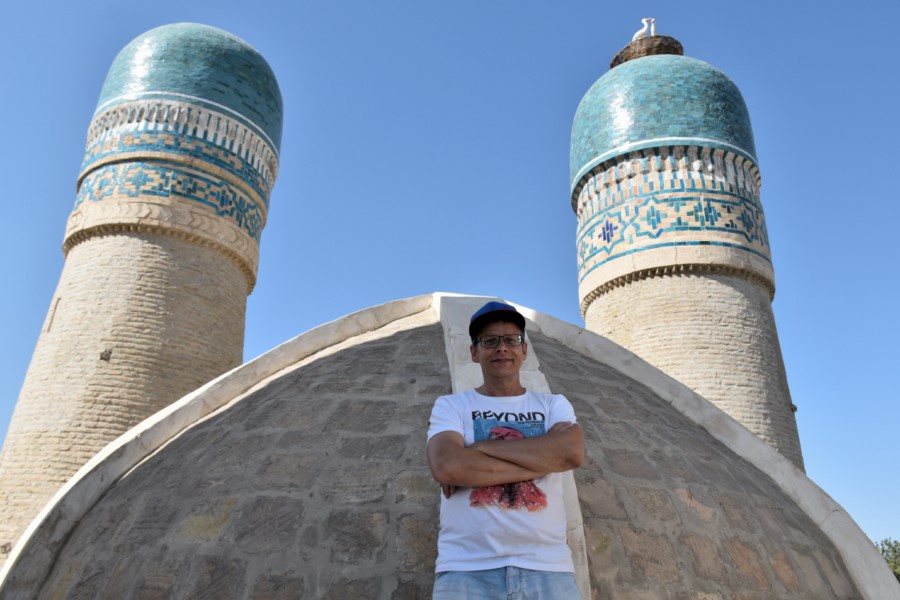
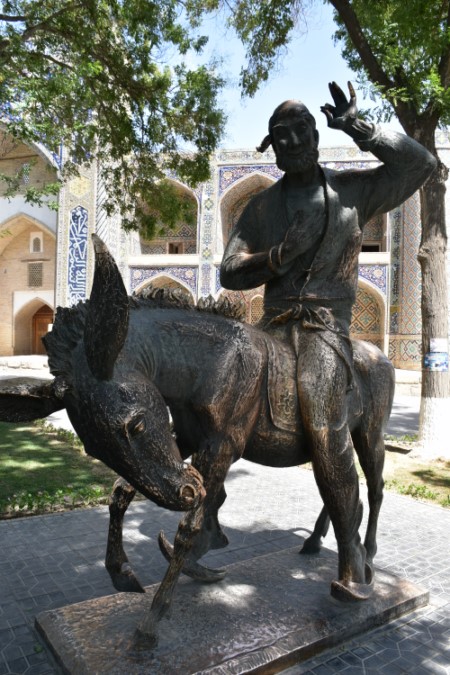
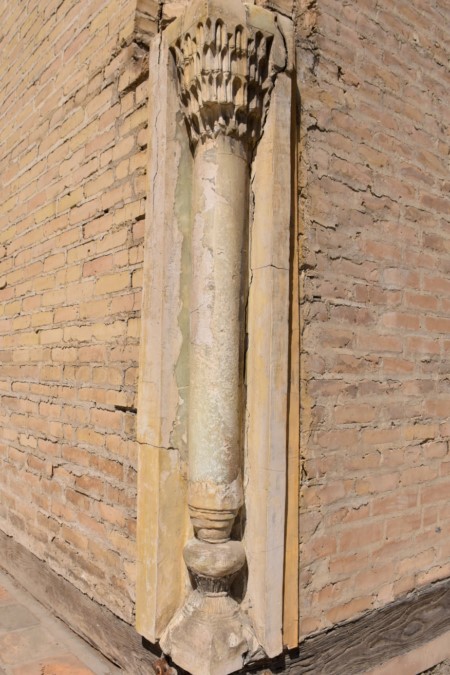
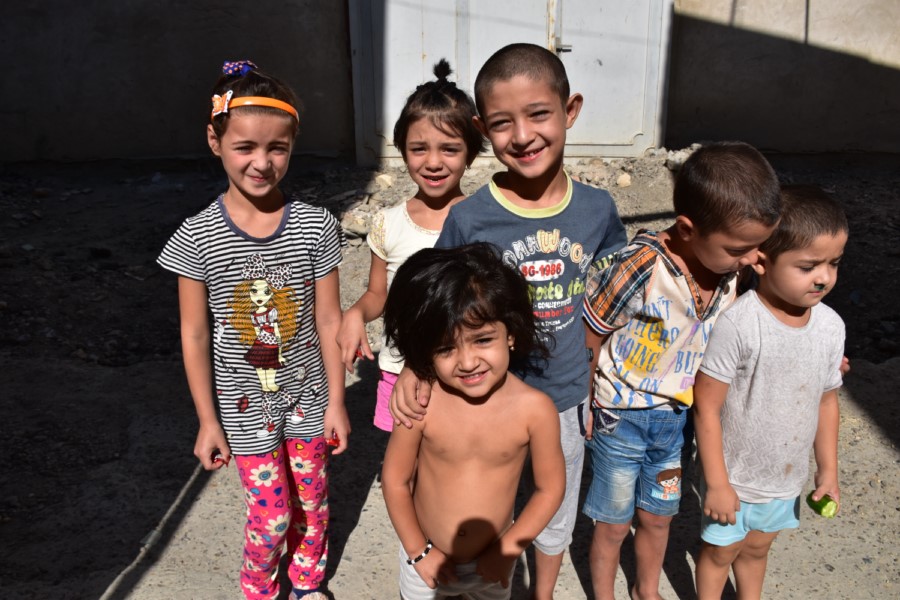
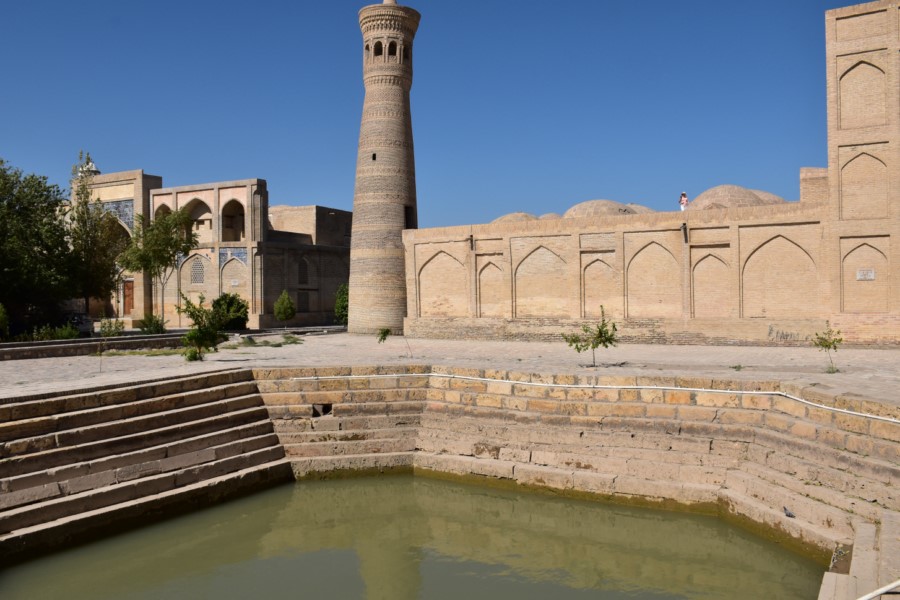
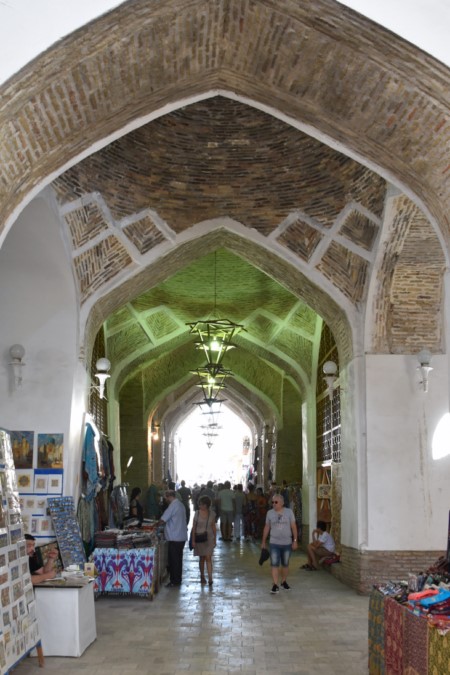
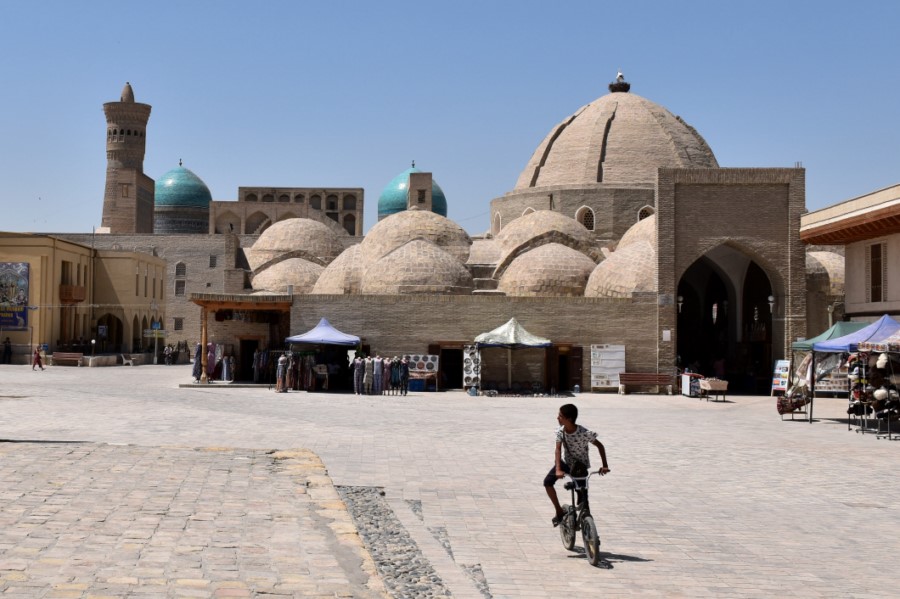
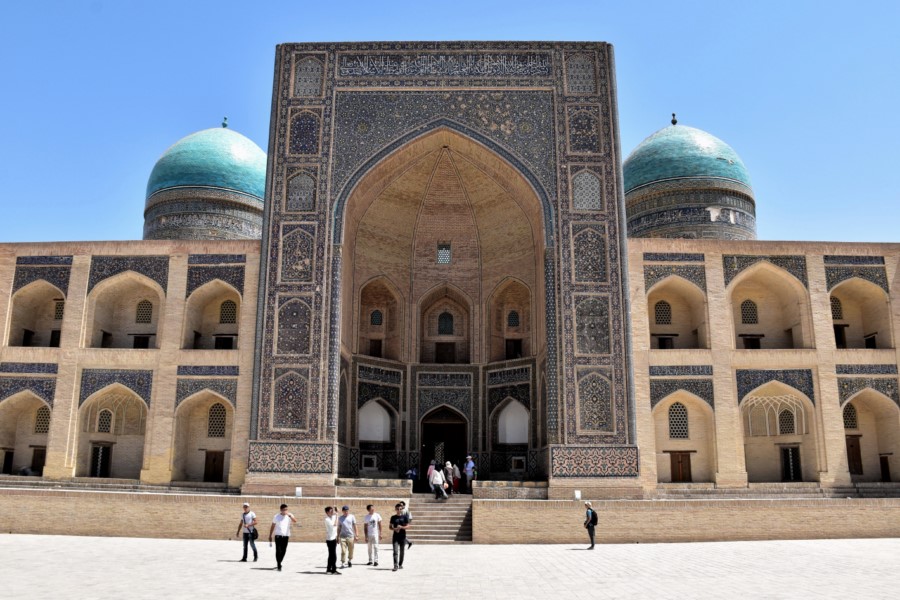
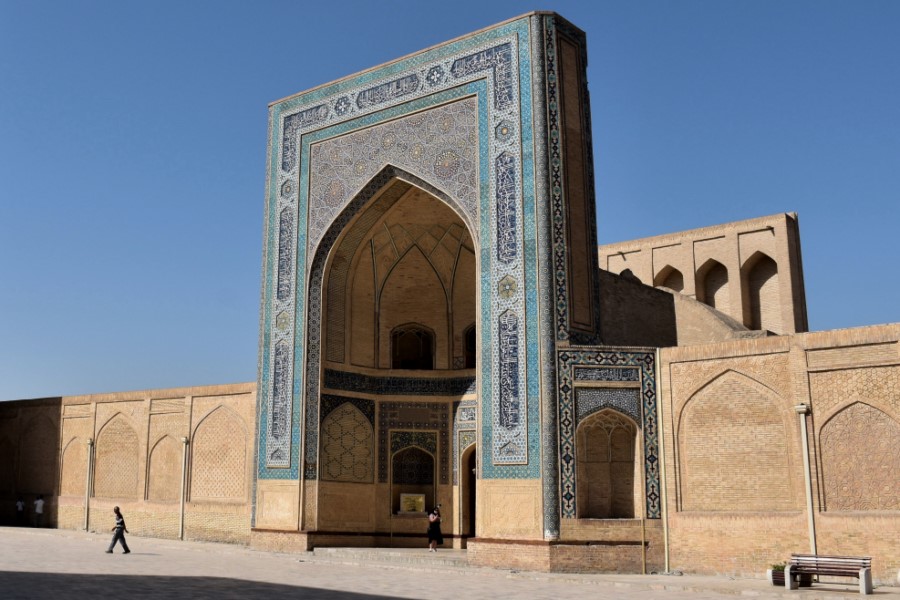
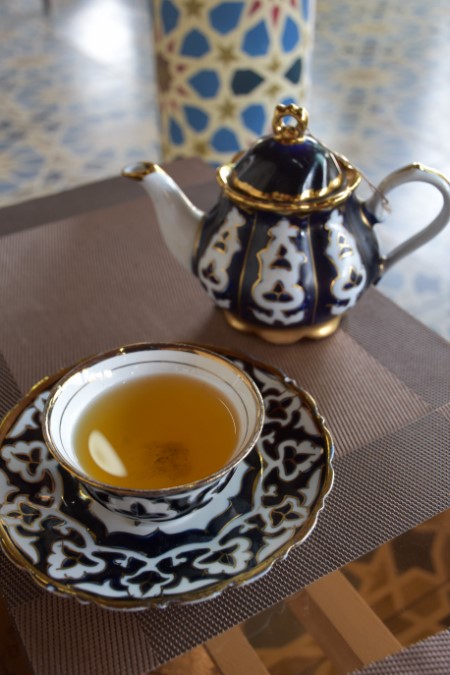
Bukhara railway station Welcome adventure Chor Minor Souvenir photo Minaret Divan-Begi Madrasah Main iwan decorated with fantastic images of birds (Simurgh) Uzbeks eagerly pose for photos among the historical monuments Decorations made of glazed terracotta and faience mosaics Hodja Nasreddin Kukeldash Madrasah Decorative vaulting Corner column with a muqarnas capital Suzani embroidered fabric Magok-i-Attari Mosque Fruit of desire Yellow figs Beauties Divan-Begi khanqah Siesta Ceramics Museum Polychrome above the mihrab Toqi Sarrofon Trading Dome Toqi Sarrofon trading dome and Nugay Caravanserai Old samovars Uzbek dolls Door The sacred and the profane A pole at the Turki Jandi Mausoleum Local kids Khoja Gaukushon Complex Gaukushon Madrasah Khoja Minaret View from the minaret window Bukhara panorama facing north Toqi Telpak Furushon Trading Dome Interior of the hall Souvenirs for tourists Souvenirs for tourists Main street of the old town Arcade of a traditional shop Traditional Uzbek carpet Peek-a-boo Square in front of the madrasahs Iwan of the Ulugh Beg Madrasah Decorative bands of painted faience Soffit of the dome Faience mosaics Courtyard of the madrasah Loggia in front of the entrance to the student room Toqi Zargaron Trading Dome Passageway under the dome, Mir-i-Arab Madrasah in the background Souvenirs for tourists Souvenirs for tourists Poi Kalyan Facade of the Mir-i-Arab Madrasah Dome over the cenotaph of Sheikh Abdullah Step inside Vaulting above the entrance gate pishtaq of the Friday Mosque Vaulting of the semi-dome of the eastern iwan Monumental courtyard, western iwan in the background On the way to prayer Vaulting of the western iwan Hypostyle hall Resting on the handrail of the minbar Monumental Kalyan Minaret Kalyan Minaret Decorative geometric motifs on the minaret walls Beauties The Ark Citadel Mighty walls of the Ark Citadel Souvenir photo Friday Mosque Capital with muqarnas decorations Ceiling covered with geometric and floral ornaments One of the four mihrabs Honeycomb-style muqarnas decorations Courtyard of the emir's greeting ceremony Throne courtyard Woman in a period costume bowing to the ruler Marble throne Stable courtyard Shukhov water tower Goods transport during the Silk Road era Bolo Hauz Mosque Preparation for prayer Samanid Mausoleum Facade decoration with fired brick Impression Tomb of Ismail Samani Chashma-Ayub Mausoleum Main avenue with tombs Chor Bakr Necropolis Tomb of Atoulloh Khoja Tomb with a mini minaret

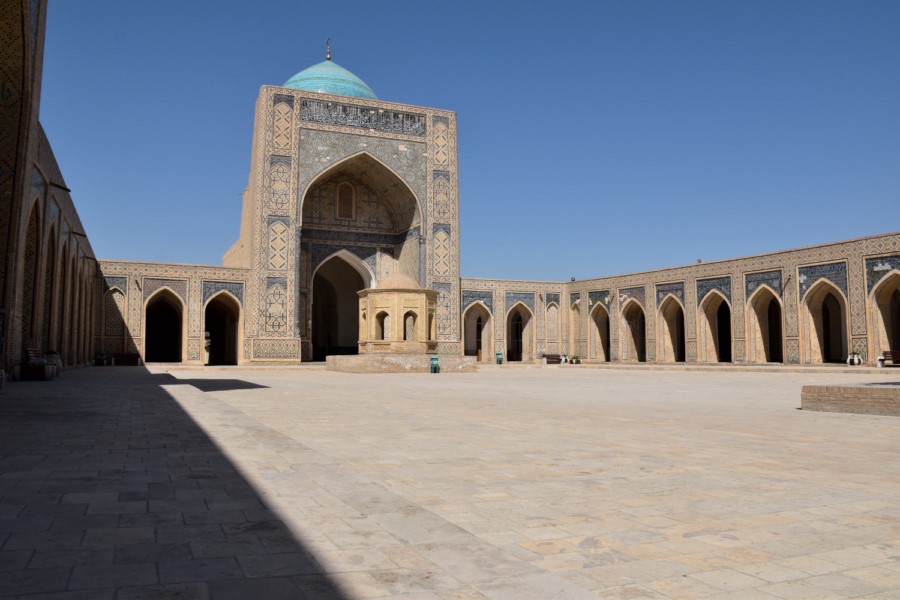
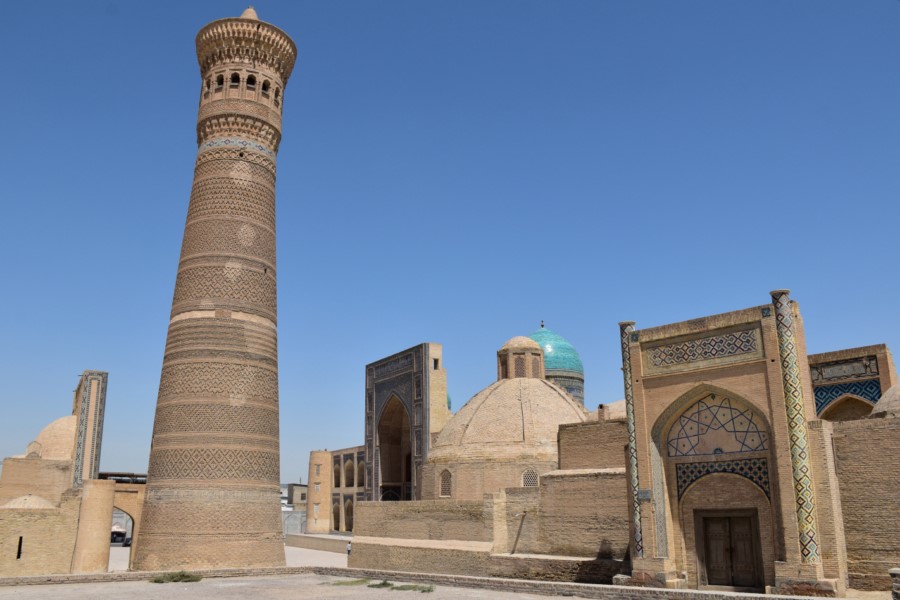
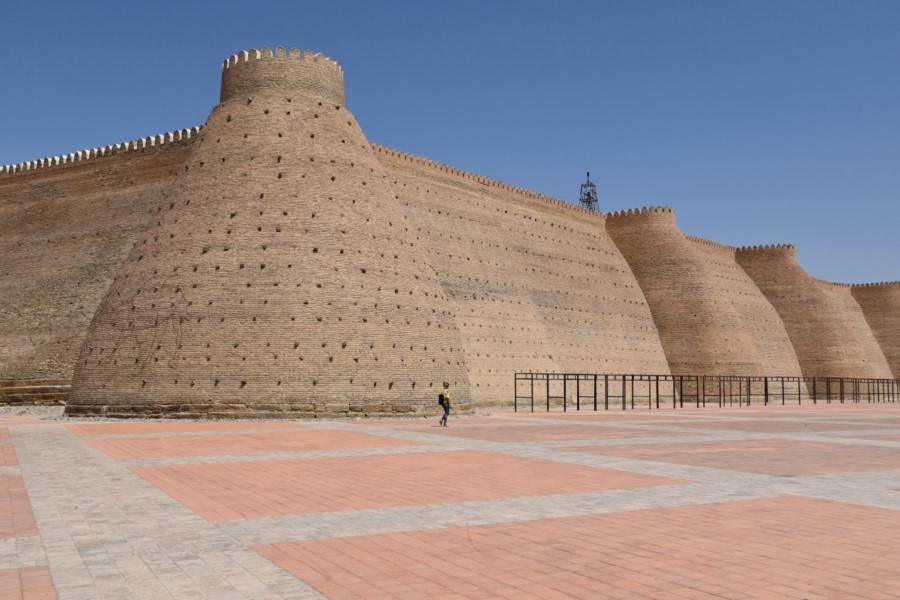
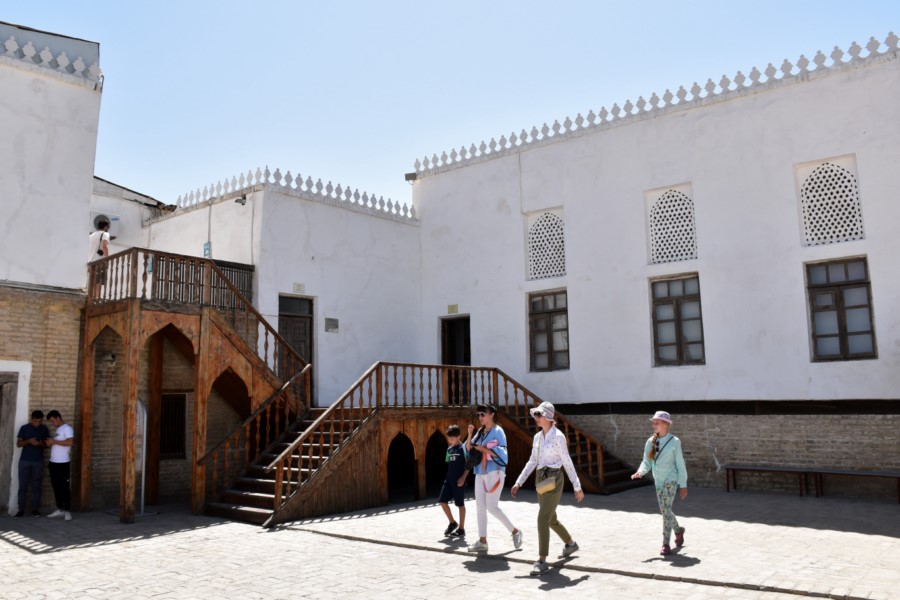
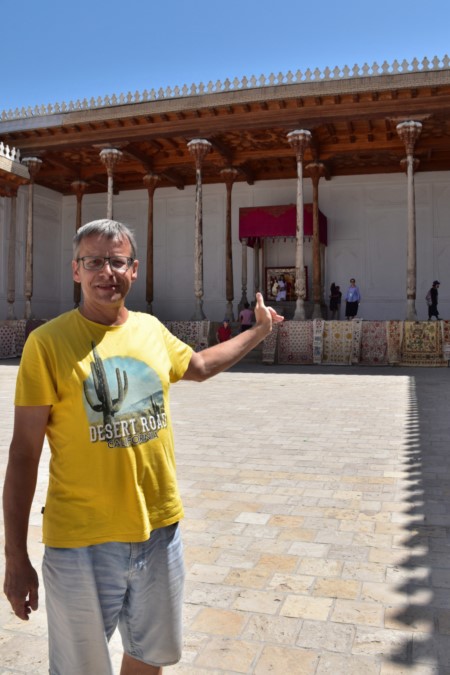
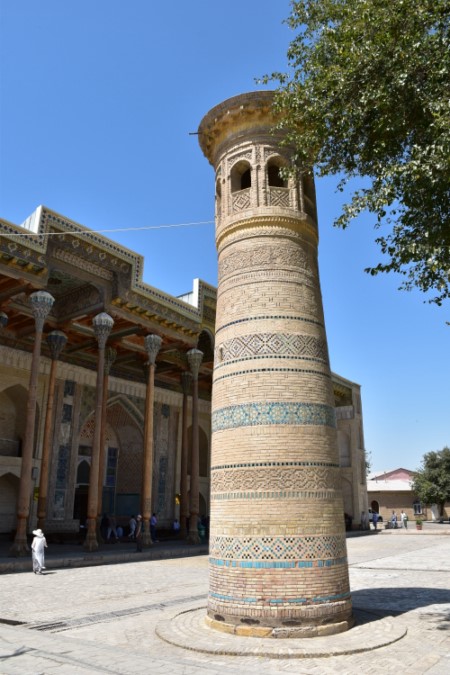
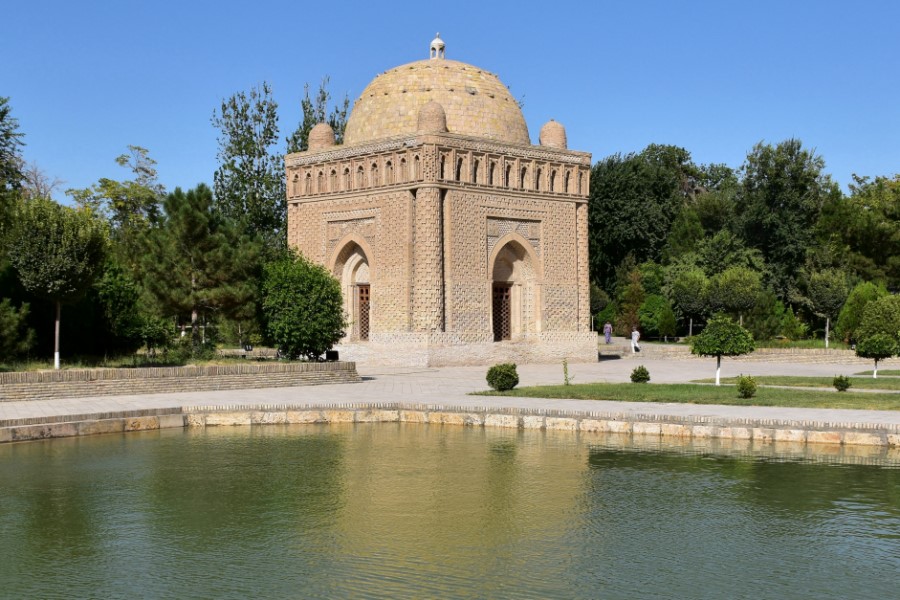
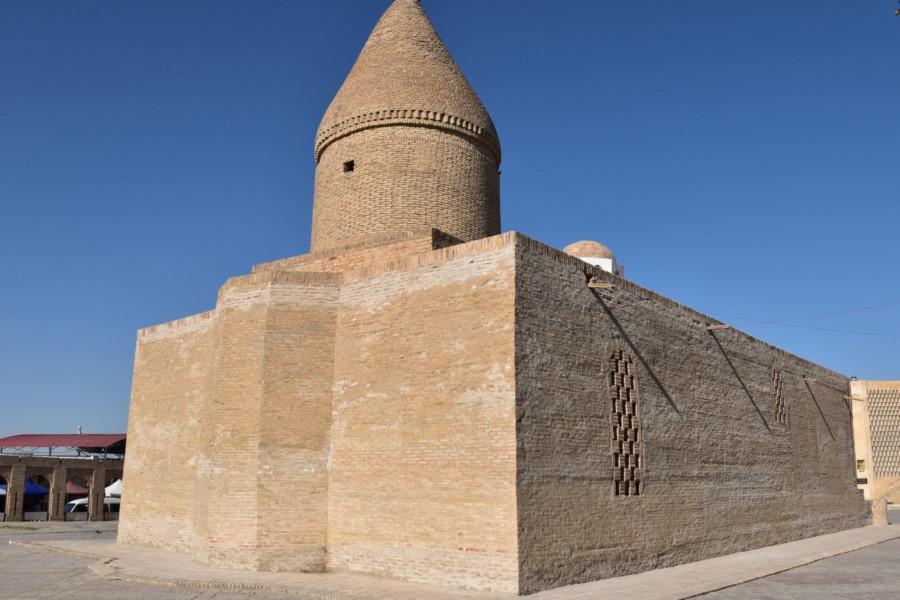
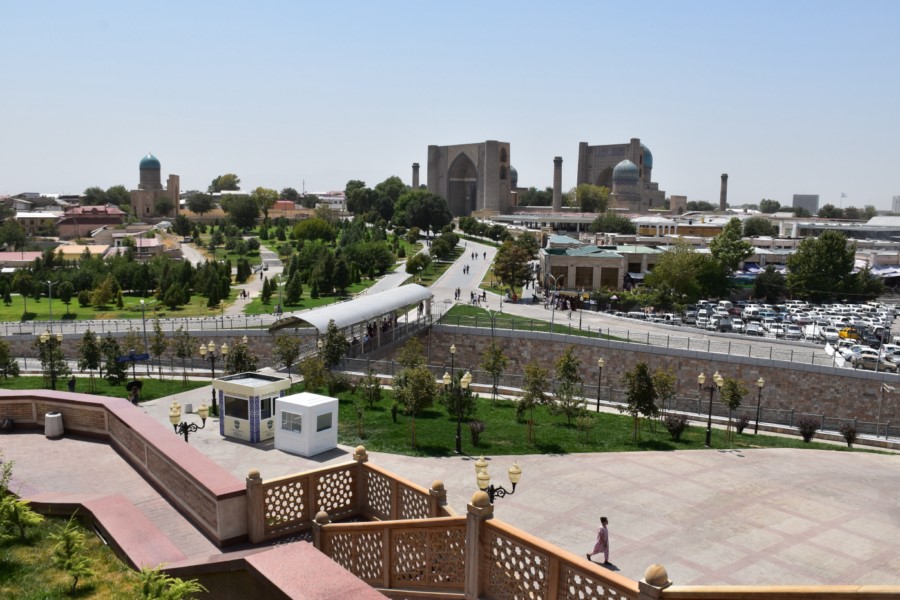
The capital of the former Bukharian Khanate is, next to Samarkand and Chiwa, one of the three pearls of Uzbekistan. The buildings in Bukhara are not as monumental and colorful as in Samarkand, but you can see the historical center almost fully preserved and feel the atmosphere of a medieval Islamic city, which I have experienced personally. However, the biggest impression on me was not the famous Po-i-Klon complex, but the Ark citadel - Bukhara's oldest monument.

Chiwa


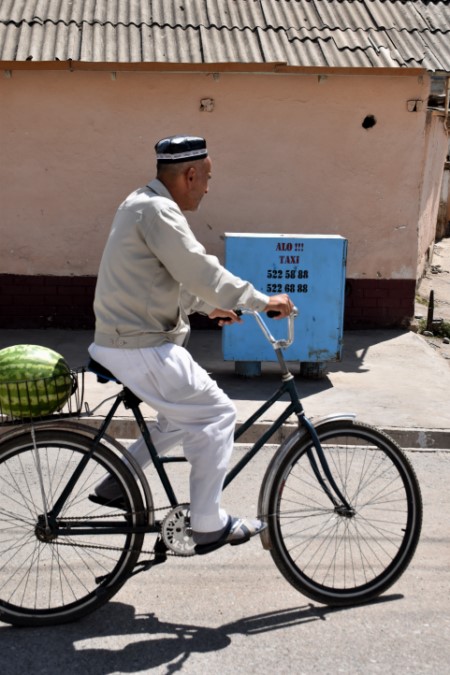
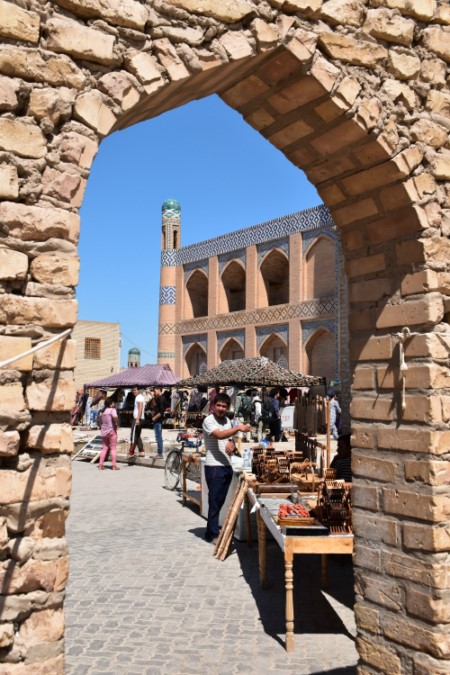
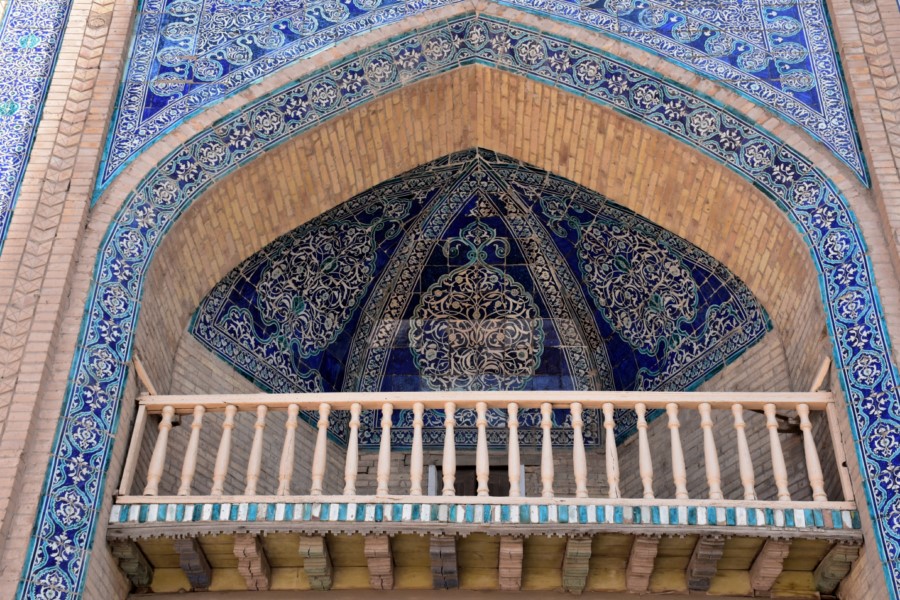
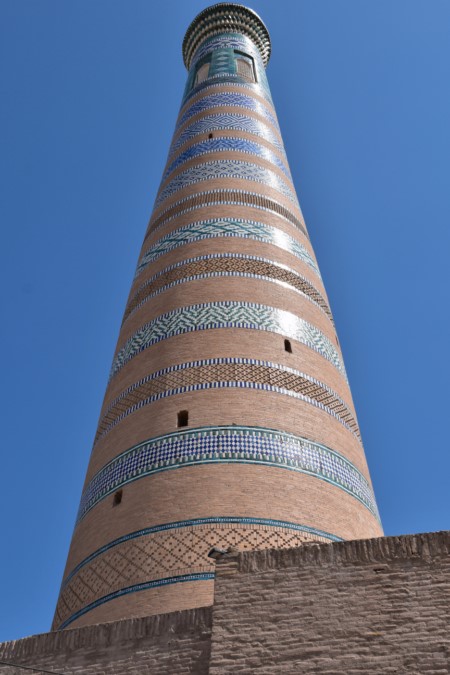
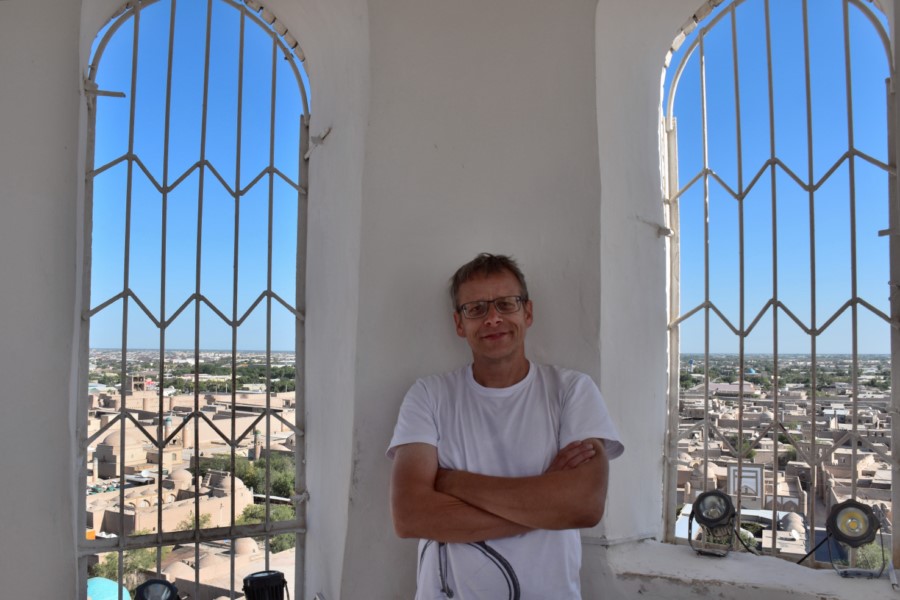
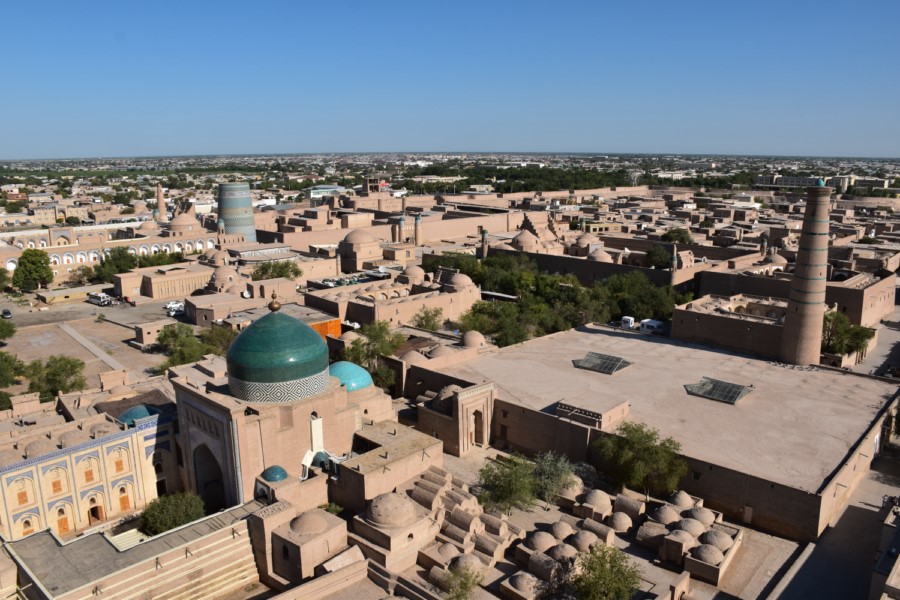
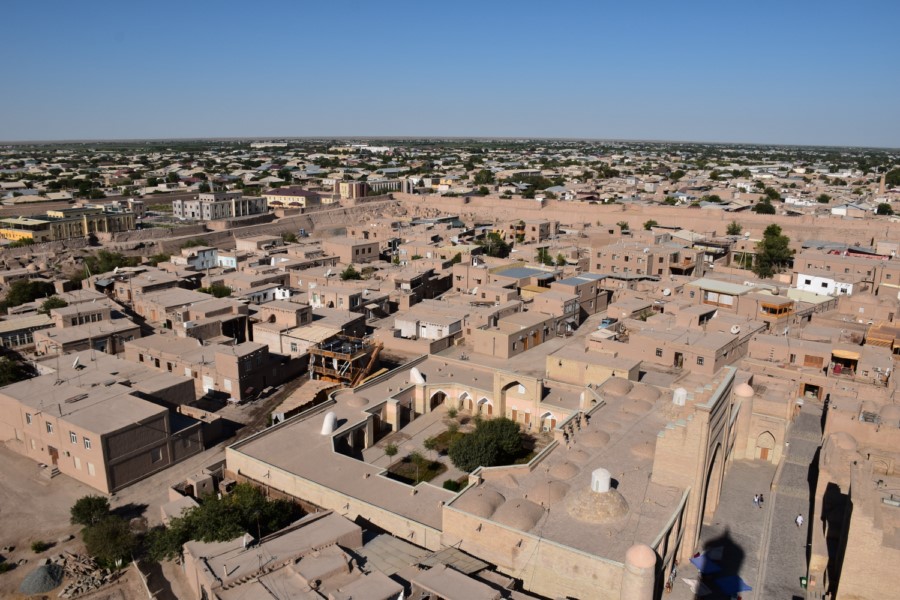
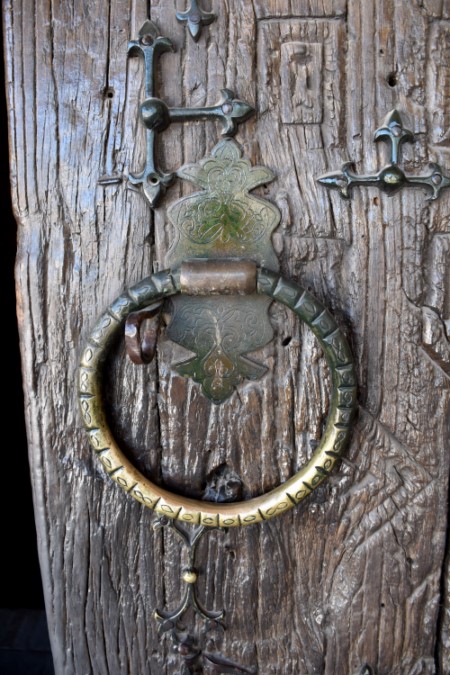
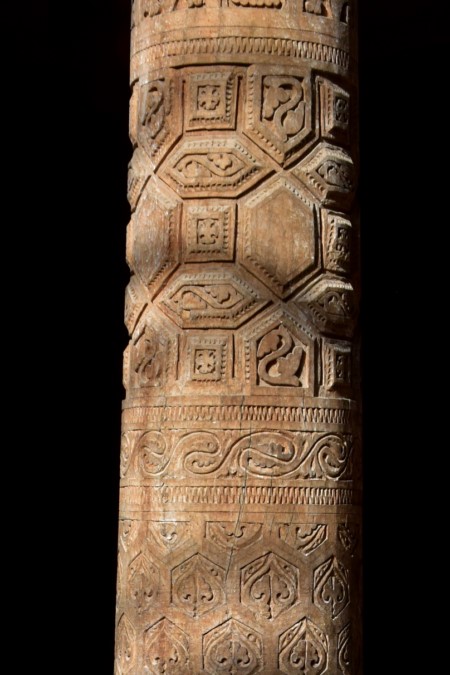
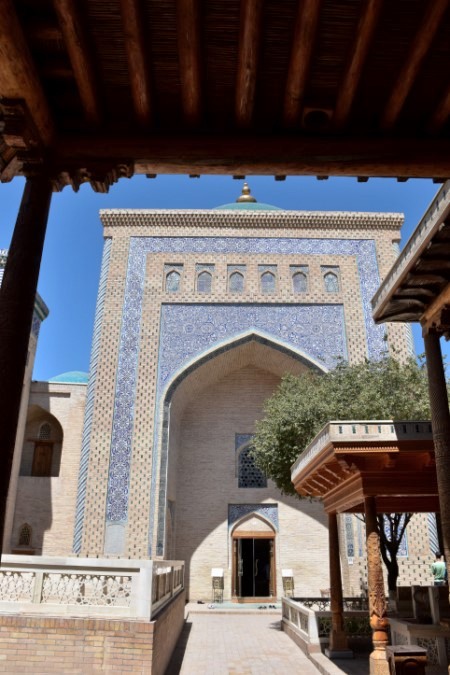
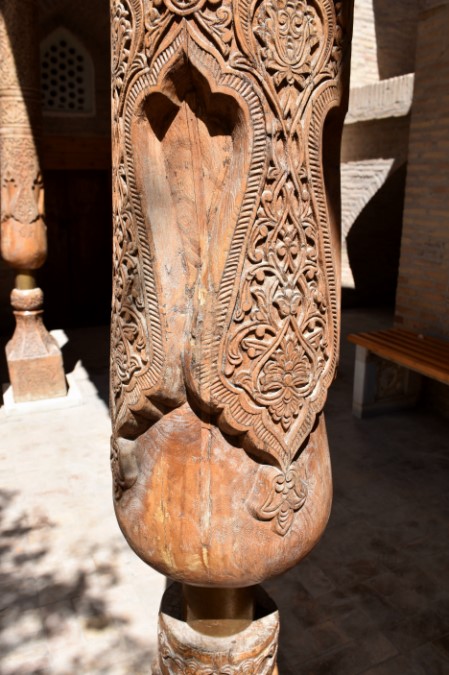
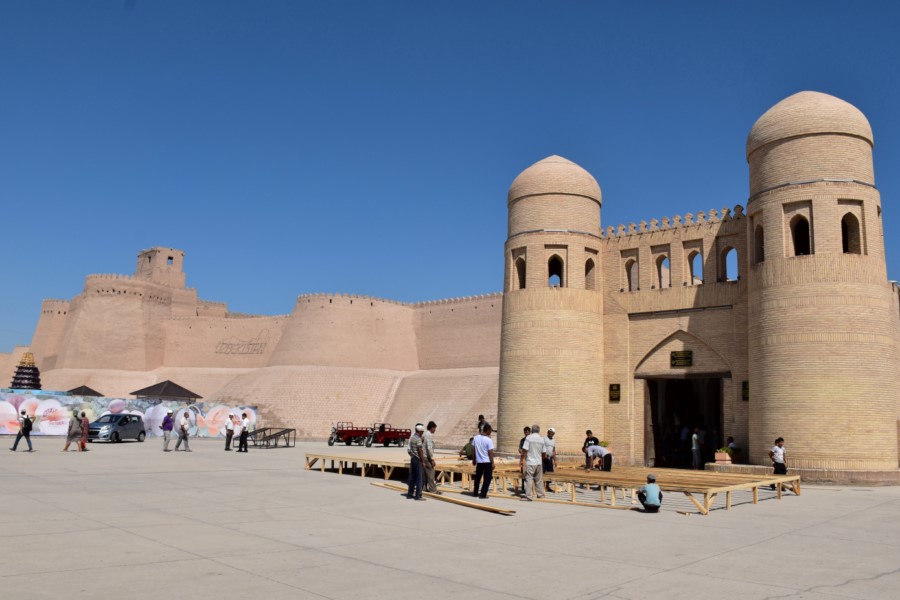
Itchan Kala Citadel Eastern gate of Itchan Kala Souvenir photo Gate door Palvan, a bustling market street I'm not lost, am I? Ak Mosque Decorative door knocker Otojonboy Madrasah A moment of relaxation Islam Khodja Madrasah and Minaret The top of the minaret decorated with faience tiles Traditional suzani embroidered fabrics The surroundings of the madrasah are a favorite spot for souvenir sellers Regional handicraft Islam Khodja Madrasah Corner minaret The top of the iwan enclosed by a balcony Islam Khodja minaret Souvenir photo at the top of the minaret City panorama facing NW City panorama facing S City panorama facing north Juma Minaret Door knocker Mosque prayer hall Souvenir photo Fragment of an intricately carved column Pahlavan Mahmoud Mausoleum Dome over the khanqah Inner iwan Intricately carved column Niche with the tomb of Muhammad Rahim Khan Tombs of Khivan rulers Member of a Sufi brotherhood Polvon Street Facade of the Allakuli Khan Madrasah Successful shopping Courtyard of the madrasah Walls of the Tash Khauli Palace and the Allakuli Khan Caravanserai Traditional Uzbek door Souvenir stalls in front of the Kutlug Murad Inak Madrasah Artistic handicraft Impression Souvenir photo Picturesque alley Uch Avliyo Bobo Mausoleum Traditional chugirma fur hats Western section of Palvan Street Kalta Minor Minaret Calligraphic decoration in the Persian Nasta'liq script Muhammad Amin Khan Madrasah Courtyard of the madrasah Corner minaret of the Muhammad Rahim Khan Madrasah Itchan Kala, western gate Watermelon sellers Kunya-Ark Citadel Kunya-Ark Citadel Kunya-Ark Citadel Kunya-Ark Citadel, watchtower

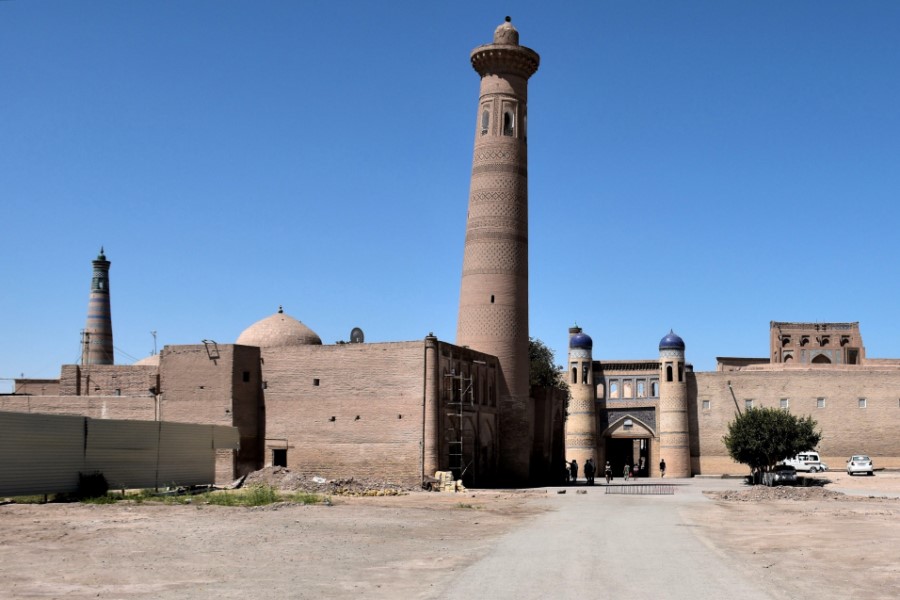
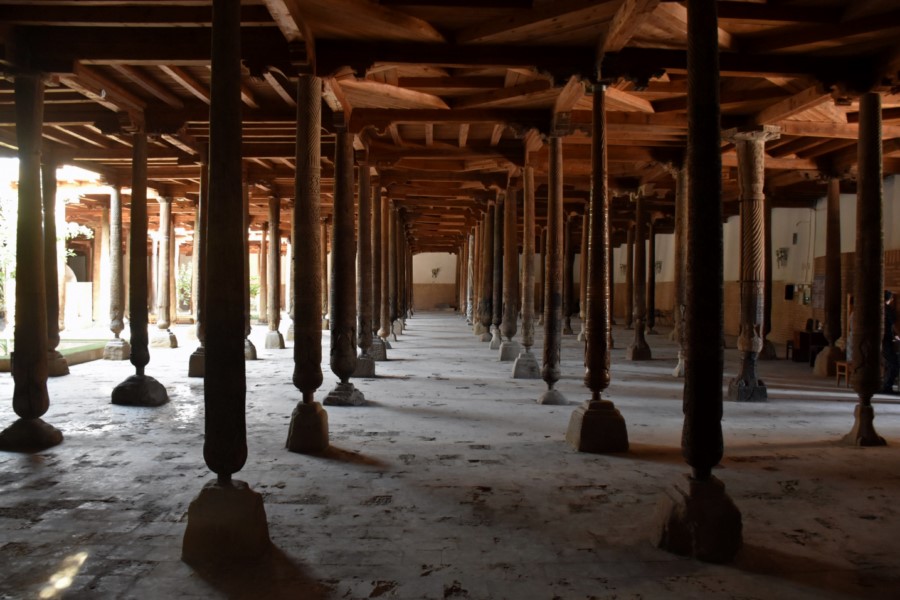
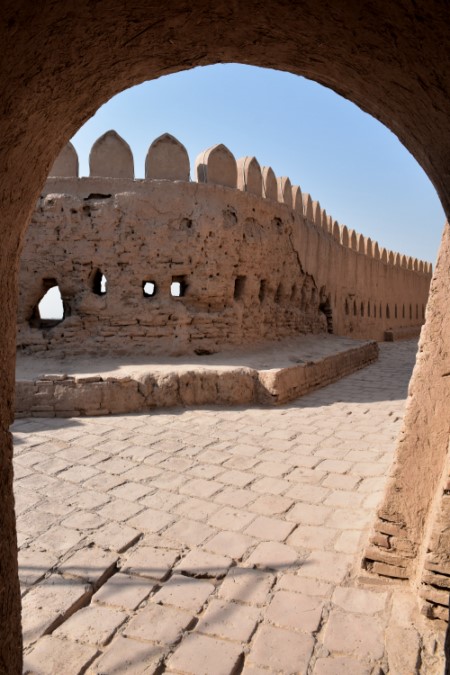
The Chiva Center is unmatched in the whole of Central Asia when it comes to the accumulation of architectural and cultural monuments. Mosques, madrasahs, mausoleums, caravanserais and chaikhans are literally pressing against each other. The old town is surrounded by the fortress Iczan Kala with its monumental walls perfectly preserved. I especially remember the Juma mosque, the ceiling of which is supported by over 200 wooden columns, and the light coming through the skylights creates an amazing atmosphere.


Nukus and surroundings


Urgench, searching for transport The legendary Amu Darya river Nukus, city center The legendary Museum of Fine Arts Exhibition hall, paintings of Russian avant-garde artists Exhibition hall, paintings of local artists Takeaway pancakes Ayran Popular pickles Mausoleum of Mazlumkhon-Sulu, daughter of the ruler of Khwarazm Interior of the Mazlumkhon-Sulu mausoleum Mausoleum of Khalifa Erejep Burial mound over the grave of Saint Jumart Contemporary Muslim mausoleum Shamun-Nabi Mausoleum Enormous tombstone with a length of 25 m Mizdarkhan Necropolis Dried-up lake Ruins of the Gyaur Kala fortress Gyaur Kala Gyaur Kala Gyaur Kala

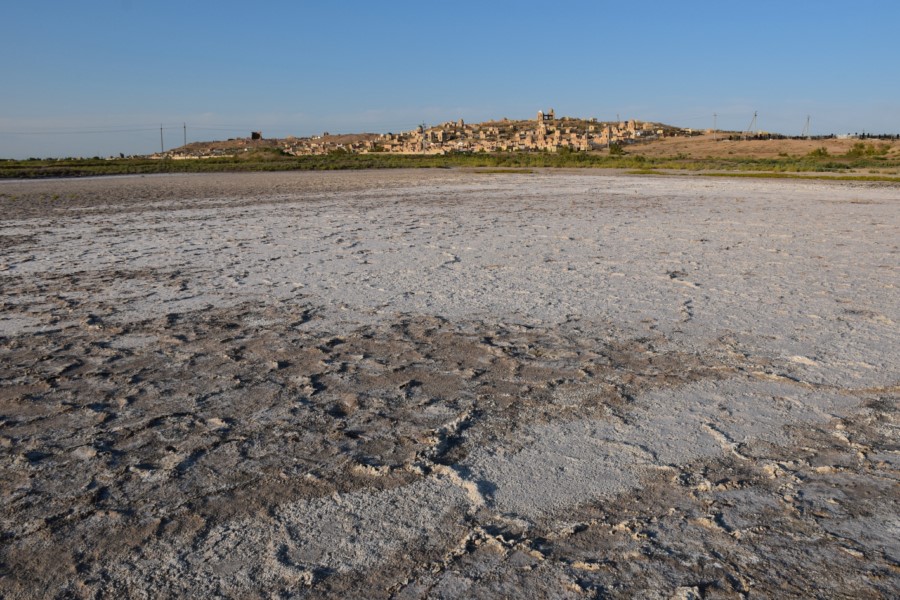
Nukus, which is the capital of the Karakalpackie Republic, is not an attractive city. However, it has two advantages - it lies on the way to the Aral Lake and has one of the largest collections of Russian and Soviet paintings in Asia. Due to the renovation, I was not able to see artifacts from the excavations of ancient Khorez, but on the way back I had the opportunity to admire the remains of Gyaur Kala, a Chorezma fortress built in the 4th century B.C.


Aral Sea - Munyak


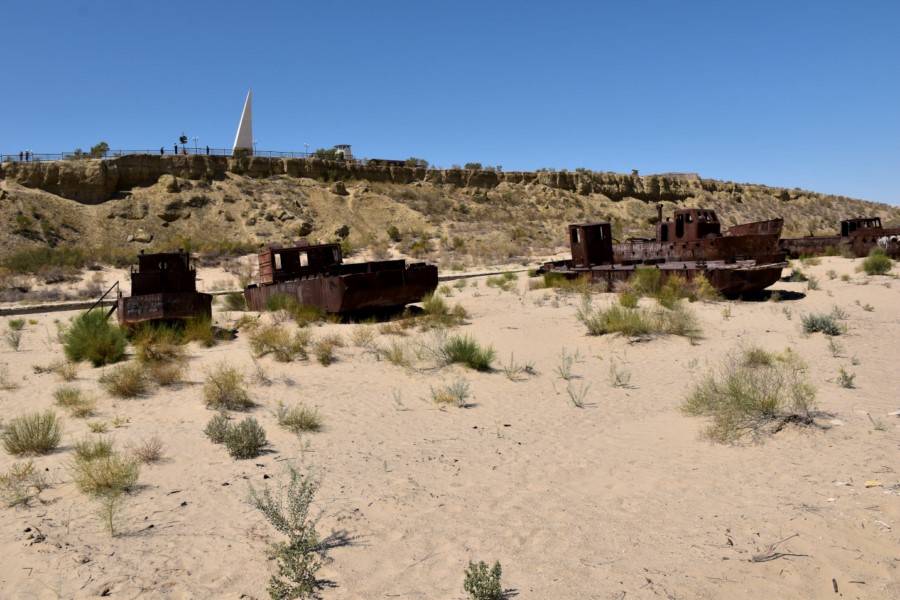
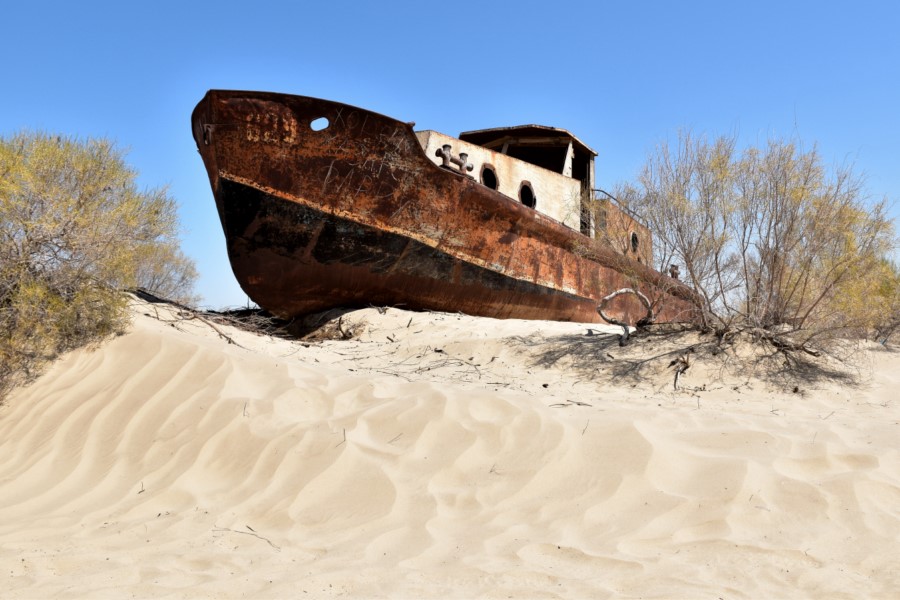
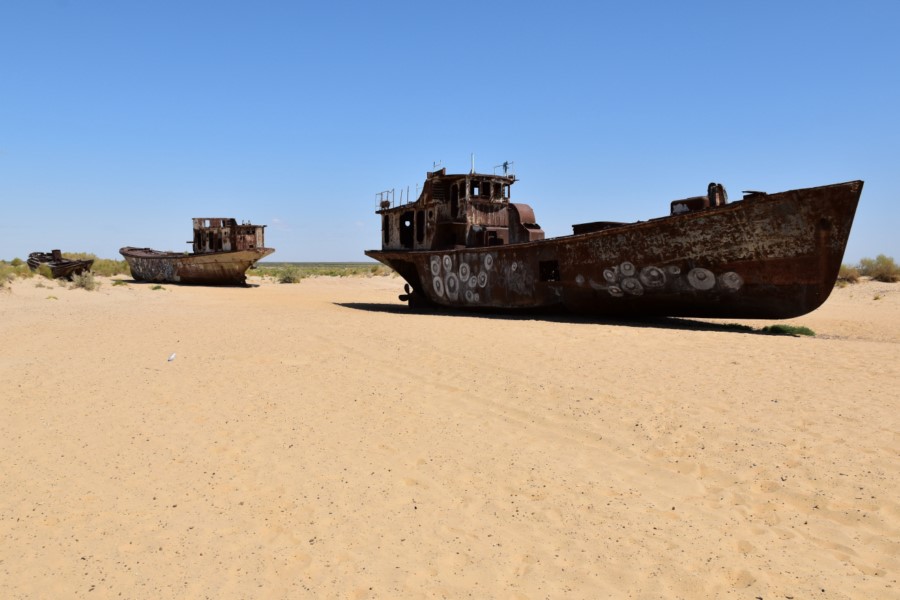
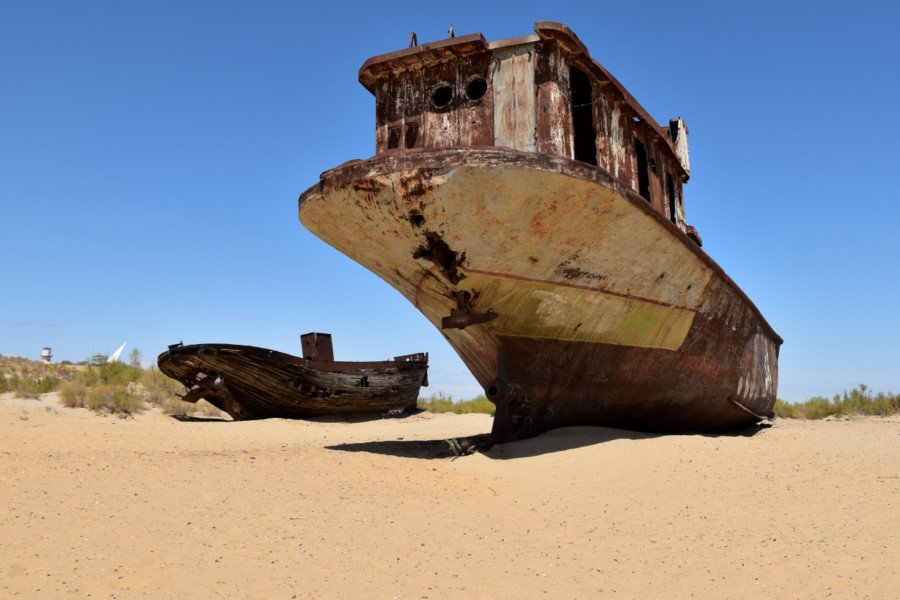
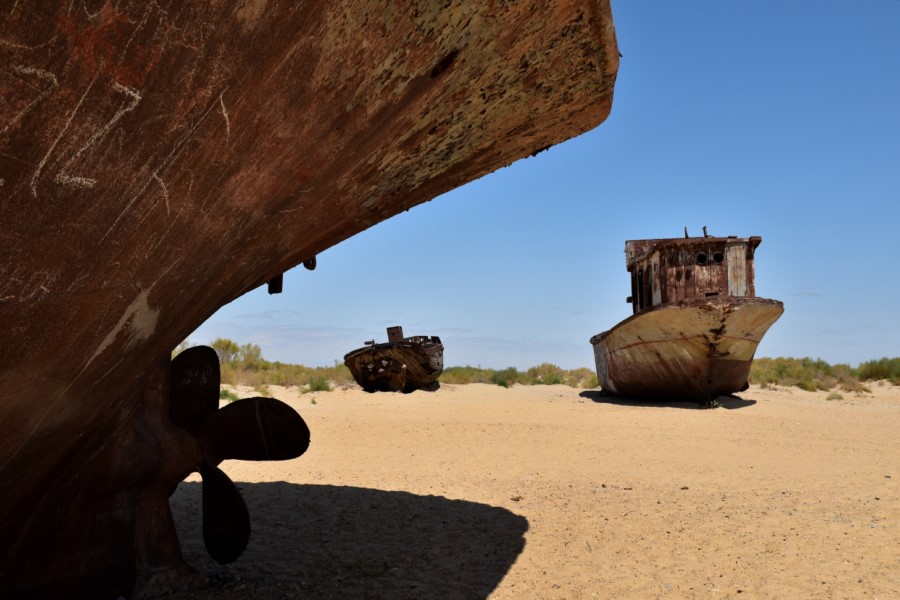
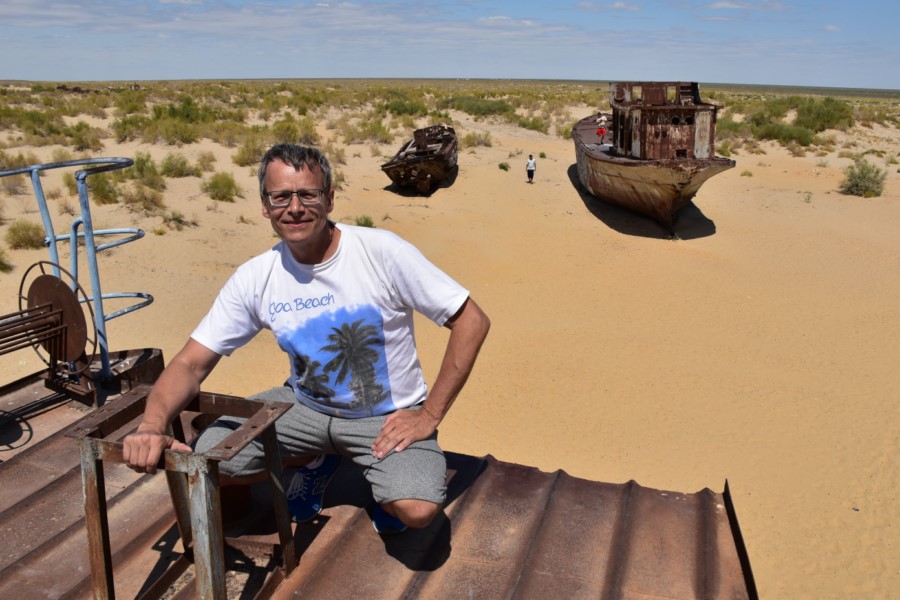
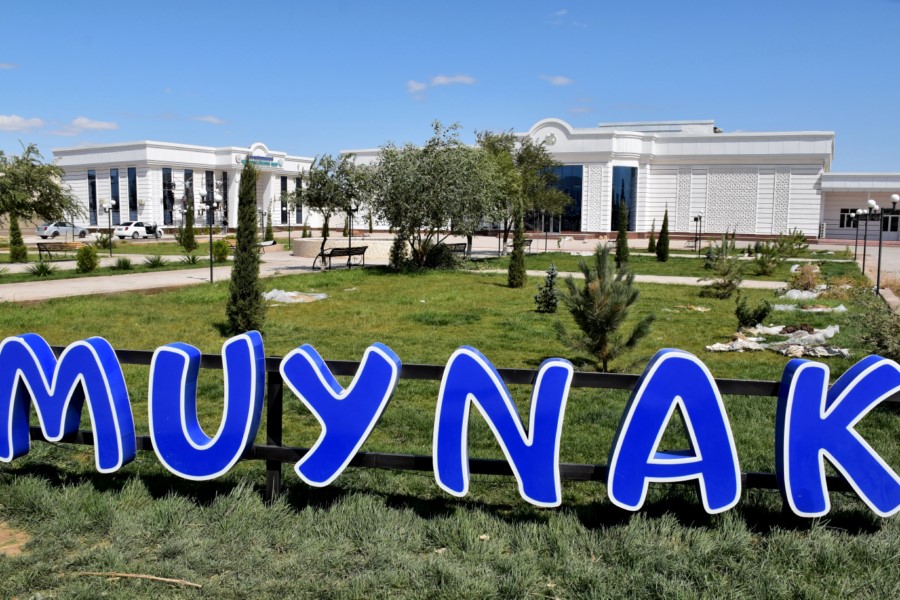
Former harbor waterfront Souvenir photo, the dried-up Aral Sea in the background Shipwrecks on the seabed of the former Muynak harbor Shipwreck The seabed of the Aral Sea, former harbor waterfront in the background Souvenir photo Shipwreck Souvenir photo A shipwreck sailing on a wave of sand Heavily corroded shipwreck Shipwrecks Shipwrecks Shipwrecks Souvenir photo on board Uzbek tourists Souvenir photo on board City Museum building Exhibition hall

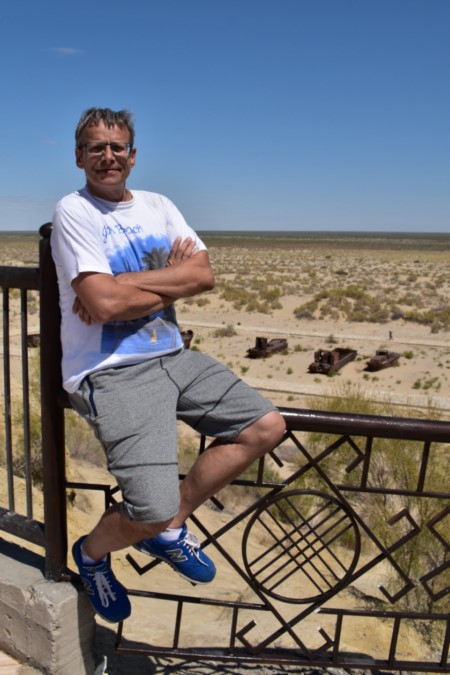
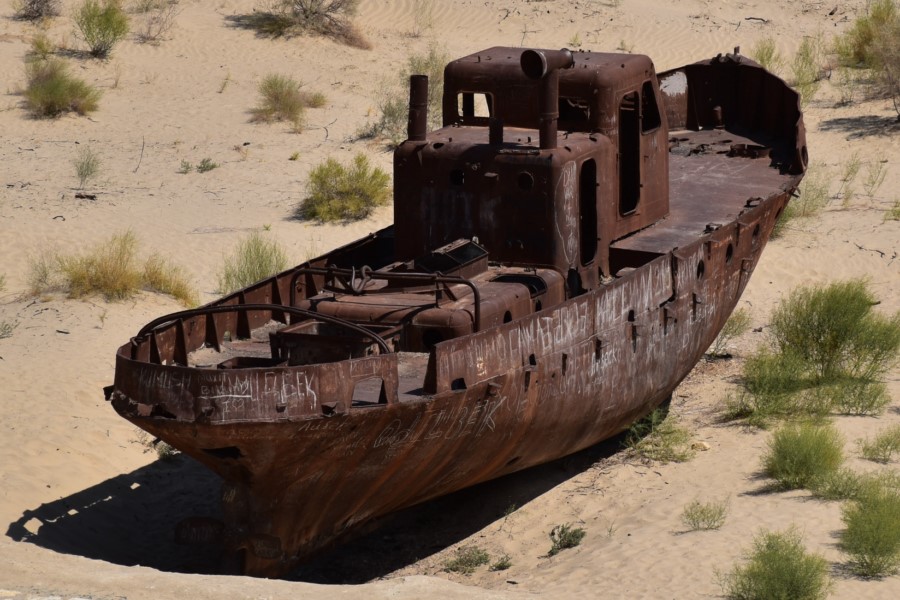
A visit to the town of Munyak, which used to be a large port and fish processing center, is almost symbolic. After the former glory of this region, there are only left useless, rusting wrecks of fishing vessels. While walking on the desert bottom of the Aral Sea, everyone can see with their own eyes the progressive degradation of the natural environment and what may await us in the future.


Tashkient


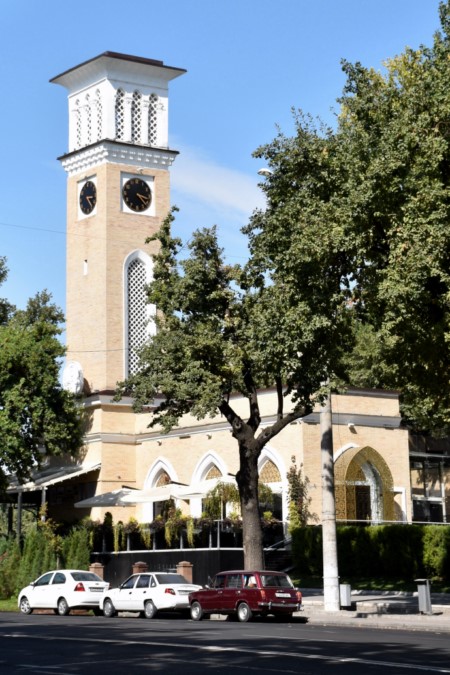
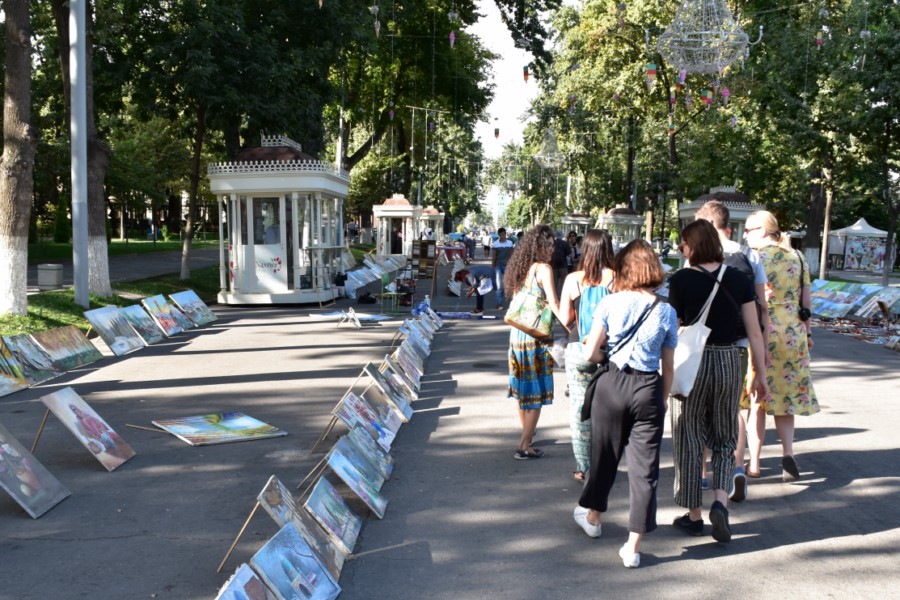
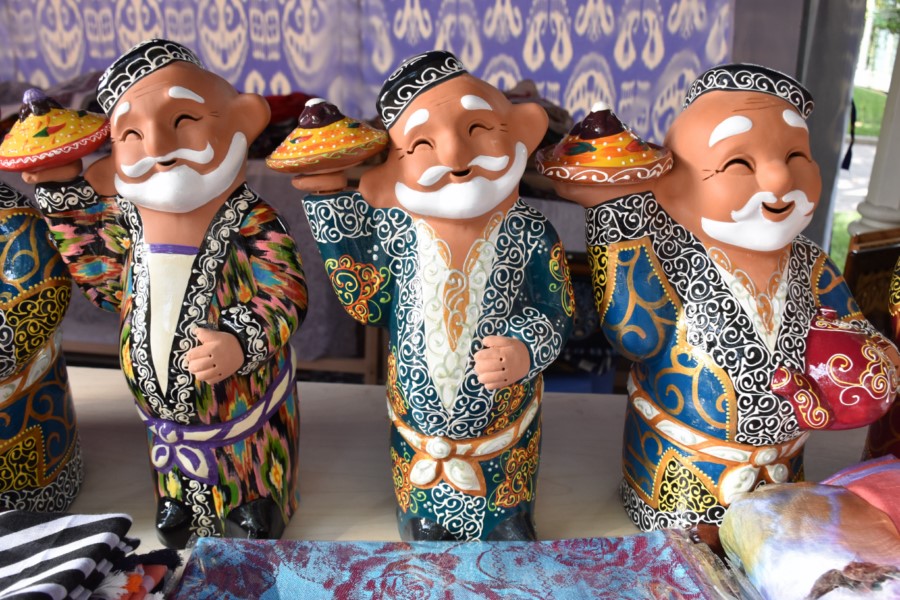
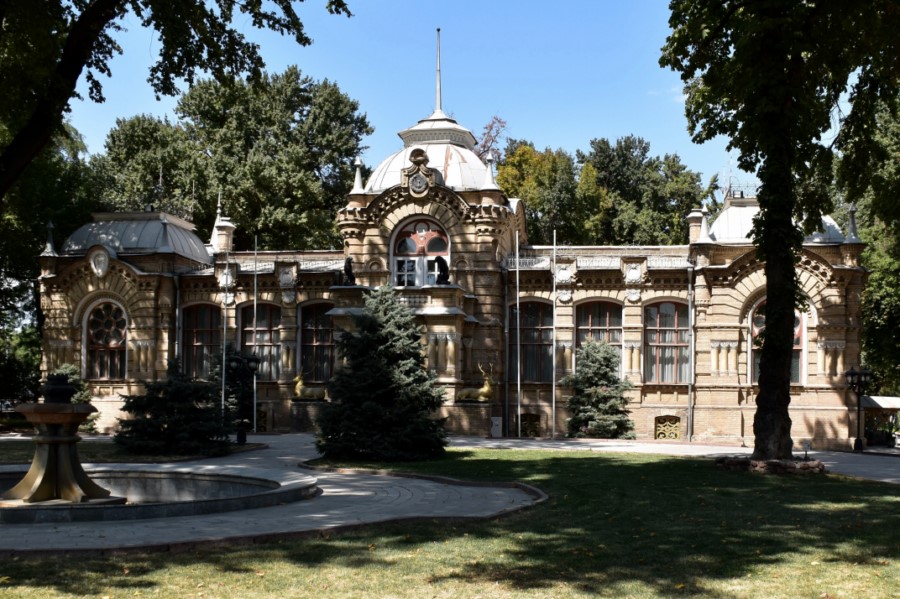
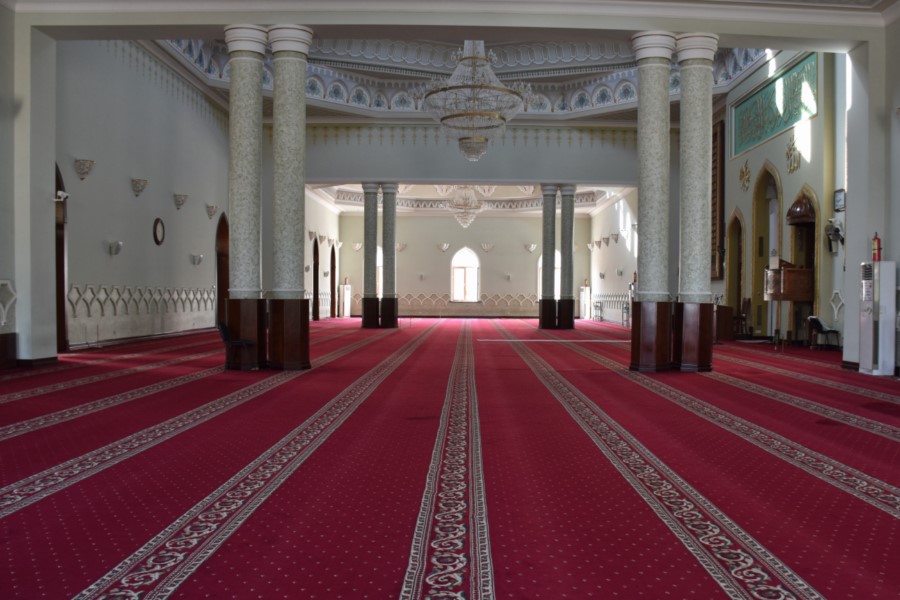
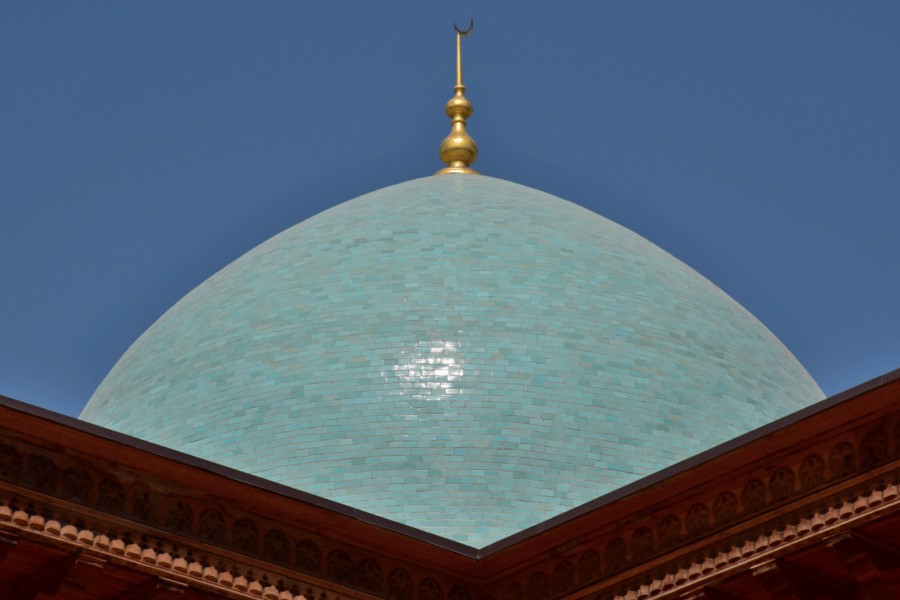
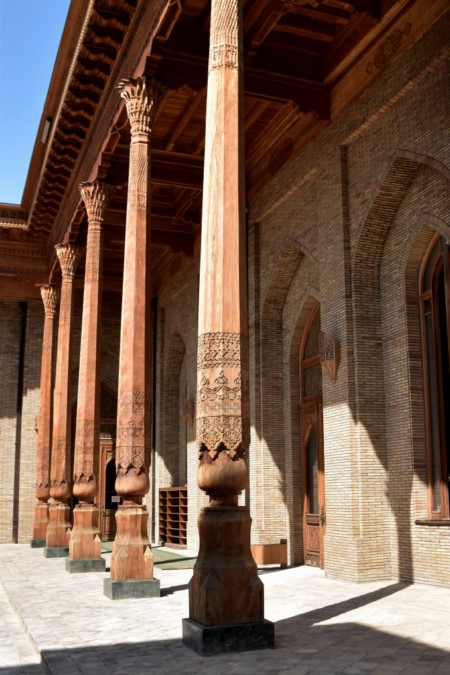
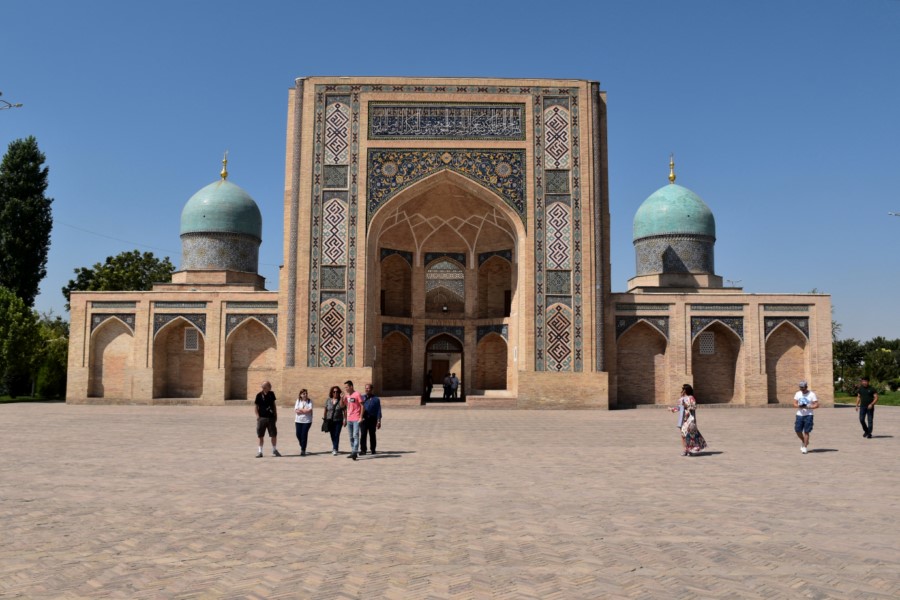
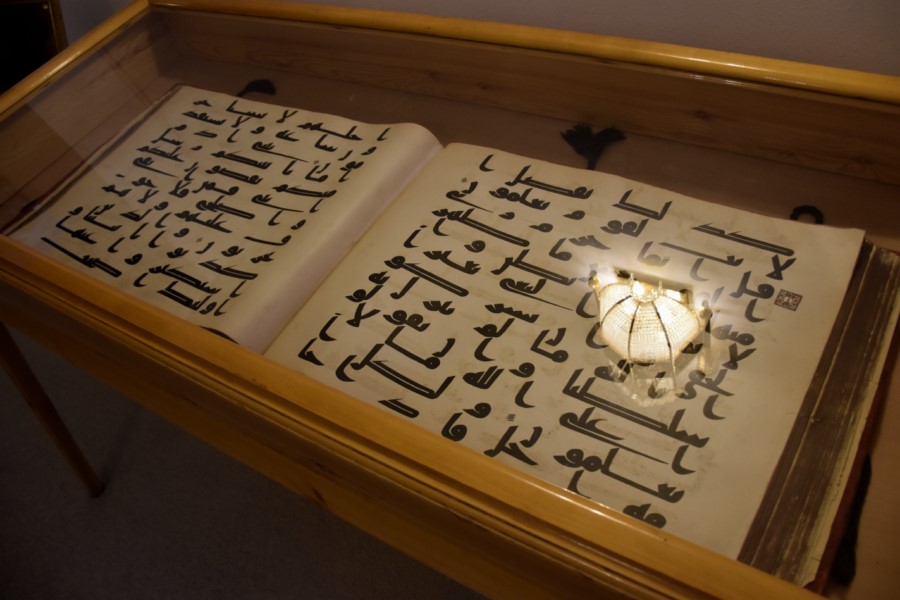
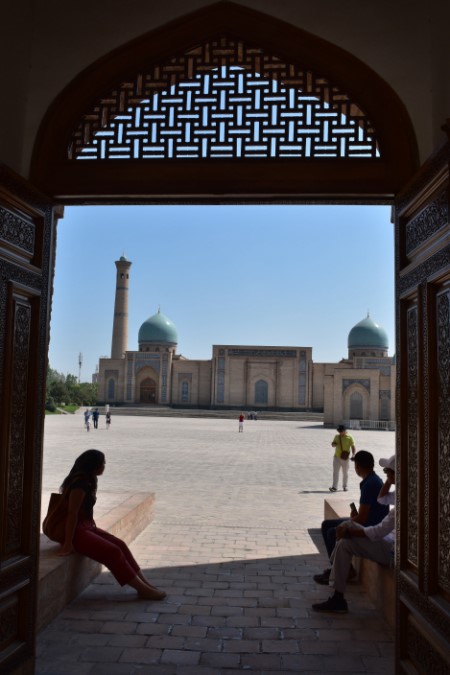
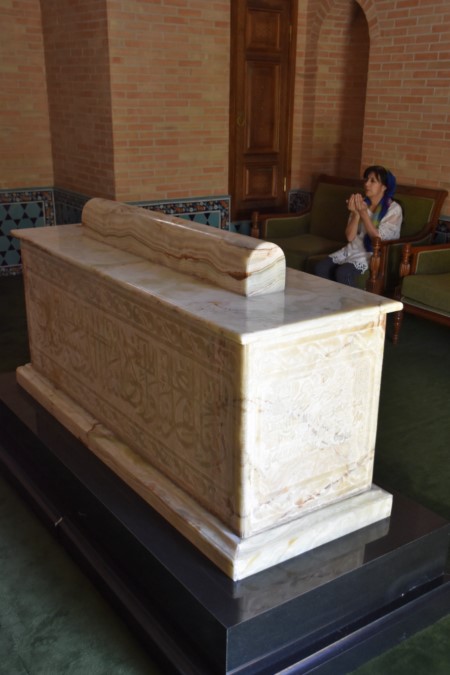
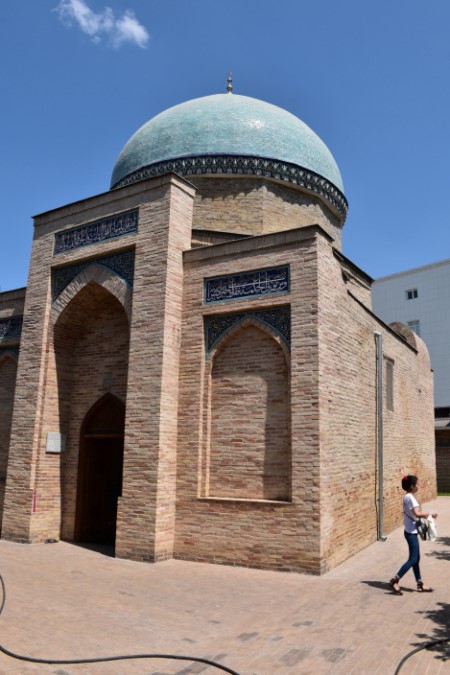
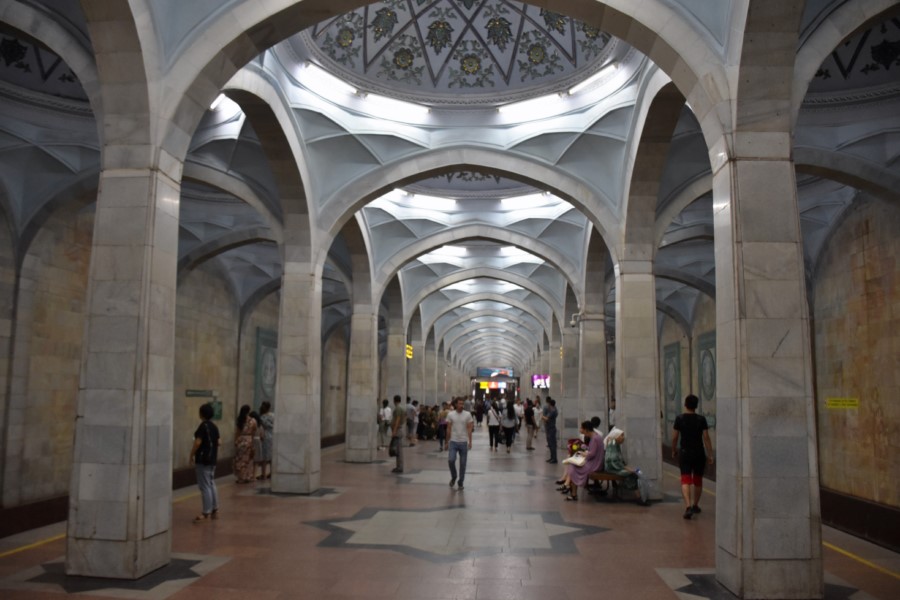
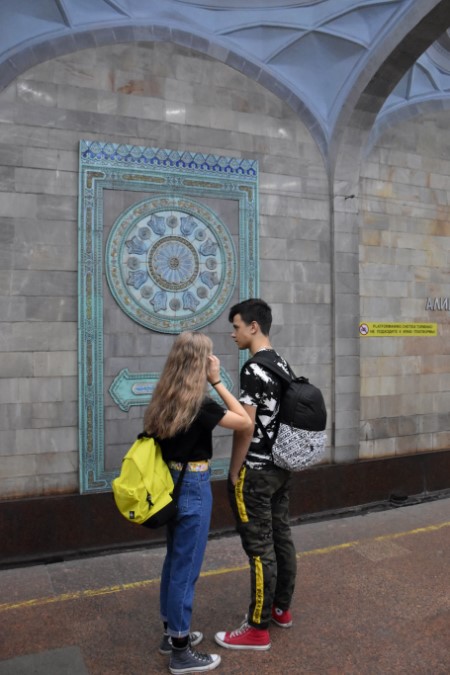
Amir Timur Square Amir Timur monument, a little bird resting on the ruler's finger State Museum of the History of the Timurids Grand ceremonial hall under the dome The showcase of the city, Tashkent chimes Sayilgoh, the main pedestrian street of Tashkent Souvenirs for tourists Souvenirs for tourists Palace of Grand Duke Romanov Window decorations in the Art Nouveau style Socialist realist edifice of the State Museum of History of Uzbekistan Old and new, Kukeldash Madrasah Corner minaret of the madrasah Juma Friday Mosque Enormous prayer hall Modern structure of the Chorsu Bazaar Interior covered by a gigantic dome Shopping Asian standards Difficult choice Waiting for customers Spices A bite to eat Mobile stalls with non flatbreads Non, traditional Uzbek bread Facade of the contemporary Hazrati Imam Mosque Minaret measuring 54 m in height Turquoise dome Colonnade of the atrium Wooden capital Barak Khan Madrasah Monumental pishtaq Muyi Mubarak Madrasah Copy of the Holy Quran of Uthman from the 8th/9th century, created in 1905 in Saint Petersburg Gate of the Barak Khan Madrasah Kaldyrgach Bey Mausoleum Architectural details of the dome Prayer by the marble sarcophagus Muqarnas decoration above the mihrab Sheikhantaur Mausoleum Socialist realist decoration above the entrance to the metro station Station platform Waiting for the metro Decorative Vostok-Apollo ceiling medallion

Tashkent does not have such spectacular monuments as Samarkand, Bukhara or Khiva, but the number and quality of museums is unmatched in the whole of Central Asia, which I saw with my own eyes. An interesting fact is that many medieval objects are located in the immediate vicinity of Soviet buildings. I really liked the metro stations in a socialist realist style, modeled on the Moscow metro.


TAJIKISTAN

Khujand


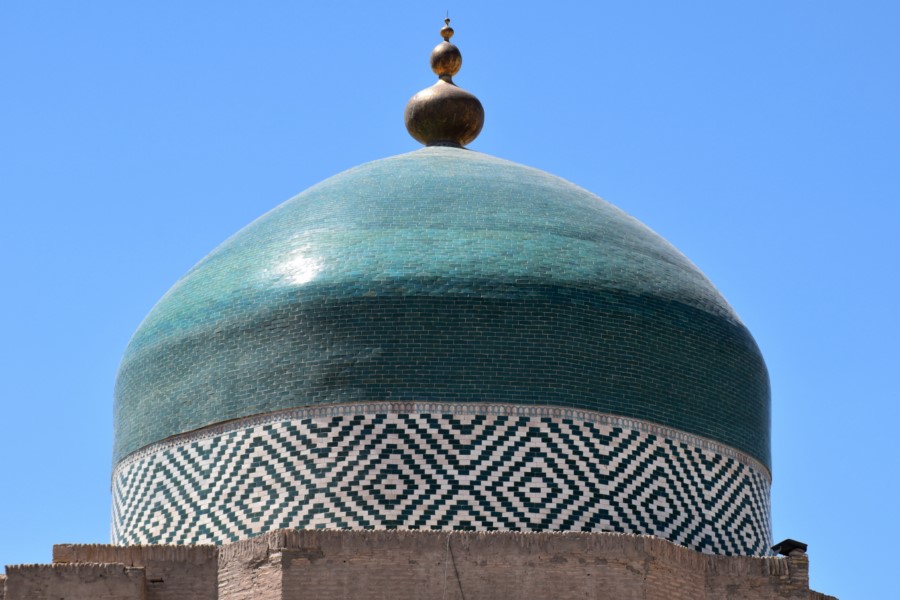
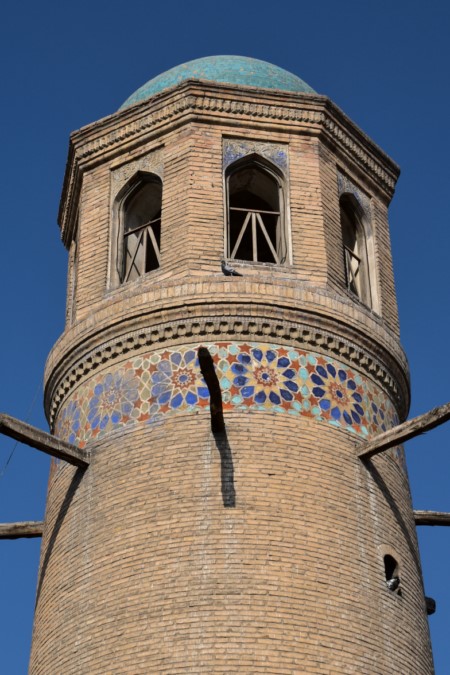
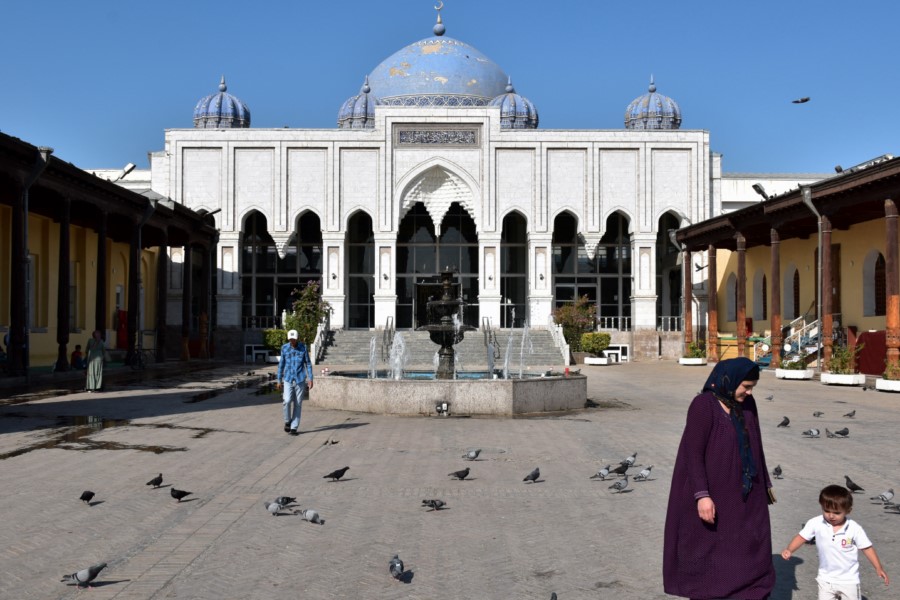
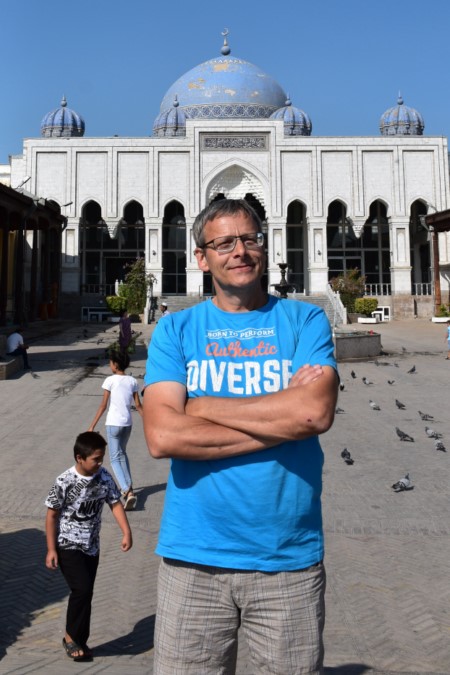
Sheikh Muslihiddin architectural complex at Panjshanbe Square Minaret Decorative elements of the minaret's crown Mosque with blue domes Prayer Mosque pishtaq with muqarnas decorations Mihrab with kundal technique ornaments Ceiling decoration View of the courtyard Sheikh Muslihiddin Mausoleum Pigeons don't respect historical monuments and not just in Krakow Souvenir photo Sheikh Muslihiddin Madrasah Shrine caretaker Panjshanbe Bazaar A moment of respite The tea from this antique samovar was magnificent Teahouse owner with his wife Stall with non flatbreads I always have the best goods Buses still remembering the Soviet era Church of Mary Magdalene A mulberry tree supposedly a thousand years old The legendary Syr Darya river Souvenir photo Kamoli Khujandi Park Reconstructed fortress gate Ruins of the fortress

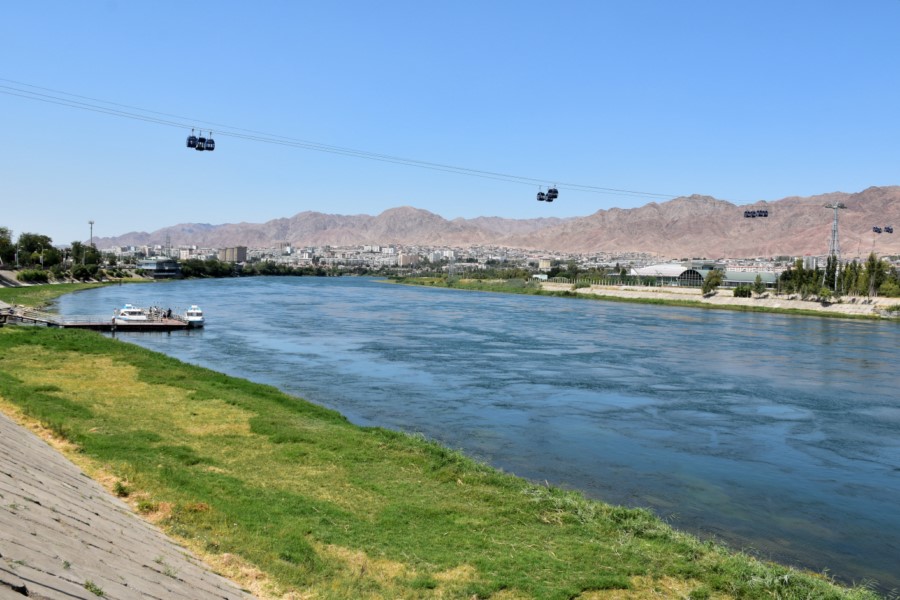
Khujand is one of the oldest cities in Central Asia, situated on the Silk Road route. The inhabitants are open and friendly, perhaps because much less tourists come here than to neighboring Uzbekistan. A local attraction is a mulberry tree that is said to be a thousand years old. However, what charmed me the most was the view of medieval monuments against the picturesque mountain ranges surrounding Khujand.


Dushanbe and its surroundings


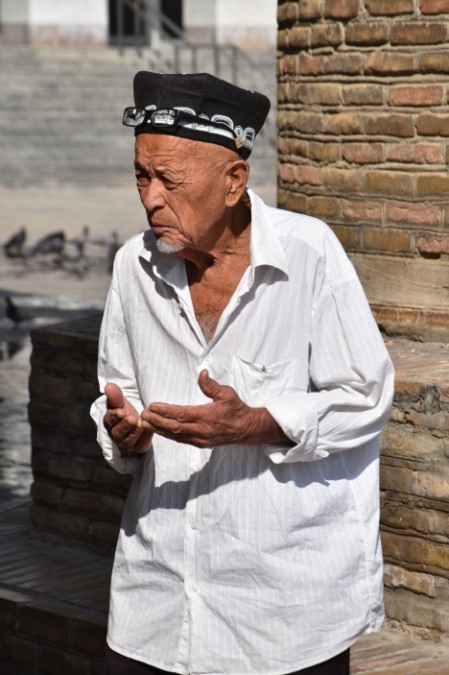
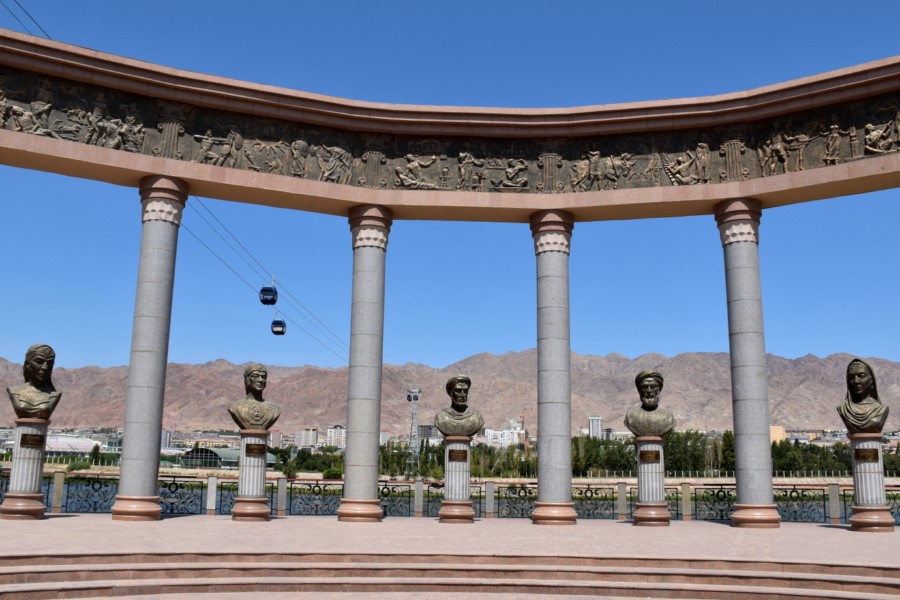
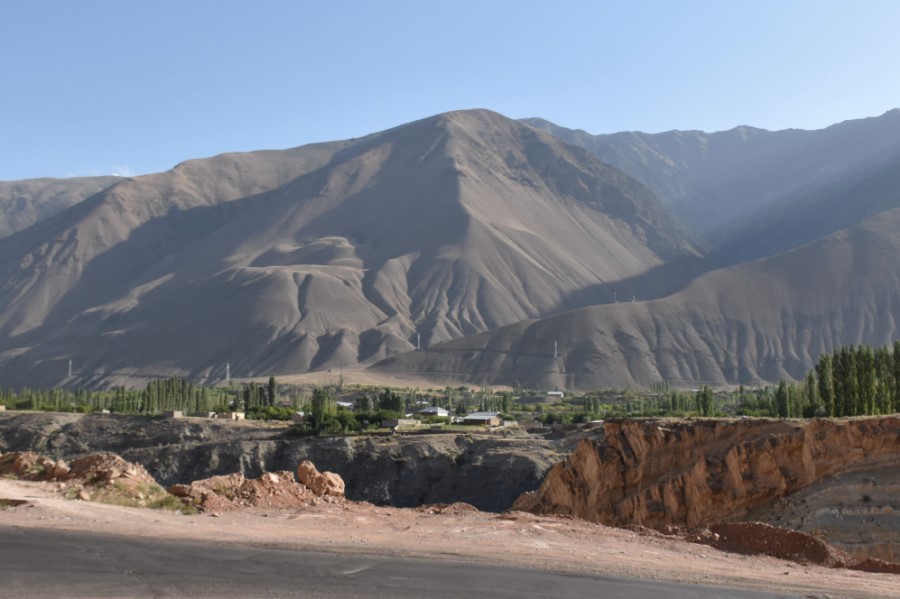
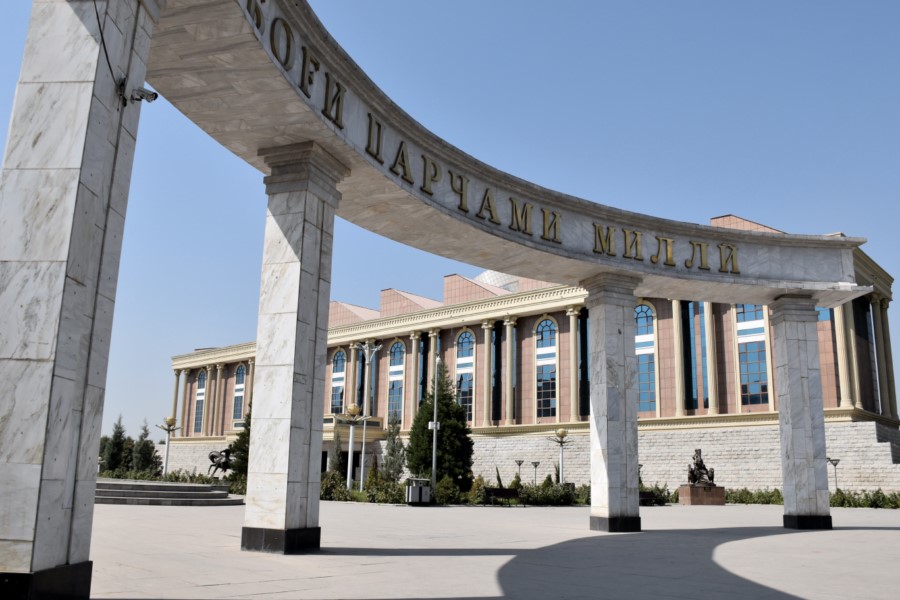
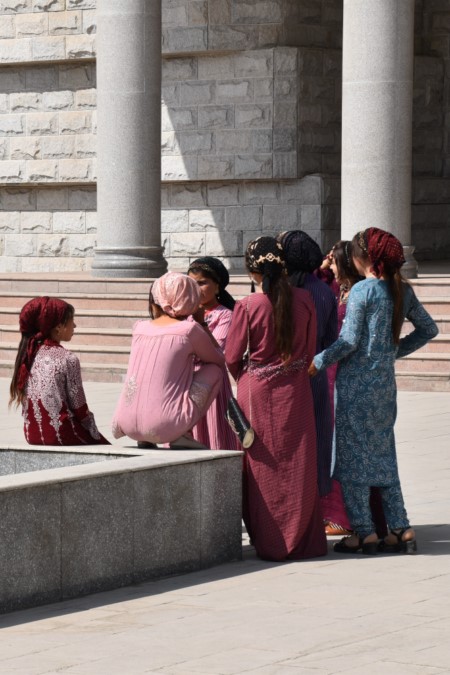
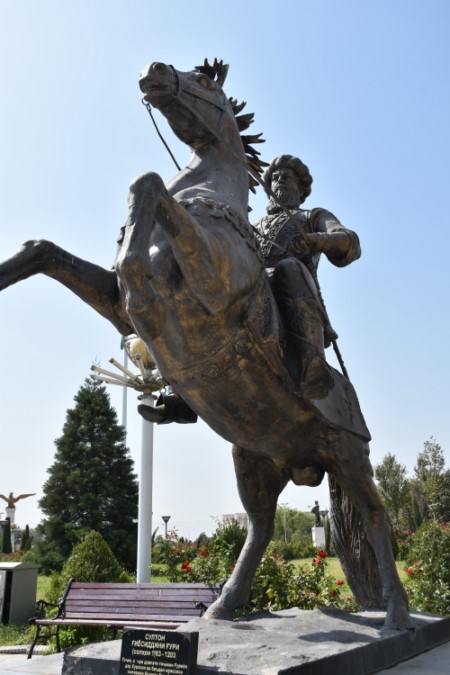
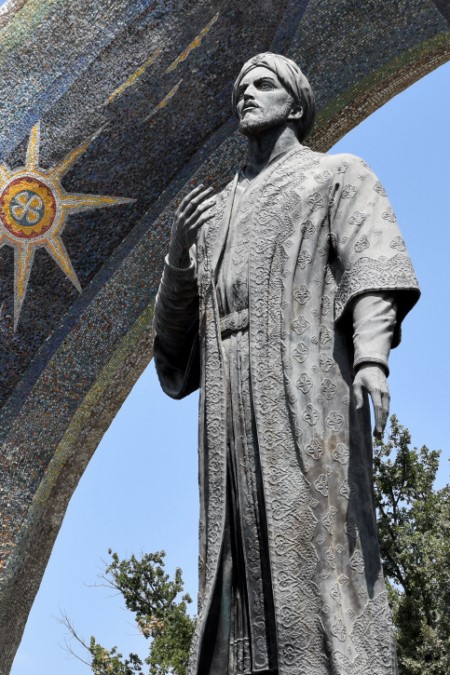
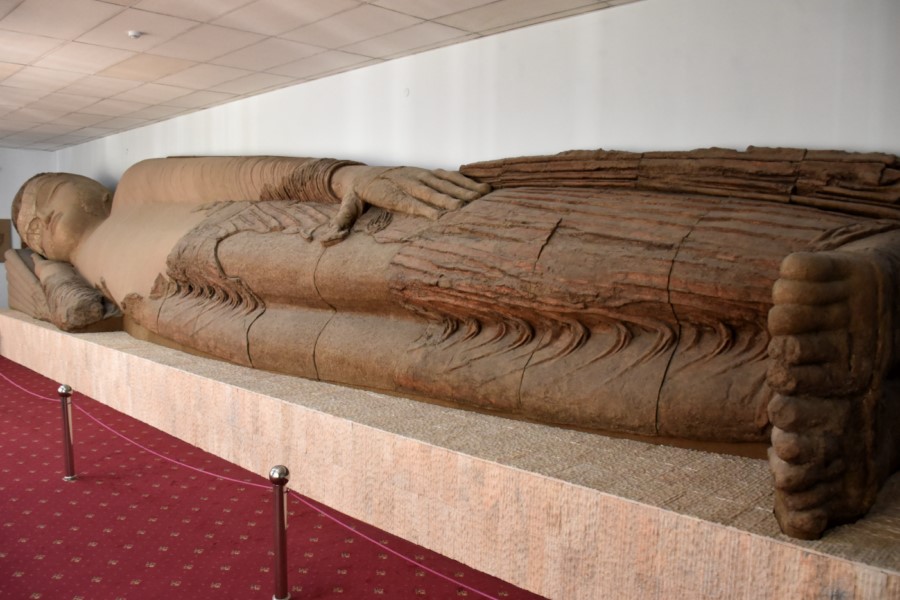
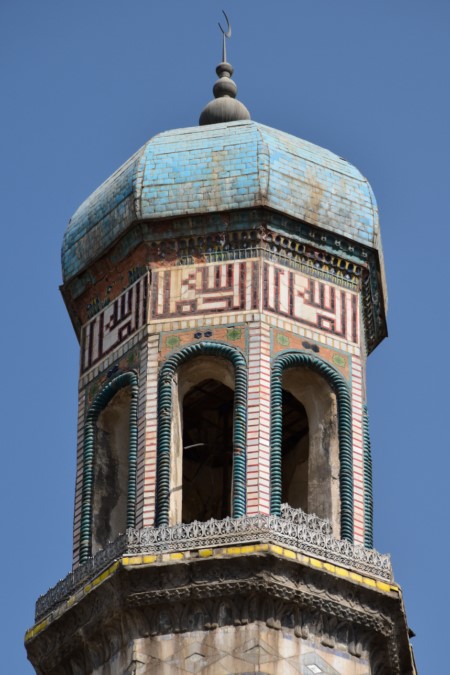
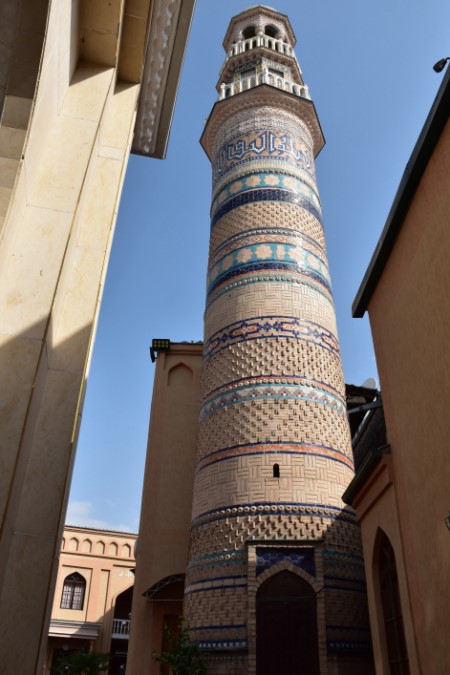
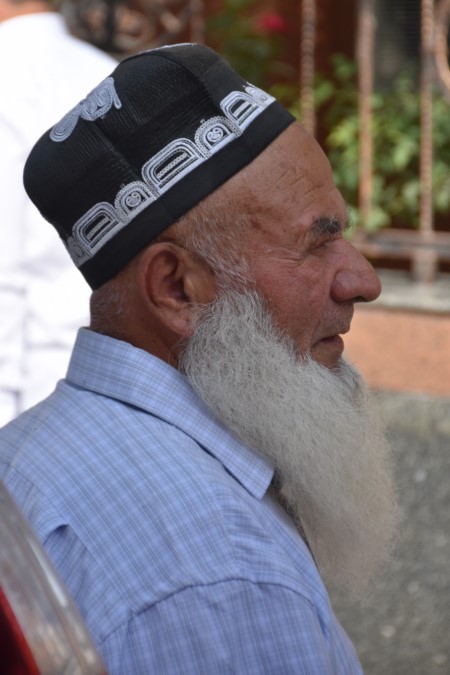
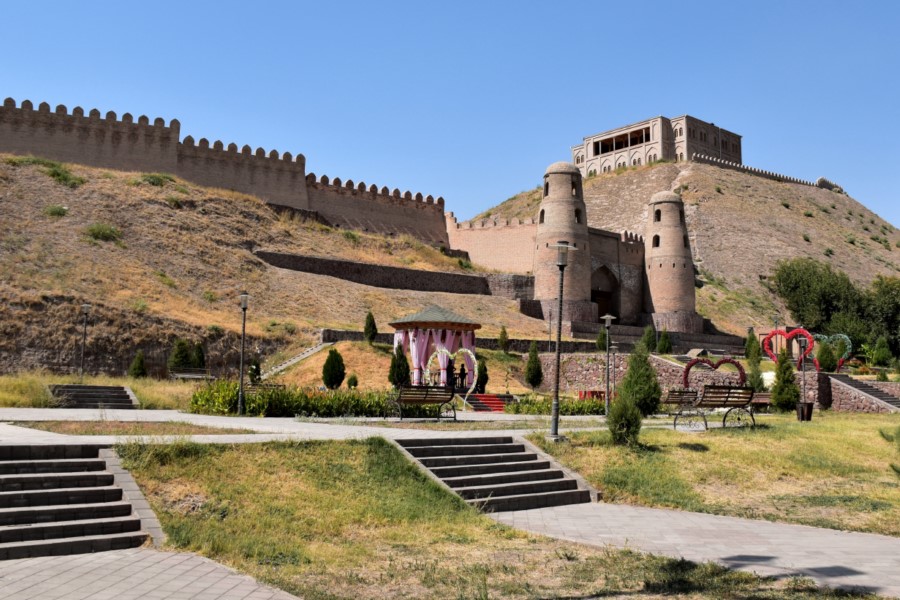
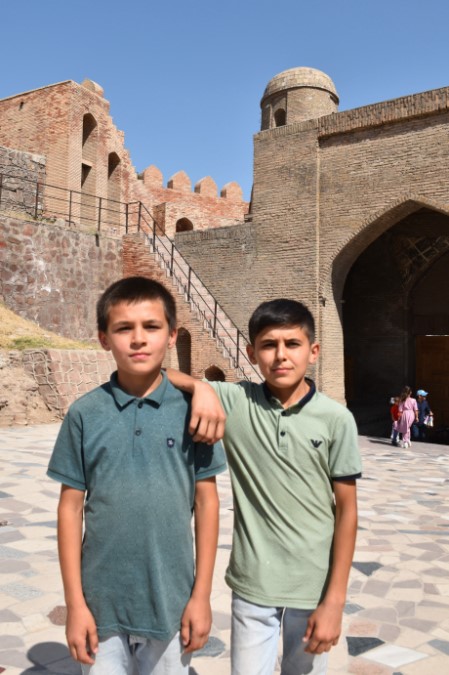
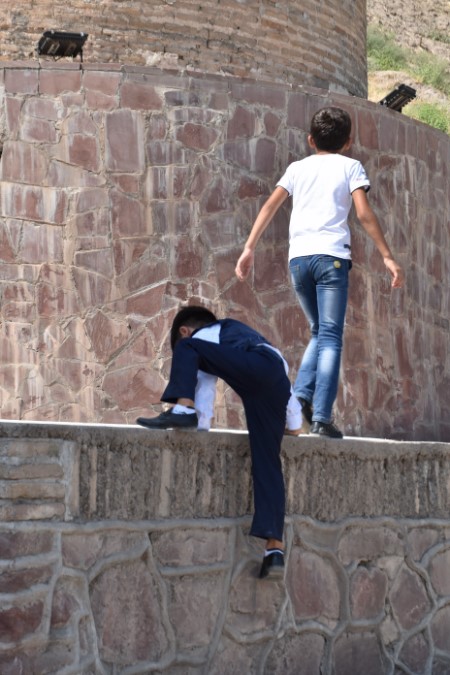
Zeravshan Mountains Zeravshan River Zeravshan Mountains in the vicinity of Khushikat National Museum of Tajikistan Waiting Palace of President Rahmon Monument to Sultan Ghiyath al-Din Flagpole measuring 165 m in height Rudaki Park Statue of Rudaki Monument to Ismoil Somoni Museum of Antiquities, a reclining Buddha sculpture Souvenir photo Haji Yaqub Mosque Allahu Akbar Minaret's crown Local Romeo Sari Osiyo Mosque, religious procession Returning home Women in front of the mosque Waiting Conversation Minaret Old Tajik man Hisor Fortress Souvenir photo Remnants of ancient defensive walls Reconstructed defensive walls Local guides Modern souvenir shops Flanking tower of the gate Climbing Old and new madrasahs Souvenir photo

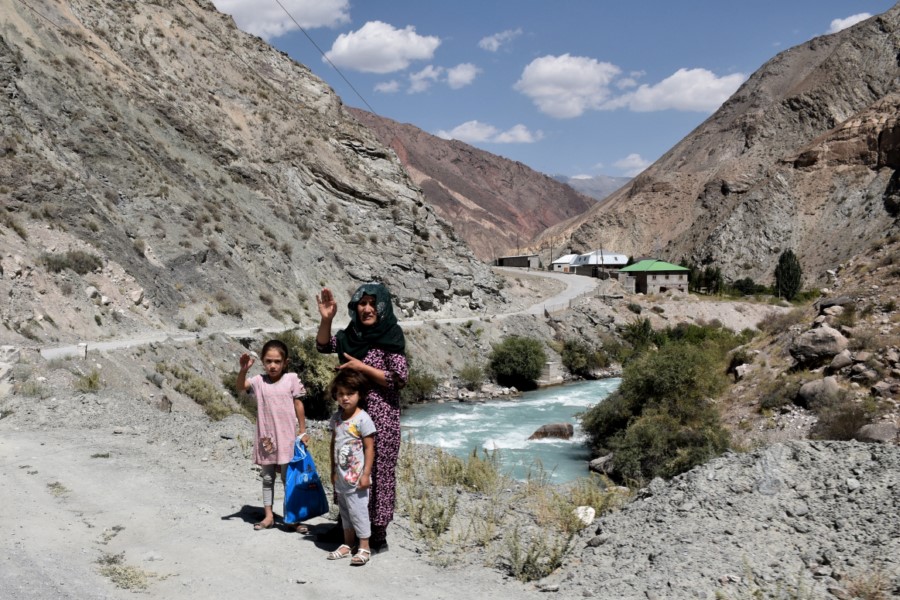
There are not many tourist attractions in Dushanbe. Soviet buildings and monumental architectural objects in the socialist-realist style predominate. Among them is the 165 m tallest flagpole in the world, unfortunately recently dethroned in favor of its Saudi counterpart. A pleasant surprise for me was a visit to the picturesque Hisor fortress located 20 km west of the capital.


Iskanderkul lake


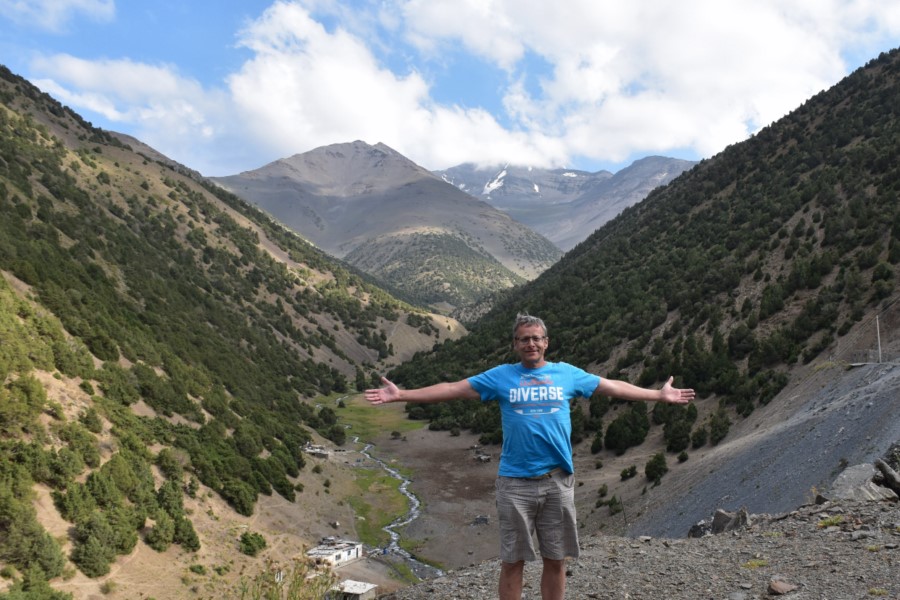
On the way Fann Mountains Crossing the Fan Darya River The lake's outflow known as the Iskander Darya Iskanderkul, a glacial lake Pier on the lakeshore Small shop in a tourist lodge Souvenir photo According to legend, Bucephalus, the horse of Alexander the Great, drowned in the waters of the lake One would love to go for a swim A final glance at the Iskander Darya On the way back home Rushing current of the Fan Darya River Humble homesteads Dried apricots Farewell

When I read the information about Lake Iskanderkul in the guidebook, I knew immediately that I had to see it. Alexander the Great Lake is located in the Gisarski Mountains at an altitude of 2195 meters above sea level and is simply phenomenal. On the spot, I only had enough time to walk along the shore and take a few photos, but the journey itself and crossing the mountain pass at an altitude of 3000 meters was a great experience.


CZECH REPUBLIC

Prague


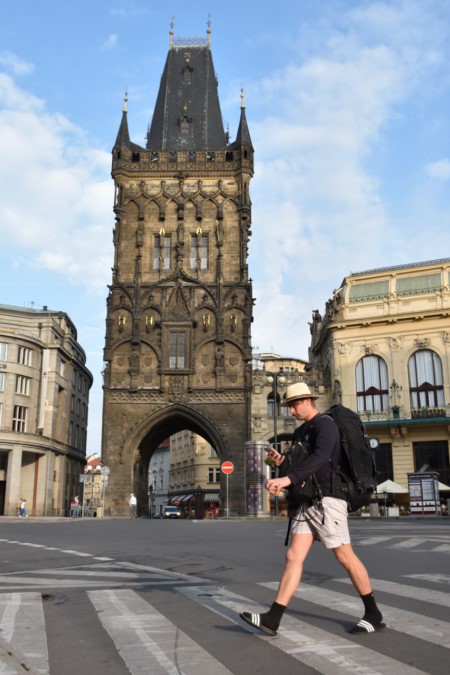
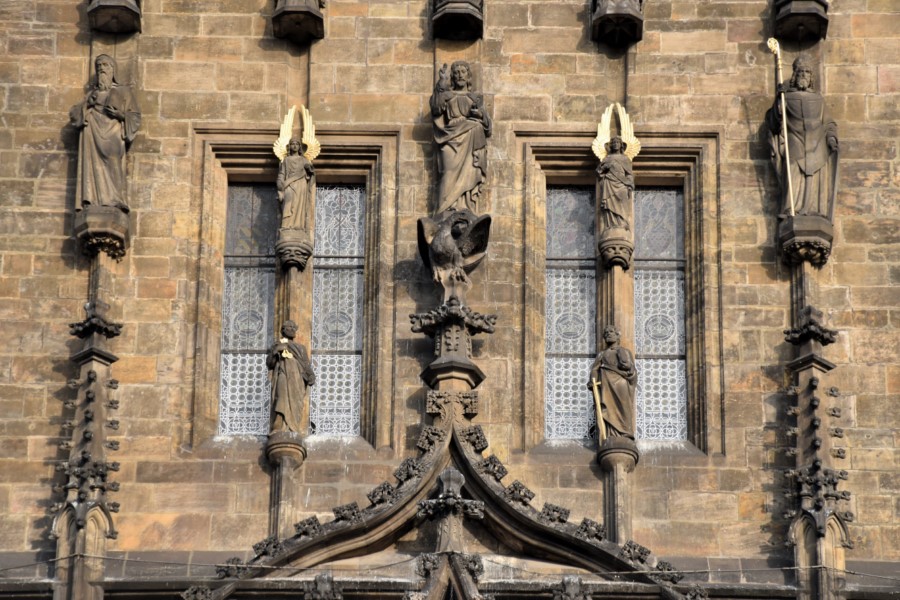
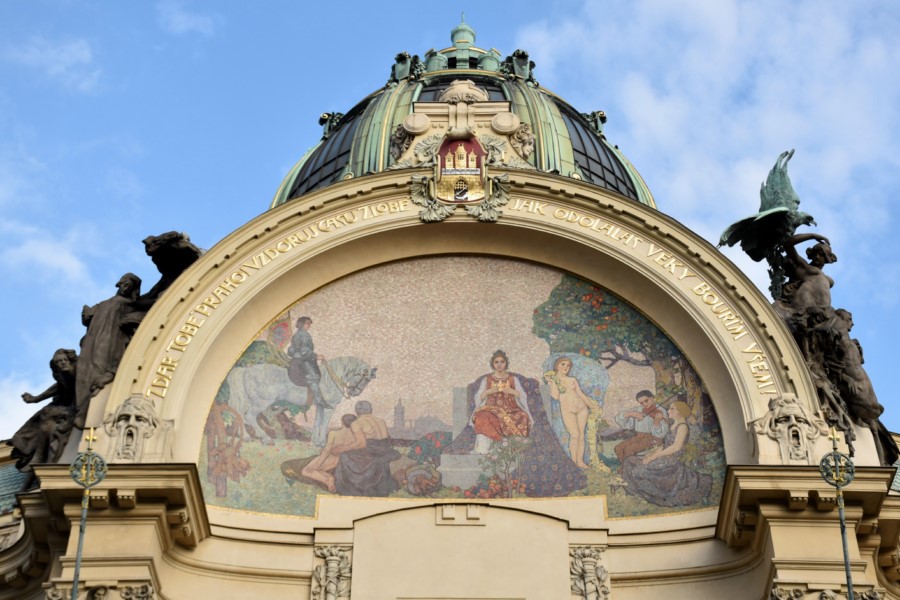
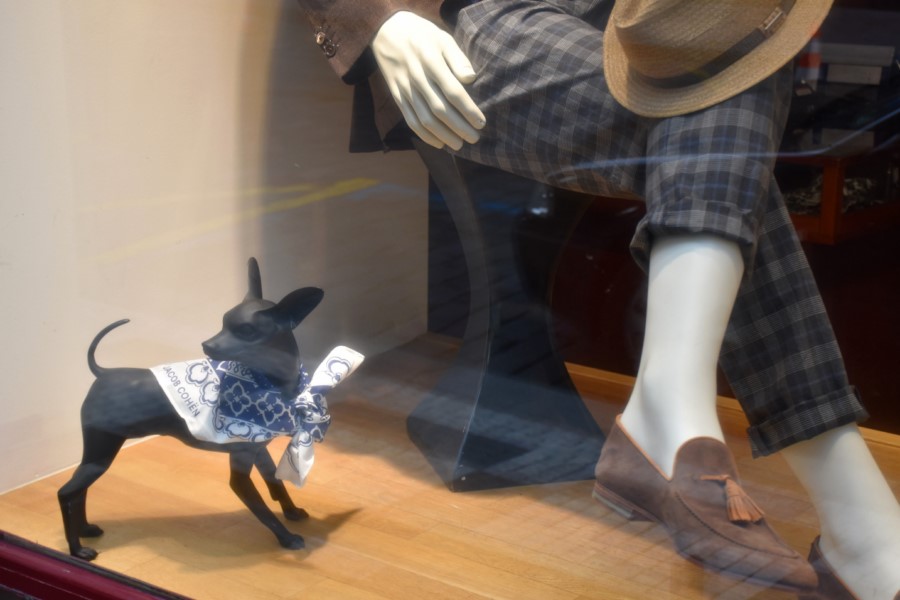
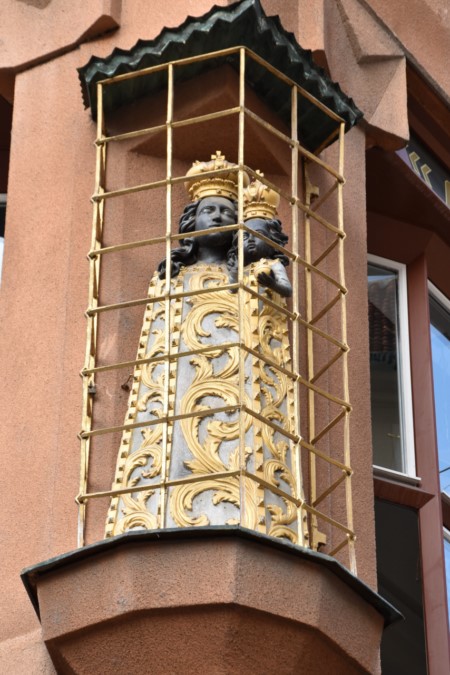
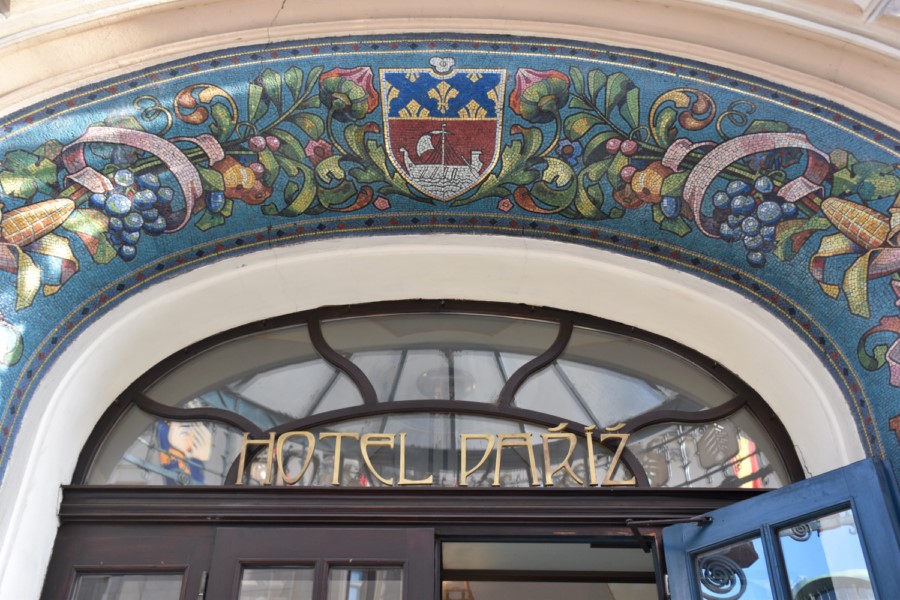
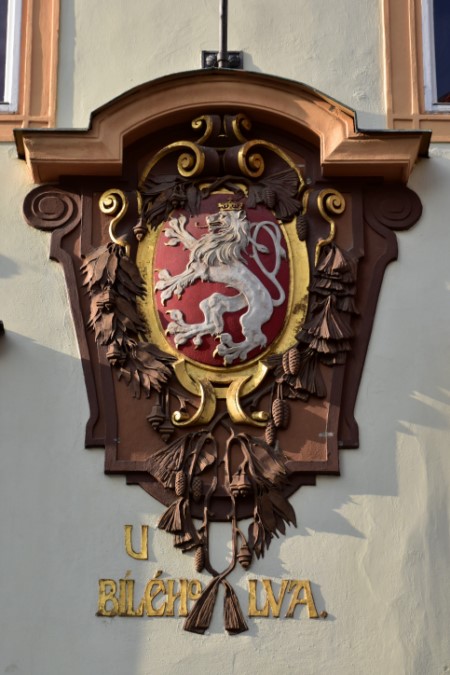
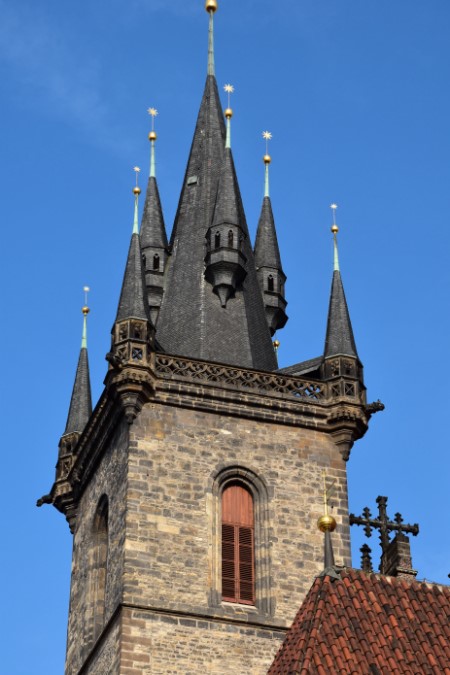
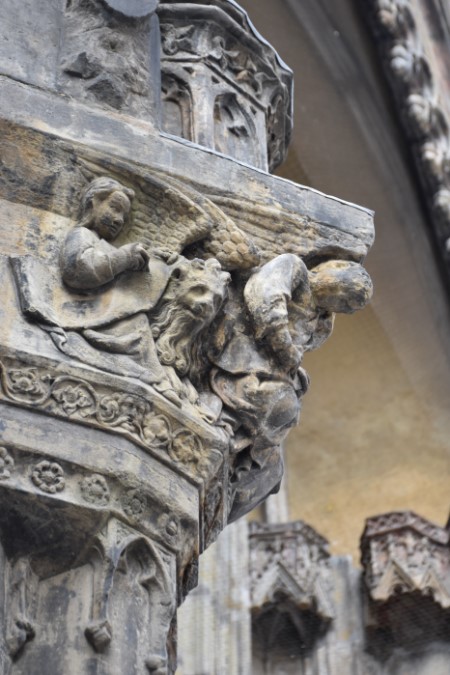
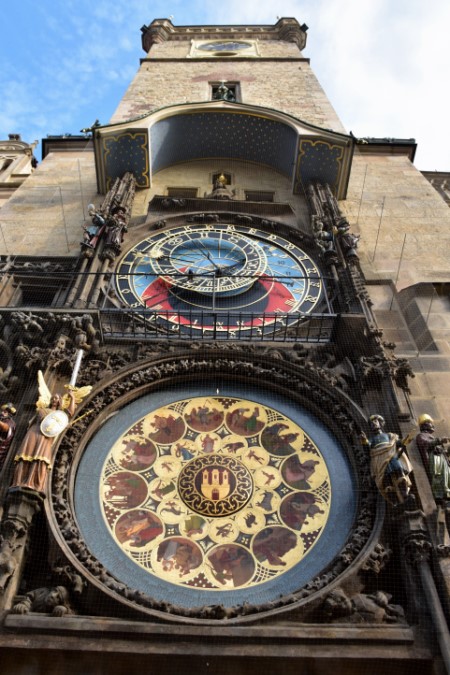
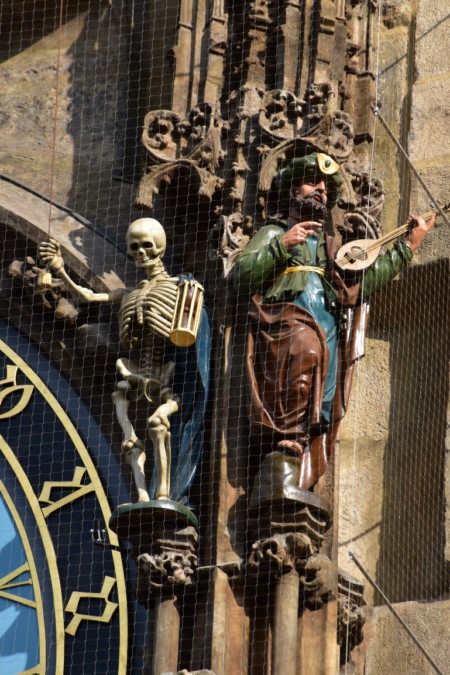
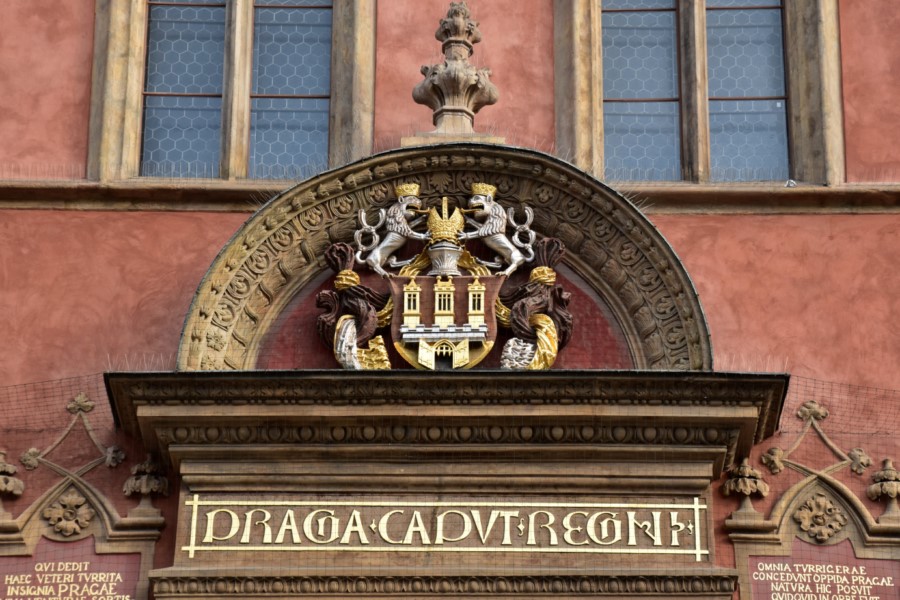
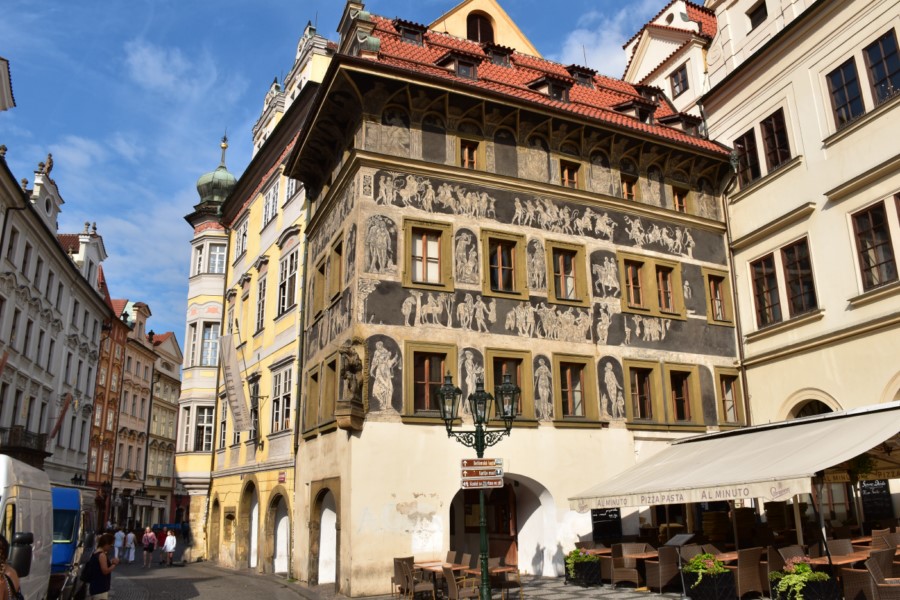
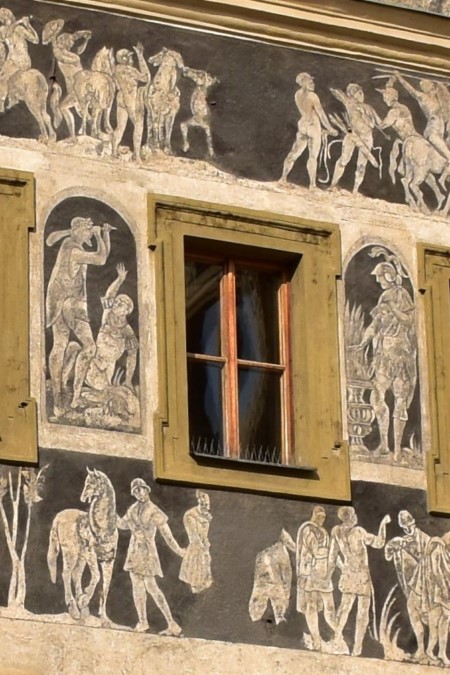
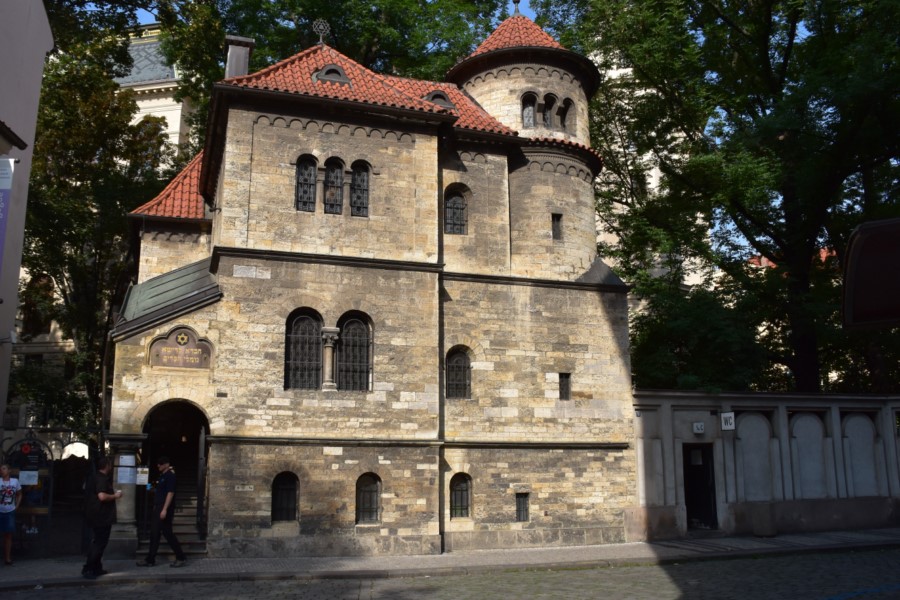
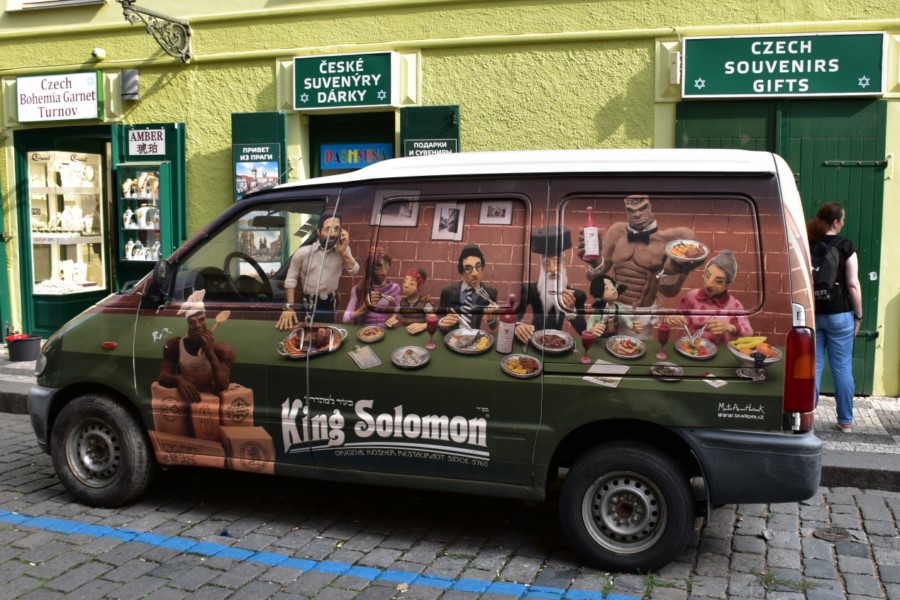
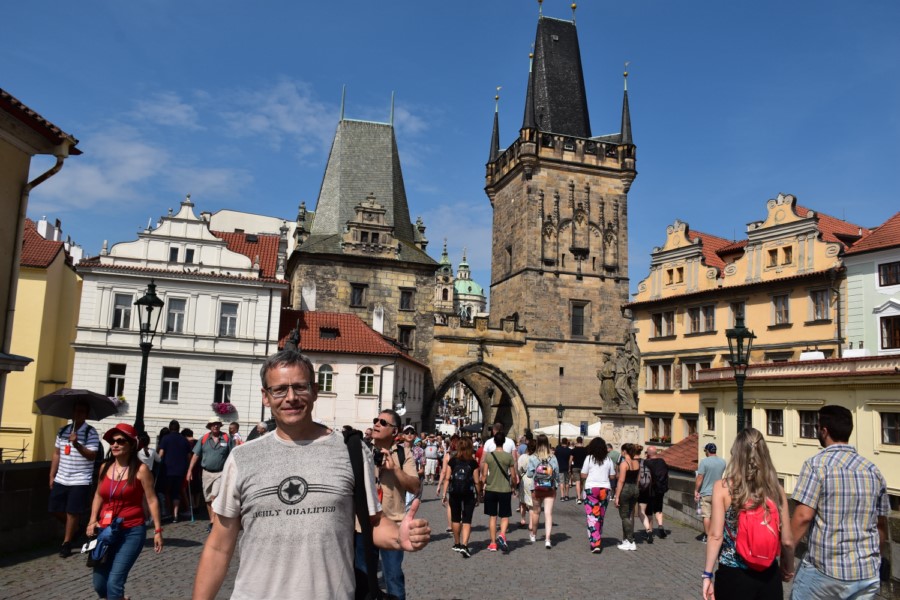
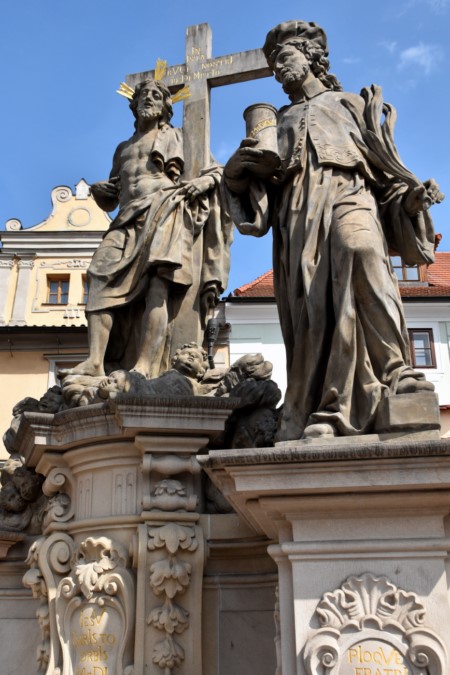
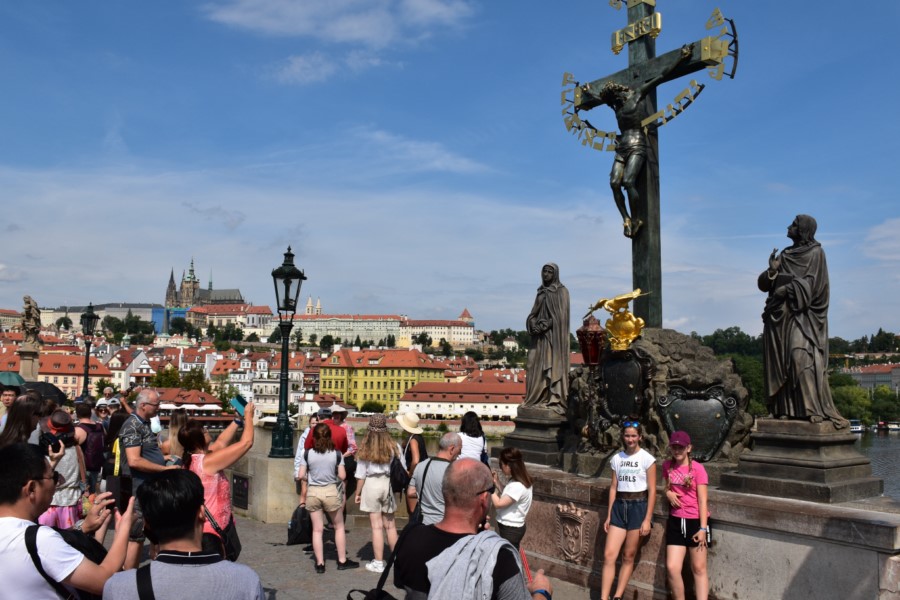
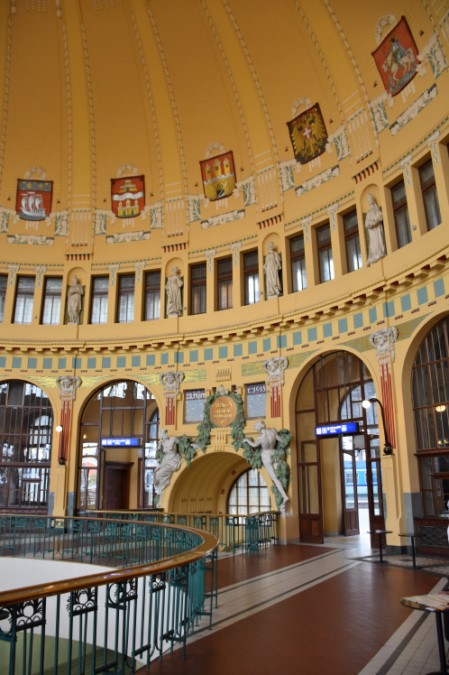
Powder Tower Rich sculptural decoration of the facade, with the figure of Christ in the center Art Nouveau Municipal House from 1912 Karel Špilar's mosaic "Homage to Prague" on the facade of the Municipal House (1905-1912) Art Nouveau decorations of the Municipal House Tenement house facade decoration Tenement house facade decoration Toy shop in the "At the Golden Lion" house The latest craze in dog fashion House sign of the Cubist "At the Black Madonna" house Hotel Paris, mosaic with floral motifs House sign of "At the White Lion" house Church of Our Lady before Týn Church tower bristling with spires Tympanum featuring scenes of the Passion of Christ Architectural detail of the portal House sign of "At the Golden Ring" house Storch House, Saint Wenceslas on horseback according to Mikoláš Aleš's design Old Town Hall Souvenir photo Orloj Old Town Hall clock Calendar designed by Josef Mánes Polychrome figures of the Astronomer and the Chronicler made after World War II by Vojtěch Sucharda Astronomical clock Polychrome figures of Death and the Turk, a symbol of lust Old Council Chamber Coat of arms of the Old Town "At the Minute" House 17th-century sgraffito decorations Monumental Jan Hus memorial Neoclassical pediment Ceremonial hall by the Klausen Synagogue Ceremonial hall Delivery van of the King Solomon kosher restaurant Gigantic monument (4 m in height) to the writer Franz Kafka City of tolerance Tourists in front of the Rudolfinum View of Hradčany from the Mánes Bridge Preclík's Flag Charles Bridge, Malá Strana bridge tower Charles Bridge, statues of Christ and Saint Damian Tourists in front of the John of Nepomuk relief I tried it too Charles Bridge, statues of Saints Norbert, Wenceslas and Sigismund Charles Bridge, 17th-century crucifix Cafe inside the Art Nouveau interiors of Prague Main Railway Station, years 1901-1910 Praha hlavní nádraží, wall decorations made according to Josef Fanta's original designs Praha hlavní nádraží

Prague is one of my favorite cities, so I'm always happy to come back here. This was also the case this time, when I went for a walk taking a changeover. The weather was good, so it was a real pleasure to explore Prague's alleys, search for interesting objects in the old town and take photos. Visiting the same places again, however, one looks at them differently and begins to notice details that previously eluded.


My favorite photos


Wszelkie prawa zastrzeżone