MYVOYAGES

Passion for exploring and photography

A TRIP ROUTE
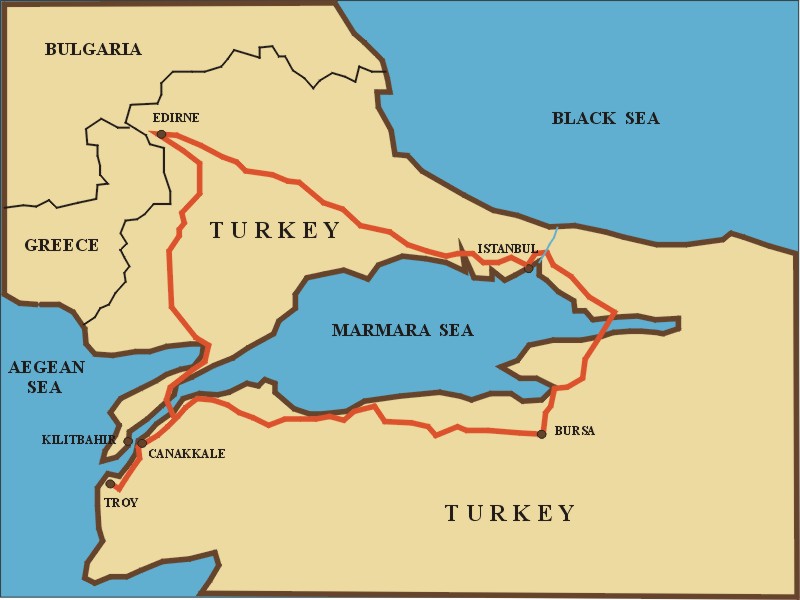
Turcja - trasa wycieczki


INTERESTING STORIES

Residents of the Polish-Lithuanian Commonwealth were most often brought to the Ottoman Empire as prisoners of war, captured during the holy wars against the infidels, or captured by the Tatars and later sold at markets. A similar situation arose with the famous Roksolana, wife of Suleiman the Magnificent. Roksolana was the daughter of a Ruthenian Orthodox priest, Lisowski, from the town of Rohatyn, located in Red Ruthenia, approximately 80 km from Lviv (then part of the Polish-Lithuanian Commonwealth). Taken prisoner during the Tatar invasion of Rohatyn around 1520, she found her way into the Sultan's harem. She so appealed to the Sultan that she became his wife, the first woman in the history of the empire to wield such a powerful influence on state policy. Fiercely ambitious and power-hungry, she led to the murder of Suleiman's eldest son, Mustafa, and the Grand Vizier, Ibrahim. This ensured the succession to the throne for one of her sons, who later reigned as Selim II (Selim Opój). Roxelana never forgot her origins, corresponding with Queen Bona and maintaining Turkish-Polish relations. She died in 1558 and was buried in Istanbul, near the Mosque of Suleiman the Magnificent.

Tycjan lub jego warsztat, Sułtanka Roksolana (źródło: wikipedia.org)


IT IS WORTH KNOWING

Adam Mickiewicz arrived in the Ottoman Empire in the autumn of 1855, and his stay was associated with political and military activities. The main purpose of Mickiewicz's trip to Istanbul was to organize Polish units, the so-called Polish Legions, which were to take part in the Crimean War on Turkey's side against Russia. While in exile, the poet believed that the involvement of Poles in this conflict would contribute to Poland regaining its independence. He collaborated in this regard with, among others, Michał Czajkowski (Sadyk Pasha). Mickiewicz became deeply involved in his work, organizing units and conducting diplomatic activities. Living conditions were difficult, which took a toll on his health. The poet died suddenly on November 26, 1855, in Istanbul, likely from cholera. The house in which he lived and died, located in the Beyoğlu district, has been converted into a museum. His body was temporarily buried in the cemetery in Pera (present-day Beyoğlu), then in 1861, transported to France and interred at the Les Champeaux Cemetery in Montmorency, to be finally laid to rest in the Crypt of the Distinguished at Wawel Castle in 1890. (source: www.wikipedia.org)

Juliusz Kossak, Adam Mickiewicz z sadykiem Paszą w Turcji (źródło: www.historia.org.pl)


IT'S WORTH SEEING

The heroic epic The Iliad, whose authorship is traditionally attributed to the Greek wandering poet Homer (8th century BCE), has undergone numerous literary, theatrical, and film adaptations. The Iliad's universal content and realistic portrayal of human passions make it a work that remains relevant and compelling for contemporary audiences. In the 20th century, the epic inspired numerous feature films, animated films, and television series. However, one of the most famous adaptations is the 2004 feature film Troy, directed by Wolfgang Petersen and featuring unforgettable performances by Brad Pitt and Orlando Bloom. The film received an Oscar nomination for Best Costume Design and two MTV Movie Awards nominations for Best Actor (Brad Pitt) and Best Fight (Achilles vs. Hector). What I most enjoyed were the expansive, dynamic fight scenes, as well as the realistic sets and costumes. I remember the film making an incredible impression on me, and I watched it several times, each time experiencing the emotions and drama of the main characters.

Plakat z filmu Wolfganga Petersena `Troja`


Turkey - Marmara Region

October 2025

Stambuł, panorama miasta z dzielnicy Galata

When the opportunity arose, I decided to leave in early autumn. At this time of year, due to the weather, the number of available destinations in Europe is very limited. I finally decided to visit the Marmara region in Turkey, as the forecast was very optimistic and promised sunny weather.

To my great dismay and disappointment, I was greeted by storm clouds upon arrival. I explored picturesque Bursa in the rain, and it didn't get much better after that. In total, I only had two sunny days during my entire stay in Turkey. Fortunately, I managed to visit most of the places I planned to see and take lots of great photos along the way. A small consolation was the fact that I had purchased tickets for a direct flight from Krakow to Istanbul with LOT Polish Airlines at a very attractive price.


Byzantine Istanbul
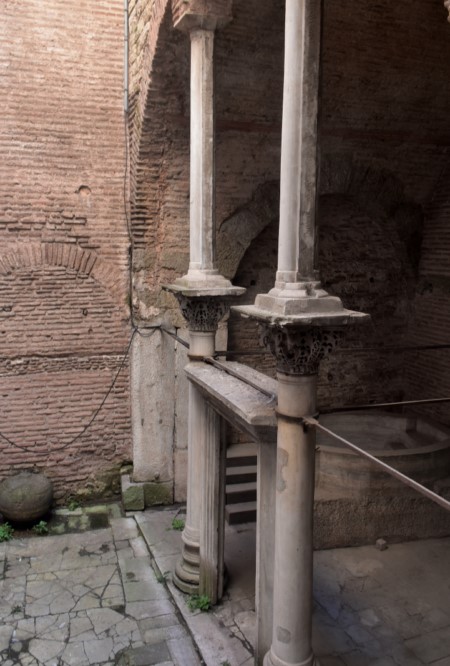

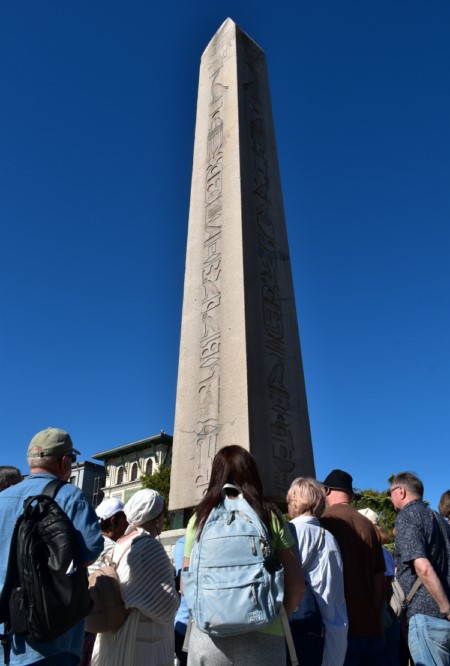
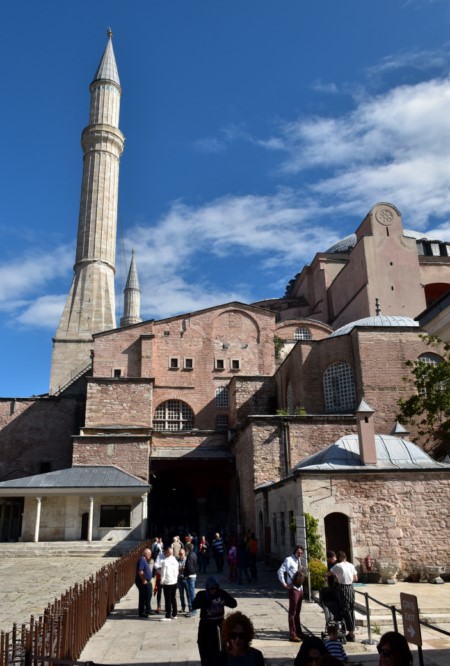
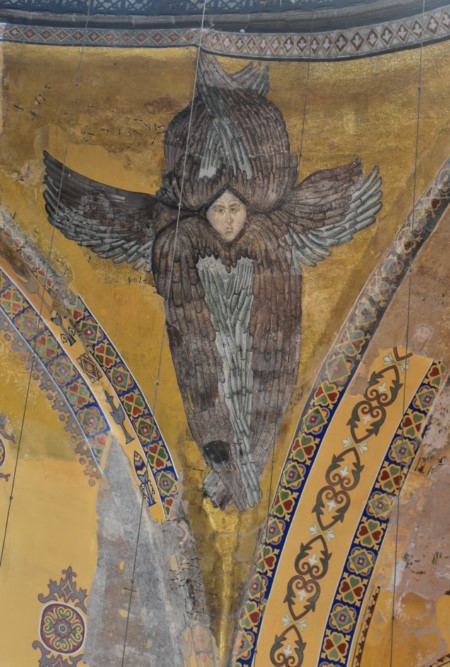
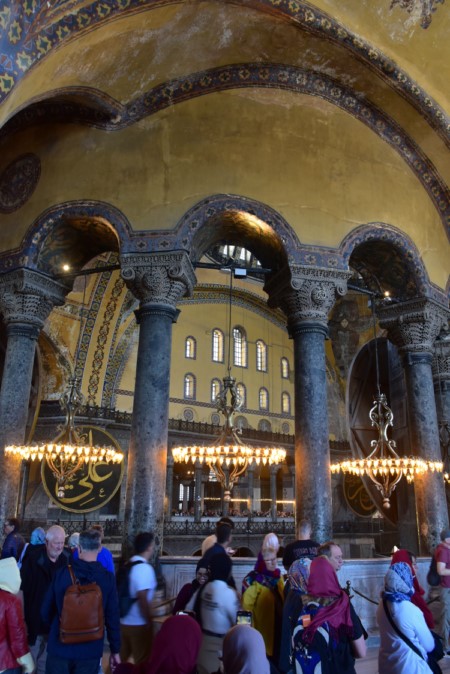
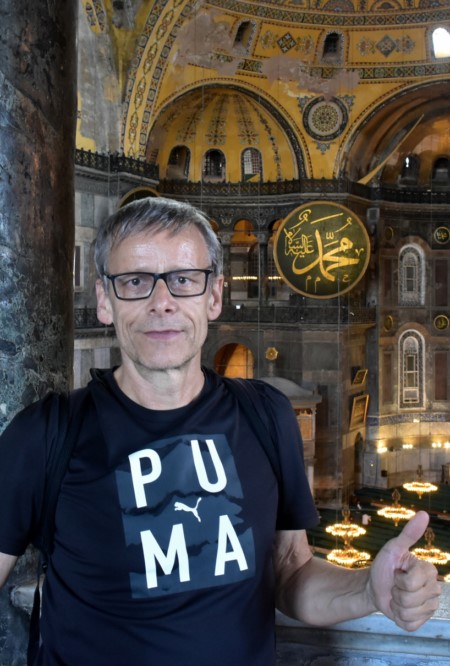
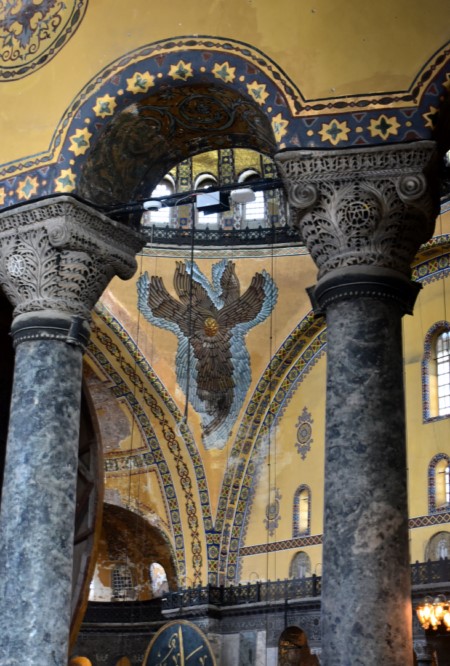
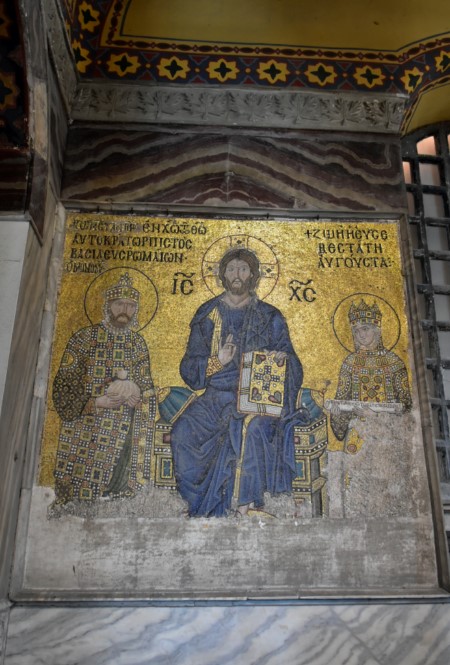
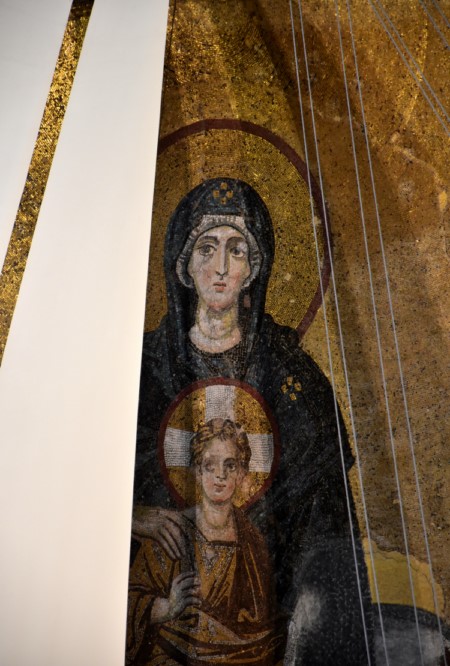
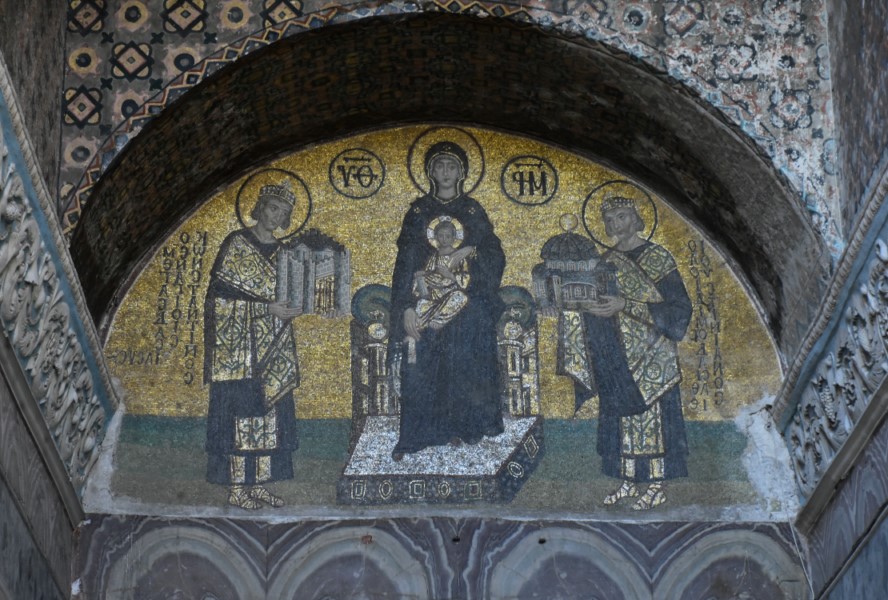
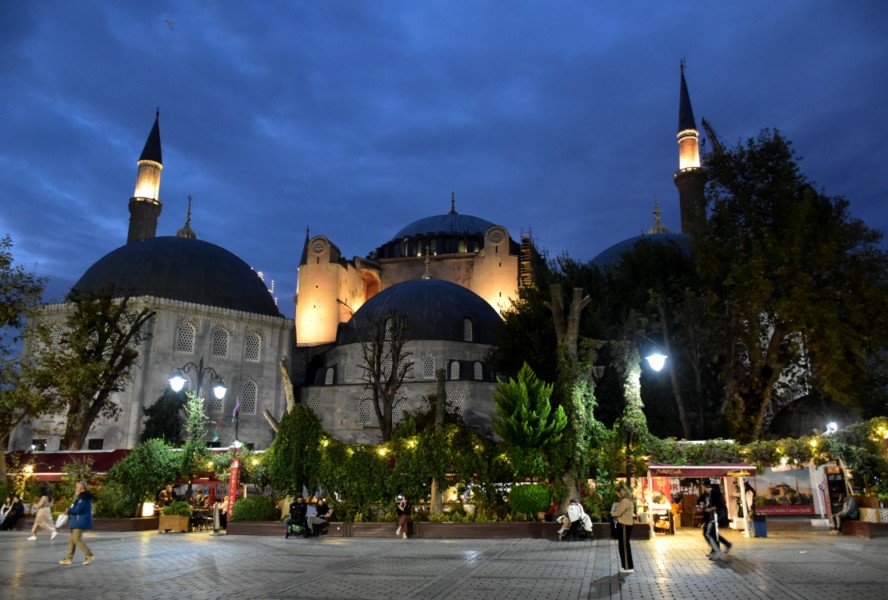
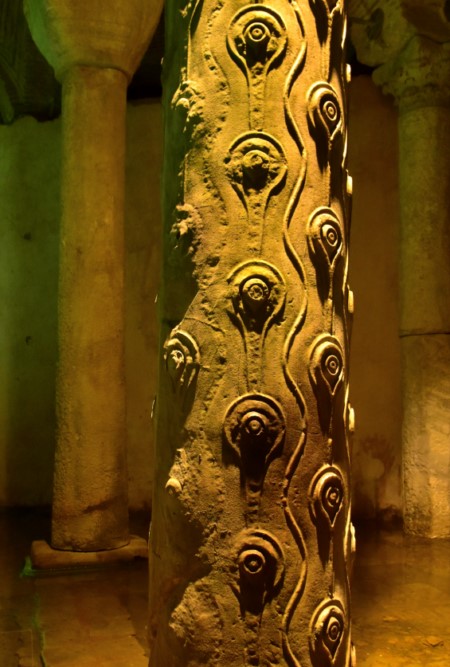
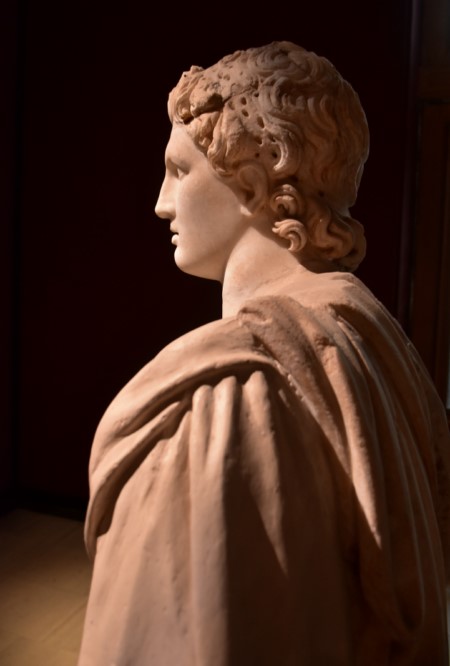
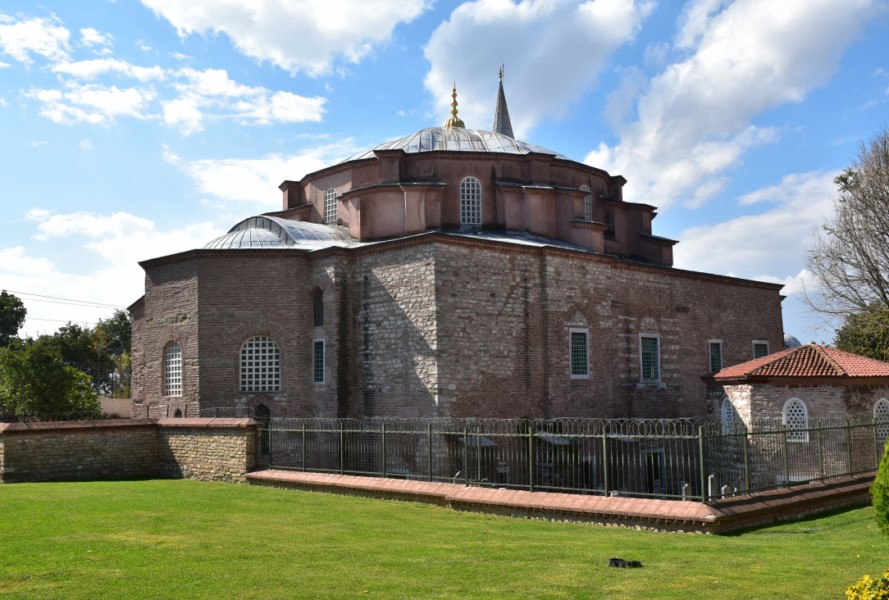
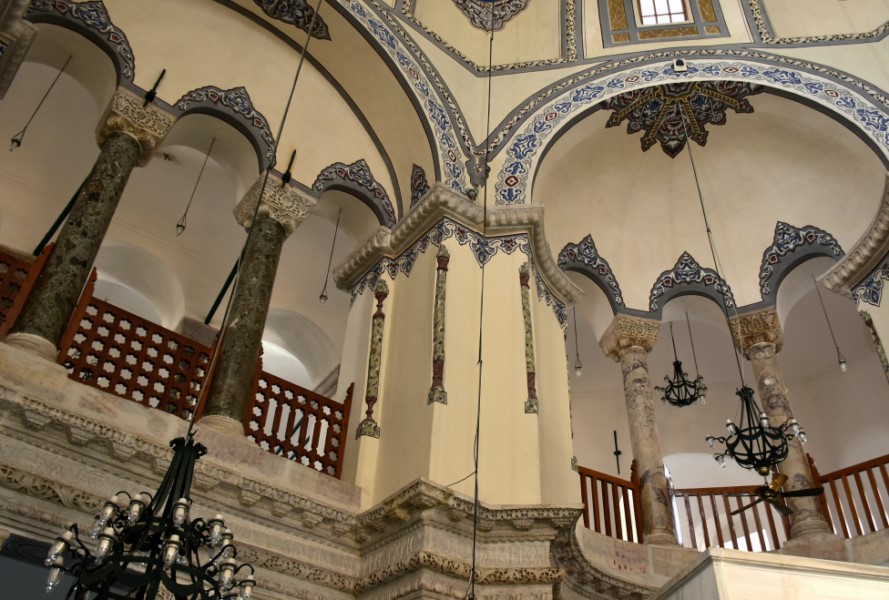
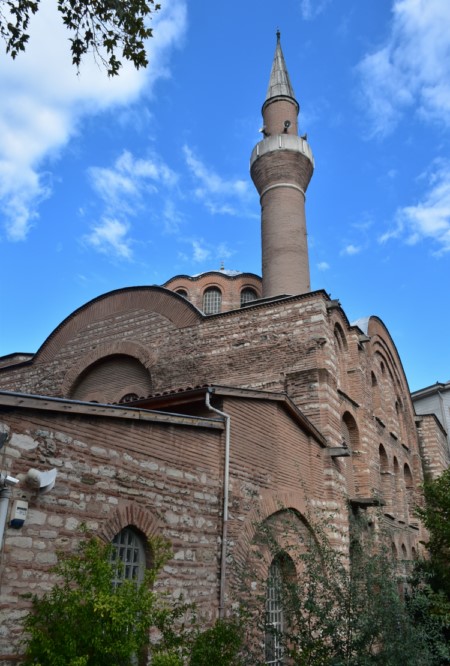
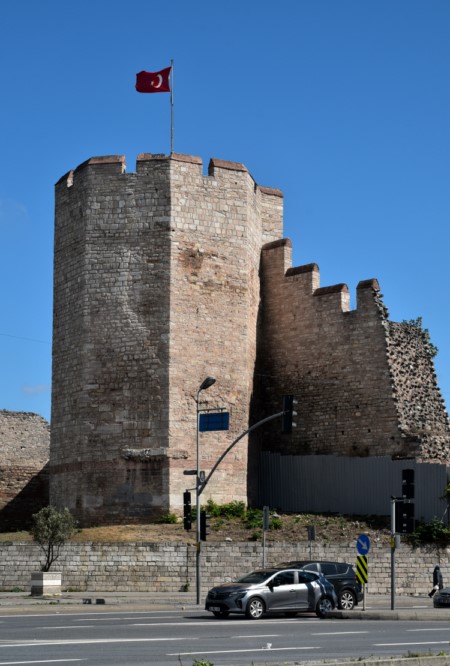
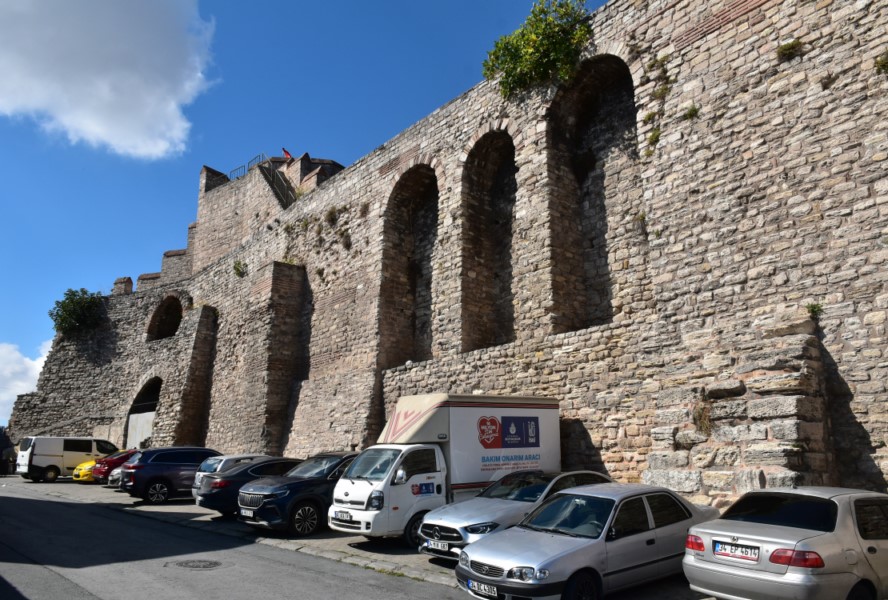
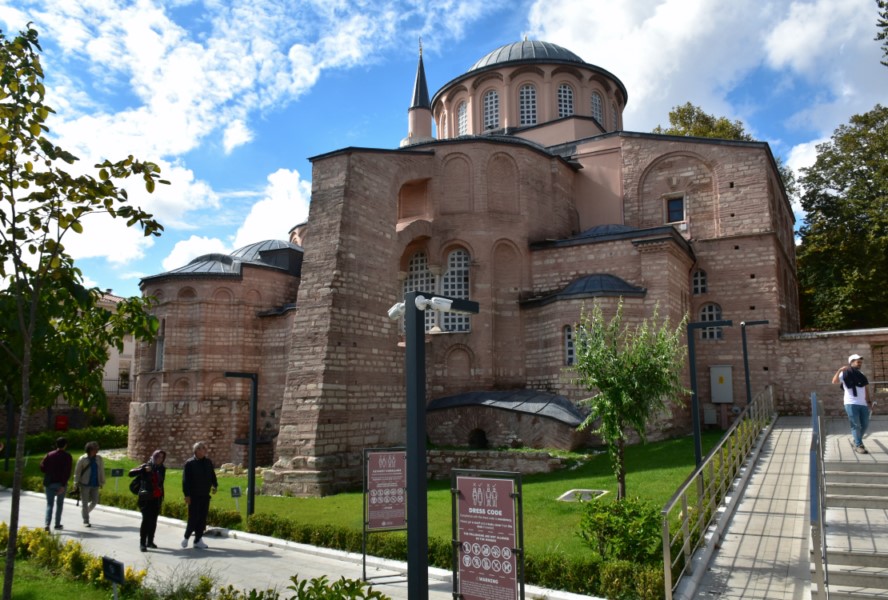
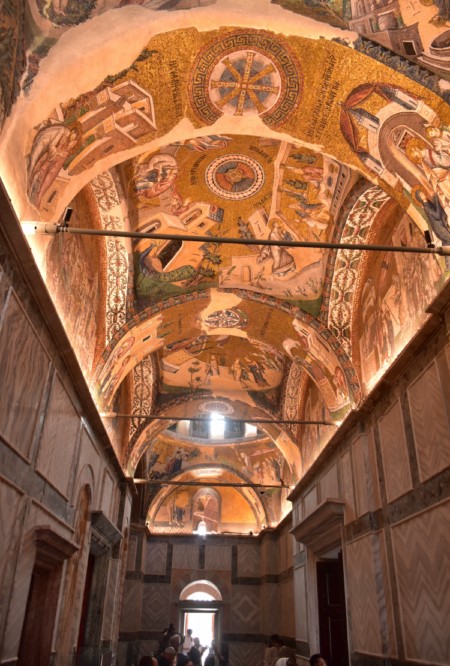
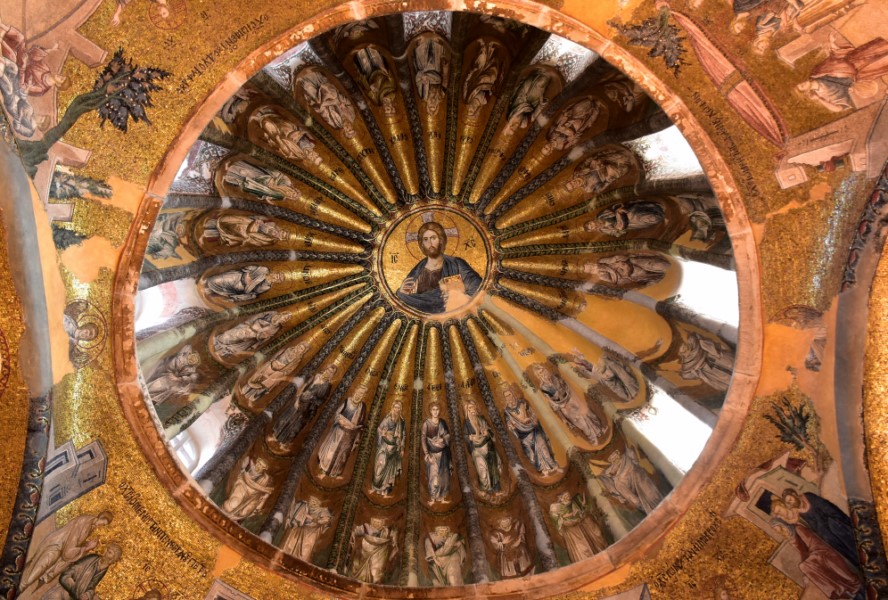
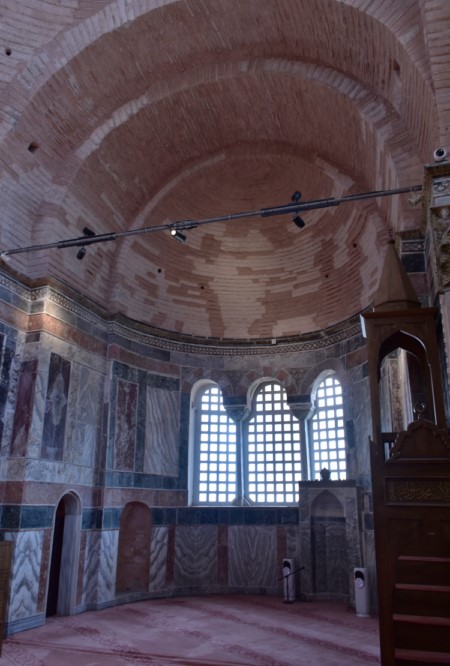
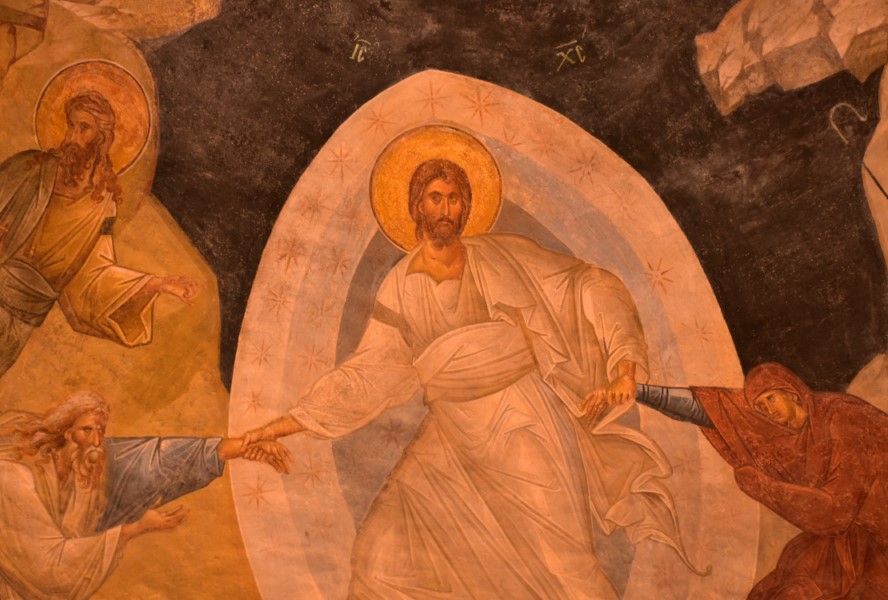
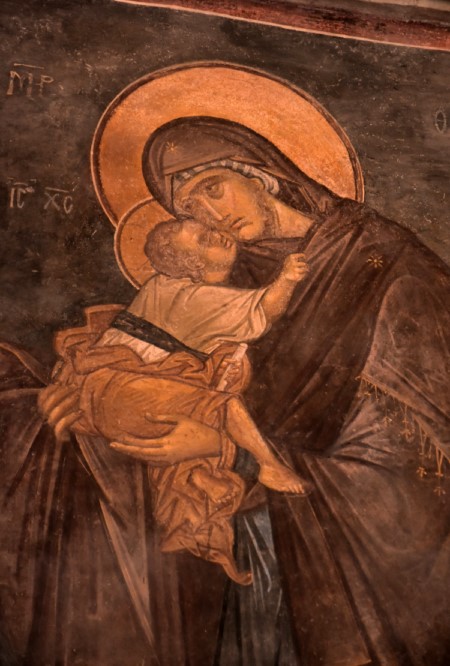
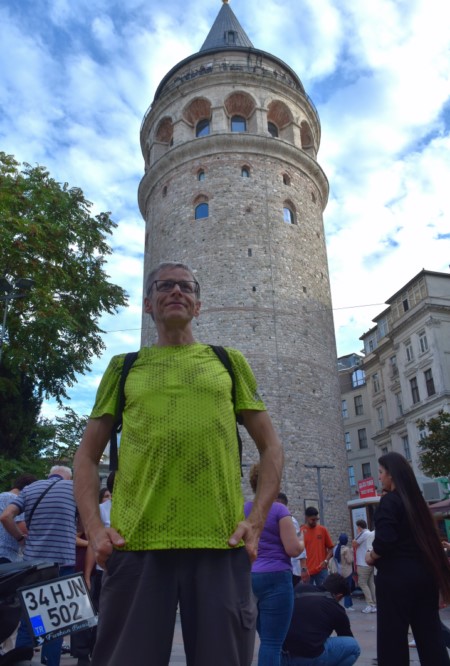
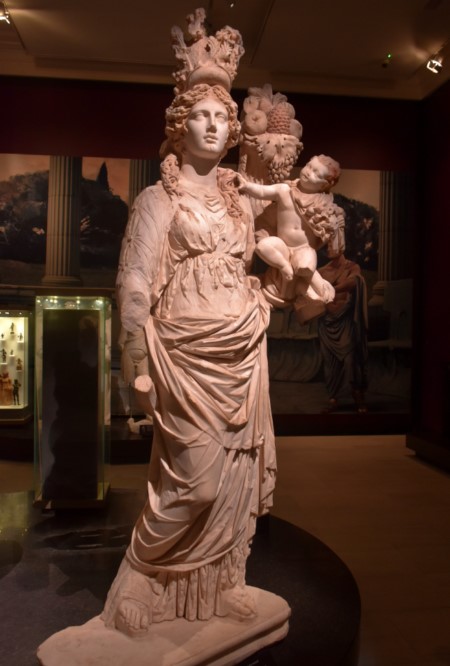
Remains of the hippodrome, obelisks of Constantine and Thutmose Serpent Column from Delphi (479 BC) Obelisk of Pharaoh Thutmose III from Luxor (1500 BC) German Fountain commemorating the visit of Emperor Wilhelm II Church of the Holy Wisdom (Hagia Sophia) from 537 A souvenir photo Vestibule of the Warriors, baptistery on the right Nave The spot where the throne of the Byzantine emperors stood during coronation Seraphim decorating the pendentive Women's gallery for attending the service Tomb of the Doge of Venice Enrico Dandolo, instigator of the city's sack by the Crusaders in 1204 Southern gallery, Deesis group Jesus Christ as savior and judge St. John the Baptist A souvenir photo Southern gallery, Virgin Mary with Emperor John II Komnenos and Empress Irene Columns supporting the vault of the gallery Christ with Constantine IX Monomachos and Empress Zoe Elaborately decorated capital Apse, Virgin Mary with Christ Emmanuel Interior of the baptistery Vestibule of the Warriors, Virgin Mary with Emperors Constantine the Great and Justinian the Great Hagia Sophia at night Milion stone, the marker from which all distances in the empire were measured Basilica Cistern from the 6th century Impression Spolium used as a column base Diverse column shapes Spolia with the image of Medusa's head Medusa's head as a column base A souvenir photo Sculpture of the monster Medusa Symmetry Weeping Column Topkapi, Hagia Irene Church from the 6th century used by the Ottomans as an arsenal Apse stripped of decorations Archaeological Museum - porphyry sarcophagus, resting place of the first Byzantine emperors Statue of Tyche from the 2nd century AD Alexander Sarcophagus, tomb of King Abdalonymus of Sidon from the 4th century BC Alexander Sarcophagus, battle of Alexander the Great with the Persians Statue of Alexander the Great from the 3rd century BC Little Hagia Sophia (Church of Saints Sergius and Bacchus) from the 6th century Interior of the temple, gallery Old well with a hand pump Valens Aqueduct from the 4th century AD Theotokos Kyriotissa Church from the 12th century converted into a mosque Theodosian Walls from the 5th century Roman Gate Armenian Church of Surp Nigogayos, ridge turret Gate of Adrianople, fortified tower Theodosian Walls, view from the city side In search of a nesting site Church of the Holy Saviour in Chora from the 11th century Mosaics on the vault of the narthex Christ the Lawgiver, mosaic in the lunette above the entrance to the exonarthex Scenes from the life of the Virgin Mary Temptation of Jesus in the desert A moment of respite Enthroned Christ with Theodore Metochites presenting a model of the renovated church Christ and his ancestors, mosaic in the dome of the esonarthex Christ healing the paralytic Esonarthex, unusual representation of Deesis (without John the Baptist) Naos, mosaic of the Koimesis (Dormition of the Virgin Mary) Apse, mosaics covered with panels by the Muslims Parekklesion, side funerary chapel Anastasis fresco, Christ's descent into limbo to rescue souls Parekklesion, Panagia Eleusa (Virgin of Tenderness) Golden Horn, view of the Galata district Galata Tower from the 14th century

Contrary to appearances, Istanbul has many monuments from the Byzantine era, although most churches have been converted into mosques. I must admit that visiting the most famous of them, the Hagia Sophia, was a bit disappointing. This was due to the fact that non-Muslim tourists can only admire its interior from the gallery surrounding the nave. I fully compensated for this in the Chora Church, where beautiful mosaics and frescoes from the period have been preserved.


Ottoman Istanbul


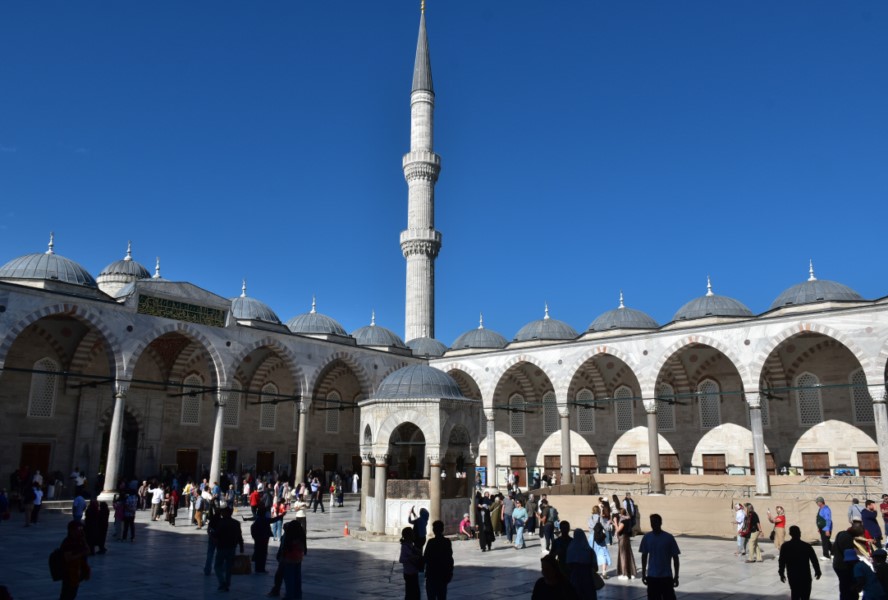
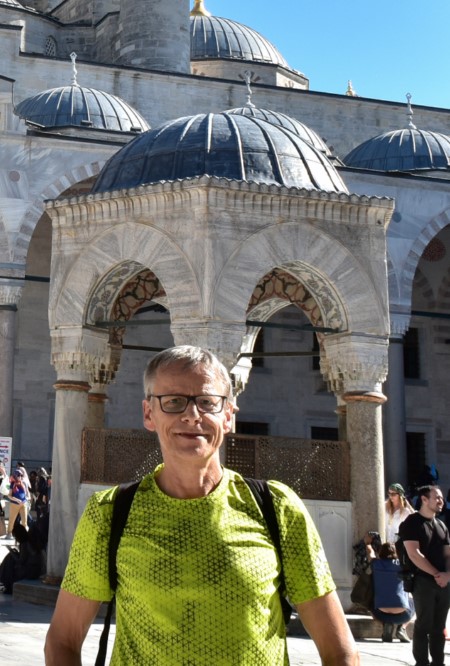
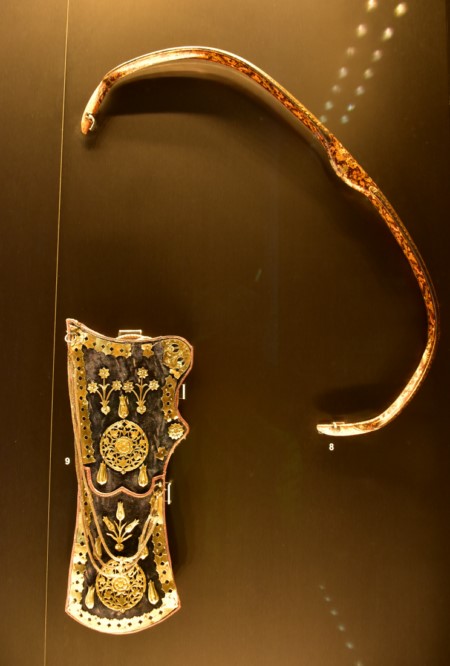
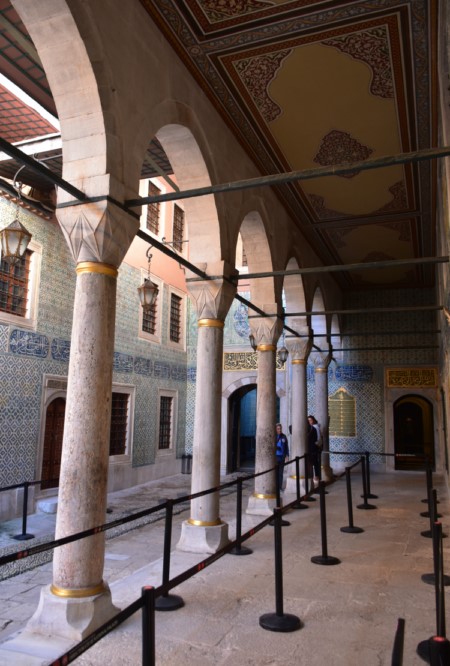
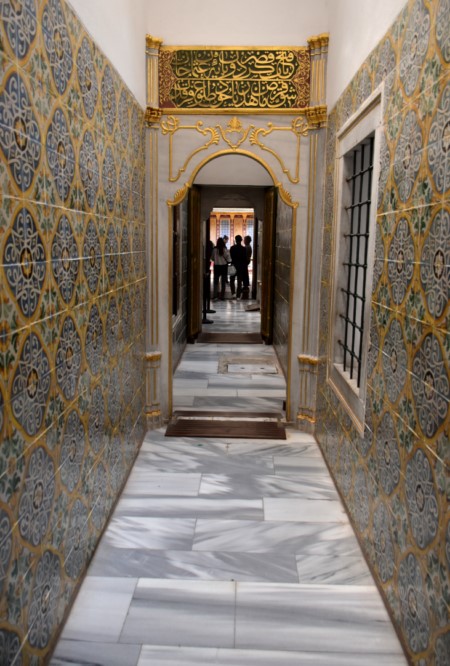
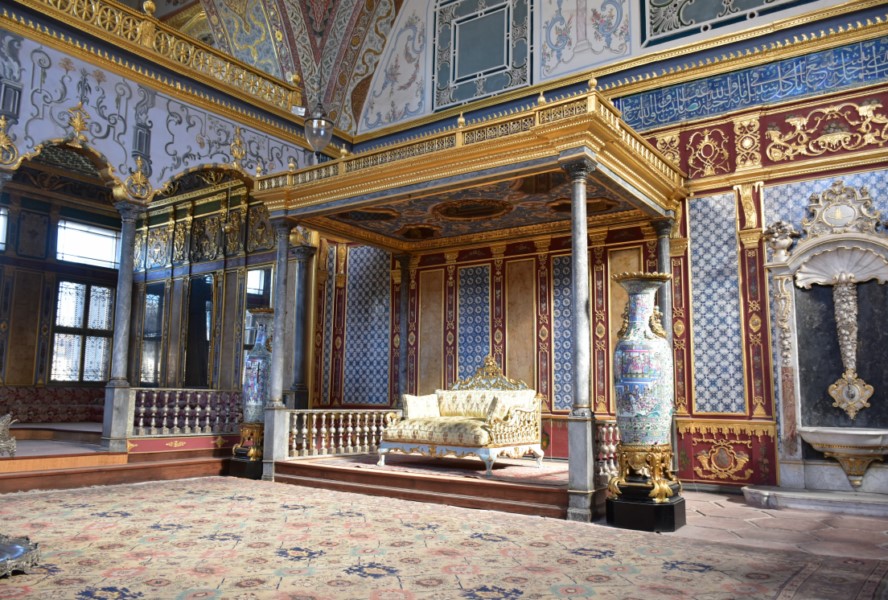
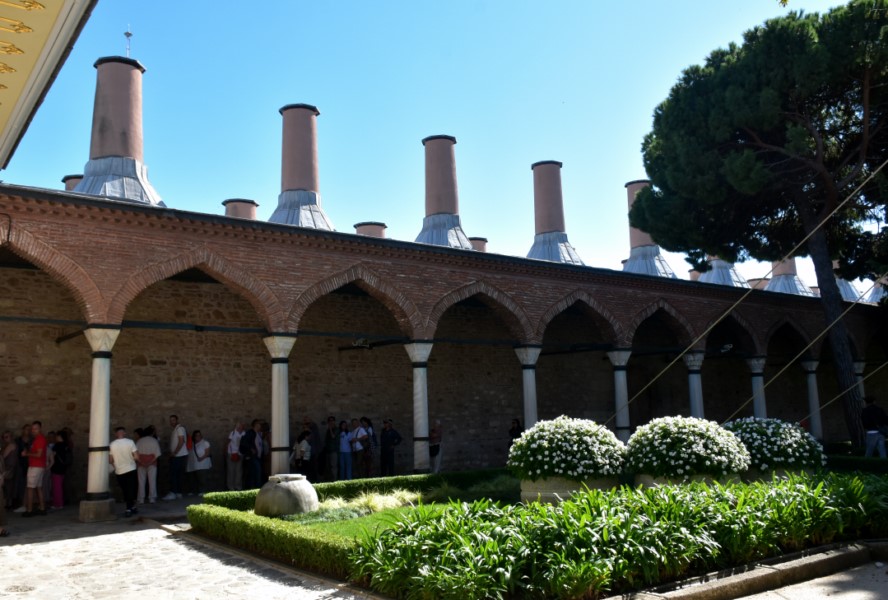
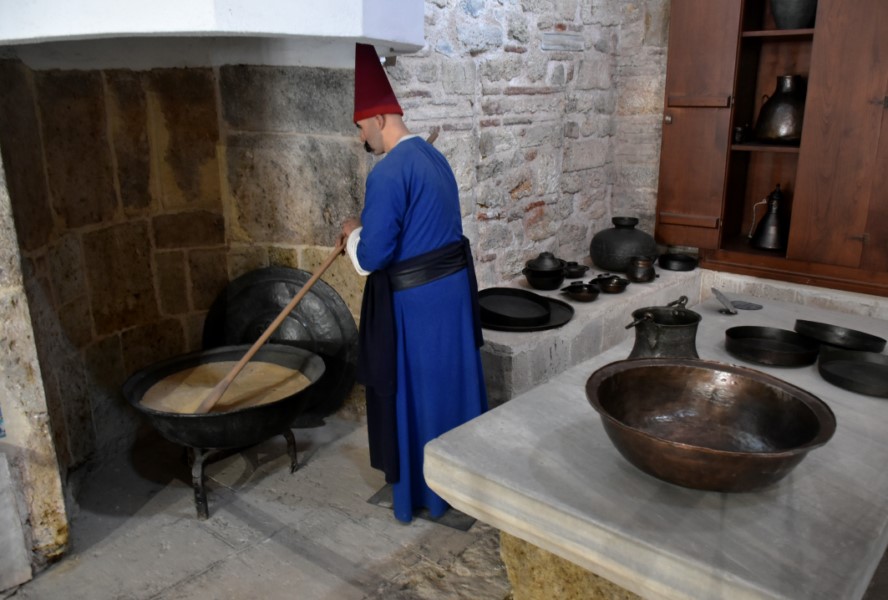
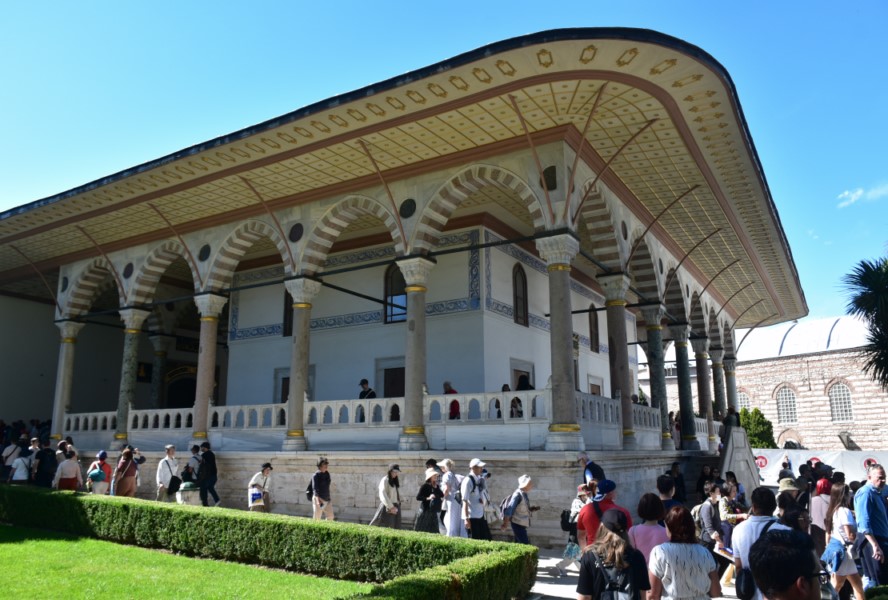
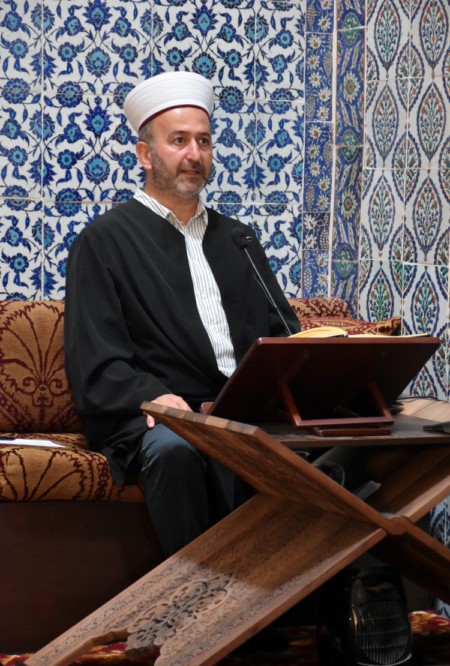
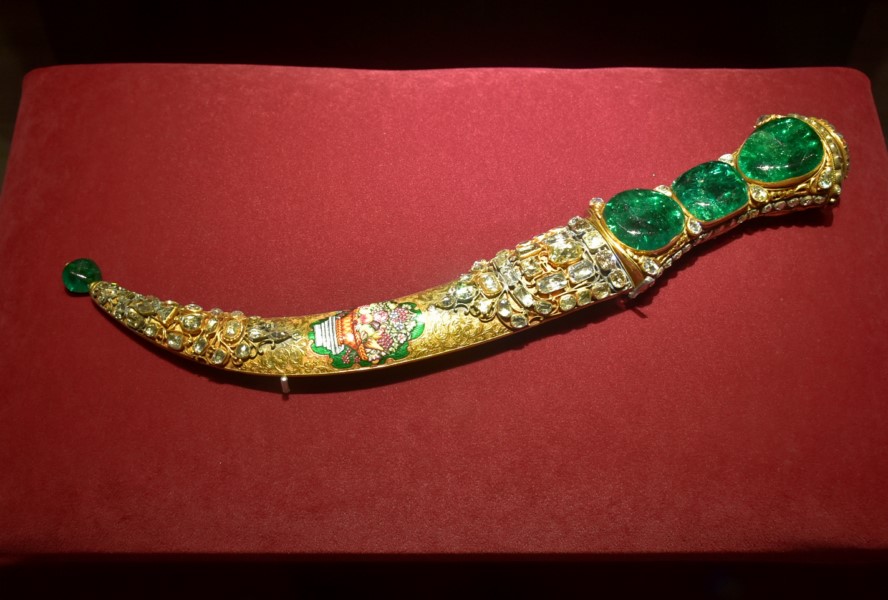
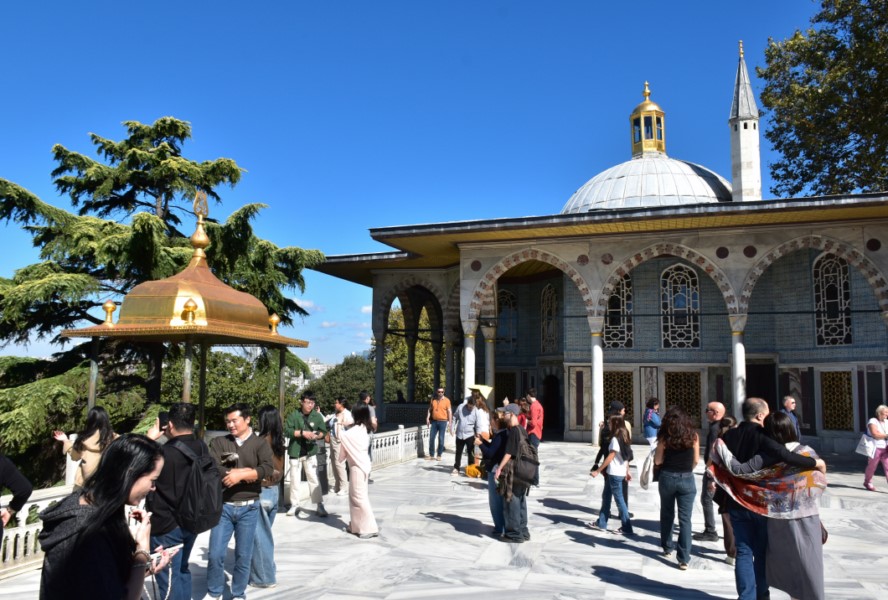
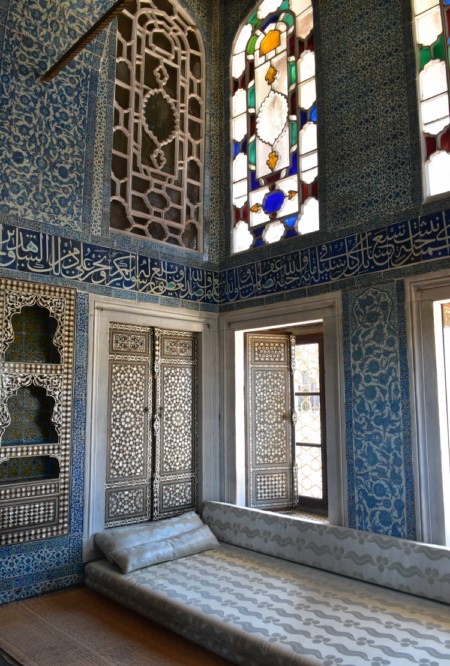
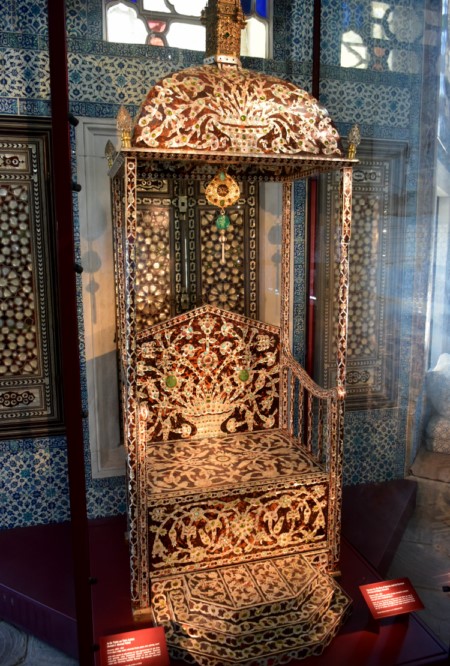
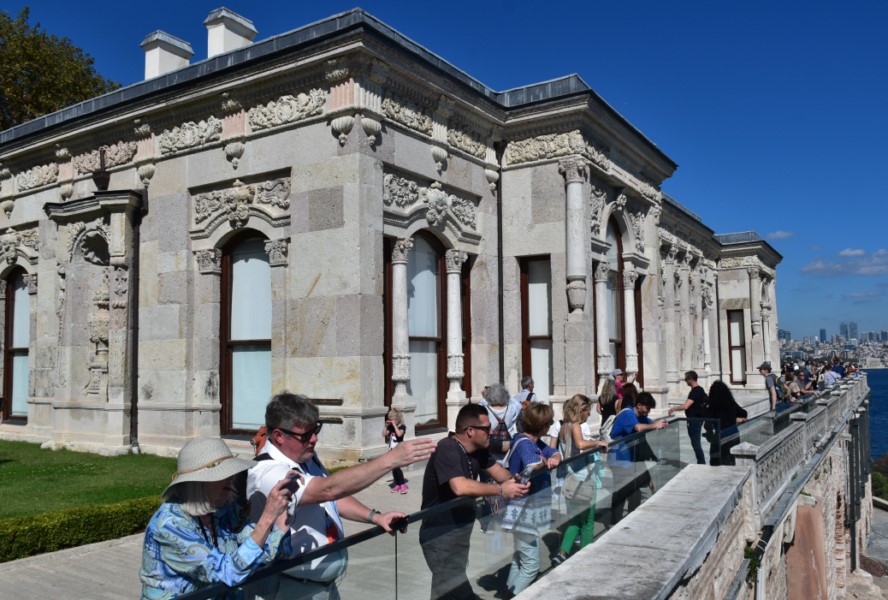
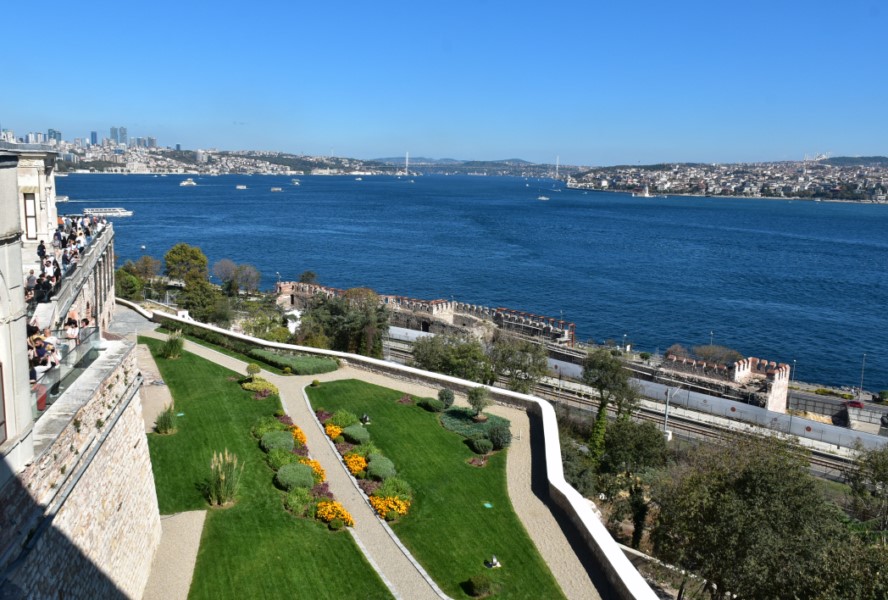
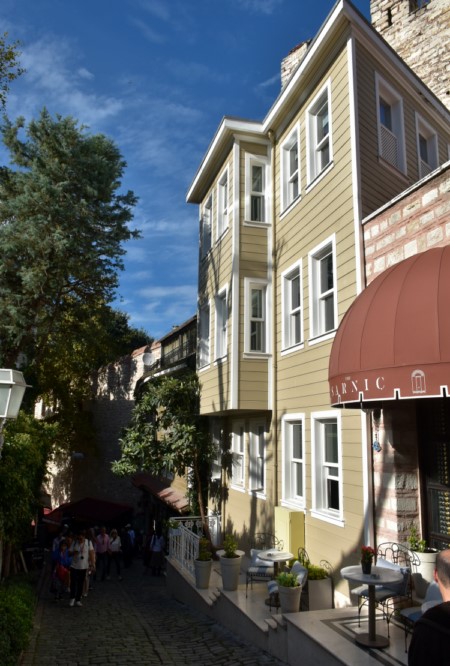
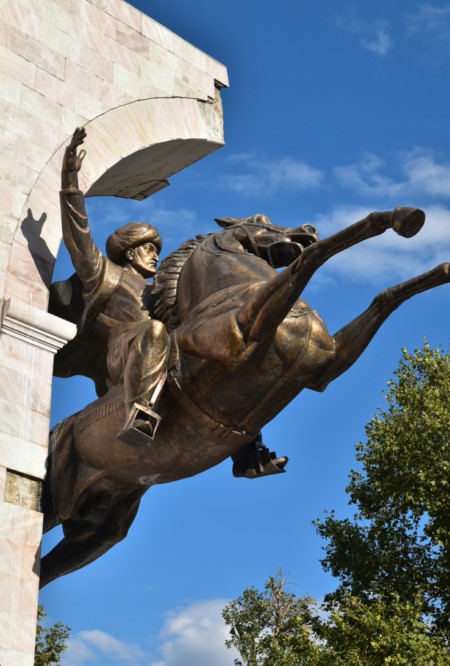
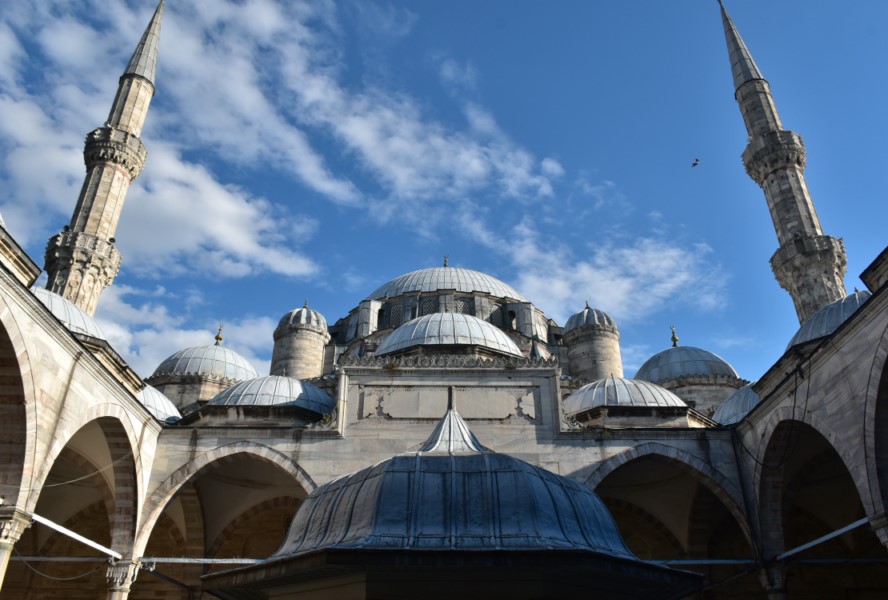
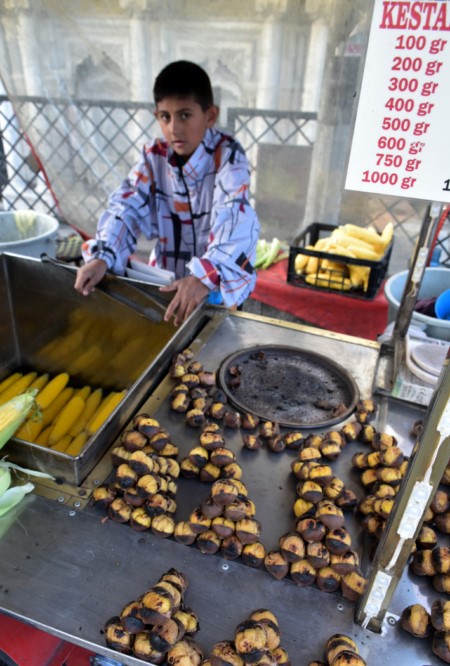
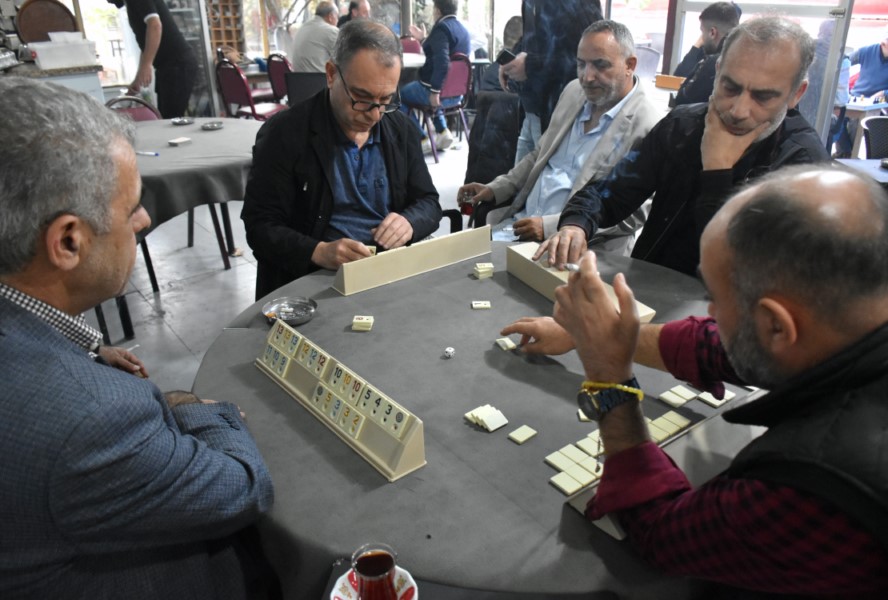
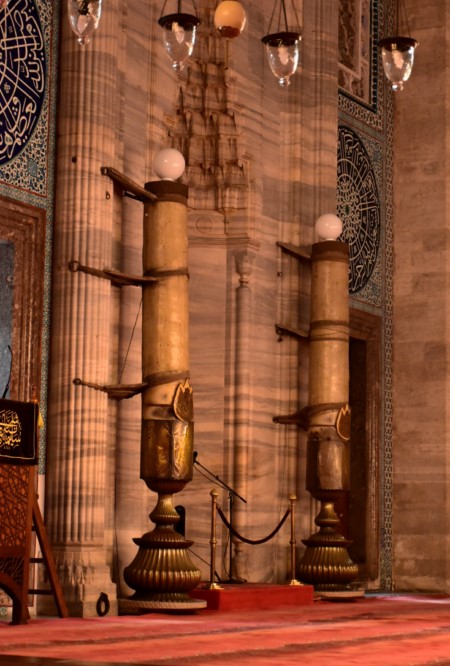
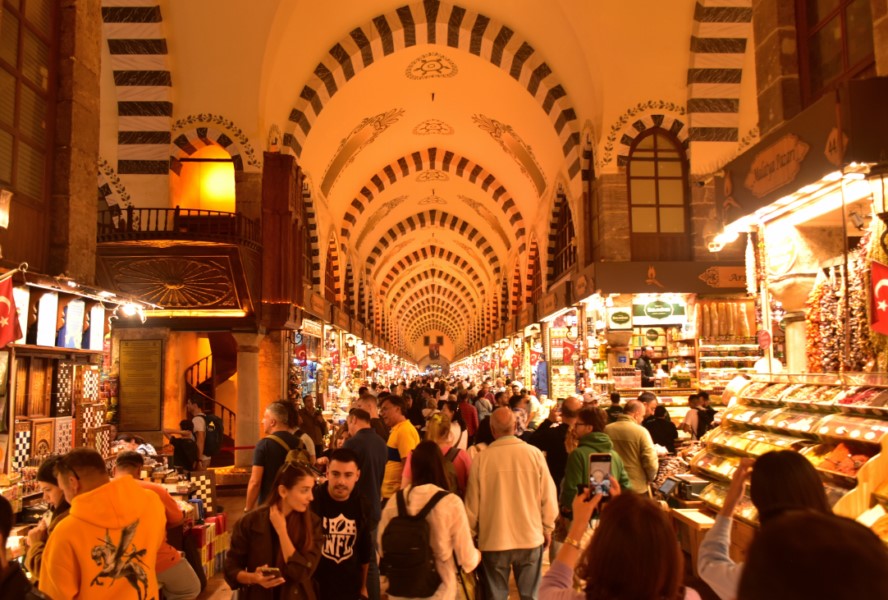
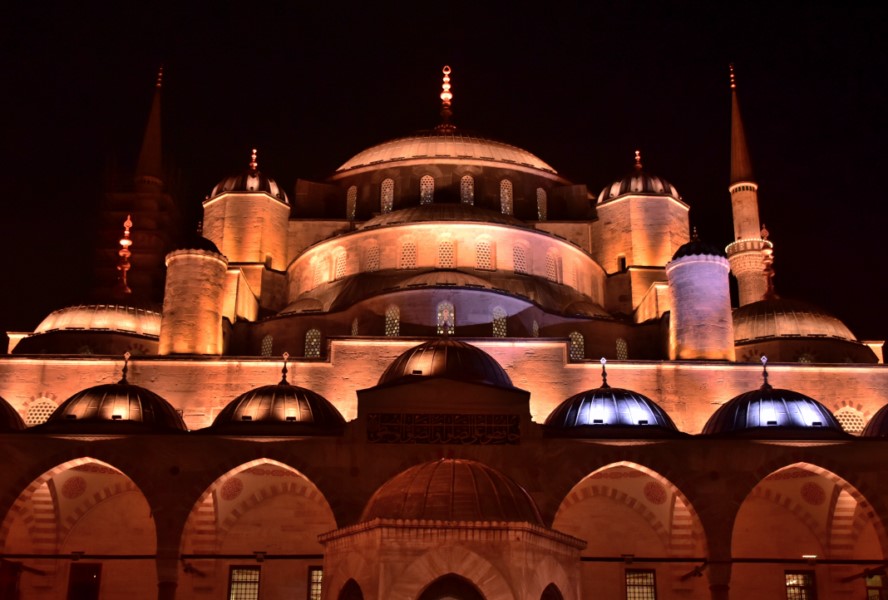
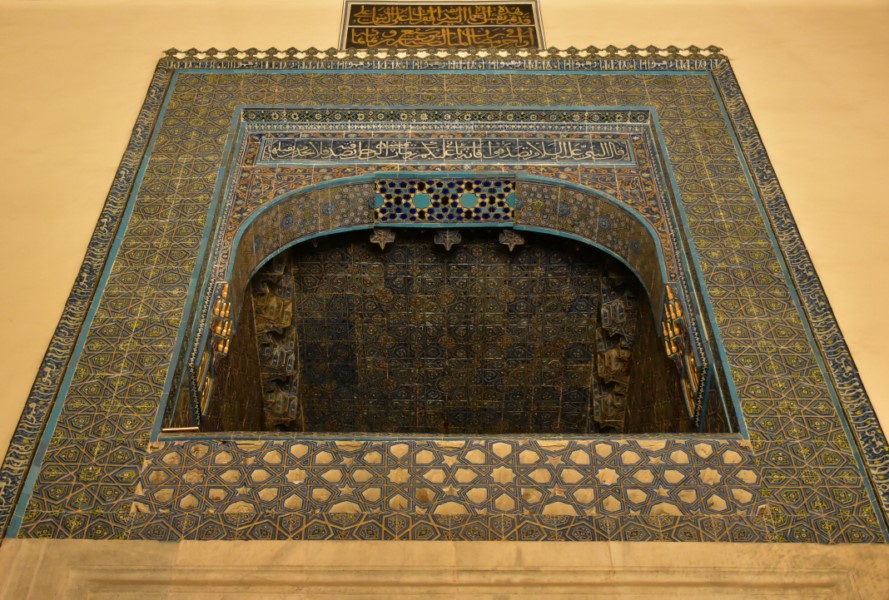
Blue Mosque from the early 17th century Liwan from the hippodrome side View from the portico surrounding the courtyard Courtyard, in the center a fountain for ritual ablution (shadirvan) Impressive cascade of domes A souvenir photo Minaret balcony Brightly lit prayer hall Mihrab Soffit of one of the domes Marble minbar Waiting Ablution fountain in the Turkish Rococo style (c. 1740) Baths of Hurrem Sultan (Roxelana) from the 16th century Gigantic queue to Hagia Sophia, Mausoleum of Mehmed III in the background Walls of Topkapi Palace Fountain of Sultan Ahmed III from 1728 Imperial Gate to the first courtyard of Topkapi Palace Courtyard of the Janissaries, fountain where executioners washed their axes after execution Gate of Salutation Second courtyard The Divan, meeting place of the imperial council Council chamber Armory, composite bow and quiver from the 16th century Armory, gilded chanfron from the 16th century Courtyard and living quarters of the Black Eunuchs Interior of the dormitory Decorative Iznik tiles Main entrance to the Harem Harem, Black Eunuch at the guard post Hammam, corridor decorated with Iznik tiles Sultan's bathhouse Bathhouse of the concubines and sultan's wives Harem, Imperial Hall Harem, Imperial Hall Impression Private chamber of Sultan Ahmed III (1673-1736) Harem, apartments of the concubines and sultan's wives Courtyard of the Queen Mother A souvenir photo Palace kitchens Preparing a meal for the court Palace guard Gigantic Corinthian capital Gate of Felicity leading to the third courtyard A souvenir photo Third courtyard, Audience Chamber Interior of the Library of Ahmed III from 1719 Sacred Relics Sanctuary (Holy Mantle) Imam reciting verses from the Quran (live person) Relic, fragment of the arm and skull bones of John the Baptist Relic, hair from the beard of the Prophet Muhammad Relic of the Holy Mantle of Muhammad Crowd of tourists queuing for the Imperial Treasury Treasury, diamond-encrusted ceremonial chainmail of Mustafa III Treasury, the famous Topkapi Dagger decorated with three emeralds from 1741 Fourth courtyard, Baghdad Kiosk Interior of the Baghdad Kiosk from 1639 Observation terrace Iftar Kiosk View of the Golden Horn and Galata Erevan Kiosk, throne of Sultan Ahmed I Mecidiye Kiosk from the 19th century and observation terrace View of the Bosphorus and the Asian side of the city Traditional wooden houses along Sogukcesme Street Procession Kiosk (Alay Kiosk), from here the sultan watched the Janissary parades Street scene Palace headland Traditional wooden houses with bay windows (cikma) Afternoon coffee Fatih Anit Park, Mehmed II the Conqueror (1432-1481) Waiting Sehzade Mosque from the 16th century Prayer hall Mihrab Soffit of the dome Roasted chestnuts Laleli (Tulip) Mosque in the Turkish Baroque style (18th century) Kursu, decorative chair from which the imam reads the Quran Okey, popular Turkish tile game Suleymaniye Mosque, Sinan's masterpiece from the 16th century Muqarnas Impressive prayer hall Decorative columns by the mihrab Prayer Mausoleum of Sinan (1489-1588), chief architect to three sultans Sunset over the Golden Horn Spice Bazaar (Egyptian Bazaar) Azan Kiosk, place where merchants prayed each morning Spices Children often help their parents at work Which one to choose? Traditional Turkish coffee pots (cezve) Traditional leather slippers, in every color imaginable New Mosque from the 17th century Blue Mosque at night Illuminated minaret La Ilaha Illallah (There is no god but Allah)

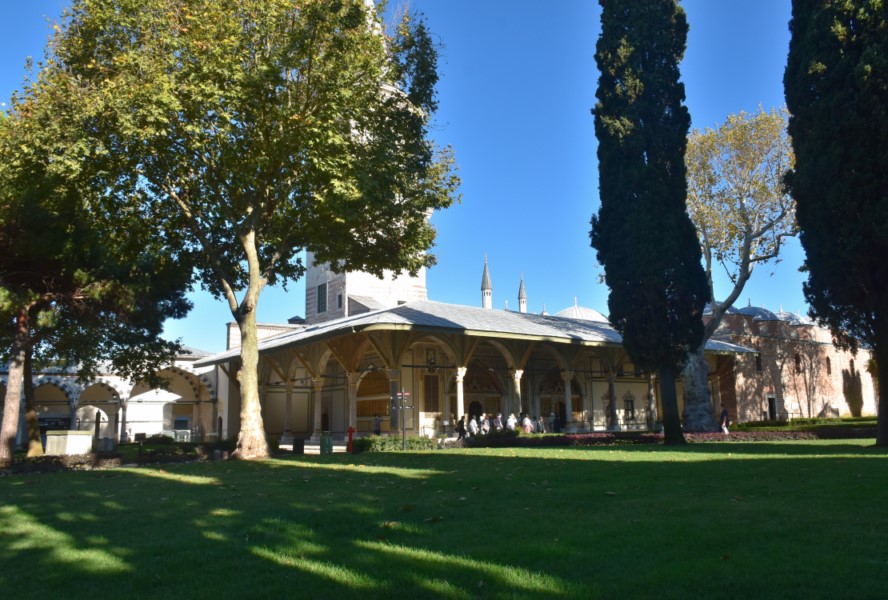
Istanbul boasts a wealth of attractive buildings, crafts, and valuable works of art, collected during the Ottoman Empire's over 600-year history. Many of them, like the Blue Mosque and the Süleymaniye Mosque, are Unesco World Heritage Sites, but nothing compares to the Topkapi Palace. The Harem, Throne Room, Divan, Treasury, and elegant pavilions and sultan's apartments captivated me with their lavish decor and furnishings.


Bursa


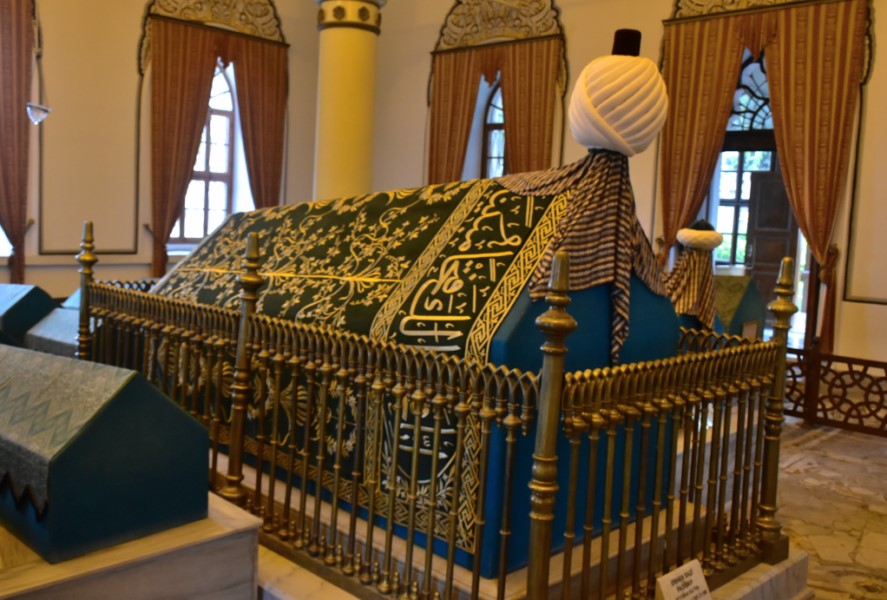
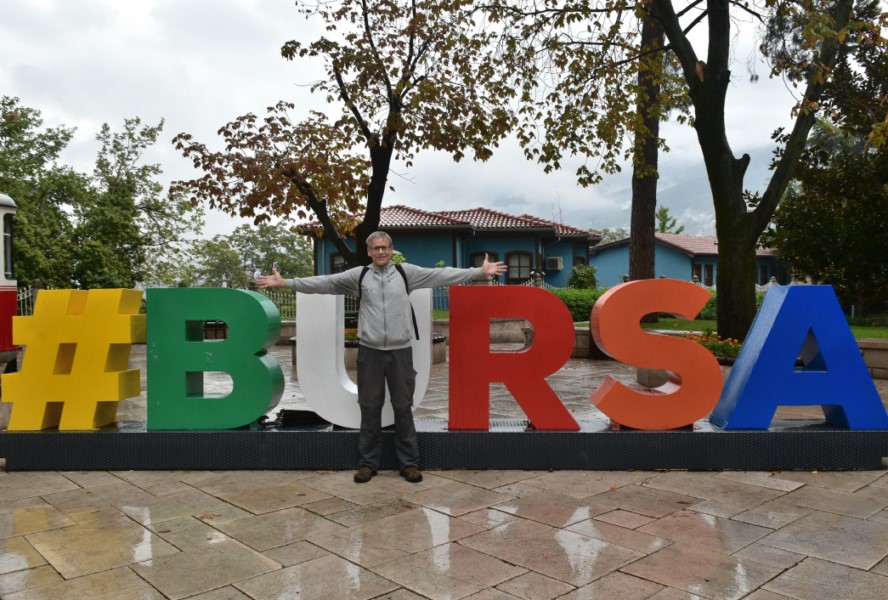
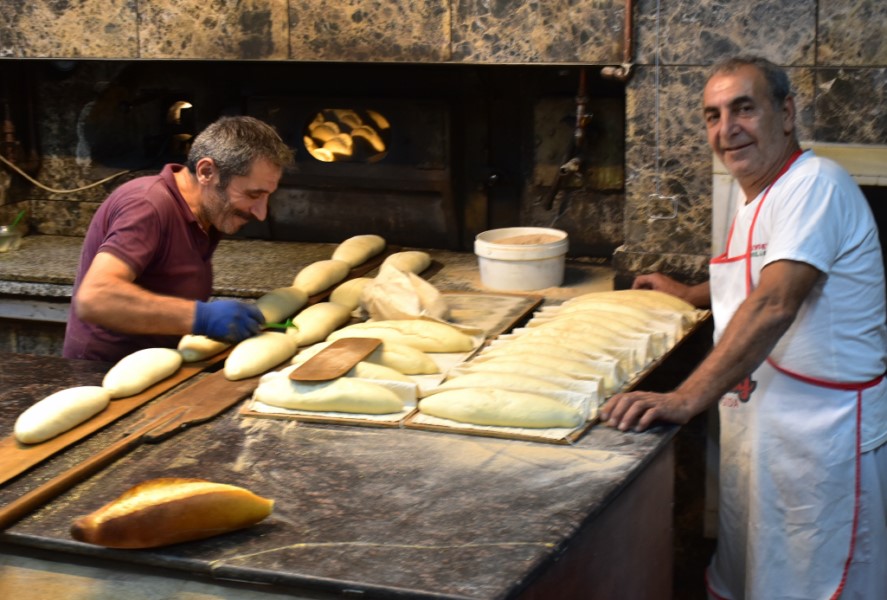
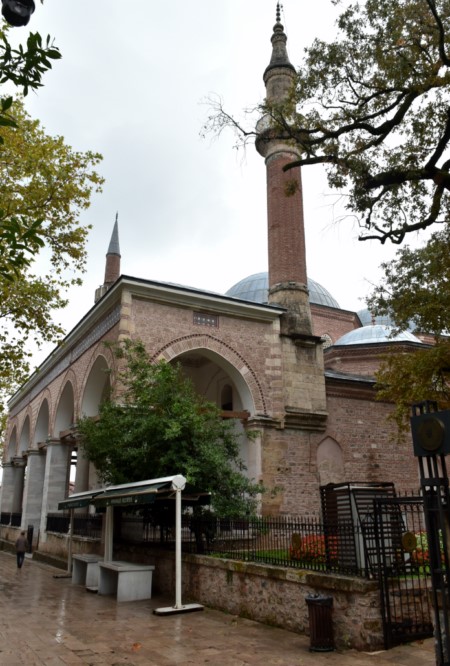
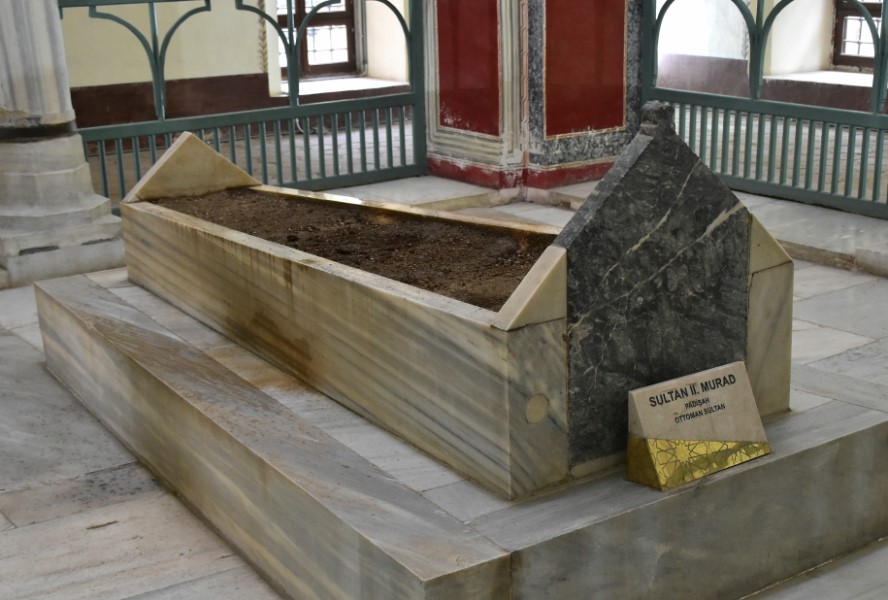
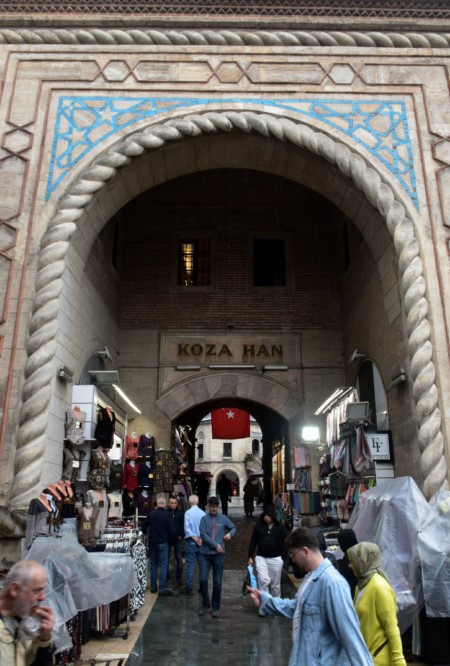
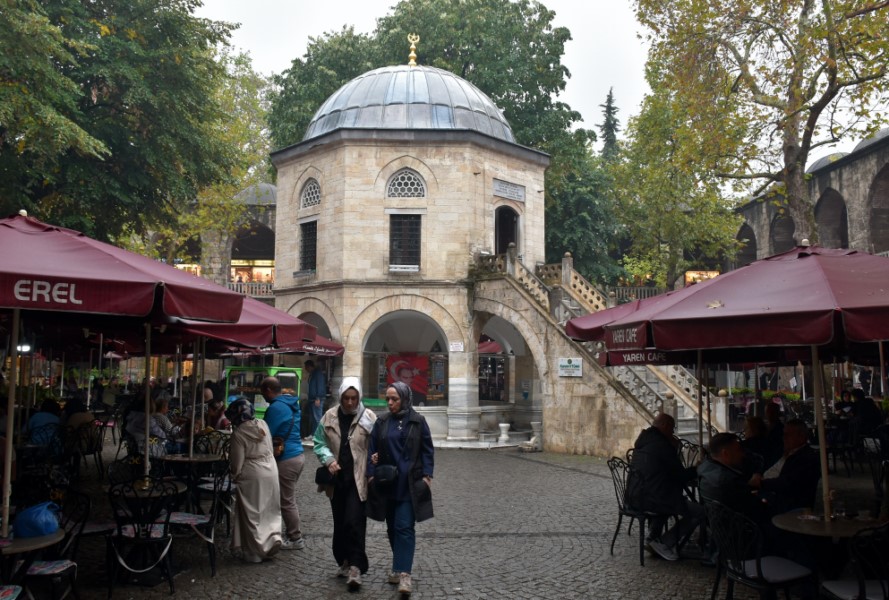
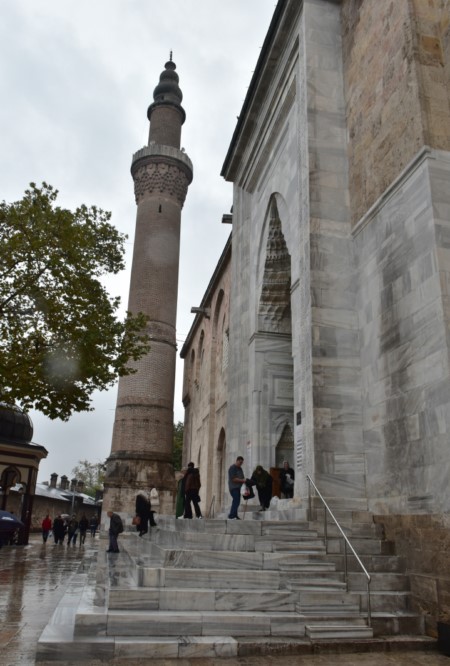
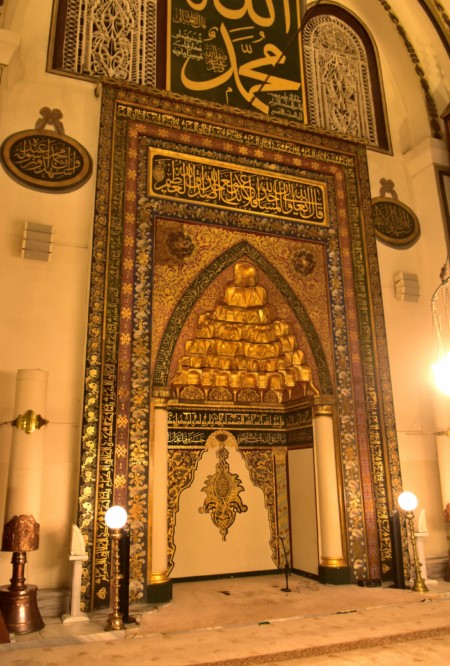
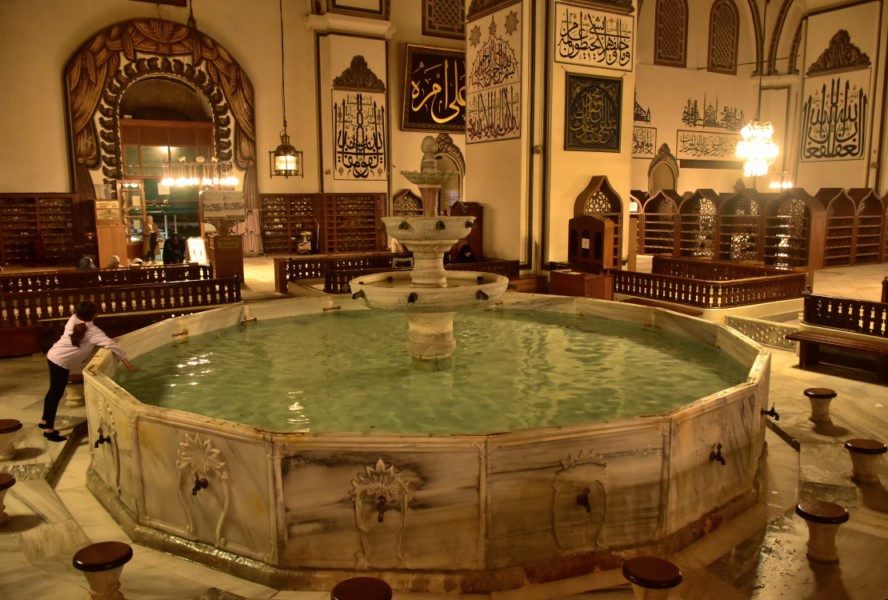
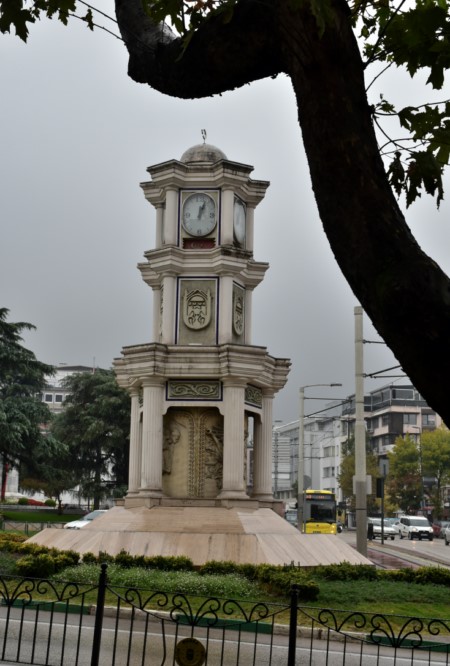
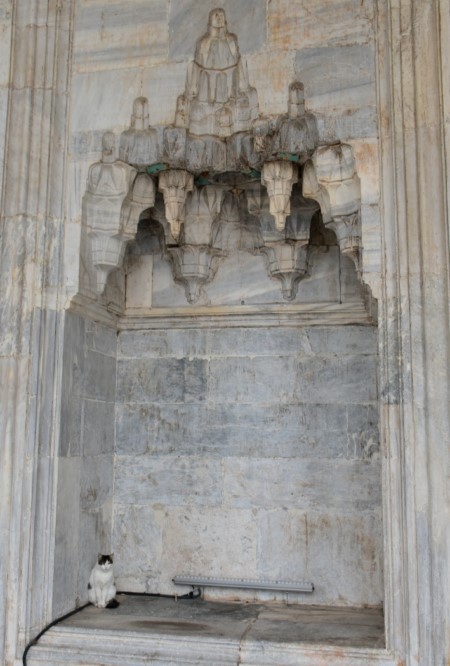
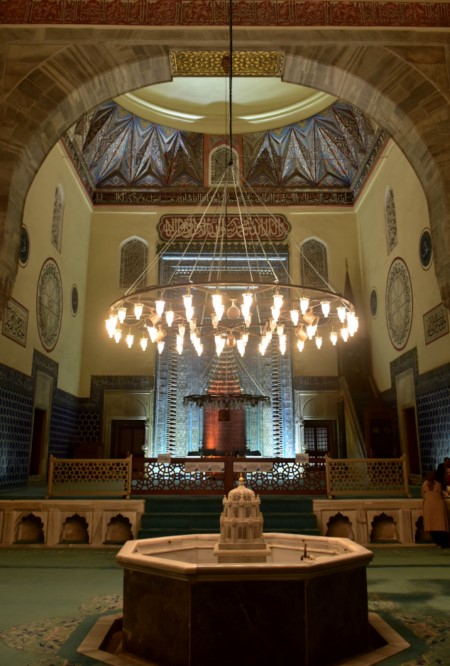
Walls of the Byzantine fortress Tophane Gate to the citadel Hisar Hill Caravanserais and bazaars, Grand Mosque with twenty domes in the background Tophane Clock Tower Traditional Turkish tea Tomb of Orhan Gazi, son of Osman I Guard at the entrance to the Mausoleum of Osman Tomb of Osman I Gazi (1258-1326), founder of the Ottoman dynasty A souvenir photo Suburbs of Bursa Traditional bakery Murad Mosque from the 15th century Mausoleum of Murad II Tomb of Murad II, father of Mehmed II the Conqueror Cemetery in the mosque garden Serpus, elaborately carved tombstone finials Tombstones with inscriptions in Persian, Arabic, and Turkish Characters of the popular Karagoz shadow play Belediye, the city hall building Fidan Han Caravanserai from the 18th century Koza Han, center of silk trade since the 15th century Koza Han courtyard, Silk Cocoon Mosque Bedesten, a covered bazaar from the 15th century Counting the earnings Goldsmith products, in every color imaginable Sultan outfits for children More down-to-earth products Grand Mosque (Ulu Cami) from the late 14th century Gigantic prayer hall vaulted with 20 domes Mihrab Shadirvan, a three-tier ablution fountain Ritual ablution Prayer Reading the Quran Conversation Clock tower Bayezid Mosque, a lonely kitten Madrasah of the Green Mosque Museum of Turkish and Islamic Arts, Mawlavi hat Green Mosque from the early 15th century Inner courtyard with a shadirvan and prayer hall Sultan's lodge, decorative tiles made using the cuerda seca technique Green Mausoleum Sarcophagus of Mehmed I, next to the tombs of the sultan's sons and daughters Painting on the vault of the mausoleum
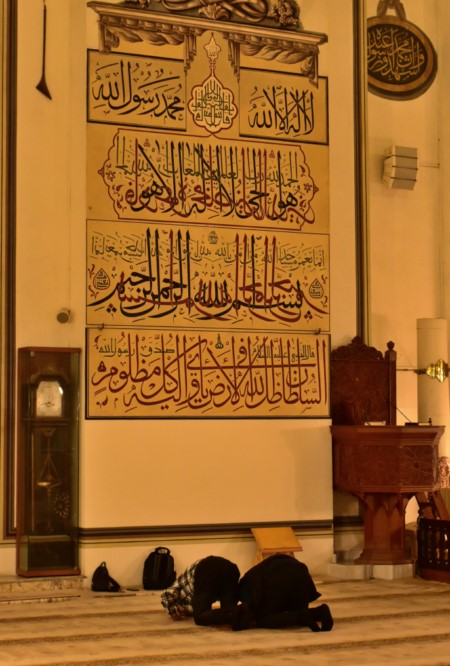
I explored the first capital of the Ottoman Empire, Bursa, in the rain, which fell with varying intensity throughout the day. Everything around me was gray and gloomy, and so was my mood. Even the picturesque view of the old town from the walls of the Tophane Fortress didn't improve my mood. Finally, I visited the Great Mosque, dating back to the late 14th century. The monumental interior made an incredible impression on me, and I must admit that the temple fully deserves its name.


Canakkale i Kilitbahir


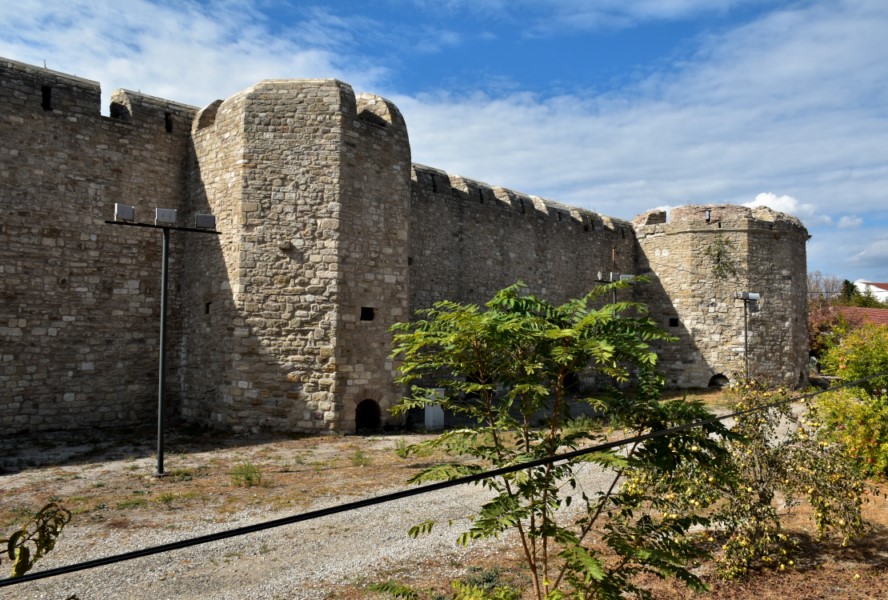
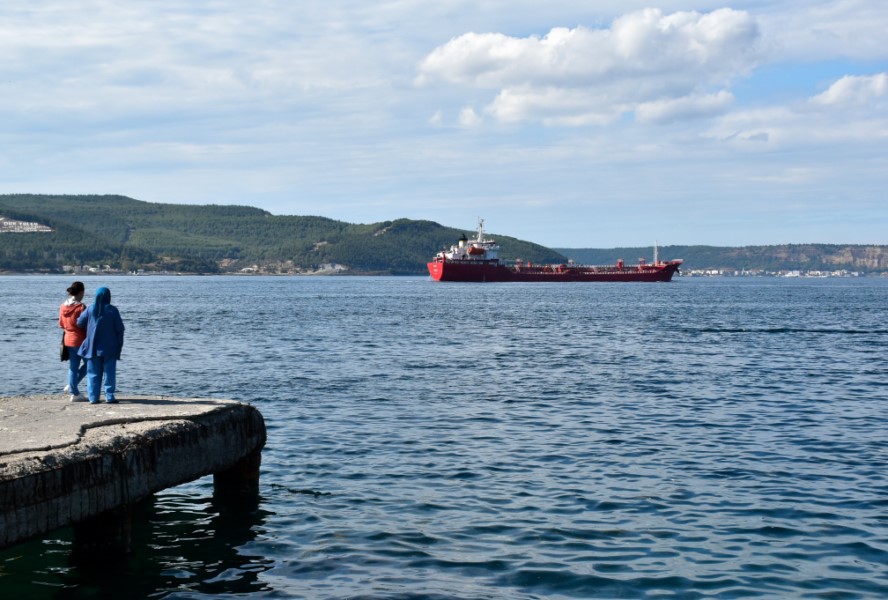
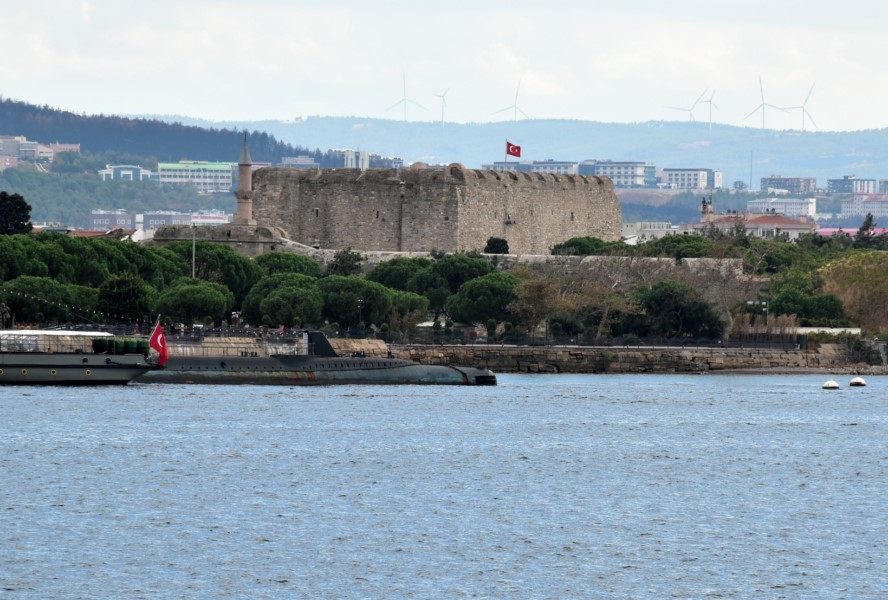
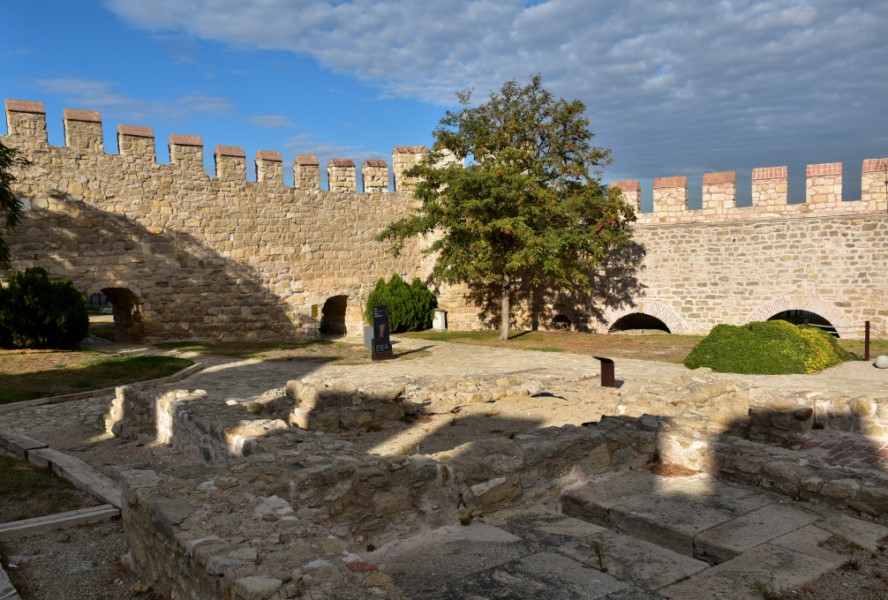
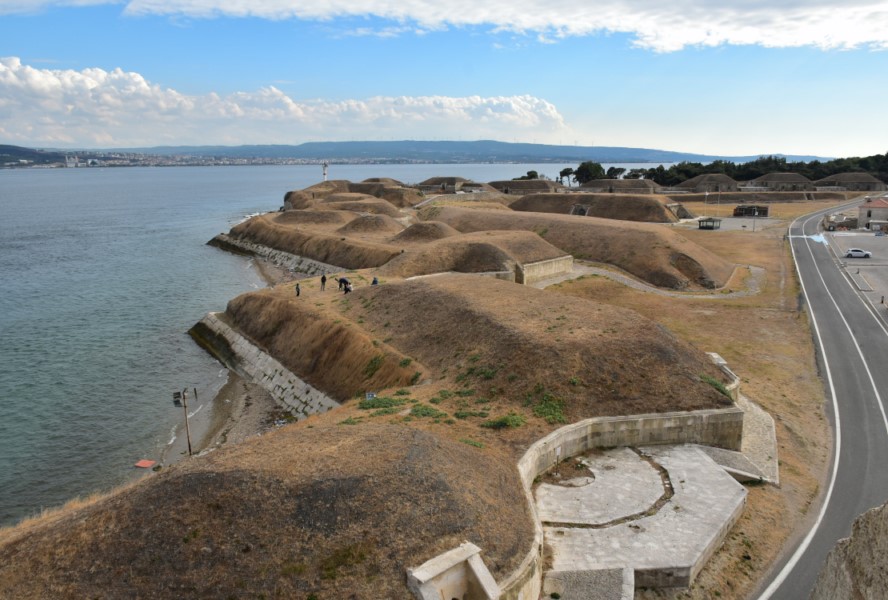
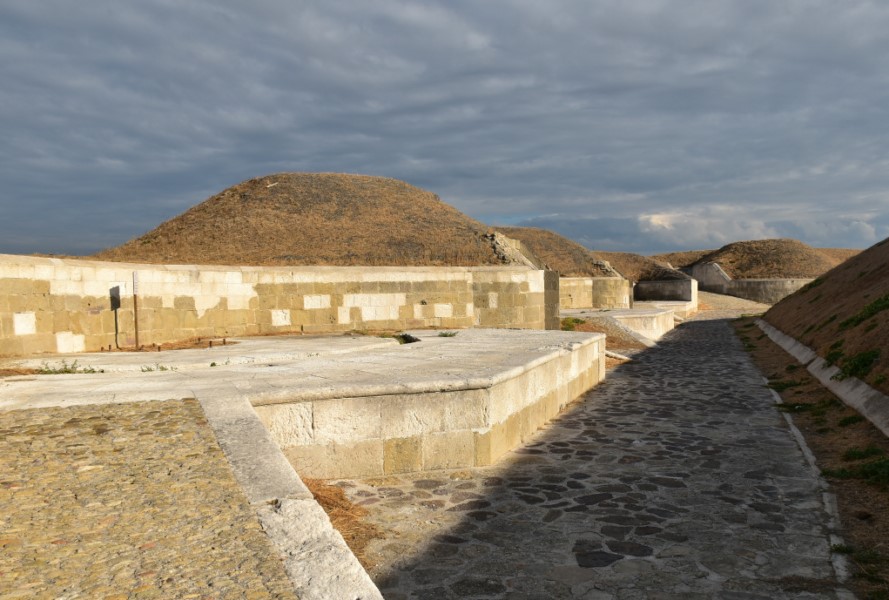
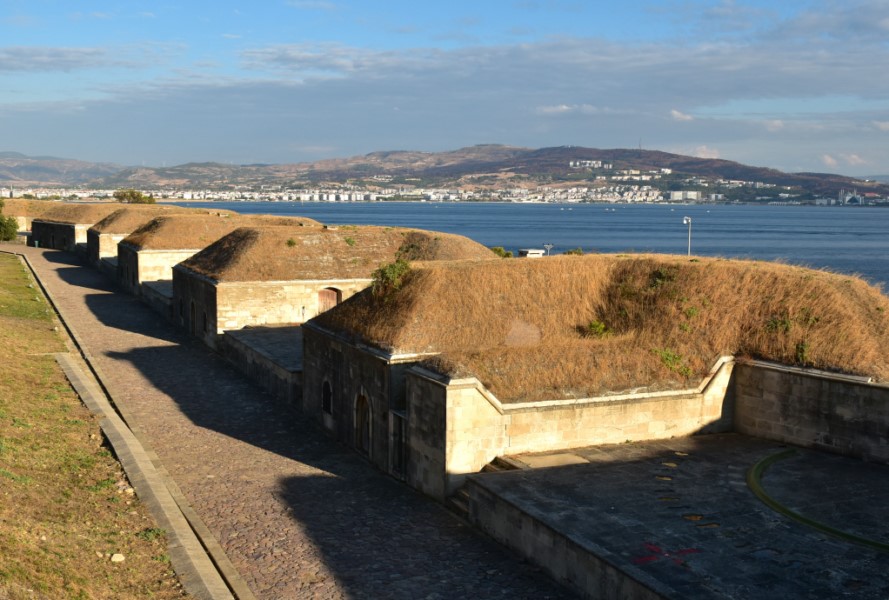
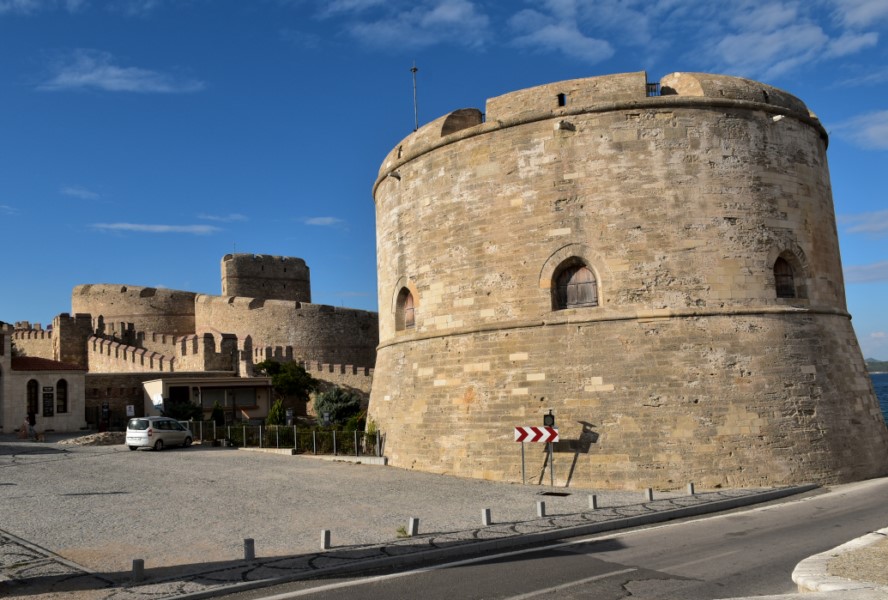
Canakkale, old town and the 17th-century Yali Mosque Walls of the Cimenlik Fortress from the time of Mehmed II the Conqueror Krupp 150 mm field gun from World War I Tarsus, Turkish minelayer from the time of the Battle of Gallipoli Port waterfront On the way to the Black Sea Ferry to Kilitbahir Cimenlik Fortress, view from the sea Dardanelles Strait (Hellespont) Kilitbahir Fortress from the time of Mehmed II the Conqueror 'Dur Yolcu' monument commemorating the soldiers fallen at Gallipoli Container ship Kilitbahir Fortress, Sari Tower Kilitbahir in all its glory Guard from the Ottoman era Outer courtyard Gun crew A souvenir photo Castle Museum, meal of the fortress garrison Interior of the citadel Namazgah Fort from the 19th/20th century Artillery platforms and bunkers Parade ground A souvenir photo Submarine Monument to Corporal Seyit Rumeli Medjidieh Fort Gun crew, Corporal Seyit carrying a shell in the foreground

During the journey to Canakkale, the weather cleared up considerably, which immediately lifted my spirits. After a short walk, I took the ferry to Kilitbahir, located on the other side of the Dardanelles. The narrowest section of the Dardanelles, formerly known as the Hellespont, has been a crossing point between Europe and Asia since ancient times. A visit to the forts of Namazgah and Rumeli on Cape Gallipoli, transported me back to the battles fought there, during World War I.


Troy
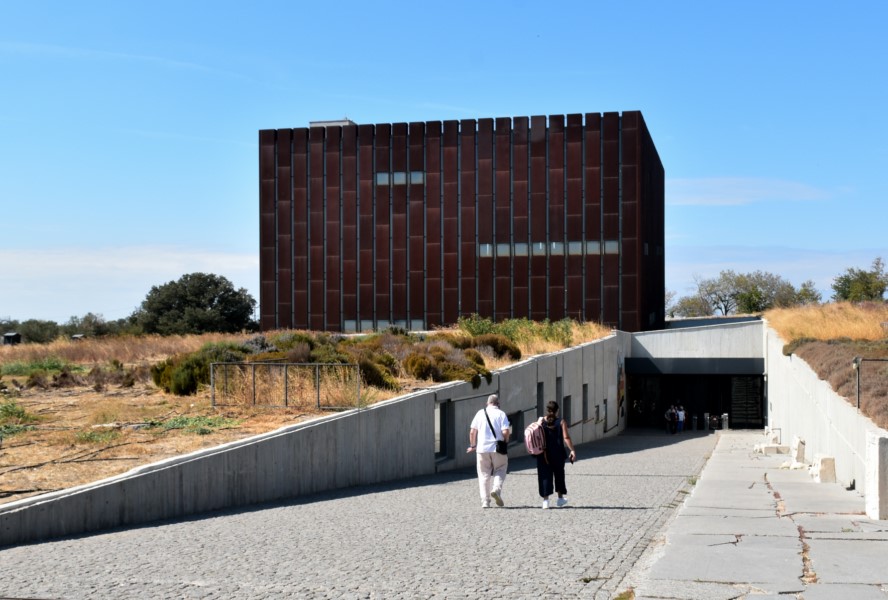

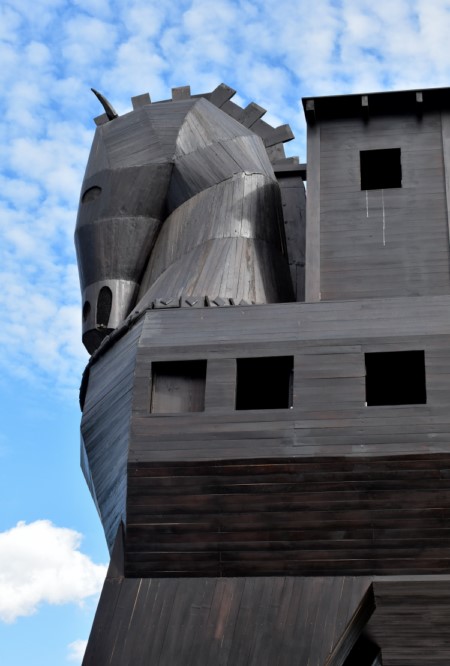
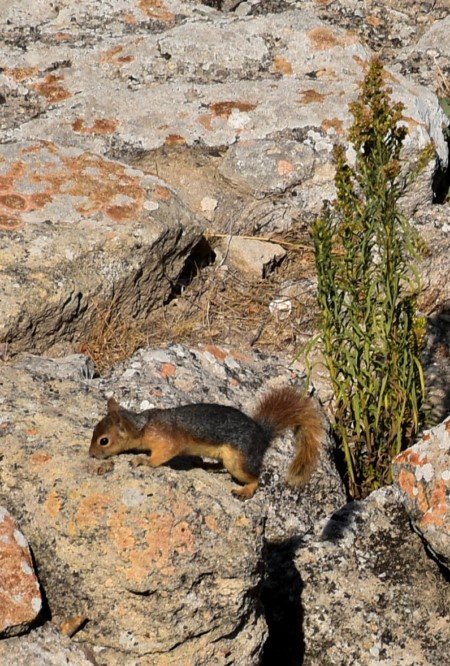
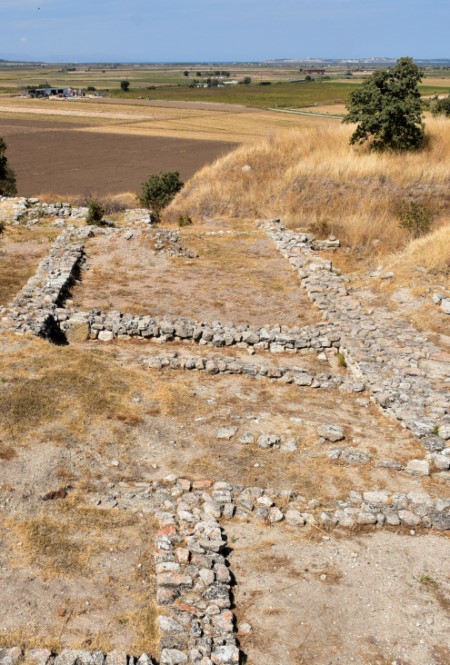
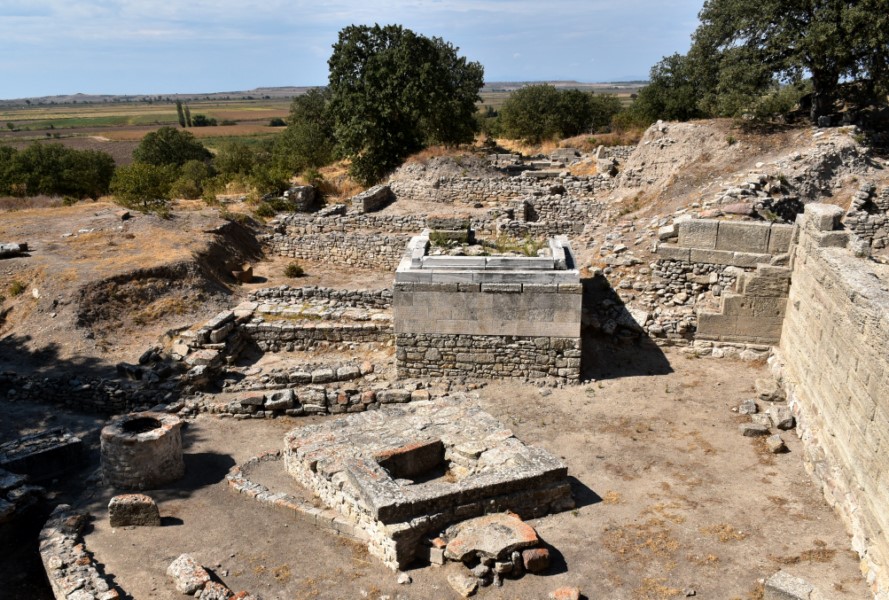
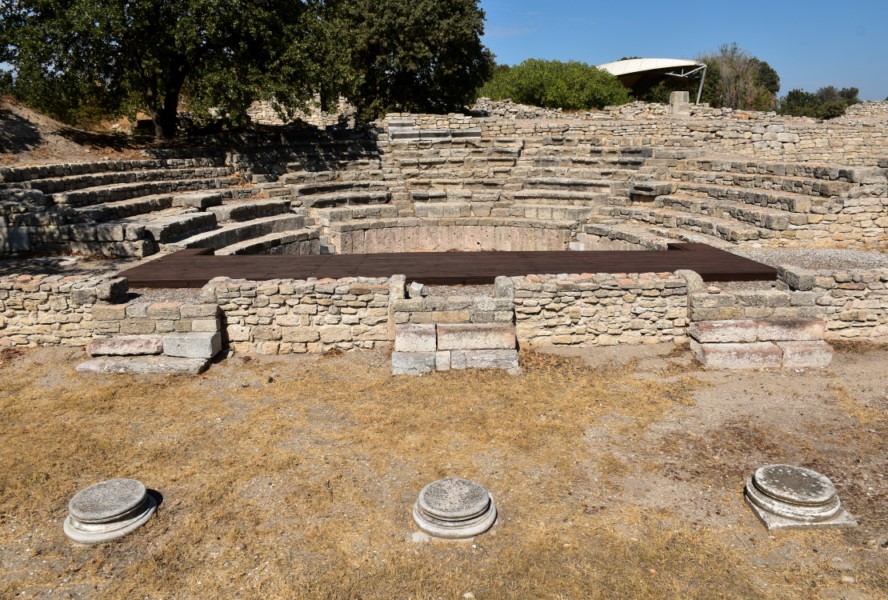
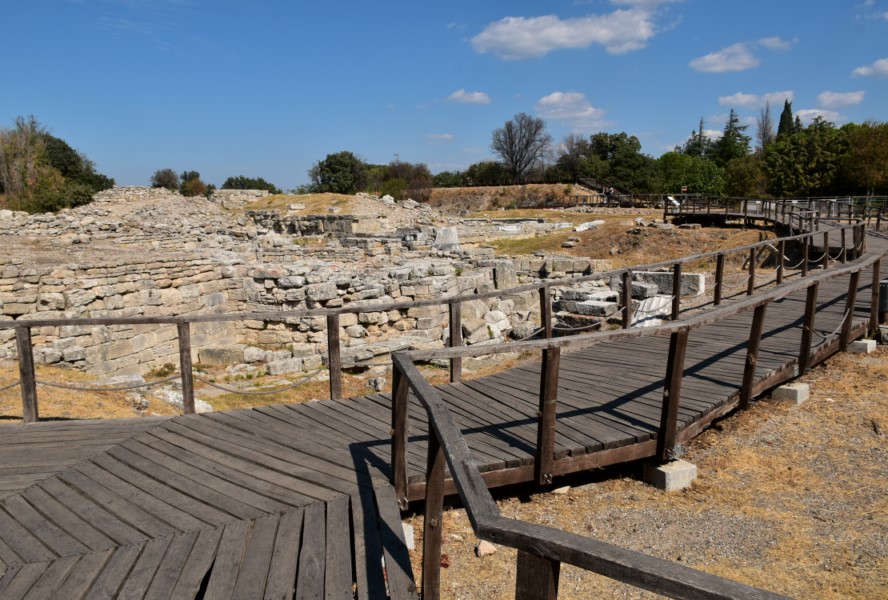
Modern Museum of Troy, looking like... a rusty container A souvenir photo Trojan Horse Ruins of Troy, inscribed on the UNESCO list Troy VI (1700–1250 BC) East Gate Cistern Caucasian squirrel Troy VIII/IX (1000 BC–400 AD) fragment of a coffered ceiling from the Temple of Athena Troy II (2500–2300 BC) remains of a megaron Troy II (2500–2300 BC) palace ruins Troy II/III (2500–1700 BC) defensive walls made of fired mudbrick Troy I (3000–2500 BC) citadel fortifications Schliemann's trench Troy II (2500–2300 BC) Citadel Troy II (2500–2300 BC) Ramp Troy VI (1700–1250 BC) ruins of buildings, gate in the background Troy VI (1700–1250 BC) retaining wall of the palace complex Troy VI (1700–1250 BC) lower city and West Gate Troy VIII (1000–85 BC) sanctuary or sacrificial altar Troy IX (85 BC–600 AD) Odeon Tourist route Troy VI/VII (1750–1100 BC) South Gate Troy VIII (1000–85 BC) Bouleuterion A souvenir photo

When you visit the ruins of an ancient city like Troy, you might be disappointed to find yourself confronted with the clumsy archaeological site. But a little imagination is all it takes to transform the otherwise unassuming ruins into a vibrant place. Fortunately, I had previously visited the newly opened, interactive Troy Museum, where I learned about the history of the region and the city and saw its visualizations throughout history.


Edirne


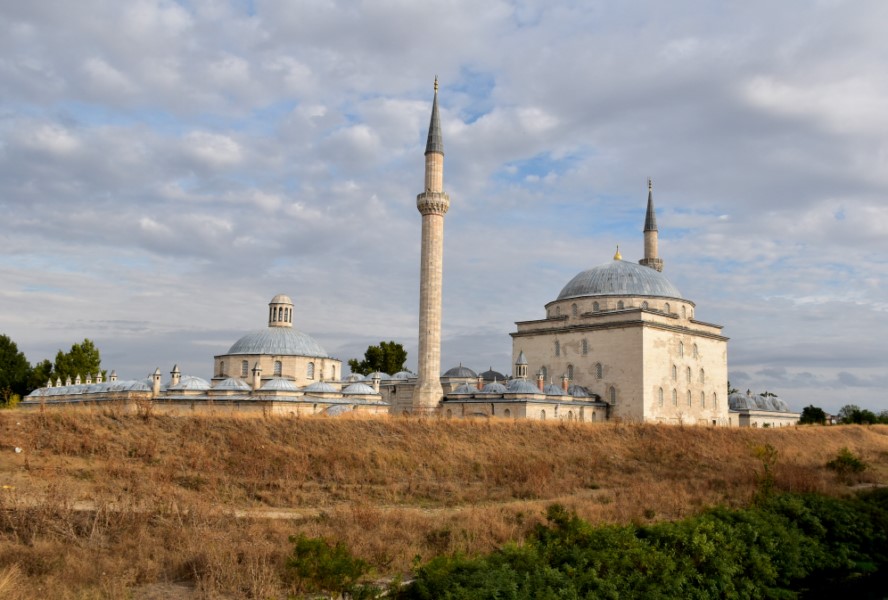
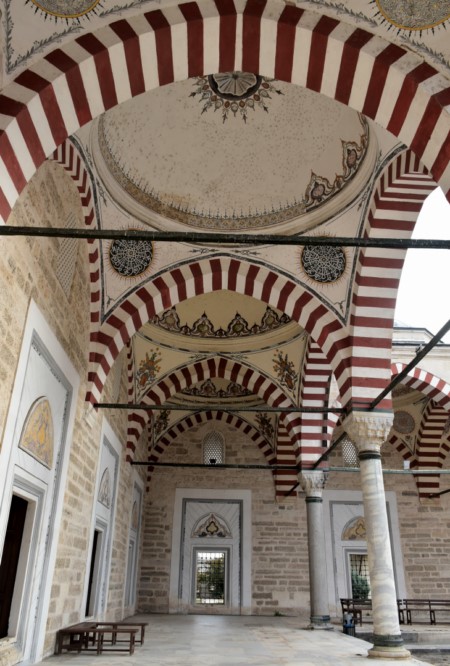
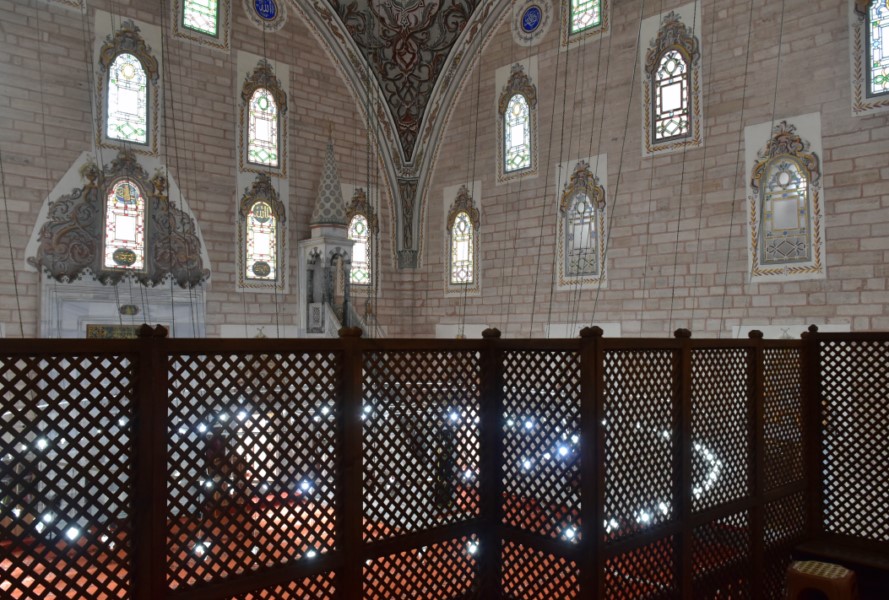
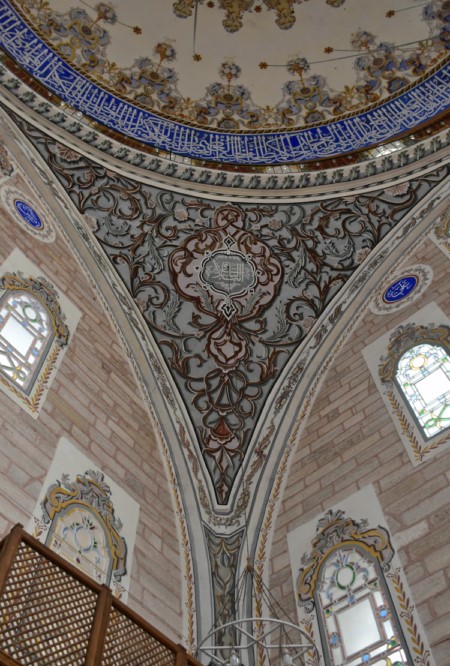
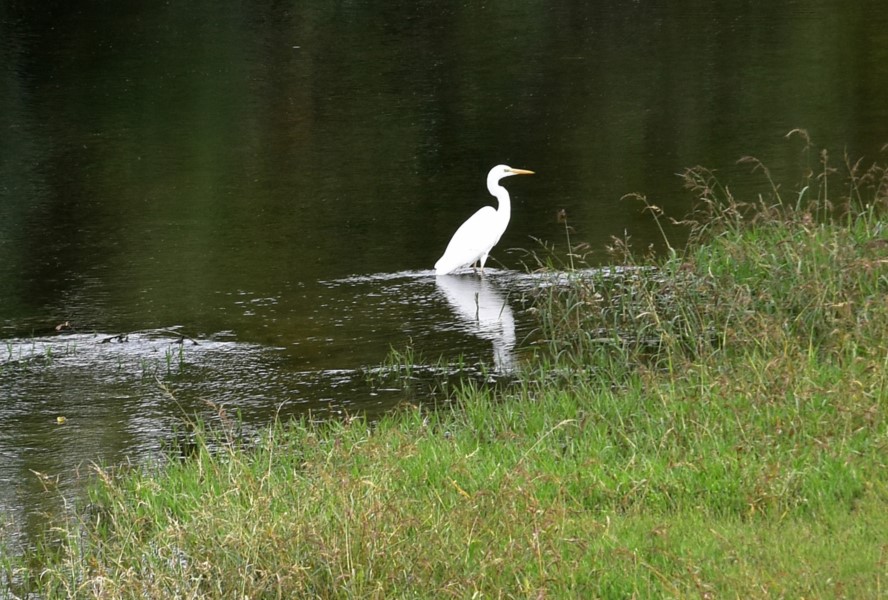
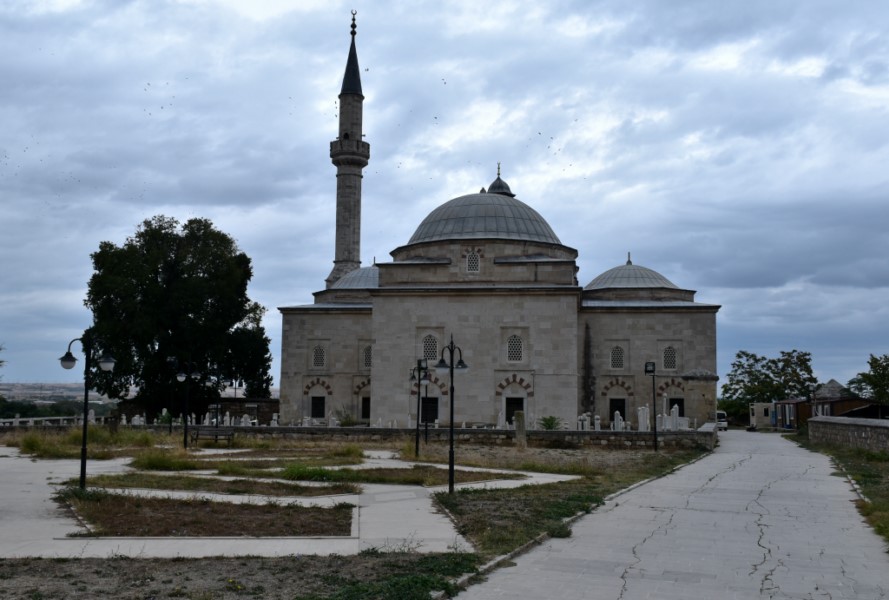
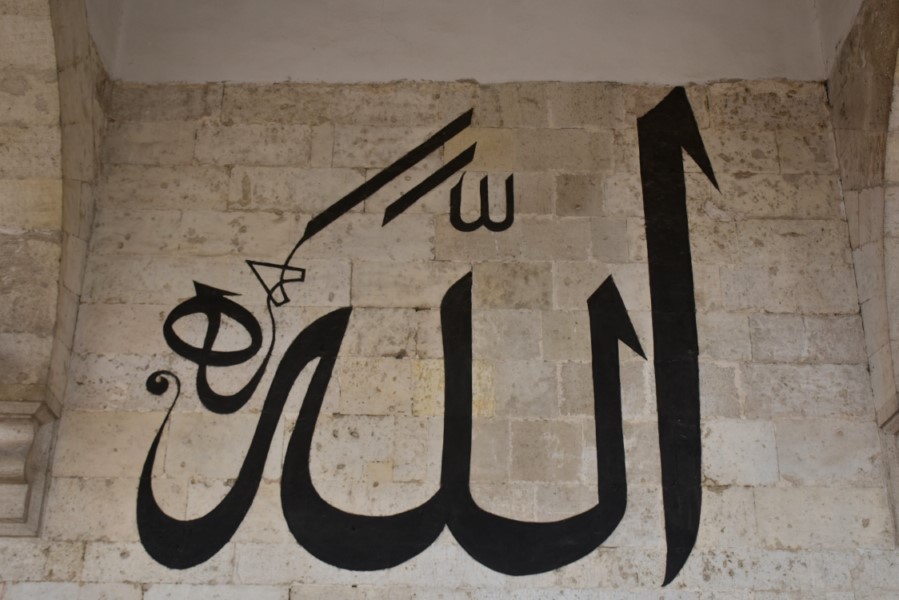
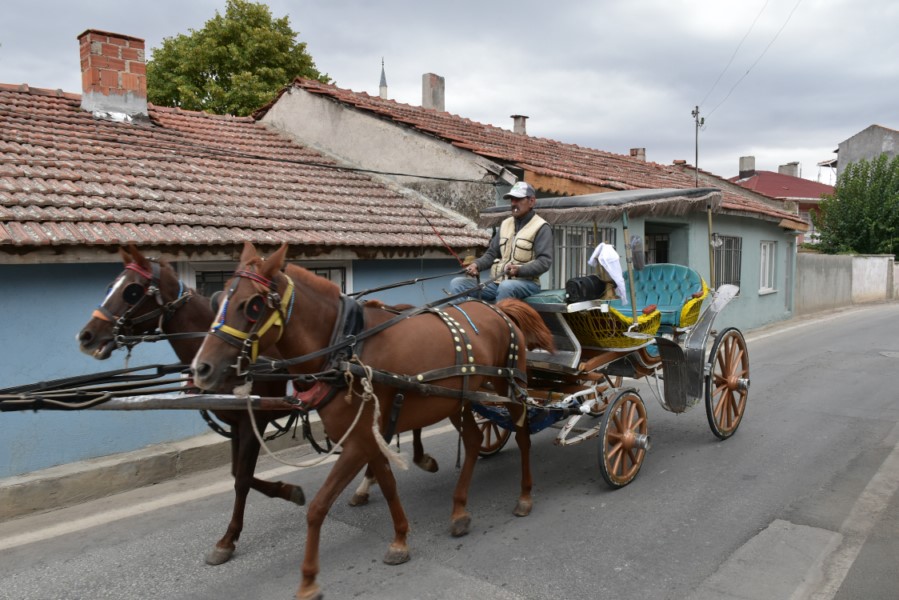
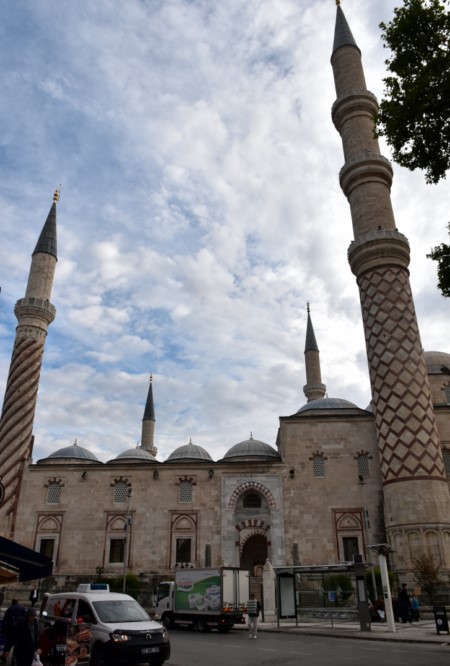
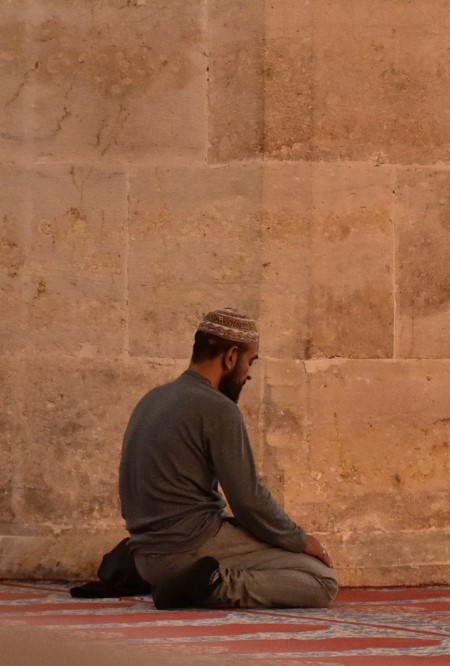
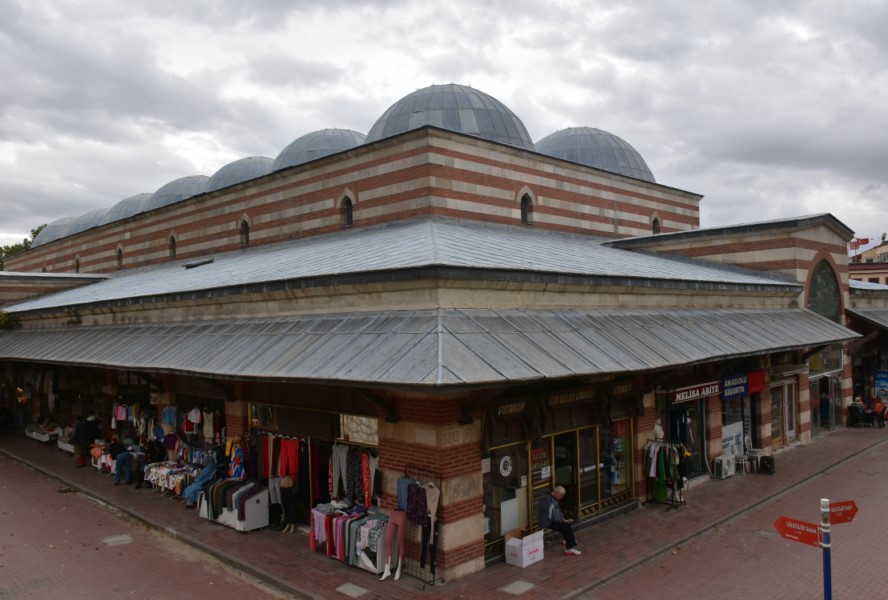
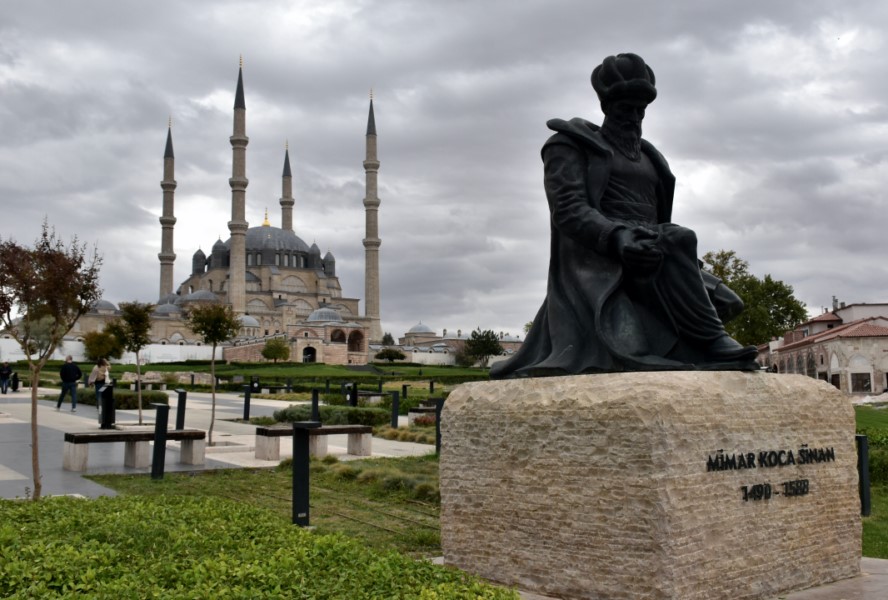
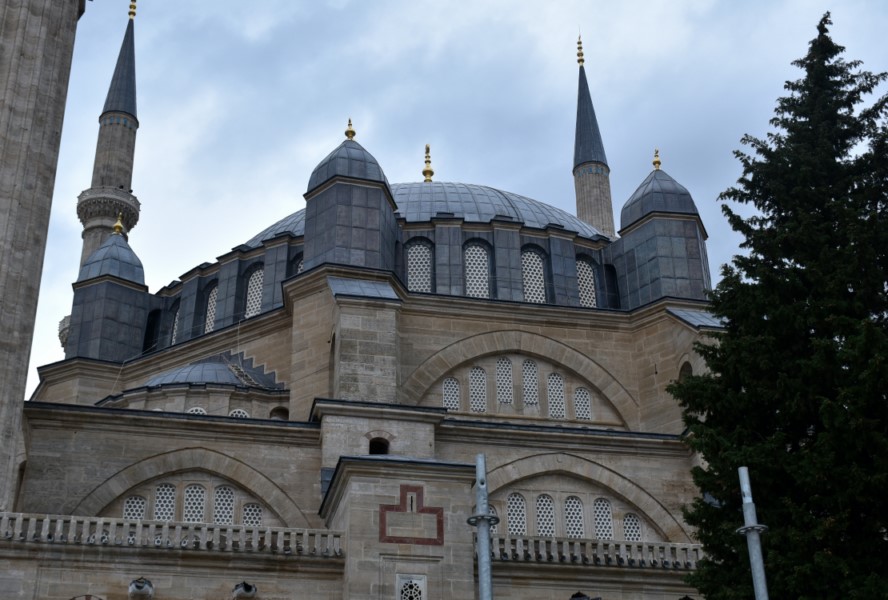
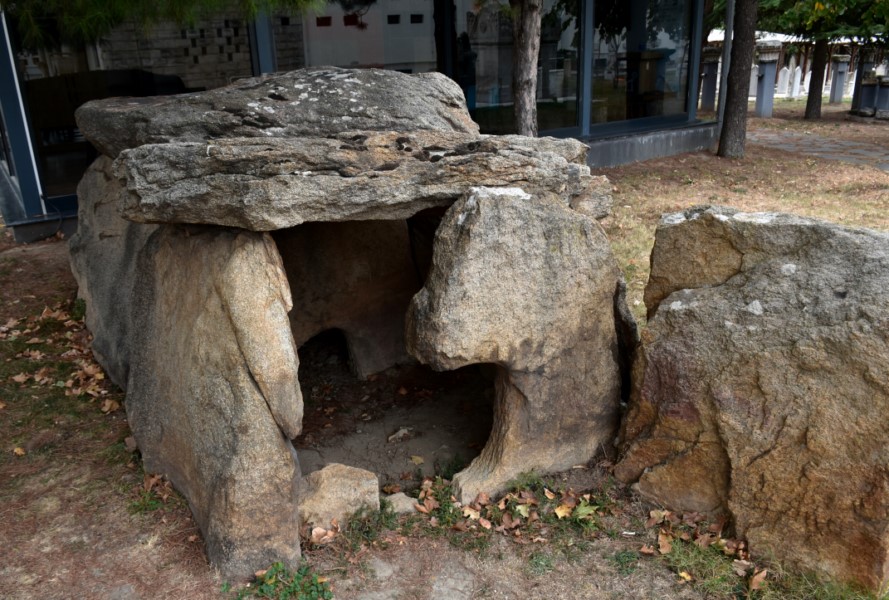
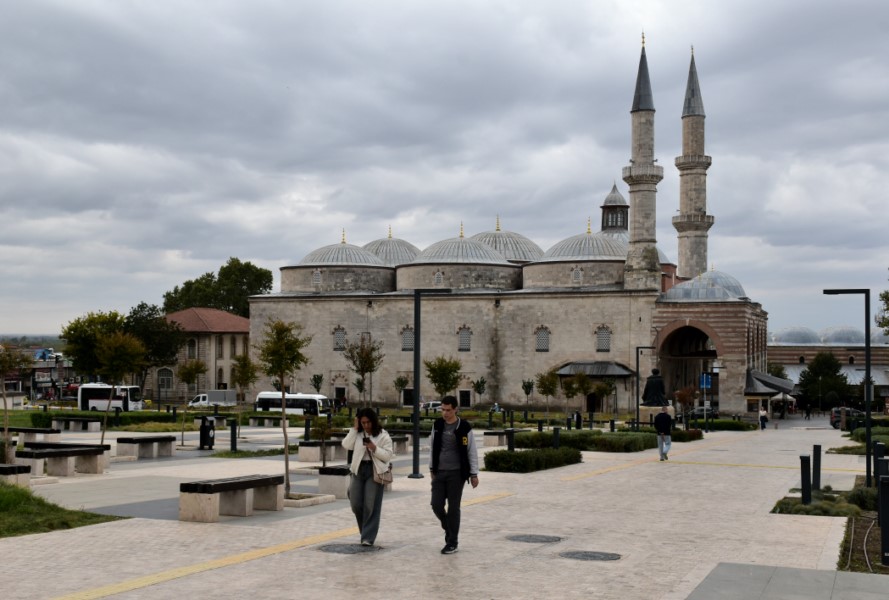
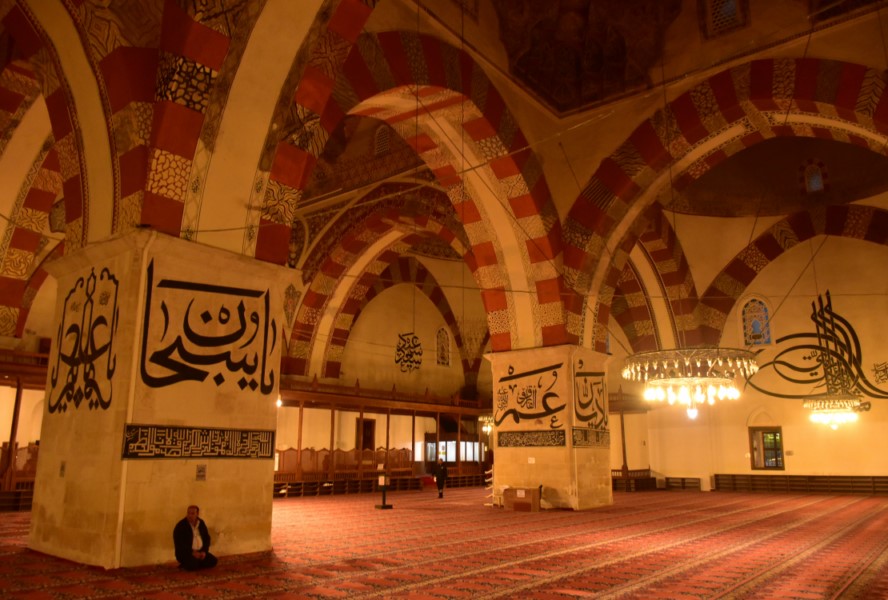
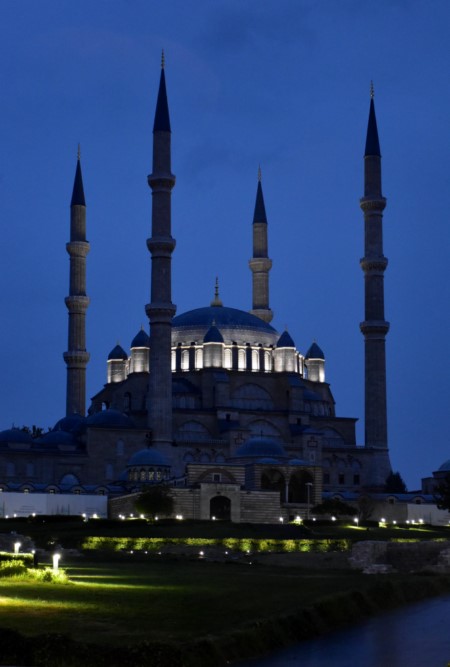
Old town, Osmaniye Street Ali Pasha Bazaar from the 16th century Traditional house with a wooden facade and a bay window Bayezid II Mosque complex from the 15th century Courtyard, columned portico Muqarnas Minbar (pulpit) Women's prayer area Pendentive decorated with polychrome Imaret (public soup kitchen) building Tea vendor Sharing a meal Kanuni Bridge from 1554 Great white egret Sarayici Island, past and contemporary Kırkpınar wrestling champions Kispet, traditional leather trousers for oil wrestling Arena where the Kırkpınar oil wrestling matches take place Justice Tower at the palace of Suleiman the Magnificent Murad II Mosque, former hospice for dervishes Calligraphic ligature of the name of Allah Decorative Iznik ceramic tiles Muslim cemetery Traditional means of transport Uc Serefeli Mosque, three balconies decorating the south-eastern minaret Courtyard of the Three-Balcony Mosque from 1447 Vault of the portico Prayer hall Prayer Polychrome on the qibla wall Vendor of traditional Ottoman Mesir Macunu paste Rustem Pasha Caravanserai from the 16th century Selimiye Mosque and the monument to its builder, the famous architect Sinan Selimiye Mosque, central dome Museum of Turkish and Islamic Arts, tombstone finials (serpus) Museum of Turkish and Islamic Arts, Thracian dolmen from the Late Bronze Age (1600–1200 BC) Old Mosque from the early 15th century Prayer hall, massive columns with inscriptions Burqu', original door hanging of the Kaaba sanctuary Arabic calligraphy on the wall of the prayer hall Selimiye II Mosque at night
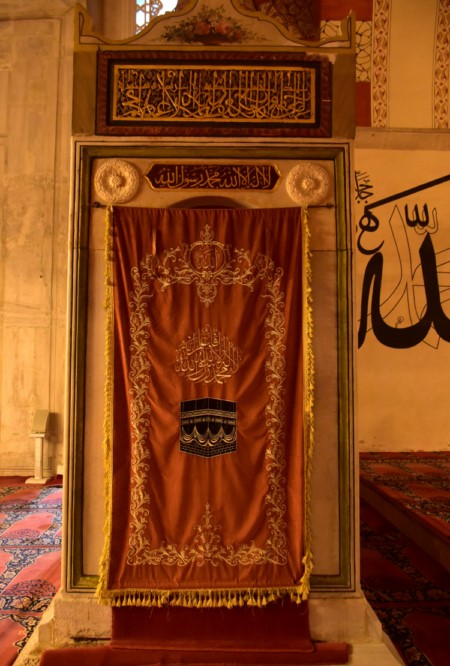
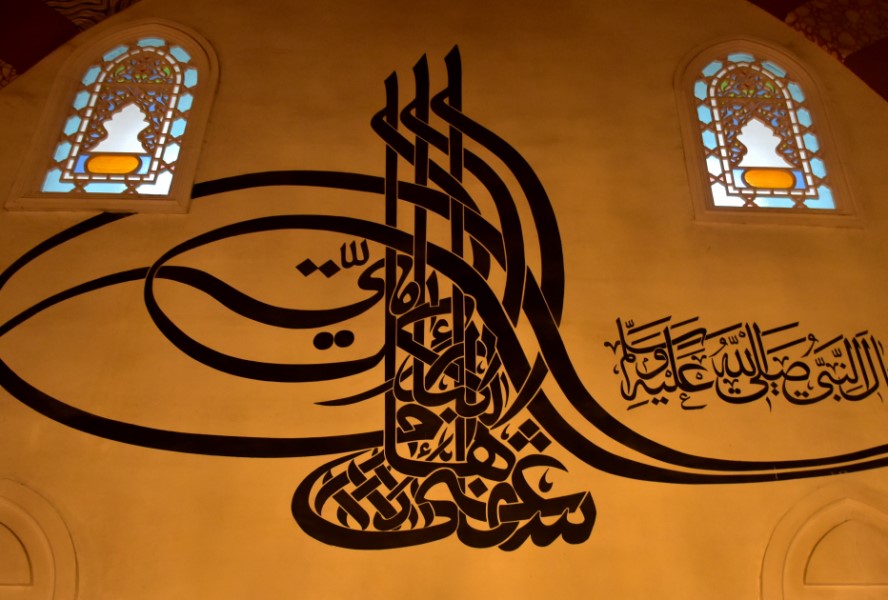
In Edirne, the weather had deteriorated again, but that wasn't my only concern. To my great disappointment, the city's biggest tourist attraction, the Selim Mosque complex, was undergoing renovation. Naturally, I had to settle for visiting other mosques, of which there are plenty in the second capital of the Ottoman Empire. A visit to the center of traditional Turkish wrestling, Kirkpinar, on Sarayici Island, was an interesting experience.


My favorite photos

Istanbul, Blue Mosque, cascade of domes

Gallipoli Peninsula, Kilitbahir Fortress, Sari Tower

Bursa, Grand Mosque, reading the Quran

Istanbul, Golden Horn, sunset

Istanbul, Blue Mosque, prayer hall


Wszelkie prawa zastrzeżone