MYVOYAGES

Passion for exploring and photography

A TRIP ROUTE

Szwajcaria, Liechtenstein - the route of the trip


INTERESTING STORIES

Contacts between the lands of present-day Poland and Switzerland have a centuries-old tradition. In 1085, a Polish delegation, sent by Duke Władysław Hermann to the Abbey of Saint-Giles in Provence, returned through western Switzerland. A significant revival in trade relations occurred in the last two centuries of the Middle Ages, when merchants from Saint Gallen traded with Kraków and Poznań. A large Polish delegation also attended the Council of Basel (1431–1437). The first Polish emigrants to Switzerland were members of the Bar Confederation, followed by participants in subsequent independence uprisings. One of them was Tadeusz Kościuszko, who spent the last years of his life, between 1815 and 1817, in Solothurn. The Helvetian Confederation was a favorite setting for the greatest Polish Romantic poets. Juliusz Słowacki stayed in Geneva from 1832 to 1835, and Adam Mickiewicz, who lectured in Latin literature at the University of Lausanne, also visited Switzerland in the late 1830s. Zygmunt Krasiński also visited Switzerland, and the mystic Andrzej Towiański was associated with Zurich for many years. However, the greatest financial success and recognition came to Antoni N. Patek (1811–1877), who founded the famous watch factory in Geneva in 1839. (source: www.eks.uwr.edu.pl)

Tadeusz Kościuszko in Solothurn (source: www.muzhp.pl))


IT IS WORTH KNOWING

The 2nd Rifle Division was formed in France at the turn of 1939/40, following Poland's defeat in the September Campaign. Despite being underequipped, it took part in the 1940 French Campaign, where it fought against the superior forces of the Wehrmacht in Alsace. After the end of resistance on June 19th, most of the division's forces crossed the Swiss border and were interned. Eight camp groups were established in Switzerland. Most of the soldiers were assigned to work for the Swiss economy. Initially, they worked on the construction of field fortifications for the army, and later on roads of military importance. They also participated in agricultural work. The internment period lasted five years and was a difficult time for the soldiers, but it also provided opportunities for education and cultural activities, thanks to the support of Swiss society. After the war, despite the re-emigration campaign, only about 2,000 soldiers returned to Poland, while approximately 1,300 remained in Switzerland. Those who remained could continue their studies or choose to emigrate to other countries.

Polish soldiers interned in Switzerland (source: www.przegladdziennikarski.pl)


Switzerland, Liechtenstein

August 2025

Switzerland, Buchs

This trip was probably the craziest of all my trips so far. Due to the unpredictable and constantly changing weather, I wasn't sure which destination I would choose until the last minute. When the weather finally stabilized, I chose Switzerland and Liechtenstein without hesitation.

In this situation, purchasing reasonably priced plane tickets proved to be very problematic, so I opted for BlaBlaCar. I'd never traveled such a long distance this way before, but everything turned out as I had hoped. Switzerland and Liechtenstein absolutely charmed me. The people here are open and friendly, and affluence is evident everywhere. Since I was mainly visiting the northern part of the country, I didn't have the opportunity to admire the famous Alpine landscapes. I fully compensated for this by visiting the historic towns of St. Gallen, Lucerne, Zurich, and Basel.


Lake Constance


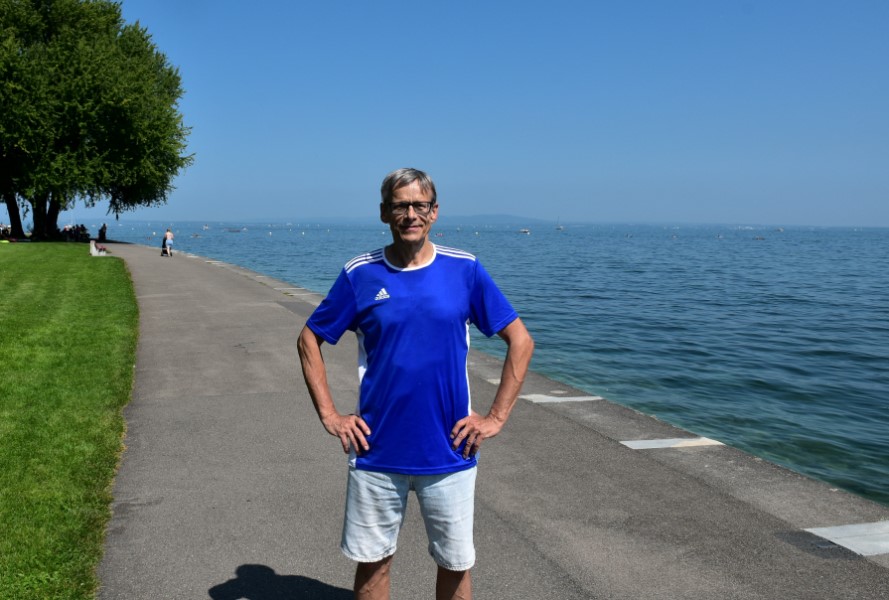
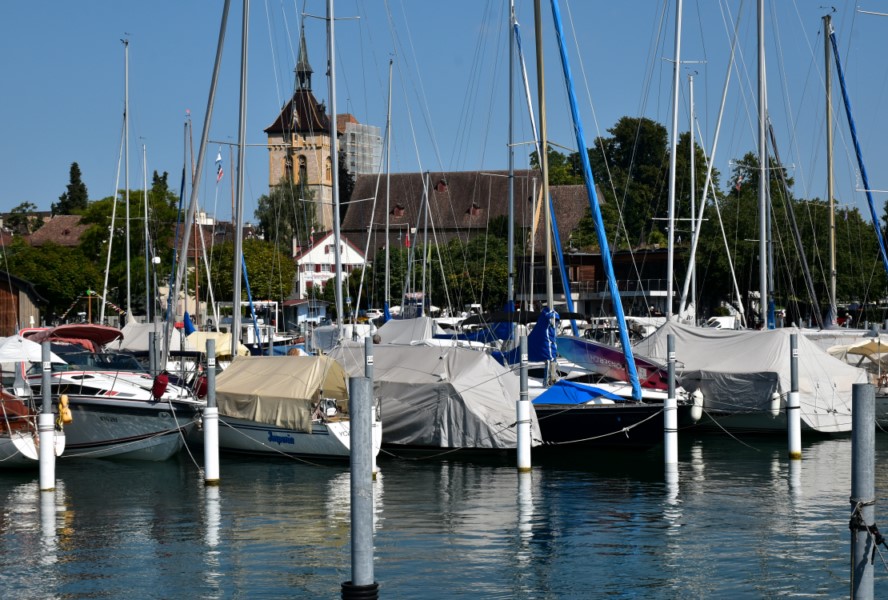
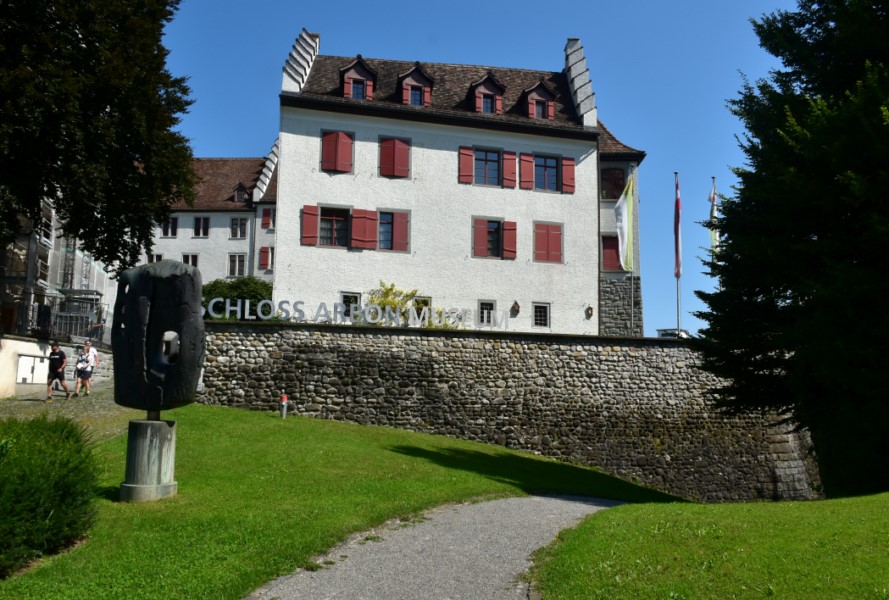
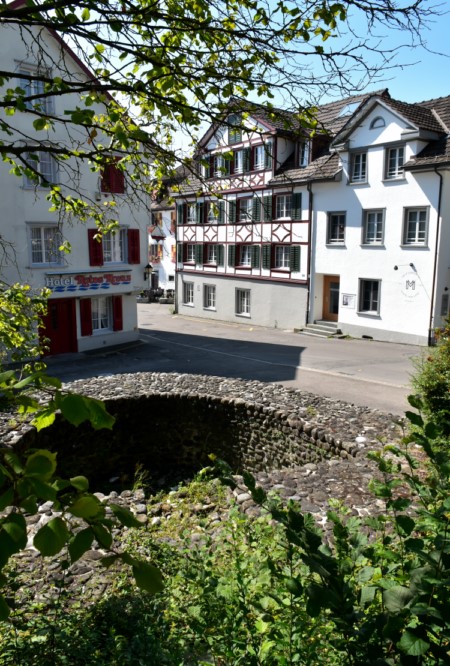
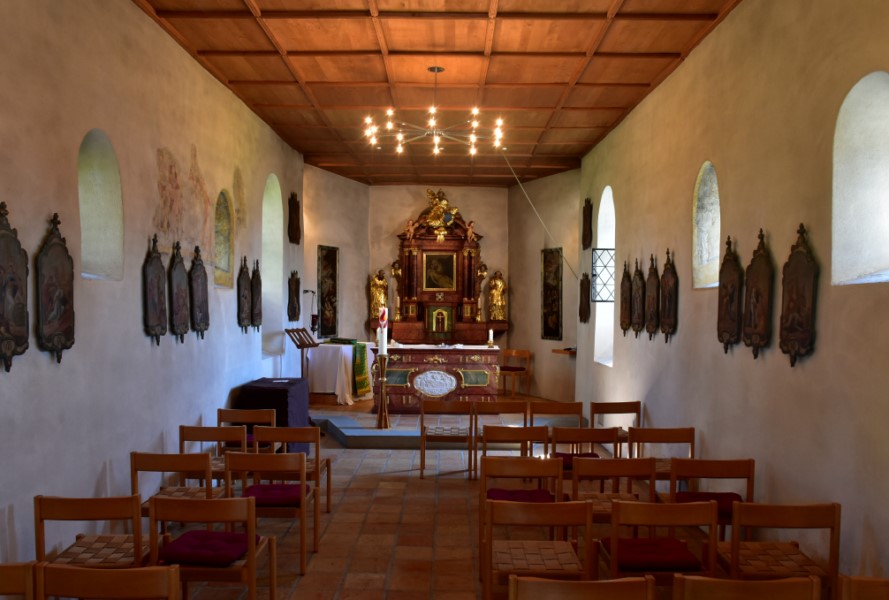
Lake Constance Lake Constance A souvenir photo The harbor and St. Martin's Church Alley in Arbon Arbon Castle from the 16th century Original roof gable Ruins of a Roman fort from the 3rd century St. Martin's Church Belfry St. Gall Chapel from the 12th century Interior of the chapel with frescoes from 1350

Arbon, located on Lake Constance, was the first place I visited in Switzerland. I chose this small town because I really wanted to see the lake, which is considered one of the most beautiful in Europe. I must admit, I wasn't disappointed. On site it turned out that Arbon itself has many attractive places to see, such as the medieval St. Gall's Chapel and original half-timbered houses from the 18th and 19th centuries.


St. Gallen


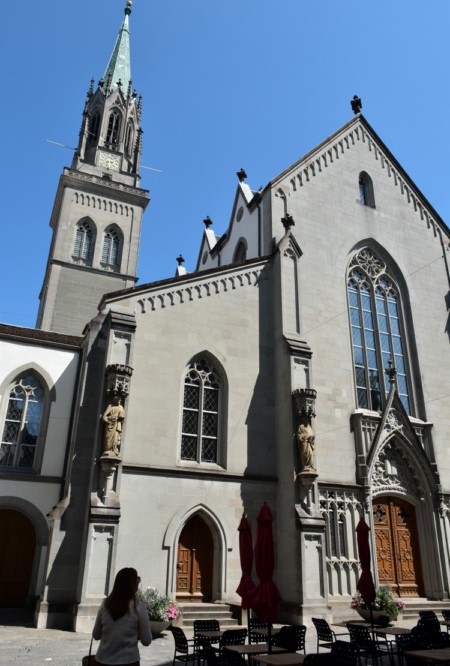
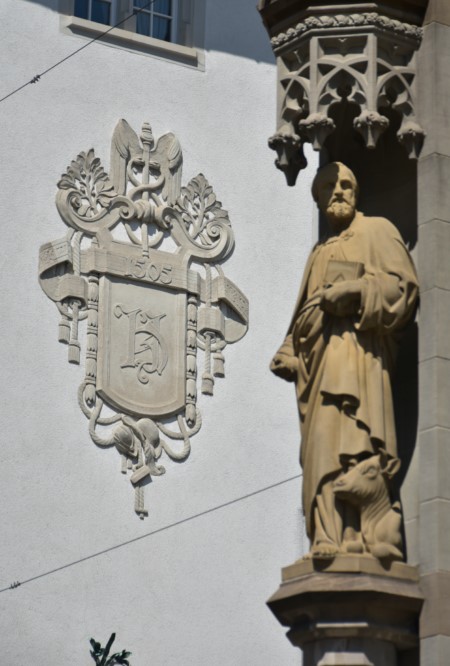
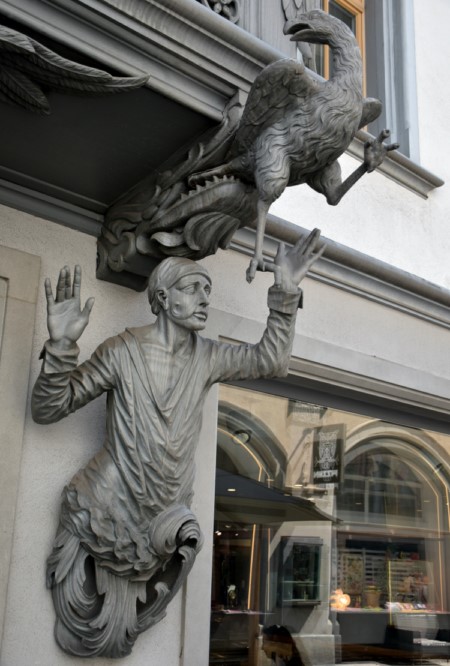
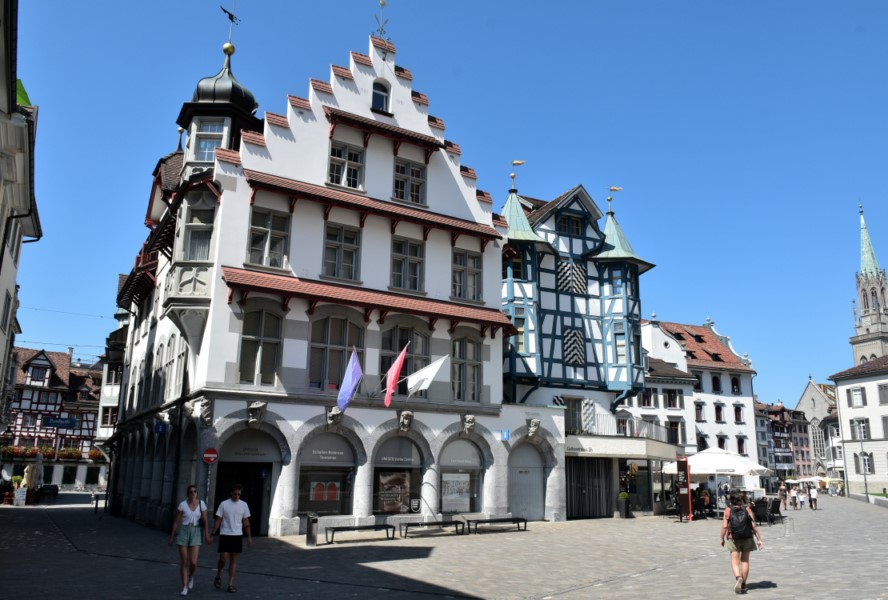
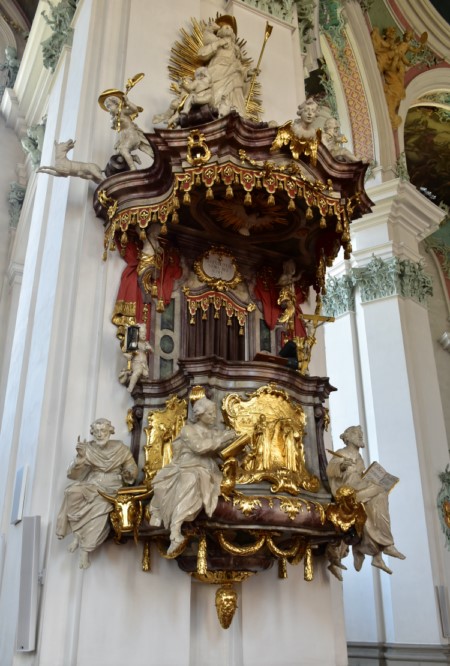
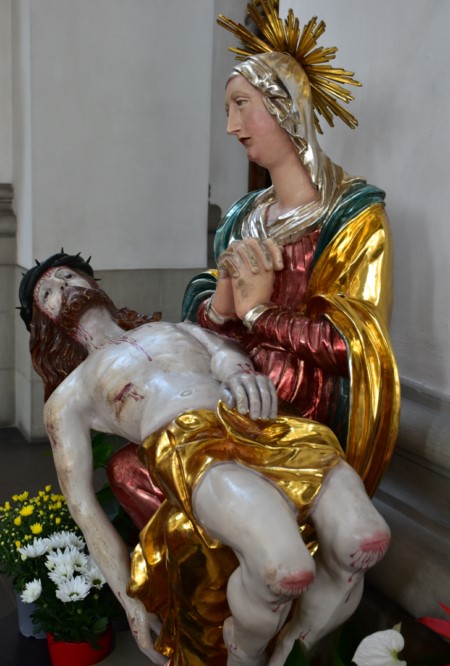
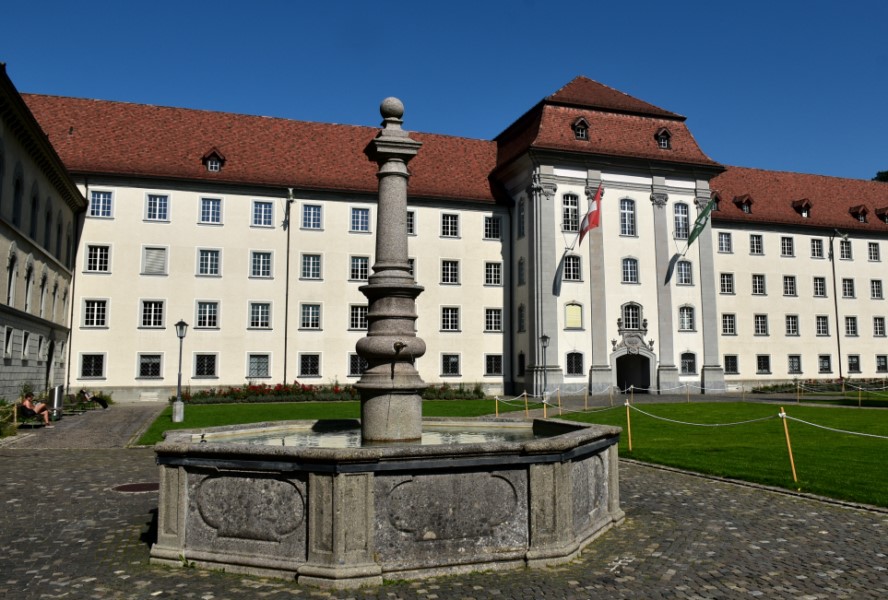
Bohl Square, late Gothic building of the city weighing house Marktplatz, Joachim Vadian (1484-1551) humanist and Reformer Houses with characteristic oriel windows Decorative oriel window Original shop sign Alley in the old town Children's Fountain Decorative oriel window Neo-Gothic St. Lawrence's Church Aedicula with a statue of a saint Schmiedegasse, a house with an oriel window from 1708 Oriel window depicting the continents Decorative figures at the entrance Gallusplatz Neo-Gothic house with 12 heads symbolizing the months St. Gallen Cathedral in all its glory Nave Rococo pulpit from 1786 decorated with figures of the evangelists Apostolus Allemanniae - painting by Joseph Wannenmacher on the nave vault Pieta Confessional surmounted by an 18th-century medallion Rood screen Rococo choir stalls made of walnut wood and the bishop's throne New Palace, seat of the cantonal council St. Gall Chapel from 1671 Bas-reliefs on the Karlstor city gate from the 16th century

The city of St. Gallen owes its existence to the choice of the Irish monk Gallus, who settled here in 613. The abbey founded here, rebuilt in the 18th century, has been added to the Unesco List. The cathedral's vast nave, the paintings on the vault, and the lavish rood screen make a stunning impression. The old town itself is also full of charm, and I especially enjoyed the houses with the bay windows characteristic of St. Gallen.


Lucerne


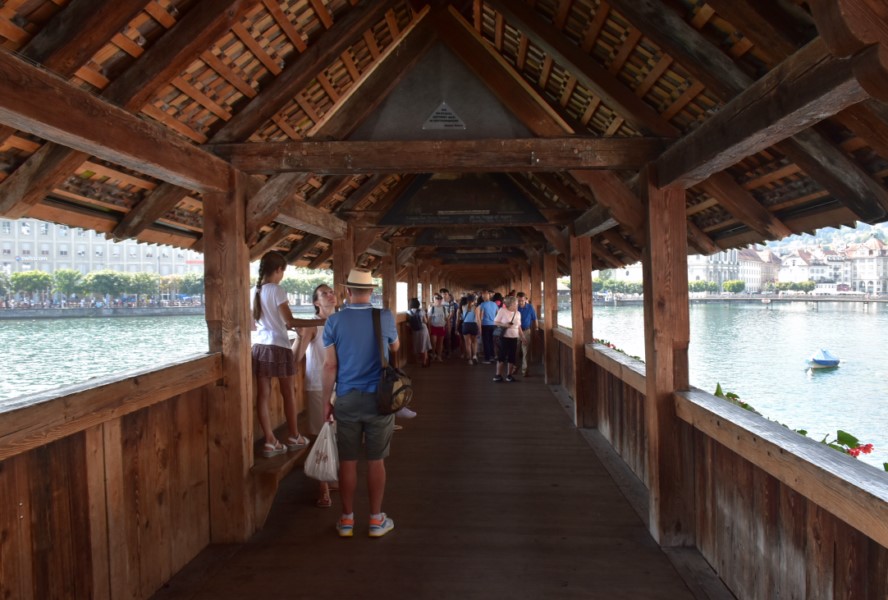
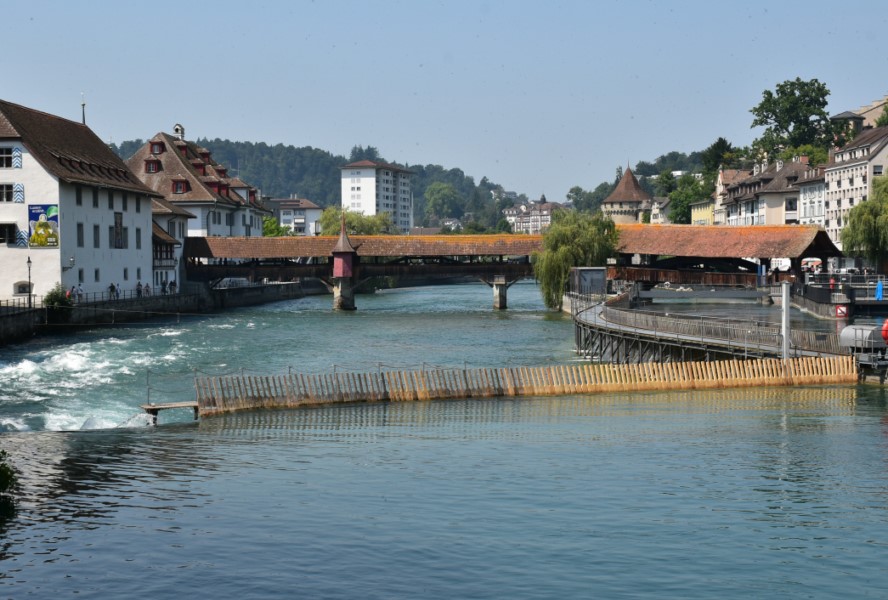
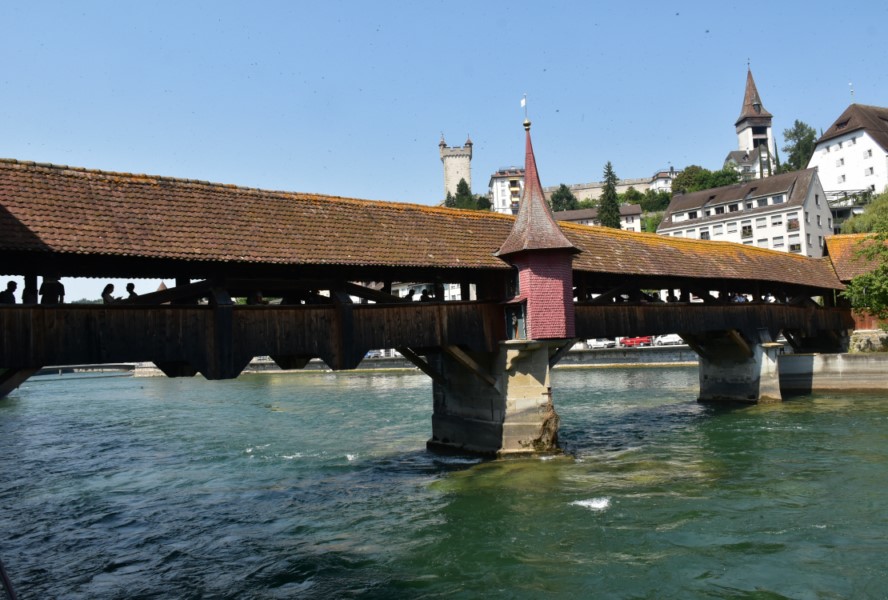
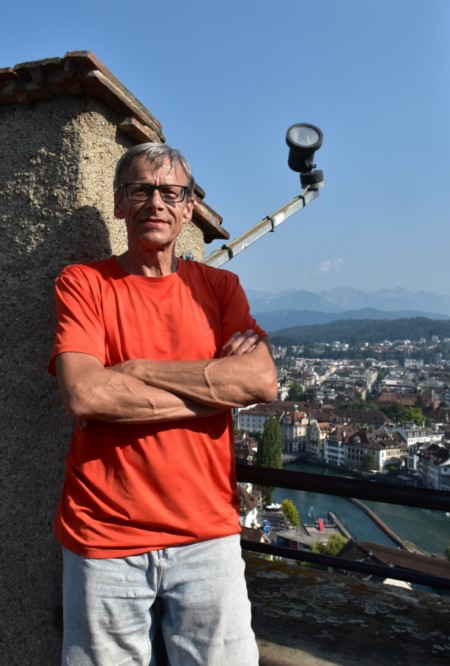
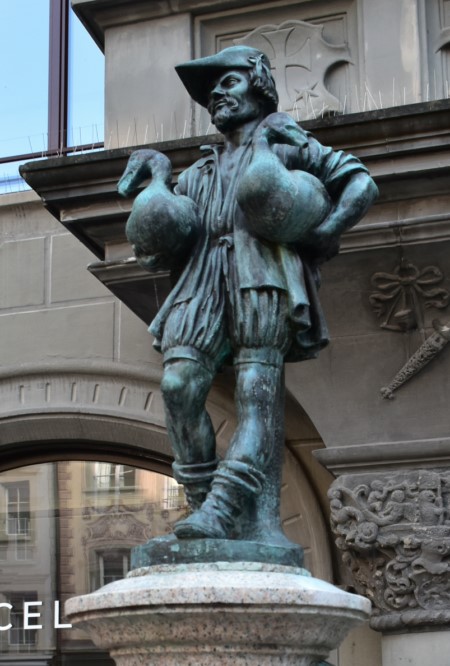
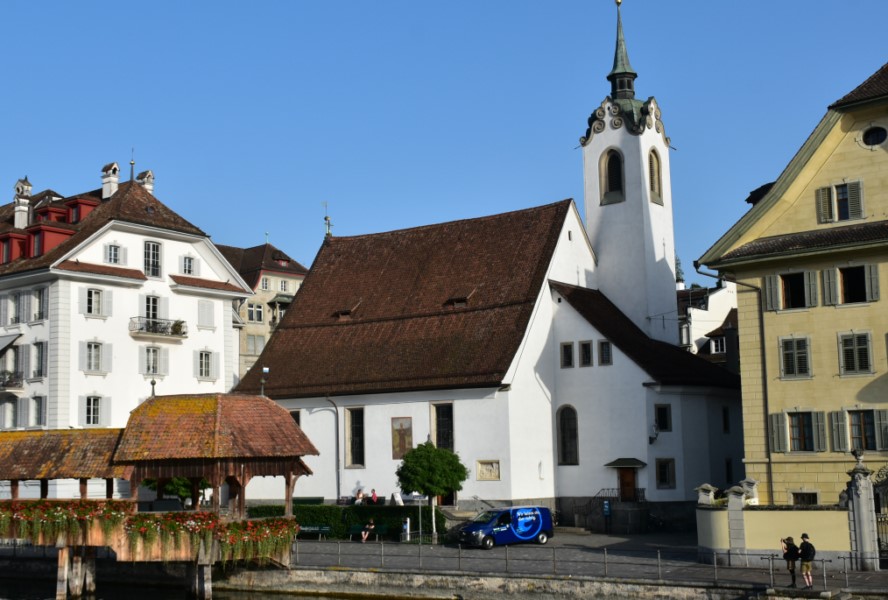
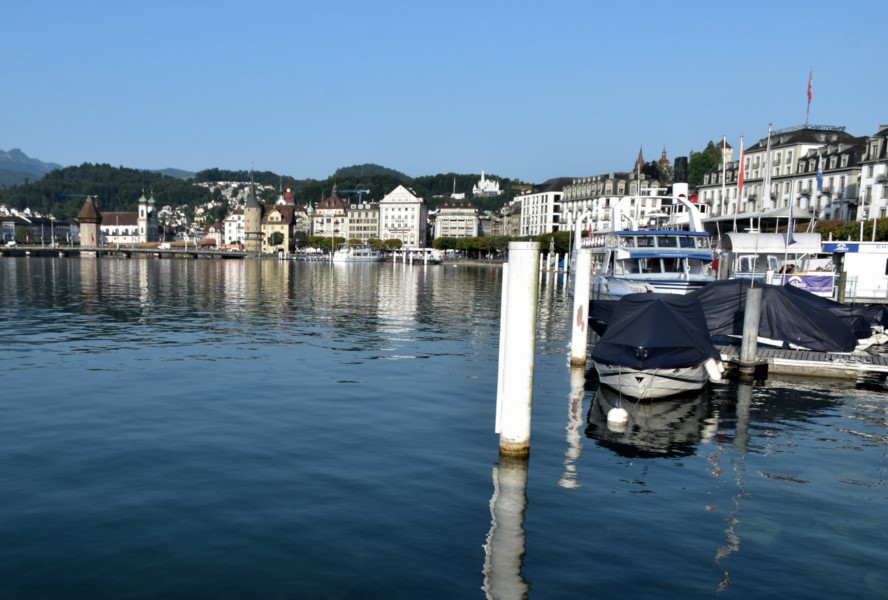
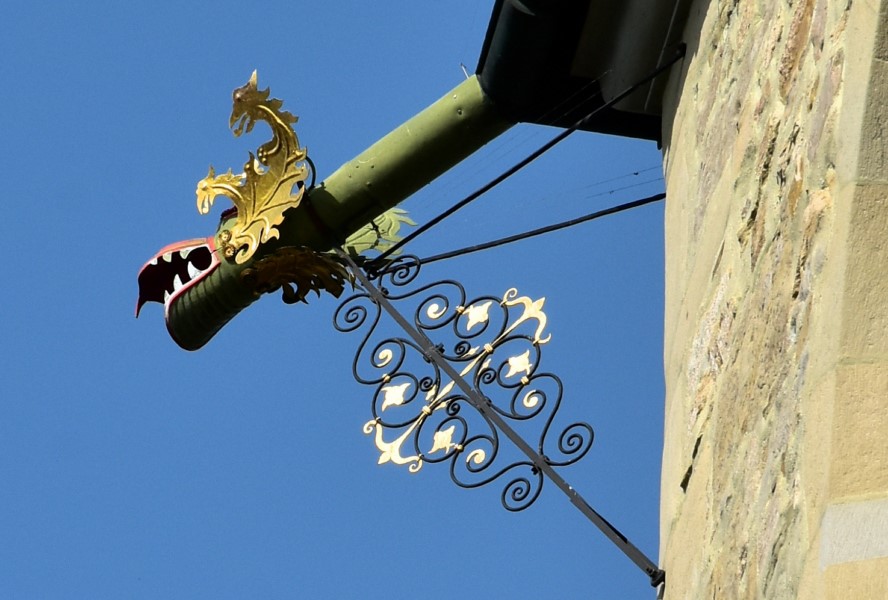
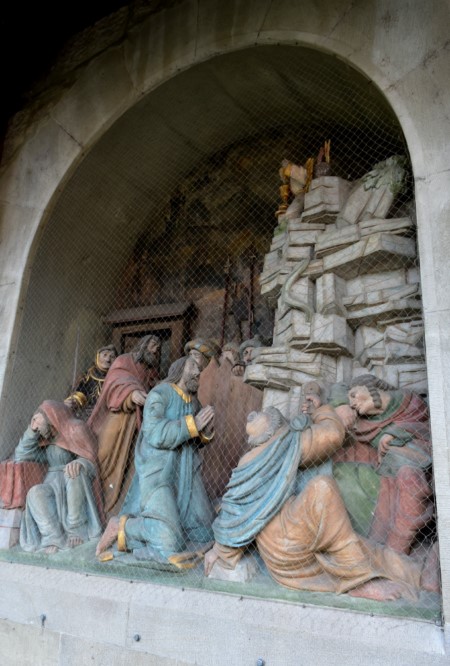
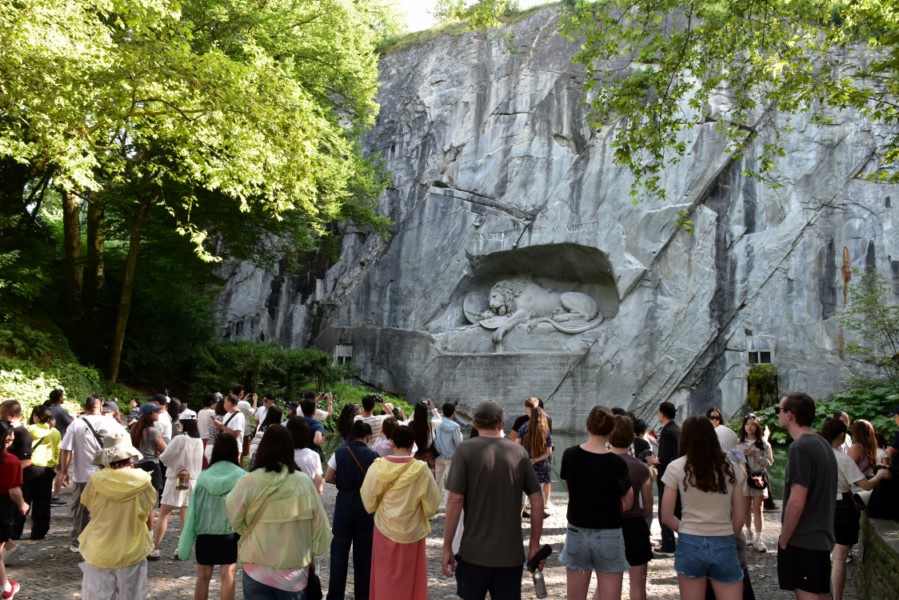
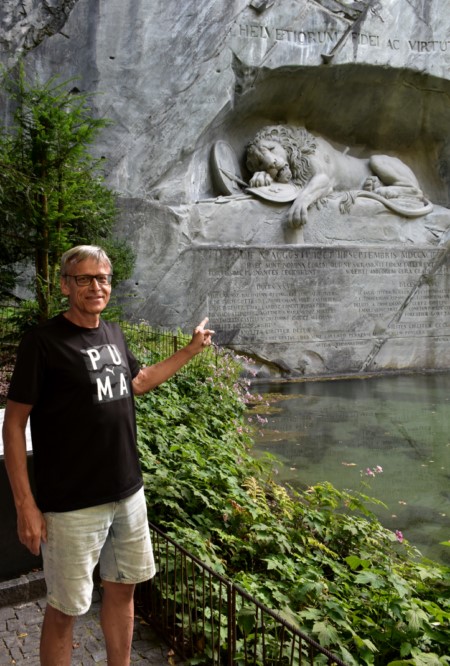
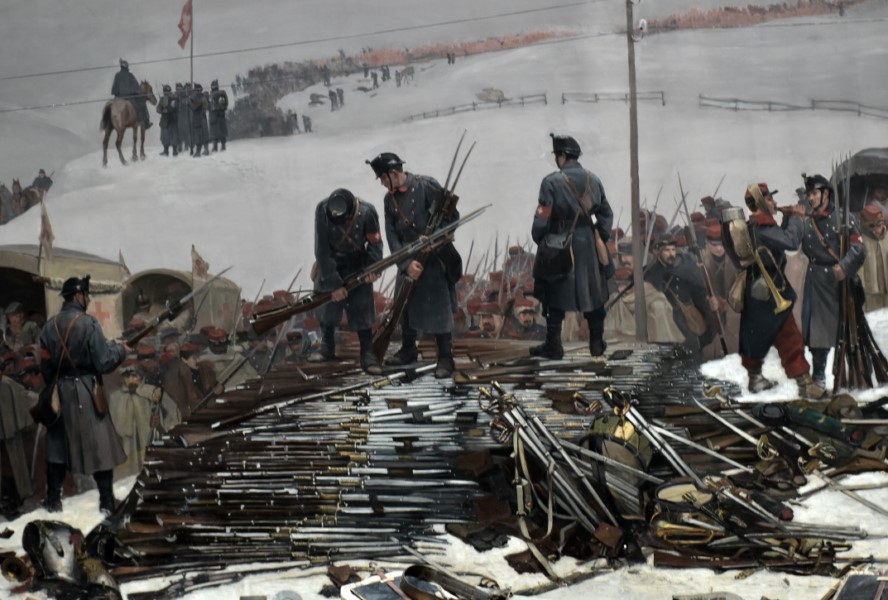
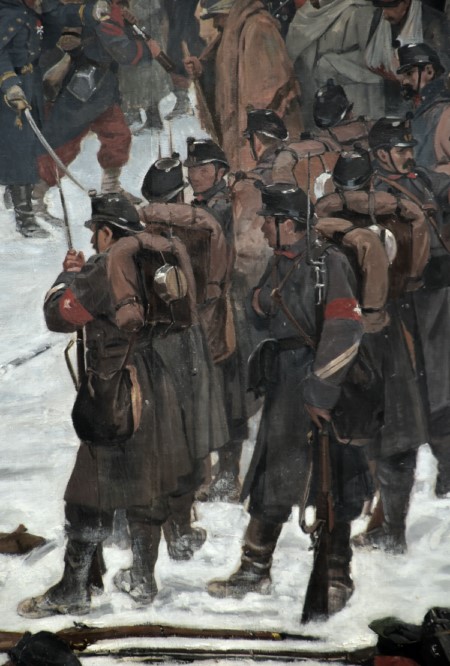
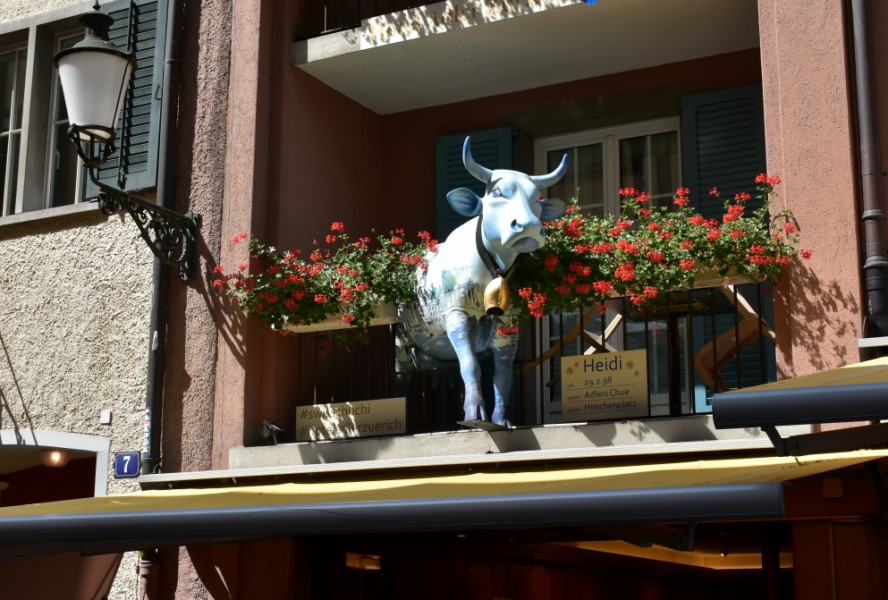
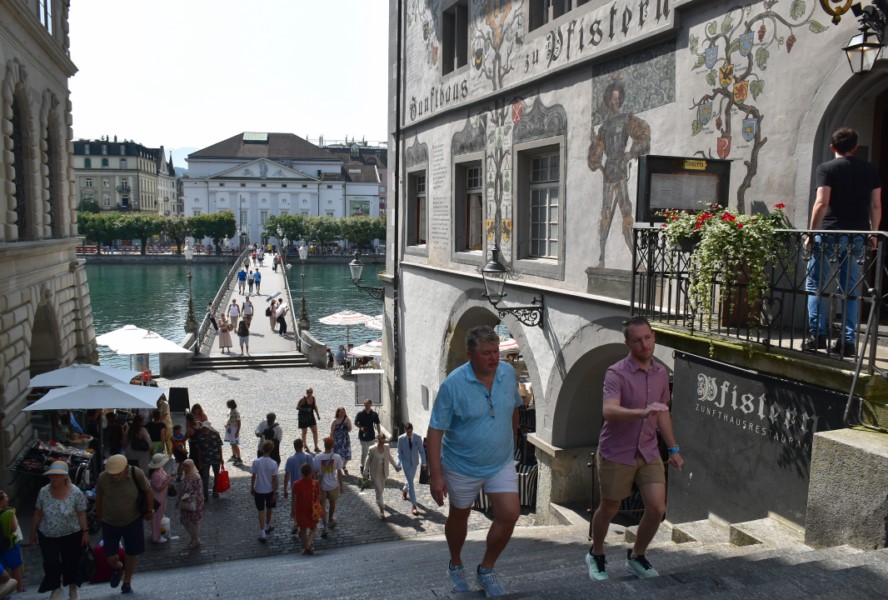
Kapellbrucke, wooden bridge from the 14th century A souvenir photo Kapellbrucke One of the 17th-century panels promoting patriotism and a pious lifestyle Kapellbrucke, Wasserturm water tower Lion Fountain Jesuit Church of St. Francis Xavier from the 17th century Baroque interior Painting on the nave vault Rathaussteg Bridge, Town Hall building in the background Bridge, impression Armory and fountain with the 'Wild Man' figure Franciscan Church from the 13th century Gothic interior Angel supporting the Baroque pulpit Basel Gate Spreuerbrucke, wooden bridge from 1408 Spreuerbrucke, oriel chapel 17th-century panel painting depicting the 'dance of death' Nadelwerk, a 1860 device used to regulate water flow Nölliturm, watchtower from the 14th century Wachtturm, watchtower A souvenir photo City panorama, Lake Lucerne on the horizon Curtain wall and Nölliturm watchtower Spreuerbrucke bridge Männliturm, cavalier with a knight's figure Weinmarkt Square, 16th-century Brunnen fountain Brunnen fountain, figures of city guards Hirschenplatz, mural commemorating the Swiss battle for independence at Dornach in 1499 Hirschenplatz, Goose Fountain from the 19th century Rübezahl-Männchen in traditional Swiss costume Town Hall tower from the 14th century Kornmarkt, former grain market Original shop sign Reussbrucke Bridge, 17th-century timber-framed Balthasar house Aedicula with an angel statue St. Peter's Chapel Agony in the Garden, stone bas-relief from 1513 Kapellplatz, Fritschi Fountain Fritschi, figure of a knight in armor Lake Lucerne Feeding swan Impression Hofkirche, St. Leodegar's Church from the 16th-17th century Gargoyle Agony in the Garden, late Gothic sculptural group Interior in the Roman Baroque style Dormition of the Mother of God, altar from 1500 Timber-framed Hofgarten Hotel Morning press Lion Monument, Bertel Thorvaldsen's monument commemorating King Louis XVI's Swiss Guards fallen during the French Revolution A souvenir photo Lion Monument, dying lion Bourbaki Panorama from the late 19th century Disarming of the French army Swiss soldiers Transport of wounded soldiers by Red Cross convoy

Lucerne's hallmarks are its medieval bridges and fountains, adorned with elaborate statues. Without a doubt, the wooden Chapel Bridge and the Wasserturm tower, dating back to the early 14th century, fully deserve their fame. However, I was most impressed by one of the few surviving works of its kind, the Bourbaki Panorama. This monumental canvas depicts the march of French troops through Switzerland during the Franco-Prussian War of 1870-1871.


Zurich


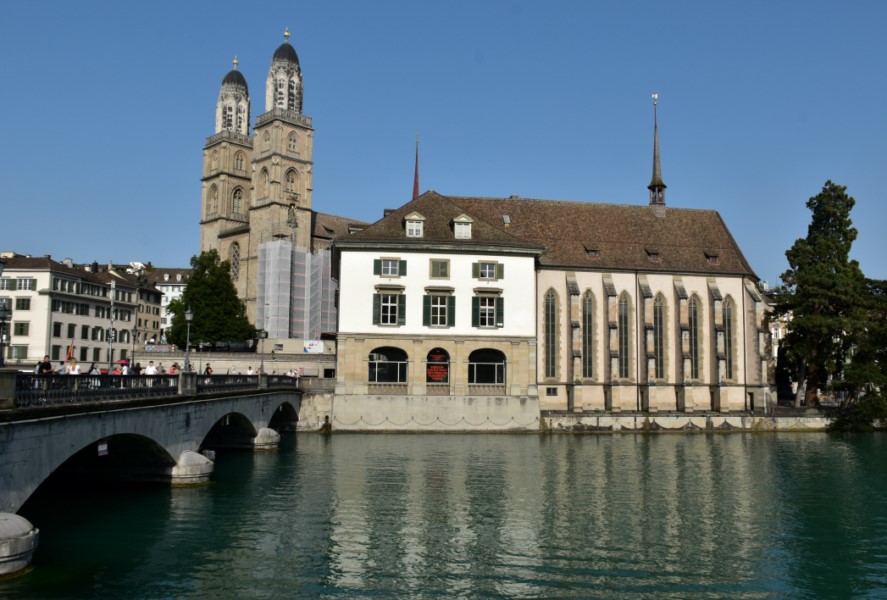
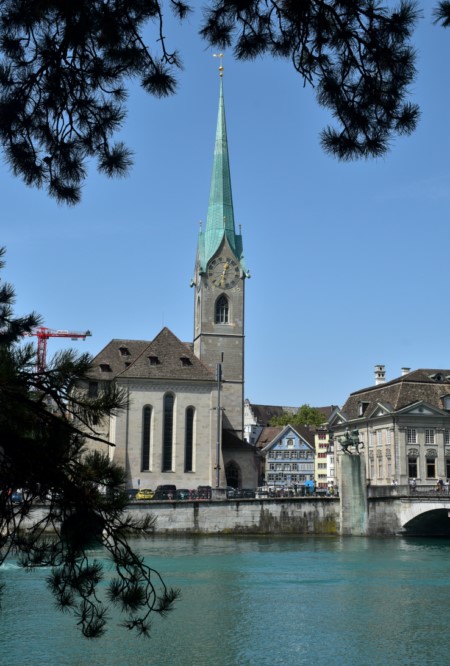
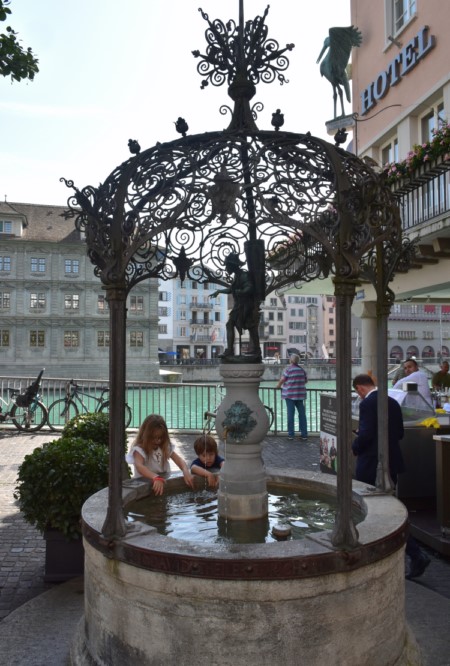
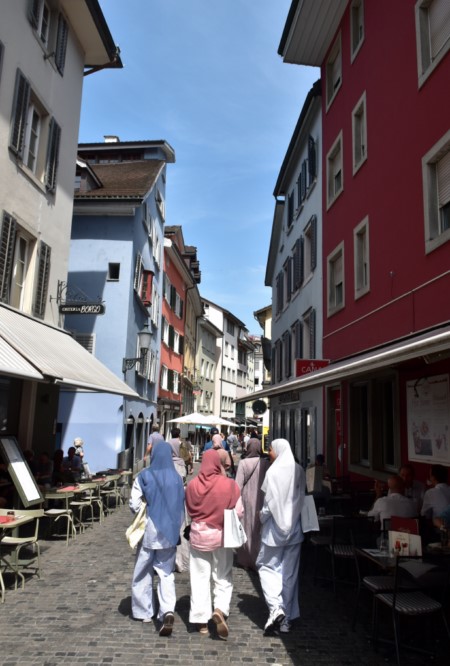
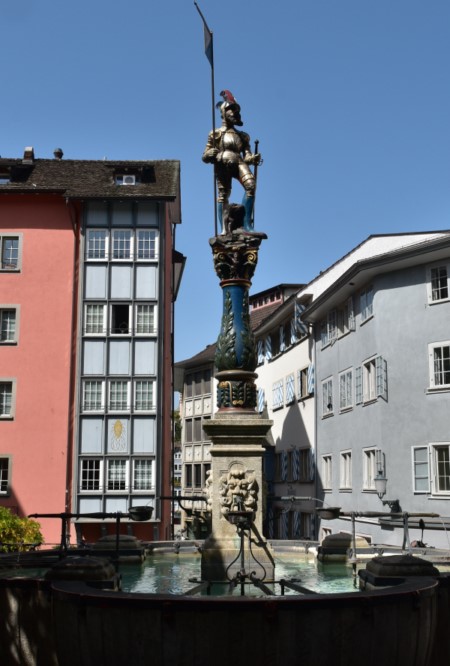
Limmatquai Promenade Medieval guild house Kambel Samson Fountain Tourist boat on the Limmat River Left bank of the Limmat, St. Peter's Church tower with the large clock in the background Towers of the Romanesque-Gothic Grossmünster basilica Romanesque capitals Crypt, sculpture of Charlemagne Grossmünster Basilica, Helmhaus, and the late 15th-century 'water church' Wasserkirche Huldrych Zwingli, Swiss humanist and Reformer Romanesque-Gothic Fraumünster Church Baroque palace Zunfthaus Zur Meisen Zunfthaus Zur Meisen, decorative balcony Waterfront café A moment of respite David Fountain Lake Zurich Old town, Niederdorf alley Advertising knows no boundaries Stüssibrunnen Fountain Stüssibrunnen Original shop sign

Zurich is Switzerland's largest city and the center of Swiss finance. Fortunately, most of the attractive monuments are located in the Old Town, so I could reach them on foot. The townhouses, taverns, guild houses, palaces, and churches, viewed from the boulevards of the Limmat River, are simply breathtaking. The weather was perfect, so I could feast my eyes on architectural details in the August sunshine.


Basel


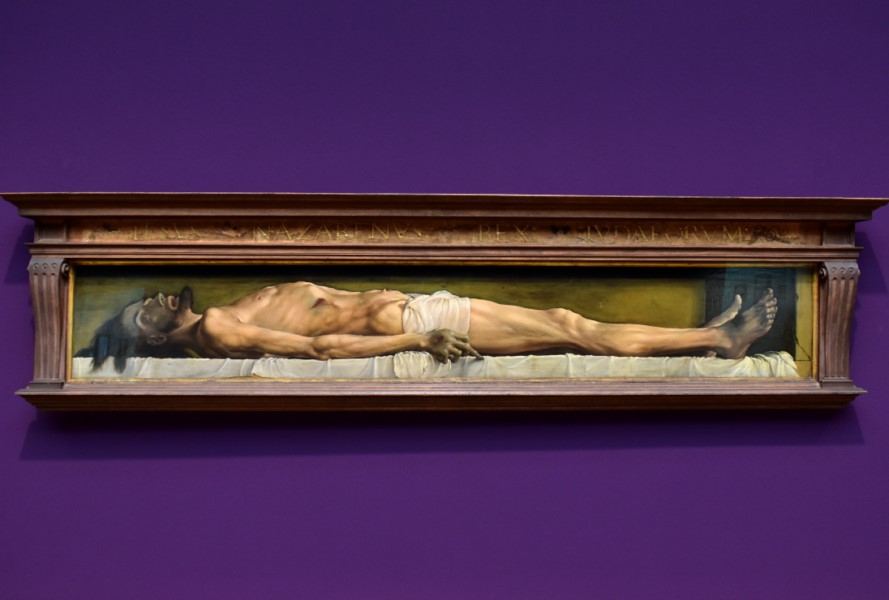
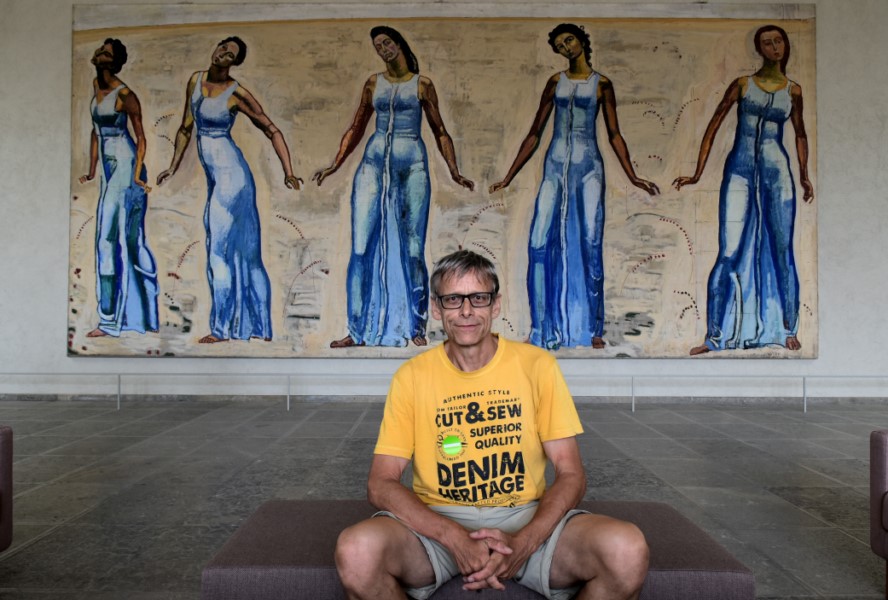
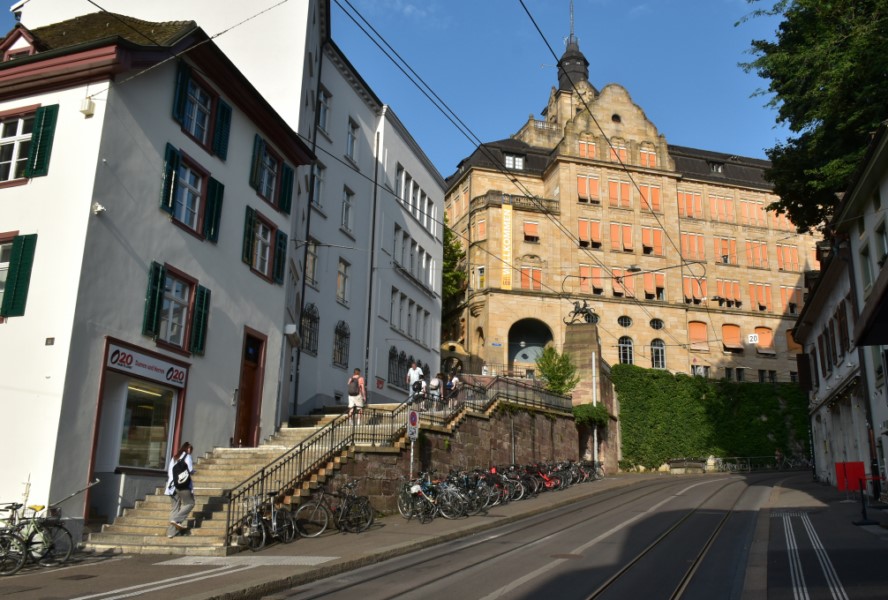
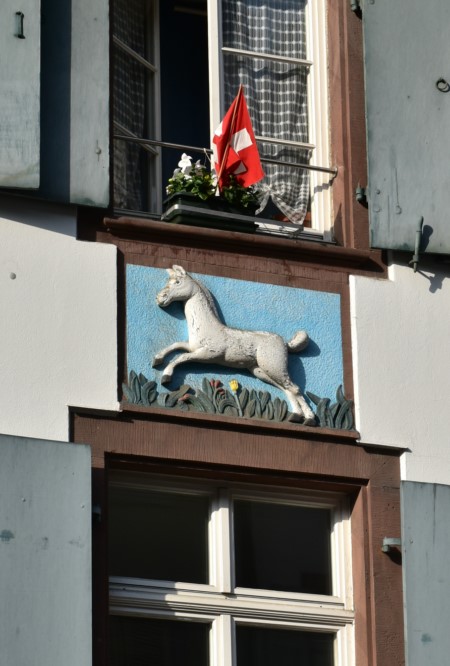
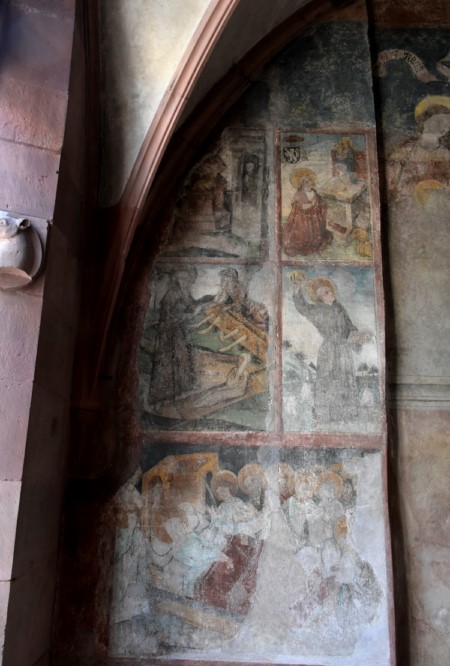
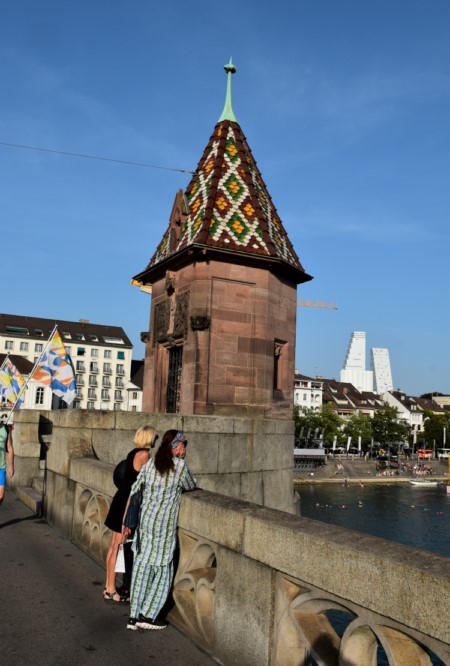
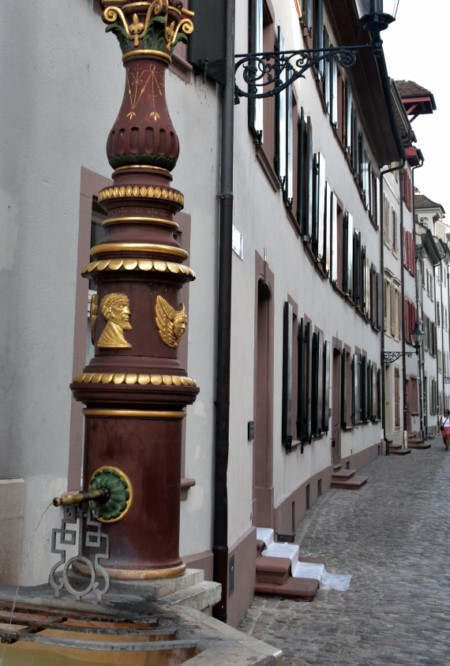
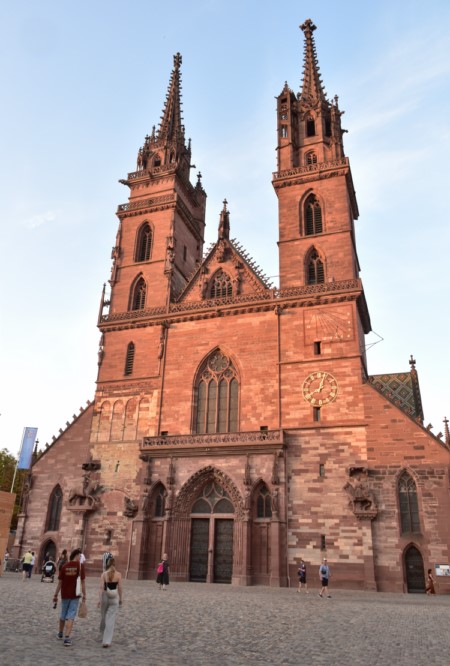
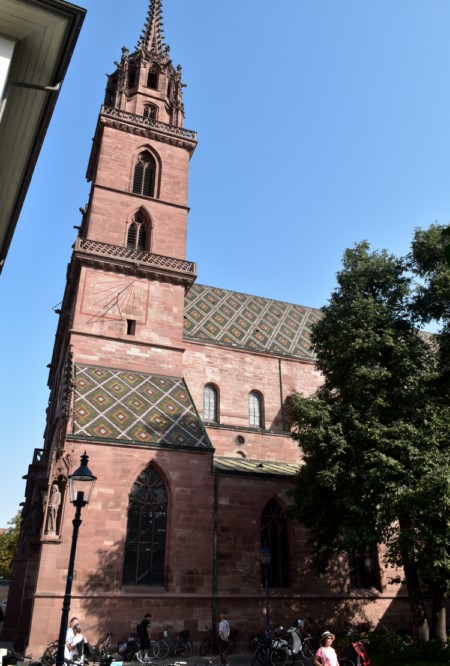
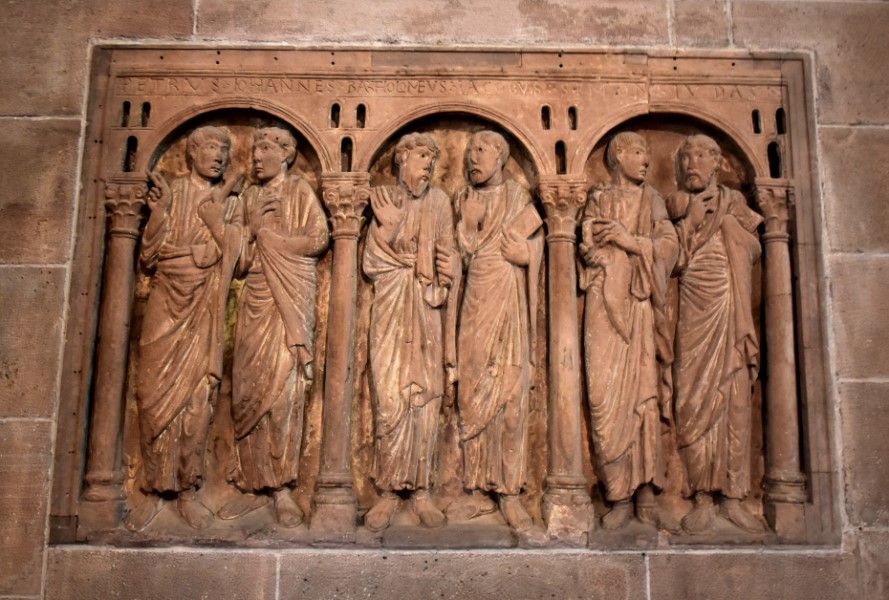
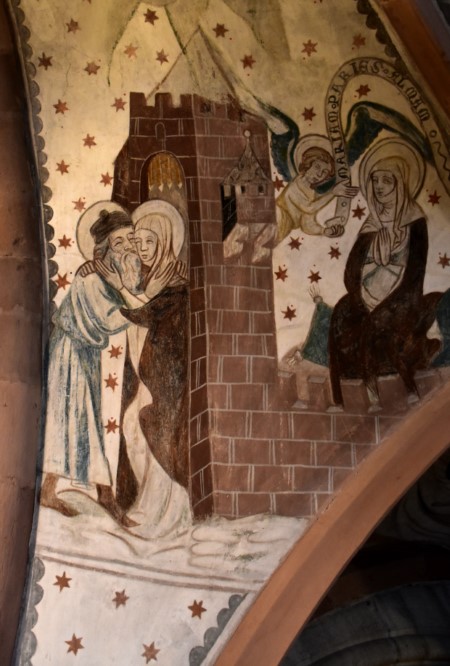
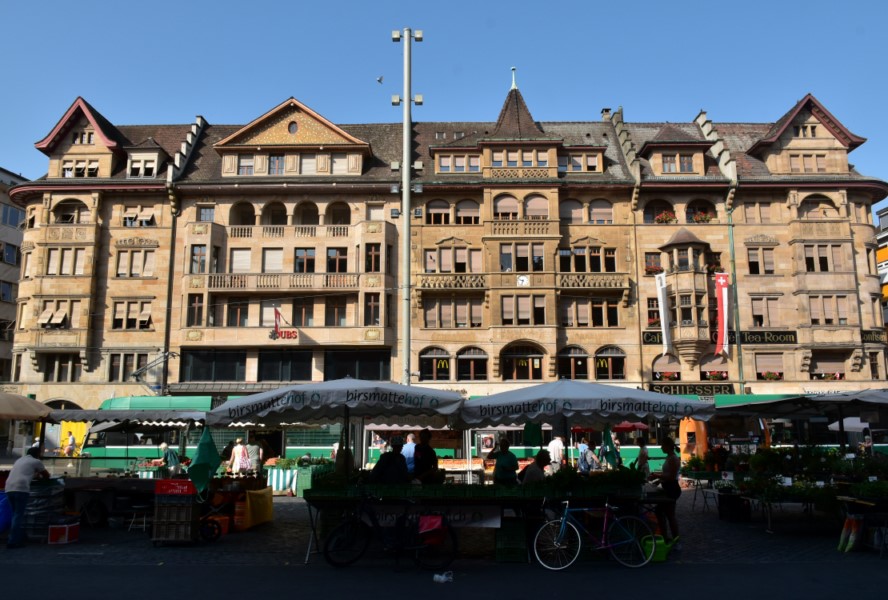
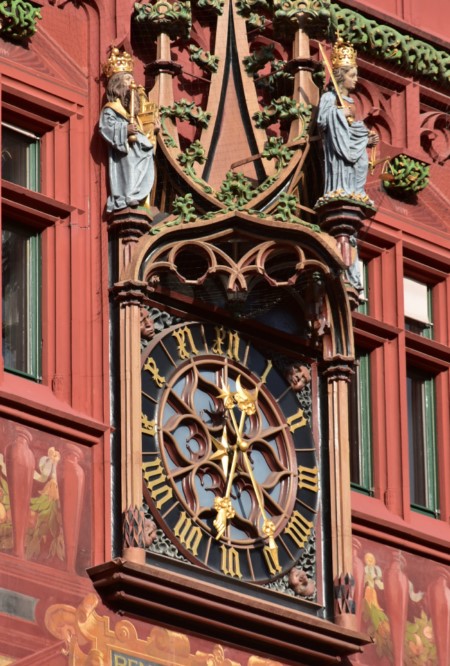
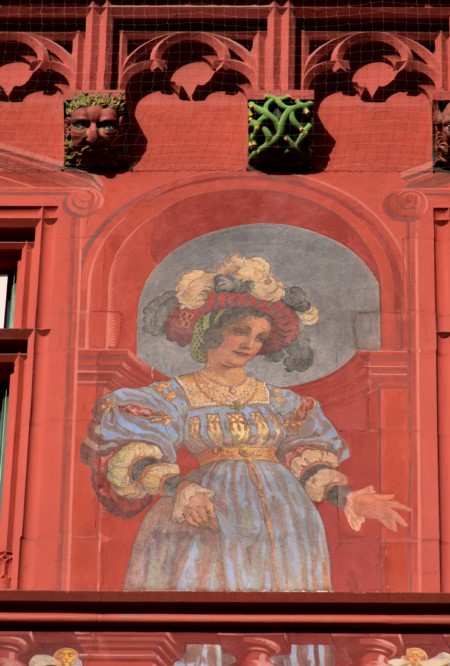
Tradition and modernity Courtyard of the Museum of Fine Arts, Rodin's sculpture 'The Burghers of Calais' Hans Holbein, The Body of the Dead Christ in the Tomb (1521) Salvador Dali, The Burning Giraffe (1936-1937) A souvenir photo Freie Strasse, 14th-century Franciscan church in the background Neptune Fountain, that is another way to do it Gymnasium Leonhard in a building from the late 18th century Spalenbrunnen Fountain Spalenvorstadt, stucco on the house facade Gothic Spalentor Gate Interior of St. Peter's Church from the 15th century Gothic frescoes Mittlere Bridge Rhine River Old town, Augustinian well Facade of a timber-framed house Münster, Romanesque-Gothic cathedral St. George slaying the dragon Main portal Founder of the cathedral, Emperor Henry II 14th-century Martinsturm Tower Aedicula with a statue of a saint Flying buttress of the chancel Stone elephant decorating a flying buttress Galluspforte, Romanesque portal in the northern transept arm Cloister Main nave Neo-Romanesque stained glass window, Baptism of Christ Pseudo-galleries with triforia Stone baptismal font from 1486 Apostles tablet from the late 11th century Capital depicting 'The Expulsion from Paradise' Tomb of Queen Anne of Habsburg (1225-1281) and her son Charles Mother and son Vault painting in the crypt, Joachim and Anne at the Golden Gate Marktplatz Rathaus, 16th-century town hall building Decorative clock with figures Painting on the facade Painting on the facade Painting on the facade Inner courtyard, statue of a deliverer Inner courtyard, Mannerist staircase

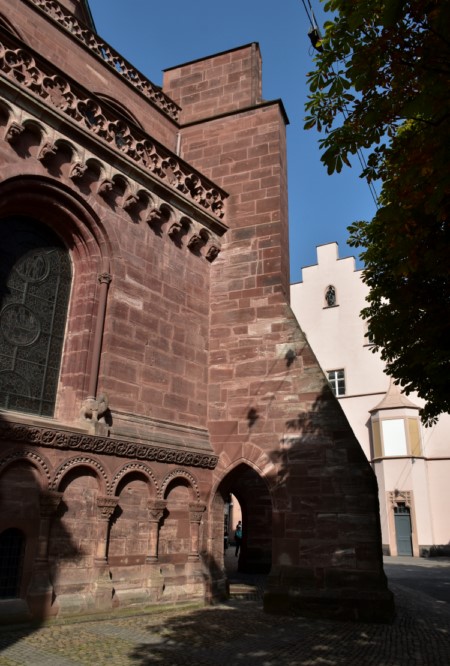
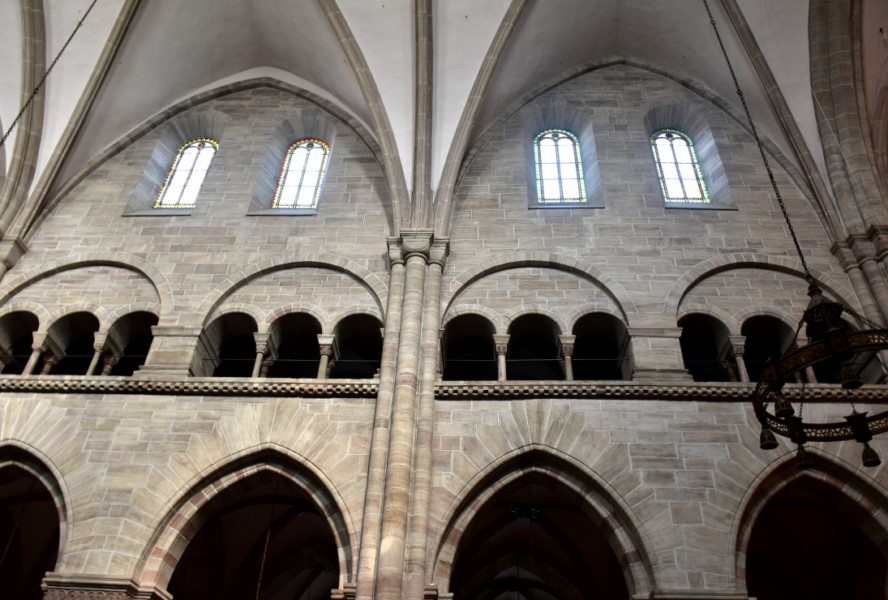
I spent only one day in Basel due to a change in my return date, so I had very little time for sightseeing. The city's landmark is the monumental Romanesque-Gothic cathedral, whose dark red facade and dark interior, filled with Gothic works of art, made an incredible impression on me. I also really enjoyed the incredibly picturesque town hall, with its facade decorated with murals referencing the city's turbulent history.


LIECHTENSTEIN

Vaduz and surroundings


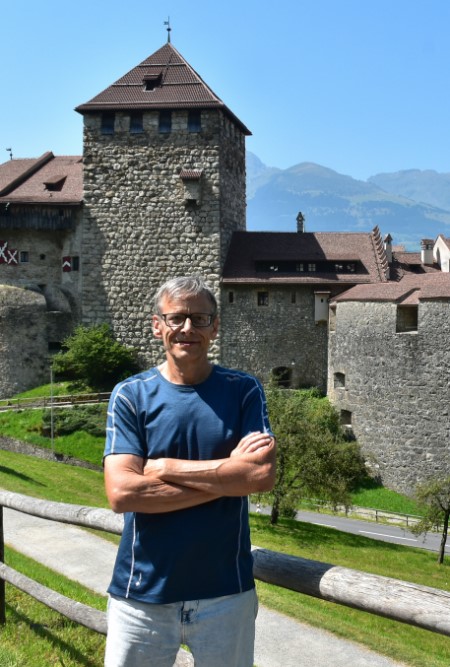
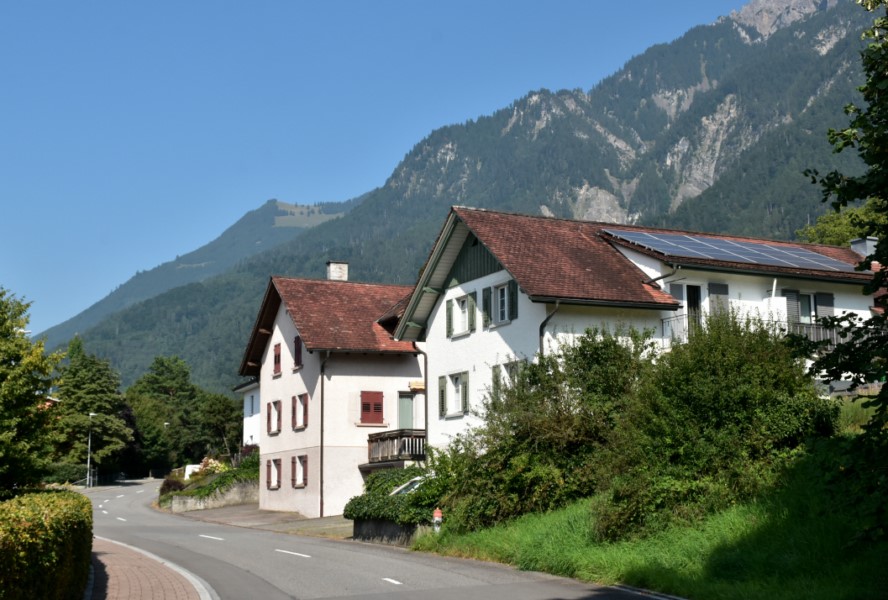
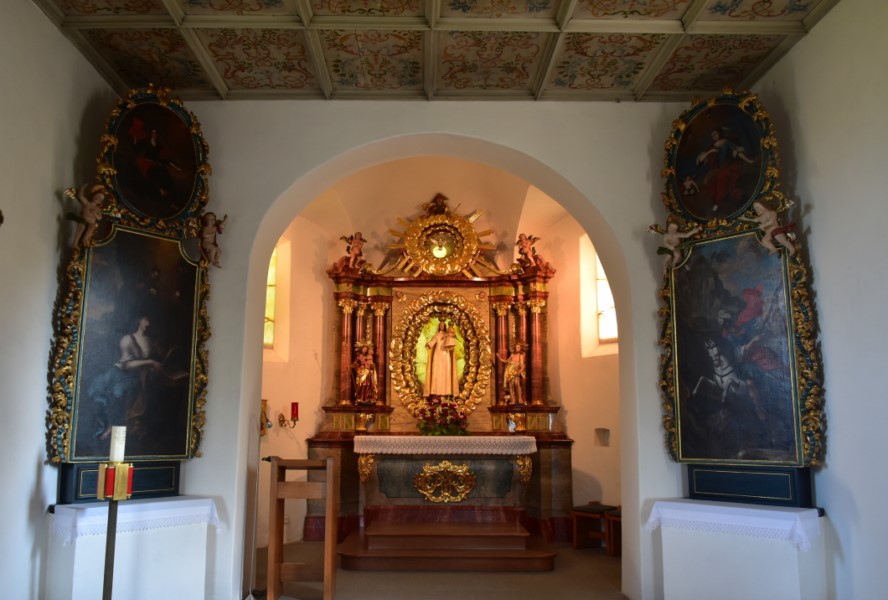
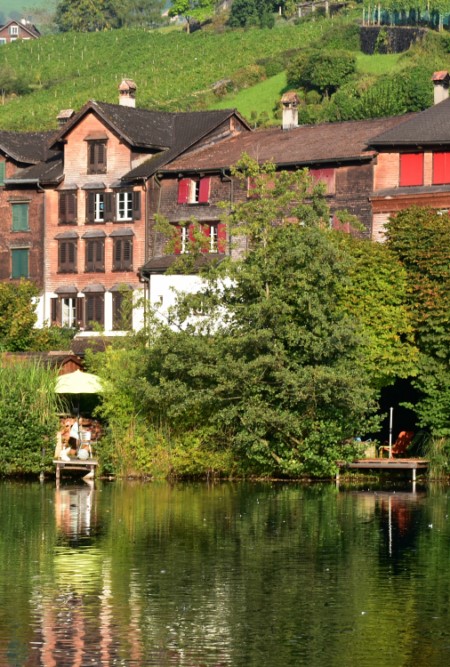
Peter-Kaiser Platz Constitutional Court building Parliament of the Principality of Liechtenstein St. Florian's Cathedral from the 19th century Belfry Picturesque Städtle Street Scale model of Vaduz Castle Town Hall Original advertisement Vaduz Castle from the 13th-15th century Steep climb Bastion Vaduz Castle in all its glory A souvenir photo Viewing point Panorama of the area Schaan, St. Lawrence's Church Road in Schaan Cemetery Schaan, princely pilgrimage chapel Maria zum Trost Statue of St. John Paul II, who reconsecrated the chapel in 1985 Interior of the chapel Paintings by Joseph Walser from 1746 depicting scenes from the life of Mary Road to the border with Switzerland The Rhine border river Sunrise in Buchs (Switzerland) Lake Werdenberger, a medieval castle on the hill Werdenberg settlement Eurasian coot Road in the settlement Facade of the house Road in the settlement The Serpent House, facade of the house Werdenberg Castle from the 13th century

The small Principality of Liechtenstein is one of the wealthiest countries in Europe, and I must admit, it's evident at every turn. Its capital, Vaduz, is neat and tidy, but there aren't many interesting places to visit. To my disappointment, the city's biggest attraction, the Gothic-Renaissance Vaduz Castle, is closed to the public. However, the climb up the steep hillside was worth it for the breathtaking views.


My favorite photos

Lake Constance, Arbon, Switzerland

Lucerne, Lake Lucerne
Vaduz Castle, Liechtenstein

Gargoyle, Church of St. Leodegar, Lucerne

Cemetery in Schaan, Liechtenstein


Wszelkie prawa zastrzeżone