MYVOYAGES
Passion for exploring and photography

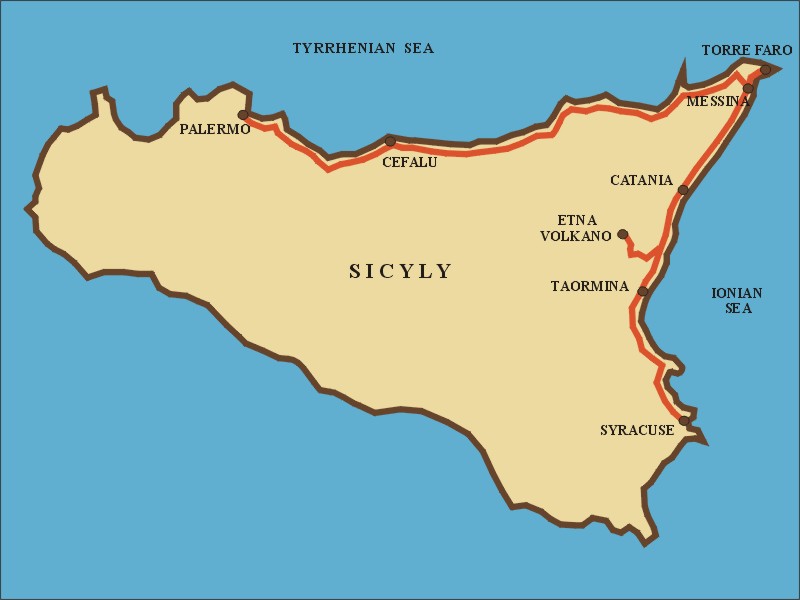
A TRIP ROUTE
INTERESTING FACTS
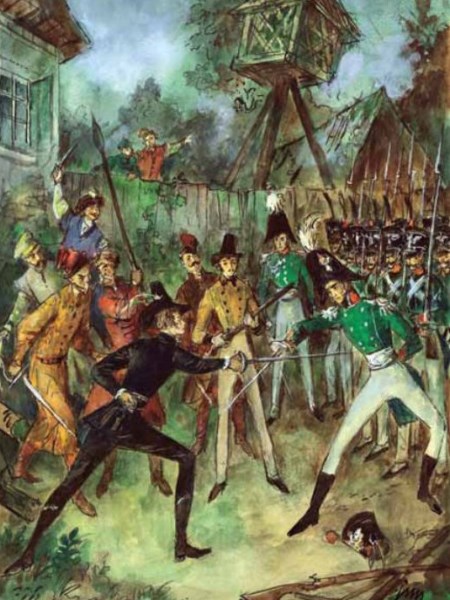
The first Pole to visit Sicily was Jan Dantyszek, ambassador and royal secretary of Sigismund I the Old. During the Enlightenment, travel to Italy became a passion for Poles seeking to deepen their knowledge of antiquity and Renaissance Italian culture. At the turn of the 18th and 19th centuries, Sicily was visited by the writer and one of the first Polish archaeologists Jan Potocki, the poet and historian Julian Ursyn Niemcewicz, the bards Adam Mickiewicz and Zygmunt Krasiński, the poet Antoni Edward Odyniec, and the philosopher and historian Michał Wiszniewski. The experiences and memories from the journey were used in their works by Potocki in "The Manuscript Found in Saragossa", Krasiński in the letters "From a Sicilian Journey, Several Cards" and Mickiewicz in "Pan Tadeusz" (when the Count talks about Captain Rykov - I punish him, as I punish the robbers under the rock that the Sicilians call Birbante-Rokko, Book IX - "The Battle"). The interest of Poles in Sicily did not cease in the 20th century. The island was visited in search of inspiration by: composer Karol Szymanowski, poet and prose writer Jarosław Iwaszkiewicz, expert in antiquity Jan Parandowski, poets Zbigniew Herbert, Adam Zagajewski, Wisława Szymborska and sculptor Igor Mitoraj.
INTERESTING STORIES
After Poland lost its independence at the end of the 18th century, many of our compatriots emigrated. Successive Poles joined its ranks after unsuccessful uprisings, fighting in legions, legions and insurgent armies of other countries for your freedom and ours. One of them was Ludwik Mierosławski - a general, writer, poet, military theorist and political activist. During the Spring of Nations, he was invited by the minister of the revolutionary Sicilian government, Giuseppe La Farin, who entrusted him with the chief of staff over the insurgent Sicilian army fighting against the Bourbons. In March 1849 he took command of the most important eastern section. He planned an attack on Messina, but was forewarned by the attack of General Filangieri. Mierosławski completely ignored the situation and it is not known why he was convinced that Filangeri would not attack the city on the move. In the lost battle of Catania, he was wounded, and two weeks later he was dismissed and returned to Paris. Despite the fact that his posterity and contemporaries accused him of ineffectiveness in command and excessive ambition, he became a symbol of Polish and European revolutionary struggles.

IT IS WORTH KNOWING
The mafia is a very complicated phenomenon and should be considered on many levels. The name and roots of the first organizations hailing from Sicily. Initially, the goal of the mafia's activities was to protect the population, mainly rural, against abuses by foreign troops and robber attacks. With time, it transformed into criminal organizations infiltrating the apparatus of power, and exploitation, murder and struggle for money became part of everyday life. The rapid growth of the mafia took place after the Second World War, when its members made huge fortunes from alcohol smuggling, gambling, prostitution and construction investments. During economic emigration in the 20th century, the mafia developed a strong activity in the USA as well. The American drama "The Godfather", directed by Francis Ford Coppola, tells about it. In the lead role as the head of the "Don" family Vito Corleone, he appeared in the unforgettable performance of Marlon Brando, and many viewers became fascinated by the world presented there. Honor, respect and silence are the three most important concepts emanating from the film. The author of "The Godfather", Mario Puzo, was convinced that the first criminal family were the Borgias, the first "Donas" heirs of St. Peter, and the most powerful of them - Pope Alexander VI.

Italy - Sicily
June 2018

At the beginning of June we went with the Net Holiday travel agency to Sicily . As usual, we chose the HB option to combine leisure with sightseeing. The hotel in which we stayed could not be faulted, but the town of Torre Faro itself, located at the end of a narrow headland, created a lot of communication problems.
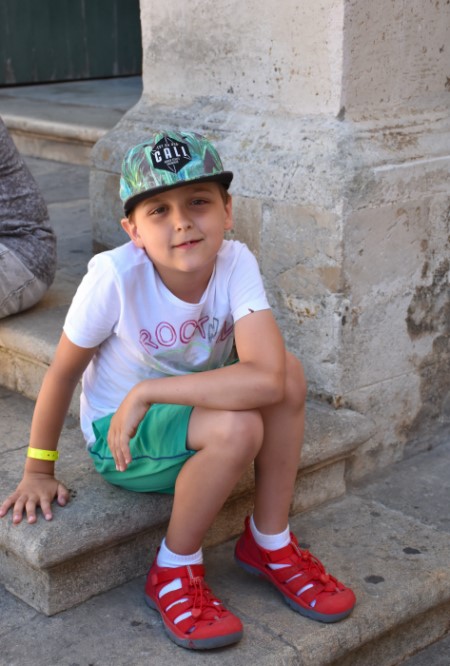
The weather was good, so at the beginning we had a little laziness on the beach. However, our patience did not last long. On the third day, we kicked ourselves on a day trip to Messina. After that, it only got better. I rented a car and for three days we went wild around the island, remembering each other in sightseeing. First we headed west along the coast, then south. The trip to Cefalu and Palermo was particularly troublesome, as the long stretches of the journey significantly limited the time that we could spend on sightseeing.Julek is resting

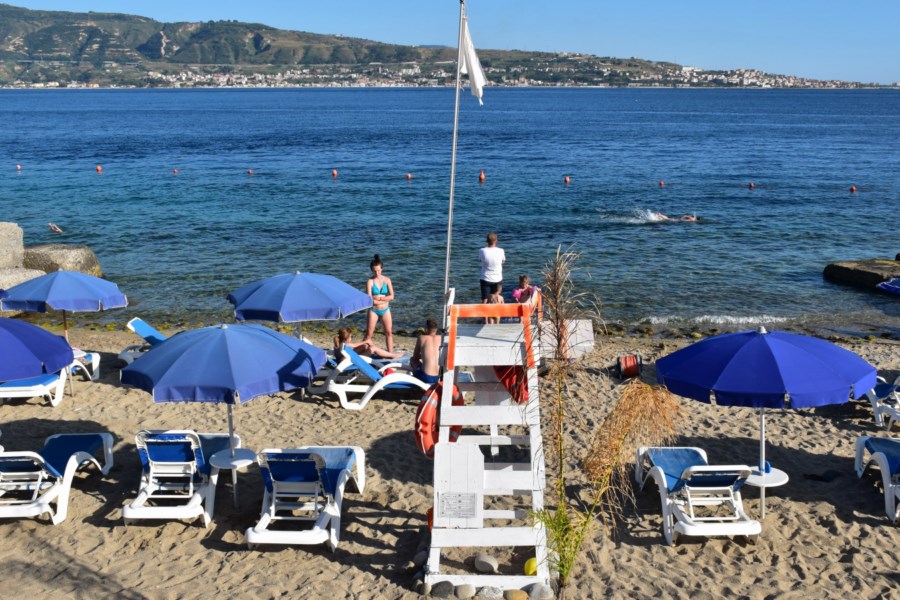


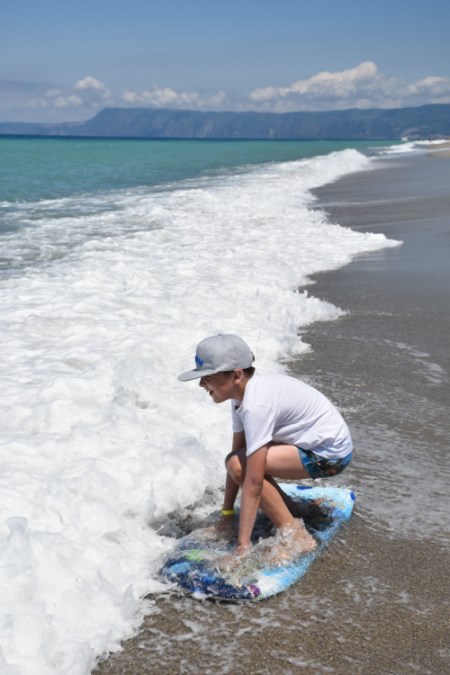
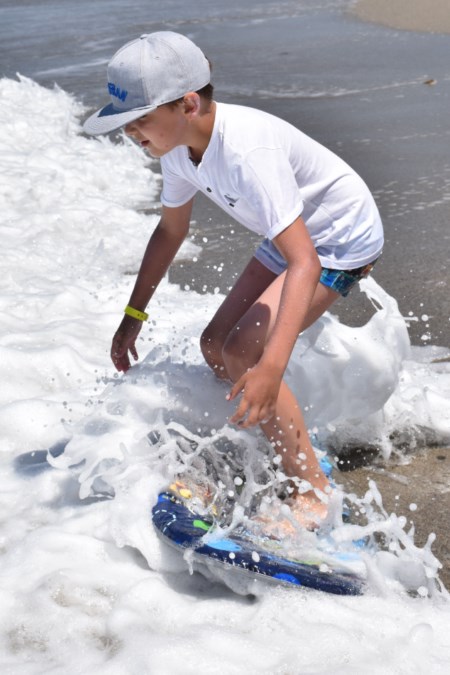


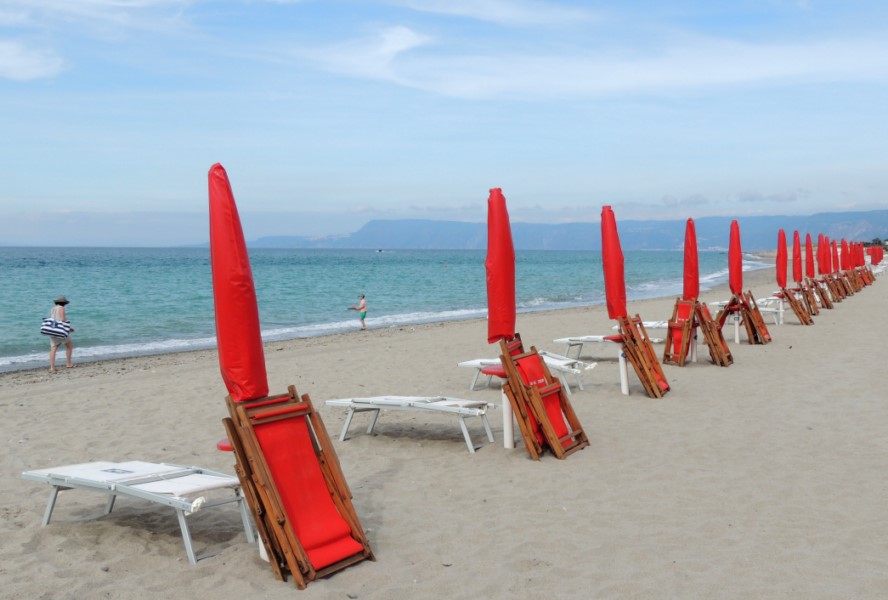


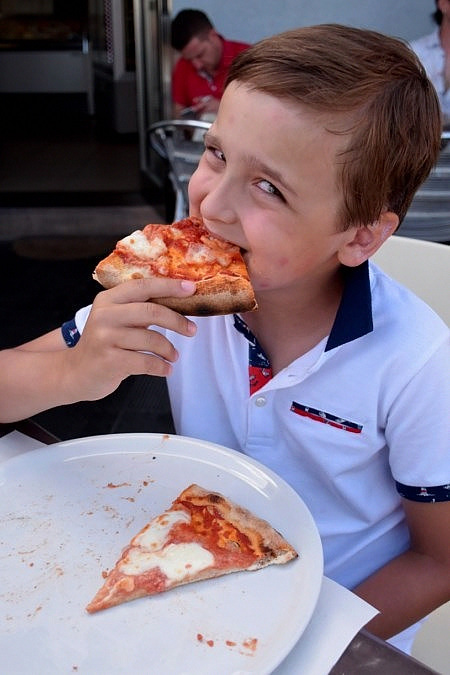
During our stay, we rested in Torre Faro, a small town located on the northern tip of the island just above the Strait of Messina. Unfortunately, but apart from the picturesque view of the Calabrian coast, this place has no attractions. To make matters worse, each time we returned from the trip, we had to stand in a gigantic traffic jam, and the short drive from the highway to our hotel took over an hour.
Messina
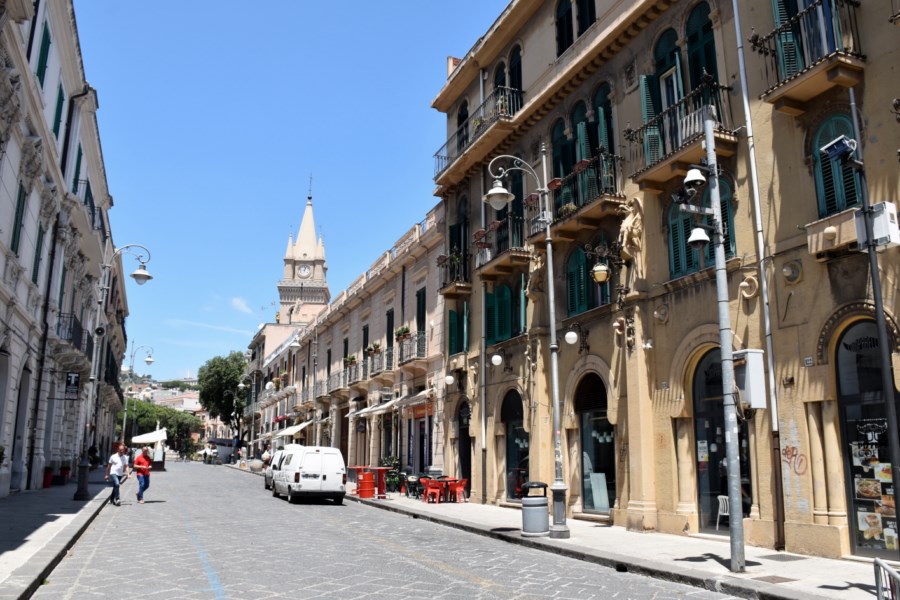


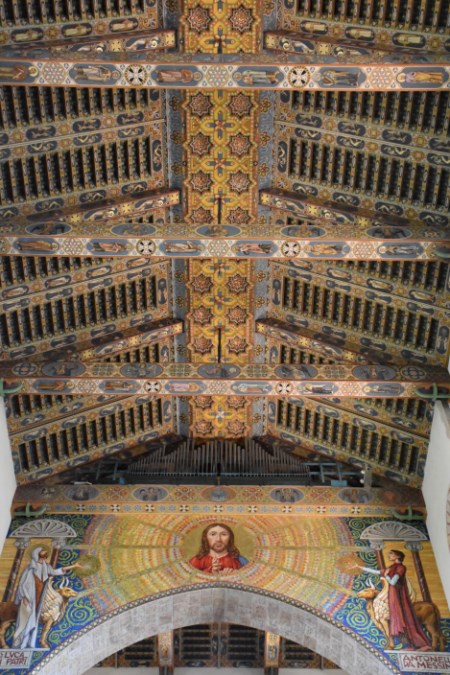

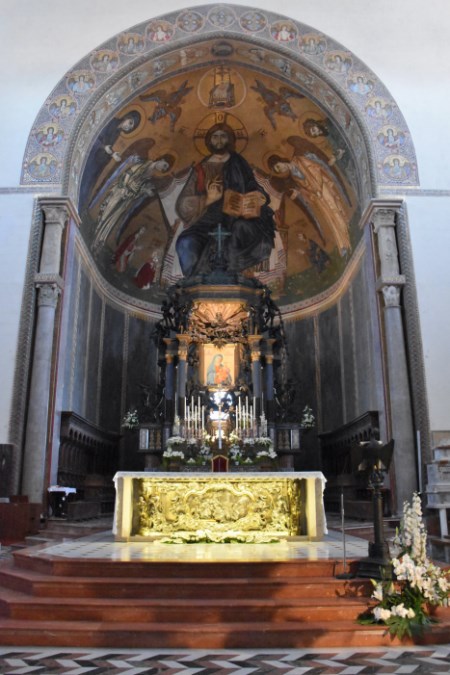
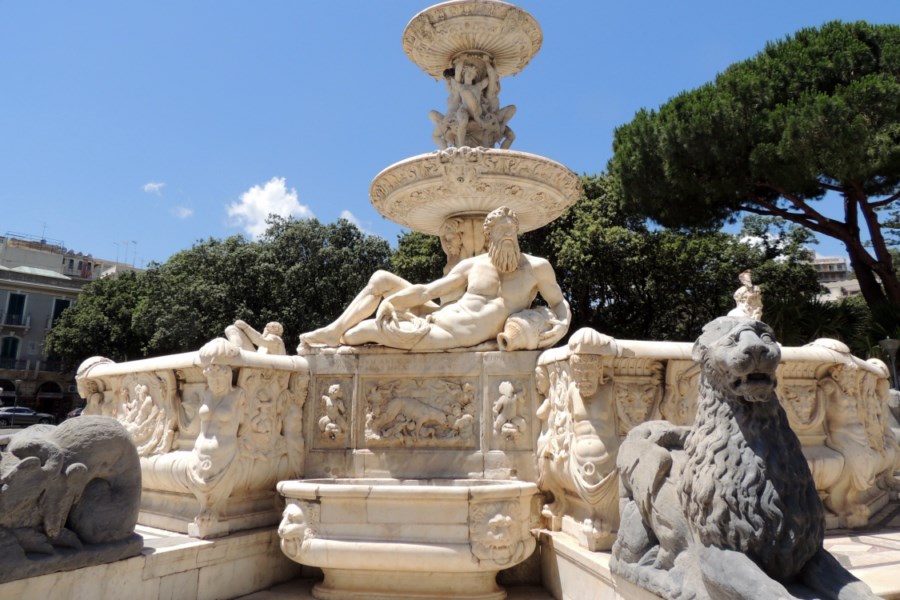


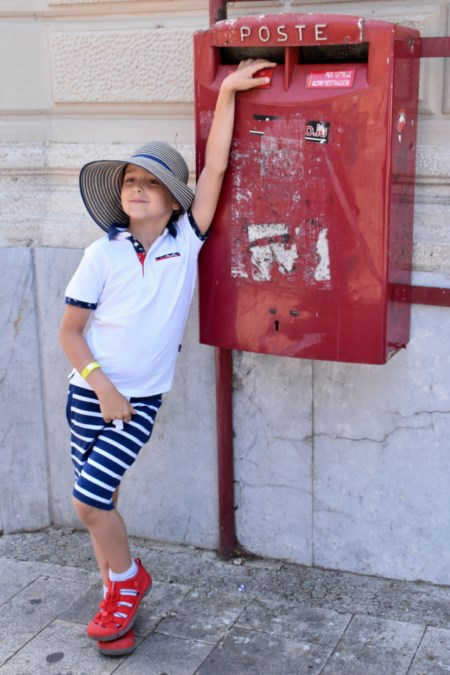


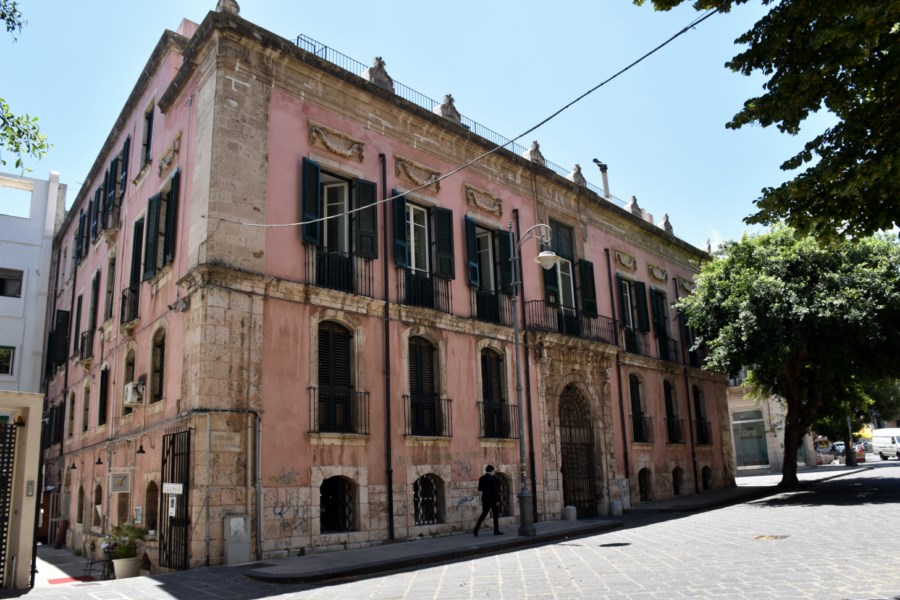


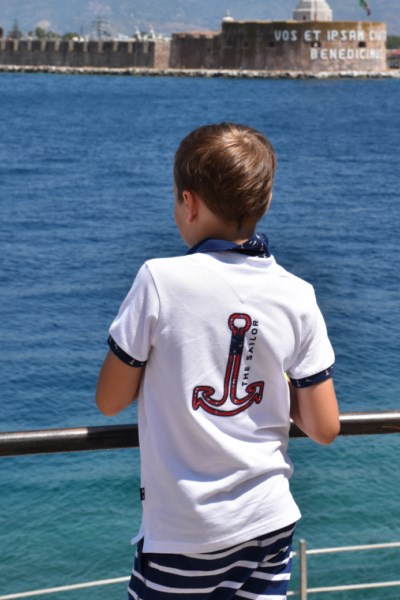
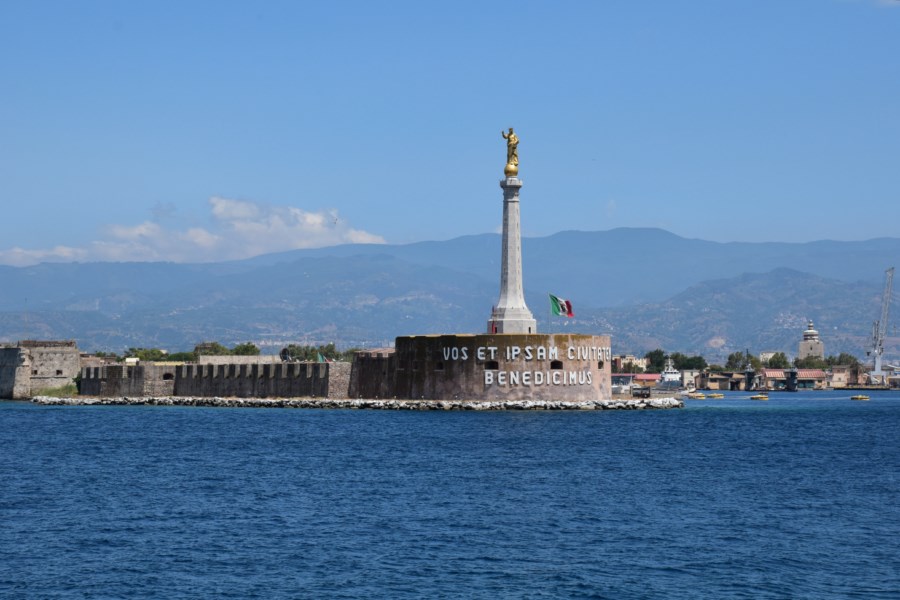


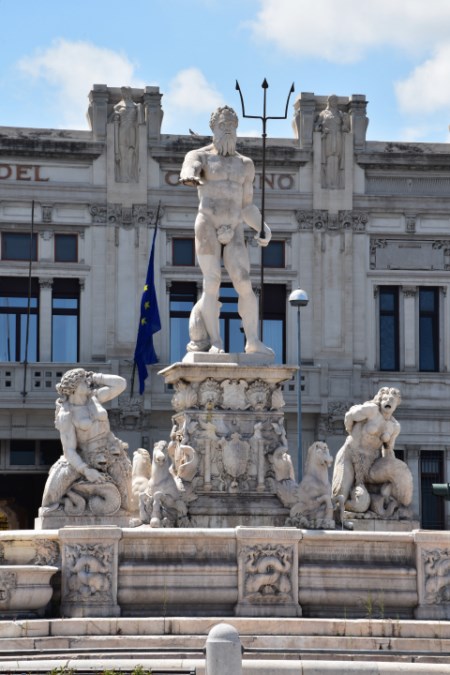
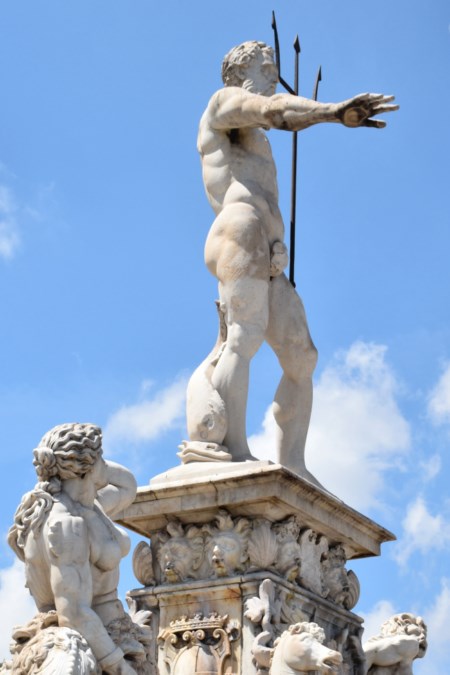
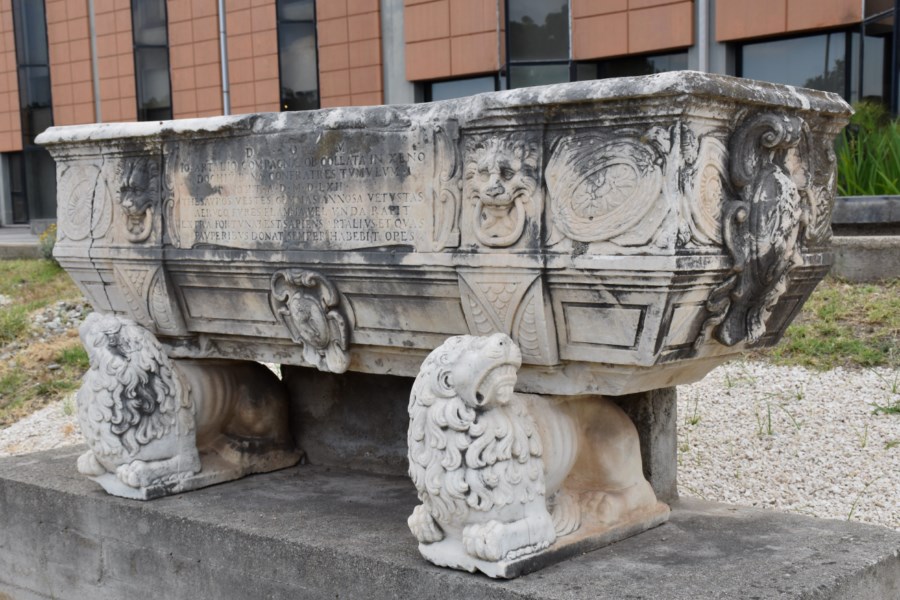


Messina is almost a stone's throw from Torre Faro, so we went sightseeing by public transport. Since we planned a day trip, we had plenty of time to explore and explore the nooks and crannies of the old town. We particularly liked - the Romanesque cathedral with a tower with the world's largest clock mechanism and Caravaggio's paintings, which unfortunately "did not want" to be photographed.
Cefalu and Palermo


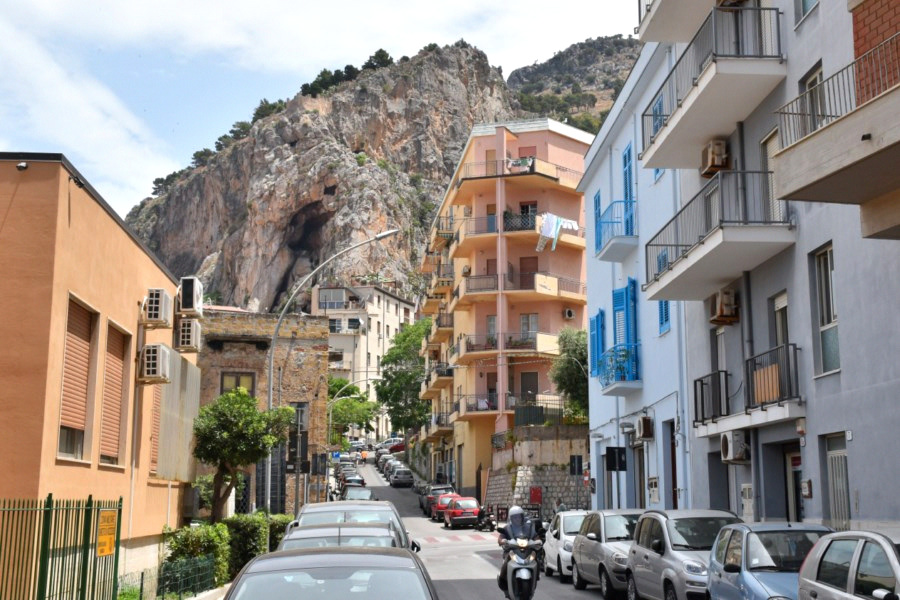
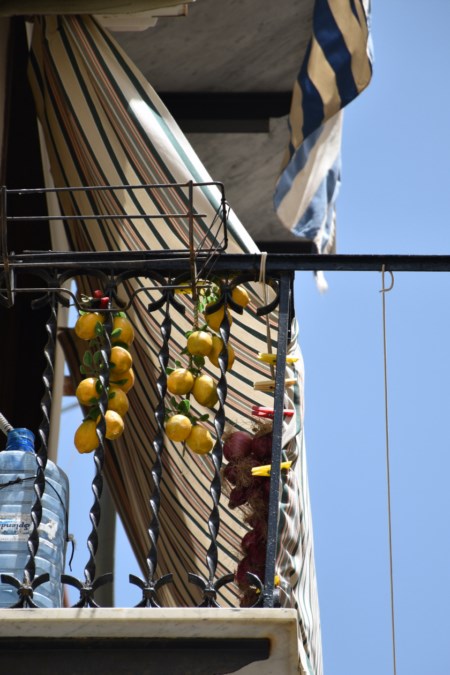


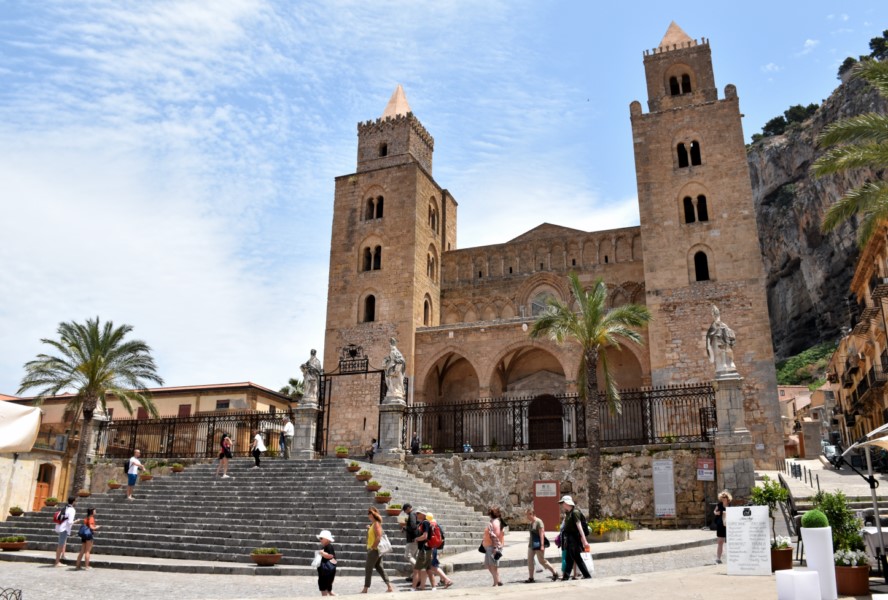
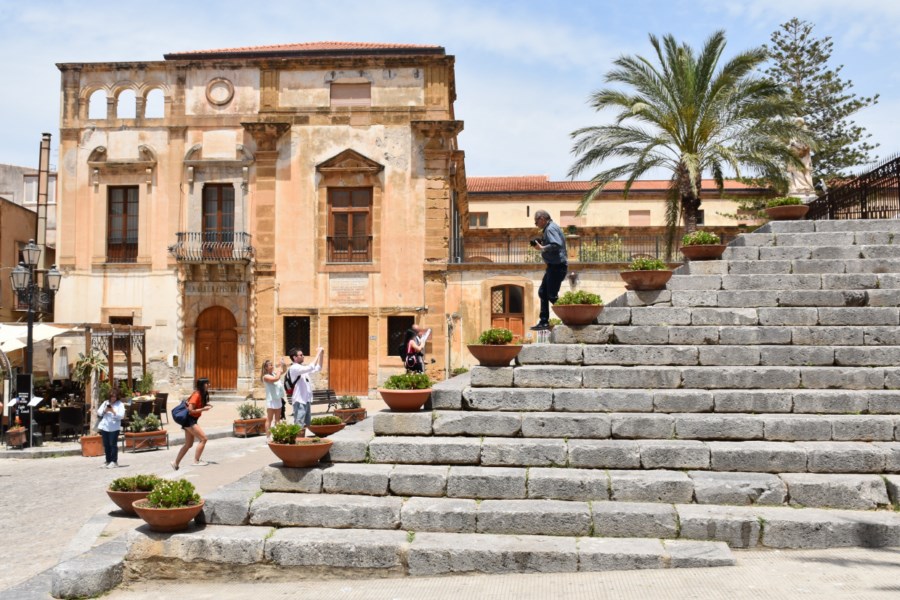


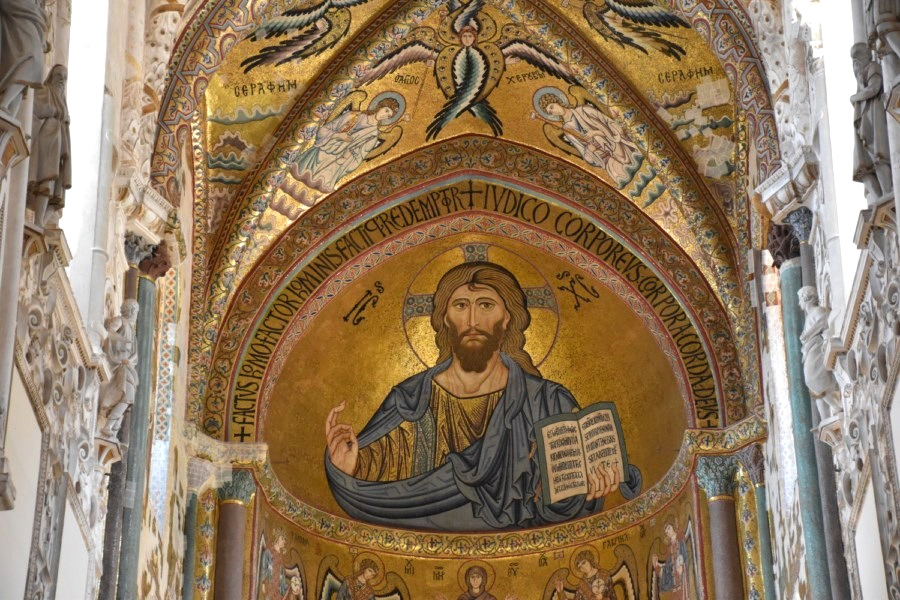


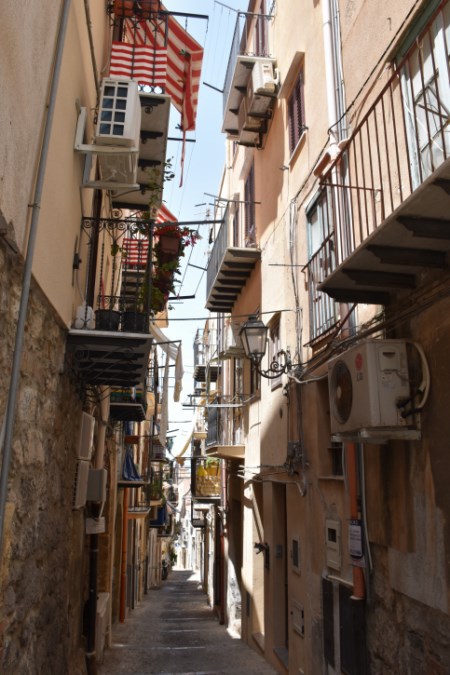
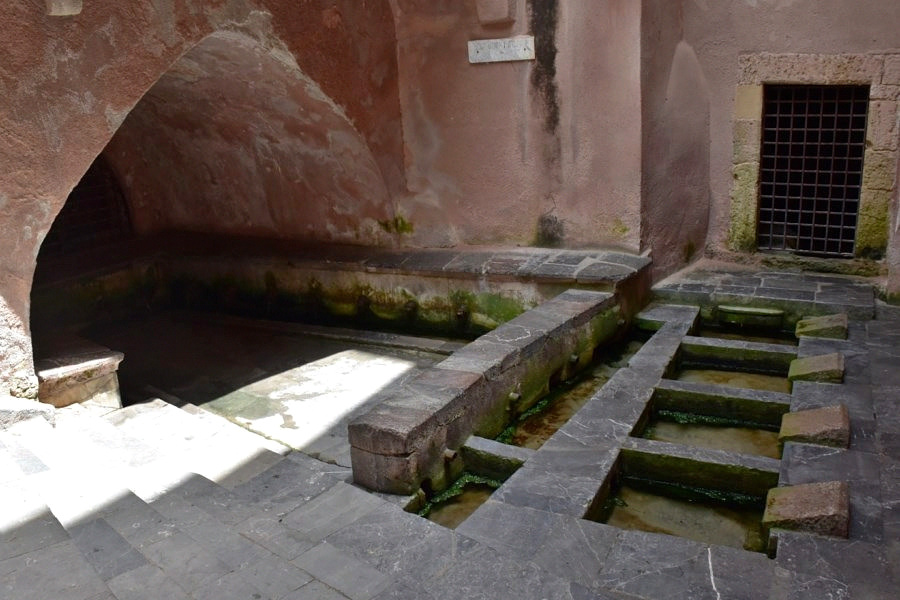

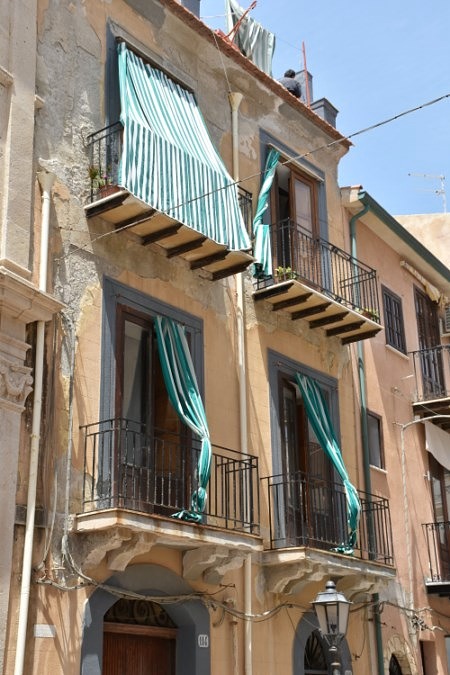


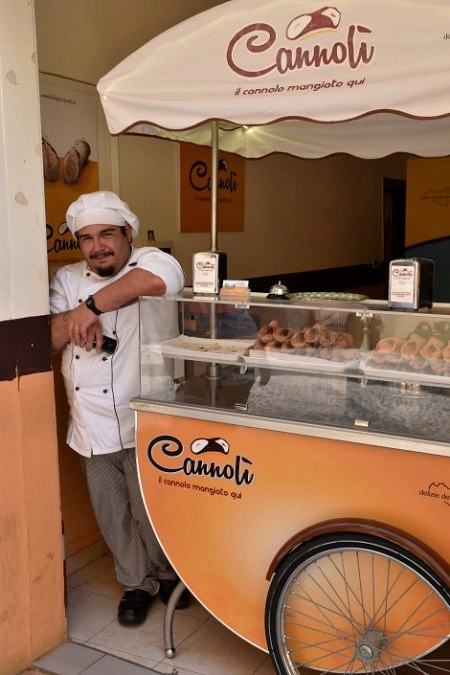
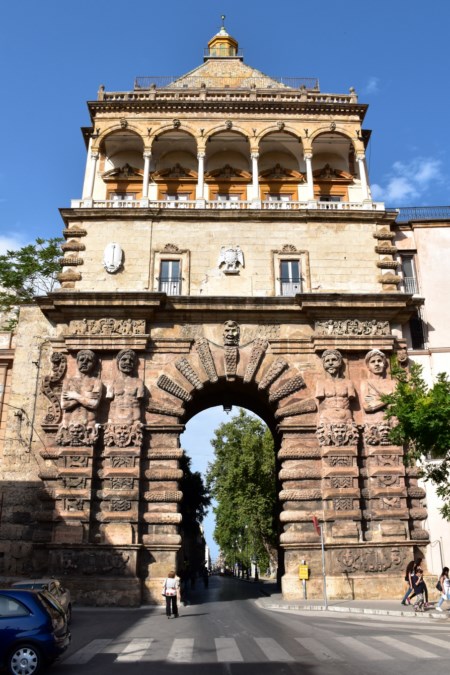


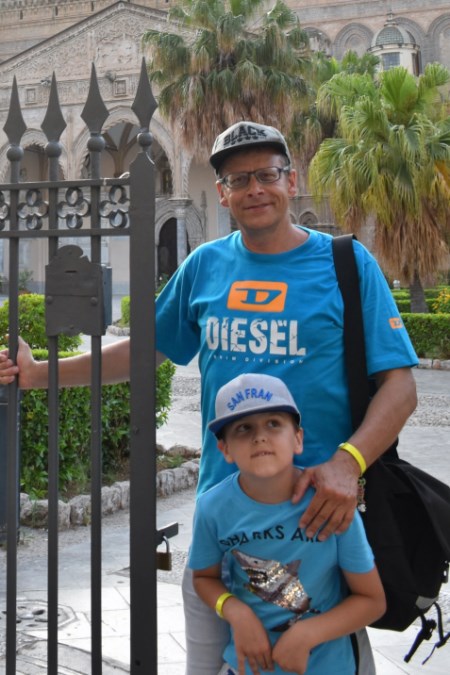
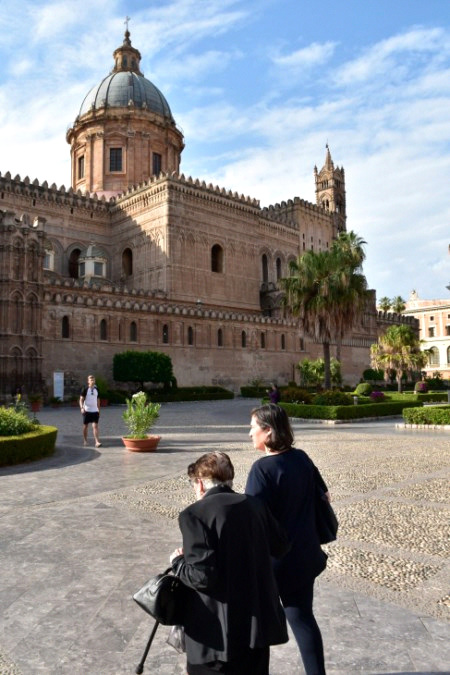


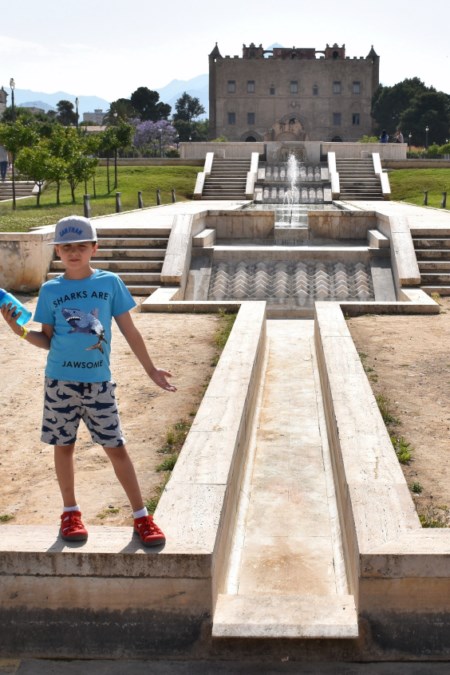


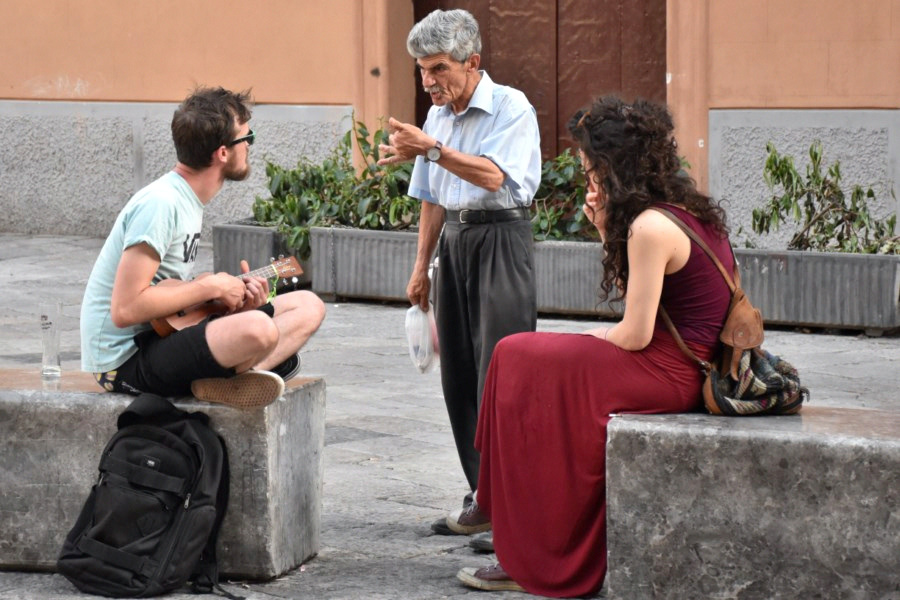

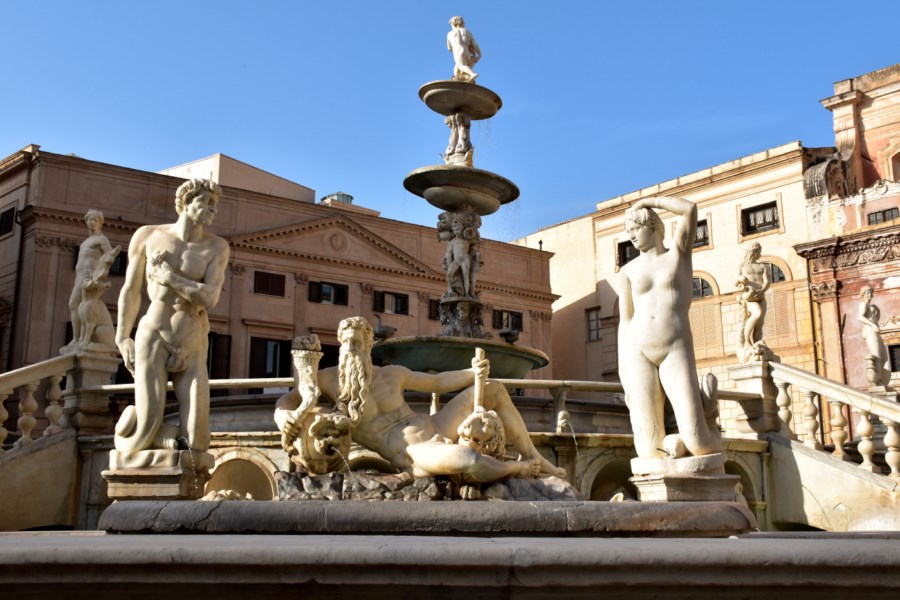

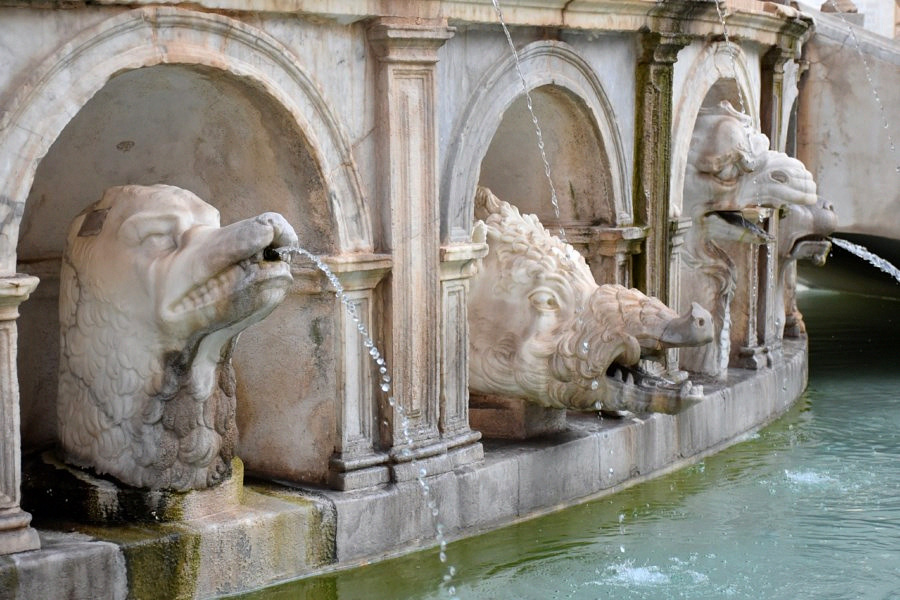


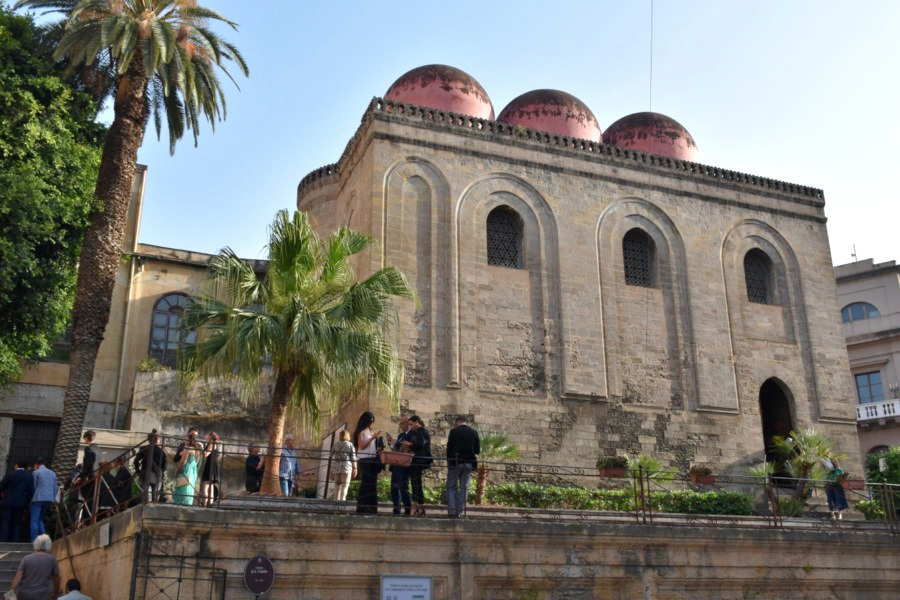
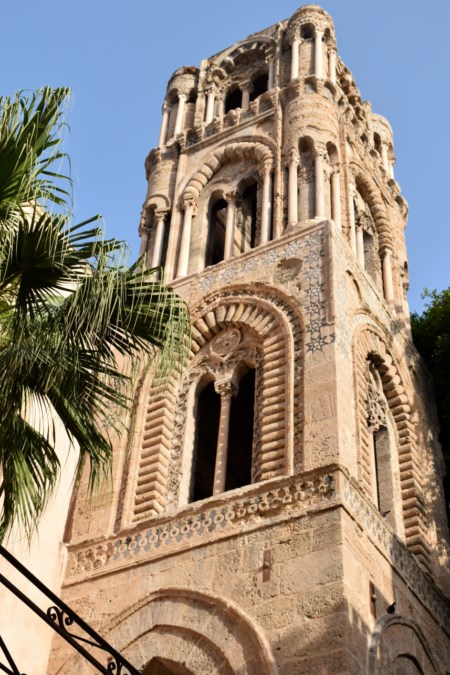

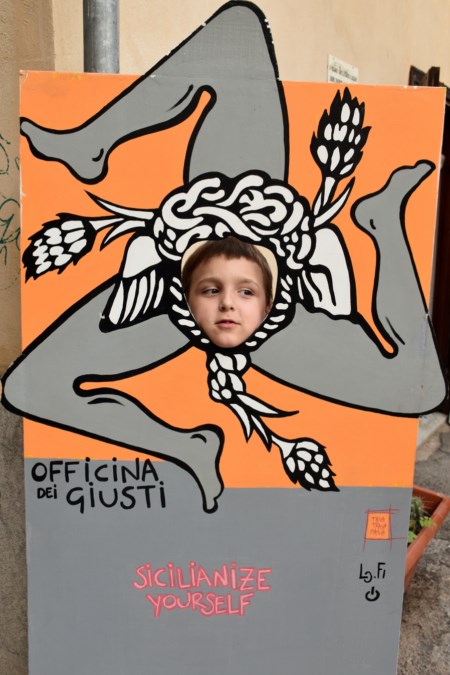
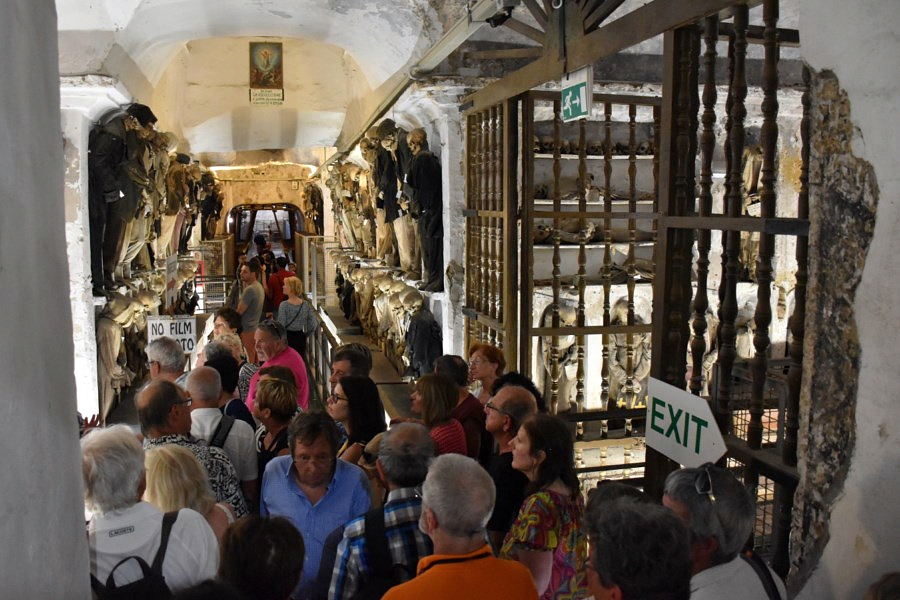
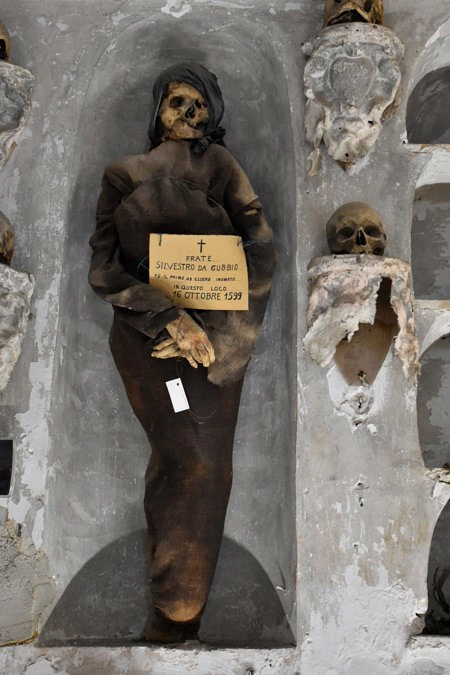

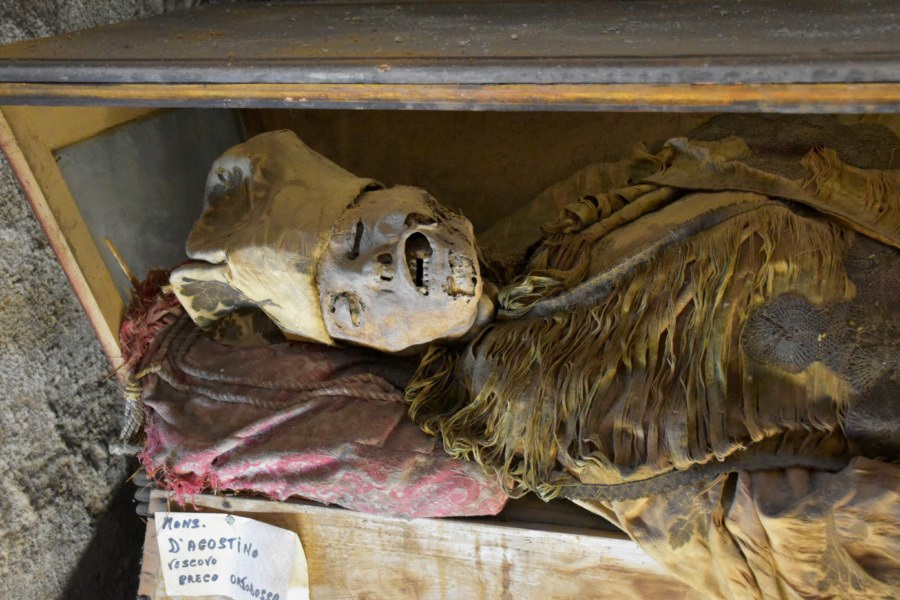


The trip to Cefalu and Palermo was our longest trip. Cefalu delighted us with its fabulous location and picturesque maze of medieval streets. In Palermo, on the other hand, we admired the monuments of Arab-Norman architecture inscribed on the Unesco World Heritage List. However, the most memorable are the macabre-looking mummies located in the catacombs under the Capuchin Monastery.
Etna volcano


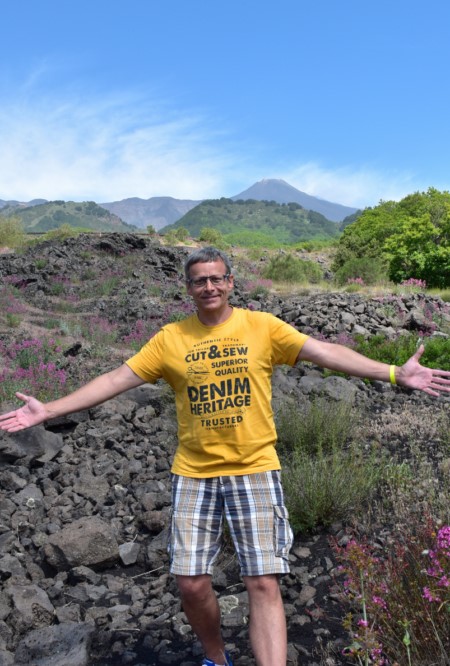


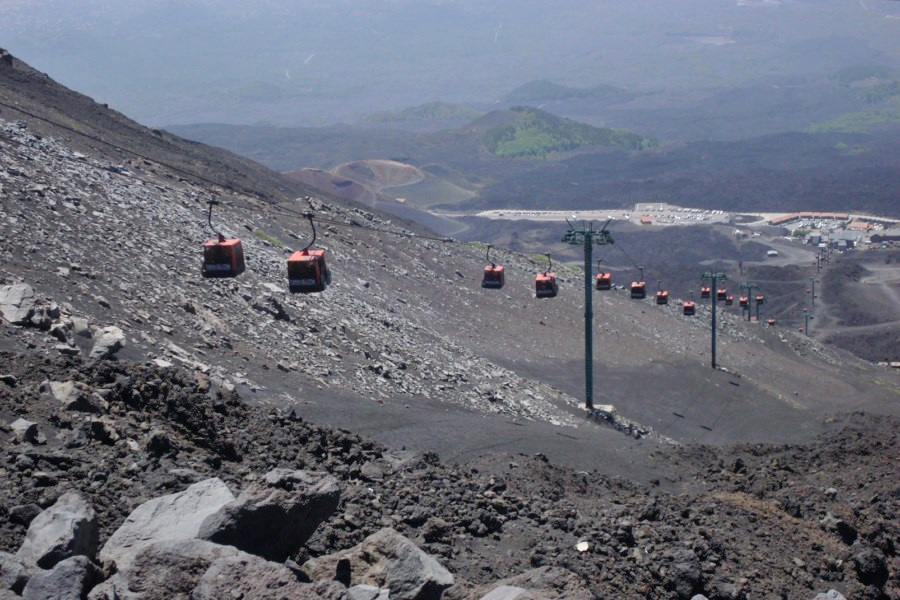


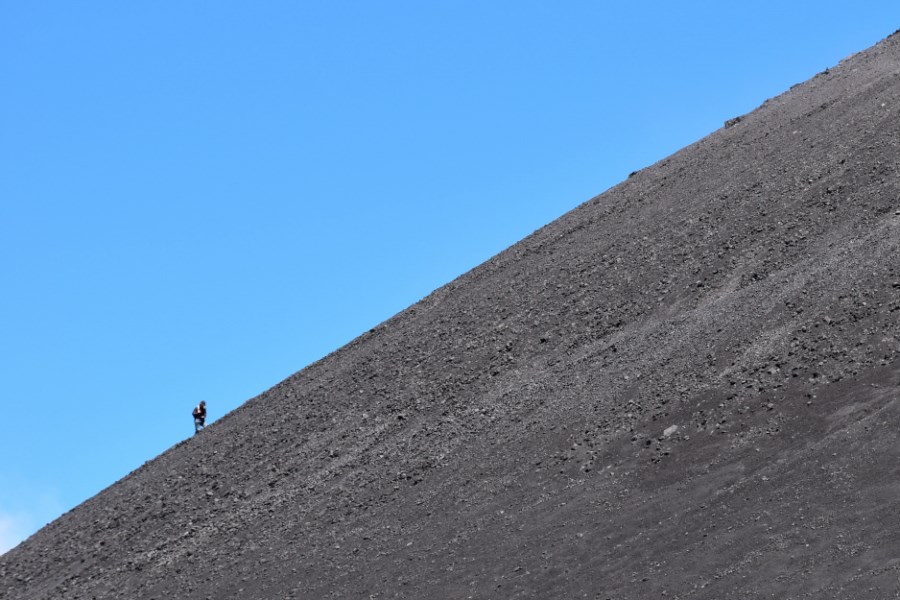

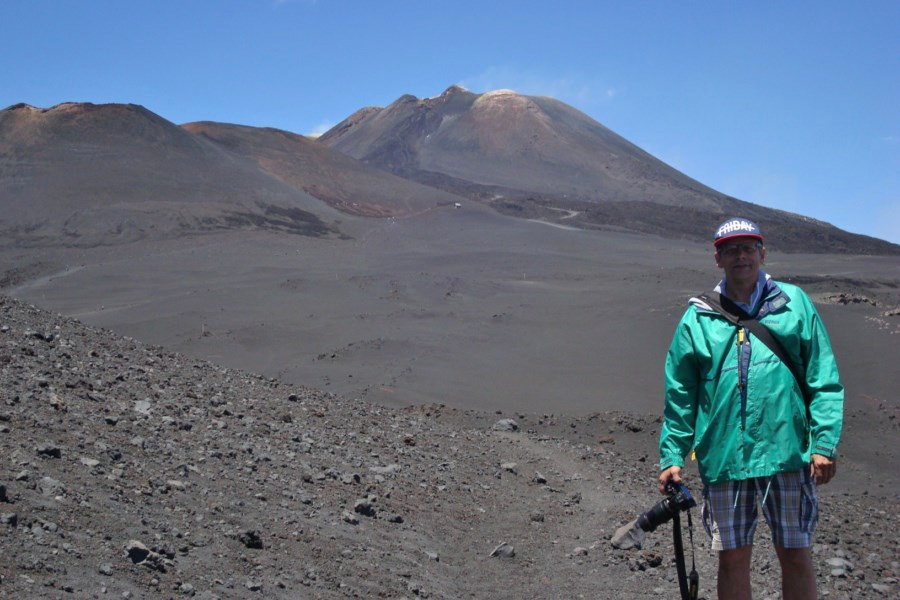


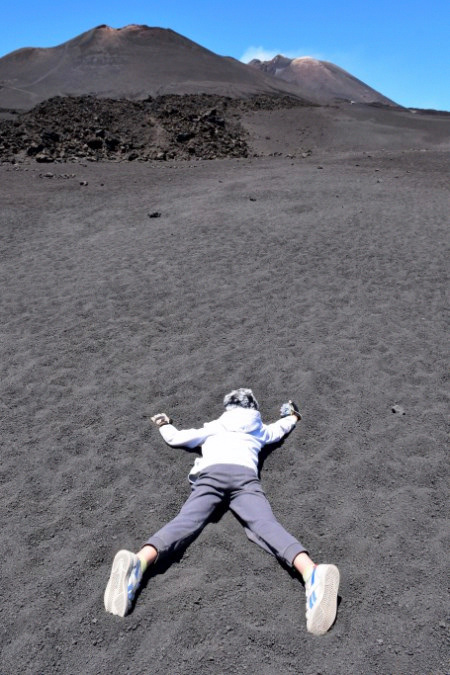


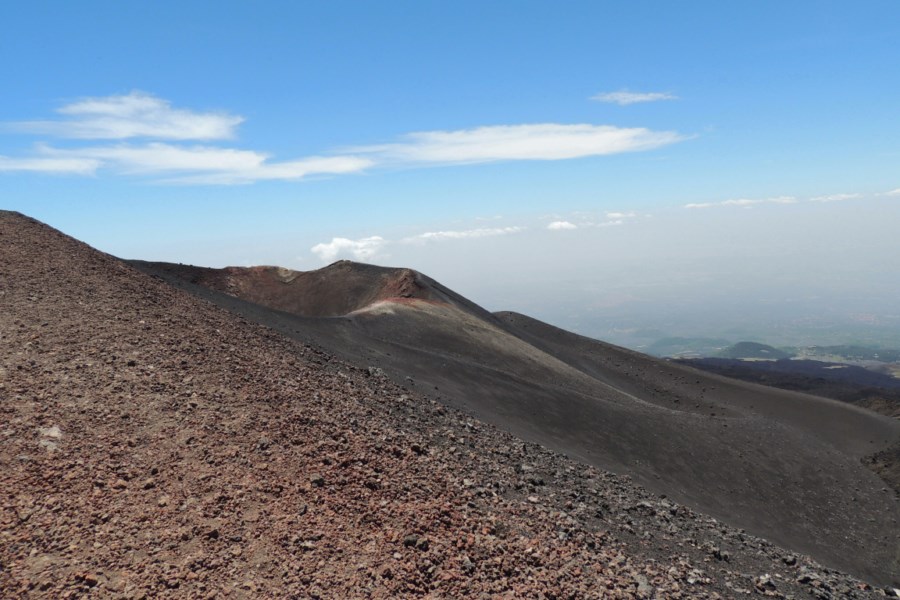


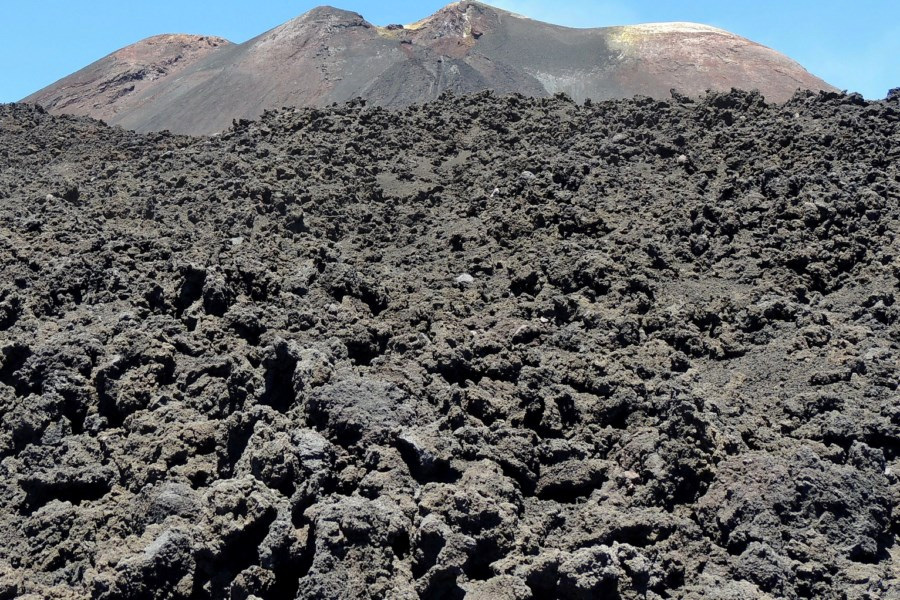
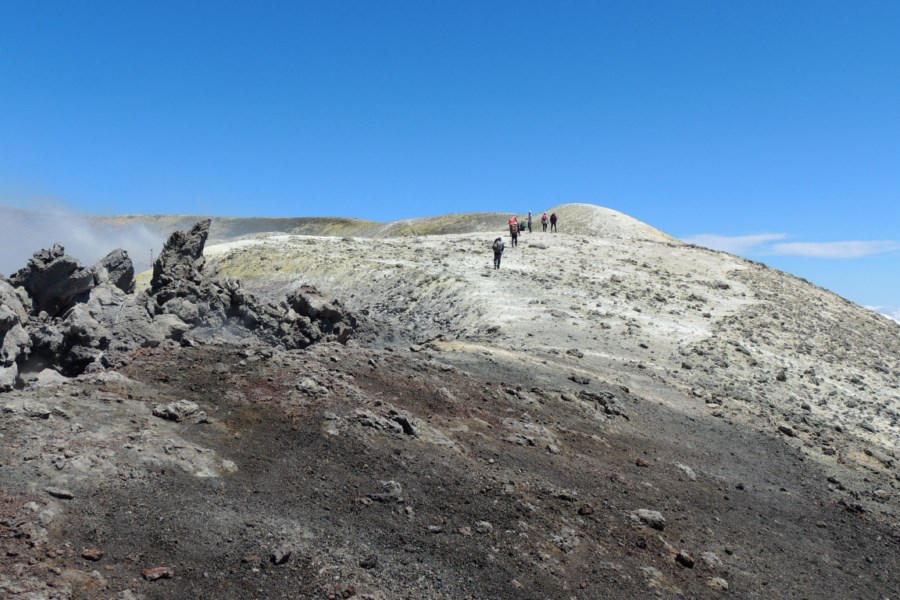


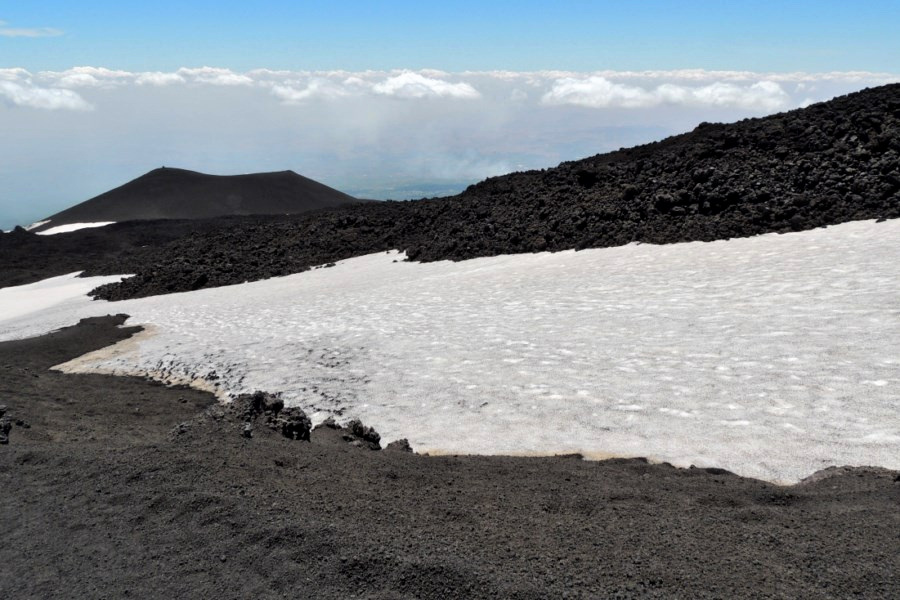
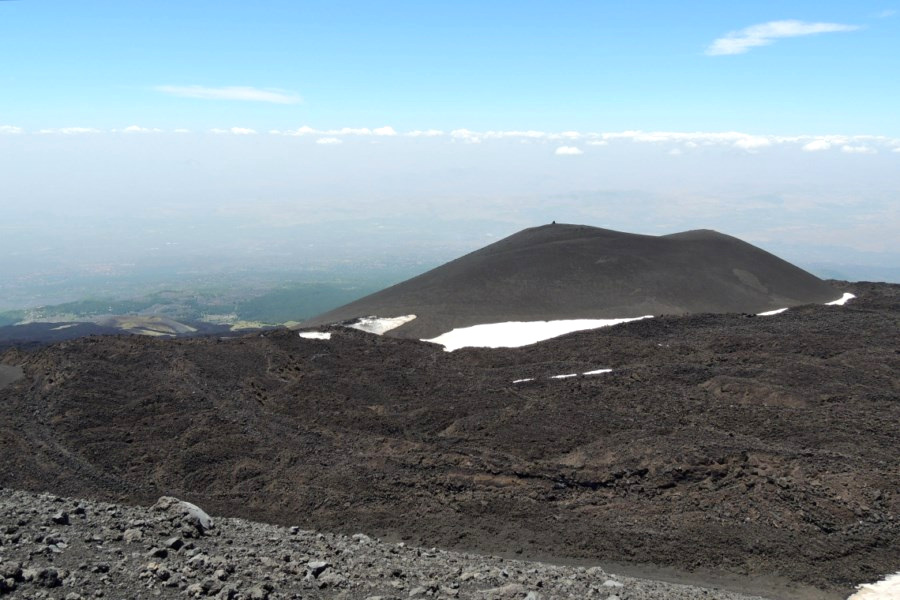


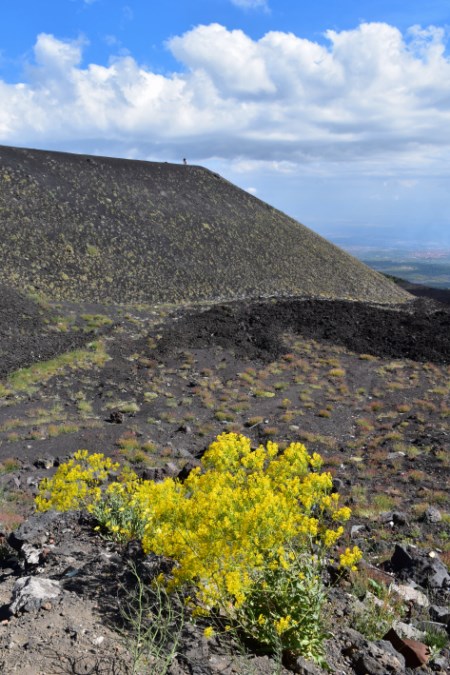


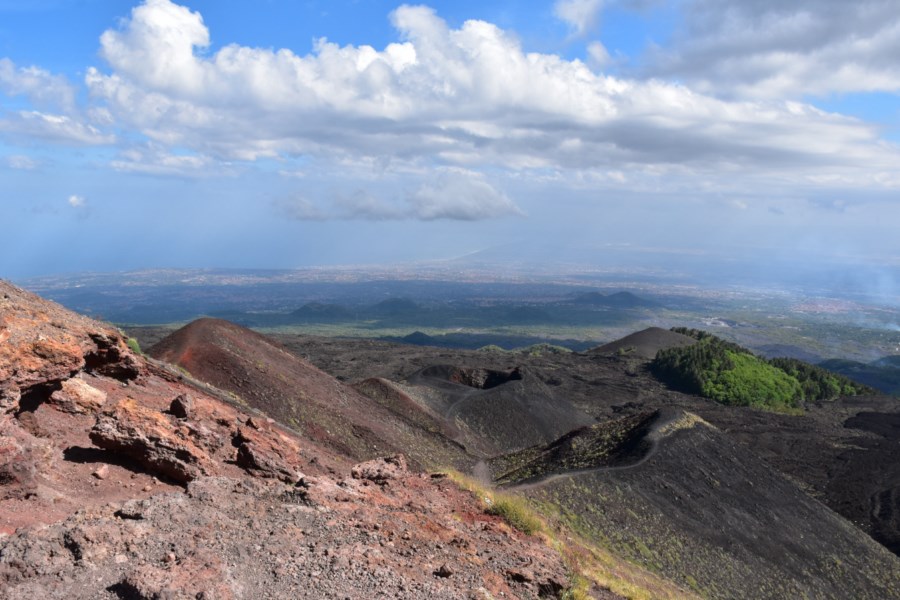
We reached the tourist base of Nicolosi by car and then took the cable car to the Funivia terminal. From there, a truck took Marta to the Torre del Filosofo plateau , from where it set off on foot to the crater. I had to stay with Julek, but this is a good excuse, because I certainly would not be able to reach the top of mount Etna. So we wandered around the area, admiring the picturesque views that were not lacking around.
Catania and Taormina

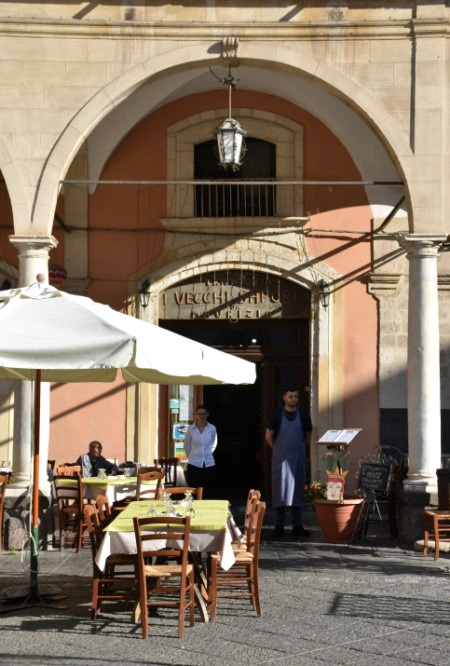
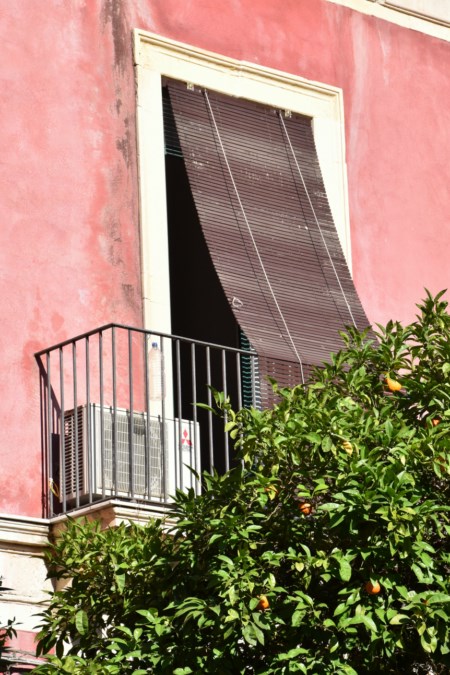

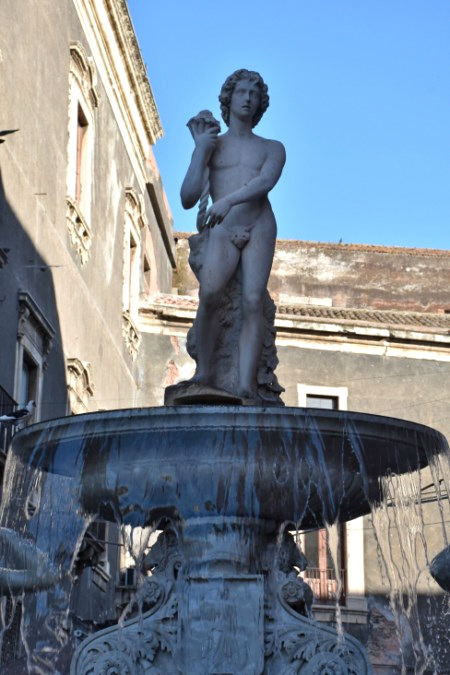
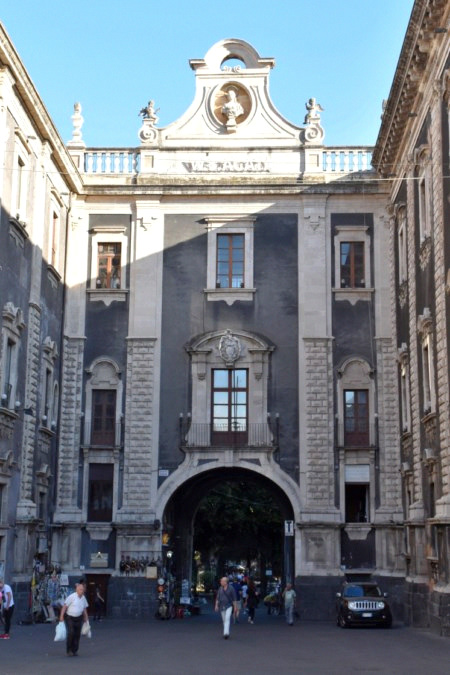
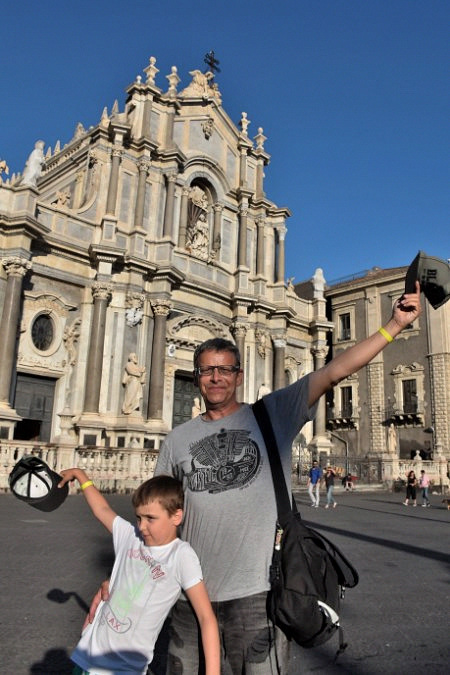


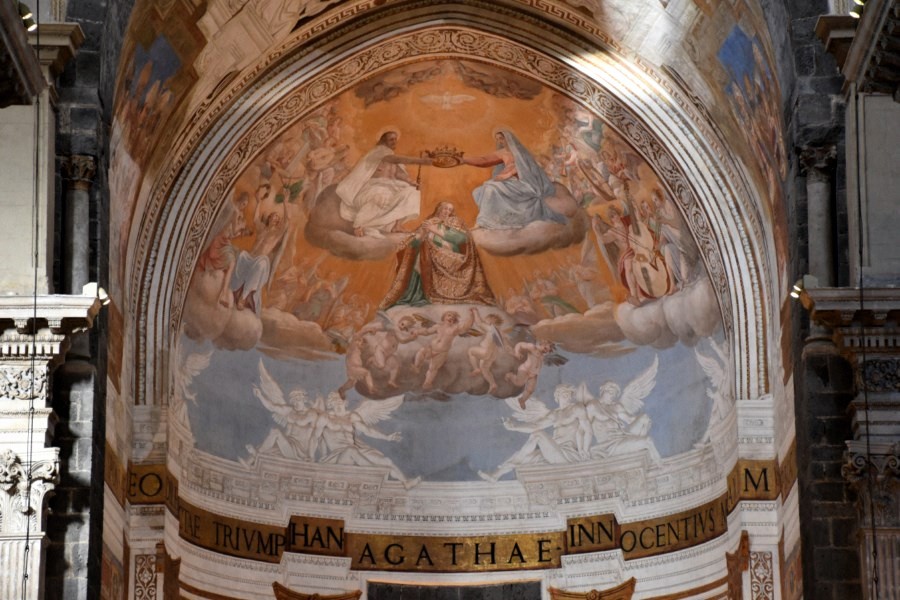


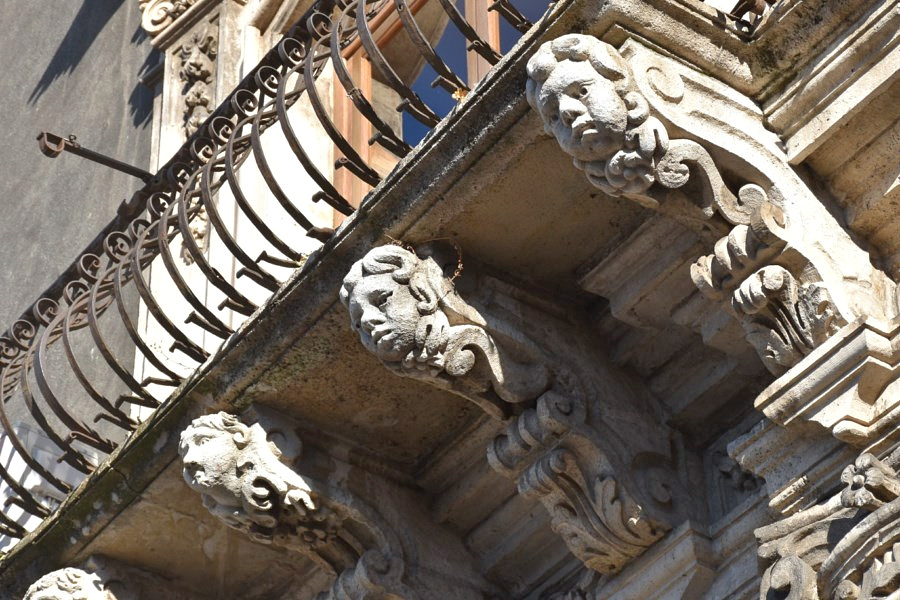
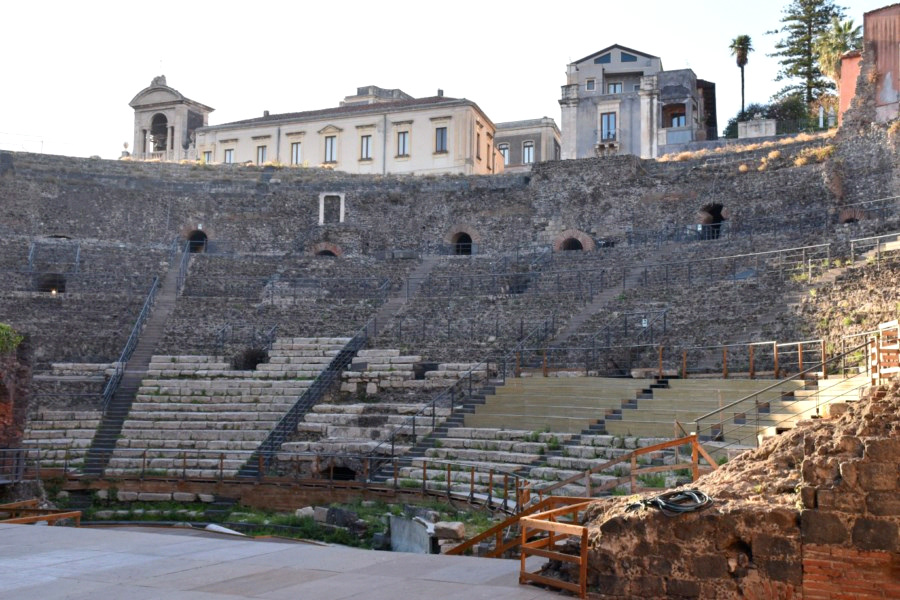
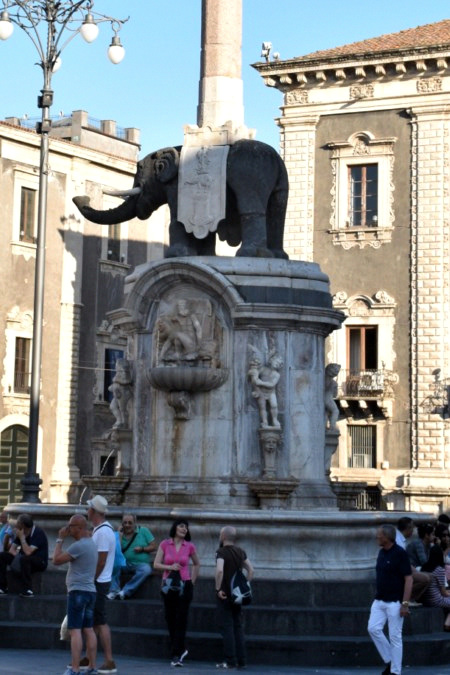


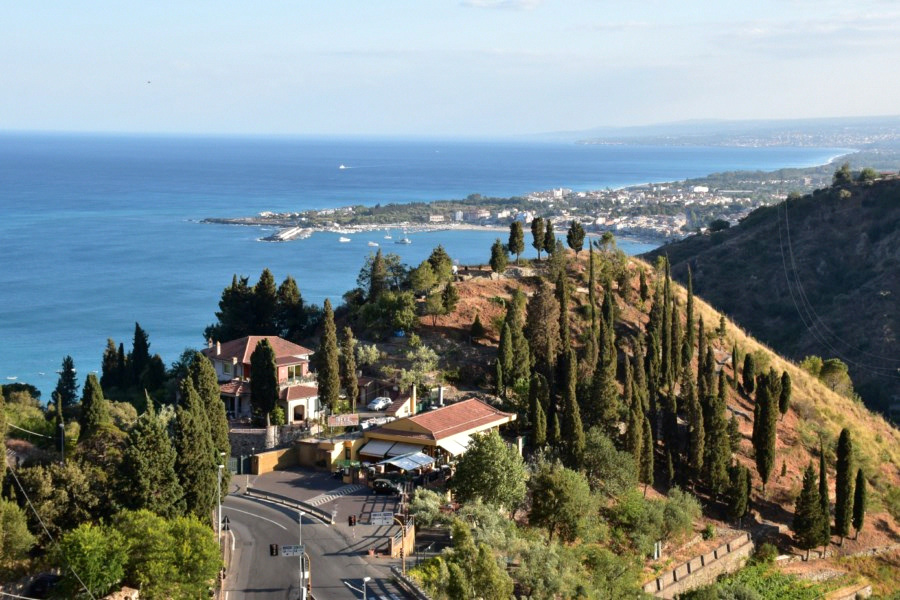
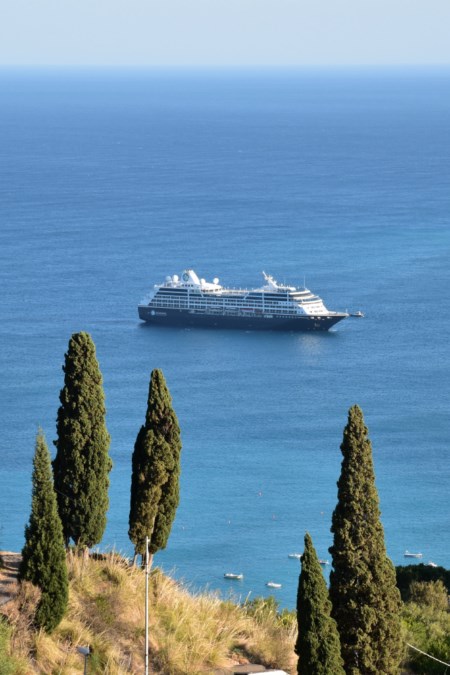

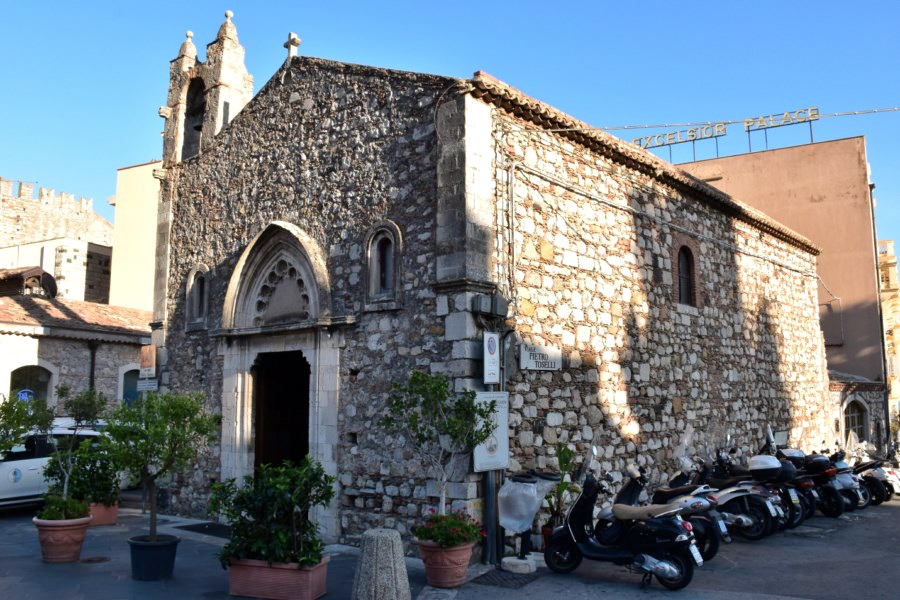
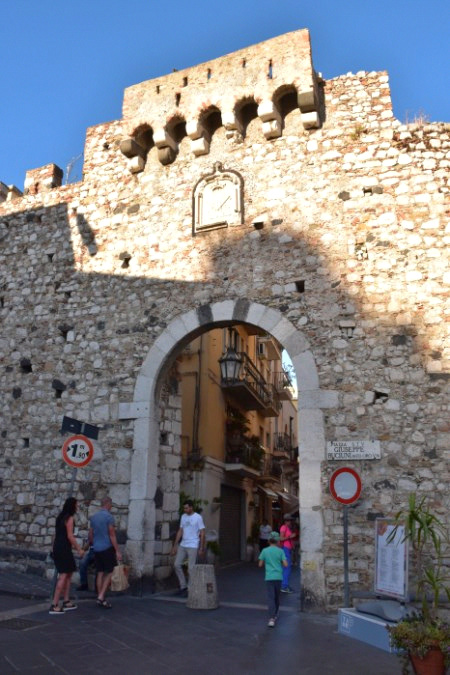
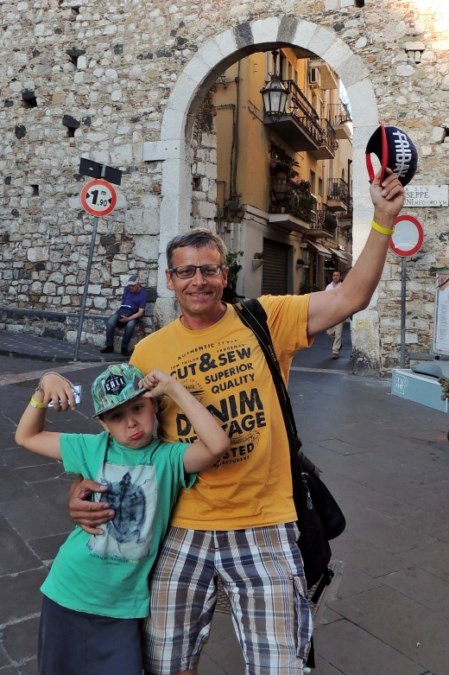


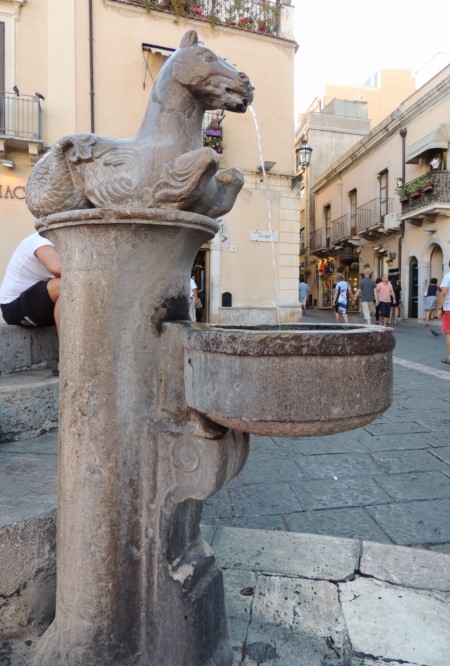
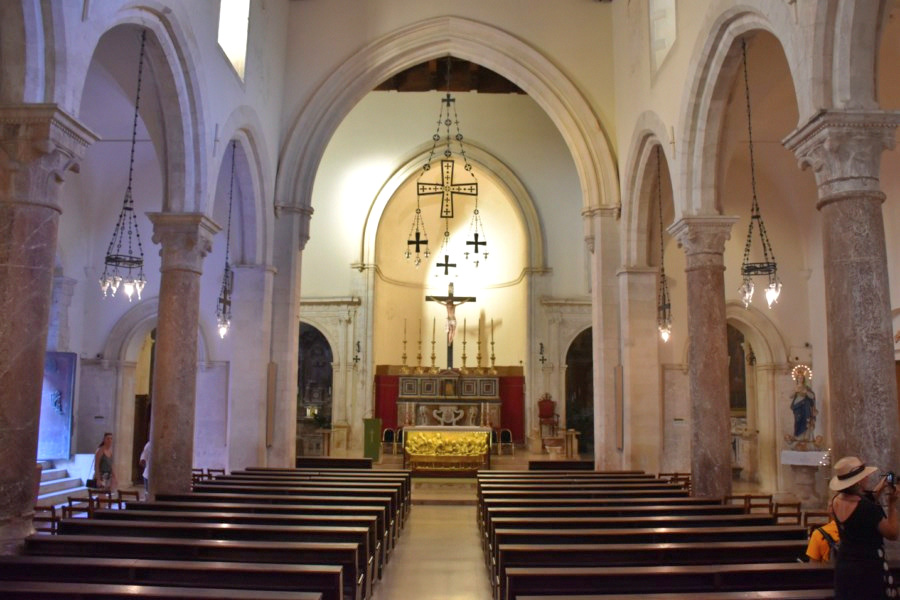
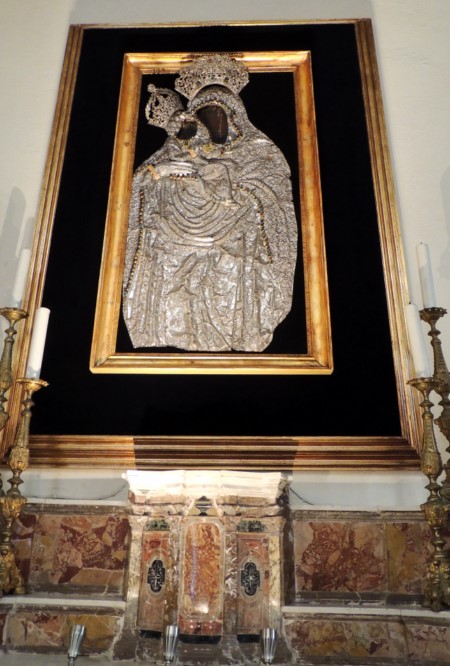


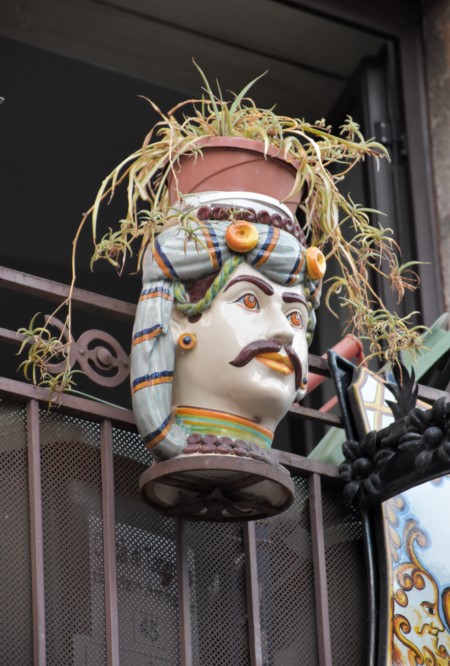
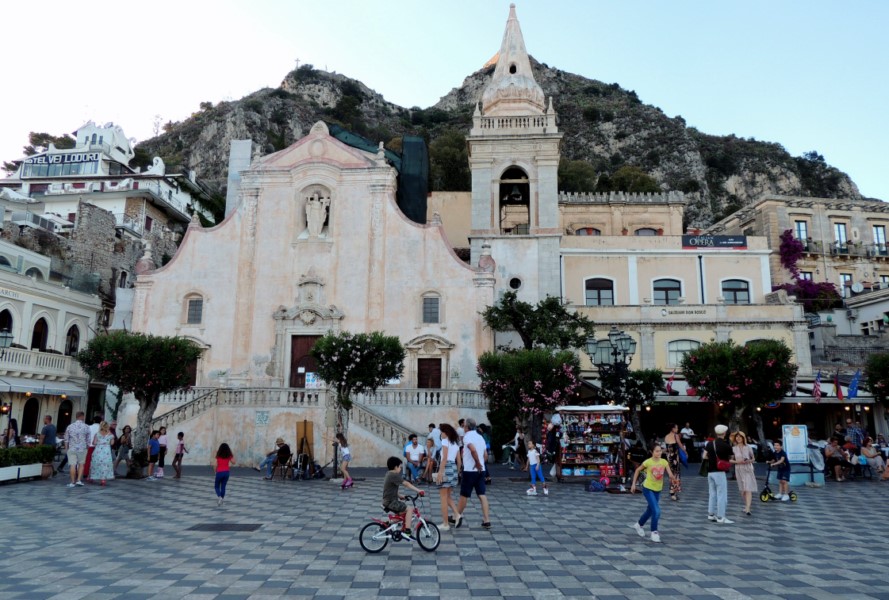


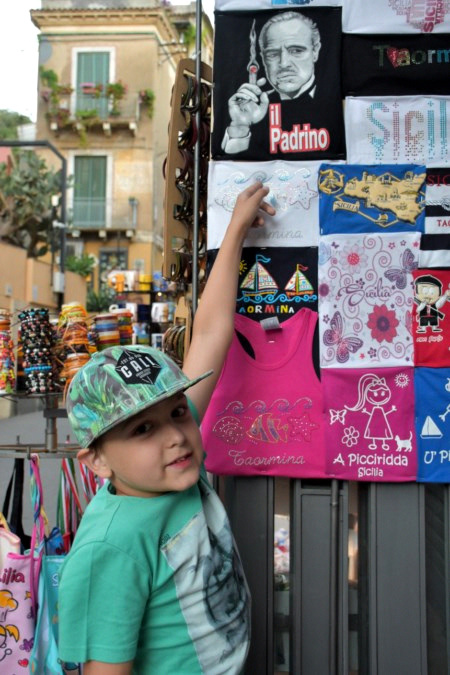


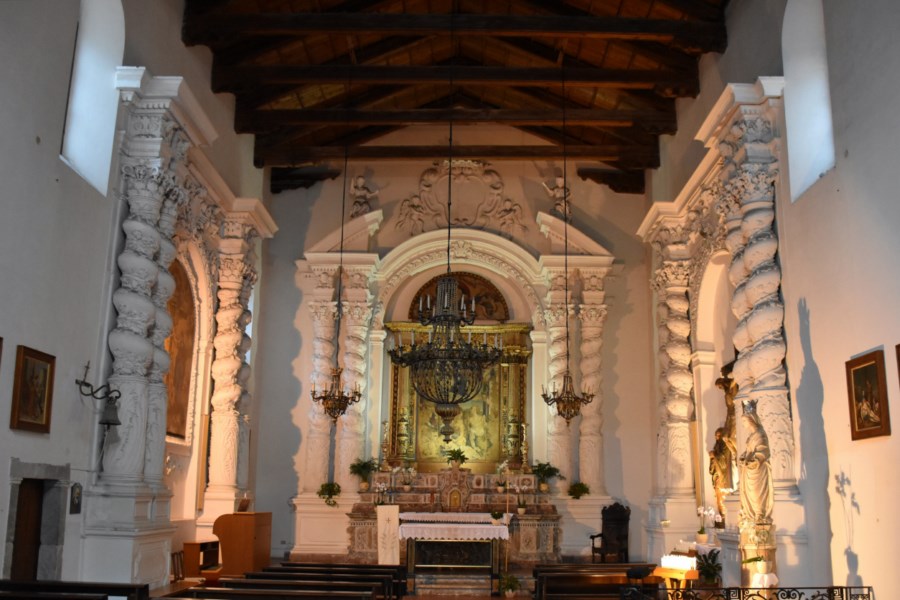


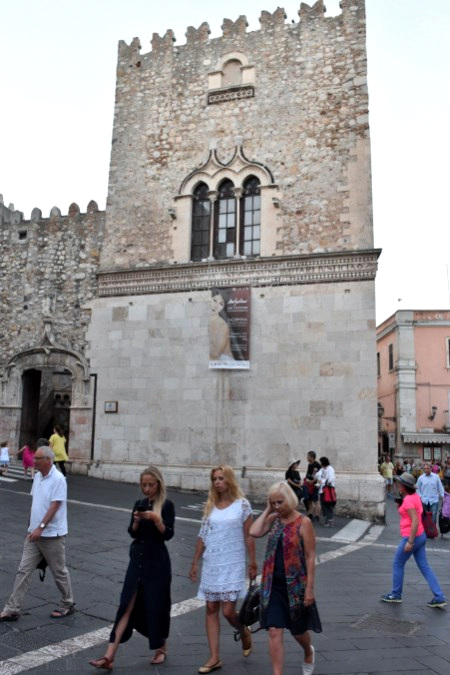


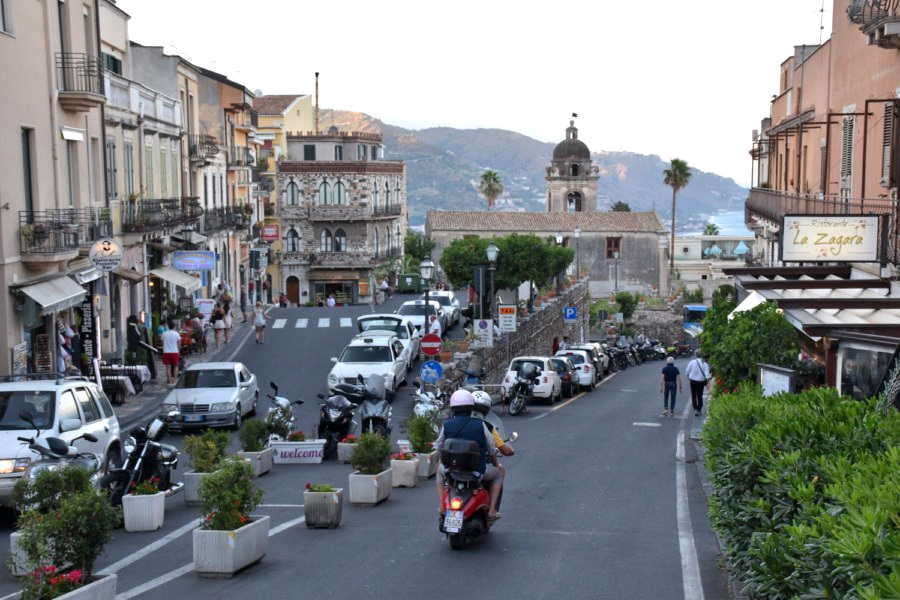
We visited Catania and Taormina during our return from day trips, in the late afternoon. So we had definitely too little time to visit, and what's worse, most of the attractive places were already closed. It is for this reason that we did not see the ancient Greek theater for which this place is famous. Despite these inconveniences, the particularly picturesque Taormina made an electrifying impression on us.
Syracuse

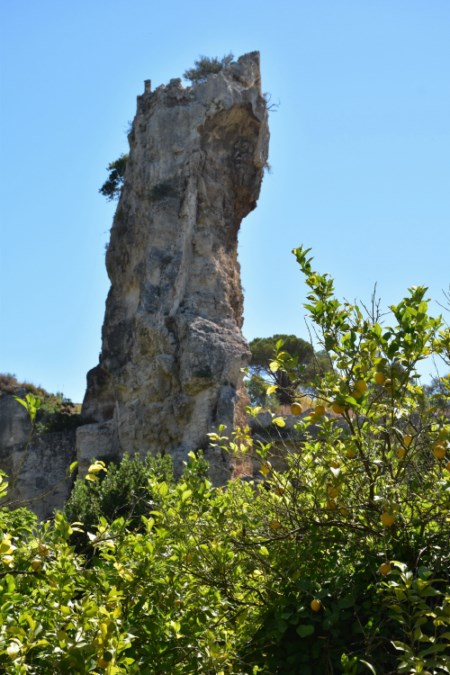
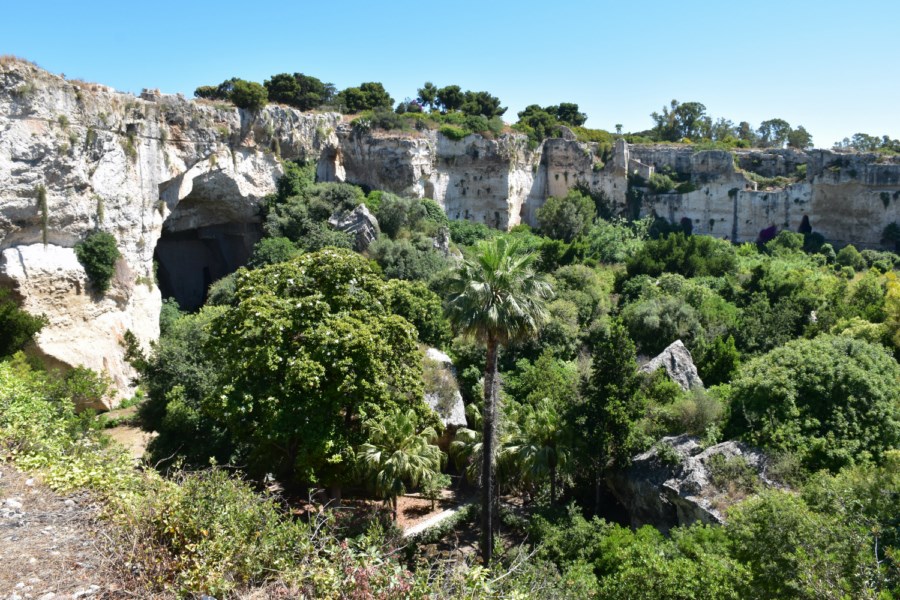



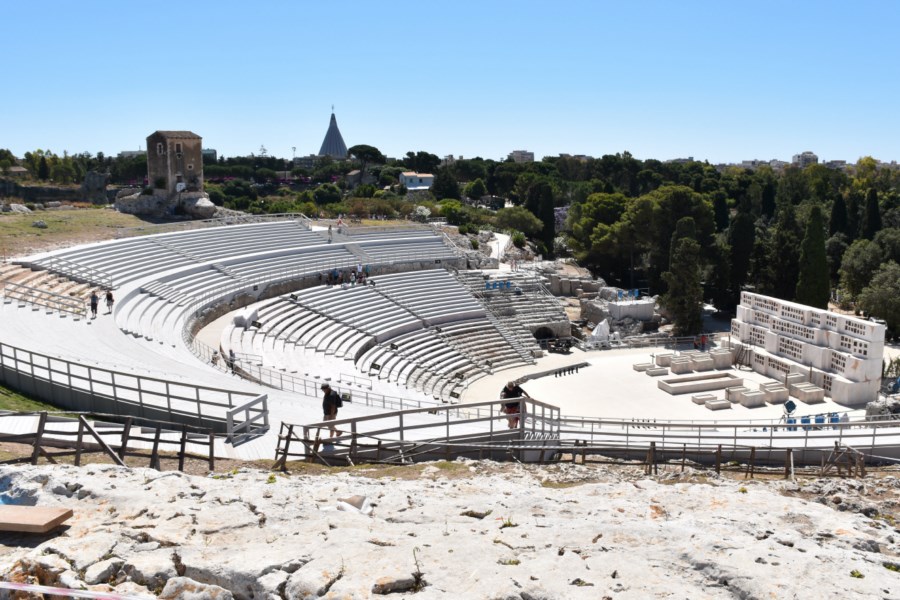


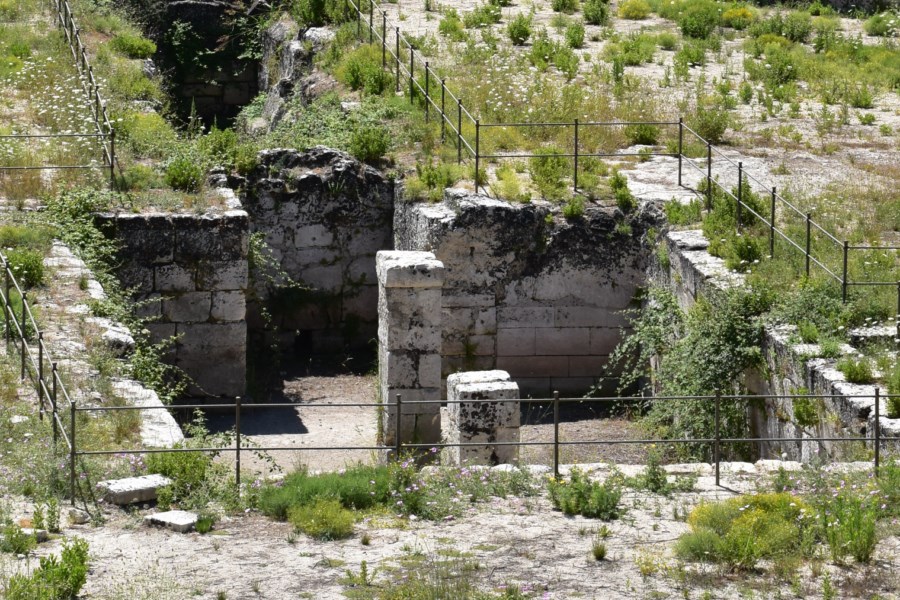
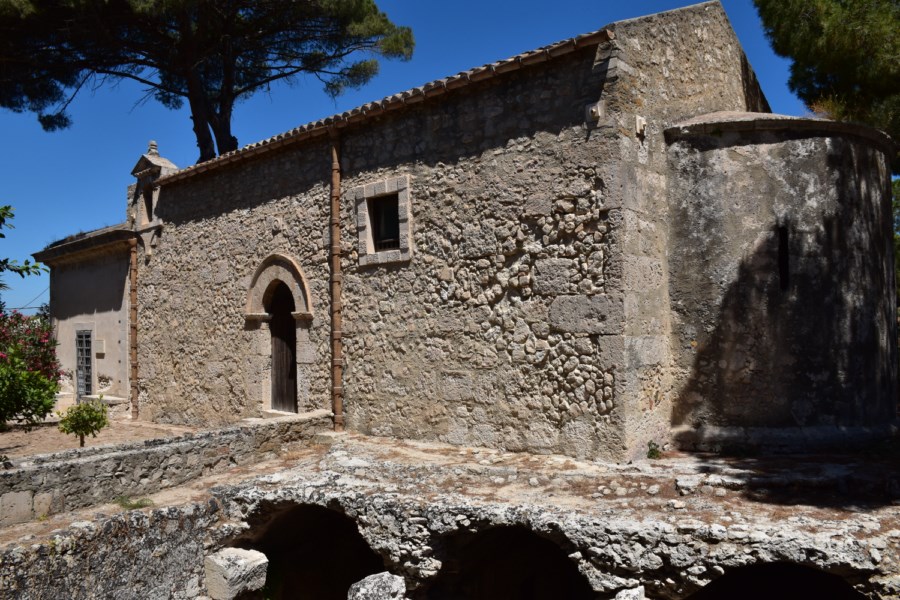

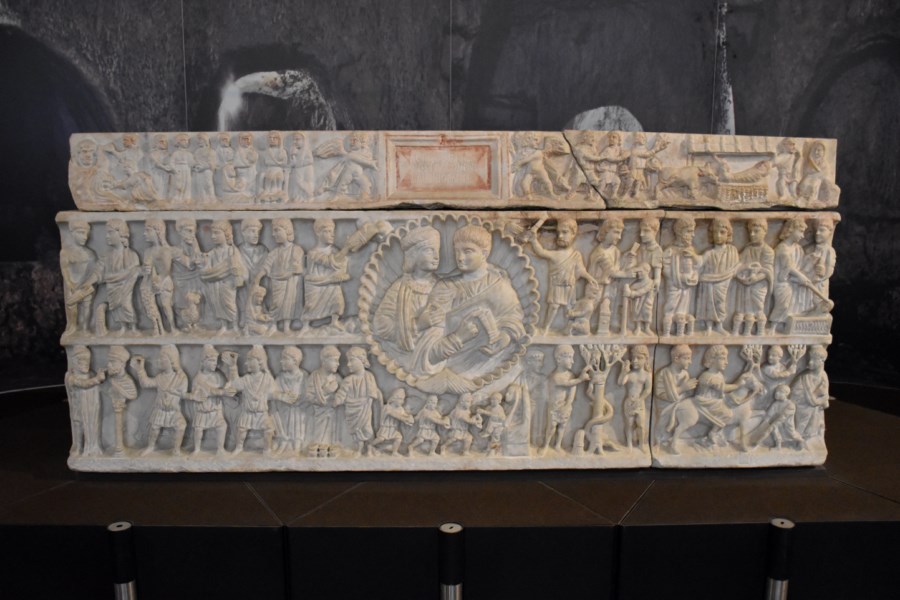


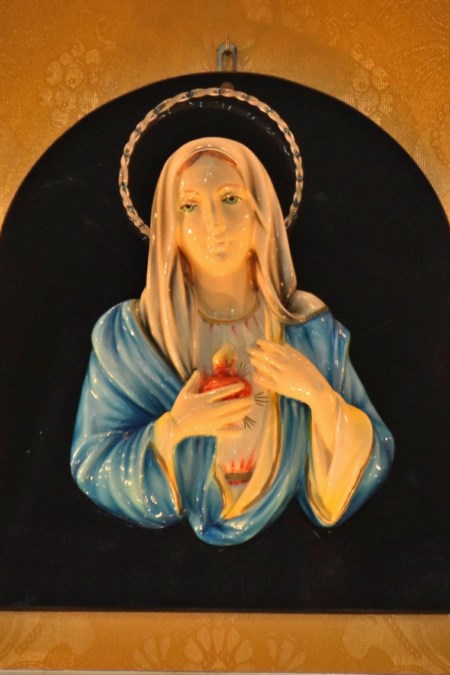


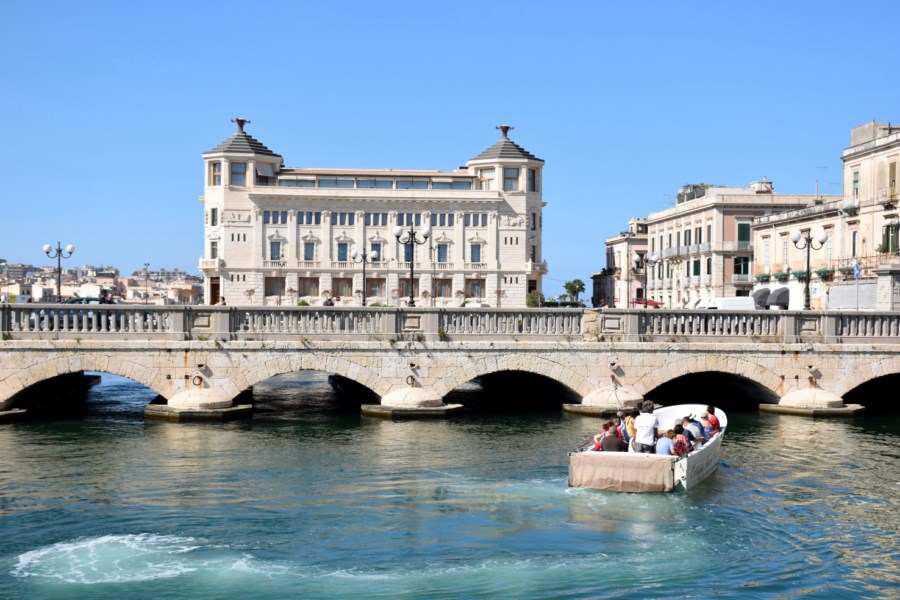
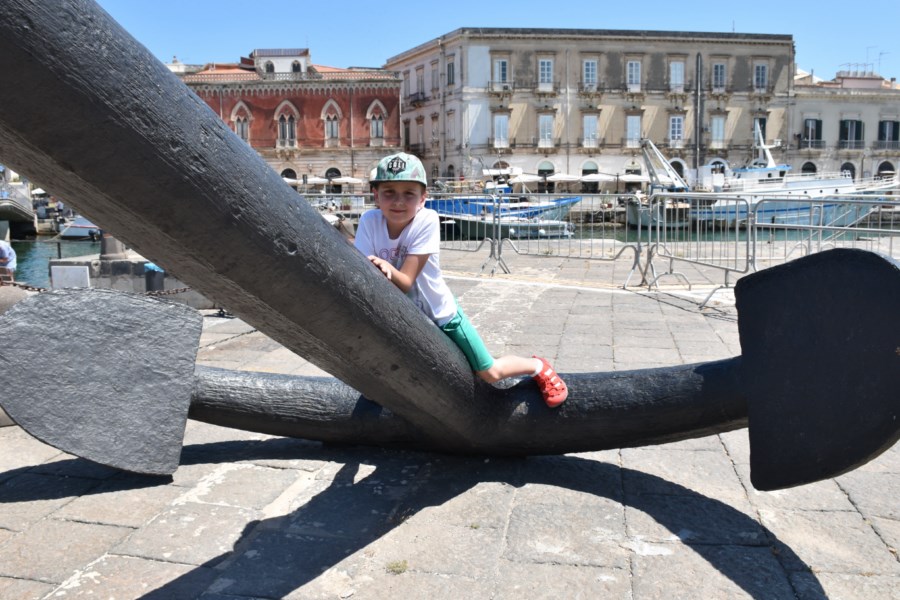
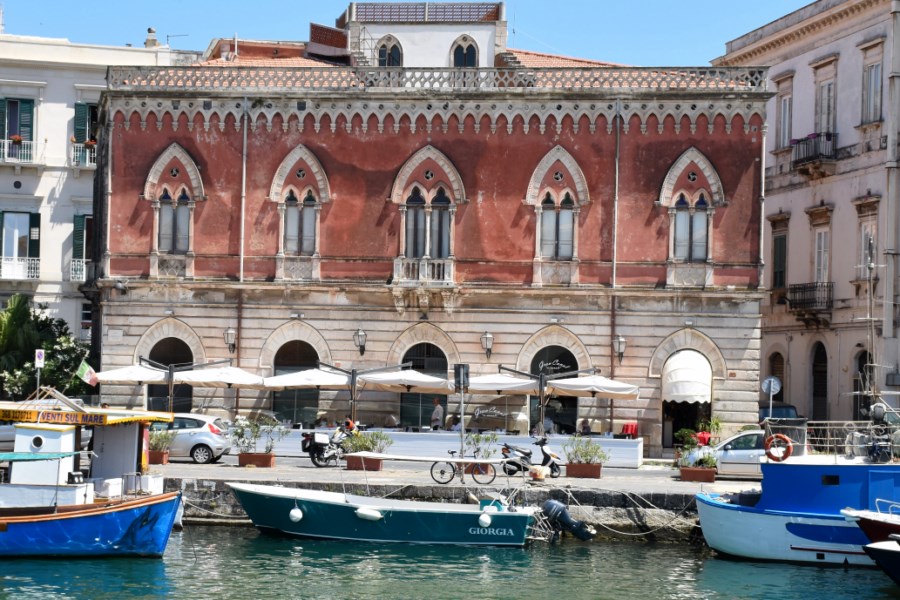
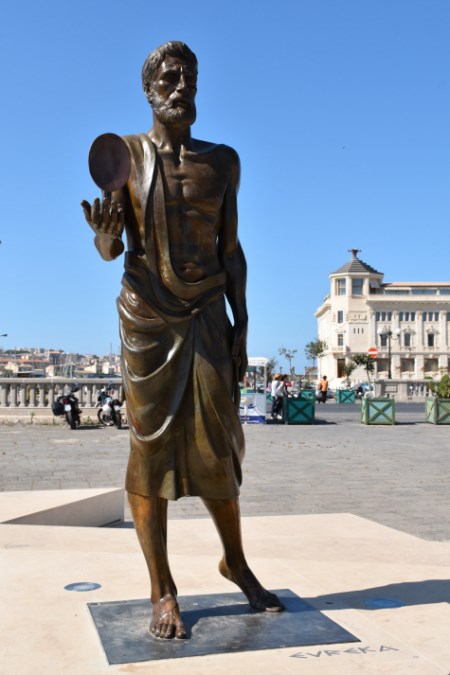
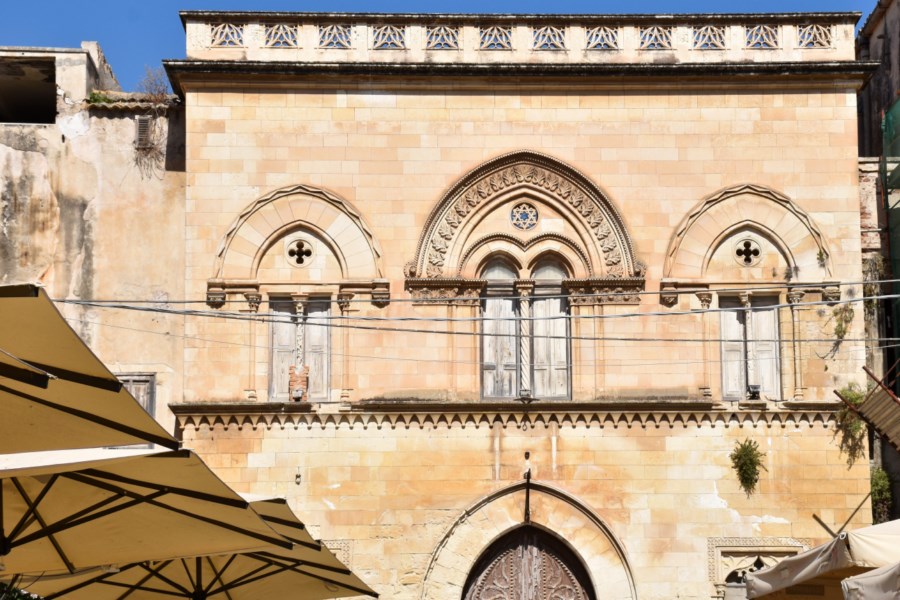


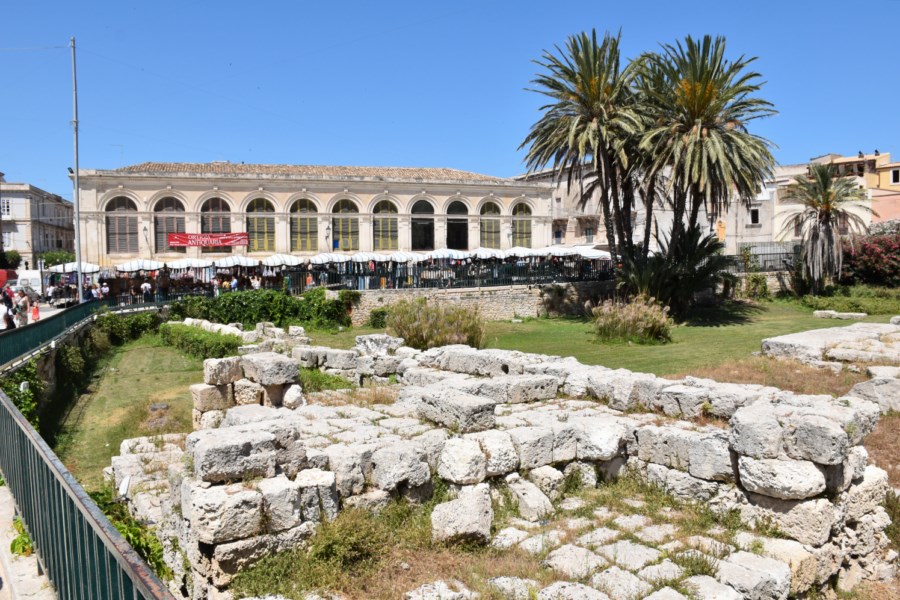

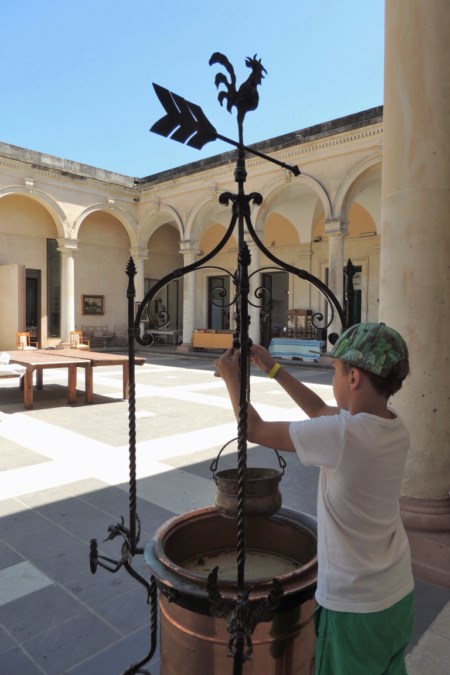


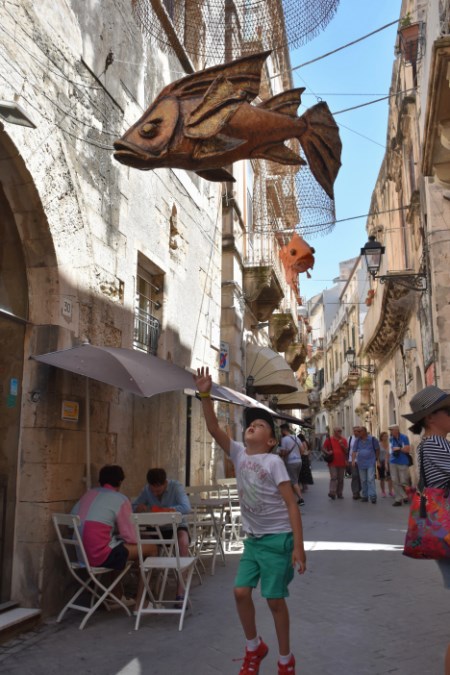
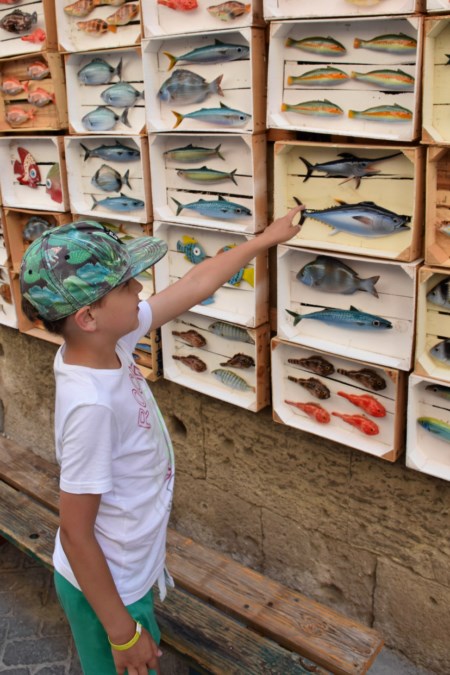


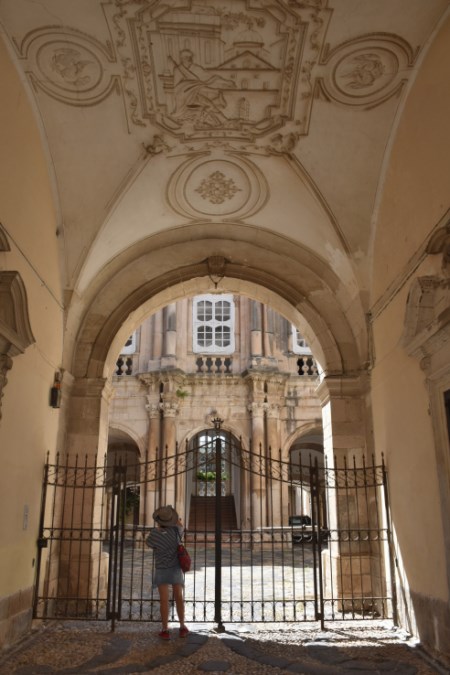
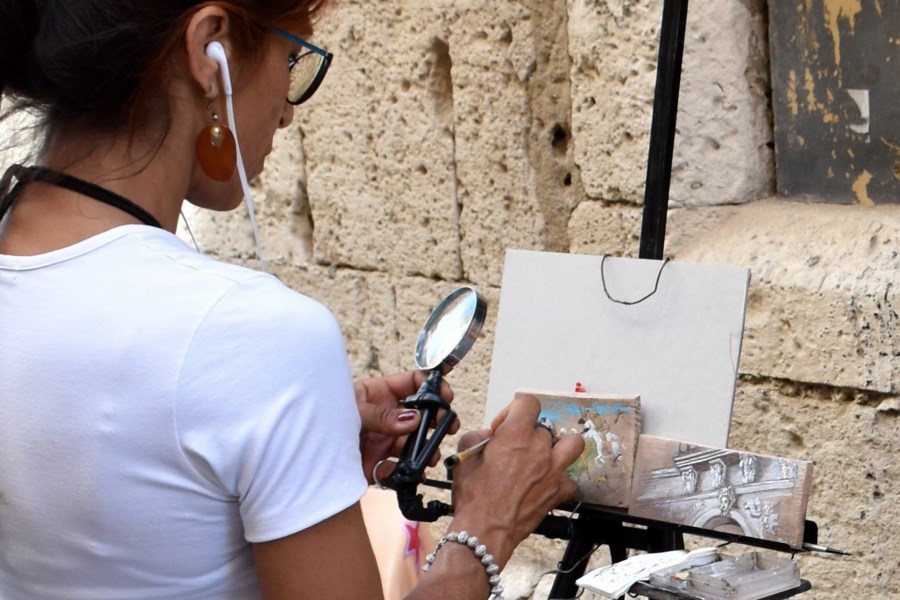
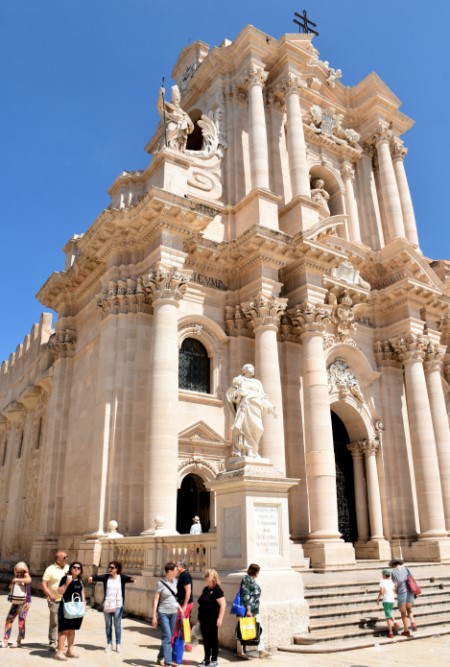


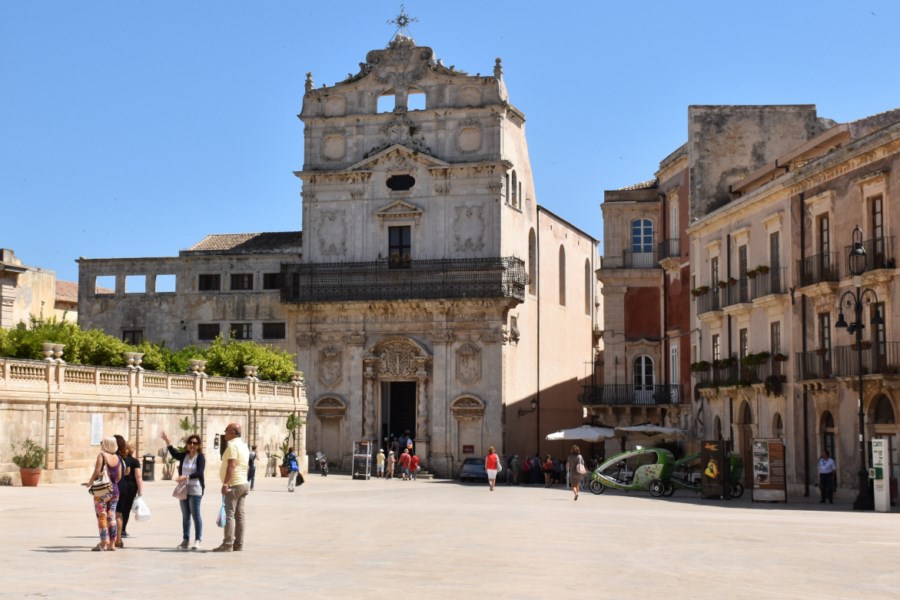
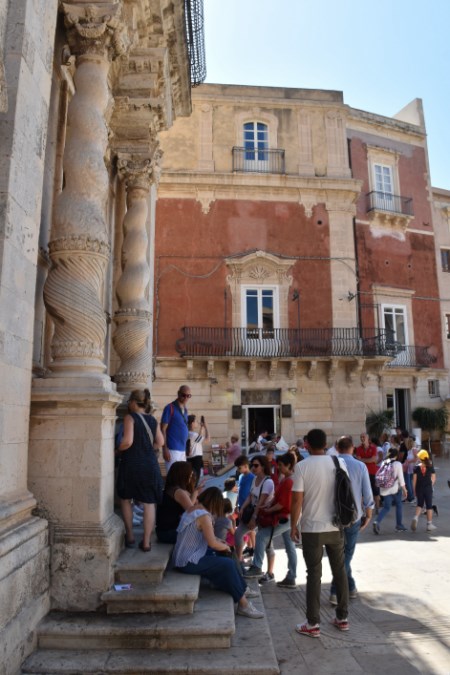
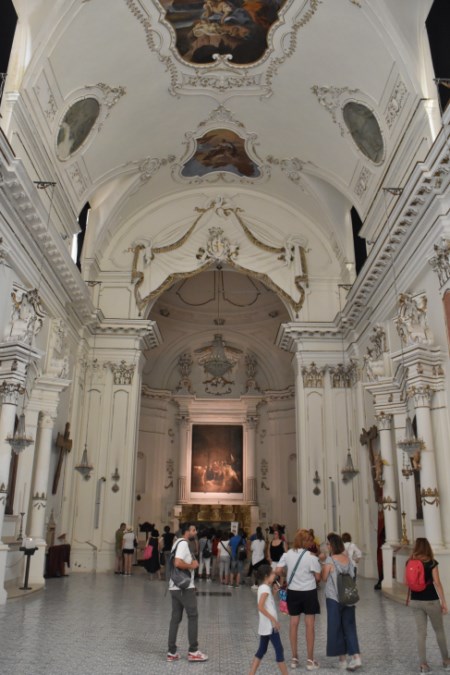
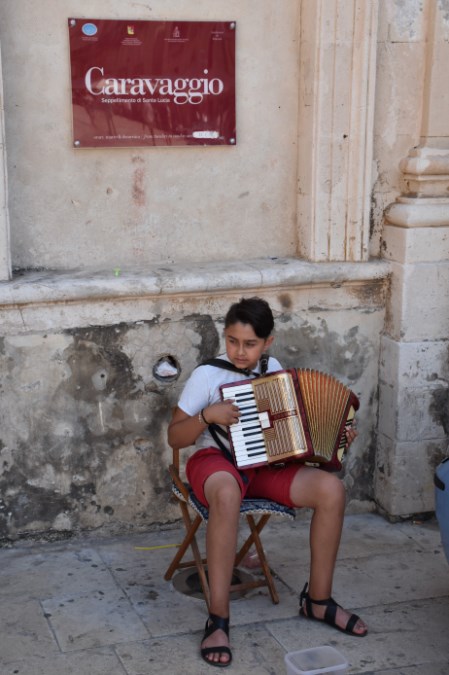



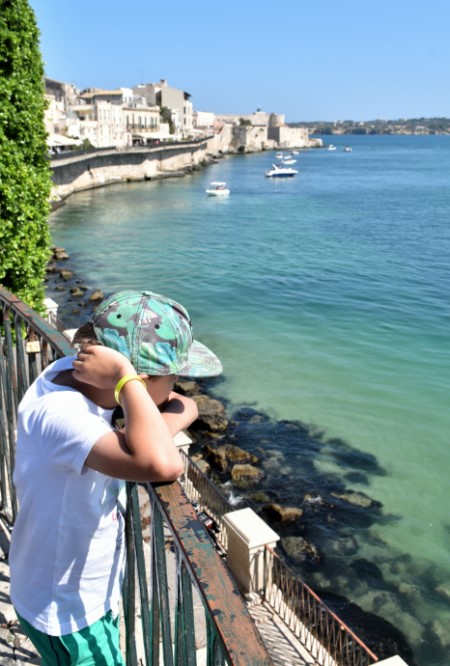
Syracuse has been included in the Unesco World Heritage List for a reason. This ancient colony of Greek Dorians, founded in the 8th century BC, still captivates with the picturesque location and the magnificence of monuments from Greek and Roman times. However, the quarries with the famous Ear of Dionysius made the biggest impression on us. The island of Ortygia, with its magnificent cathedral built on top of the temple of Athena, turned out to be equally attractive.

My favorite photos


