MYVOYAGES

Passion for exploring and photography

A TRIP ROUTE

Romania - the route of the trip


INTERESTING STORIES

When German and Soviet forces attacked Poland in September 1939, Romania accepted approximately 100,000 Polish military and civilian refugees. Although the Polish authorities were interned by the Romanians, no Poles were extradited to the Germans, despite intense pressure from Berlin. On September 17th, the Polish authorities, before crossing the Romanian border in Zaleszczyki, released the Kingdom of Romania from its obligation to provide armed assistance in the event of Russian aggression. It was only thanks to the Romanian authorities' stance that the evacuation of 80 tons of Polish gold from the National Bank of Poland was successful. Despite enormous pressure from both Germany and the Soviet Union, the Romanians agreed to the transfer of Polish assets through their territory. After crossing the country, the Polish gold was loaded onto a ship in the Romanian port of Constanța, from where it continued its journey to the West. At the request of the Polish authorities, approximately 4 tons of Polish gold remained in Romania as part of the aid granted to Polish refugees. When Romania defected to the Allies in 1944, government officials hid the national gold and Polish valuables from the Germans. The treasures survived the rest of the war in a Carpathian cave and were returned to Warsaw in 1947. (source: www.chwalazapomniana.pl)

Zaleszczyki road after evacuation of Polish government to Romania in 1939 (www.faktopedia.pl)


IT IS WORTH KNOWING

The sleepy town of Babadag in Romanian Dobruja lent its name to Andrzej Stasiuk's book "Going to Babadag." In his diary, published in 2004, the author recounts his travels through various countries of Central and Eastern Europe, creating a map full of forgotten and seemingly unattractive places for tourists. Hitchhiking, on foot, or by train, he describes the countryside, impoverished villages, and deserted landscapes where time seems to stand still. During his journeys, he delves into the lives of simple people: workers, farmers, and bluebirds. In Romania, he observes the contrast between traditional rituals and the contemporary decay of society. During his travels, the author visits places rife with poverty, such as the titular Romanian Babadag, forgotten villages in Albania, and Hungarian-Slovak Roma settlements. He describes them as spaces where time stands still, and the inhabitants' lives proceed according to tradition. The past blends with the present, and modern elements seem dilapidated and marked by decay. (source: www.poezja.org)
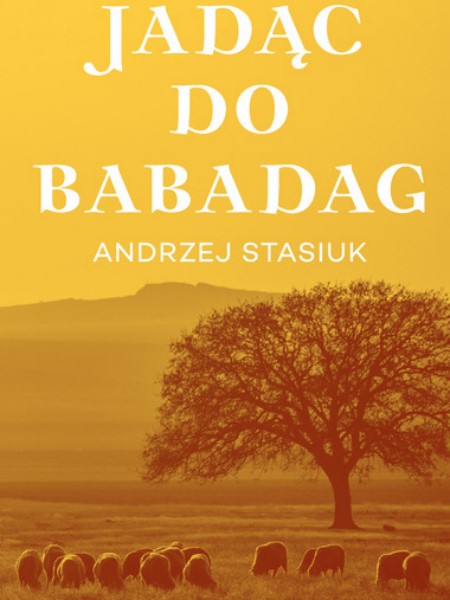
Andrzej Stasiuk - `Going to Babadag`


UNIQUE VISITORS

Romania - Dobruja, Bucharest

July 2025

Danube Delta

My previous stay in Romania was very successful, and even then I decided I absolutely had to return. Rumunia is a large country, incredibly diverse in terms of terrain, history, and culture. It delights with impressive mountains, pristine nature, Europe's largest biosphere reserve, and the sandy beaches of the Black Sea.

The idea to visit the Danube Delta arose in unusual circumstances. On my way home from a walk, I noticed a photography exhibition by Romanian artist Florin Andreescu titled "The Danube Delta - The Amazon of Europe" on the fence of the Public Library on Rajska Street. The beautiful, original photographs and descriptions of nature made such a huge impression on me that I decided to go there. I figured that since I hadn't been to the Amazon yet, I would at least see the "Amazon of Europe." The logistics of preparing the trip were quite complicated, but fortunately, everything turned out well.


Tulcea and surroundings
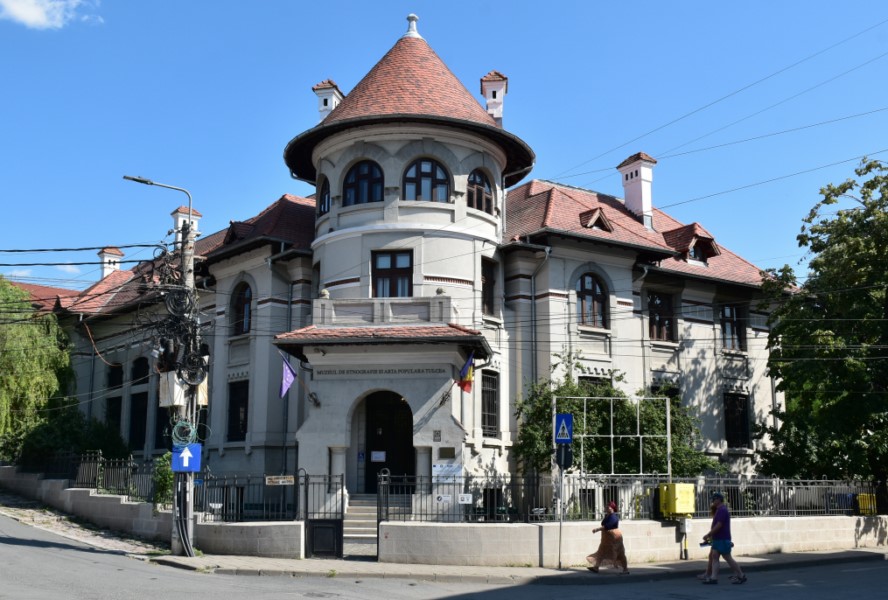

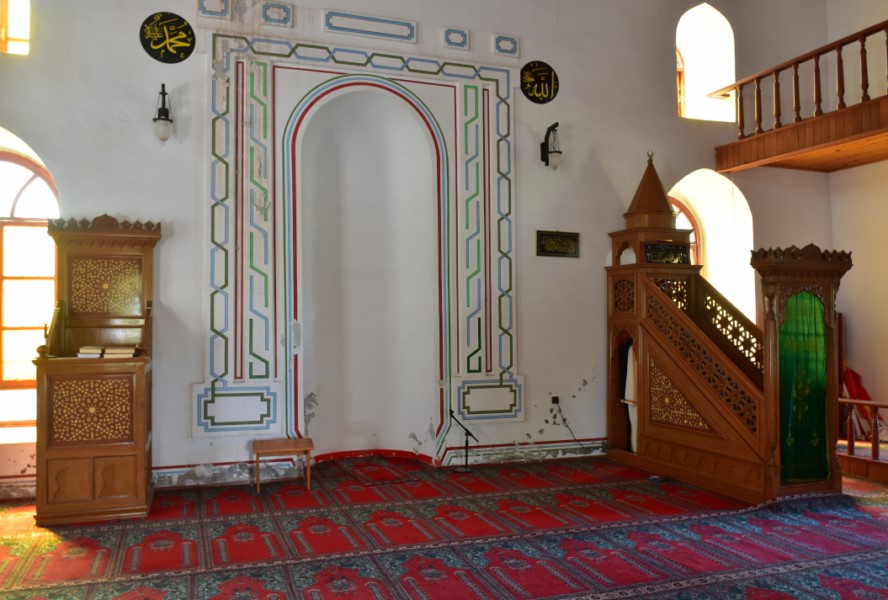
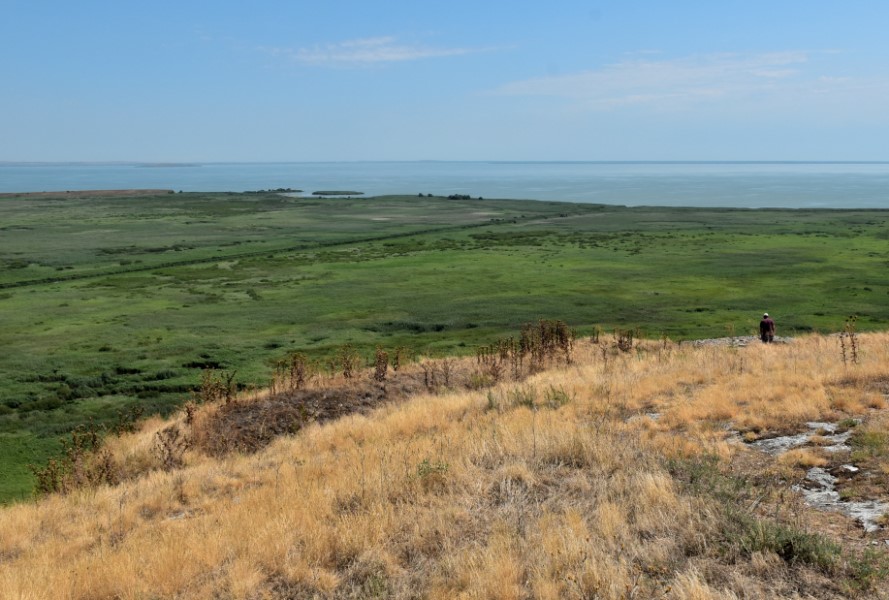
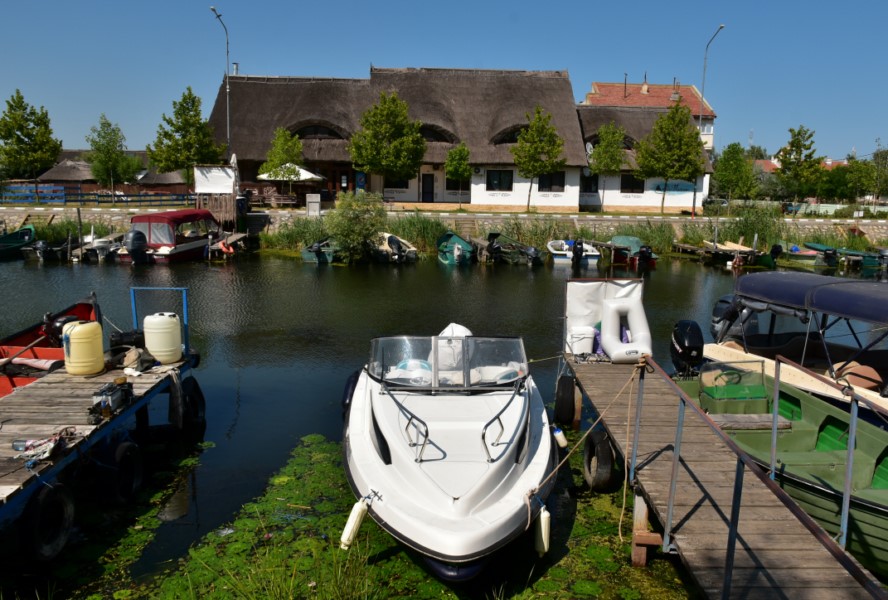
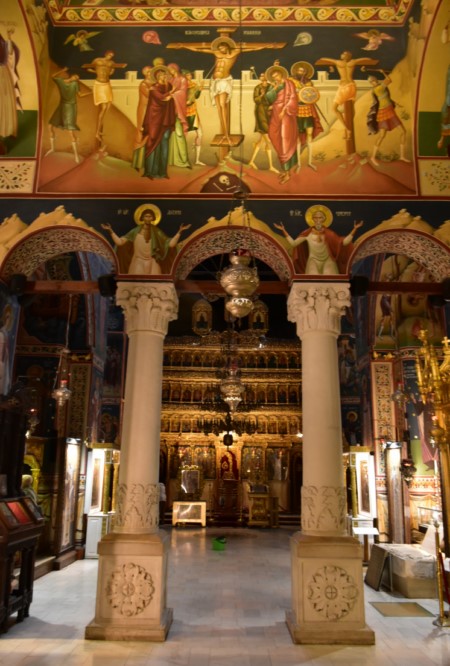
Babadag, Ali Pasha Mosque from the early 17th century Prayer hall Quran World Wars Heroes Monument On the way Souvenir photo Enisala, ruins of the medieval castle Castle courtyard Remnants of the gate tower Panorama of the surrounding area from the defensive walls Second line of fortifications, foundations of a triangular tower View of Lake Razelm, which was a bay of the Black Sea in the Middle Ages Tulcea, port harbor Waiting for the ferry Ferry to Tudor Vladimirescu Original art installation Ethnographic Museum in a building designed in the Romanian National Style St. Nicholas the Hierarch Cathedral in Tulcea from the 19th century Interior of the cathedral, iconostasis Blessing Original Spring Fountains fountain Mircea the Elder, Voivode of Wallachia (1358-1418) Aquarium at the Danube Delta Eco-Museum, starry sturgeon Danube, fishing boats Danube, sandy bank Impression

Tulcea turned out to be an excellent base for both the Danube Delta and nearby attractions. Since renting a car for a day proved impossible, I didn't manage to visit the Old Believer villages. However, I did reach the godforsaken town of Babadag, which featured in the title of Andrzej Stasiuk's famous book. I also had the opportunity to admire the ruins of the medieval fortress Enisala, picturesquely situated on a former bay of the Black Sea.


Danube Delta
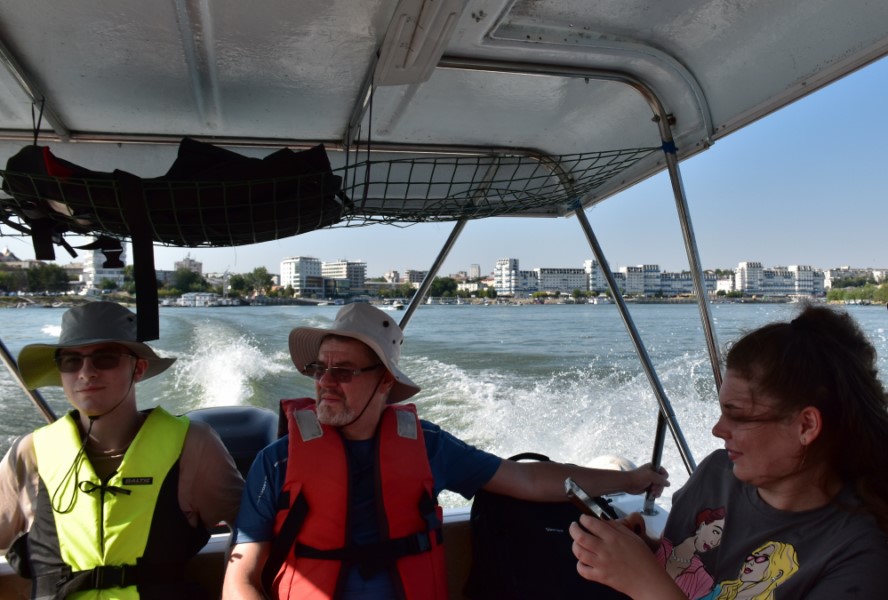

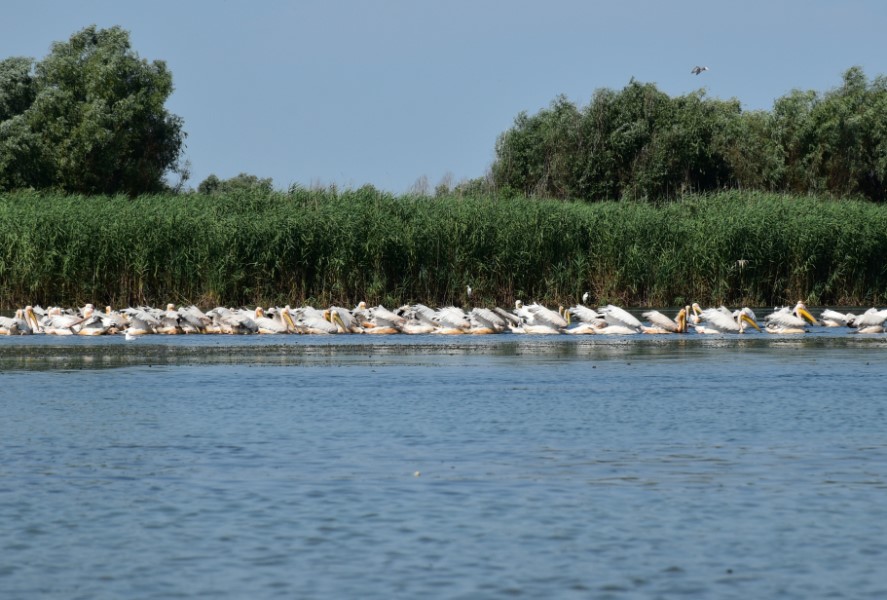
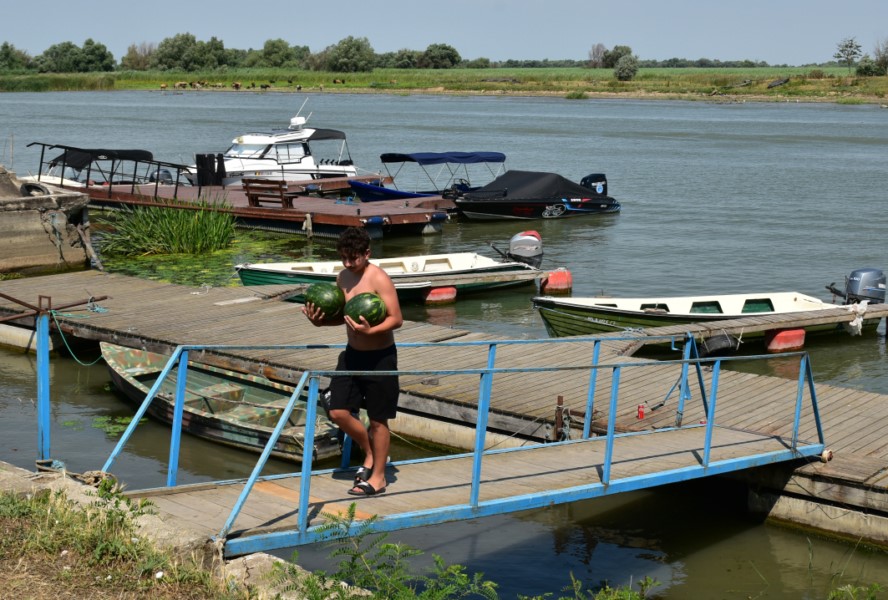
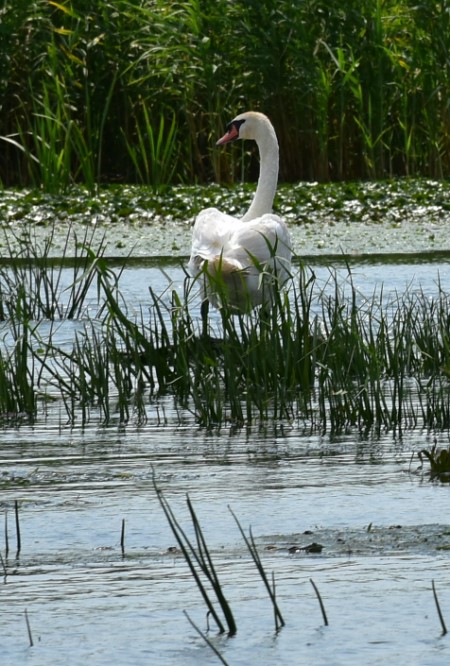
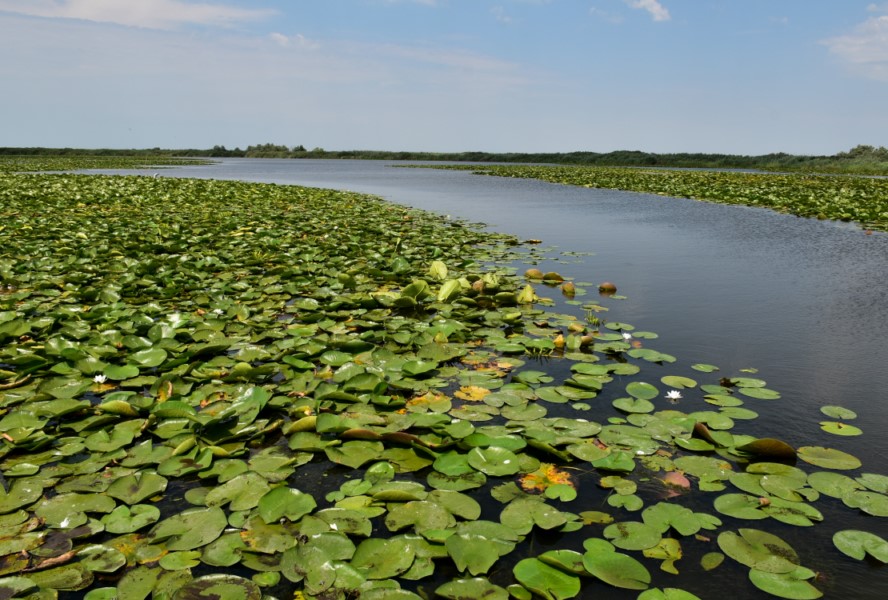
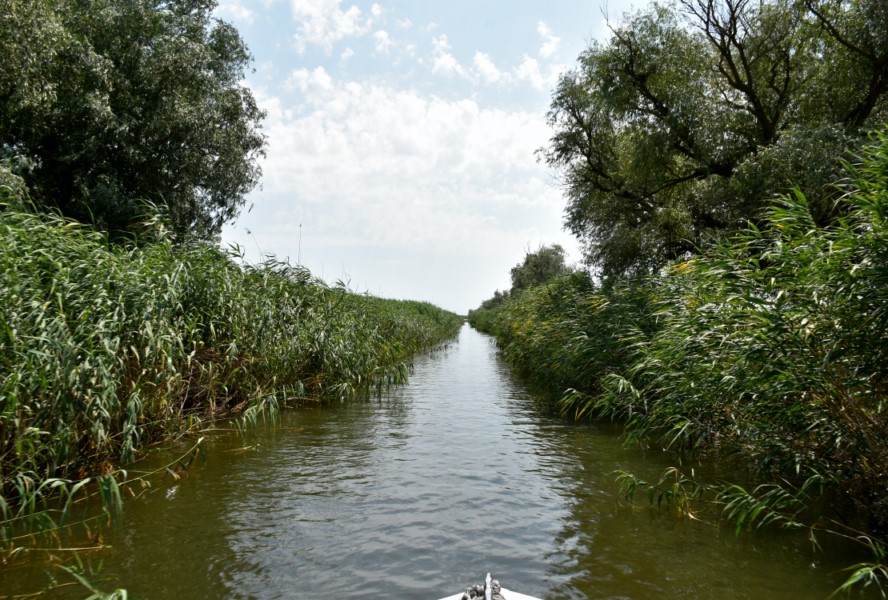
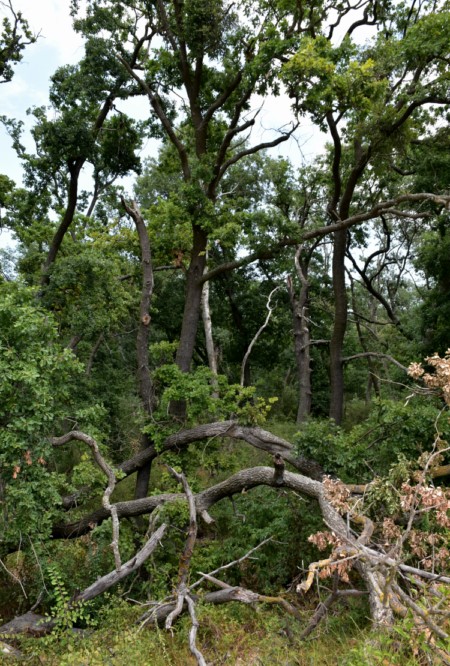
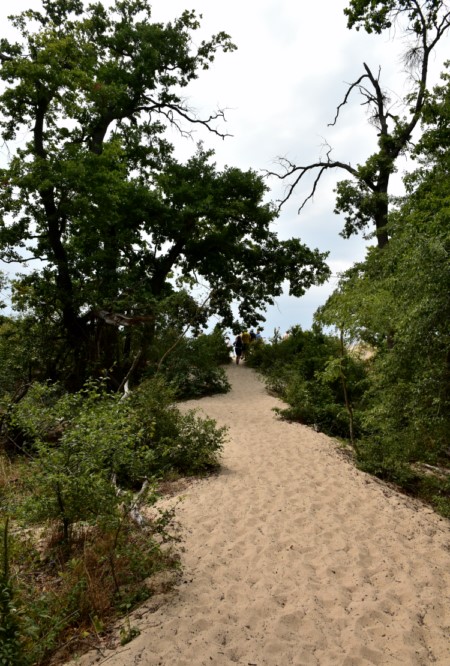
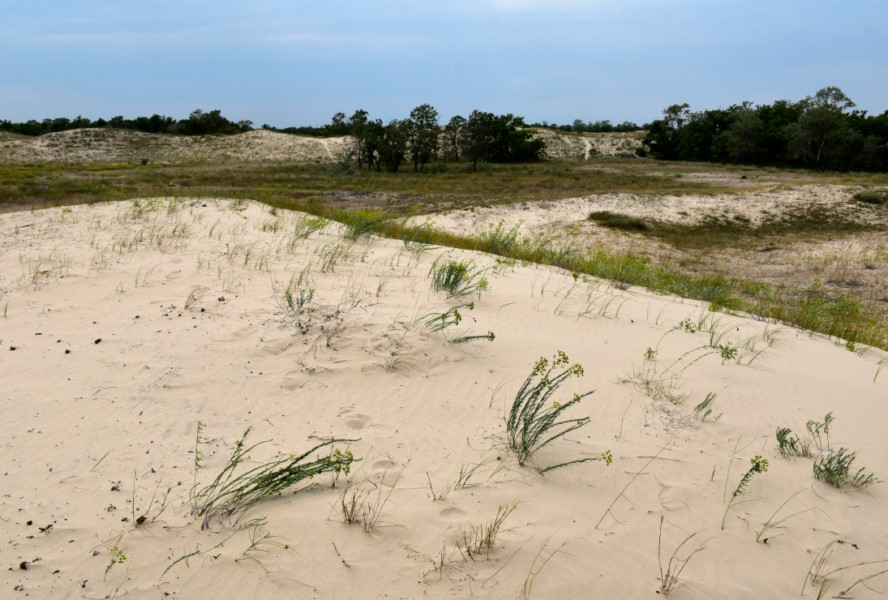
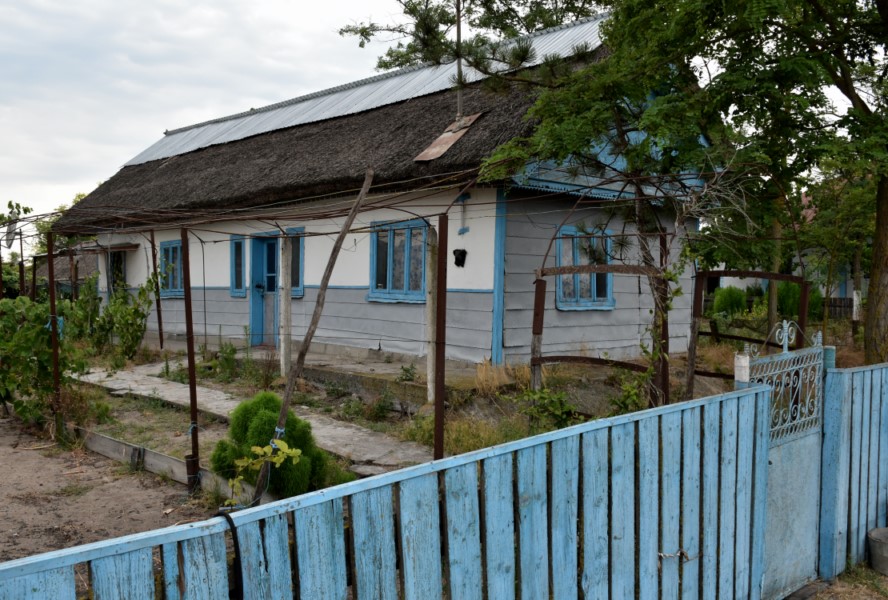
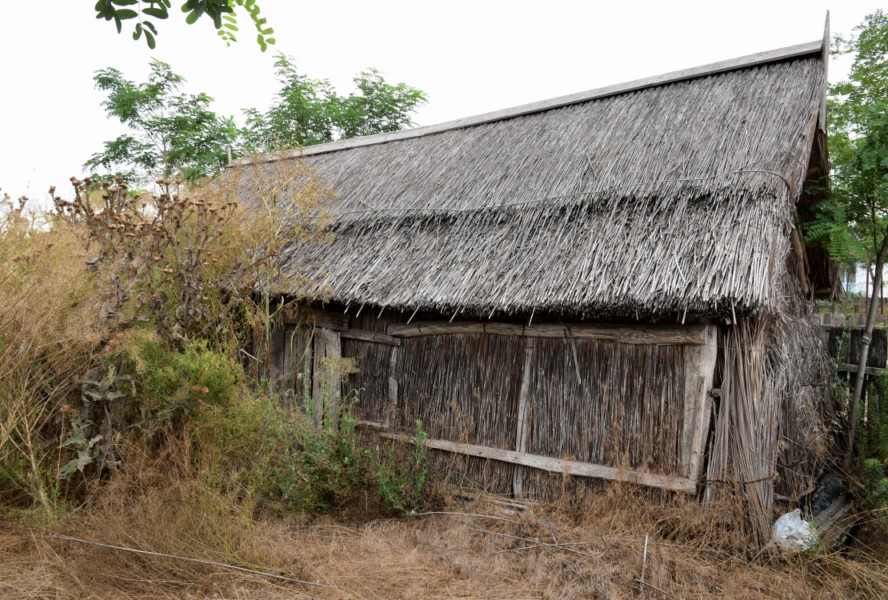
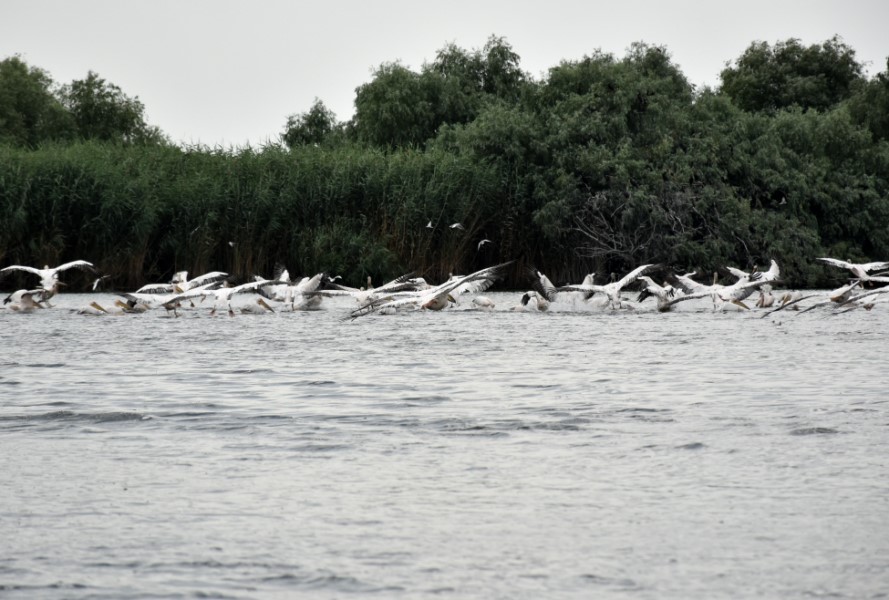
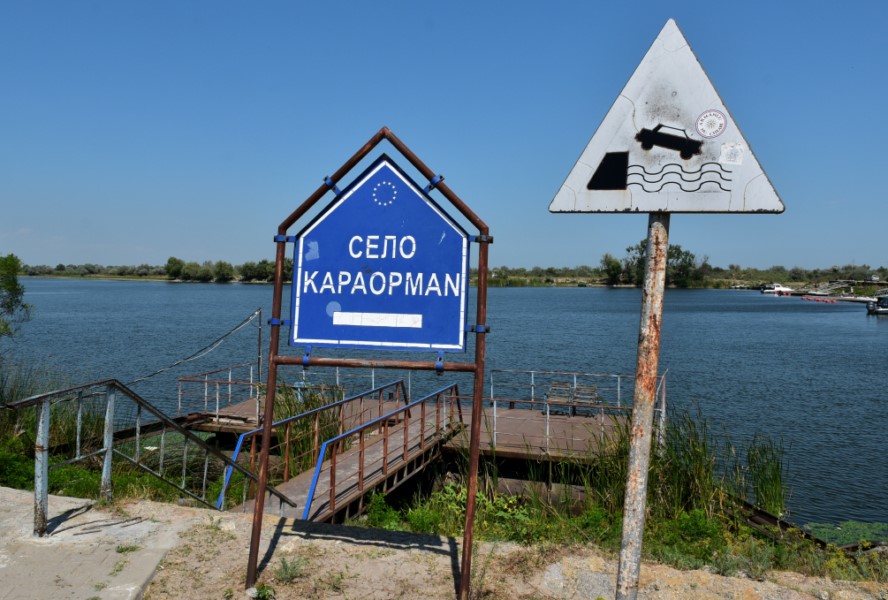
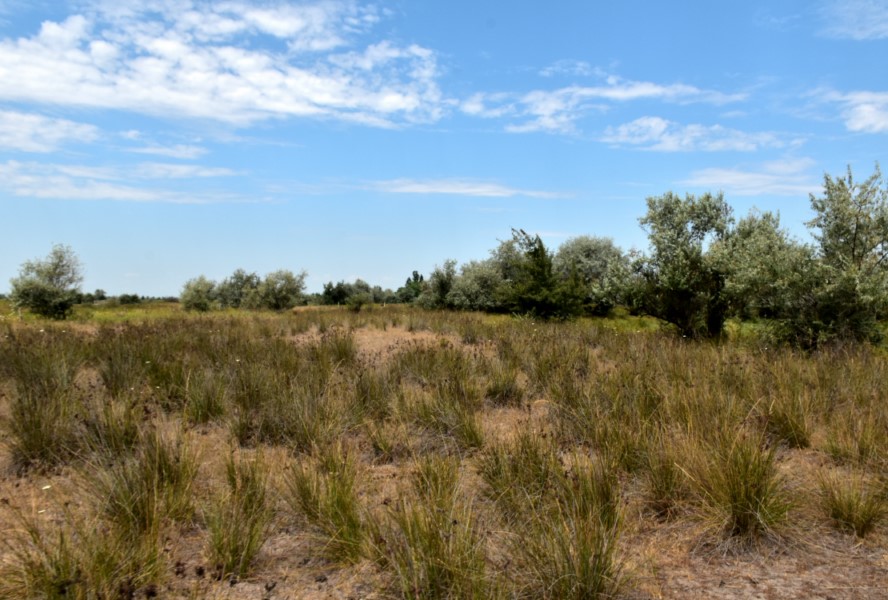
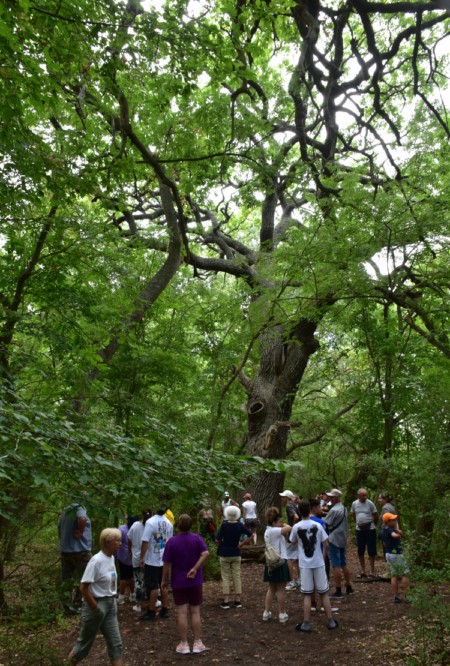
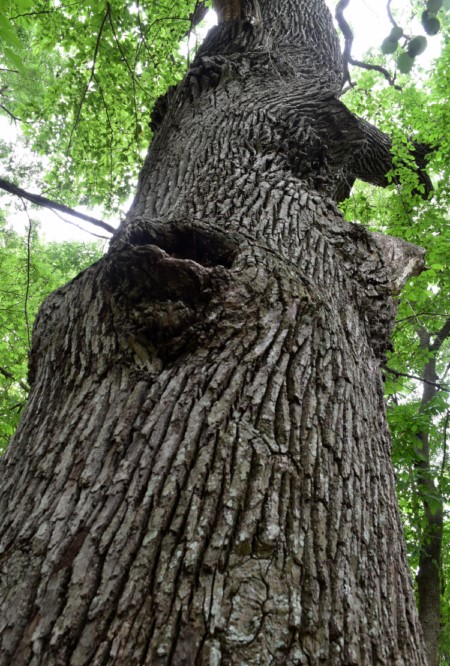
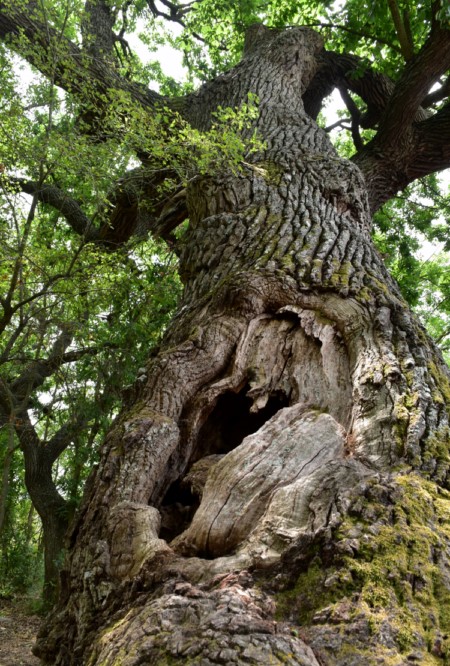
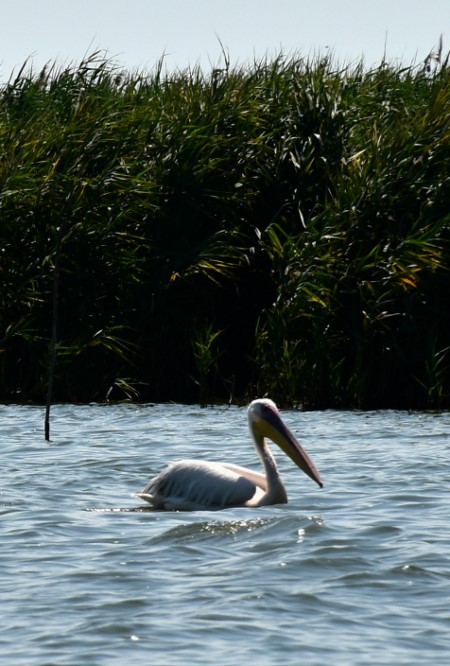
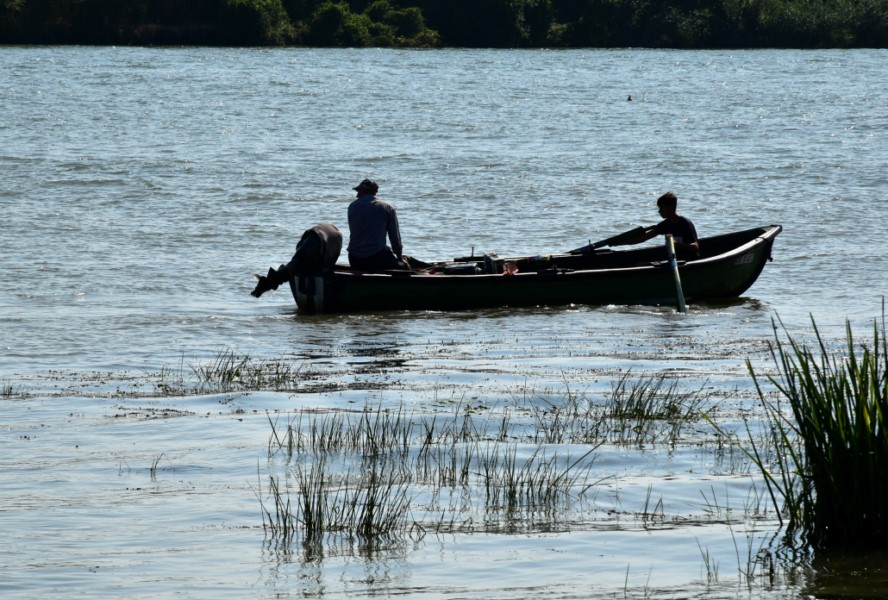
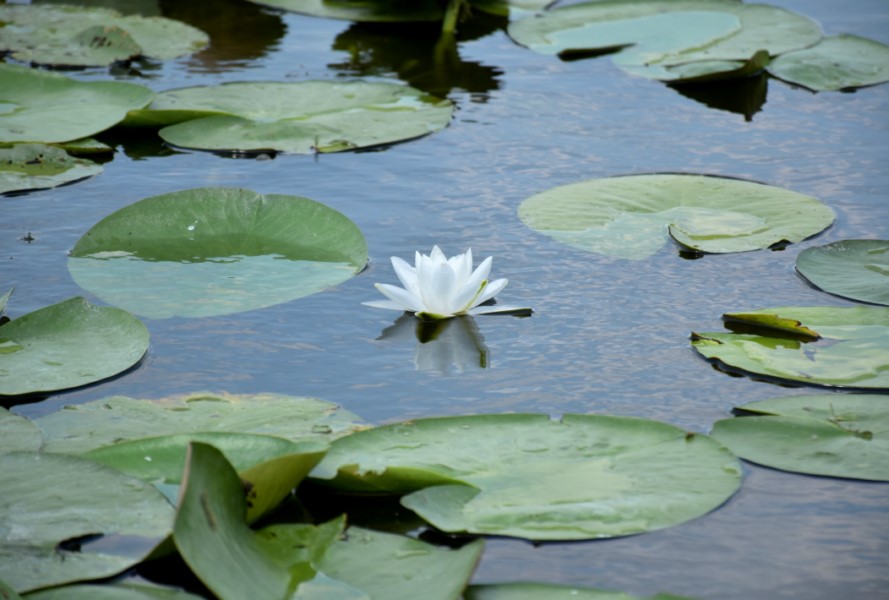
Welcome adventure! Tulcea branch Mixed woodland Mile 36 Canal Lake Baclanestii Mari First contact with pelicans Reed beds and water-lilies Water-lily leaves floating on the water Fascination Fyke nets Mute swan Heron Pelicans in flight Reed beds Sontea Lata Canal Mila 23 settlement Unloading watermelons Port harbor Traditional hut, fishing nets Eracle Canal Lake Matita, ducks Mute swans Mute swan Lake Matita Morning grooming Morning grooming Cormorants Water-lilies as far as the eye can see White-winged tern Female tern deterring intruders from the nest Water-lily Tern's self-portrait Souvenir photo Suez Canal Lonely settlement Lake Merhei Letea Canal Letea harbor Steppe landscape Wild horses Letea Forest Reserve Pedunculate oak Letea Forest Letea Forest Sand dunes Souvenir photo Old house in Letea village Ornate roof gable Traditional thatched cottage Baranica (traditional sheepskin hat) Cardon Canal Mouth of the Danube into the Black Sea Shipwreck of the Turgut S Wreck of the Turgut S Lighthouse Full throttle! Sulina, port harbor Nobody is in a hurry here Church of St. Alexander and St. Nicholas Gulls Sfantu Gheorghe branch Great egret Lake Uzlina Wildfowl Gulls European herring gull Great commotion among the birds Soaring pelican Litcov Canal Caraorman, port harbor Caraorman village, street signs like in Amsterdam The eccentric duck Water caltrop Impression Grey heron Spurge Common donkey Steppe landscape Pristine nature Caraorman Reserve Monumental oak Souvenir photo Pristine nature Monumental oak You have to work off the trip Homely vibes Caraorman Canal Lake Puiu Swans Lake Rosu Fishermen At the post Cordon Centura Litoral Canal Homely vibes Sfantu Gheorghe, marina St. George's Church At the post Time to go home

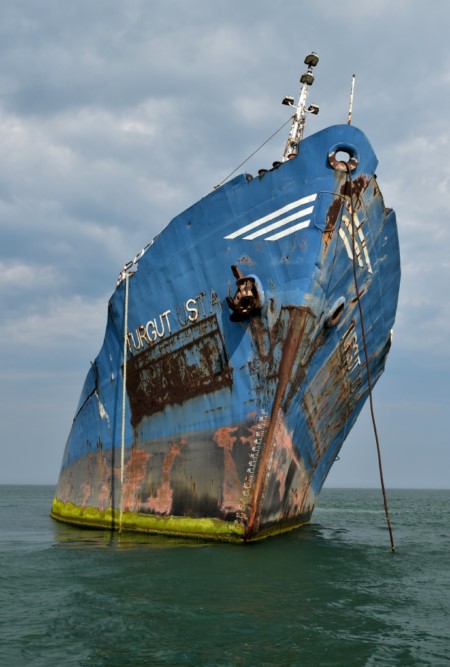
I have already booked tours around the Danube Delta in Poland. I decided to go on all-day motorboat trips along two branches - Sulina and Sfantu Gheorghe. It was a fantastic adventure. Although the captain liked speed and didn't swim too close to wild birds, I still managed to take some nice photos. An unexpected attraction was the wreck of the Georgian-flagged ship Turgut S, which in 2009 ran aground at the mouth of the Danube into the Black Sea.


Constanta


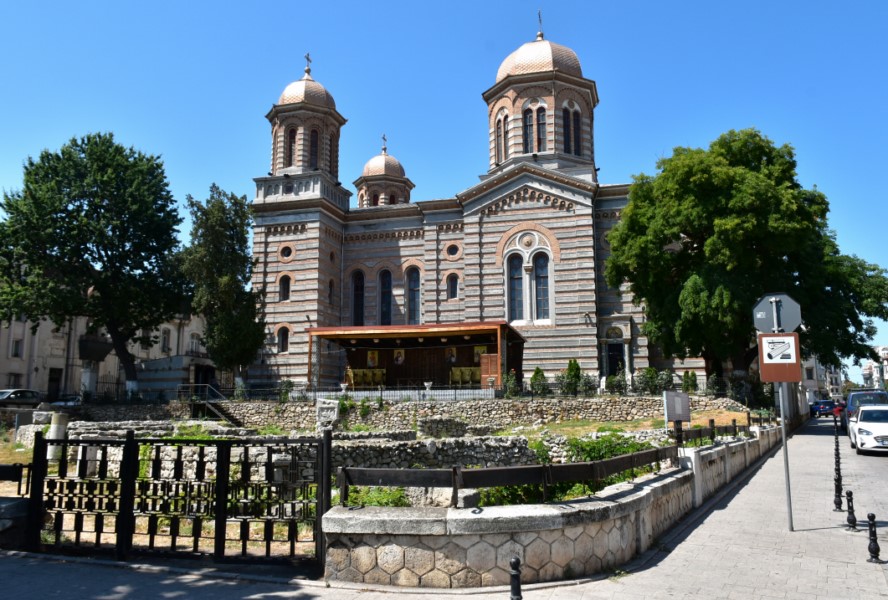
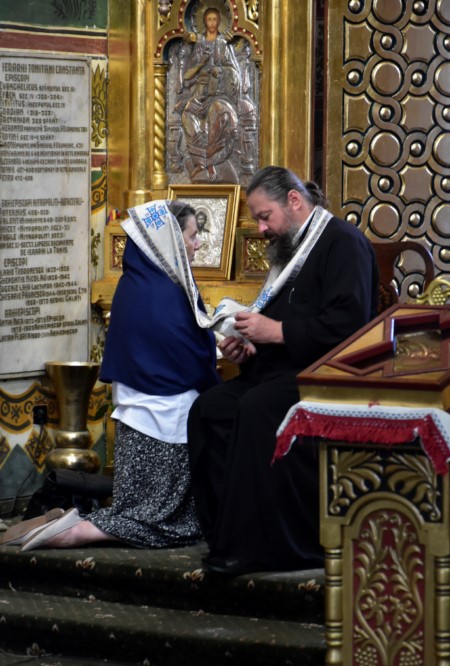
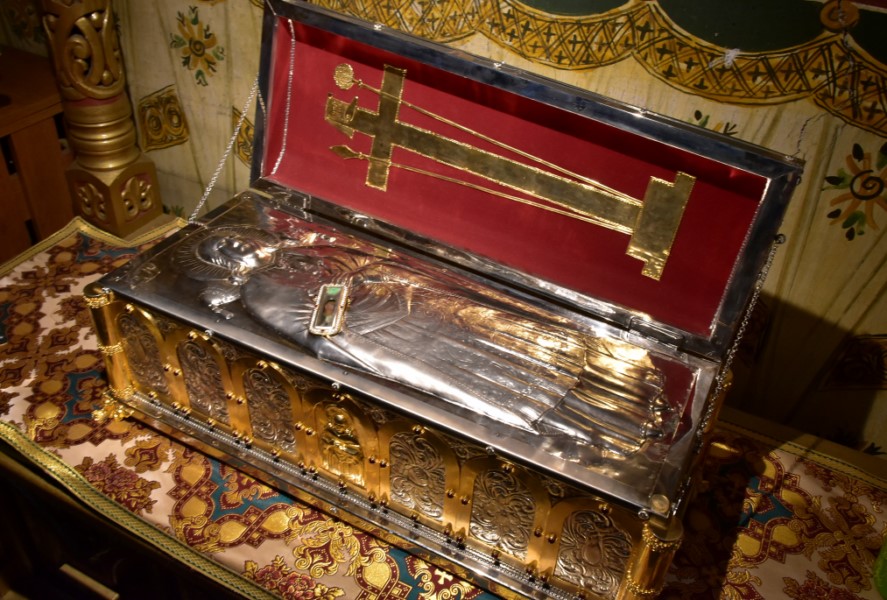
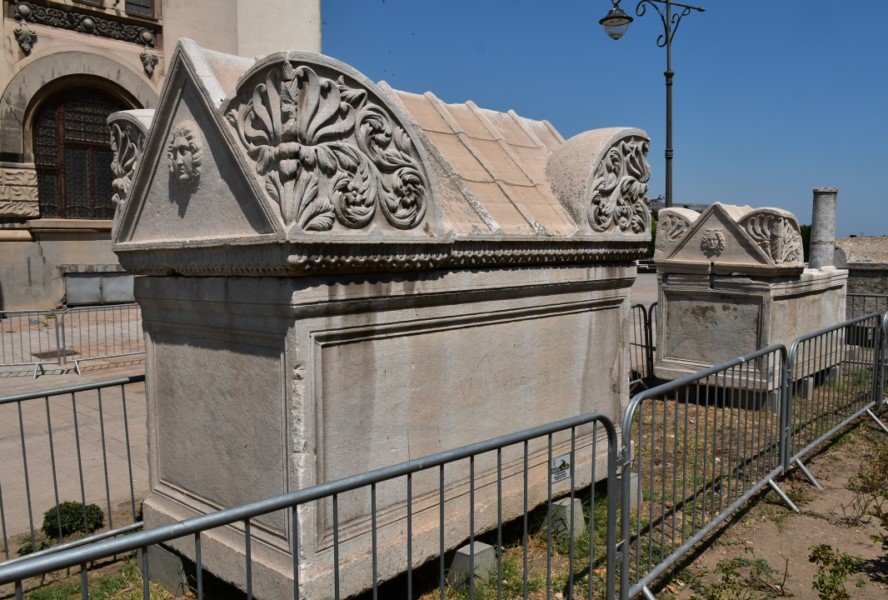
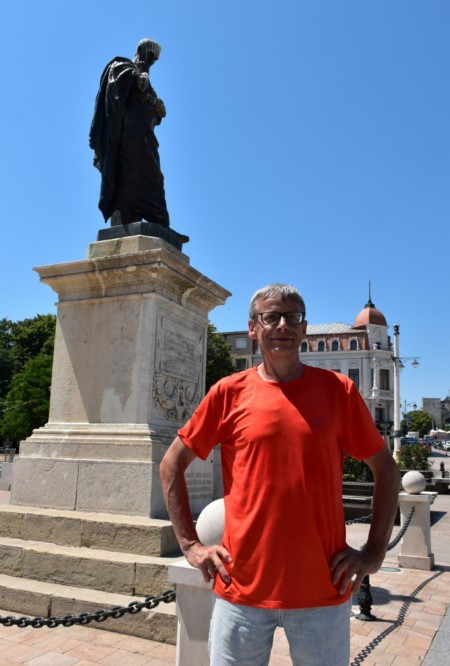
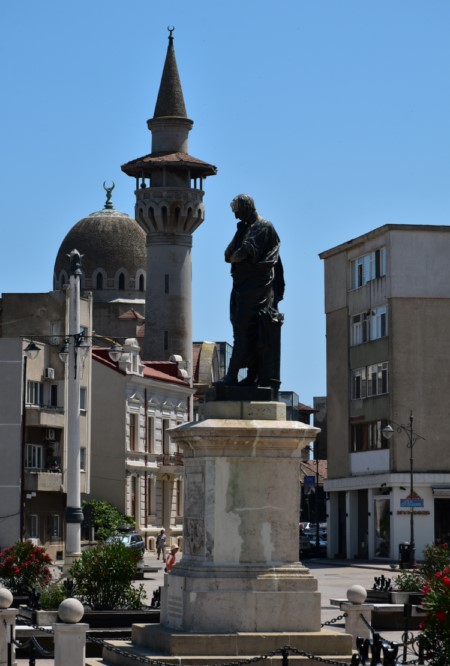
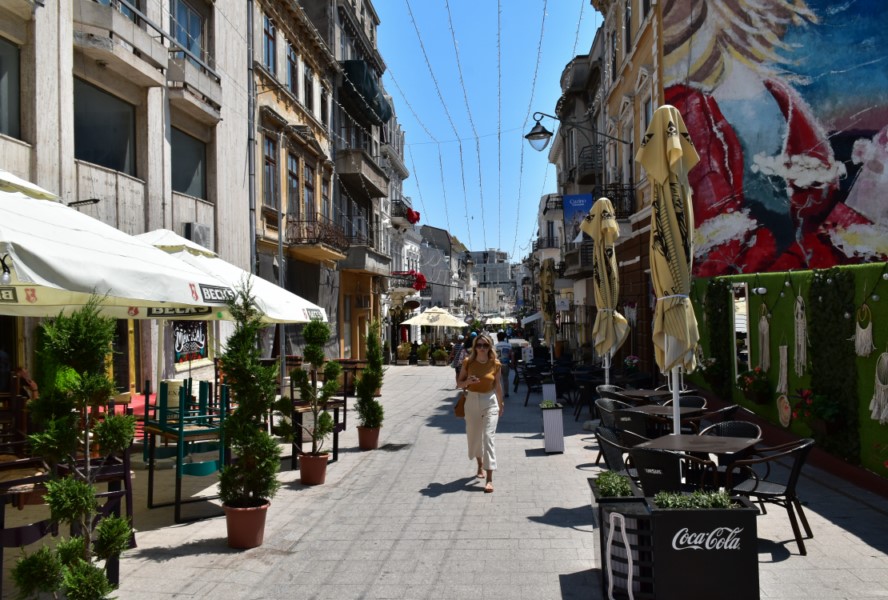
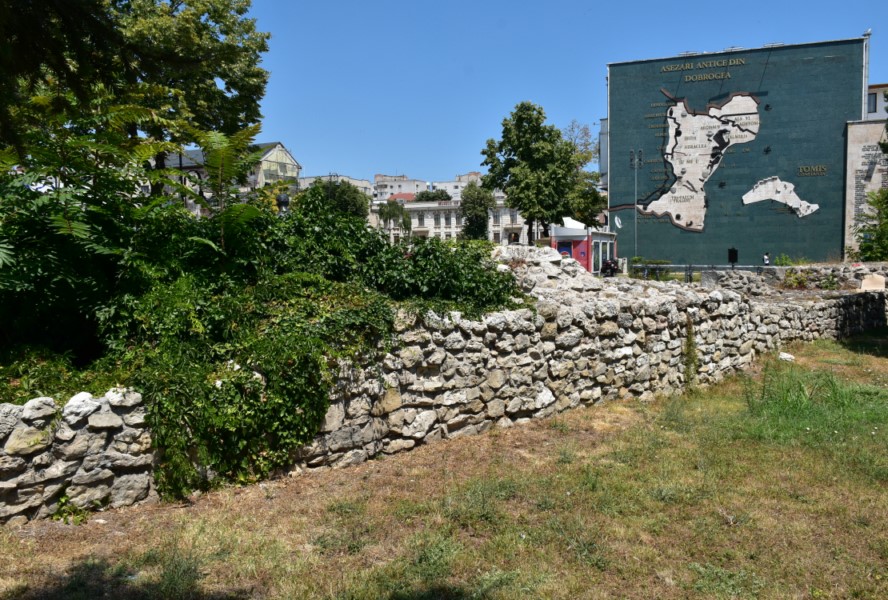
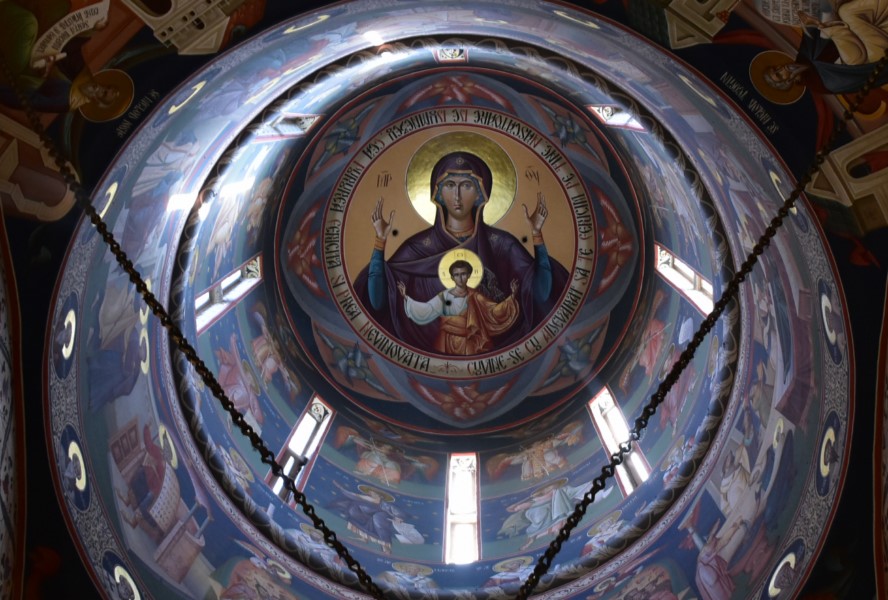
Queen Elisabeth Boulevard Art Nouveau Constanta Casino Lanterns Strollers Gazebo Genoese Lighthouse Miniature version of the Odessa Steps Queen Elisabeth of Romania (Carmen Sylva) and a girl with a harp St. Peter and St. Paul Cathedral from the mid-19th century Ruins of houses and a paved street from the 4th-6th century Depiction of a cross Facade of the cathedral decorated with yellow and grey stripes Lantern There will certainly be no lack of holy water Soffit of the dome, Virgin Mary with Christ Emmanuel Pastoral ministry Reliquary Pastoral ministry Museum of the sculptor Ion Jalea, a building in the Neo-Romanian style Ion Jalea, Arcas Resting The House with Lions in the Italian Neo-Renaissance style The Grand Mosque (Carol I Mosque) from 1910 National History and Archaeology Museum Roman sarcophagi Ovid Square Souvenir photo Old town pedestrian street Roman poet Ovid pensive over his fate Unexpected guest Picturesque corner Old town pedestrian street Folk Art Museum in the former city hall Capitoline Wolf reminding of Roman heritage Archaeological Park Remnants of city walls and gate from Roman times Monument ship Mamaia, old pier Mamaia, deserted beach in the fog

The founding of the city of Constanța (Greek Tomis) is linked to the myth of the Argonauts. I must admit that I left the place of exile of the Roman poet Ovid somewhat disappointed. The reason wasn't the city itself, but the ubiquitous renovations that prevented me from seeing the most interesting attractions of the capital of Dobruja, the Roman House of Mosaics, home to the world's largest floor mosaic, and the Archaeological Museum.


Bucharest


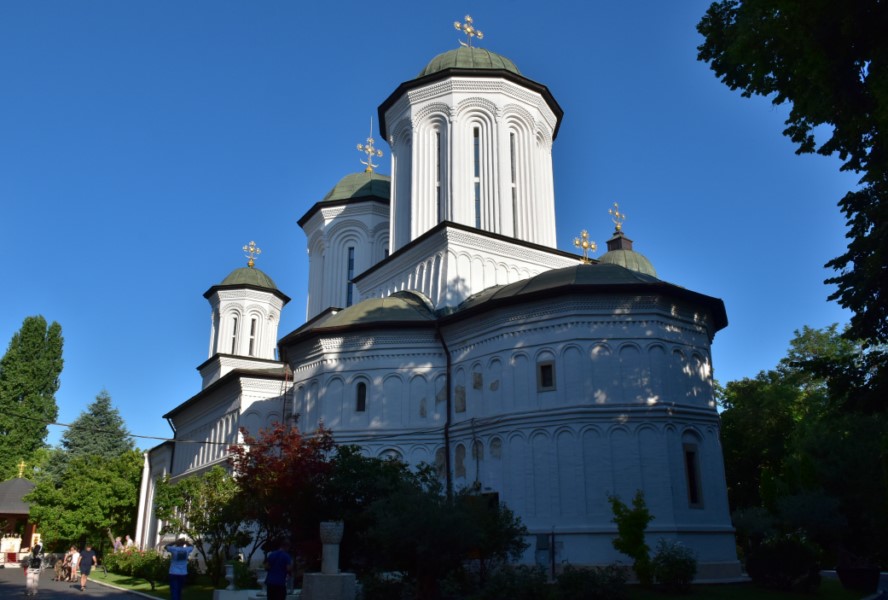
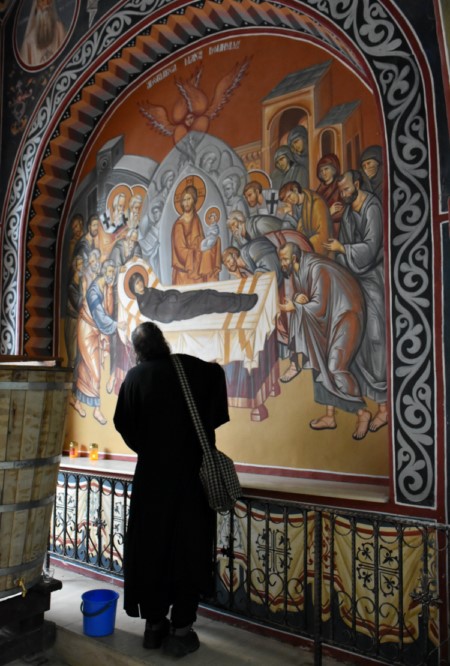
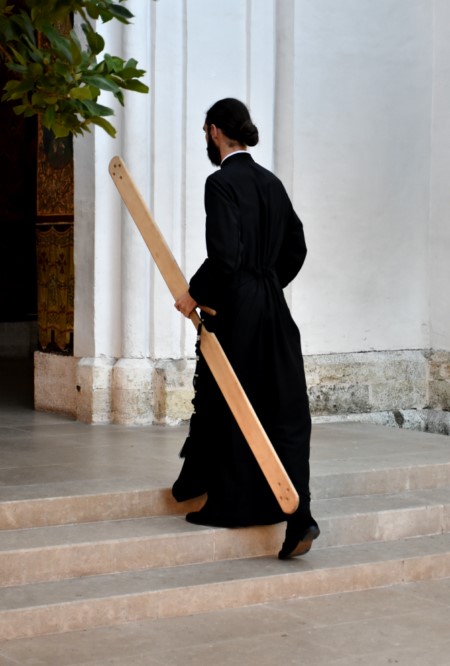
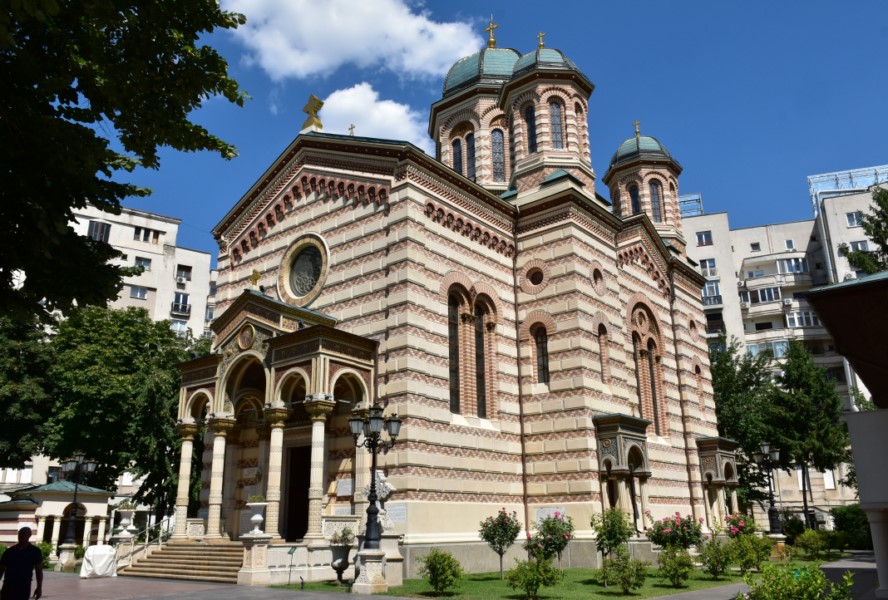
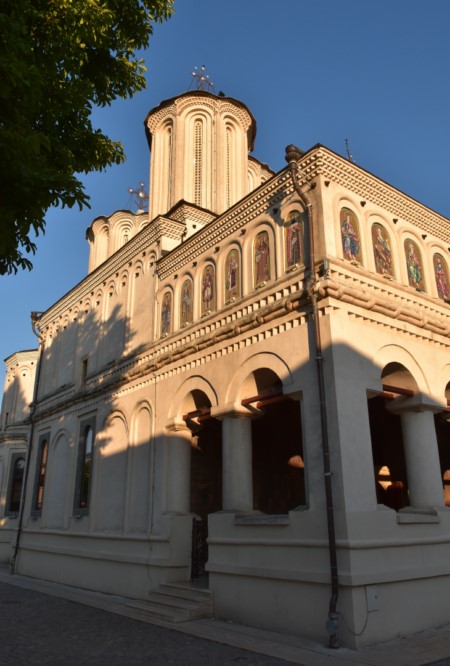
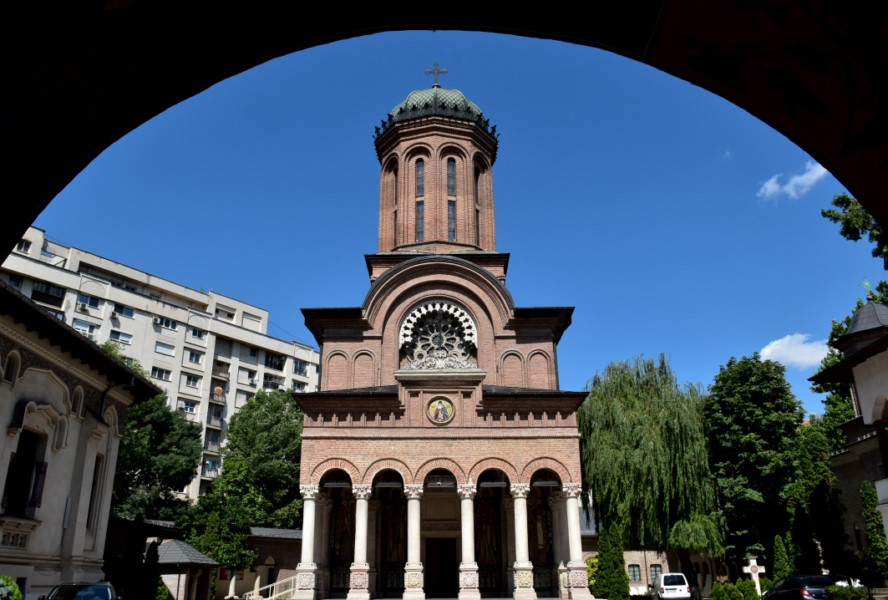
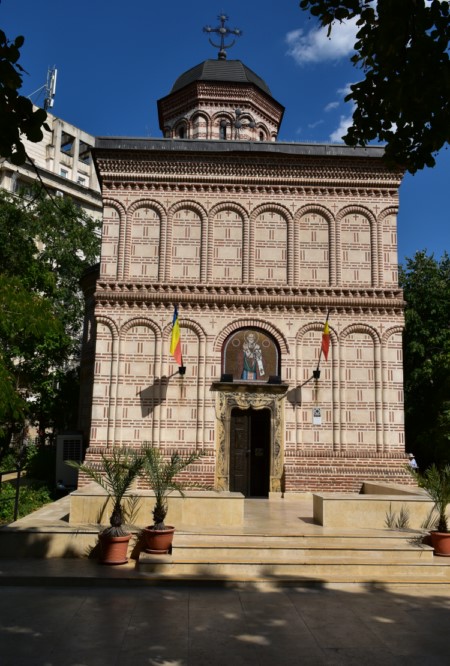
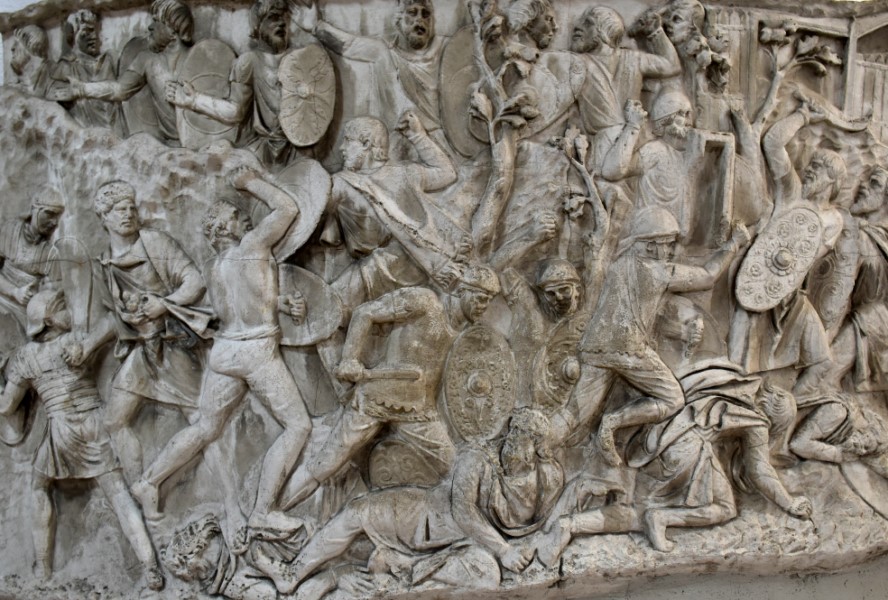
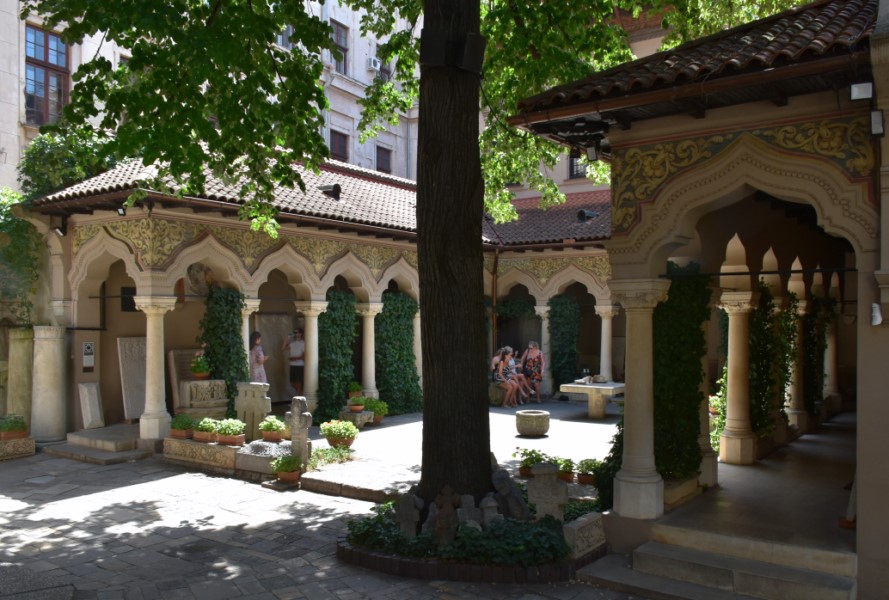
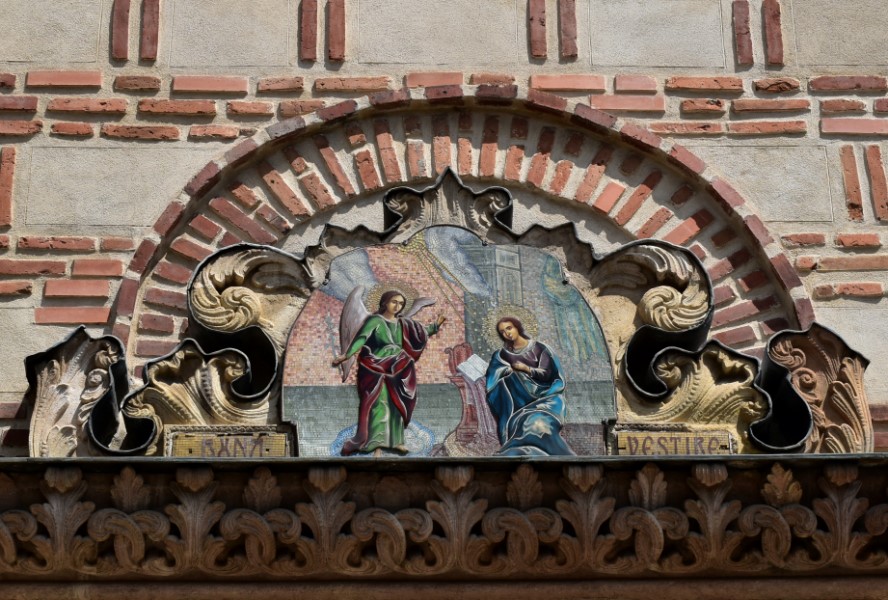
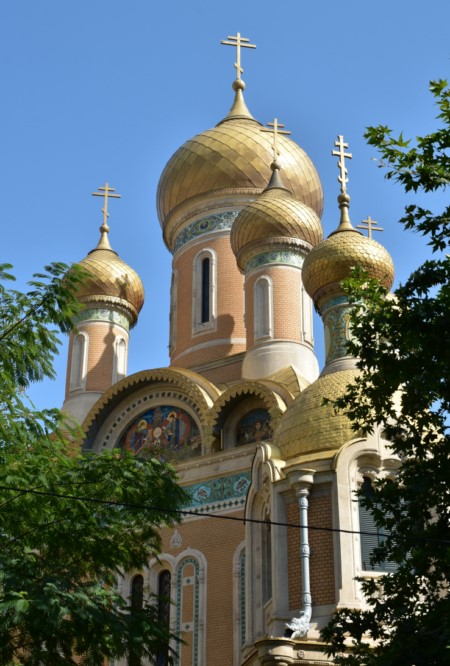
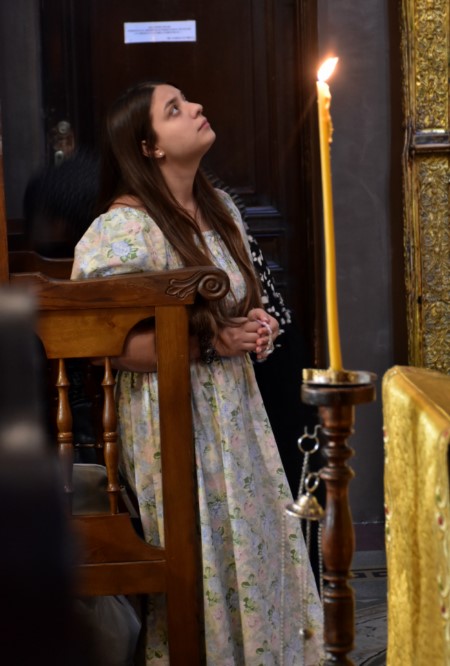
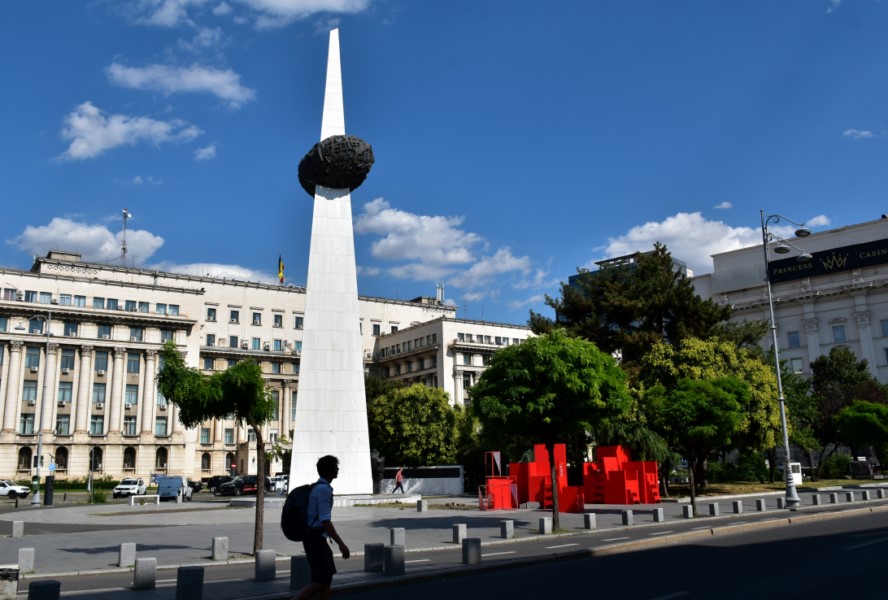
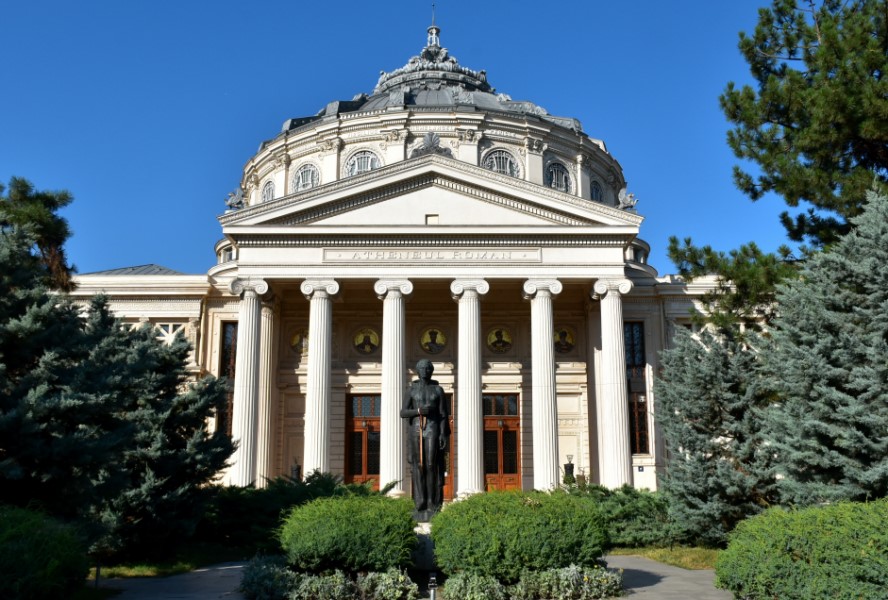
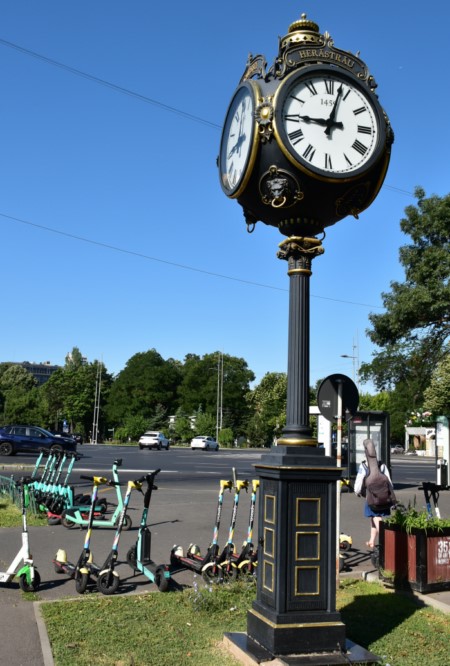
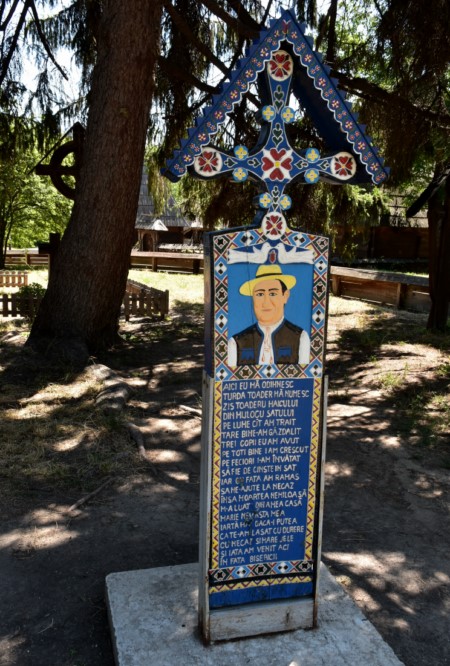
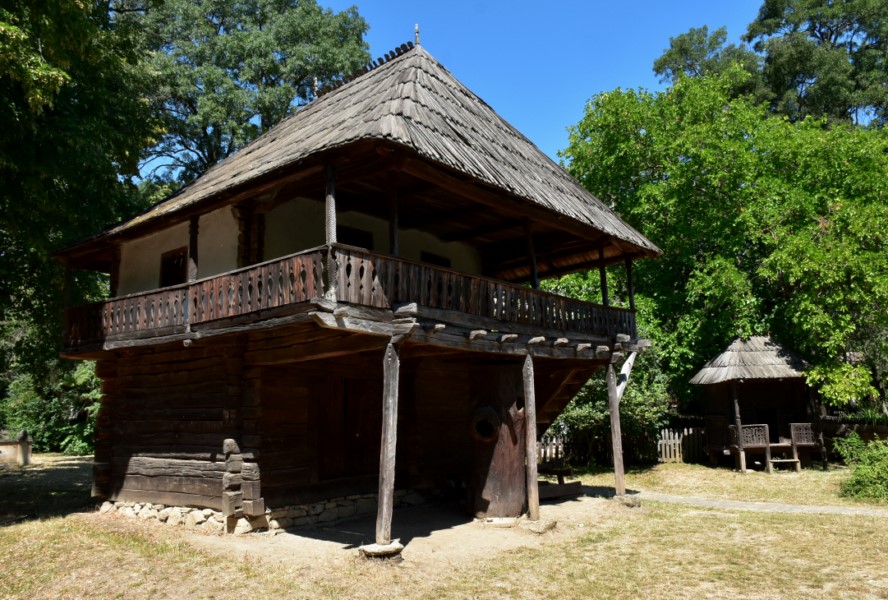
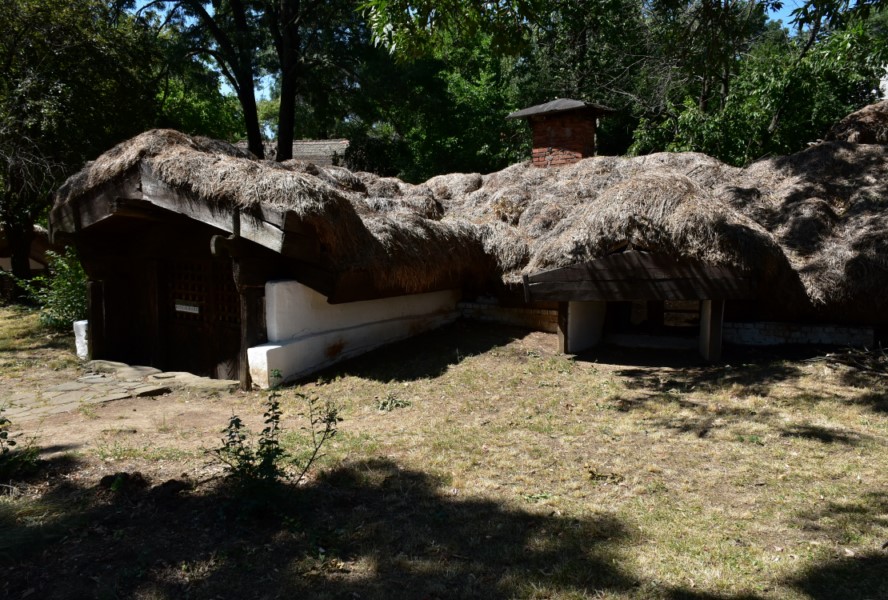
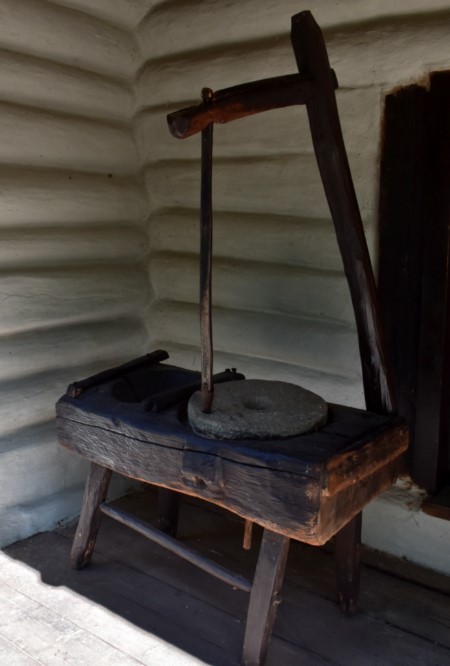
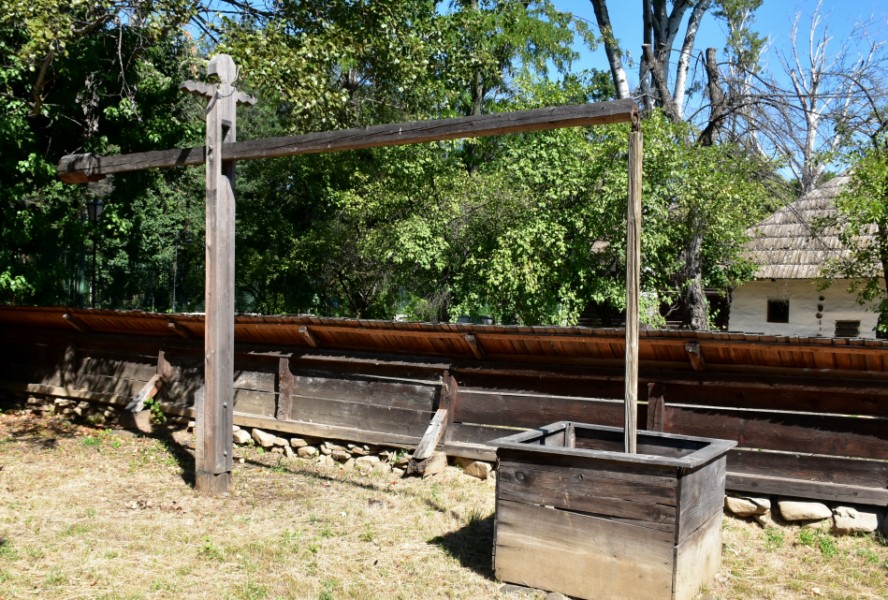
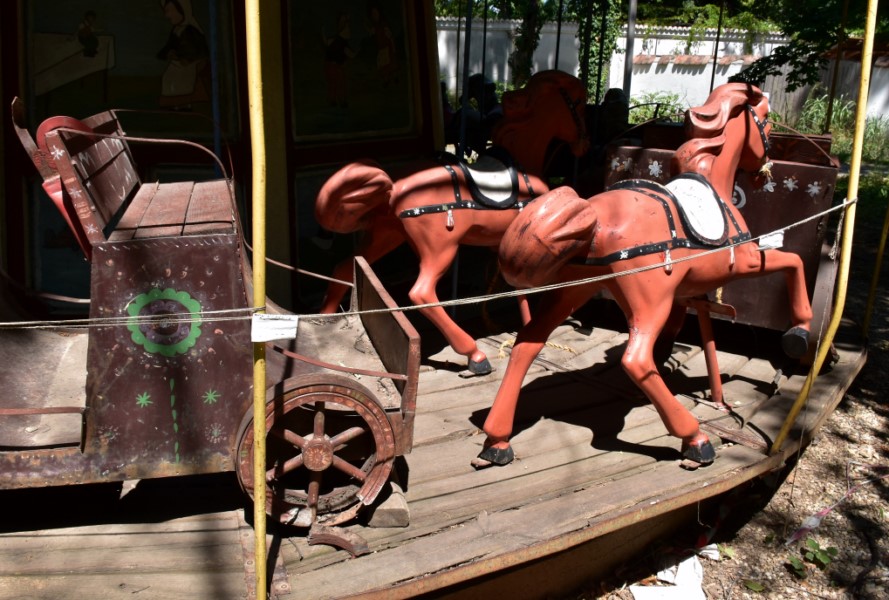
Unirii Boulevard, the main artery in the city center Palace of the Parliament from the era of Nicolae Ceausescu Radu Voda Church from the 16th century Wandering pilgrim Monastery bell tower Wooden semantron for calling the faithful to divine service Soffit of the dome, Christ Pantocrator Dambovita River, with the National Library in the background Domnita Balasa Church from the mid-18th century Wedding ceremony Ubiquitous advertising Patriarchal Palace from the 17th century Metropolitan Church from the 17th century Iconostasis Reliquaries Antim Monastery from the early 18th century Carved doors Frescoes decorating the vaulted passageway to the courtyard Holy Doors Mihai Voda Church from the 16th century Prayer Founders, Voivode Michael the Brave and Doamna Stanca Dambovita River National Museum of Romanian History in a Neoclassical building Sarcophagus of Zofia Potocka from 1583 1:1 scale replica of Trajan's Column Bas-relief from Trajan's Column, Romans fighting the Dacians Bas-relief from Trajan's Column, death of the last Dacian king, Decebalus Zlatari Church from the 17th century among contemporary buildings Stavropoleos Church from 1724 Pridvor (ornate veranda), decorative column Souvenir photo Nave, Moorish arcades Secluded courtyard Pinacotheca Palace from the late 19th century Bursei Palace, former stock exchange headquarters Old Town, Lipscani Street Manuc's Inn, where Russia and Turkey signed a peace treaty in AD 1812 Old Court Church from the 16th century Soffit (overdoor) Prayer Affordable prices Portico of the New St. George Church from the late 17th century Impressive iconostasis Virgin Mary with Christ Emmanuel Nave Polychrome depicting The Last Judgment Church of the Three Holy Hierarchs (Basil the Great, Gregory the Geologian, and John Chrysostom) Monument to Cristian Paturca, author of 'The Anthem of the Hooligans' University Square Michael the Brave, Voivode of Wallachia Atlas St. Nicholas Russian Orthodox Church Prayer Victory Avenue Relaxation time Kretzulescu Church with a triconch plan in the Brâncovenesc style Revolution Square (overthrow of the communist regime in 1989) Central University Library Carol I (1839-1914), King of Romania National Museum of Art, grand staircase Lucas Cranach the Elder, Venus and Cupid (1520) Romanian Athenaeum Neoclassical portico King Michael I Park, clock Arcul de Triumf Souvenir photo Charles de Gaulle's monument The House of the Spark from the communist era Souvenir photo 18th-century cottages from the Maramures region Souvenir photo Colorful tombstone from Maramures Pantry Impression Cottage from 1812 from Transylvania Interior of the cottage, kitchen 19th-century house from the vicinity of Tulcea 19th-century semi-dugout houses from Oltenia Quernstone 19th-century house from the vicinity of Suceava Shadoof Stamp mill for crushing auriferous ore Merry-go-round with wooden horses from the 1960s

Bucharest is called the Paris of the East, and there's no exaggeration in that statement. Although Nicolae Seausescu did much damage, the city still boasts numerous Orthodox churches, monasteries, and eclectic and neoclassical buildings. However, I especially enjoyed the open-air museum, which houses nearly three hundred original houses, farm buildings, workshops, churches, and chapels from all over Romania.


My favorite photos

Bucharest, Domnita Balasa Church

Dobruja, ruins of the Enisala fortress

Danube Delta, Letea Forest Reserve

Danube Delta, Water-lily

Danube Delta, tern


Wszelkie prawa zastrzeżone