MYVOYAGES

Passion for exploring and photography

A TRIP ROUTE

Indie - trasa wycieczki


INTERESTING STORIES

The earliest records of Polish citizens in India come from the 15th century. Gaspar da Gama, a Poznań Jew who left Poland with his parents in his youth, is considered to be the first Pole in this country. He lived, among others Venice and Alexandria, from which he probably set off for India. There, he met Vasco da Gama, thanks to whom he was baptized and surname, becoming a Portuguese guide in India. He was also to be a participant in the Cabral expedition during which Brazil was discovered. It is also worth mentioning the envoy of King Zygmunt August, Erazm Kretowski, whose stay in India was recorded by Jan Kochanowski in the deputy's epitaph, writing that "... He was where the Dniester rushes noisily, where the Ganges is rolling ...". The first preserved Polish account of his stay in India was sent to Krakow in 1596 by the merchant Krzysztof Pawłowski. In the 17th century, Polish Jesuit missionaries, and later also Carmelites, reached India. In the nineteenth century, the first travelers began to arrive in India on the wave of the pan-European fascination with the Orient. Due to the costs, only wealthy people could afford such a trip, among them aristocrats and poets, e.g. Adam Asnyk or Count Jerzy Potocki. At the beginning of the 1820s, Polish soldiers and exiles from Siberia also arrived in India. In 1933, the Polish Consulate was opened in Bombay, and in 1937, the Indian-Polish Friendship Society was established in India. (www.polonia.org)

Gaspara da Gama


IT IS WORTH KNOWING

Following the conclusion of the Sikorski-Majski Agreement, the evacuation of Poles from the Soviet Union began on August 12, 1941. Children were also among the repressed. India was one of the places of refuge for young refugees, and temporary camps were established, among others in Balachadi and Valivade. The history of the settlement in Balachadi is associated with an extraordinary person, the Hindu maharaja of the Principality of Navanagar, Jam Saheb Digvijay Sinhji, who became an advocate for Polish children in India and was the first to propose to establish a refugee settlement near his summer residence. Maharaja was personally involved in the construction of this settlement in which 650 children found refuge. The Indian aristocrat aroused great sympathy among Polish children, he often visited them and participated in the celebrations organized in the estate. He was interested in Polish culture and literature, which was the result of his earlier acquaintance with Ignacy Jan Paderewski. After the end of World War II, in order to avoid the forced return of the orphans to communist Poland, he made an act of collective adoption, thanks to which he could decide on the further fate of the children. When asked by General Władysław Sikorski about the way of repaying for the kindness shown, the maharaja was to answer "In liberated Poland, name one of Warsaw's streets with my name." Currently, in Warsaw's Ochota district, there is a square of Good Maharaja and a monument dedicated to his memory. (ofiary.ipn.gov.pl)
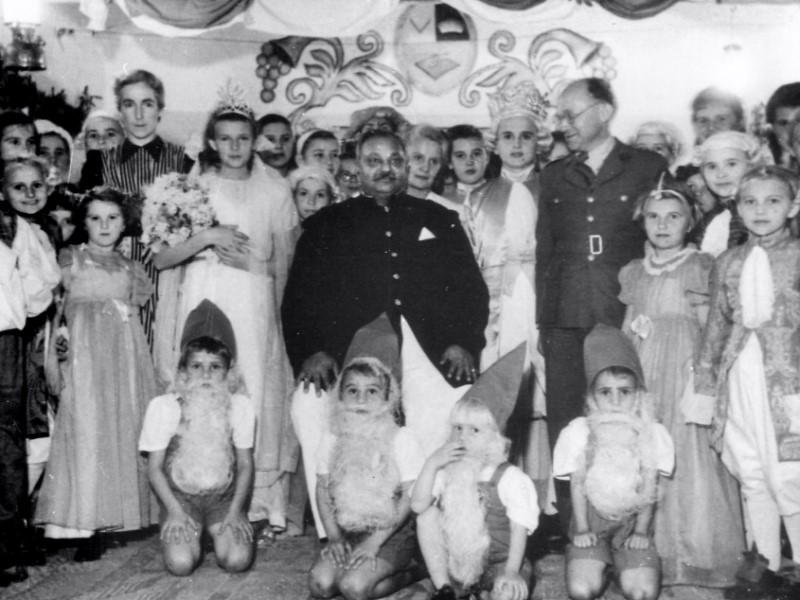
Maharadża Jam Saheb z dziećmi, podczas jednego z przedstawień


Central India

March 2020

Agra, Taj Mahal

This trip to India was my second, but fully independent. That is why I prepared myself for it with particular care, knowing from previous experiences that in certain situations you can only count on yourself. During the trip, it turned out that not everything can be predicted and sometimes you have to trust strangers.

As a destination, I chose the most attractive places of Rajasthan, Uttar and Madhya Pradesh as well as Hariana and Maharashtra. Unfortunately, the specter of the coronavirus appeared during the trip, and then it was only worse. Three days before the scheduled return, the Indian government closed all museums and historical sites, and our airline canceled flights. The fact that I couldn't visit the sights of Delhi and Armitsar anymore was nothing compared to the inability to return to the country or kick me out of the hostel by the panicked owner. But luck was finally good for me and I got on a special flight. But those were emotions !


New Delhi


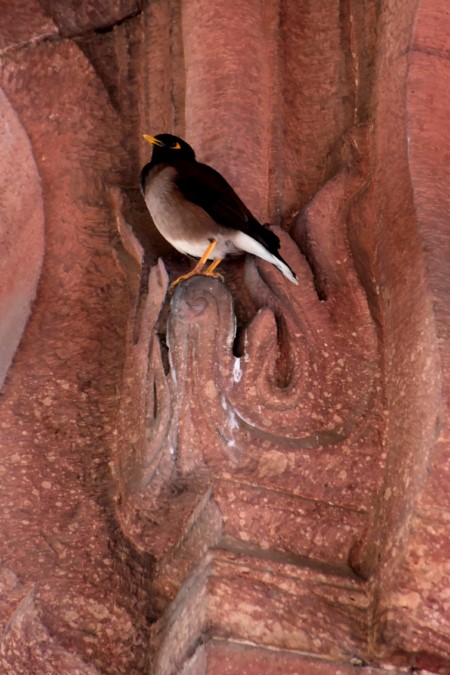
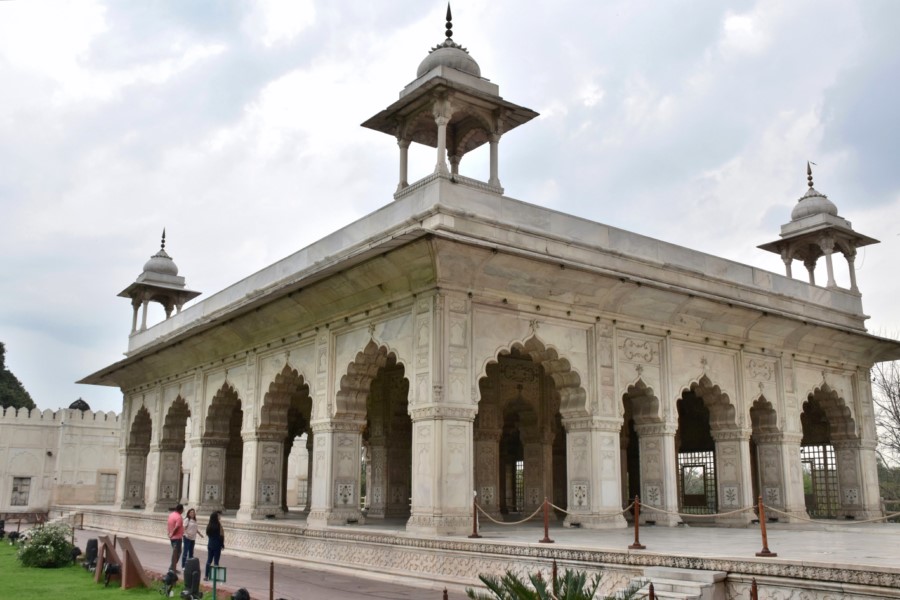
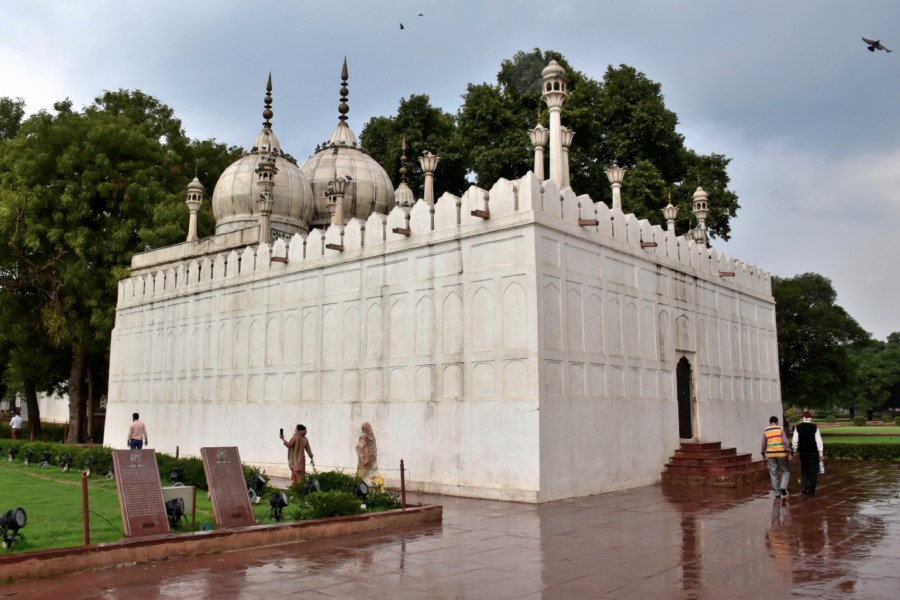
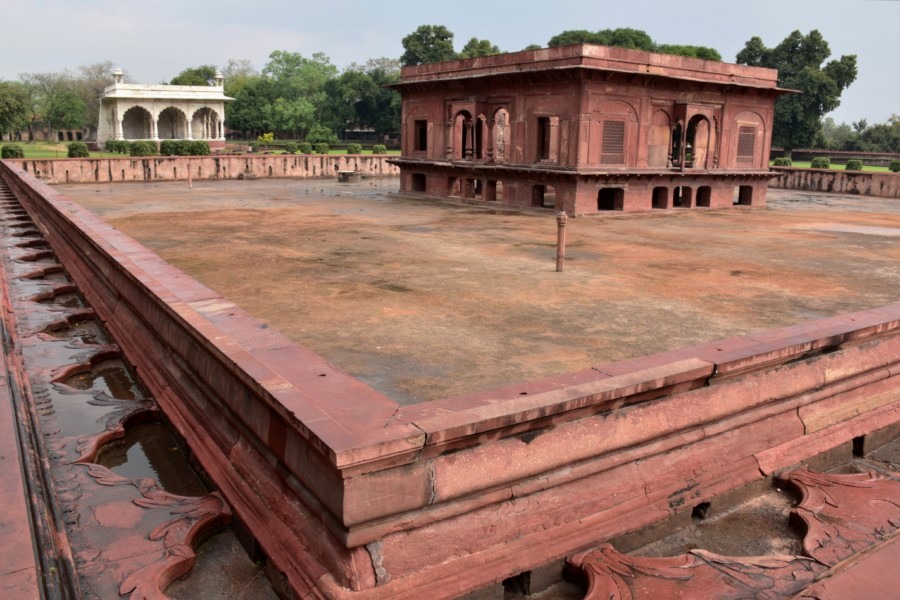
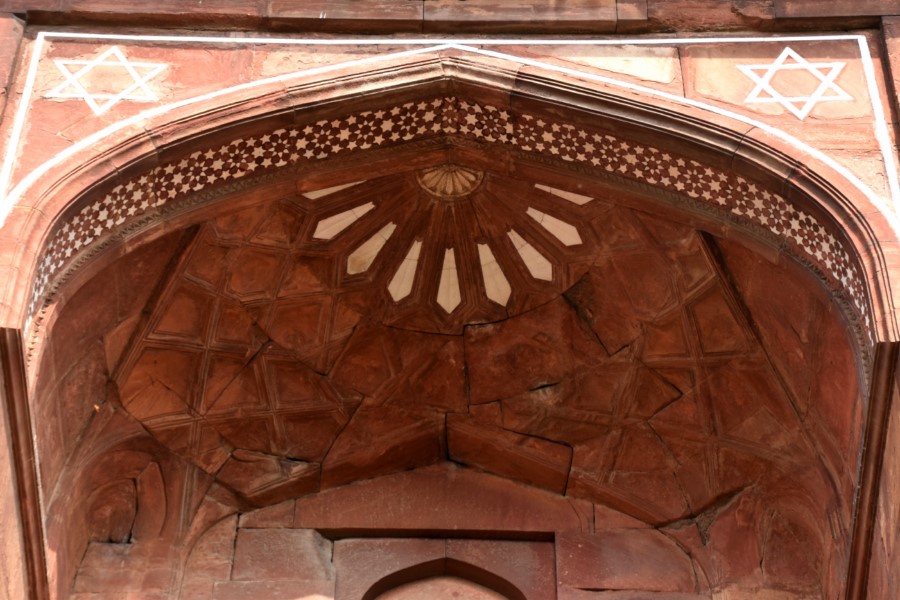
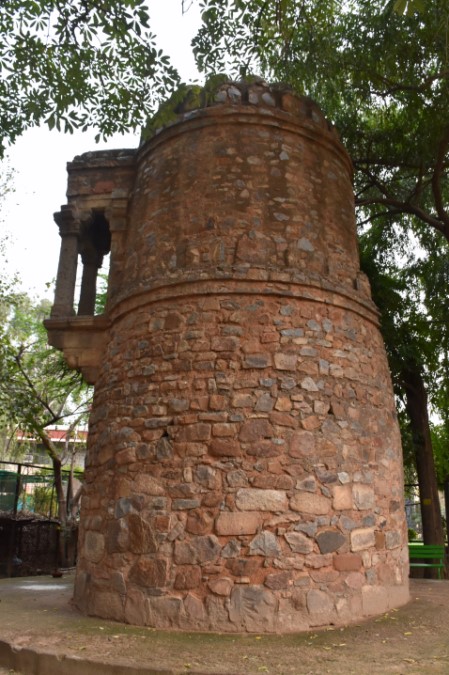
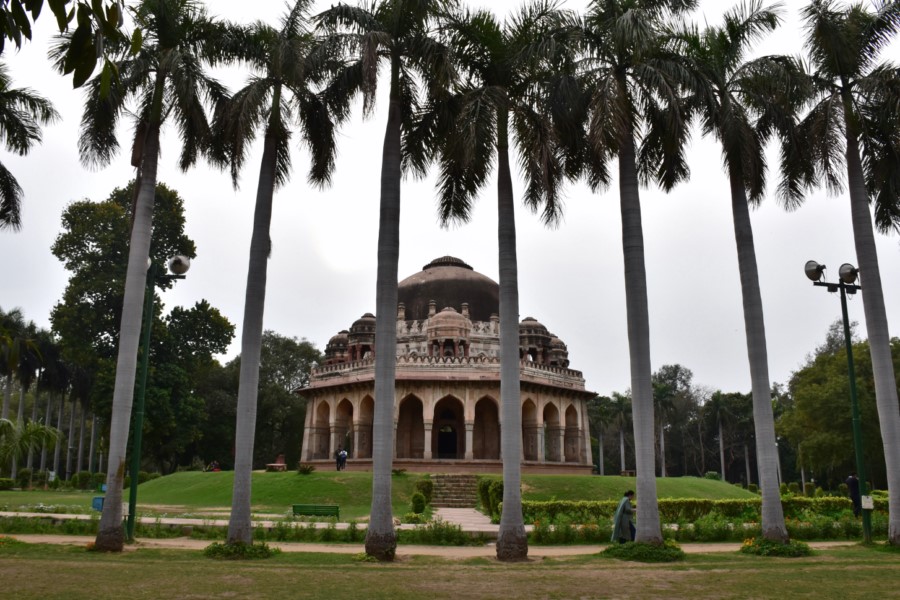
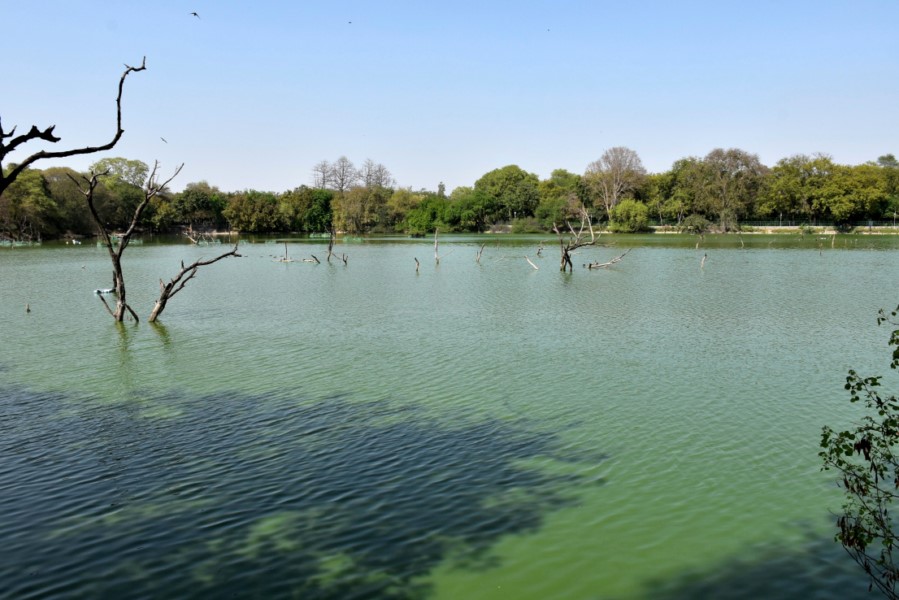
Welcome to India Street lawyer Traffic jam Local shop Waiting for a customer Gurdwara Sis Ganj Sahib, a Sikh temple Guard Prayer hall Sermon Shri Digambar Jain temple Manastambha, an honor column in front of the temple Kashmere Gate The Red Fort Souvenir photo Massive walls of the Red Fort Chhatta Chowk Naubat Khana A moment of respite Decorative vault Interior of the Diwan-i-Aam public audience hall An unexpected guest Diwan-i-Khas, the private audience hall Decorative panels Indian palm squirrel The Pearl Mosque Khas Mahal, the emperor's private apartments Zafar Mahal and the Sawan pavilion in the Hayat Bakhsh Bagh gardens Marble column Banyan tree Steps to the Jama Masjid Eastern gate Modern contact with God Courtyard (sahn) Modern contact with God Prayer hall Prayer Minaret Courtyard, with a ritual ablution pool in the center Observation gallery Domes of the mosque Panorama facing east, with the Red Fort in the background Feeding the pigeons Flagstaff Tower Raj Ghat memorial Cremation site of Mahatma Gandhi Ruins of Feroz Shah Kotla, a 14th-century fortress Ruins of the palace of Feroz Shah Hindu religious ritual Pyramidal structure from the time of Feroz Shah Ashoka Pillar Baoli, a stepwell Ruins of the mosque where Tamerlane prayed after capturing Delhi No comment Mosque courtyard Monumental gate of Purana Qila Monumental gate Qila-i-Kuhna Mosque Oriel window The top of the mihrab Sher Mandal pavilion Conch vault Lodi Gardens, Athpula Bridge Siesta Turret, corner tower 15th-century Bada Gumbad Mosque Photoshoot Peeper Tomb of Muhammad Shah India Gate Snacks for visitors Guard of honor at the Tomb of the Unknown Soldier Little patriots Tomb of Muhammad Quli Khan Facade decorations Qutb Minar Alai Darwaza Qutb Minar Ruins of the Qutb mosque complex The Iron Pillar from the Gupta period 16th-century Tomb of Adham Khan Munda Gumbad pavilion Hauz Khas tank Tomb of Firoz Shah and madrasa Betel nut palm Isa Khan's Mosque Future model Mosque dome built on pendentives Future model

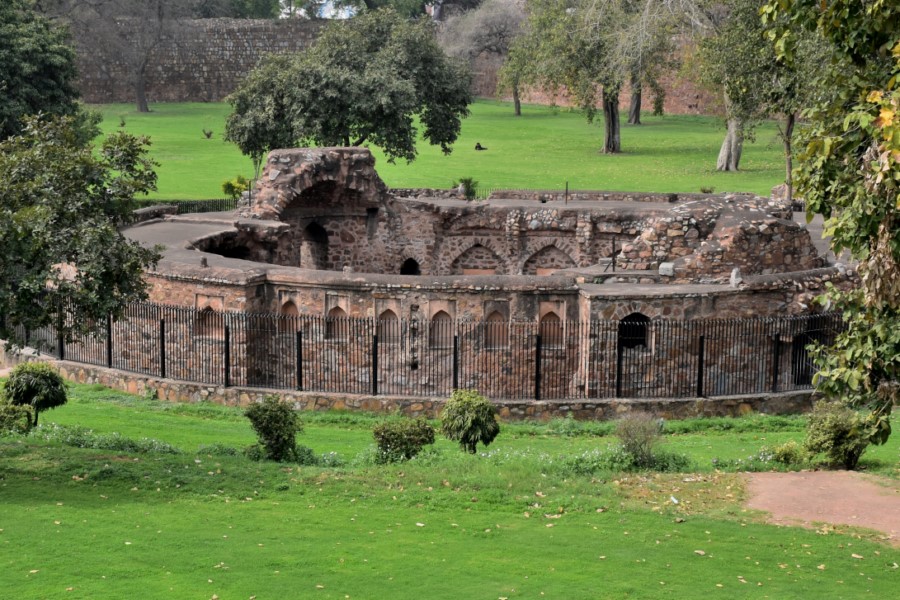
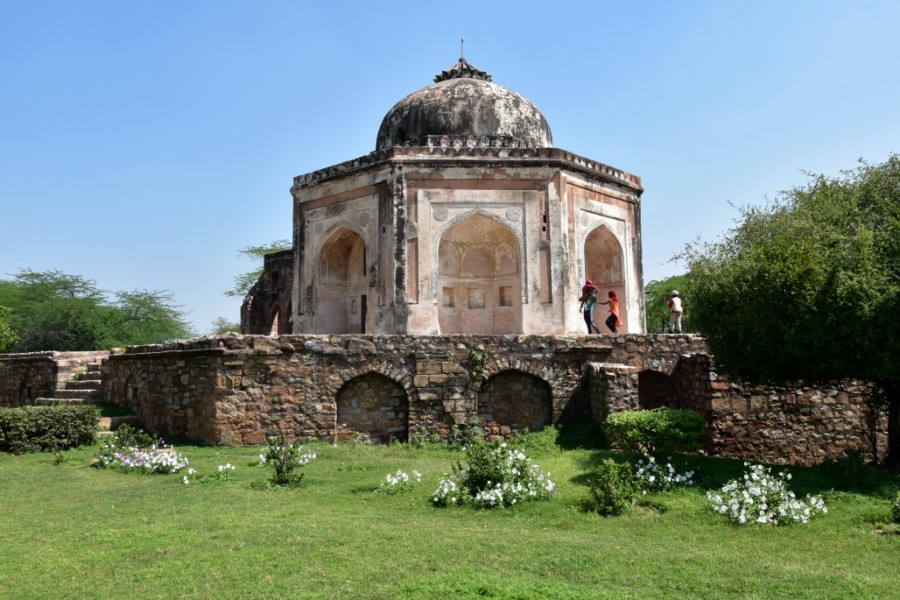
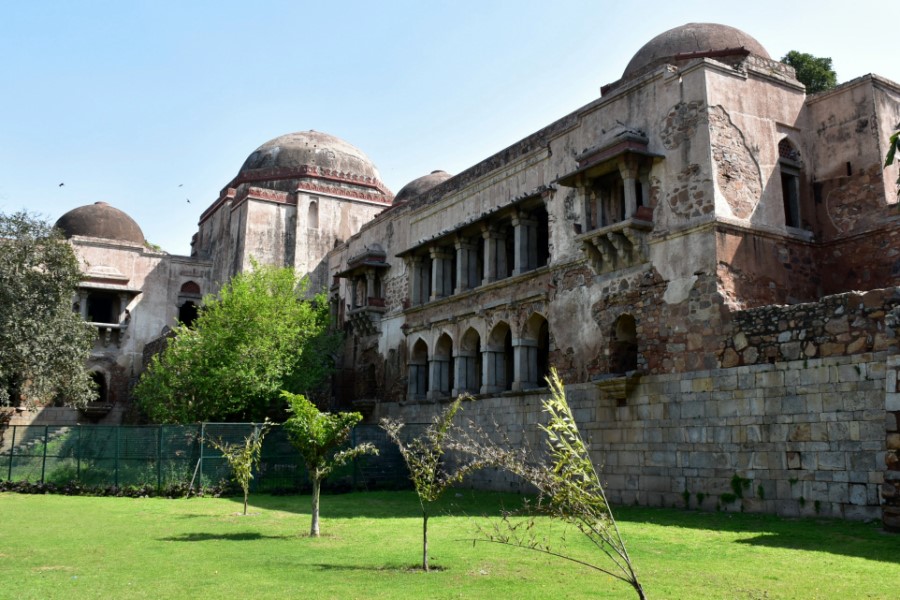
New Delhi is a real colossus that includes as many as seven historic cities. Successive conquerors abandoned one city and built a new one nearby. As a result, there are over a thousand historic buildings scattered throughout the city in the capital today. Unfortunately for me due to the coronavirus, I could only see the wonderful Lal Kot complex and several other sights through the fence, which was even an interesting experience.

Agra


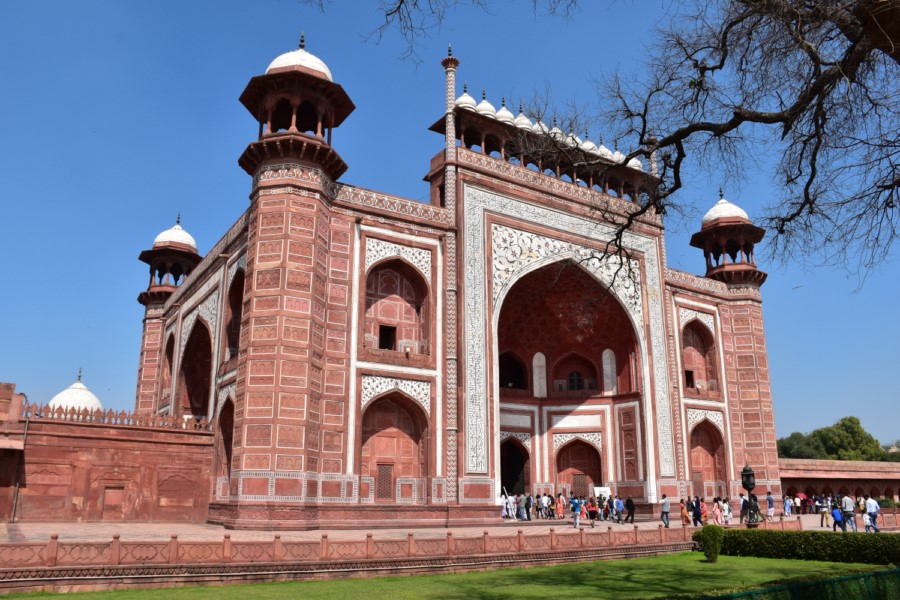
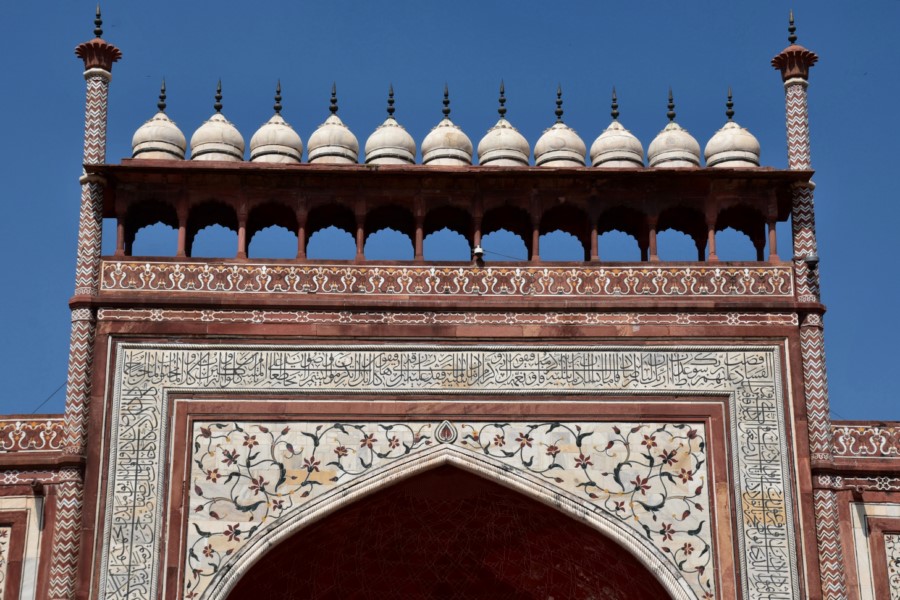
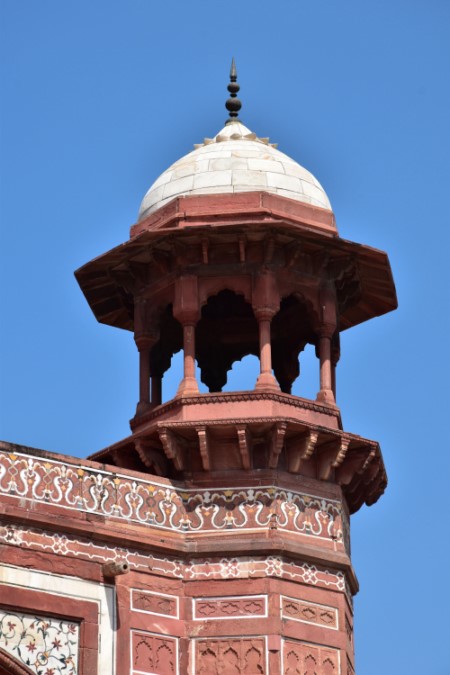
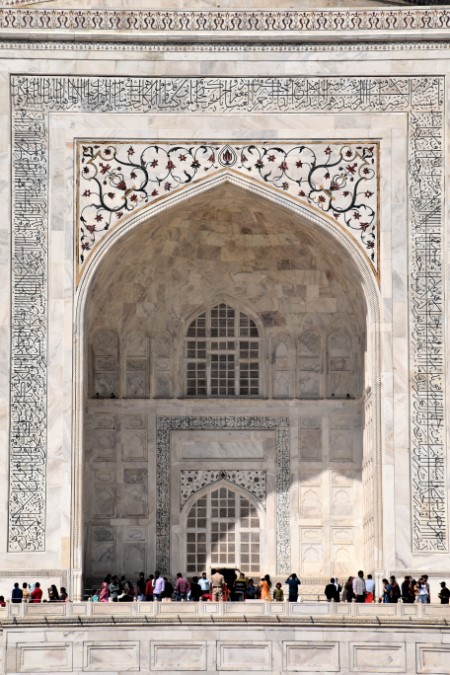
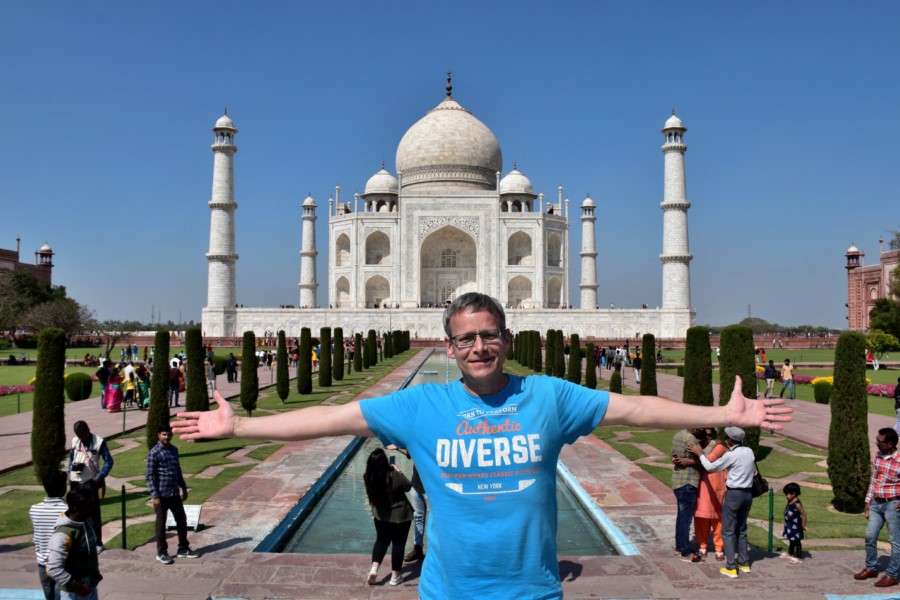
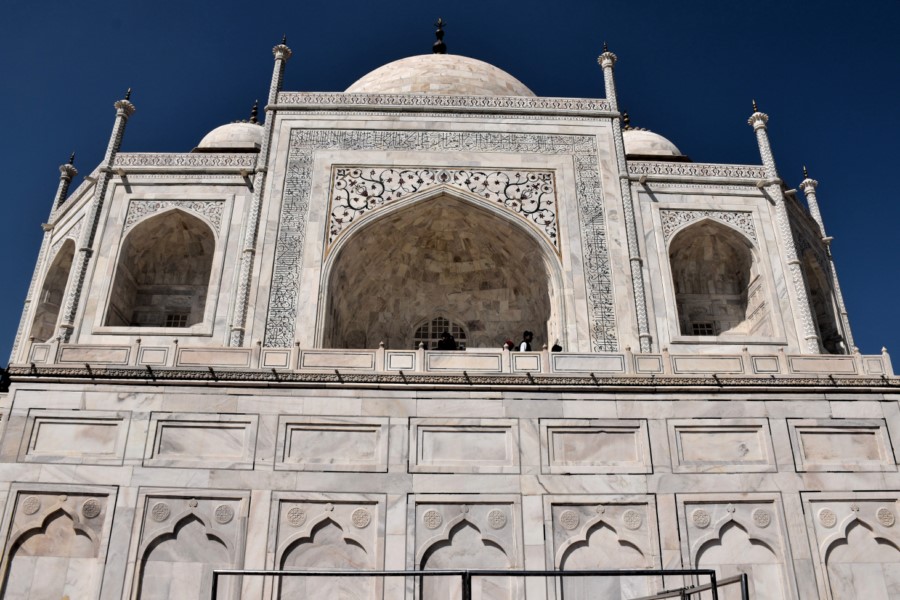
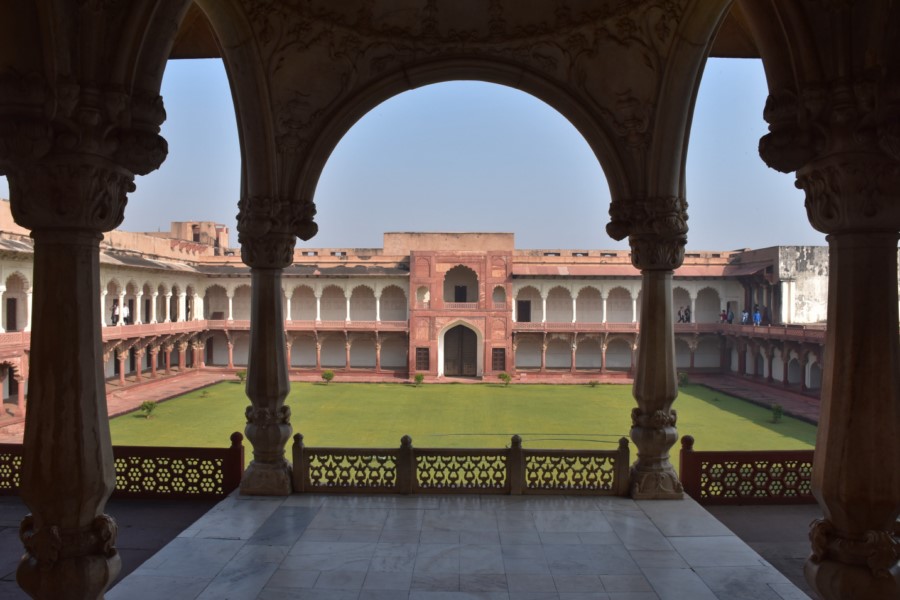
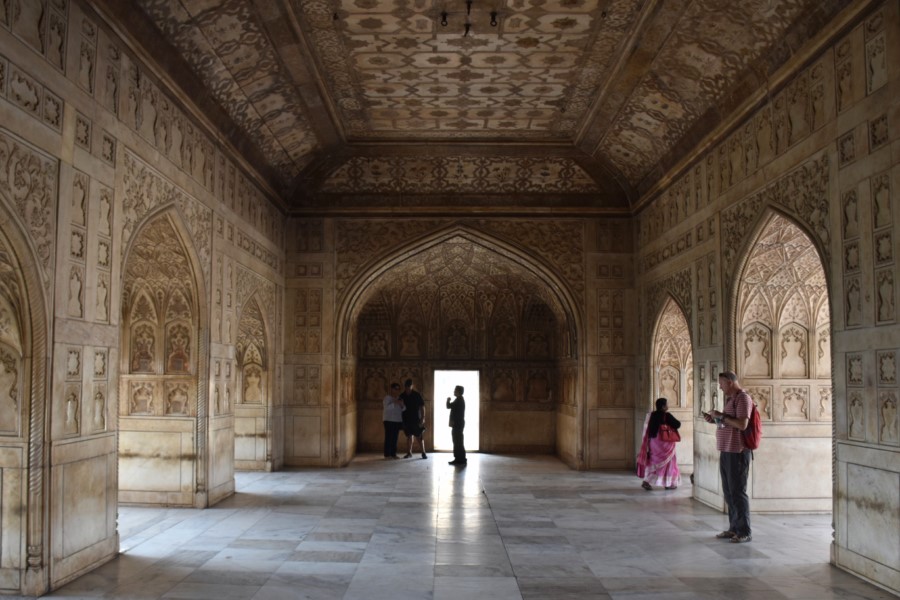
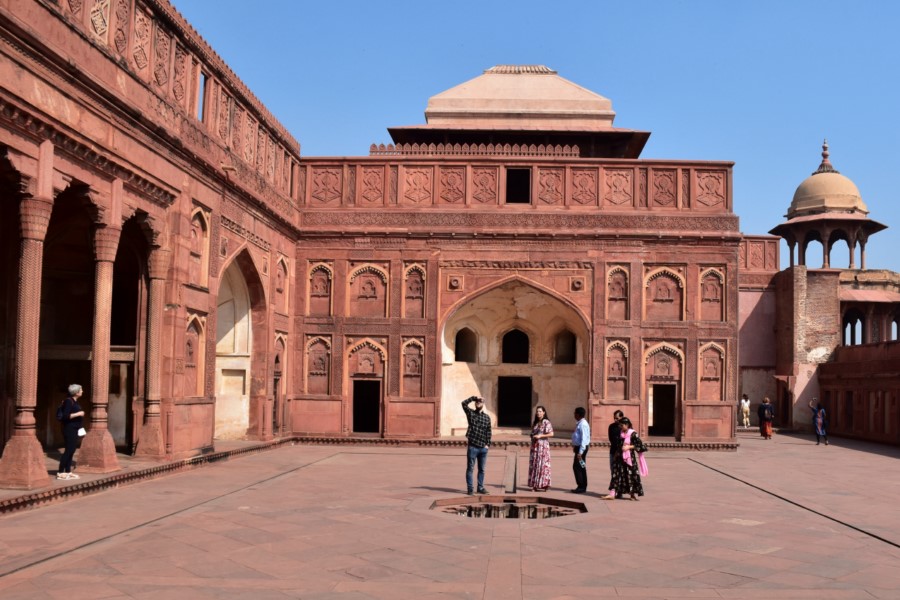
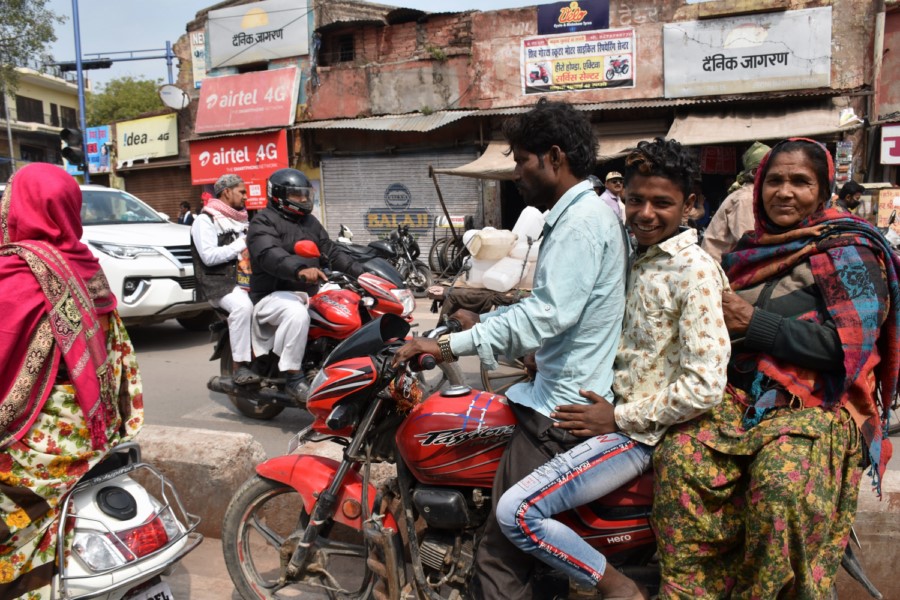
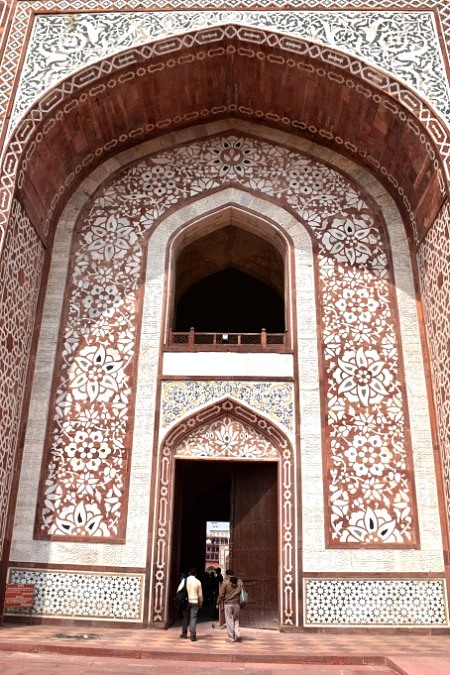
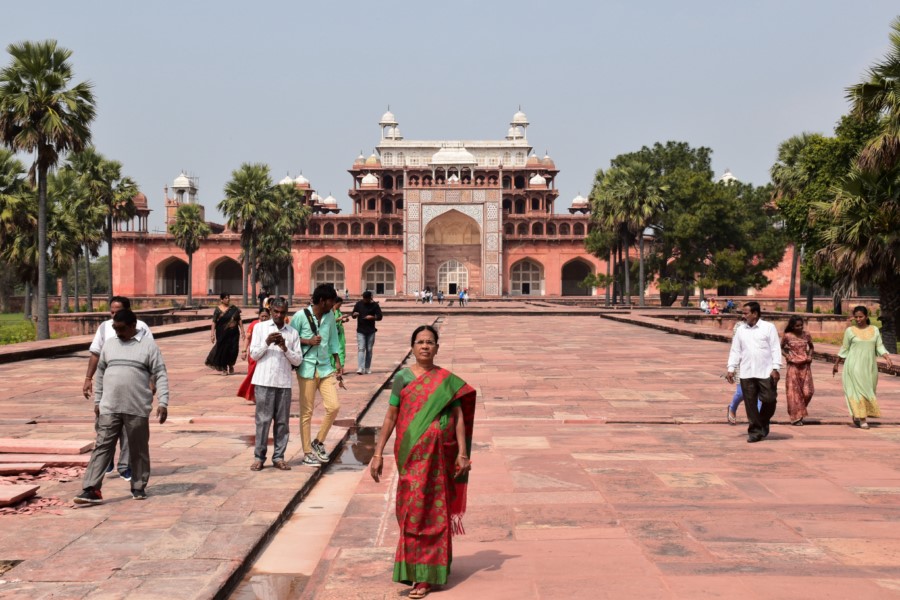
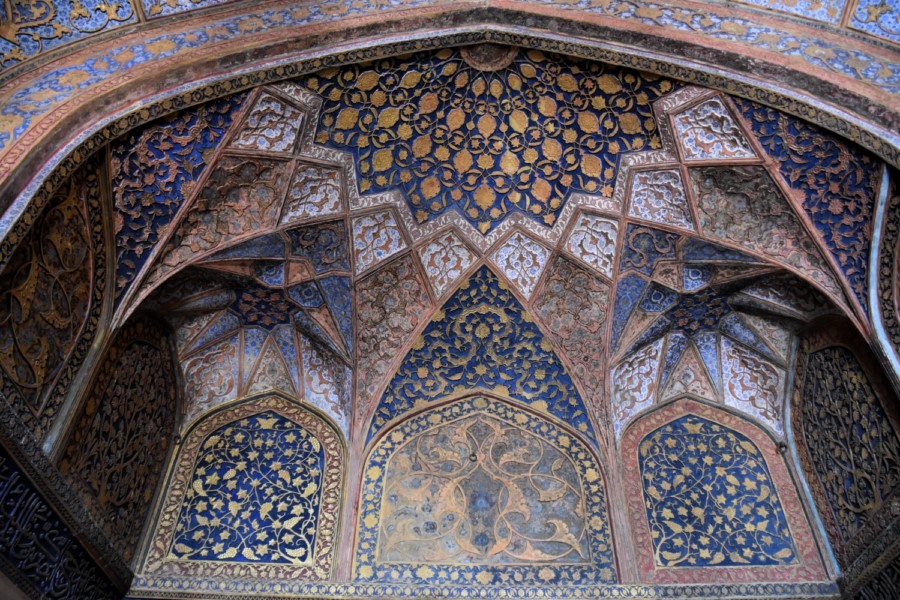
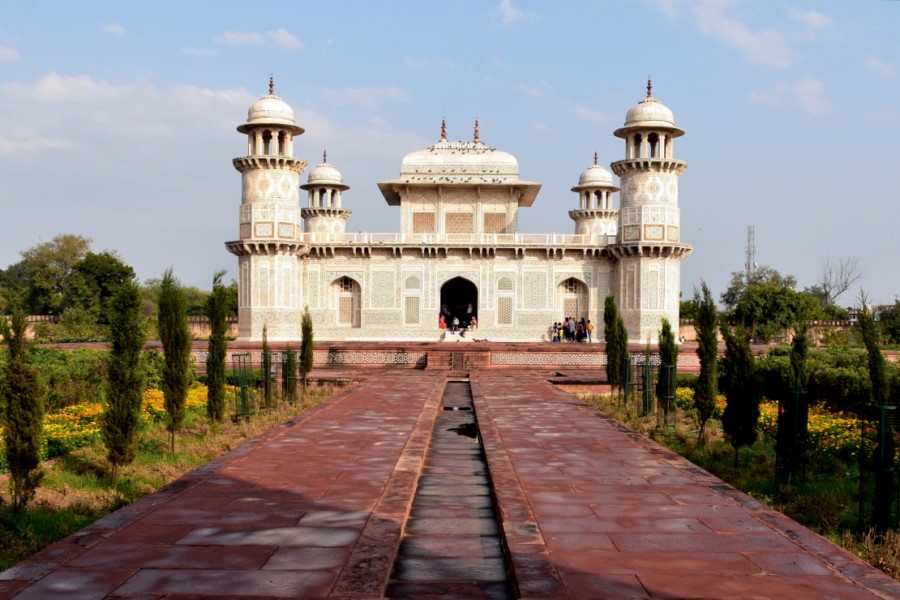
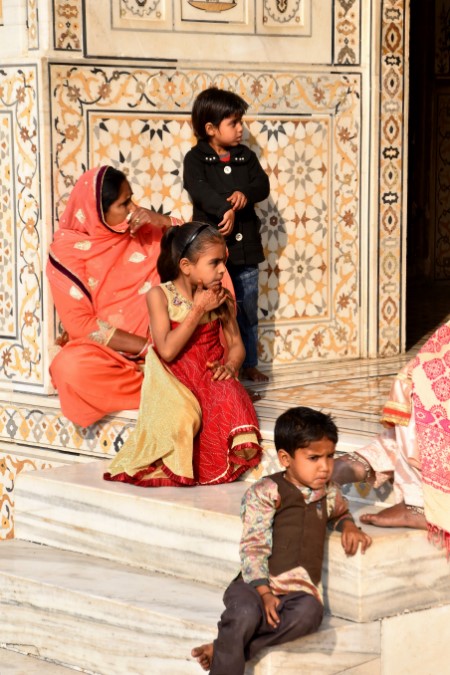
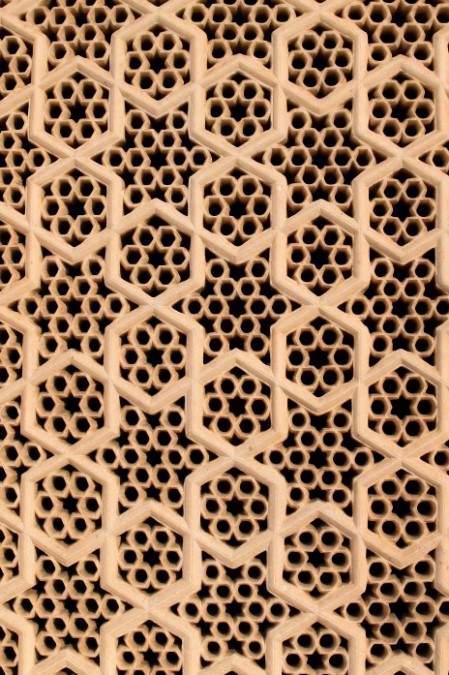
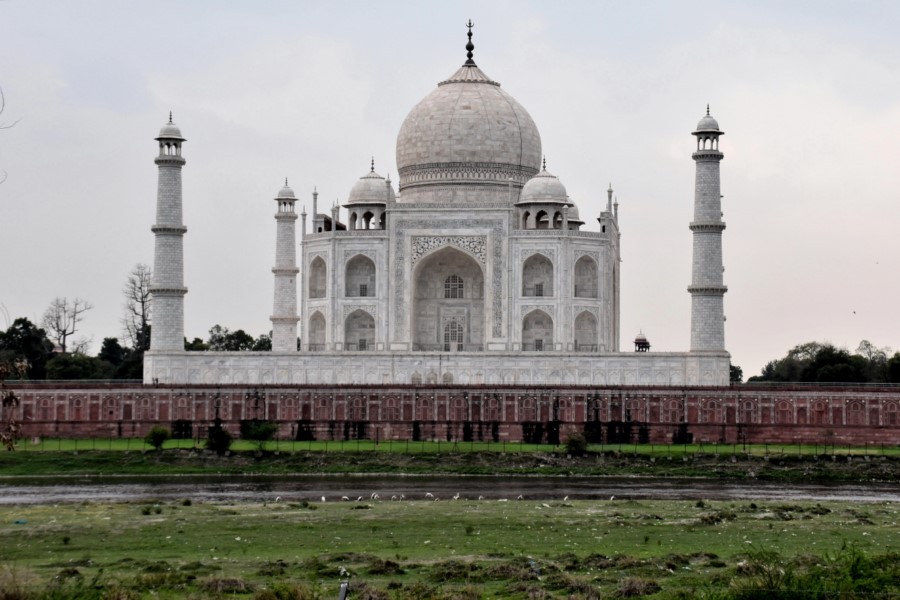
Monumental entrance gate to the complex Crowd of tourists Monumental darwaza Decorative top of the pishtaq Chhatri Calligraphic panels and pietra dura decorations View of the southern facade from the entrance gate Taj Mahal Pishtaq Souvenir photo Marble dome Panels decorating the facade Panels decorating the facade Finial Platform Minaret with a height of 40 meters Relief floral motif Pietra dura Souvenir photo Pool (midha) for ritual ablution View of the western facade from the mosque gate The top of the mihrab The soffit of the mosque dome View of the Yamuna River Souvenir photo Mehmankhana, the guest house Pishtaq of the guest house Vault inlaid with floral and geometric motifs View towards the main gate Tired but happy Agra Fort Amar Singh Gate Local tourists Diwan-i-Aam courtyard Stepwell Arcades surrounding the courtyard Diwan-i-Aam, the hall of public audience The place for the ruler and his retinue Floral motifs in pietra dura technique Macchi Bhawan (Fish Palace) Columns in Diwan-i-Khas The terrace where Jahangir's throne stood Nagina Masjid (Gem Mosque) Courtyard of the Musamman Burj palace Architectural details Musamman Burj palace Column decorated with pietra dura technique Veranda of Musamman Burj Khas Mahal, the private palace of Akbar Interior of Khas Mahal Gardens in the Anguri Bagh courtyard Bangla-i-Jahanara, private chambers of the princess View of the Taj Mahal from the veranda of Bangla-i-Jahanara Courtyard of Akbar's Palace Red sandstone column Jahangiri Hauz, a 17th-century stone monolithic bathtub Jahangiri Mahal Rickshaw ride Indian realities Street vendor looking for customers Indian realities Jama Masjid (Friday Mosque) from the mid-17th century Sikandra, entrance gateway to the Tomb of Akbar the Great Pishtaq Walls inlaid with marble Tomb of Akbar the Great Souvenir photo Monumental gallery Pishtaq Floral arabesques of colored stucco Decorative panels of the facade Conch vault Modest tombstone of Akbar Fragment of the Charbagh garden, walking alley and water tank Curiosity Facade of the western gate Returning from school Gateway to the Tomb of I'timad-ud-daulah Architectural details of the facade Tomb of vizier I'timad-ud-daulah Octagonal tower resembling a minaret Pavilion with a porch crowning the mausoleum Waiting Facade decorations in pietra dura technique A moment of respite Jali (pierced marble screen) Cenotaphs of the parents of Nur Jahan, wife of Emperor Jahangir View of the Taj Mahal from Mehtab Bagh (Moonlight Garden)
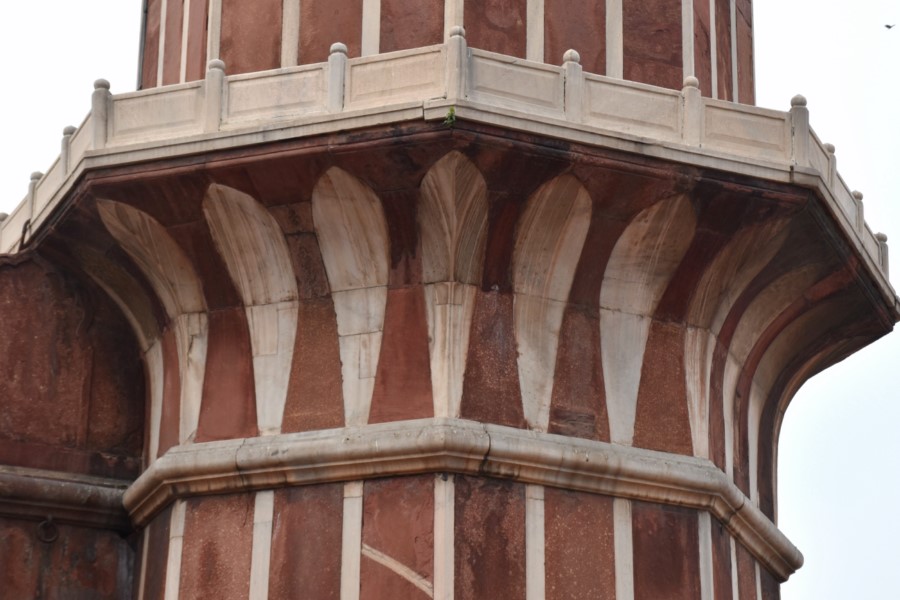
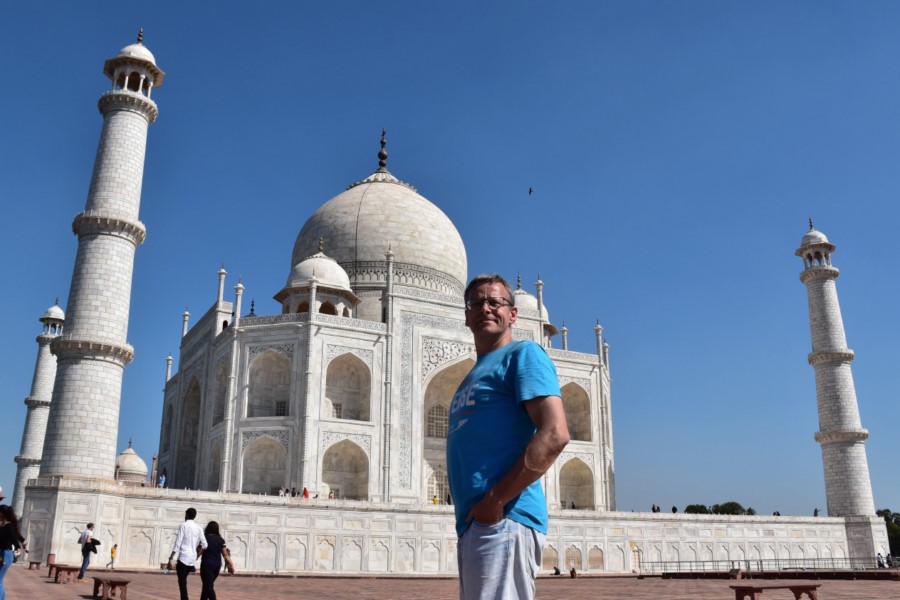
There are many wonderful monuments in Agra that can catch the attention of every tourist. Most of them were built in the period when the city became for some time the capital of the Mughal empire. Red Fort, Sikandra or the tomb of Itimad Ud Daulah made a great impression on me, but all these wonders are overshadowed by the Taj Mahal. The mausoleum is simply phenomenal, and I was lucky to admire it in beautiful, sunny weather.


Keoladeo National Park


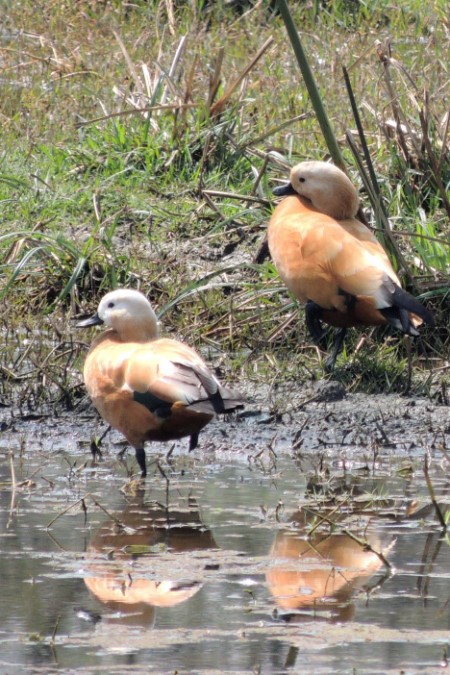
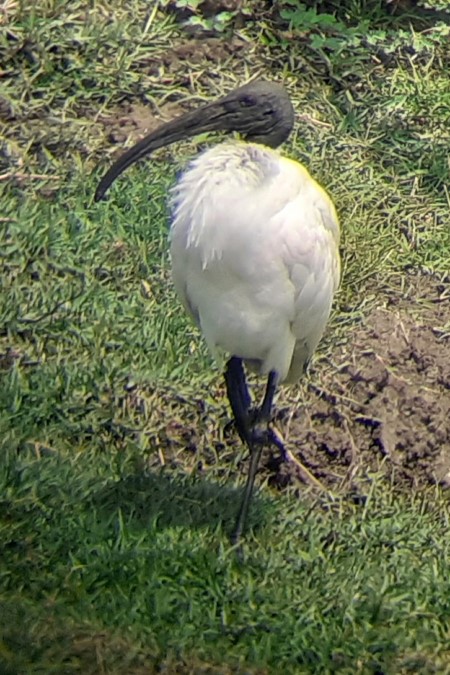
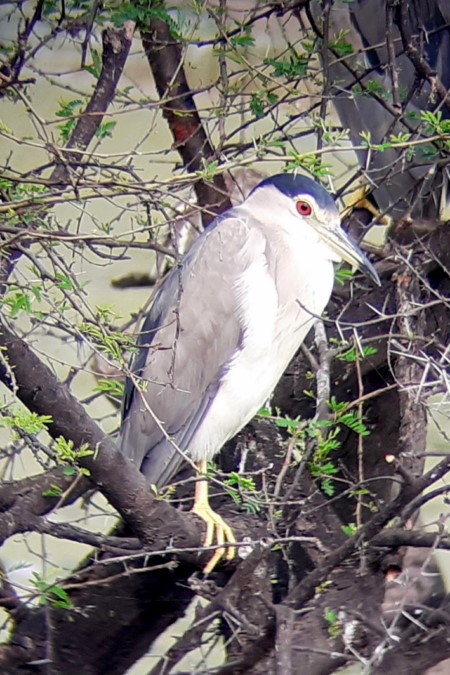
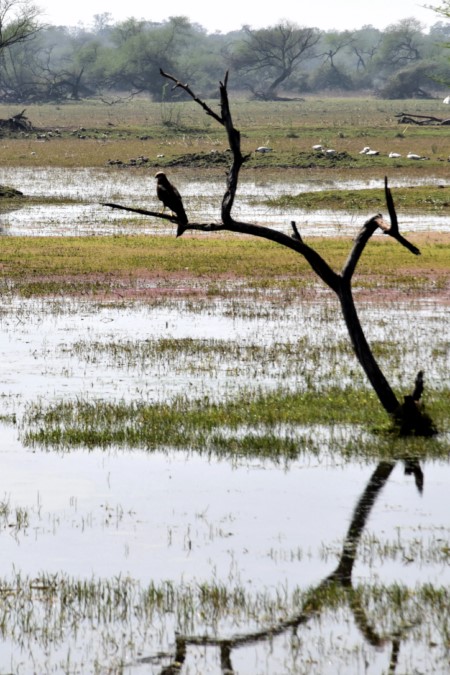
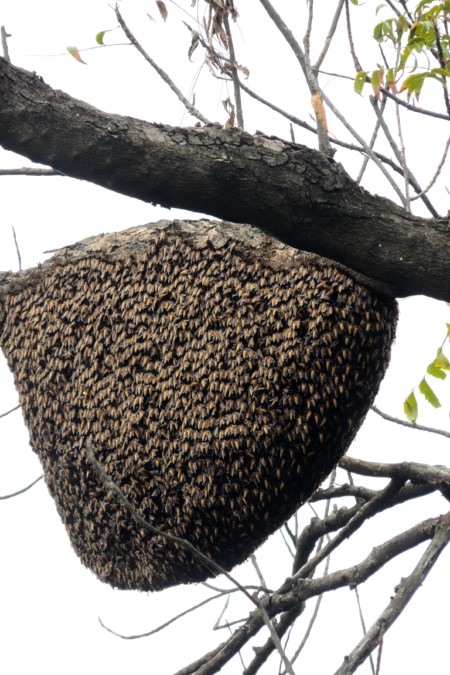
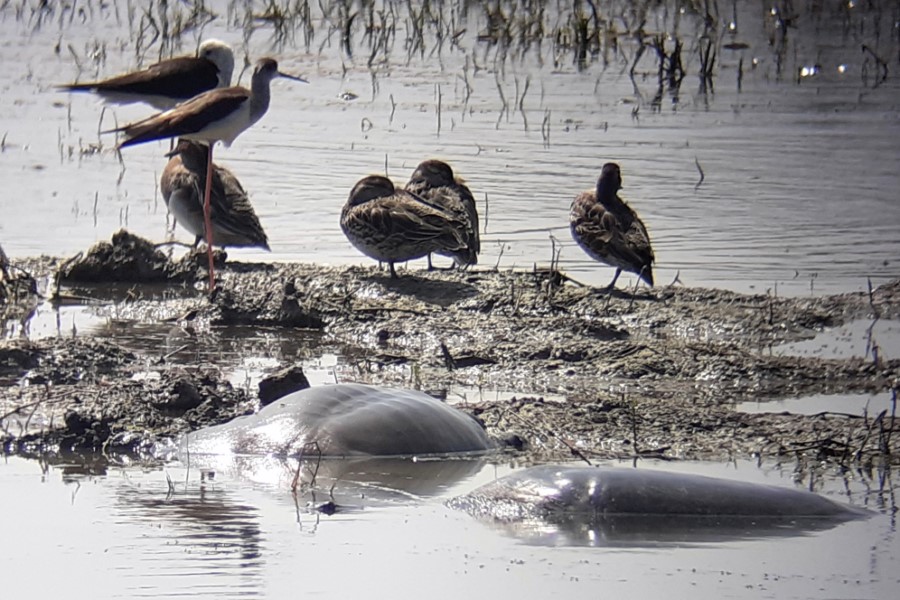
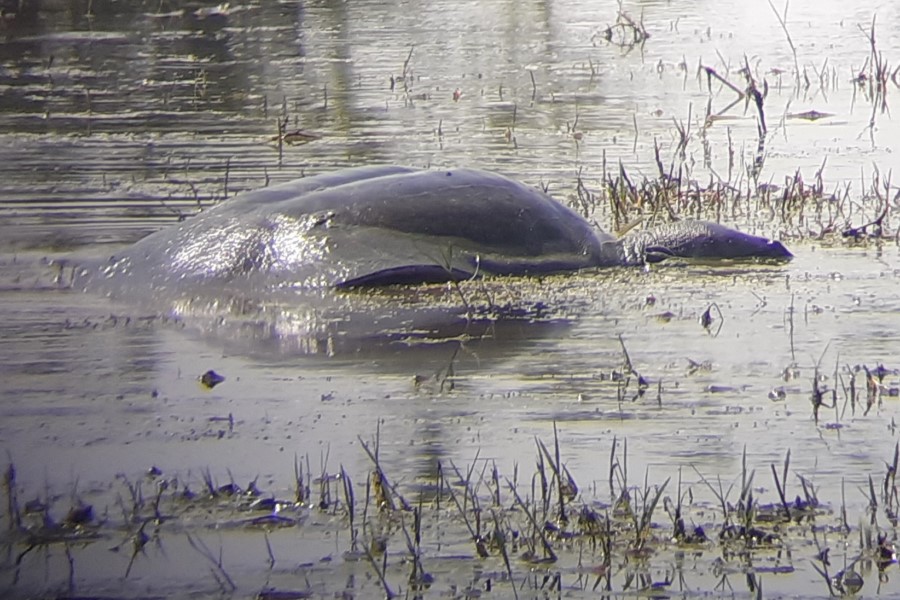
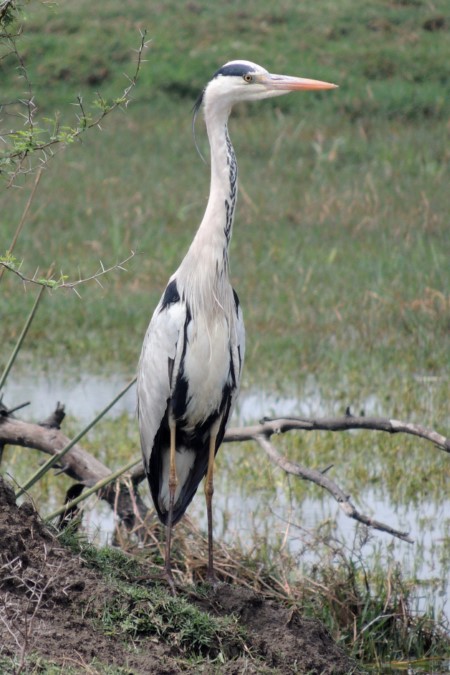
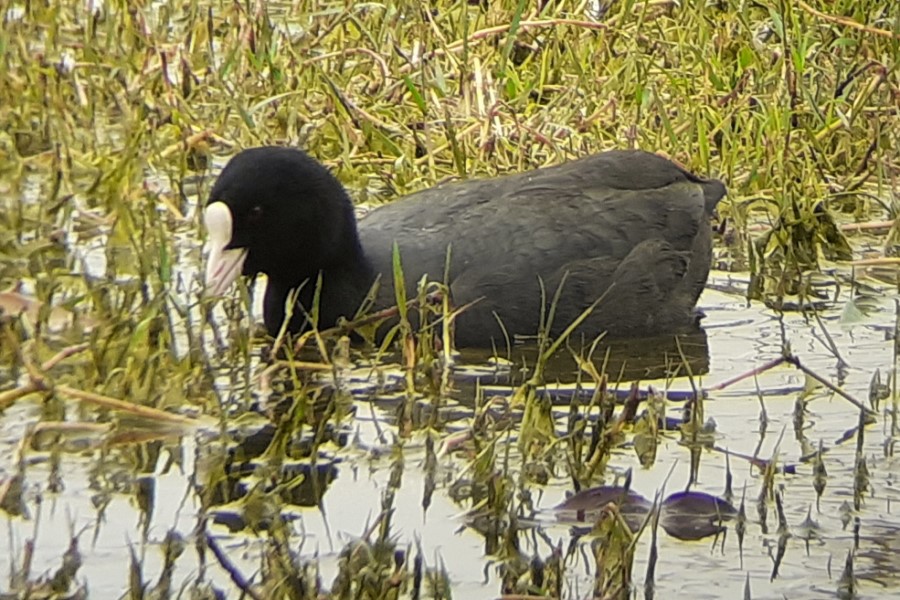
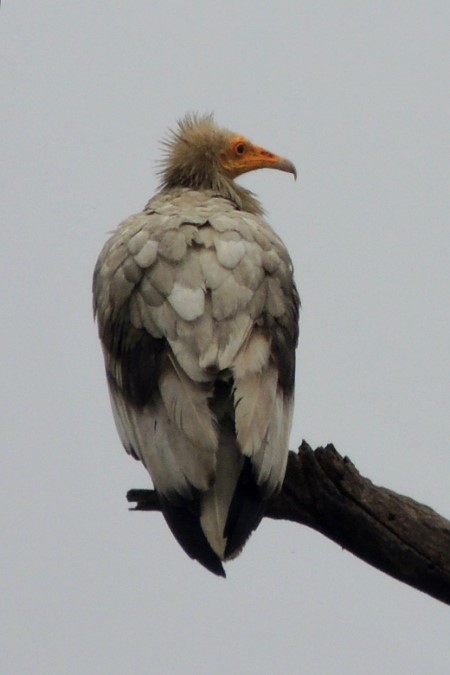
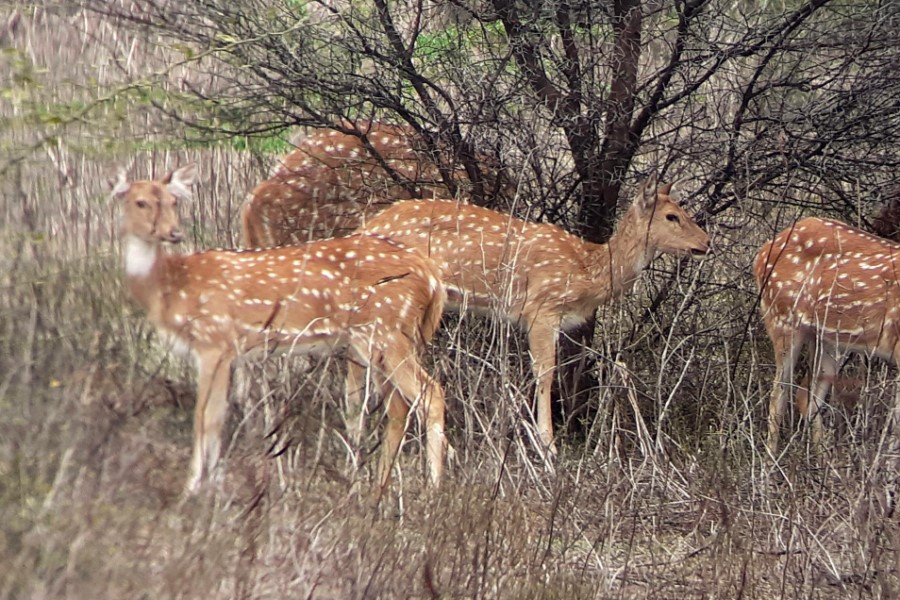
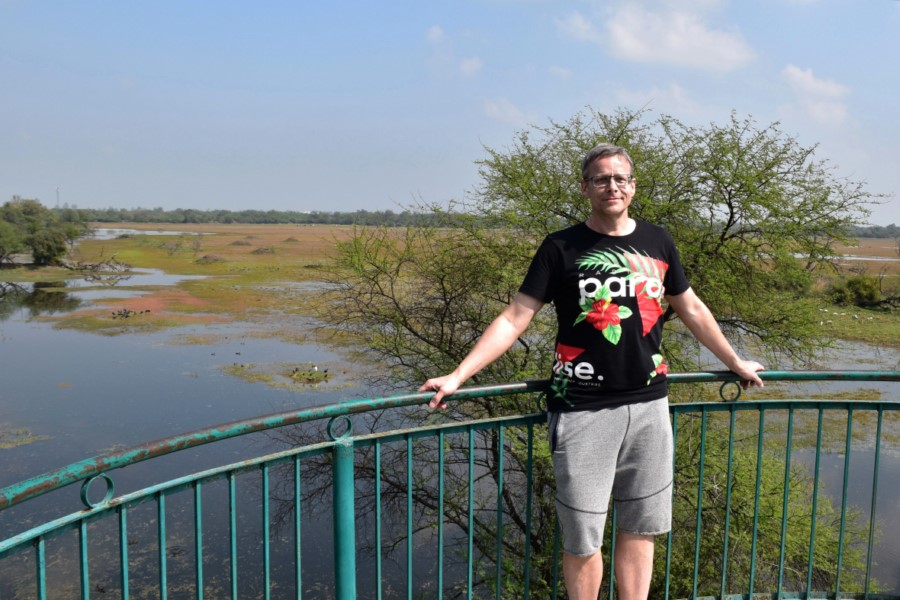
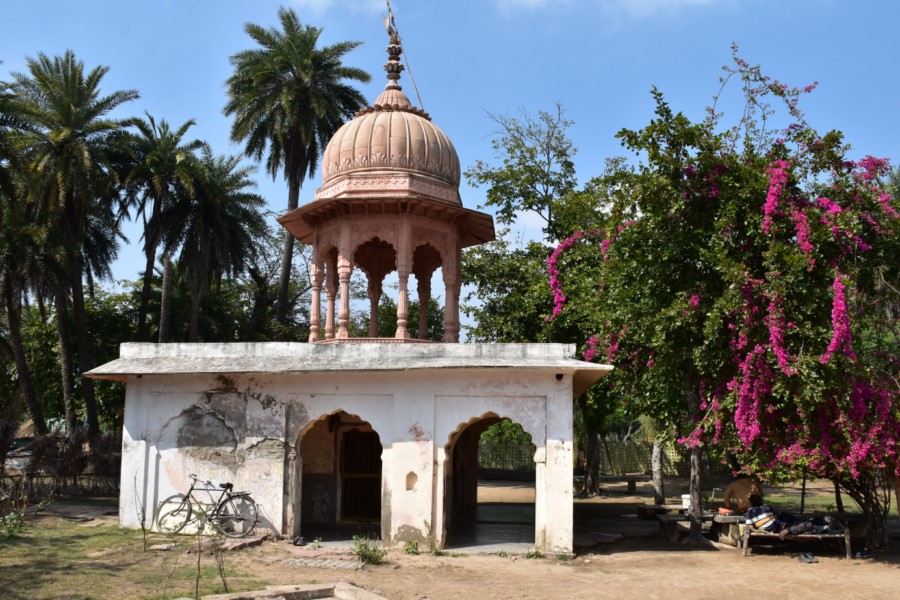
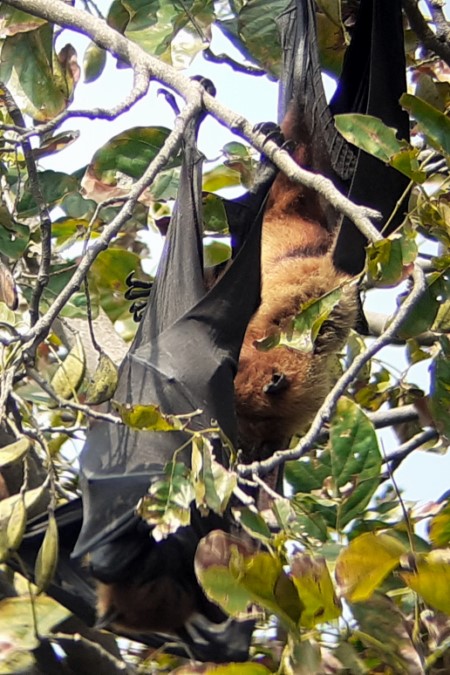
Keoladeo National Park, Ghana canal Purple heron (Ardea purpurea) Glossy ibis (Plegadis falcinellus) Ruddy shelduck (Tadorna ferruginea) Keoladeo National Park Rose-ringed parakeet (Psittacula krameri) Yellow bittern (Ixobrychus sinensis) Keoladeo National Park Zebu (Bos indicus) Black-headed ibis (Threskiornis melanocephalus) Bar-headed goose (Anser indicus) Keoladeo National Park Black-crowned night heron (Nycticorax nycticorax) Zebu (Bos indicus) Common kestrel scanning the area Wasp nest covered with insects Spotted owlet (Athene brama) Keoladeo National Park Eurasian coot (Fulica atra) Painted stork (Mycteria leucocephala) Keoladeo National Park Intermediate egret (Ardea intermedia) Indian spot-billed duck (Anas poecilorhyncha) Keoladeo National Park Common kestrel (Falco tinnunculus) Grey heron (Ardea cinerea) Cormorants Great egret (Ardea alba) Great egret hunting White-throated kingfisher (Halcyon smyrnensis) Little egret (Egretta garzetta) Yellow bittern (Ixobrychus sinensis) Keoladeo National Park Black-headed ibis (Threskiornis melanocephalus) Indian cormorant (Phalacrocorax fuscicollis) Souvenir photo Bengal monitor (Varanus bengalensis) Northern jacana (Jacana spinosa) Keoladeo National Park Great cormorant (Phalacrocorax carbo) Egyptian vulture Keoladeo National Park Birds and turtles Giant softshell turtle (Pelochelys cantorii) Ruddy shelduck (Tadorna ferruginea) Grey heron (Ardea cinerea) Eurasian coot (Fulica atra) Peeper Indian peafowl (Pavo cristatus) Egyptian vulture Chital female deer (Axis axis) Keoladeo National Park Little cormorant (Microcarbo niger) Intermediate egret (Ardea intermedia) Grey-headed swamphen (Porphyrio poliocephalus) Observation deck Shiva temple Indian flying fox (Pteropus giganteus)
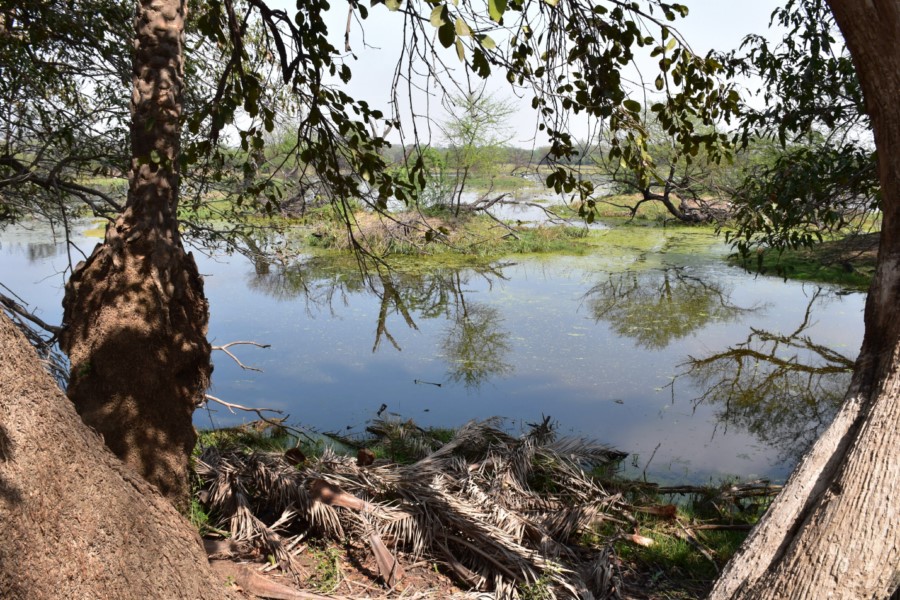
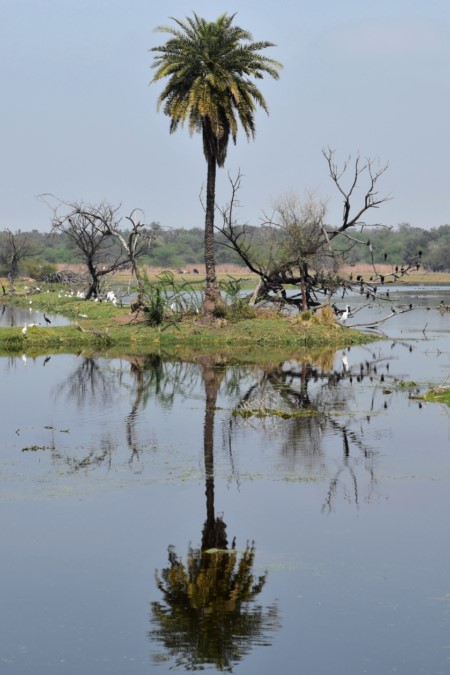
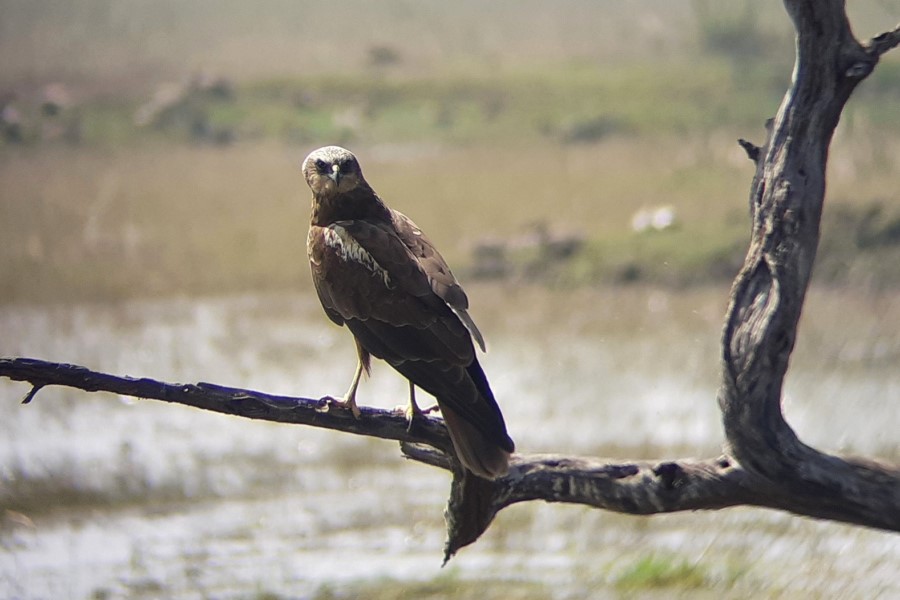
Watching animals always gives me peace of mind and allows me to rest after the hardships of sightseeing. This was also the case this time, during a visit to the Keoladeo Ghana National Park, which is one of the most important migratory bird reserves, honored on the Unesco List. Taught by experience from Costa Rica, this time I hired a professional guide who searched for different species of birds and showed them to me in a telescope.


Fatehpur Sikri


Monumental Buland Darwaza gate Meditation Calligraphic panels with verses from the Quran Tomb of Islam Khan Buying votive offerings The dome of the mausoleum and decorative chhatri pavilions Interior of the mosque, with the prayer hall in the background Prayer Pierced screen, with Buland Darwaza in the background Courtyard of the Jama Masjid (Grand Mosque) Tomb of Sheikh Salim Chishti Elaborately decorated marble column Sunahra Makan, a residential palace used as a harem Relief wall decorations of the harem Courtyard of Jodha Bai's Palace Souvenir photo Brackets supporting the roof Columns in one of the palace halls Birbal's House Relief wall panel Panch Mahal, a five-story pavilion Haramsara, imperial stables for horses and camels Diwan-i-Khas, the hall of private audience An impressive central pillar supporting the vault The top part of the pillar forming walkways decorated with jali screens Resting Elaborate decorations of the chhatri pavilion Turkish Sultana's pavilion, a place for discreet trysts Reliefs on the bracket and delicate carvings on the walls A stone roof resembling clay tiles Khwabgah (Chamber of Dreams), the private bedroom of the emperor Pachisi Court, with the Anup Talao pool in the foreground

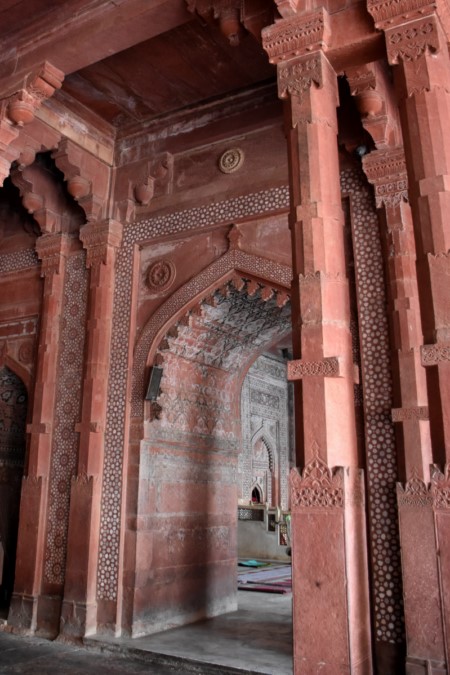
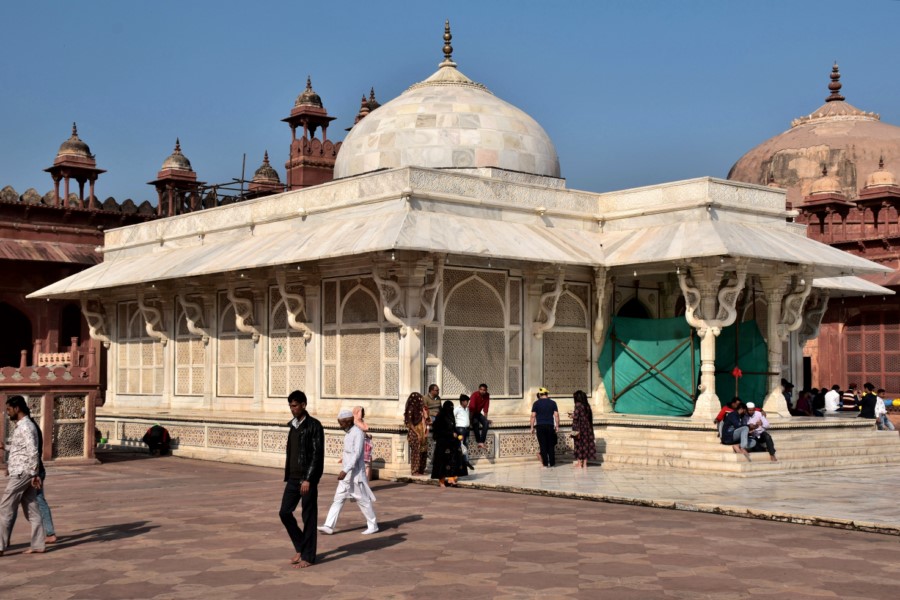
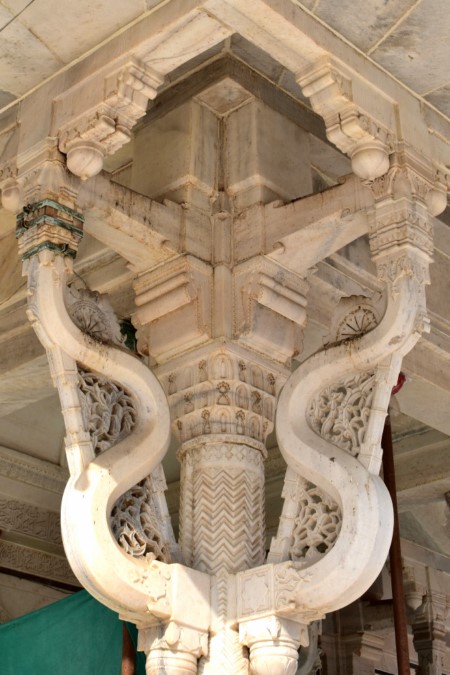
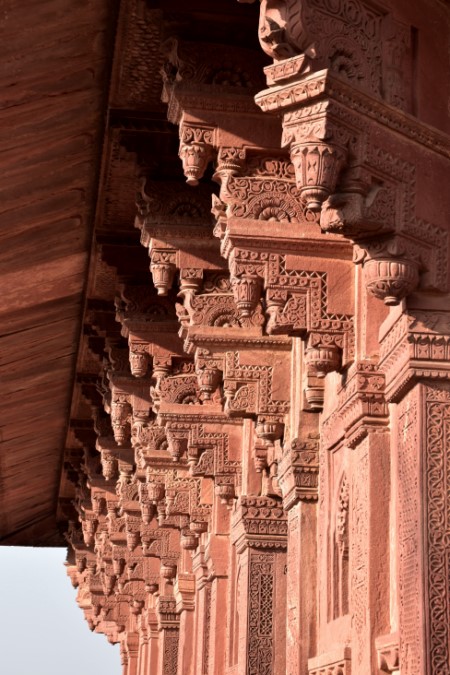
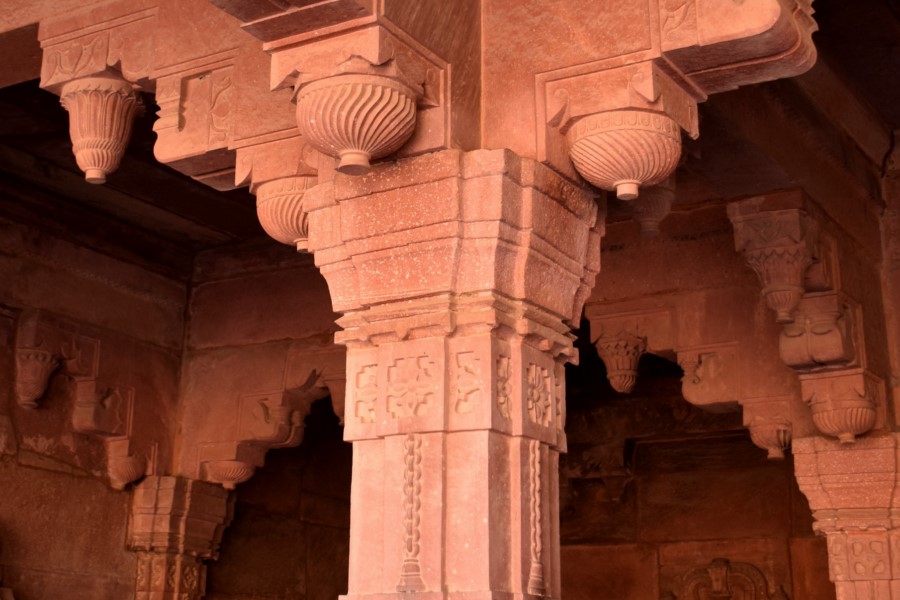
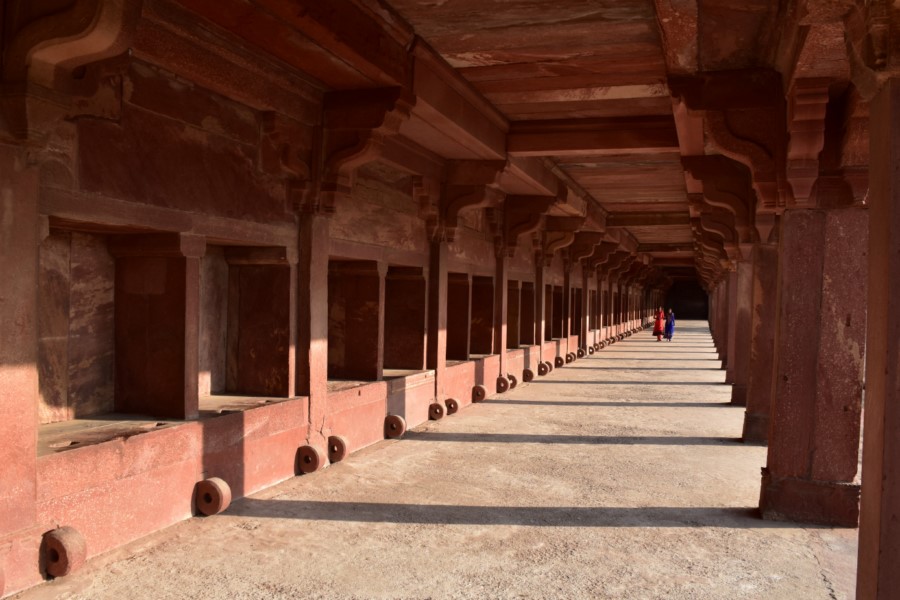
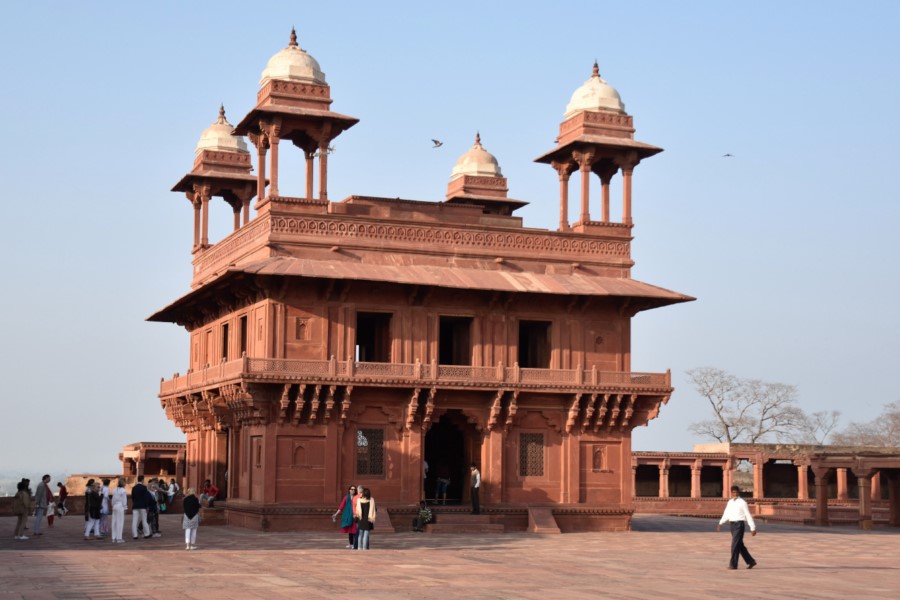
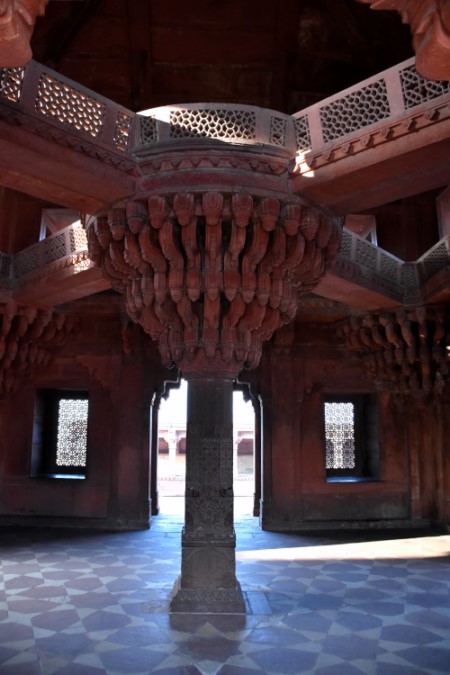
Unesco-listed Fatehpur Sikri became a ghost town shortly after completion. One of the reasons Akbar, ruler of the Mughal Empire, left his capital was the lack of drinking water. Everything here is monumental, and the masterfully crafted red sandstone ornaments make you dizzy. I remember the image of Diwan-i-Khas with a central, exquisitely decorated stone column.


Varanasi and Sarnath


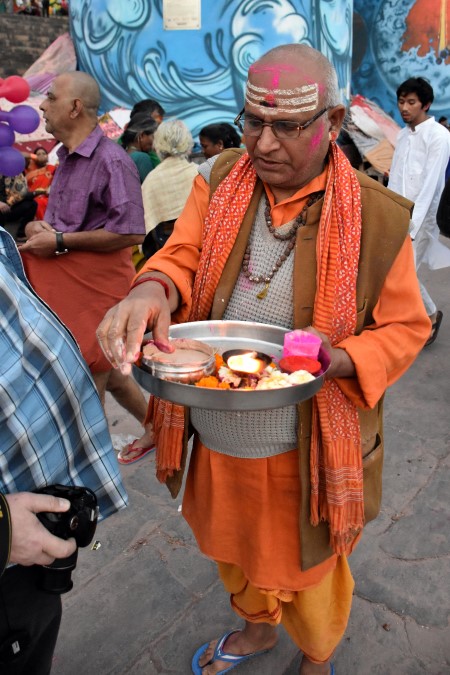
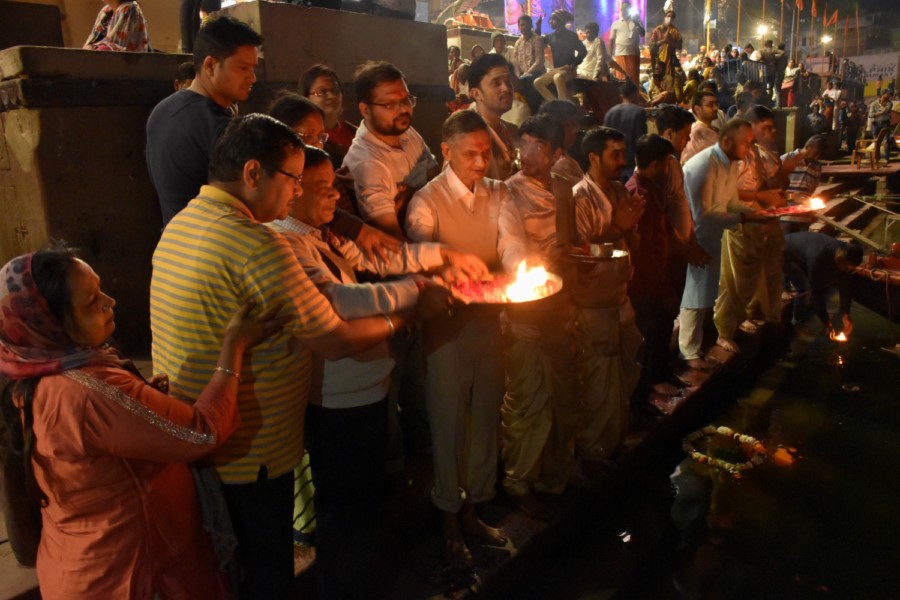
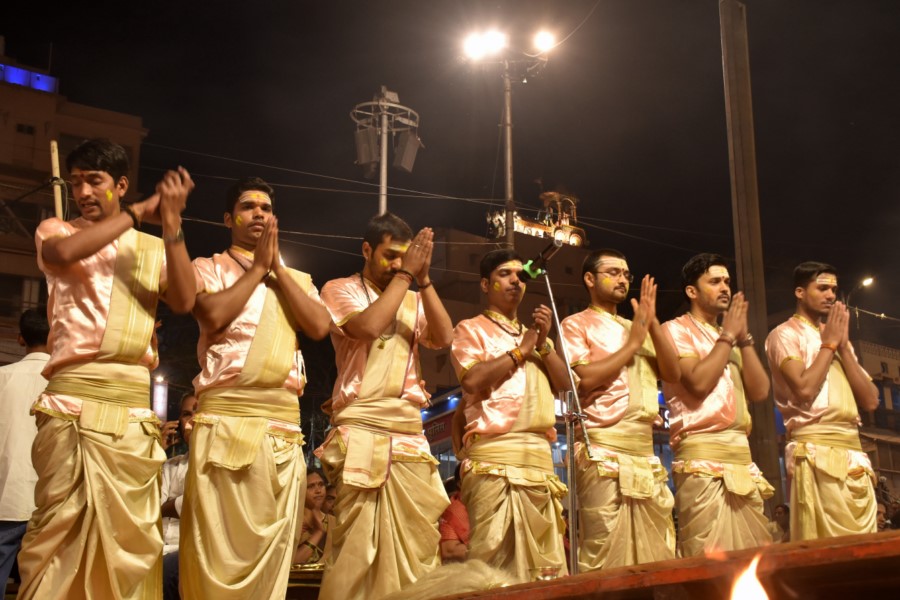
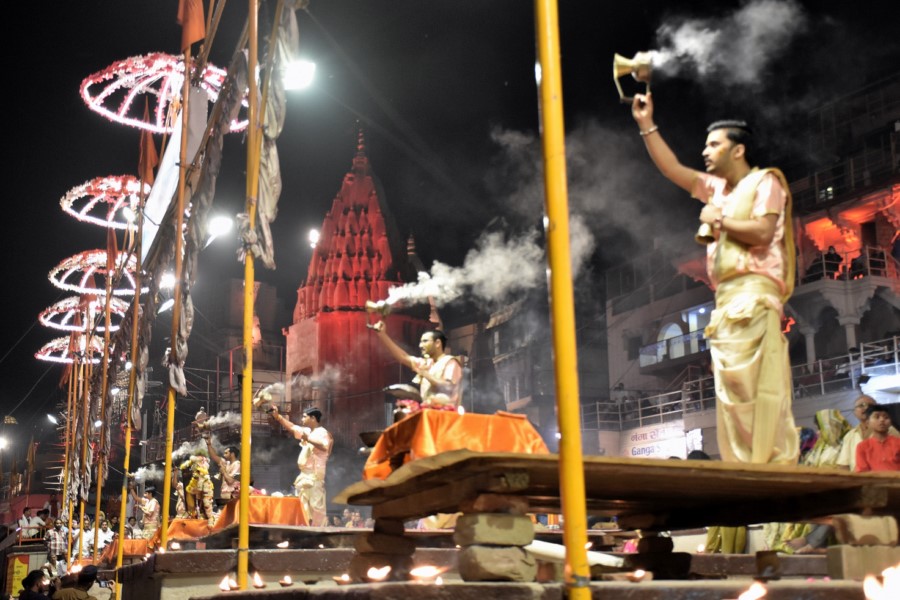
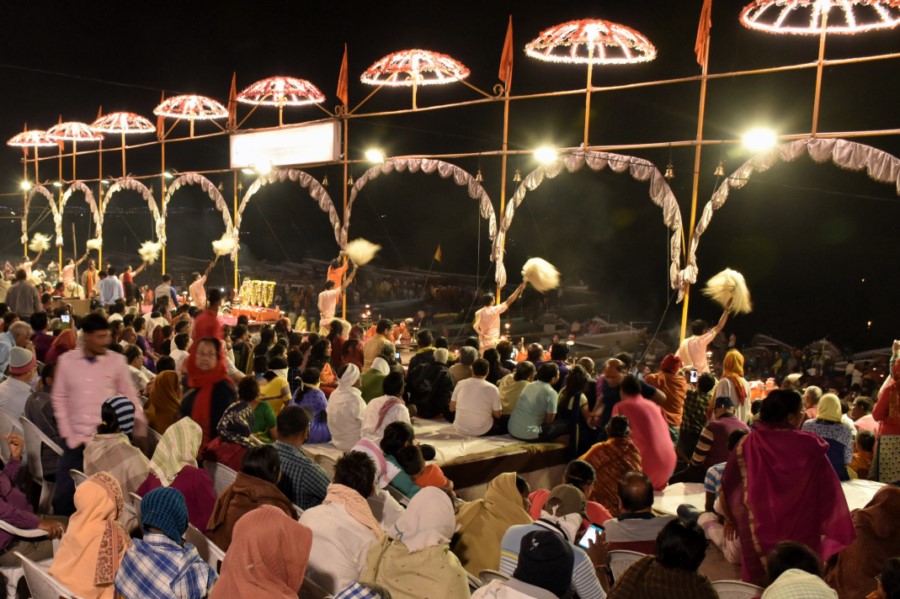
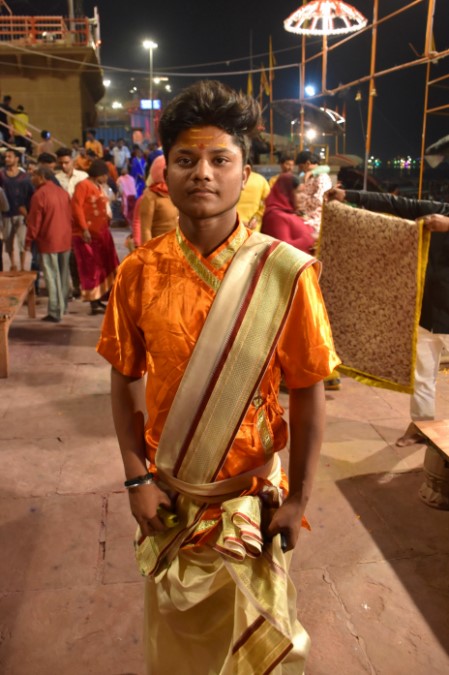
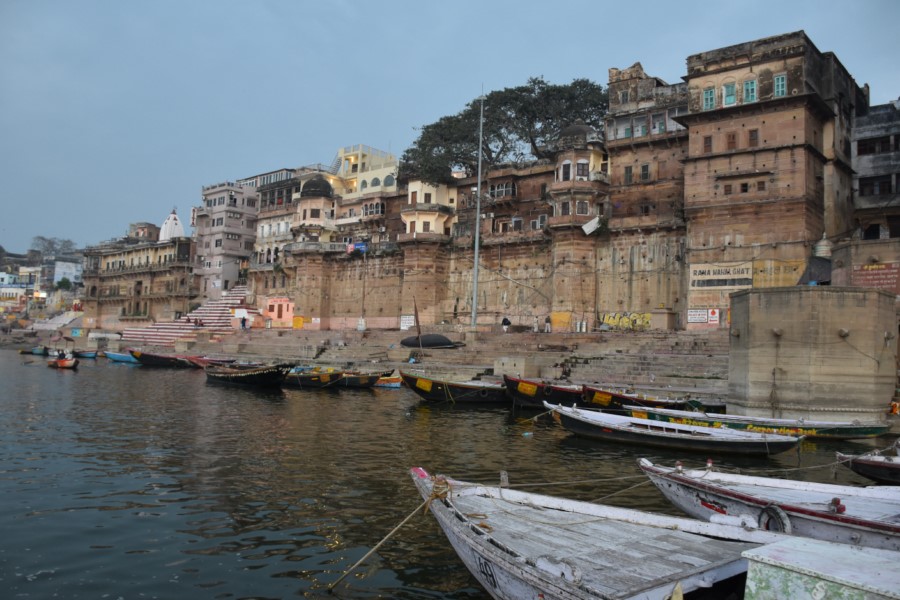
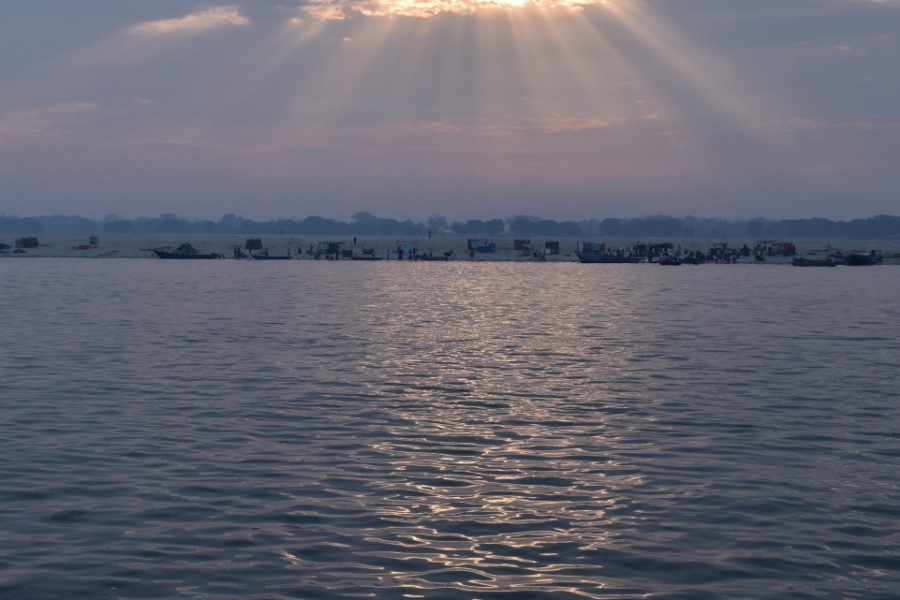
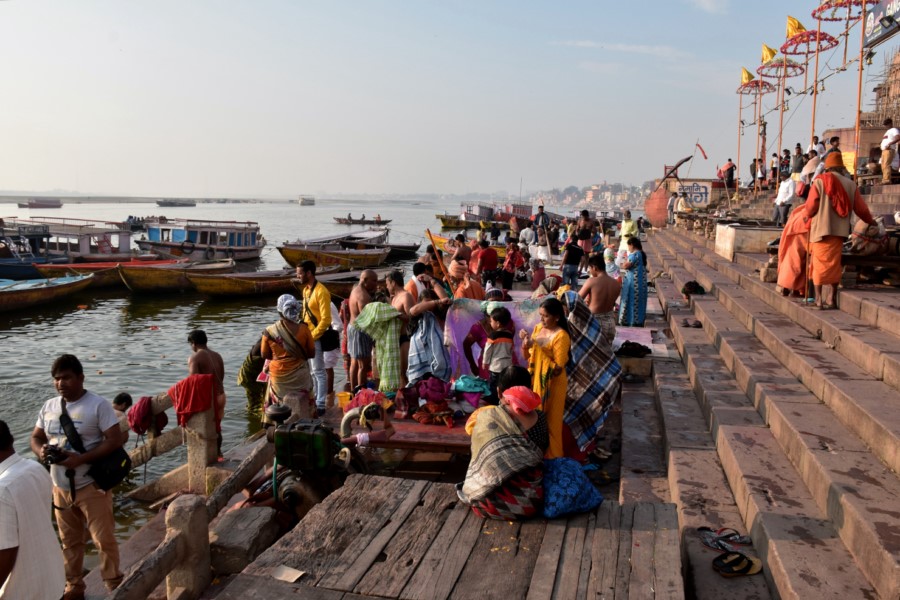
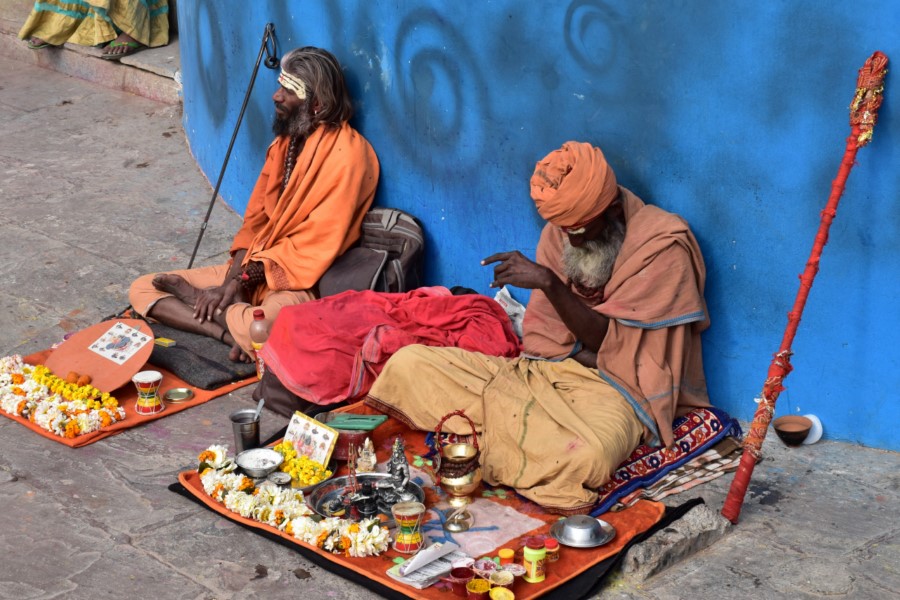
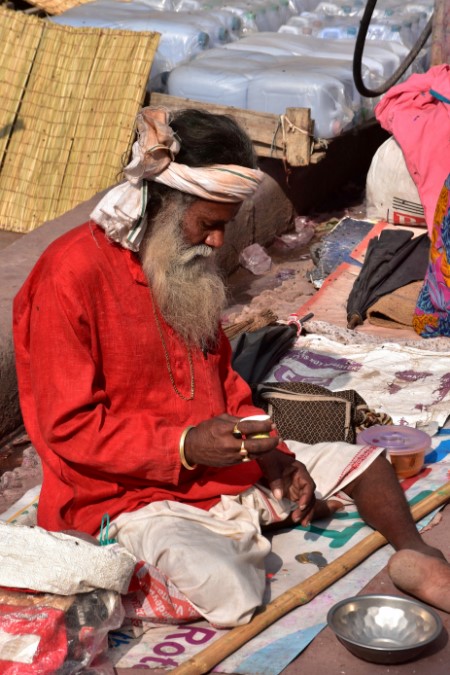
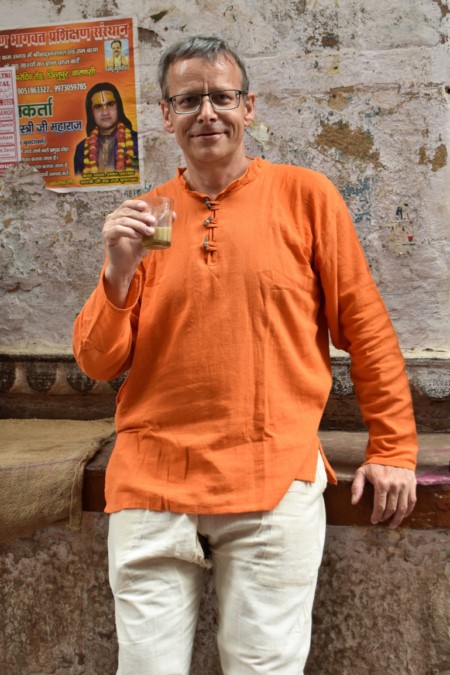
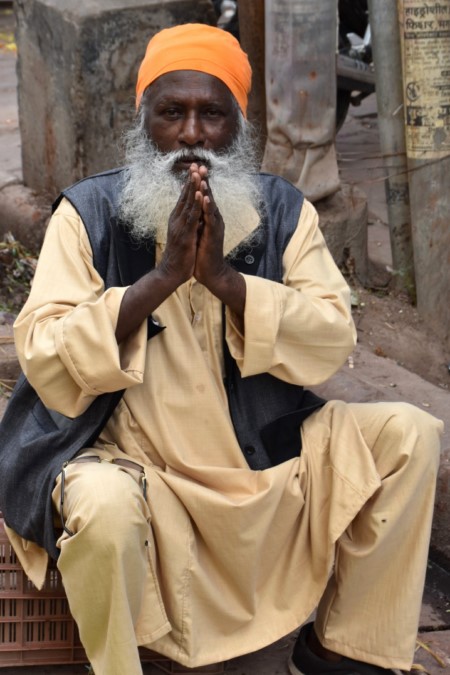
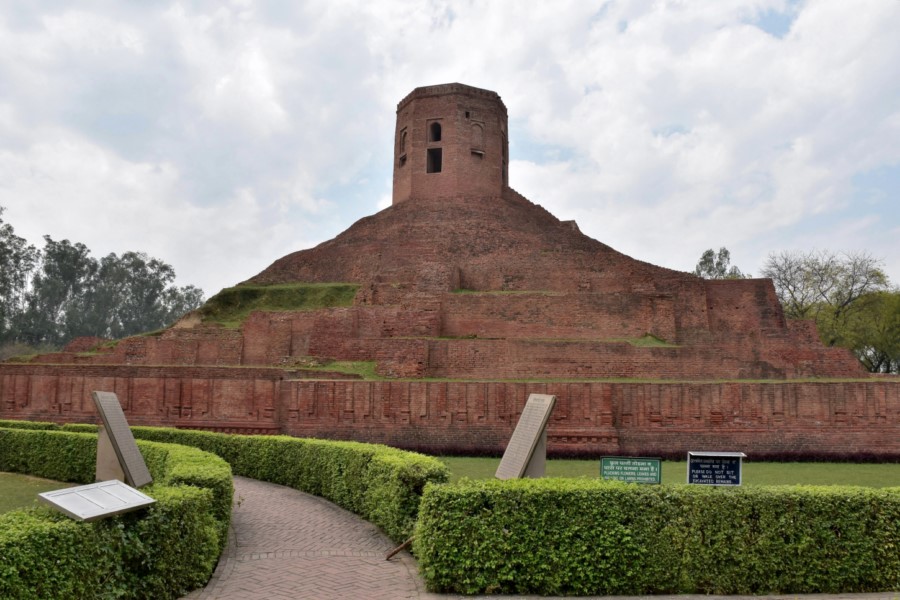
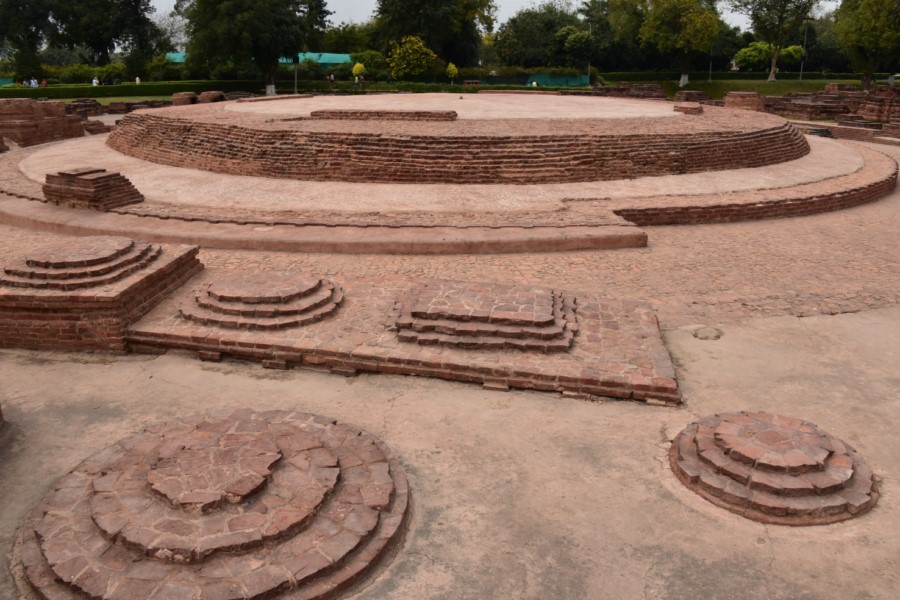
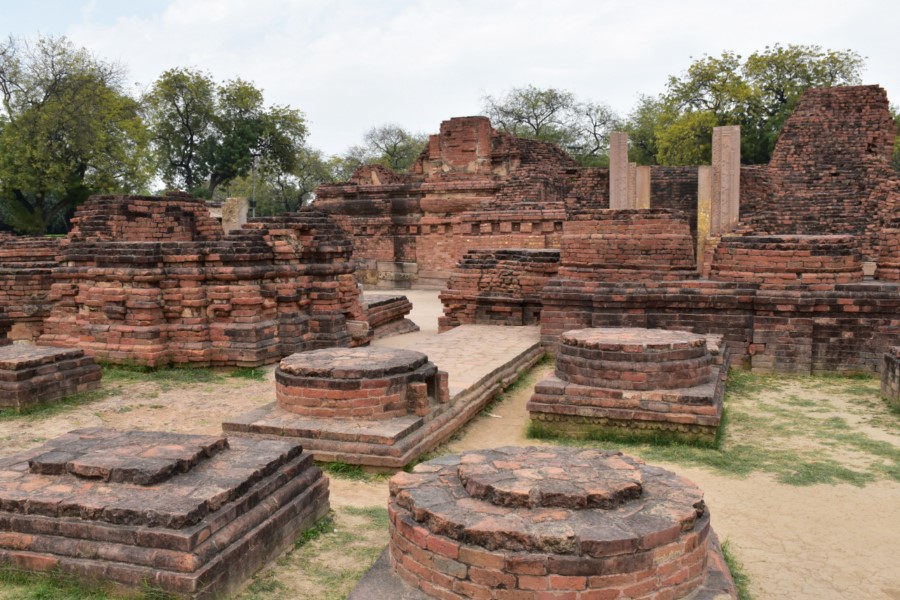
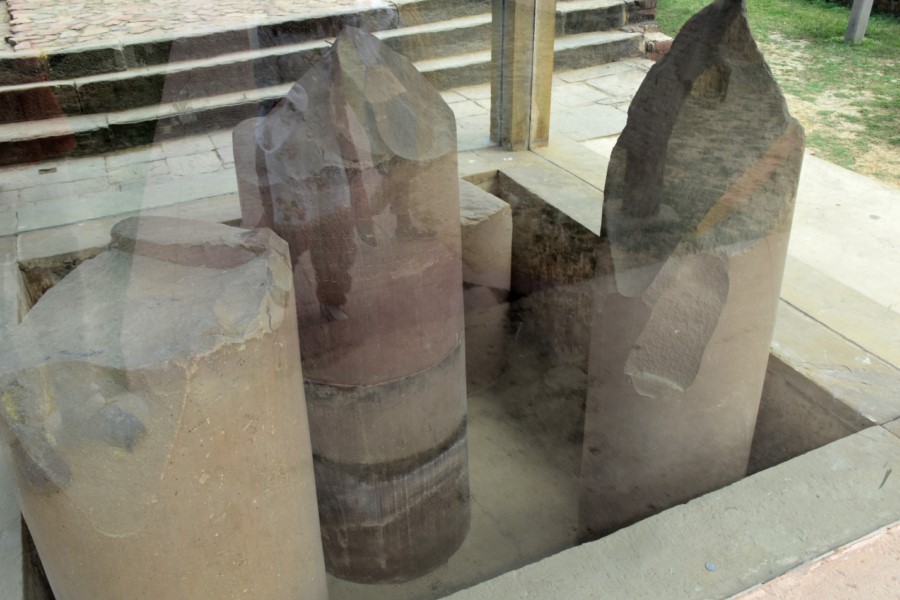
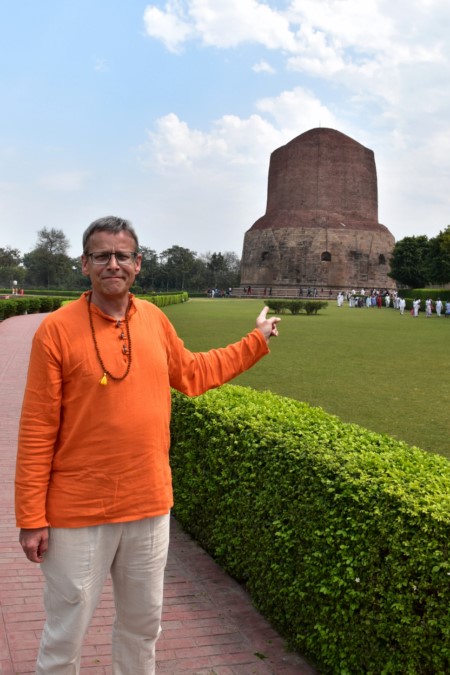
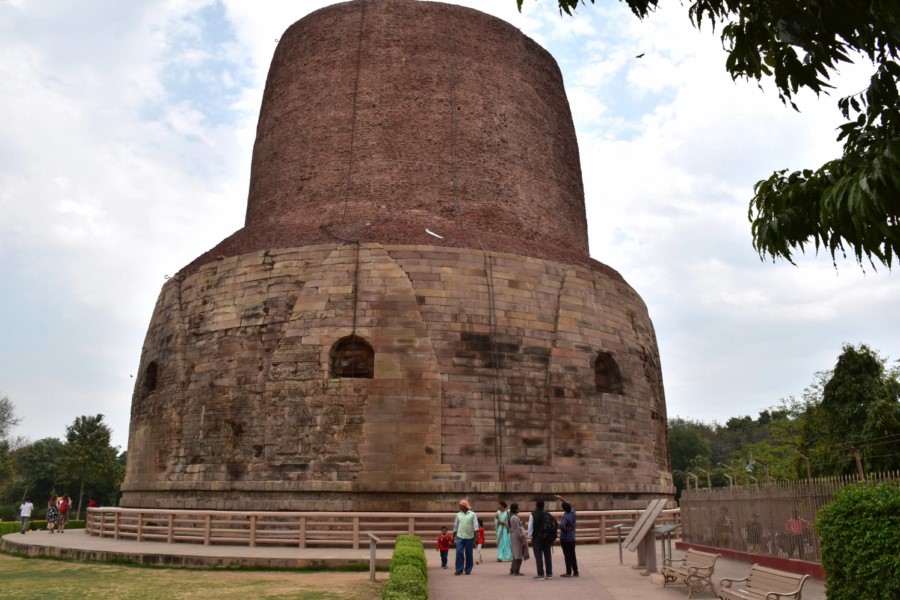
Priest Application of the ceremonial tilaka on the forehead Pigments Souvenir photo Waiting for the Ganga Aarti ceremony honoring the Goddess of the Ganges River Waiting Dashashwamedh Ghat decorated for the ceremony Offering ghee lamps to the deity Votive flowers, incense and akshata Offering of fire Beginning of the Aarti ceremony Burning incense Rhythmic circling of incense lamps Religious ecstasy Performers facing the sacred river Massive brass deepam lamps Individual flower and candle offerings for floating Traditional kurta and dhoti of the Aarti ceremony participant Dawn over the Ganges Darbhanga Ghat, boat ride Rana Mahal Ghat, boat ride Chousatti Ghat, boat ride Mourners by a burning funeral pyre Impression Ritual bathing in the Ganges Ritual bathing in the Ganges Ritual bathing in the Ganges Rowing is not such an easy task Preparation of floral garlands Religious ceremony Pilgrim Ritual bathing in the Ganges Ritual bathing in the Ganges Ritual bathing in the Ganges Morning ceremony Morning at Dashashwamedh Ghat Pilgrim Pilgrim Pilgrim Open-air service Pilgrim Vendors of religious items Sadhu, a wandering ascetic Beggar They deserve a treat too Pilgrim Sadhu, a wandering ascetic Manikarnika Ghat, funeral pyres Barges with firewood for cremation Pilgrims need to be fed Preparation of traditional masala chai tea A heavenly taste I wasn't tempted by the lassi Pilgrim Nothing extraordinary here Greeting Street shrine Pilgrim Street shrine Dashashwamedh Ghat in the daylight On the way Giant statue of Buddha in the Rishipattana Deer Park Chaukhandi Stupa Remains of the Dharmarajika Stupa from the Ashoka era Ruins of the Mulagandhakuti Vihara temple Courtyard in front of the main temple Fragments of the Ashoka Pillar (3rd century BC) Panchayatan shrine from the Gupta period (3rd-8th century) where merchant Yasa converted to Buddhism after the first sermon Altar where pilgrims apply gold leaf Souvenir photo Dhamekh Stupa (11th century) with a height of 39 meters Niche decorated with geometric and floral reliefs

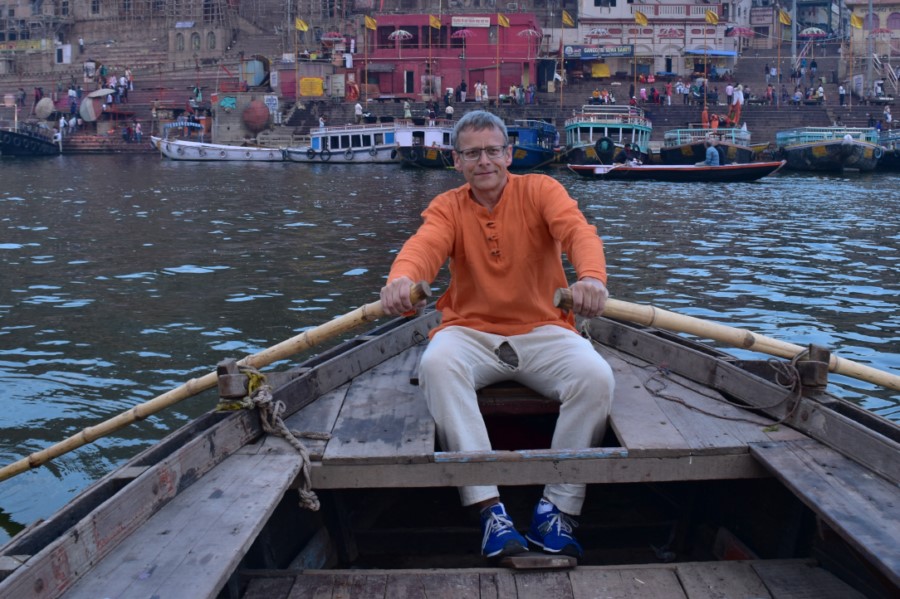
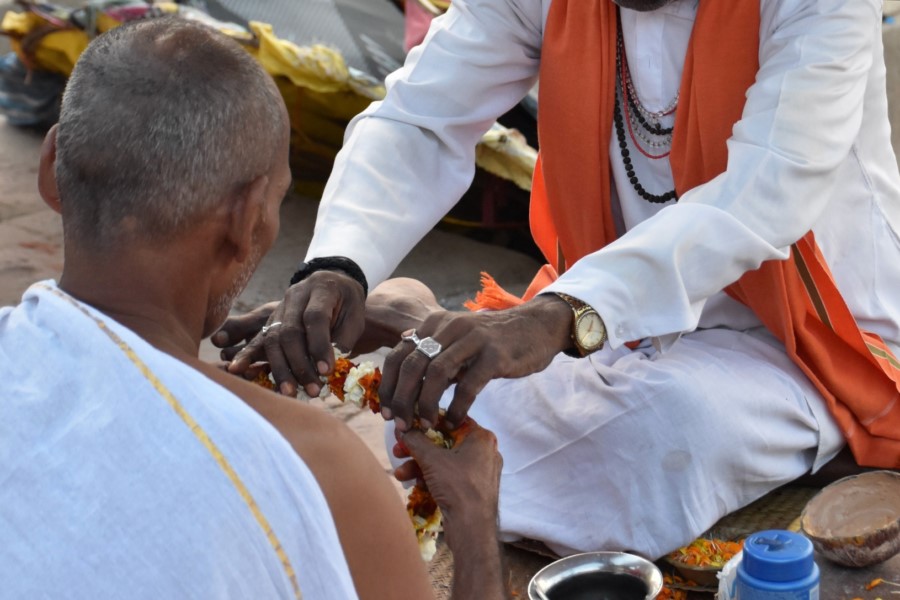
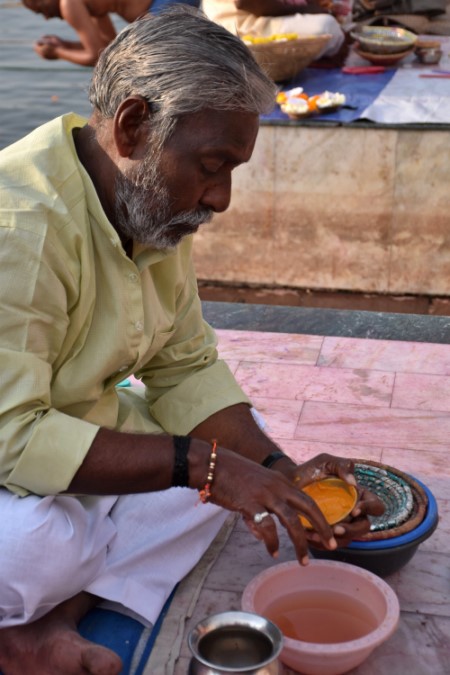
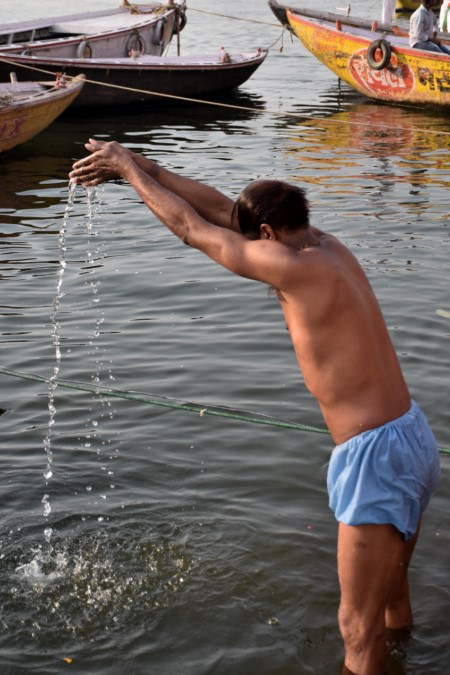
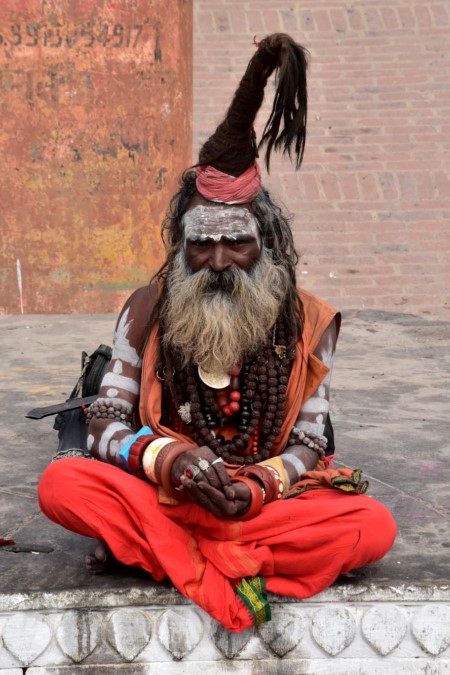
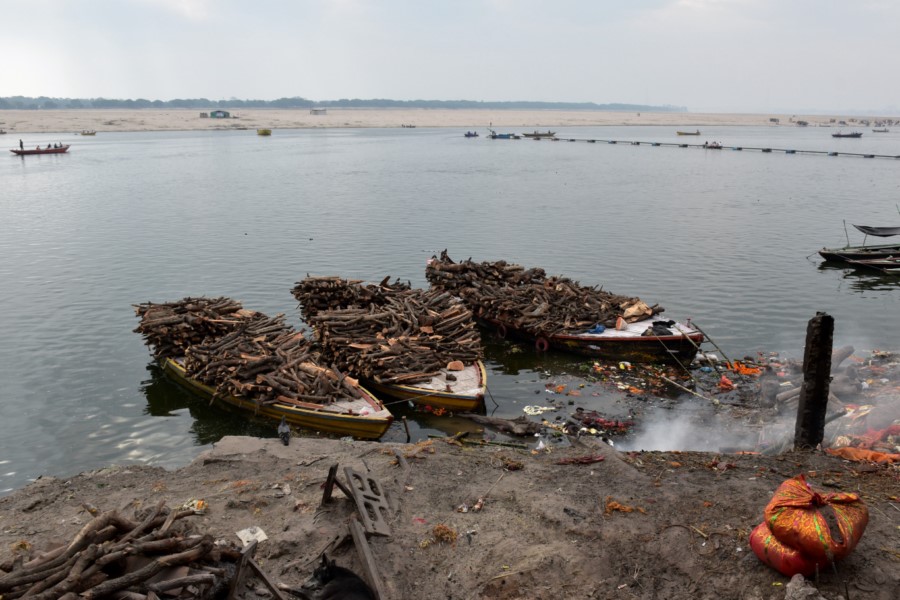
Full of pilgrims, Varanasi is the holiest city of Hindus who believe that death in this place gives the best chance for moksha or salvation. It's not easy for a Westerner to get around here, and I only had one day for that. In the evening, I attended the wonderful Hindu Ganga Aarti ceremony, the next day greeted the sunrise with a boat ride on the Ganges, and finally visited Sarnath, the site of the Buddha's first sermon.


Khajuraho


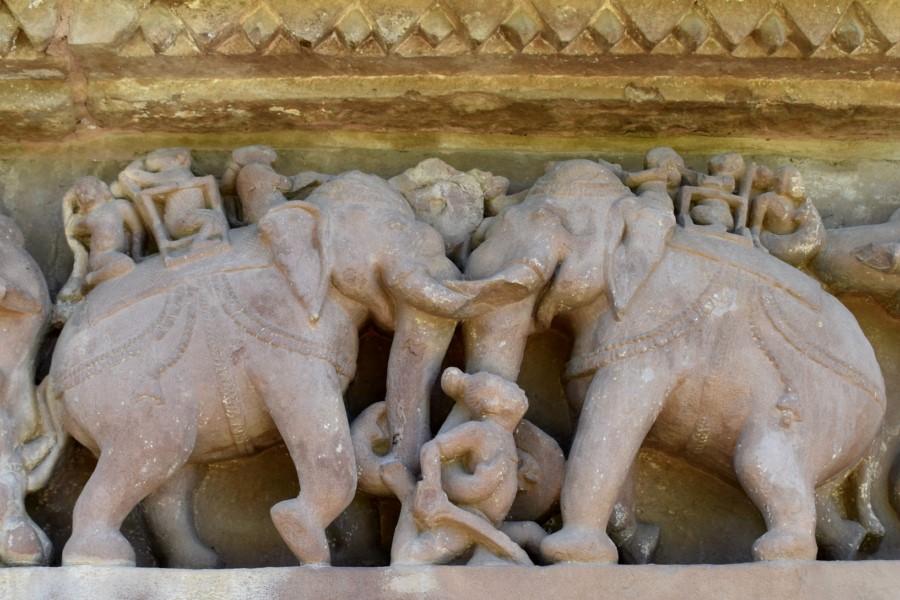
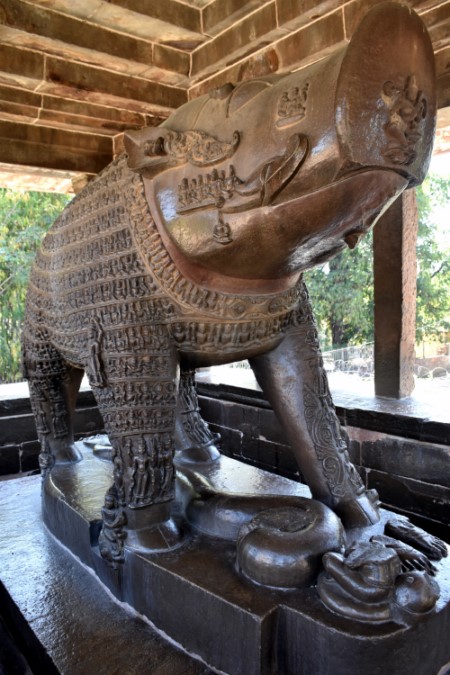
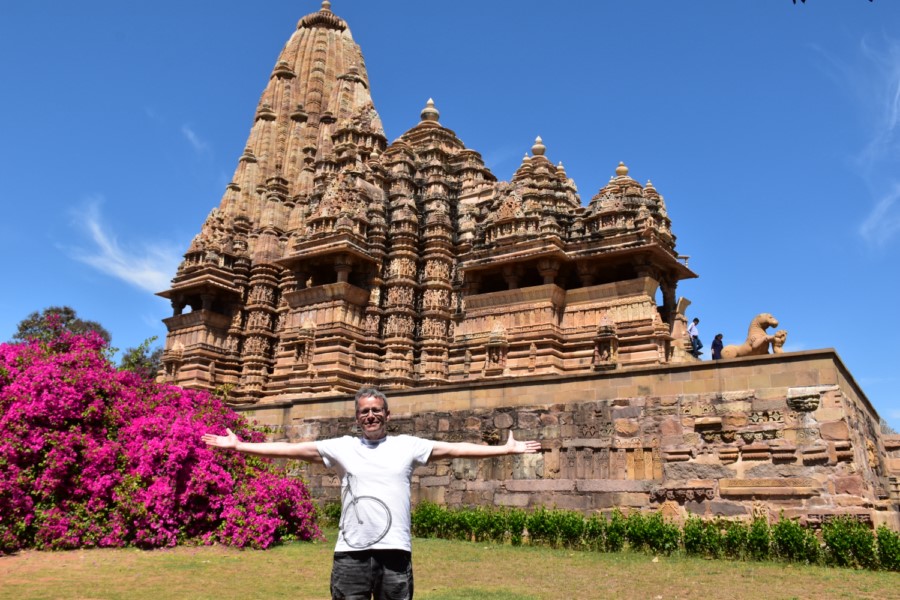
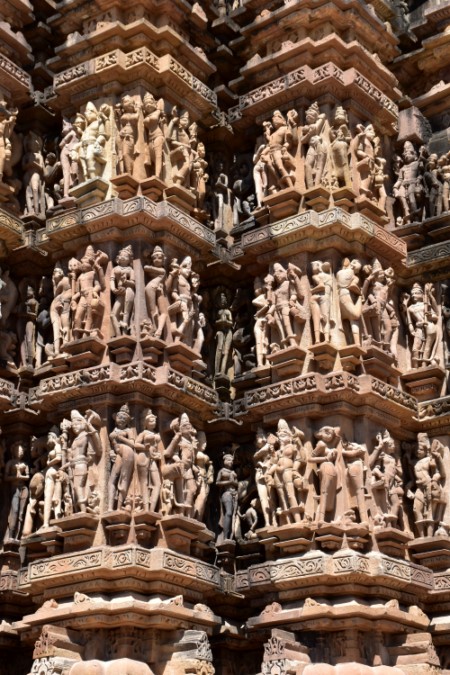
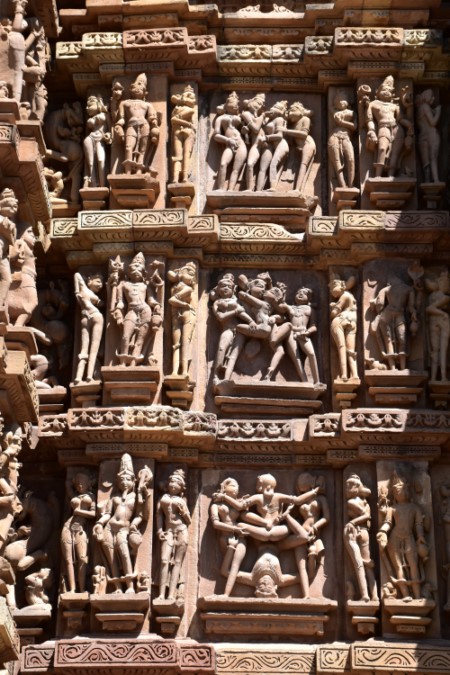
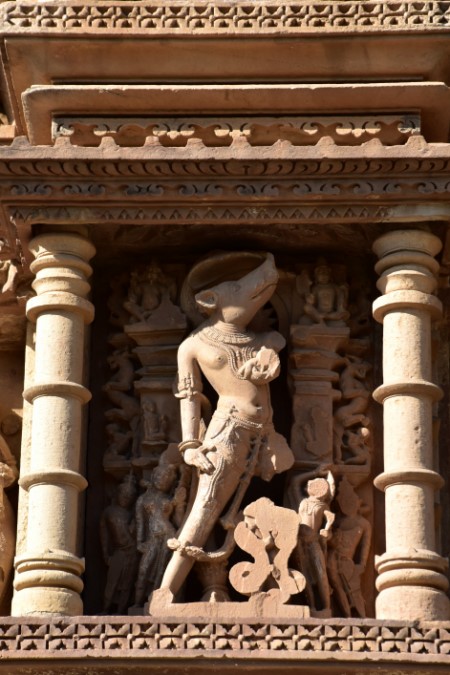
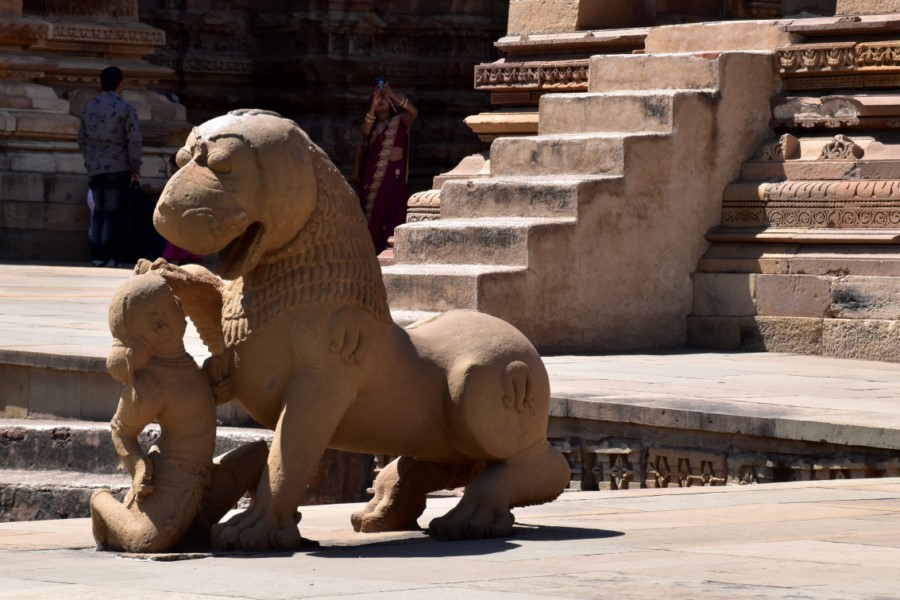
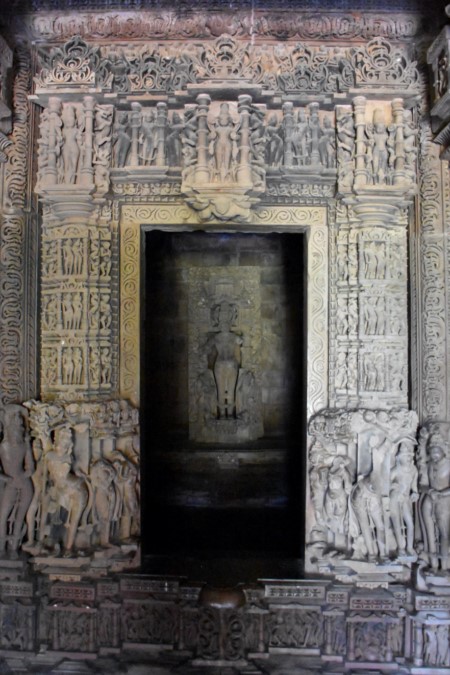
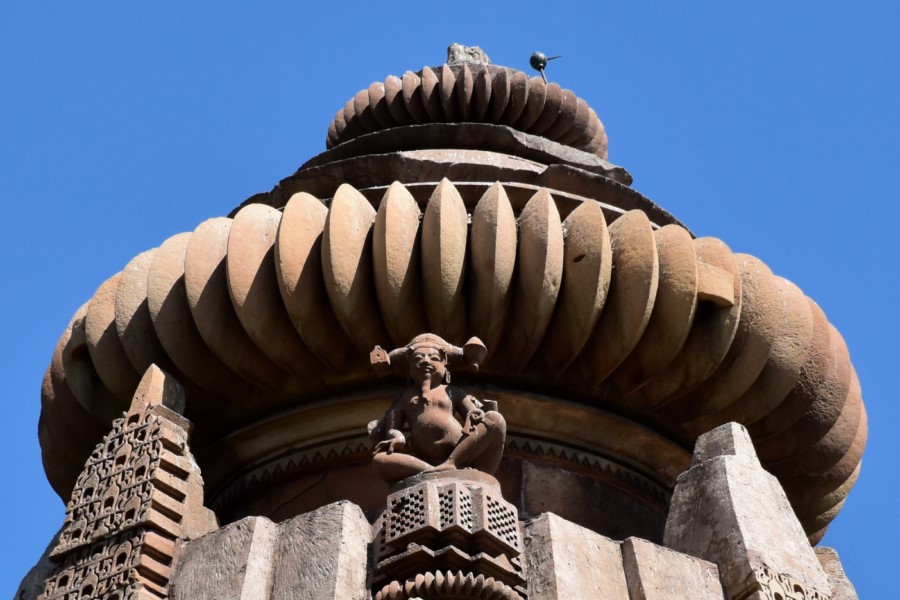
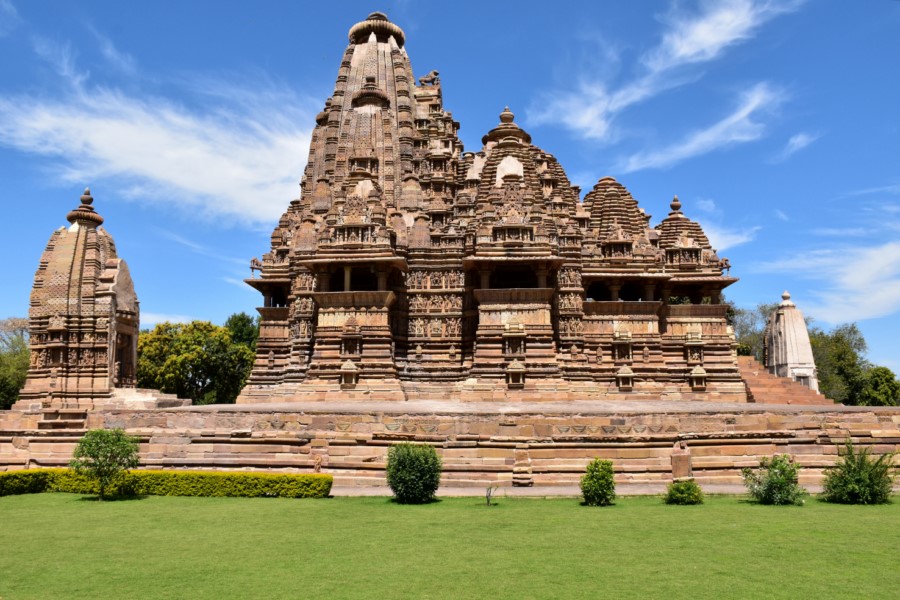
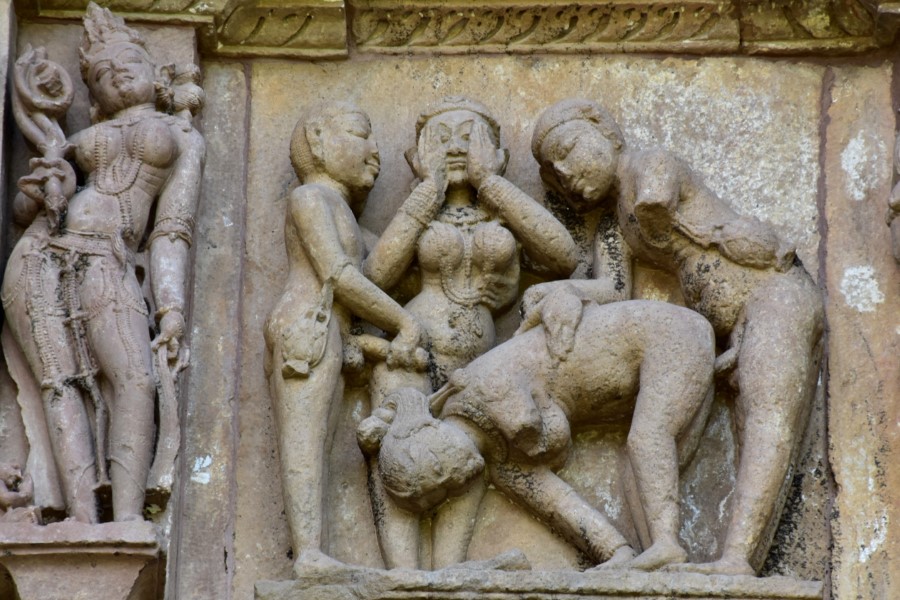
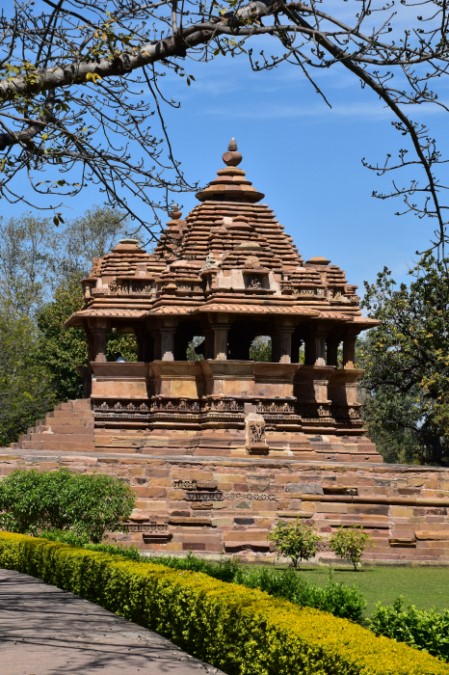
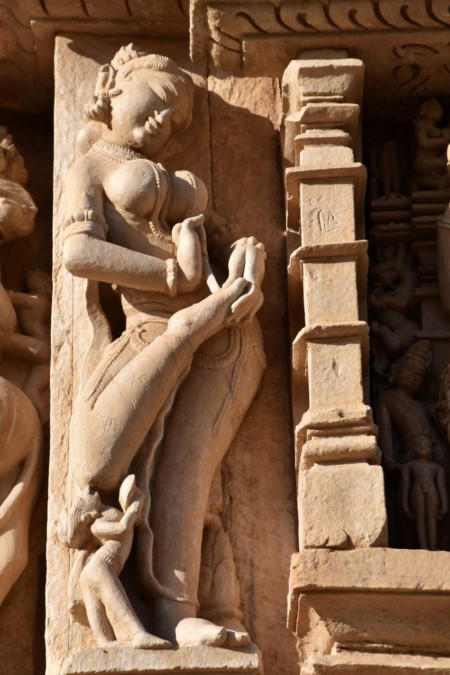
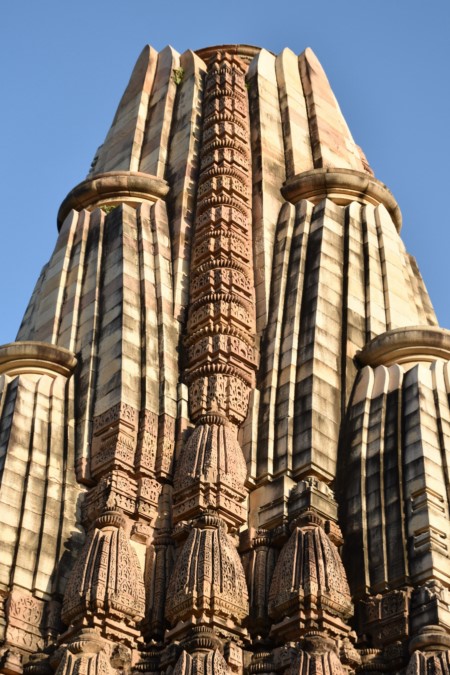
Lakshmana Temple from the 10th century dedicated to Vishnu Ardhamandapa, the roof of the entrance porch Sculptures inside the temple Elaborately decorated column capital Sculptures inside the temple Battle scene featuring elephants Sculpture groups on the outer wall of the temple The ruler surrounded by subjects Souvenir photo Battle scene Varaha and Lakshmi temples from the 10th century Souvenir photo Interior of the sanctuary roof Varaha (Vishnu in the form of a boar) Kandariya Mahadeva Temple from the 11th century dedicated to Shiva Ardhamandapa Erotic sculptures Erotic sculptures Erotic sculptures Erotic sculptures Buddhist monks Jagadambi Temple from the 11th century Varaha (Vishnu with a boar's head) Goddess Jagadambika playing with a lion Chitragupta Temple from the 11th century dedicated to Surya Genre scene Inner sanctuary, statue of Surya Interior of the mandapa ceiling Parvati Temple dedicated to the consort of Shiva Amalaka crowning the shikhara Vishvanatha Temple from the 10th century dedicated to Shiva Shikhara, the main tower Lion guarding the entrance to the porch Erotic reliefs Erotic reliefs Decorative column capital The top of the portal surrounding the altar Garbhagriha, the inner sanctuary with Shiva's linga Stone linga, commonly identified with a phallus Shrine of Nandi, the mount of Shiva Statue of Nandi the bull, the mount of Shiva Indian shrew Pratapeshwar Temple combining different traditions Souvenir photo Pilgrims visiting the temple Banana tree Wetlands of the Khudar River Brahma Temple from the 10th/11th century dedicated to Shiva Cow dung drying in the sun Javari Temple from the 10th/11th century dedicated to Vishnu Figural scenes decorating the facade Hayagriva, a horse-headed deity Vamana Temple from the 11th century Figural scenes on the outer wall of the temple Elephant sculpture Architectural detail of the shikhara Shantinatha, Jain temple from the 11th century Statue of Shantinatha, the sixteenth Tirthankara Elephants flanking the entrance to the sanctuary Adinatha, the first Tirthankara (temple no. 6) Anatomical details Adinatha, Jain temple from the 11th century Decorative bracket Goddess applying makeup Goddess painting her feet with henna Souvenir photo in front of the temple facade Duladeo Temple from the 12th century dedicated to Shiva Shikhara surrounded by a cluster of urushringa Statue of Shiva Chaturbhuja Temple from the 12th century dedicated to Vishnu Pilgrim Portal above the entrance to the inner sanctuary

The Hindu temples in Khajuraho are famous all over the world for their reliefs depicting erotic scenes. Recent studies have shown that they are only a small part of the sculptural decoration of the complex dedicated to Siwa and his wife Parvati. The artistry and precision of finishing the details as well as the size of the temples are simply breathtaking, and Kandarija Mahadeva is the best example of this.


Sanchi


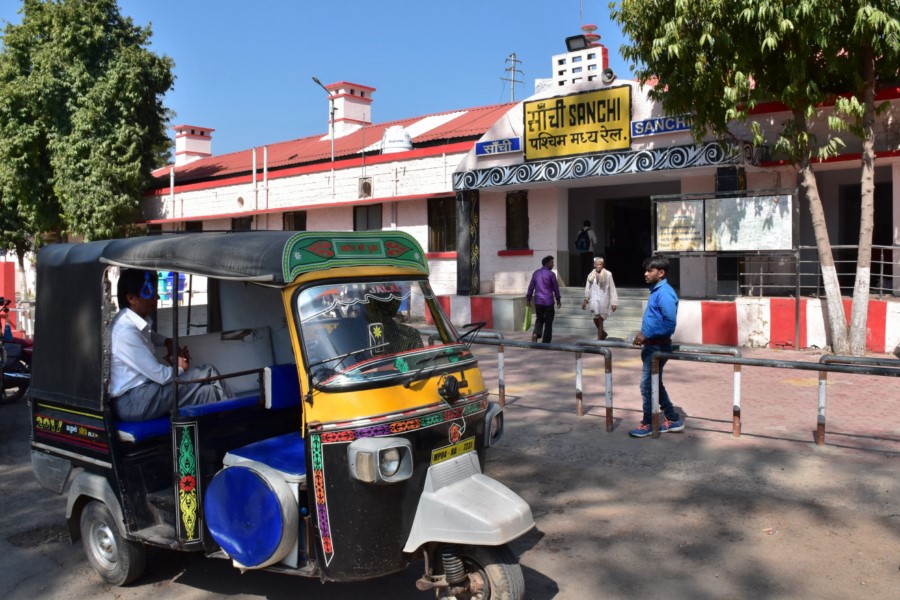
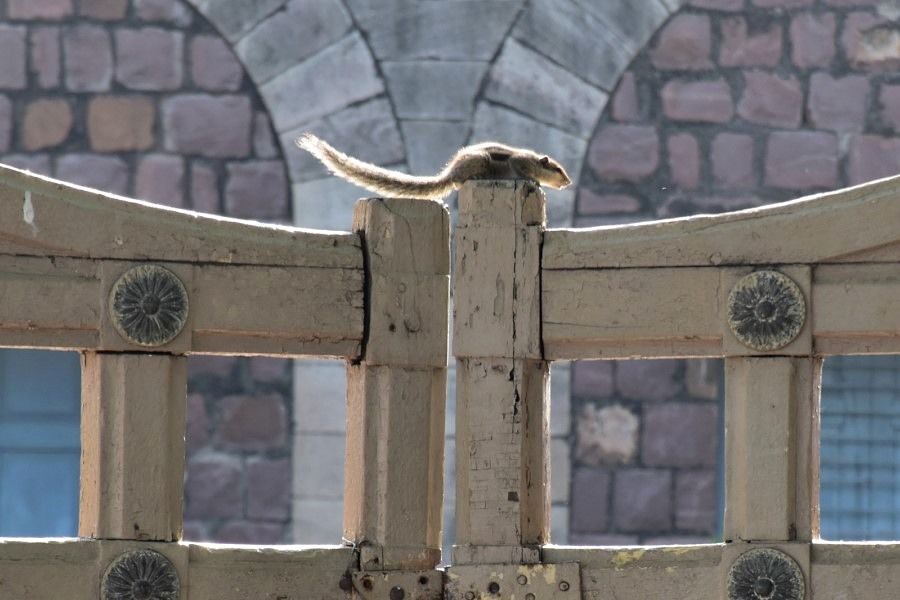
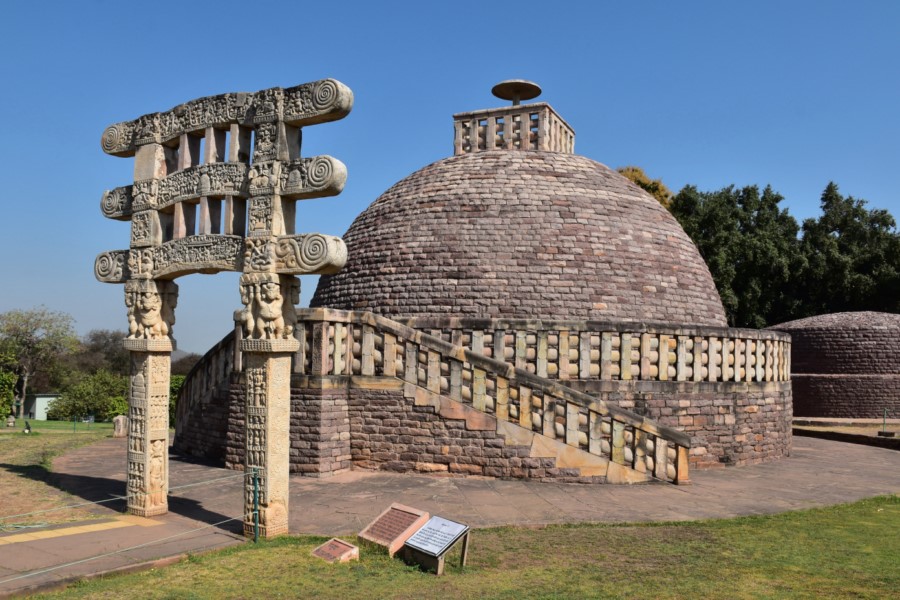
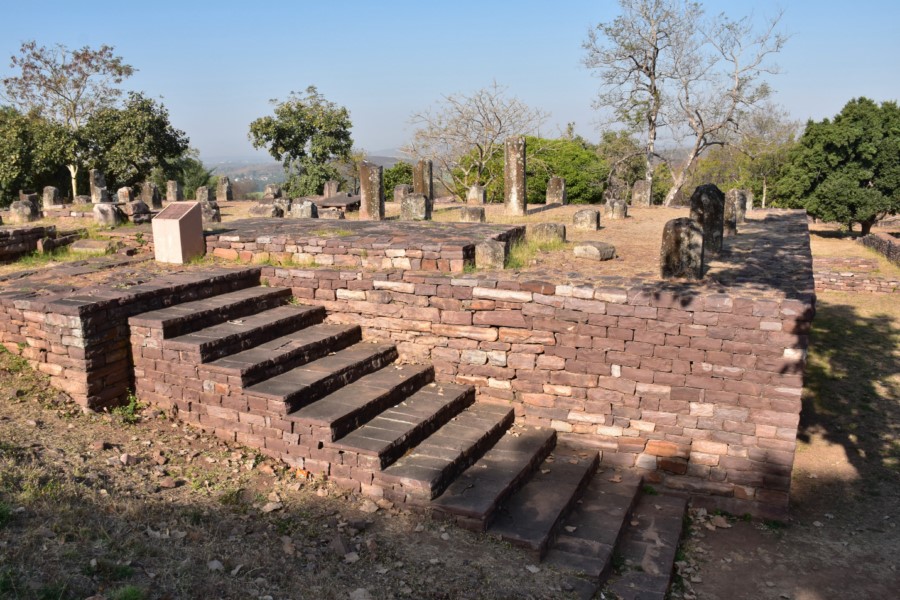
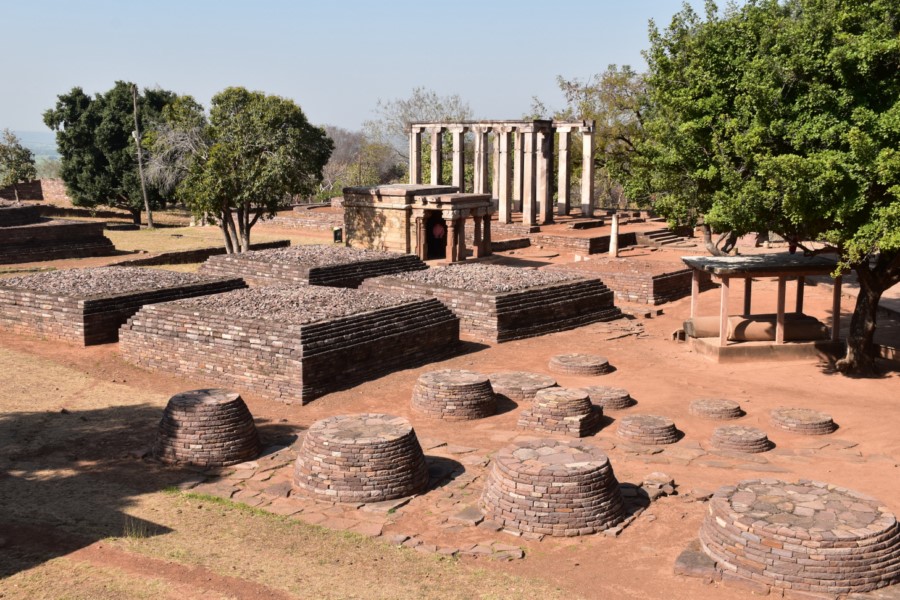
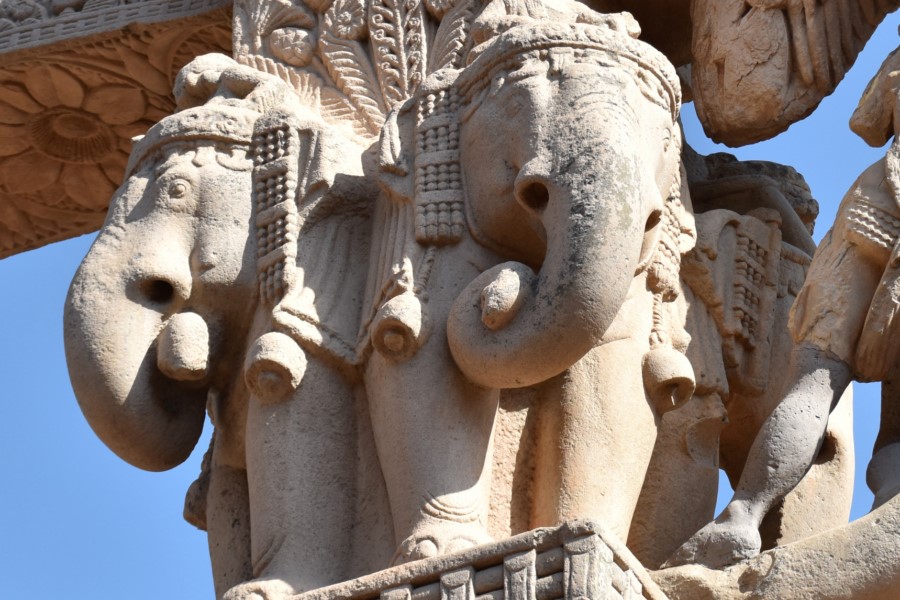
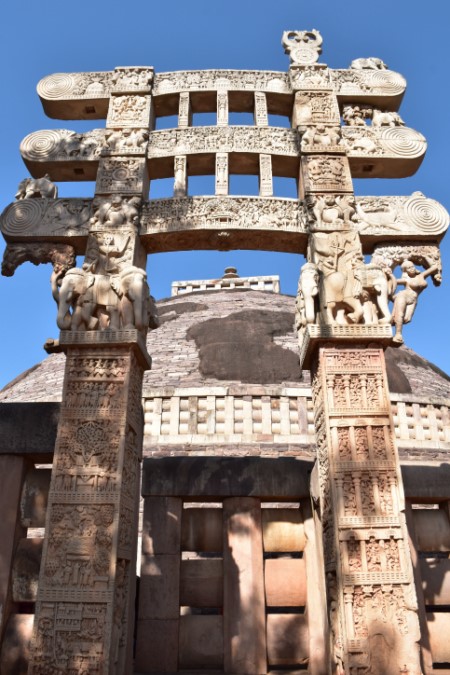
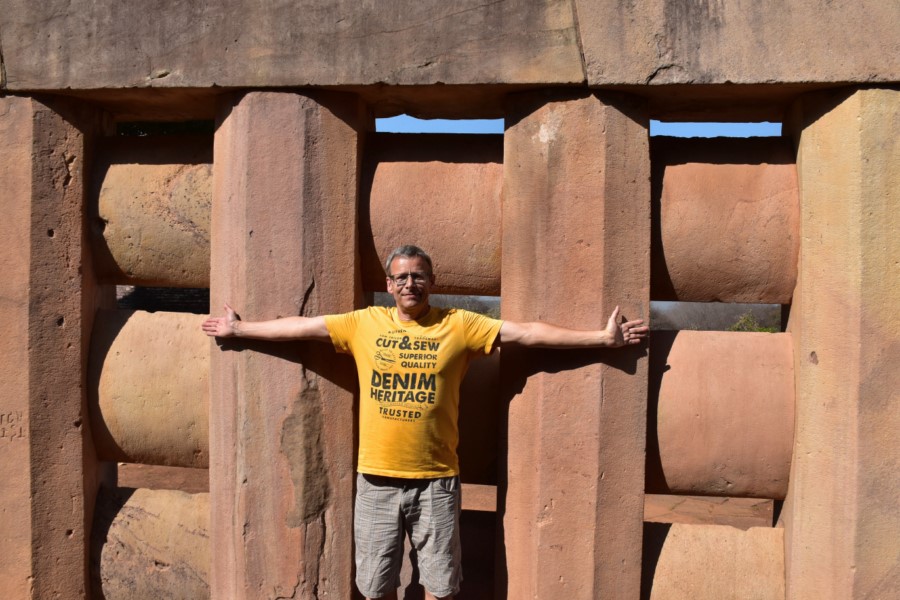
Railway station in Sanchi Three-striped palm squirrel Stupa from the Shunga dynasty period, no. 3 Remains of a temple from the 2nd century BCE Sanchi Hill, with fragments of the Ashoka pillar on the right Amalaka, an architectural element crowning a shikhara Temple from the Vardhana dynasty period (7th century CE) Remains of a temple from the 7th century CE Southern Gateway of the Great Stupa from the 2nd century BCE Stone surface of the stupa Triple umbrella symbolizing the levels of heaven Top of the torana decorated with scenes from the life of Buddha Southern Gateway, lion capital from the 1st century BCE Peacock, symbolizing compassion and watchfulness Wheel of the Law, symbolizing the first sermon of Buddha One of the statues of the Meditating Buddha placed in the 5th century CE facing each gateway Ashoka pillar Souvenir photo Torana architraws decorated with scenes from the life of Buddha Western Gateway, capital with Yaksha spirits from the 1st century CE Relief depicting the enlightenment of Buddha with the homage of the Nagas Upper circumambulatory path Upper circumambulatory path, view looking west Northern Gateway, architraws decorated with scenes from the life of Buddha Northern Gateway, elephant capital from the 1st century BCE/1st century CE Seated lions in the lintels of the torana The temptation of Buddha, with Mara's fleeing demons on the right Eastern Gateway, architraws decorated with scenes from the life of Buddha Relief depicting the departure of Buddha from Kapilavastu Sensual Yakshini nymph Winged lions Dvarapala guardian, right pillar Stone balustrade (vedika) Drinking water reservoir

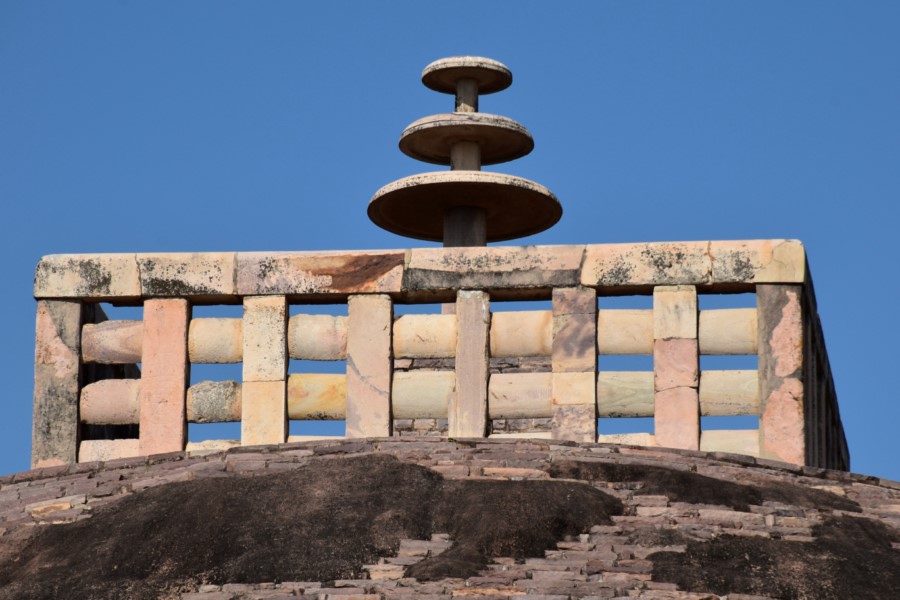
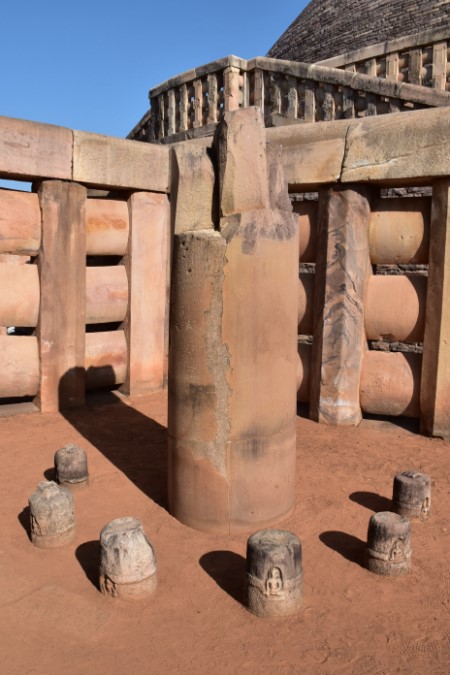
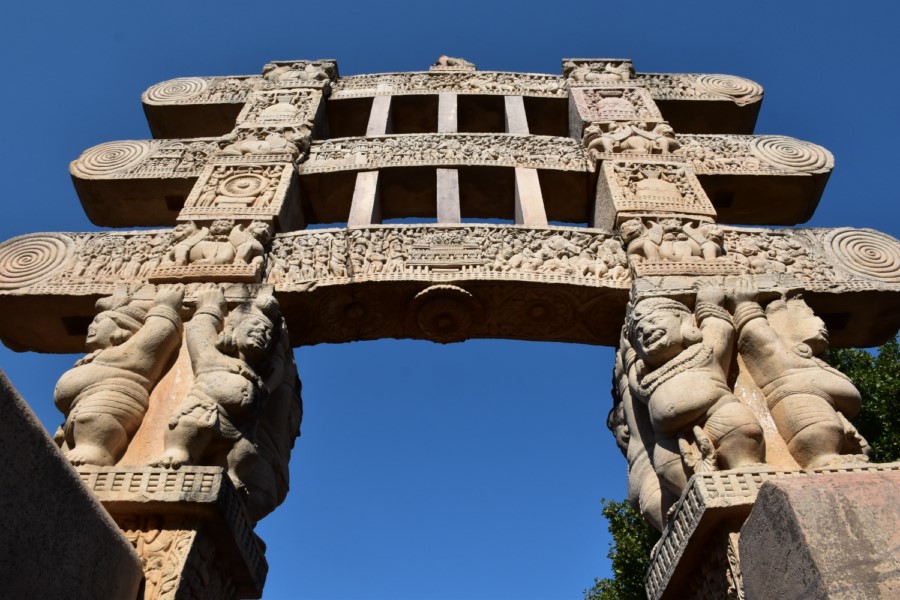
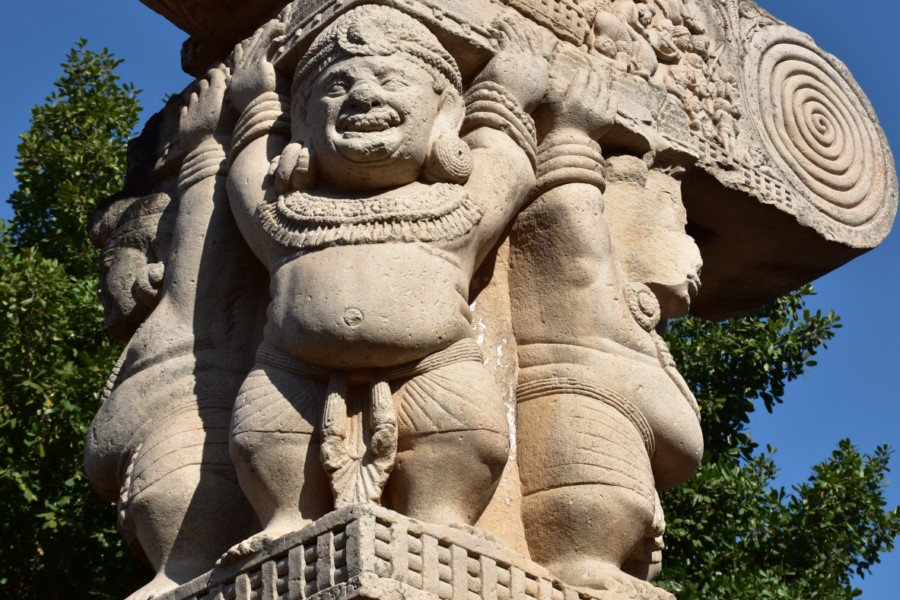
When I decided to visit Sanchi, it turned out to be quite a logistical challenge. Fortunately, the overnight train from Varanasi solved the case and the journey with friendly Hindus was a very pleasant experience. The stupa itself, on the Unesco World Heritage List, made an amazing impression on me. Extensive decorative motifs and sophisticated iconography relating the history of the Buddha is simply stunning.


Bhimbetka - rock drawings


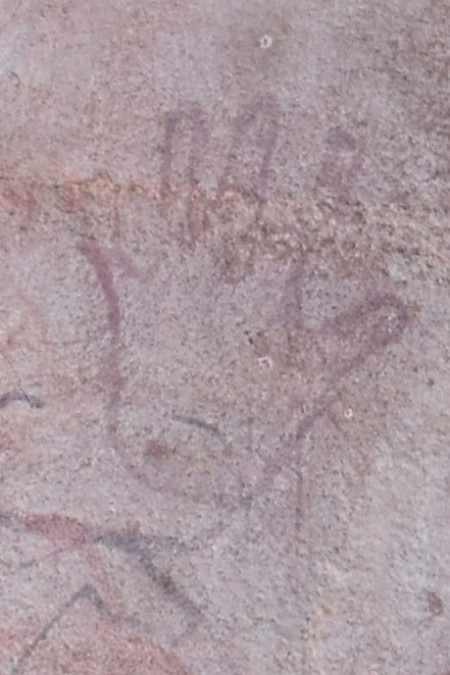
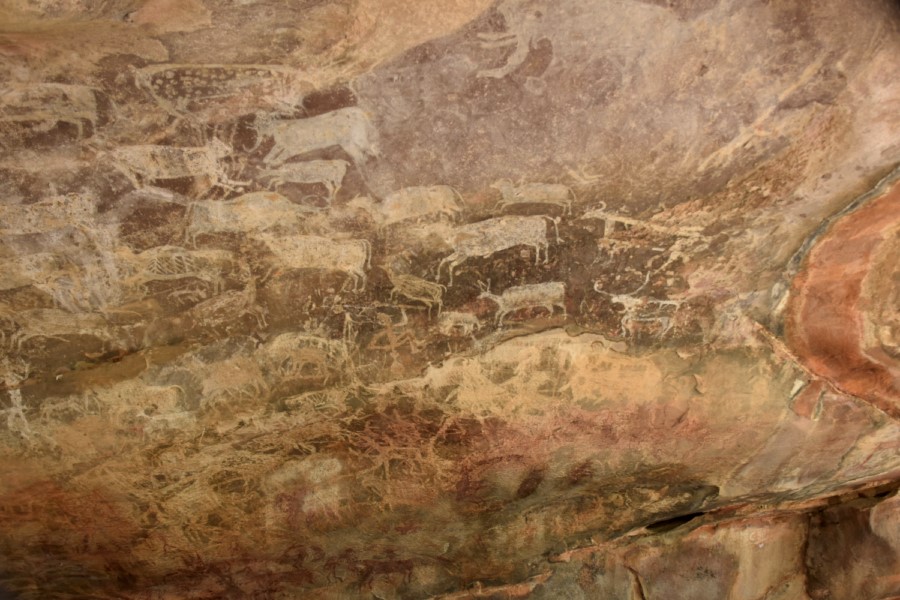
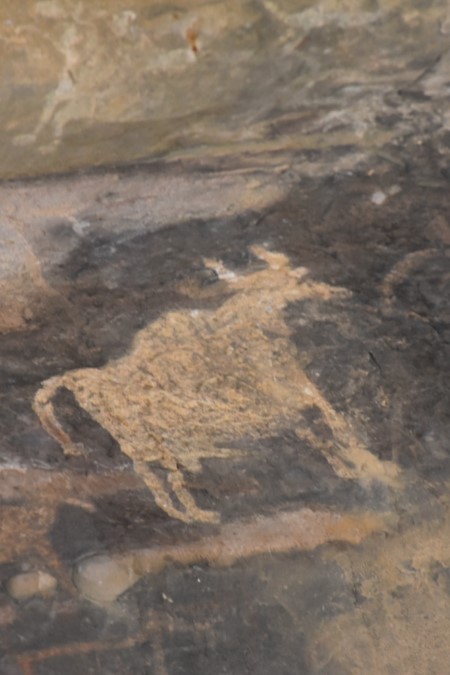
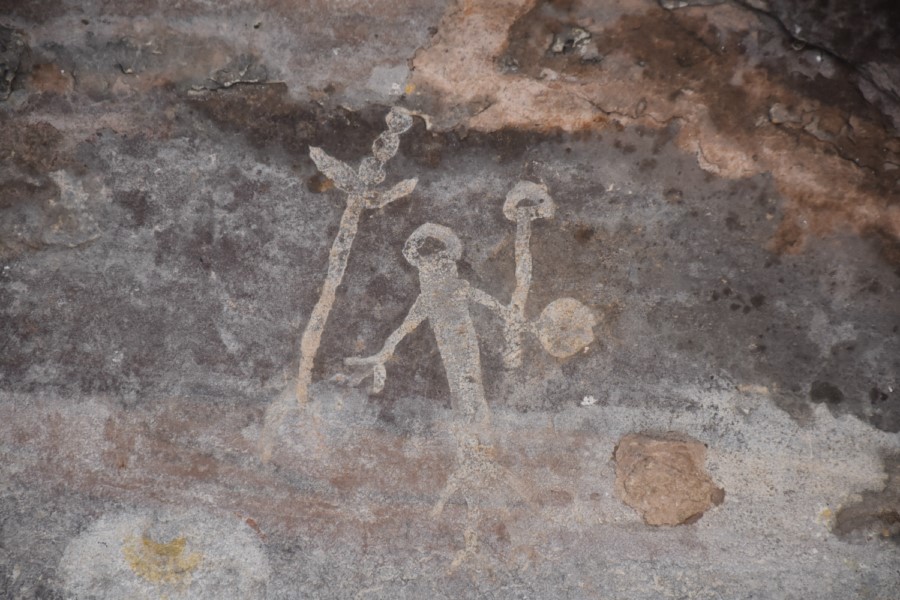
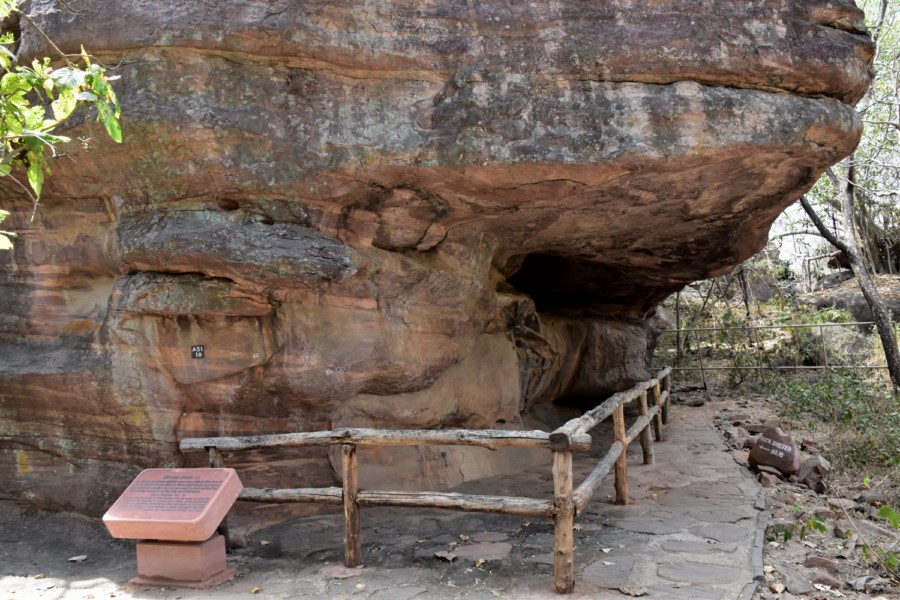
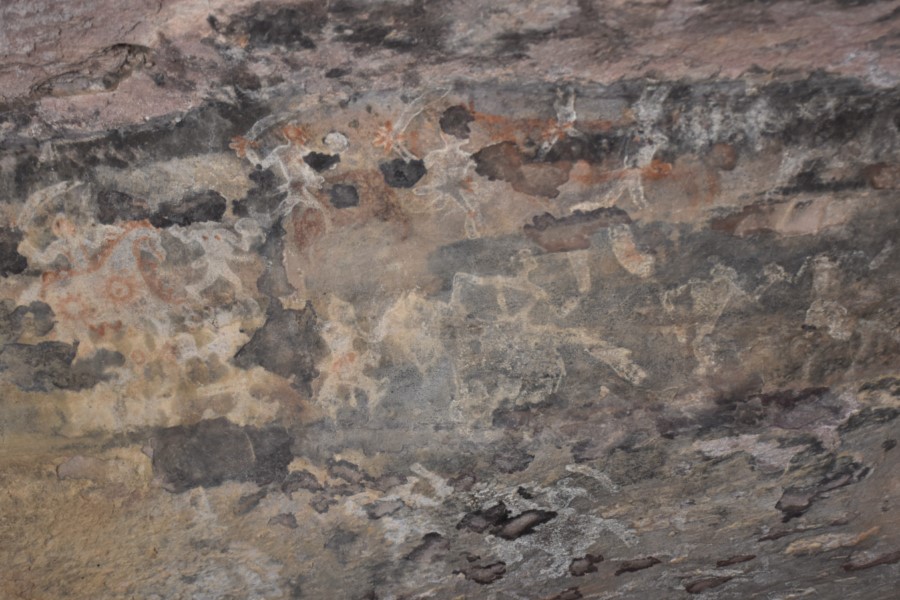
Rock shelters Daily life in the Upper Paleolithic The largest cave known as Auditorium Drawings of a buffalo, deer, antelopes, a tiger, and a peacock Drawing of a child's hand from the Mesolithic period Rock shelter known as the Zoo Souvenir photo Drawings of over 250 animals belonging to 16 species Rock Zoo, drawing of a buffalo Drawing of an elephant with a mahout Panorama of the area Cave no. 6, drawings of people Cave no. 6, drawing of a bull Cave no. 7, historic period (from 3000 BCE) Drawing of six galloping riders Cave no. 8, historic period (from 3000 BCE) Historic period, drawings of armed infantrymen and riders Cave no. 9, drawing of a shaman Cave no. 10 Drawing of a peacock in a tree Cave no. 11, historic period, scene of a fight or a hunt Cave no. 11, historic period, drawing of running warriors

The archaeological site of Bhimbetka lies off the beaten track and very few tourists arrive here. Maybe that's why I caused such a sensation in the small town of Obaaidullaganj when I was looking for transport. To my surprise, I was helped by the Hindus by offering a free ride. Rock drawings depicting humans and wild animals are not very impressive, but when I realized that they were created thousands of years ago, I gained respect for them.


Caves of Elura


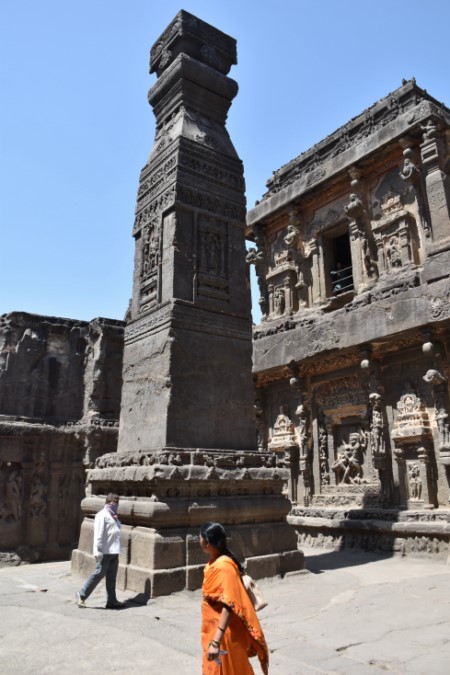
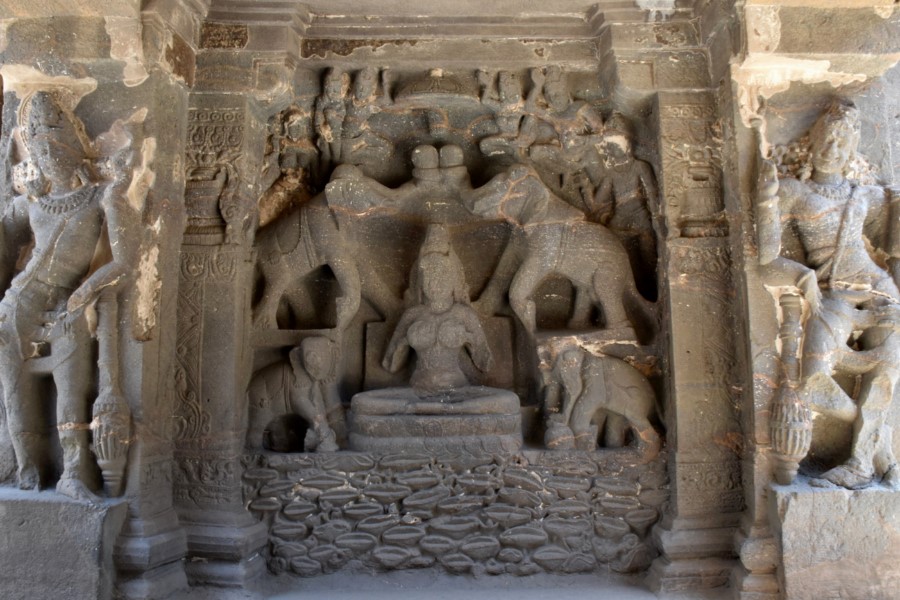
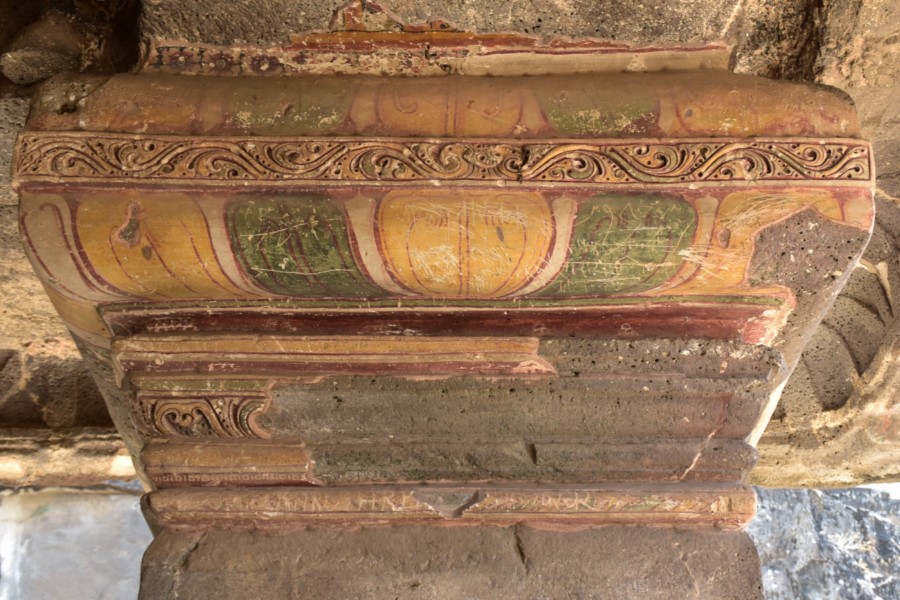
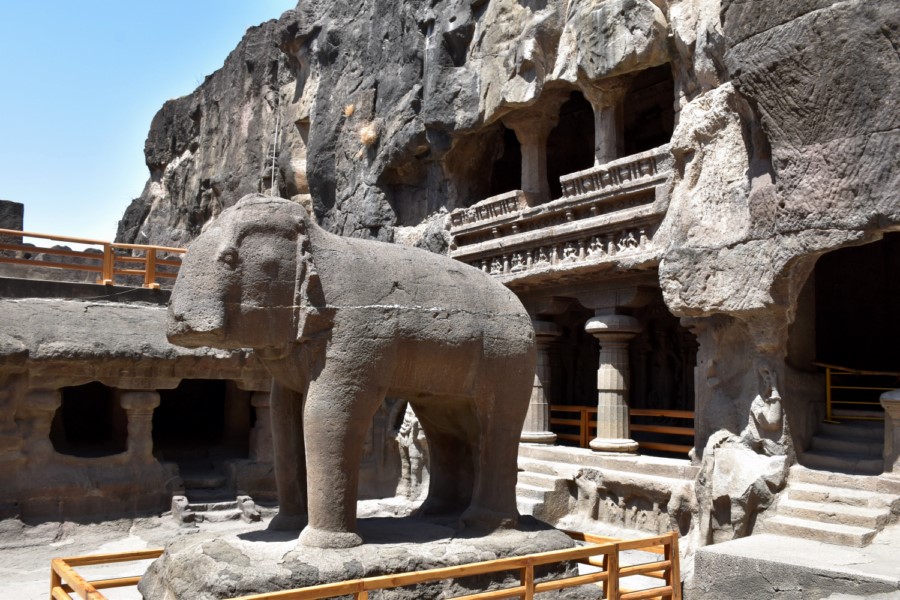
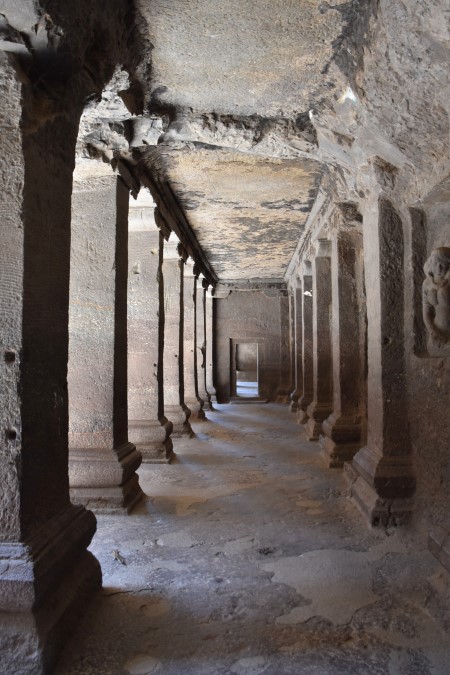
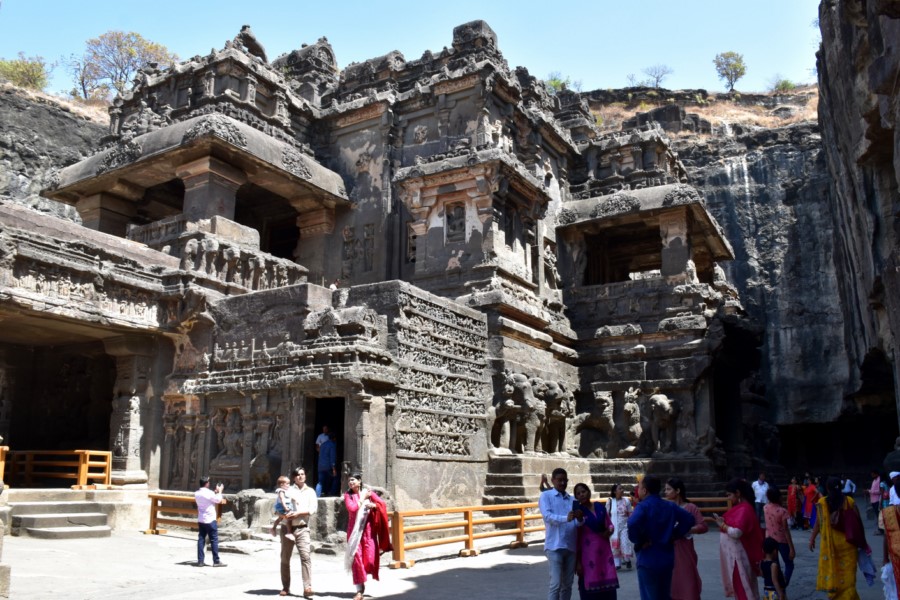
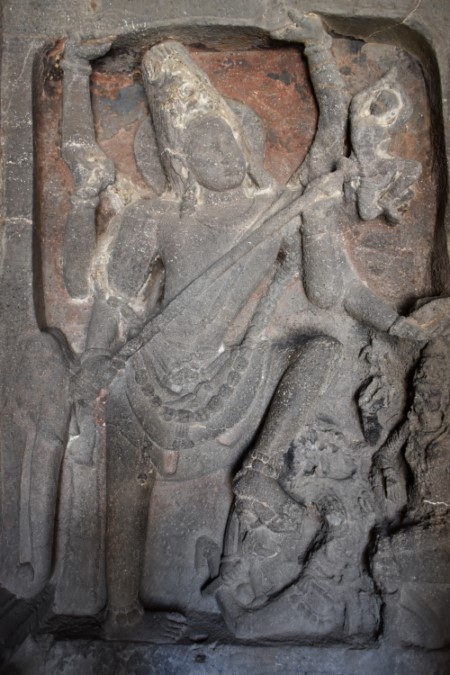
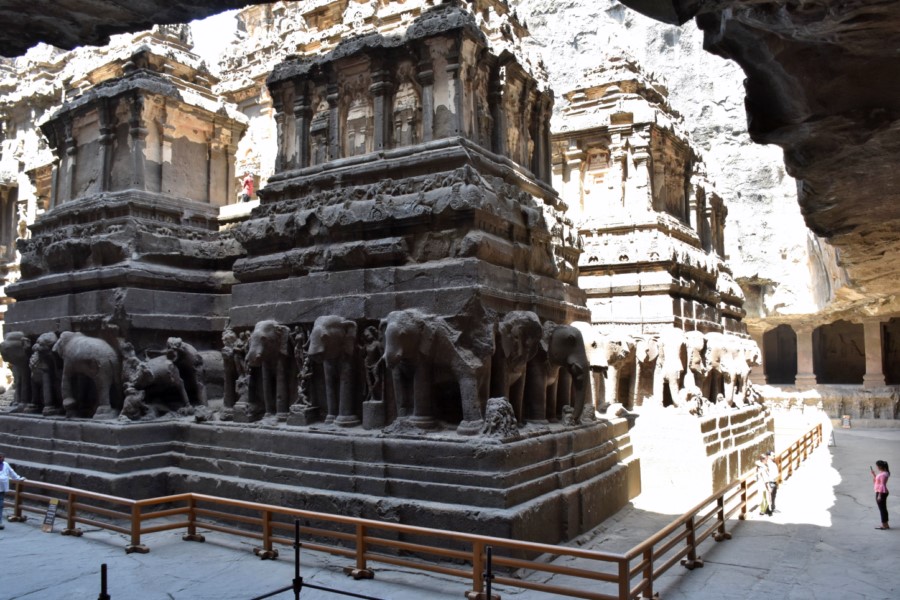
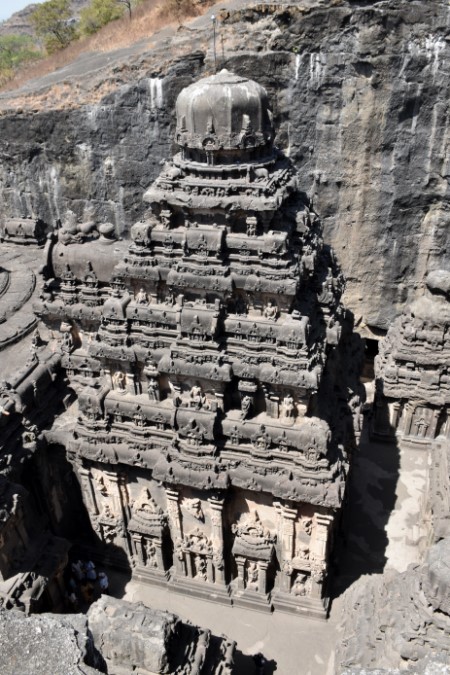
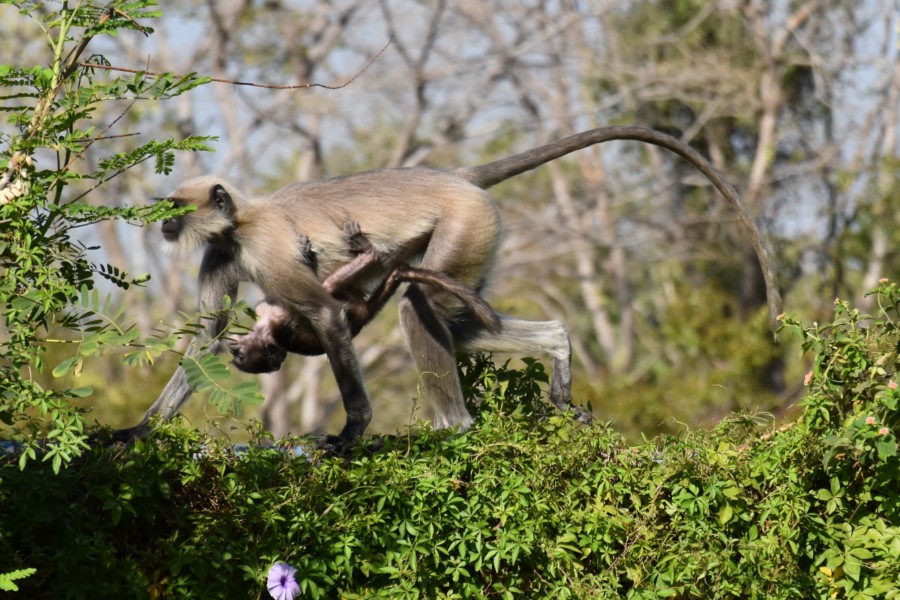
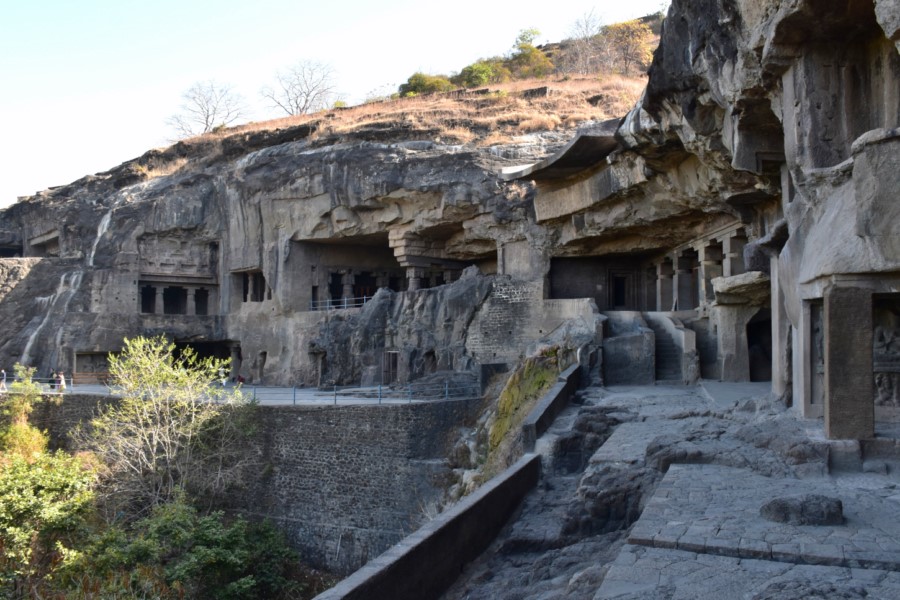
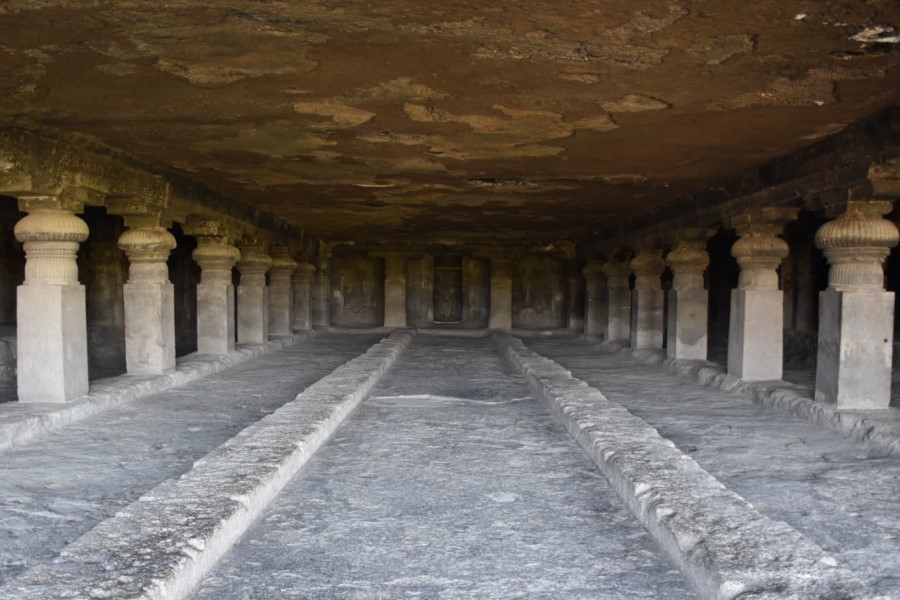
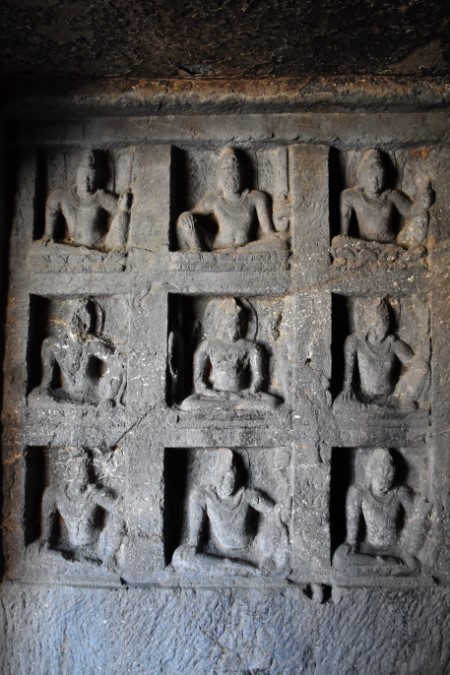
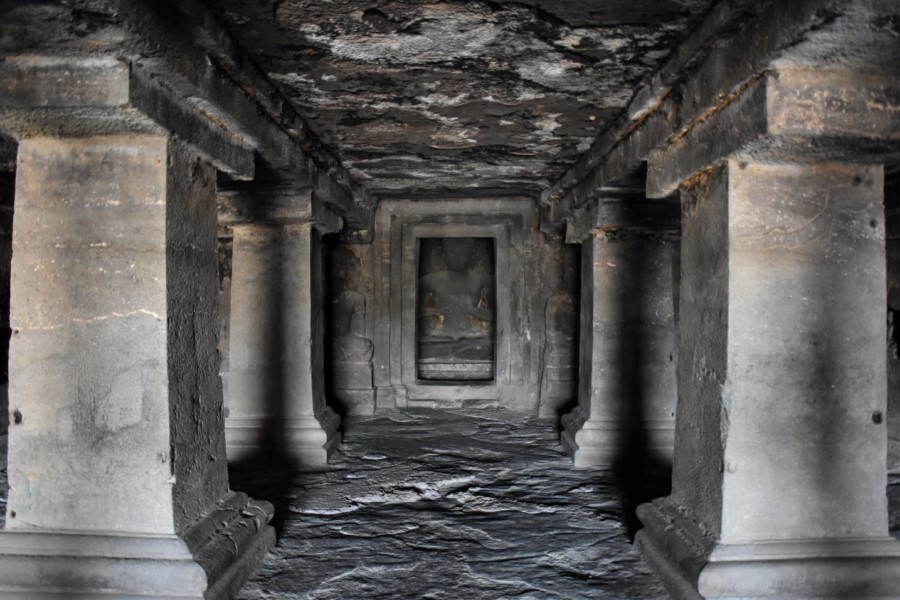
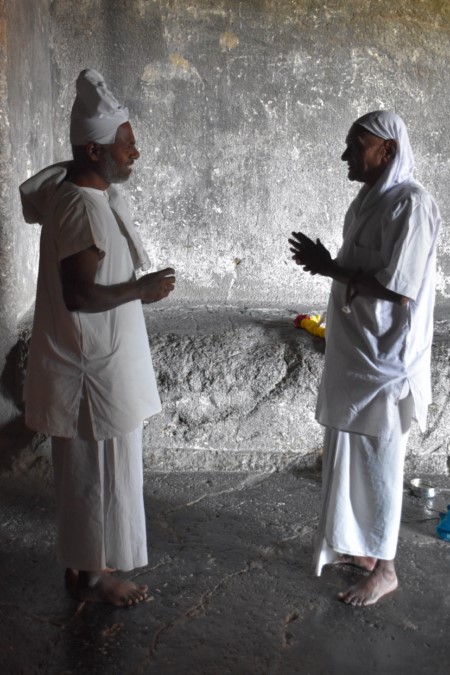
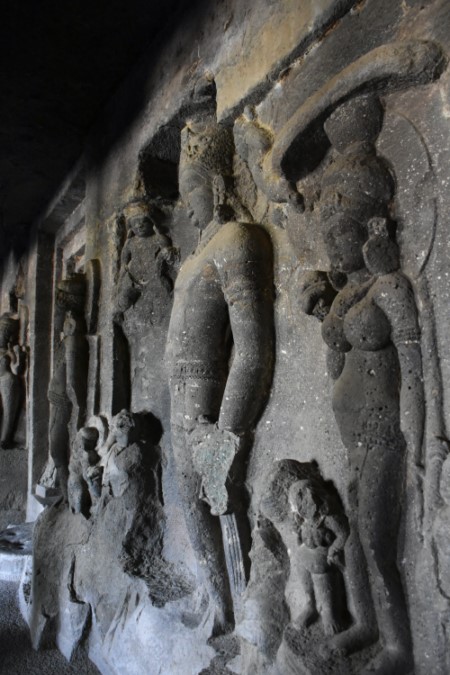
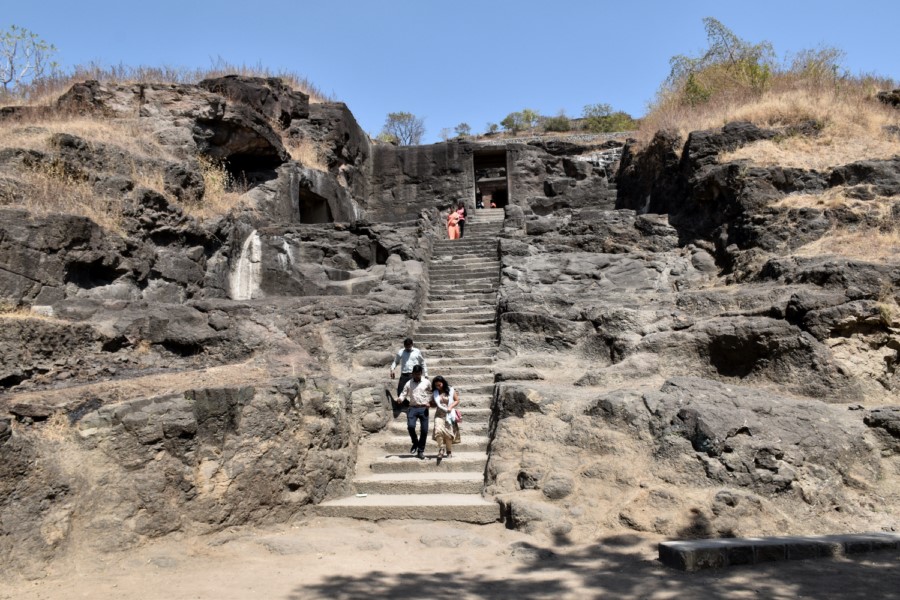
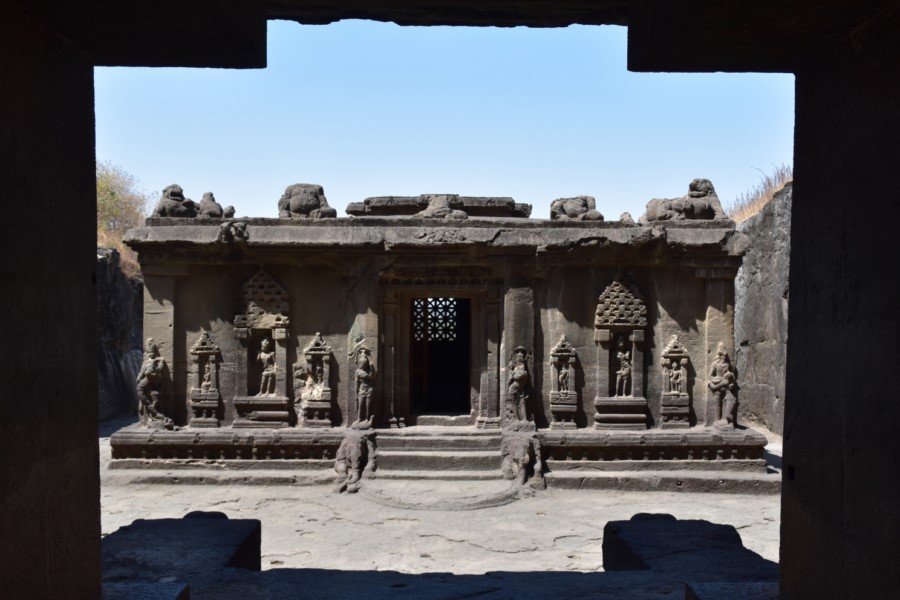
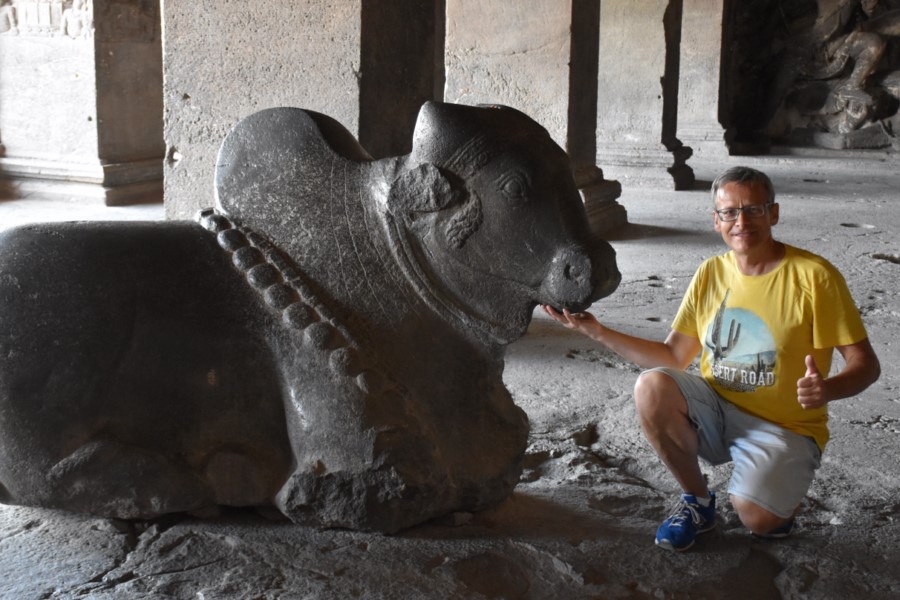
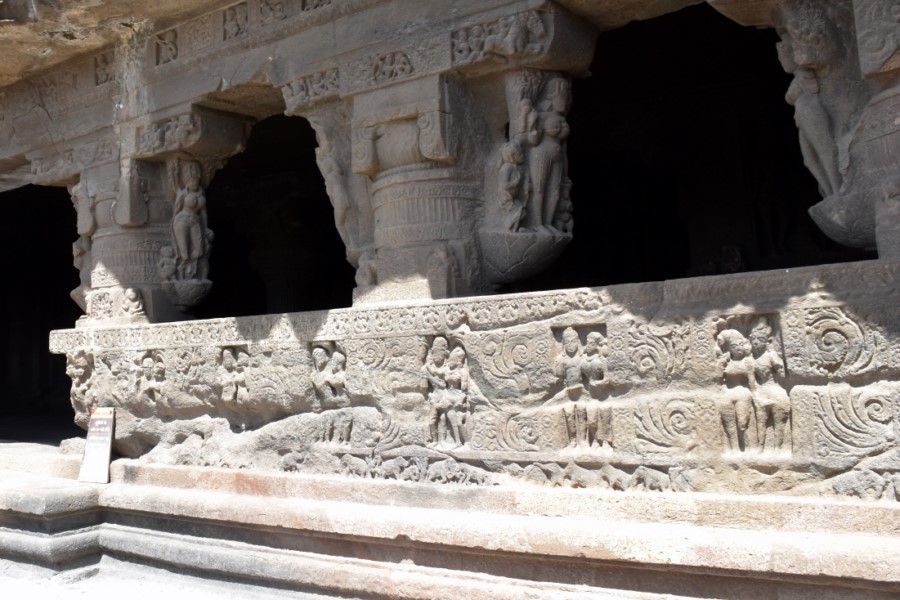
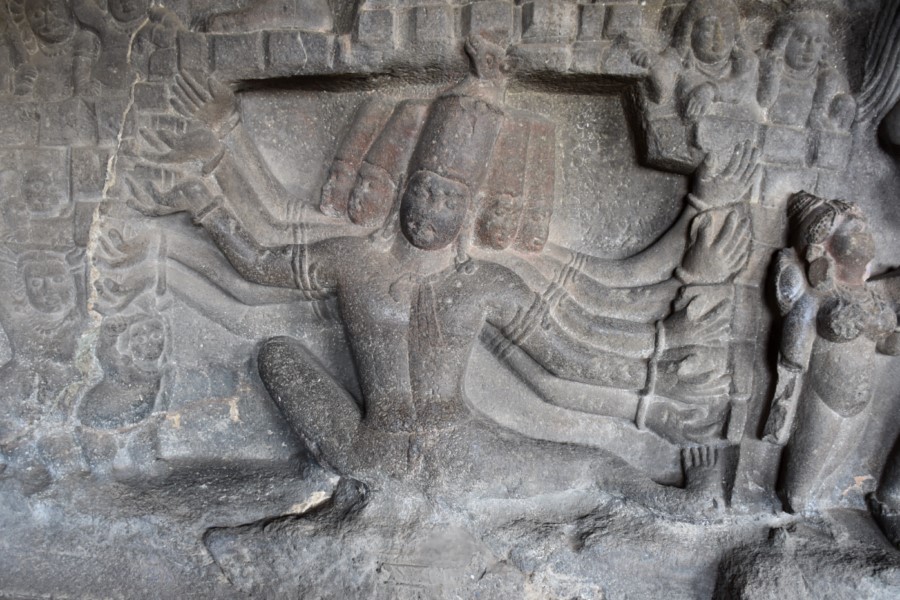
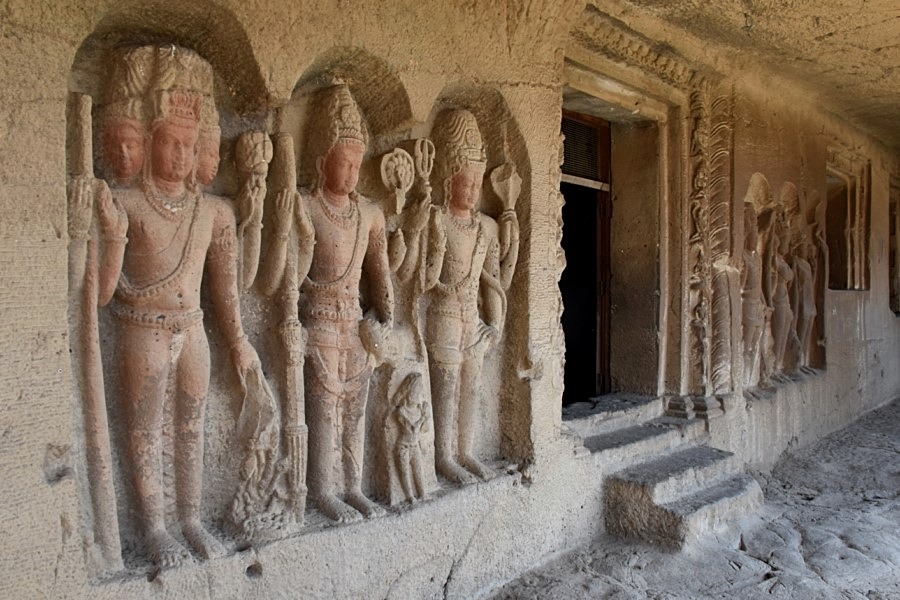
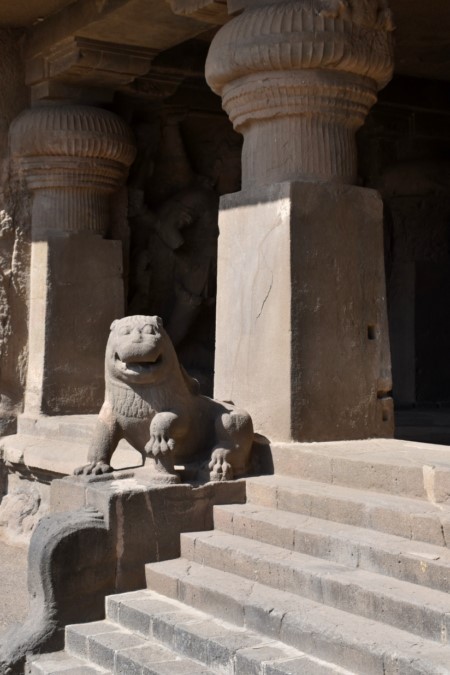
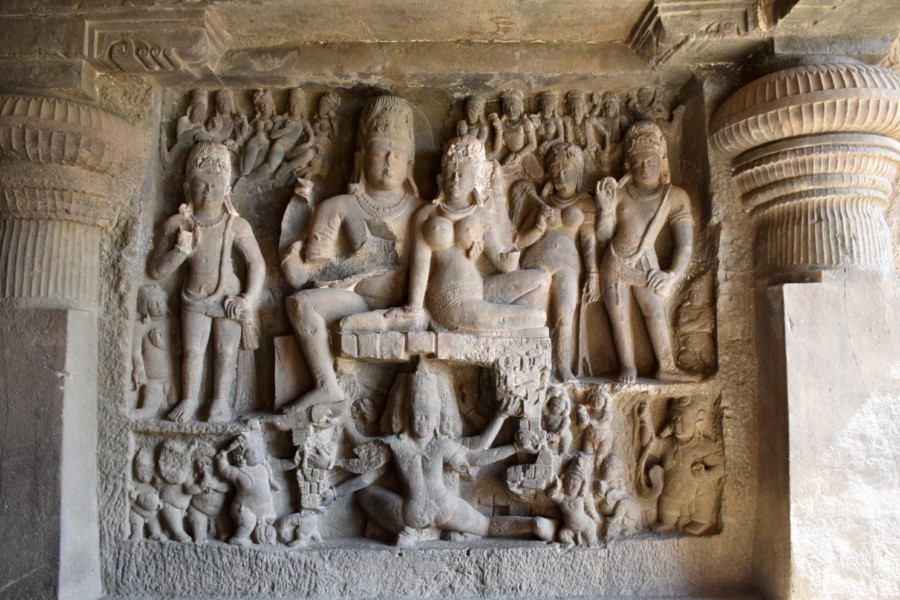
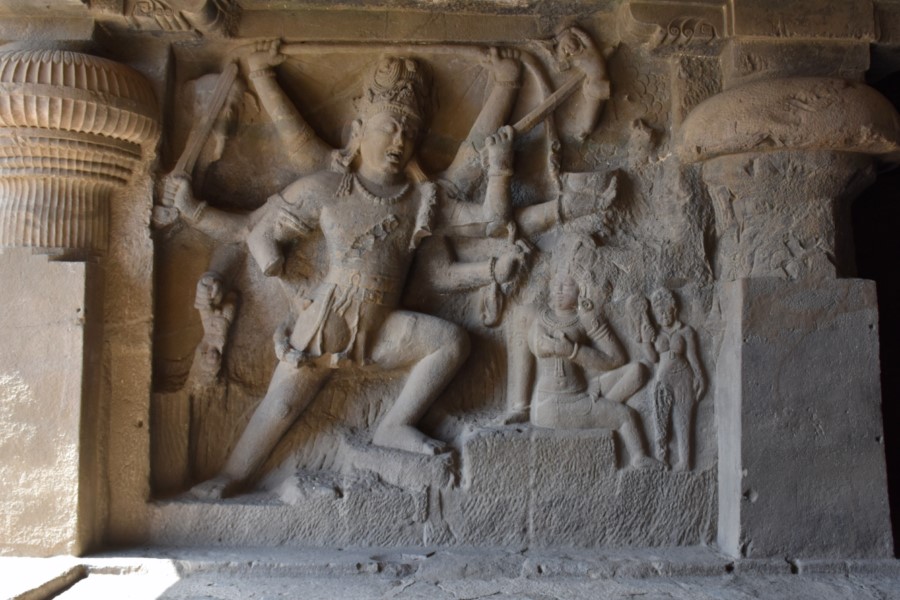
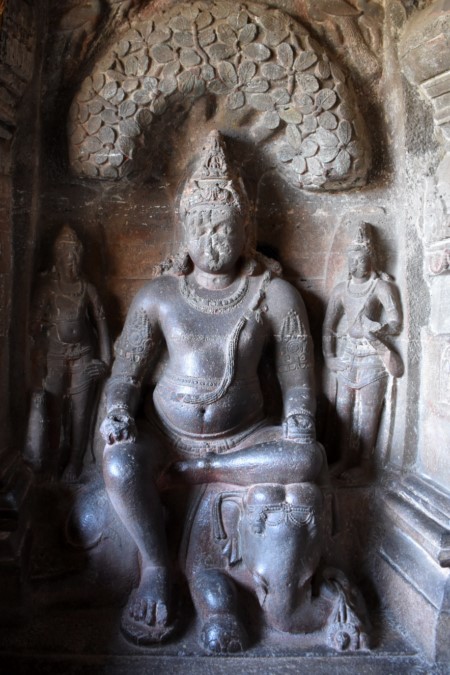
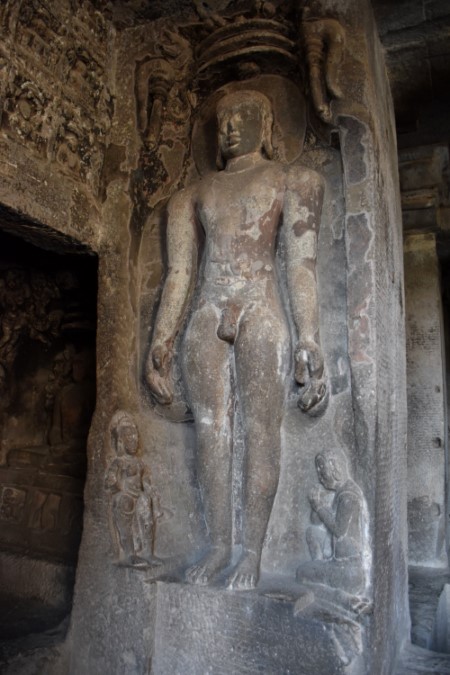
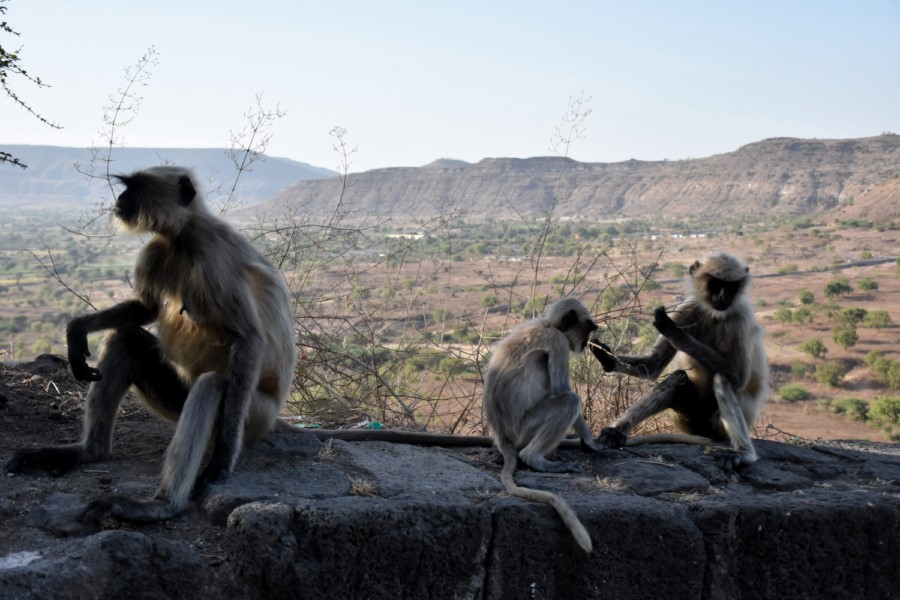
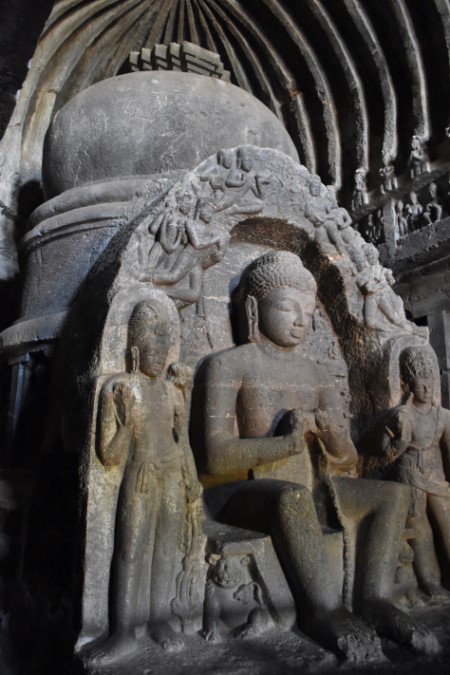
On the way Facade of the Kailasanatha Temple Monolithic obelisk (17 m) next to the Nandi Pavilion Nandi Pavilion, Lakshmi in a lotus pool with elephants Nandi Pavilion in all its glory Nandi the bull, the mount of the god Shiva Column capital Elephants, original polychromy Courtyard, life-sized elephant sculpture Pillared corridor surrounding the temple Three goddesses (Durga, Chamunda, and Kali) in the sacrificial hall Dancing Shiva Decorative frieze with original polychromy Courtyard, mandapa surrounded by side porches Panel with scenes from the Ramayana Parashurama (avatar of Vishnu) fighting King Kartavirya Animals from the Hindu pantheon Yakshini, a deity associated with the cult of nature and fertility Elephants carved around the lower part of the temple Architectural detail, elephants with lotus flowers in their trunks A moment of respite View of the temple from the top of the cliff Tower (shikhara) with a height of 33 m The roof of the mandapa crowned with four stone lions Souvenir photo Tufted langur Buddhist temples no. 1-6 Column decorated with floral motifs Bodhisattva Buddha in the teaching mudra Temple no. 5 from the 7th century CE, hypostyle hall Head of Buddha Head of Buddha Vishvakarma, Buddhist temple no. 10 Celestial apsaras Earthly apsara Frieze decorating the temple facade Prayer hall (chaitya-griha) Seated Buddha in front of the stupa Souvenir photo Three-storey Buddhist monastery in cave no. 11 Buddha in the Varada (boon-granting) mudra Three-storey Buddhist monastery in cave no. 12 Monkeys rule here Antechamber Tufted langur Seven past Buddhas Buddha in the Bhumisparsha (earth-witness) mudra Panel showing Buddha mudras Pilgrims Sanctuary, statue of Buddha in the background Conversation Hindu temple no. 14 Avatars of Vishnu Saptamatrika (Seven Divine Mothers) Varaha, avatar of Vishnu in the form of a boar Kamadhenu, the wish-granting cow Dashavatara Hindu temple (8th century CE) no. 15 Vishnu fighting the demon king Natya Mandapa (Dance Hall) Seated Nandi the bull Rameshwar Hindu temple (7th century CE) no. 21 River goddess Frieze depicting loving couples Shiva Lingam Goddess Durga slaying the buffalo demon Mahishasura Ravana, a demon with ten heads and twenty arms Hindu temple no. 27 Brahma, Vishnu, and Shiva Dhumar Lena Hindu temple no. 29 Stone lion guarding the entrance Sanctuary guarded by giant guardians Ravana attempting to move Mount Kailash Breasts of Parvati, wife of Shiva Shiva slaying the demon Andhakasura, who lusted after his wife Jain temple (10th-11th century CE) no. 32 Life-sized elephant sculpture Richly decorated temple facade Matanga, the Jain Yaksha of prosperity Prayer hall Sanctuary, with a statue of the seated Mahavira in the background One of the Tirthankaras Ceiling with traces of original polychromy Elaborately decorated columns Goddess Siddhaika seated on a lion

The temples of Elura, carved in basalt rocks and caves, are among the greatest achievements of rock architecture in India. While visiting the grottoes dedicated to the Buddhist, Hindu and Jain religions, I raised my head or stared at niches, searching for figural compositions and admiring the precision of details. However, I was truly stunned by the Kajlasanatha temple, which represents the sacred mountain of Kailasa, the seat of the god Shiva.


Aurangabad and its surroundings


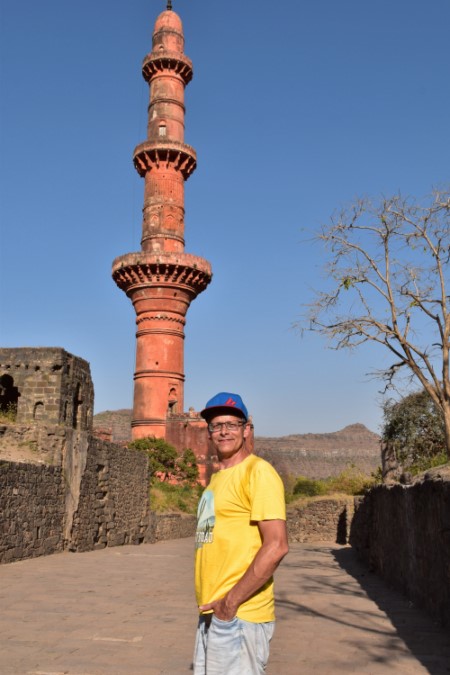
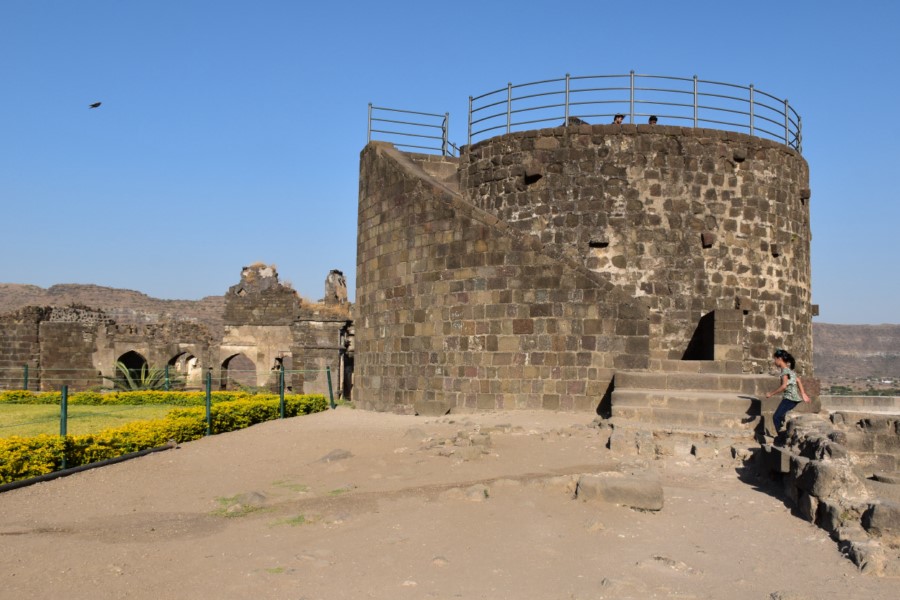
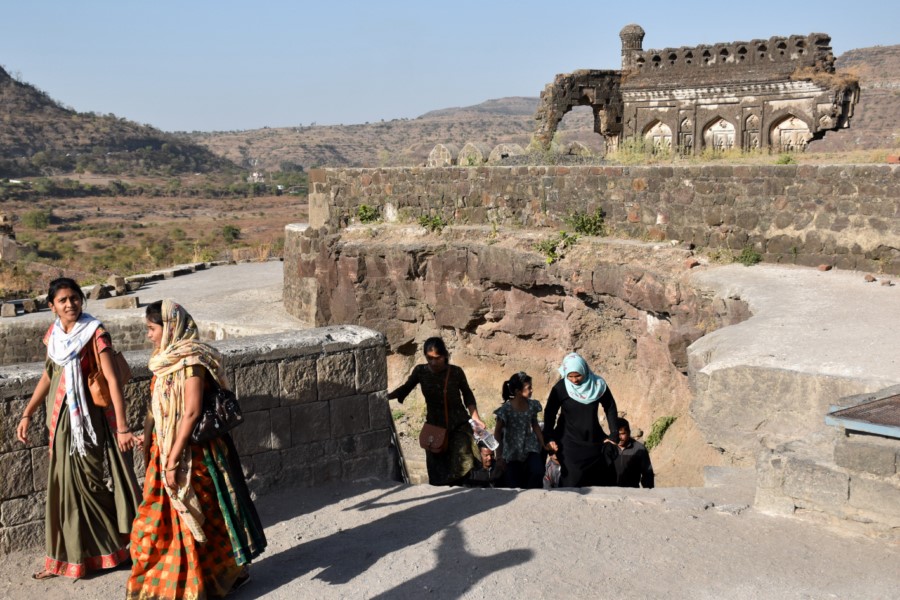
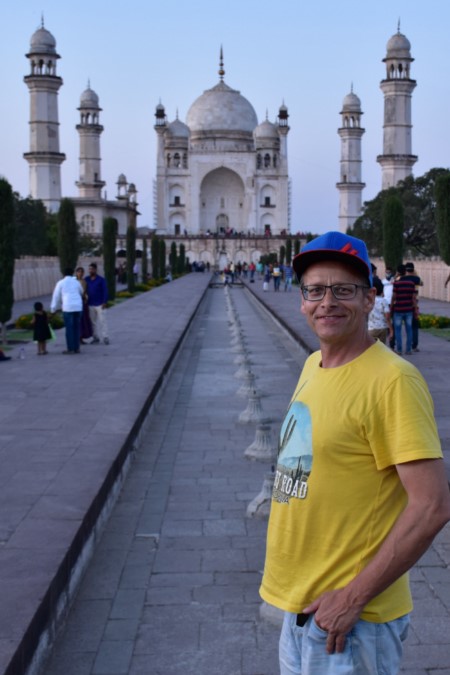
Daulatabad Fort Fort gate Relief above the gate Inner courtyard Chand Minar Watchtower Mendha Tope, the largest cannon of the fort Decoration of the barrel in the shape of a ram's head Inner wall (Kalakot) Chini Mahal, prison of the last ruler of Golconda, Abul Hasan Qutb Shah Inner fort, Nizam Shahi Mahal ruins in the background Natural defensive wall and moat The only inhabitants of the fort Citadel on top of the hill Hill of Gods, view towards the north-east Bibi Ka Maqbara, tomb from the Mughal Empire period Souvenir photo Pilgrims Facade with an elaborately decorated pishtaq Interior of the mausoleum of Dilras Banu Begum, wife of Emperor Aurangzeb Impression Well-deserved meal

There are not many attractions in Aurangabad itself, while in the north-west from the city lies Daulatabad, the most picturesque fortress in Maharastra. Visiting it stuck in my memory especially, because the painstaking climb through the forts up to the citadel at the very top of the Balakot Rock almost gave me a heart attack. A nice touch at the end of the day was a visit to the Bibi Ka Makbara mausoleum built on the model of the Taj Mahal.


Bombay


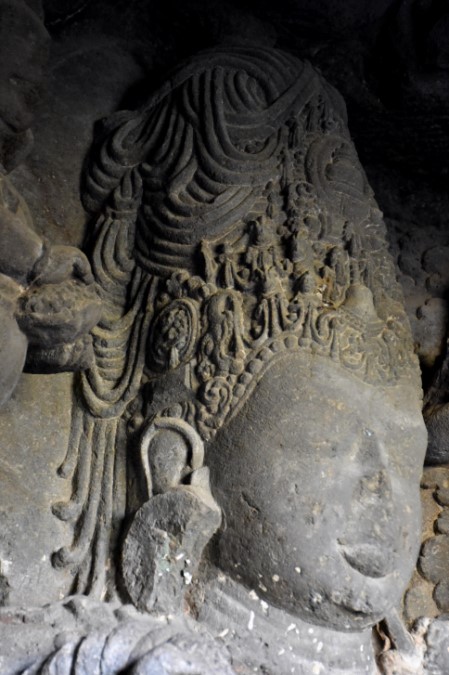
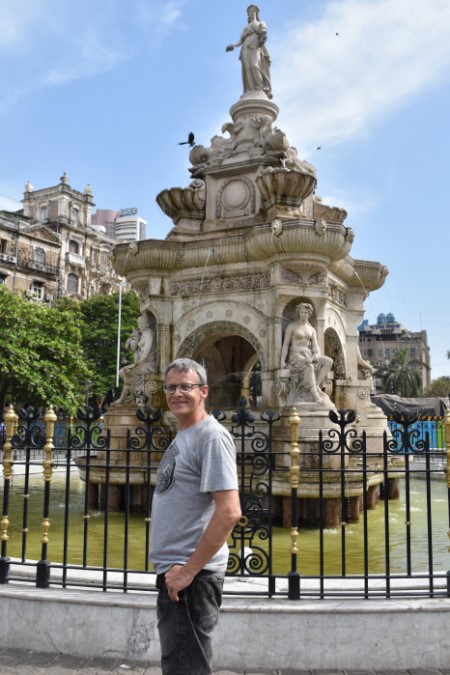
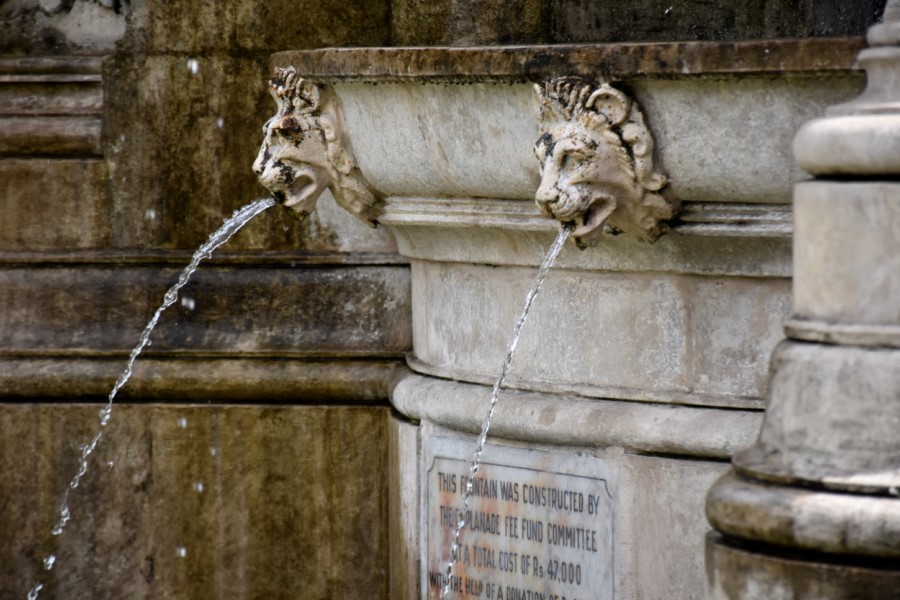
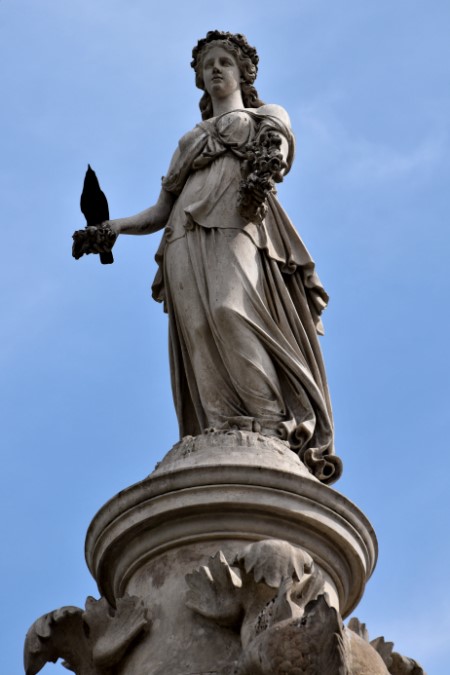
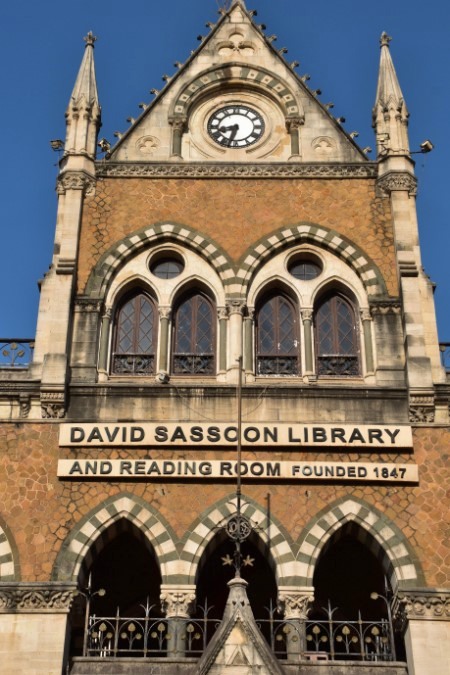
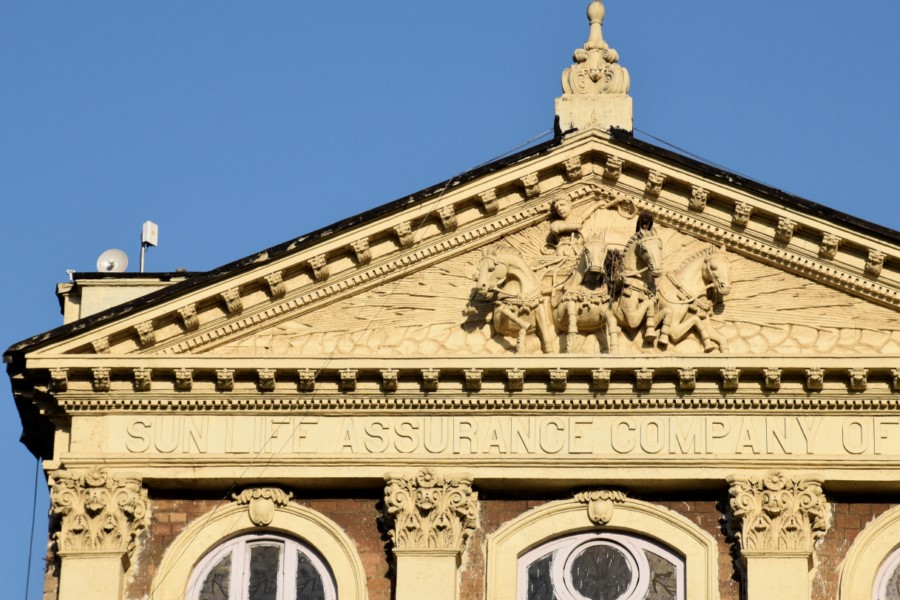
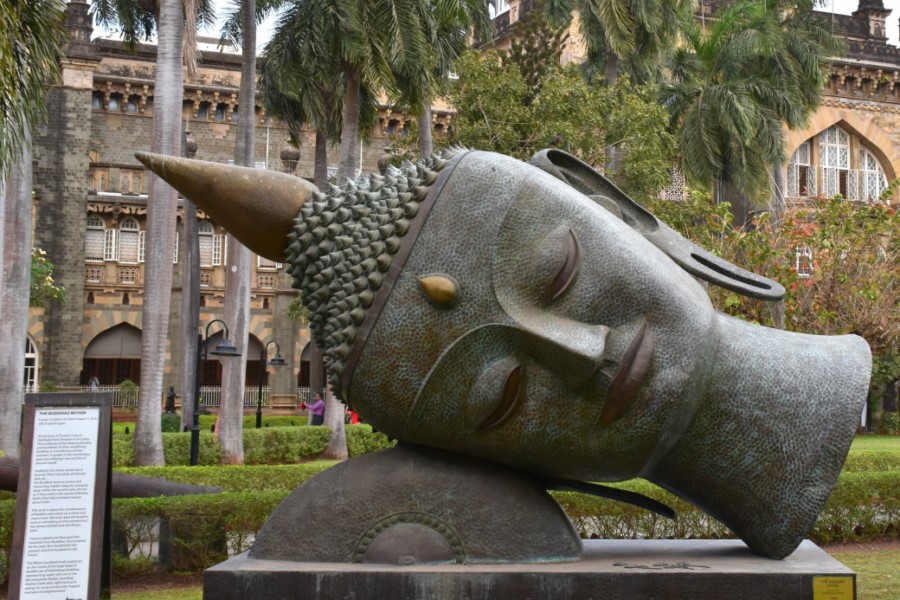
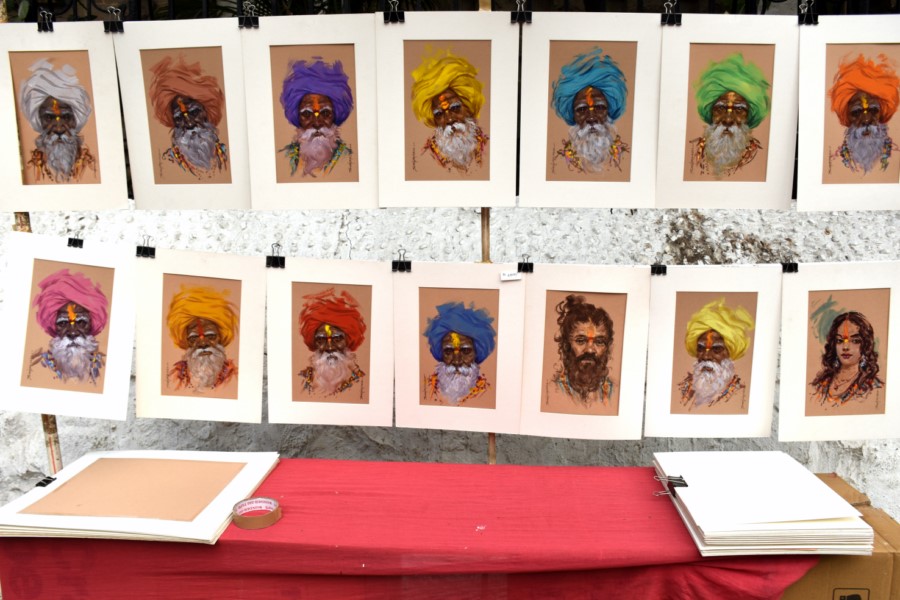
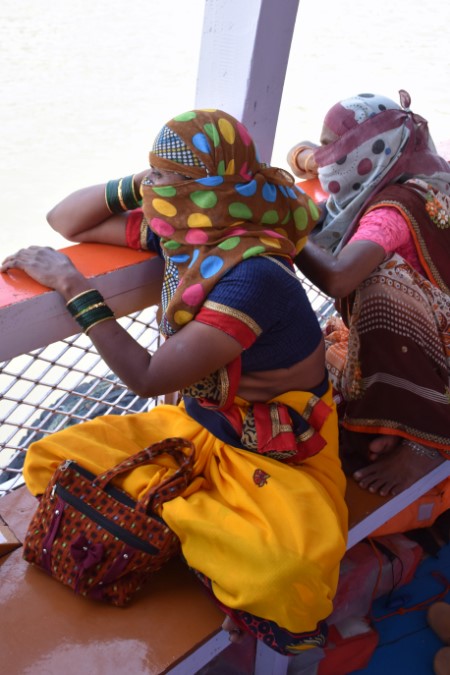
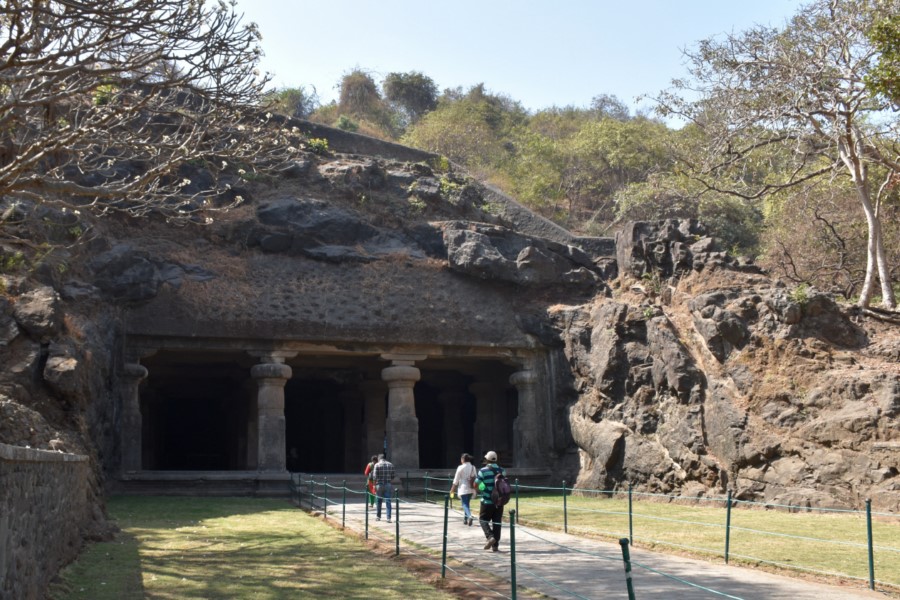
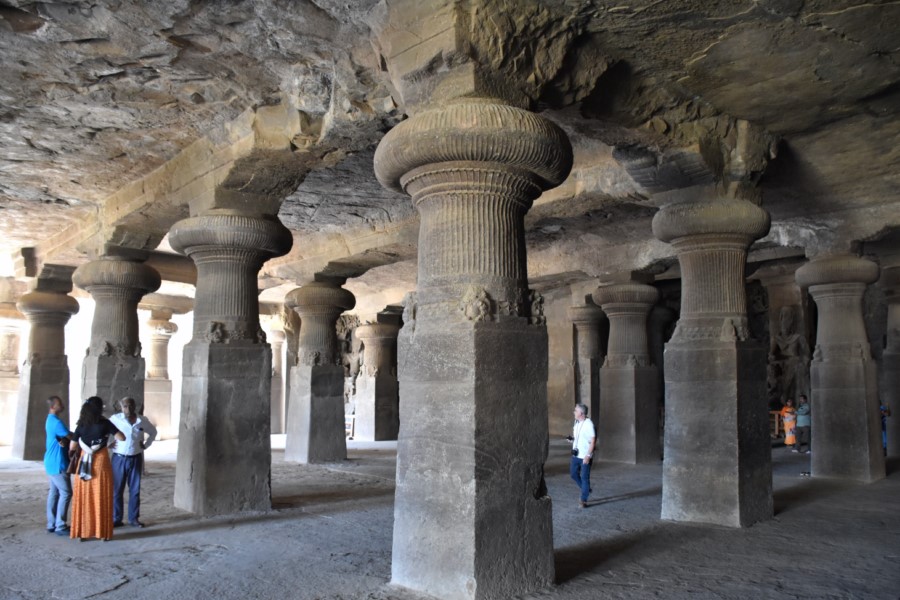
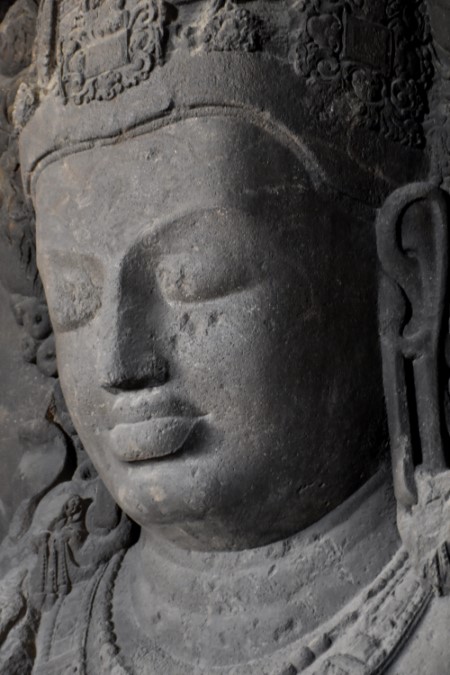
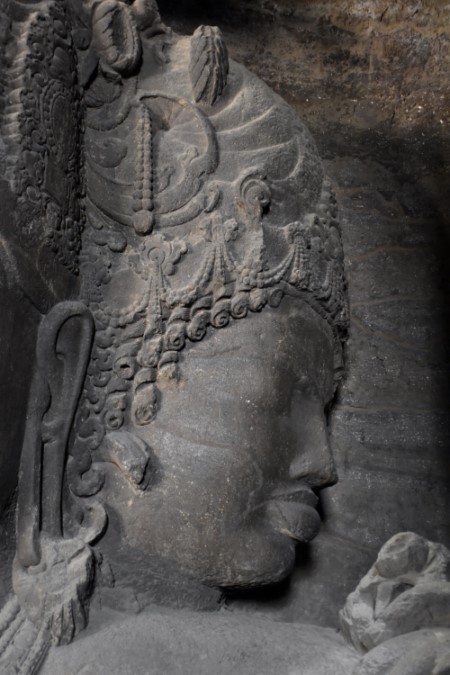
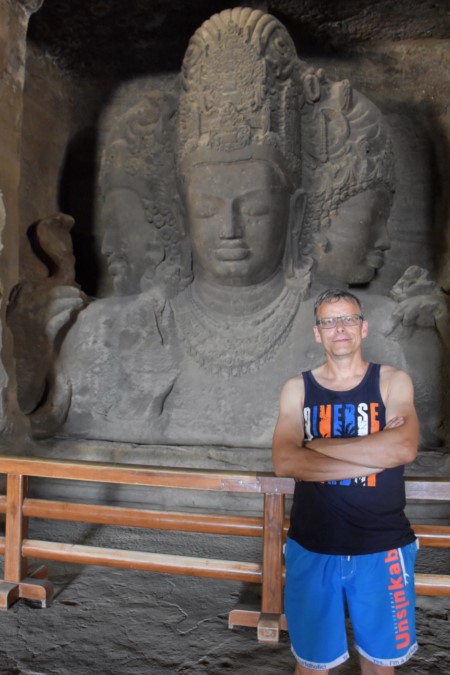
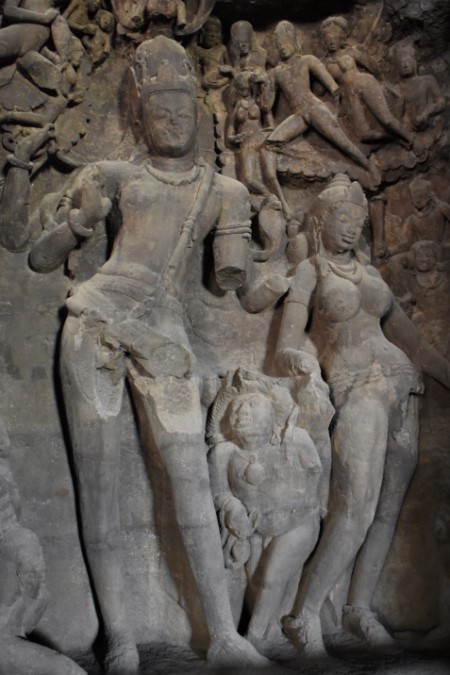
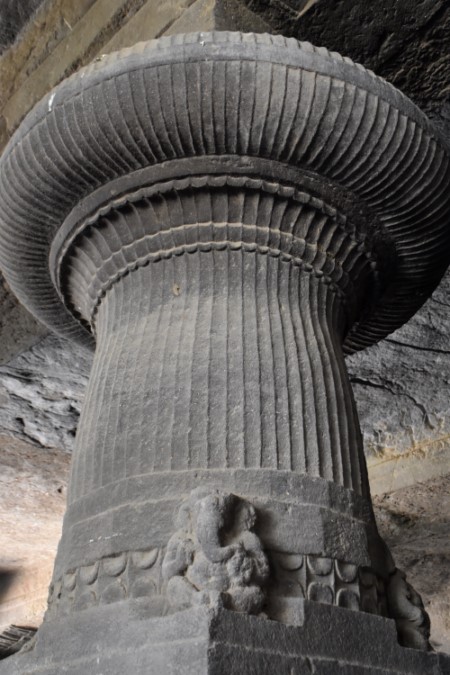
Chhatrapati Shivaji Maharaj Terminus Gargoyles Central facade Popular means of transport Flora Fountain from 1864 Information plaque about the construction cost - 47,000 rupees Roman goddess Flora Street life St. Thomas Anglican Cathedral from the 17th century Austere church interior Tomb of John Duncan Tomb of Captain George Hardinge Horniman Circle Gardens, wooden gazebo Weary vendor Town Hall, view from the Horniman Circle Gardens Street vendor Colonial-style buildings on Mahatma Gandhi Road David Sassoon Library from 1870 Charging chariot in the tympanum of the Sun Life insurance company building Head of Buddha in front of the Museum of History of Art Works of a street artist The Gateway of India (1924) at Apollo Bunder The Gateway of India, jali screens decorating the archway The Taj Mahal Hotel from the early 20th century The Gateway of India, view from the sea On the way to Elephanta Stowaway Elephanta hills Muslim women Port on Elephanta Island during low tide Entrance to cave no. 1 Hypostyle hall Shiva statue with three faces: male, female, and meditative Shiva, male face Shiva, meditative face Shiva, female face Souvenir photo Guardians guarding the sanctuary of Shiva Shiva Lingam Shiva as Nataraja, the lord of dance Shiva bringing the Ganges River down to earth Ardhanarishvara, half female (Parvati) and half male (Shiva) Column Entrance to cave no. 3 Artillery position Gourmet Dhobi Ghat laundry Dhobi Ghat laundry Dhobi Ghat laundry Dhobi Ghat laundry Devotional items vendor Dharavi slums Dharavi slums Dharavi slums Dharavi slums Dharavi slums Dharavi slums Dharavi slums Dharavi slums Dharavi slums Dharavi slums Dharavi slums Dharavi slums Dharavi slums Dharavi slums Dharavi slums
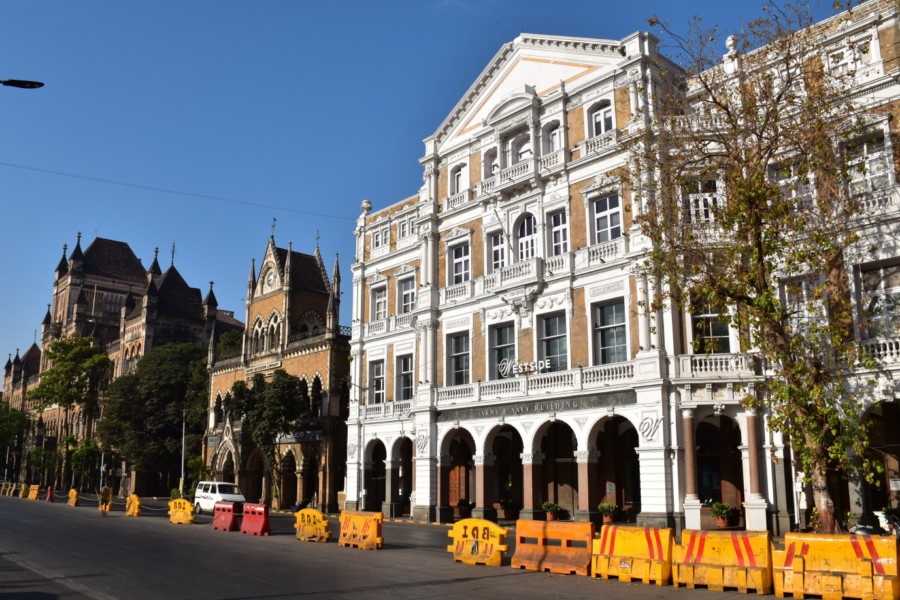
Mumbai is probably the only city in India that disappointed me. The capital of the state of Macharashtra is a real juggernaut on which to move around is quite a challenge, and in addition, I have found renovations of several main streets. Visiting the famous Dobi Ghat laundries and Dharavi slums only depressed me, and the only nice memory was a boat trip to Elephanta Island and admiring Hindu rock temples from the 6-th century A.D.


Jaipur
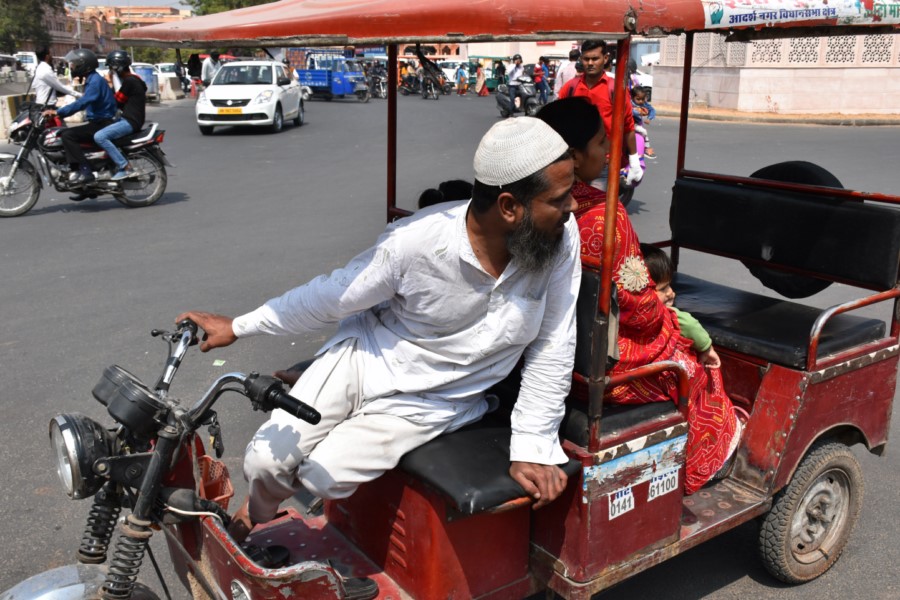

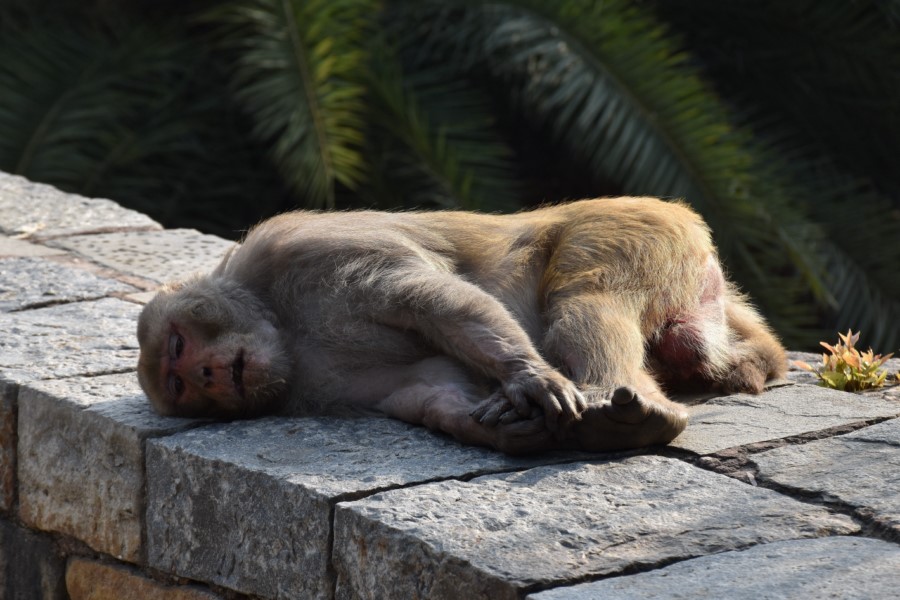
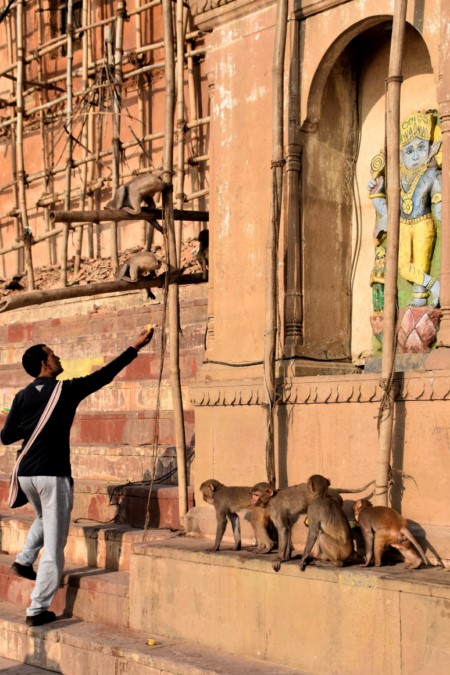
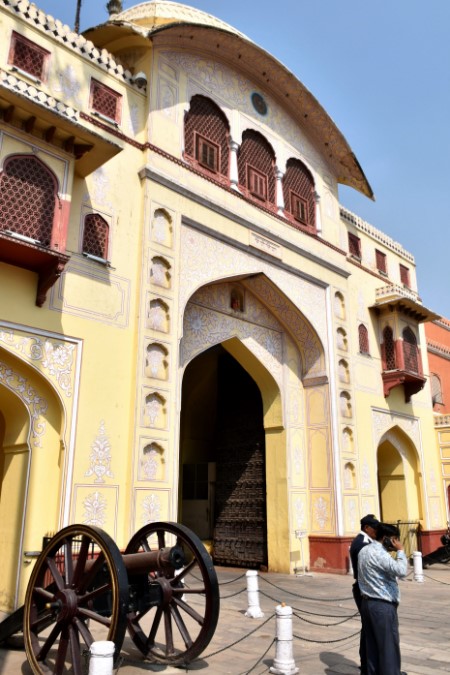
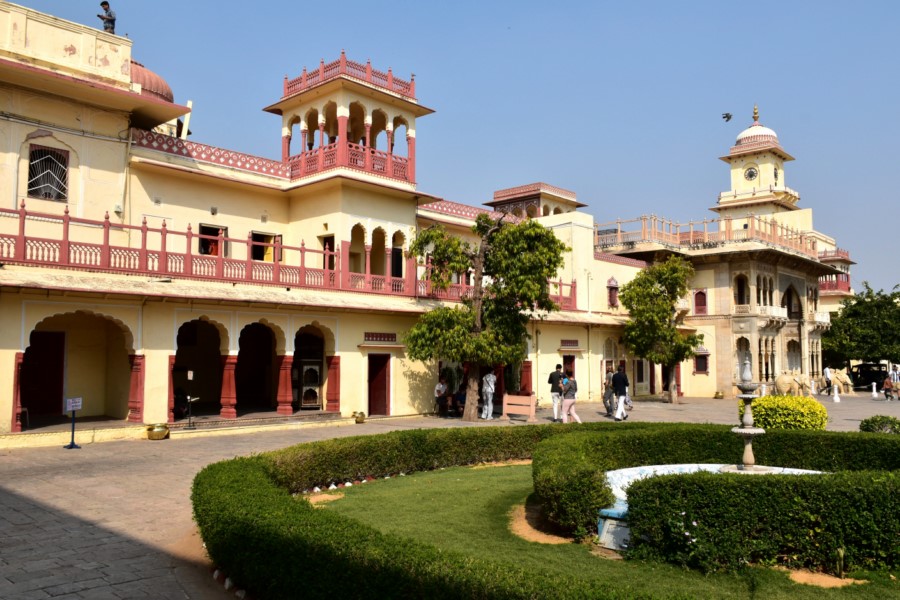
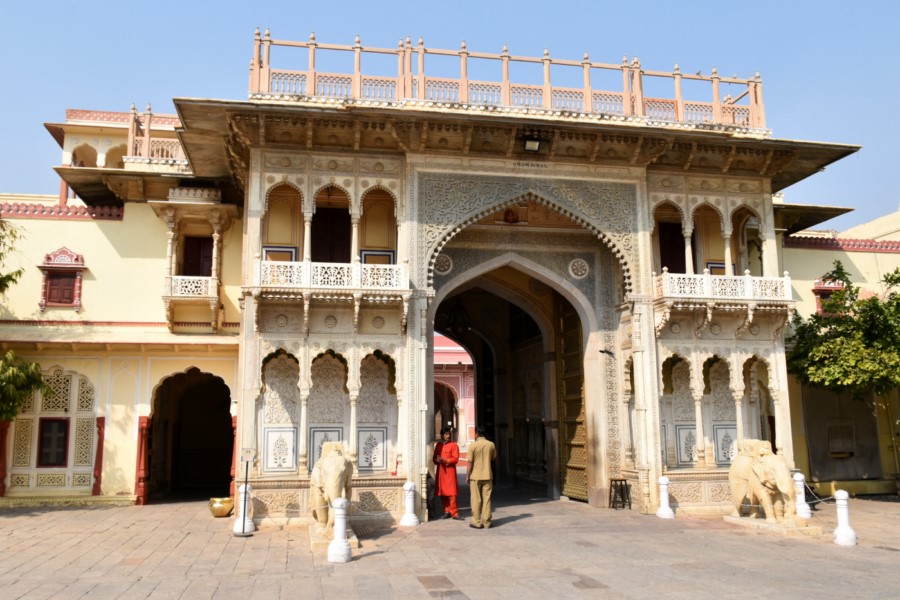
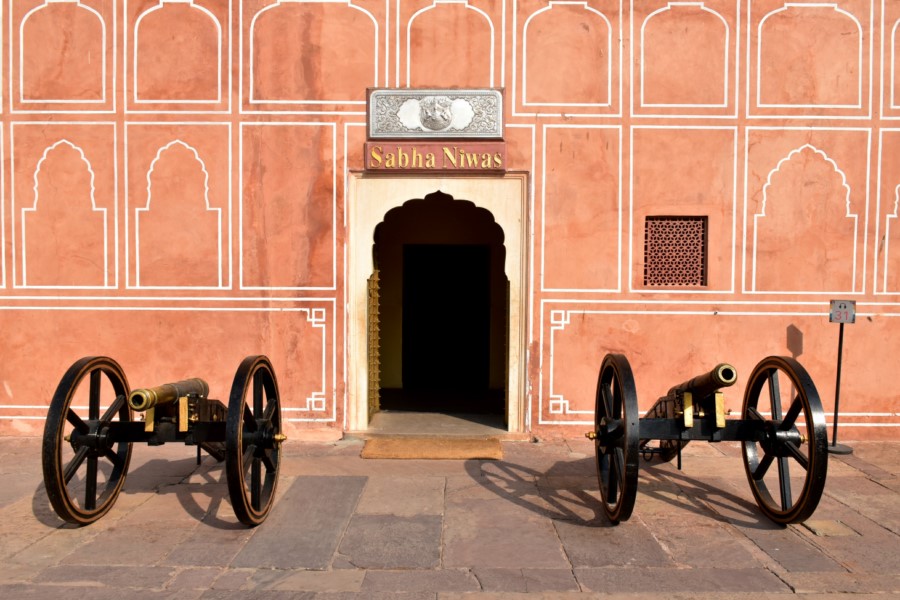
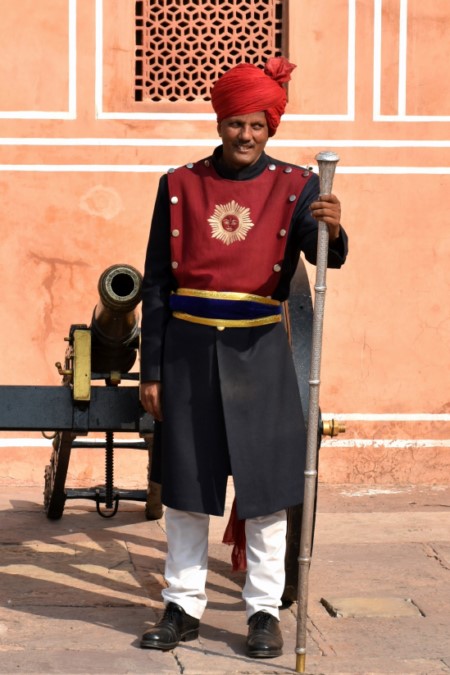
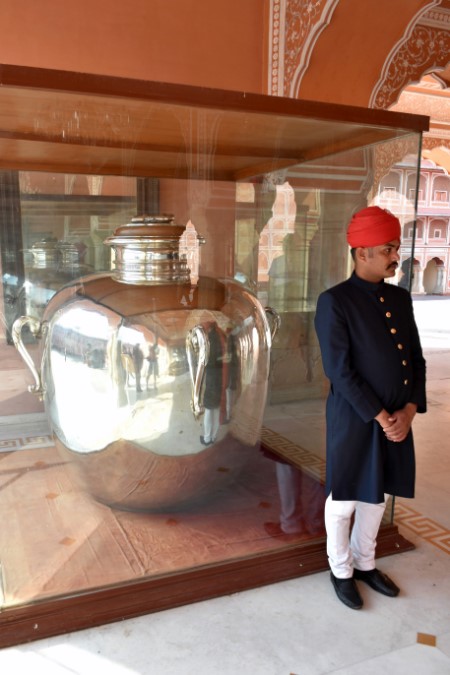
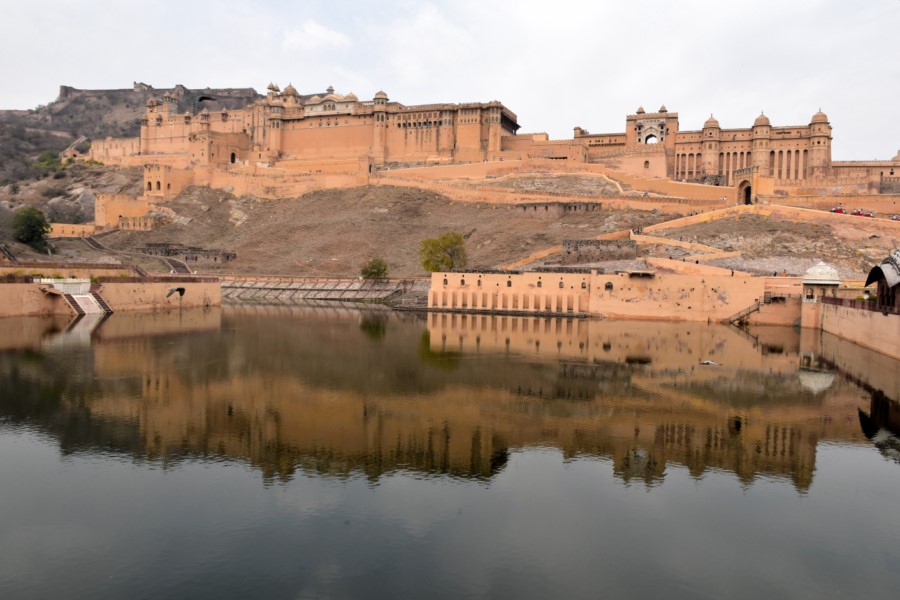
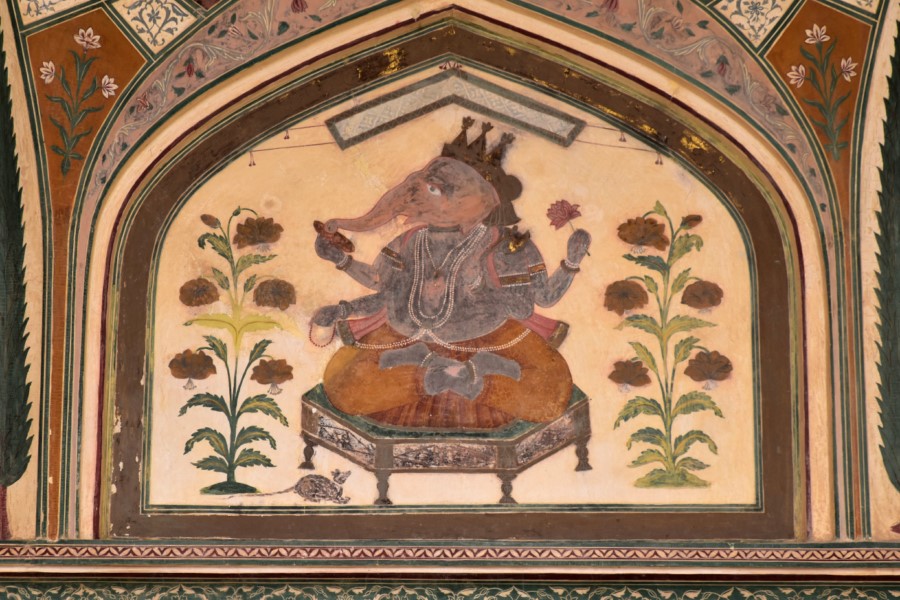
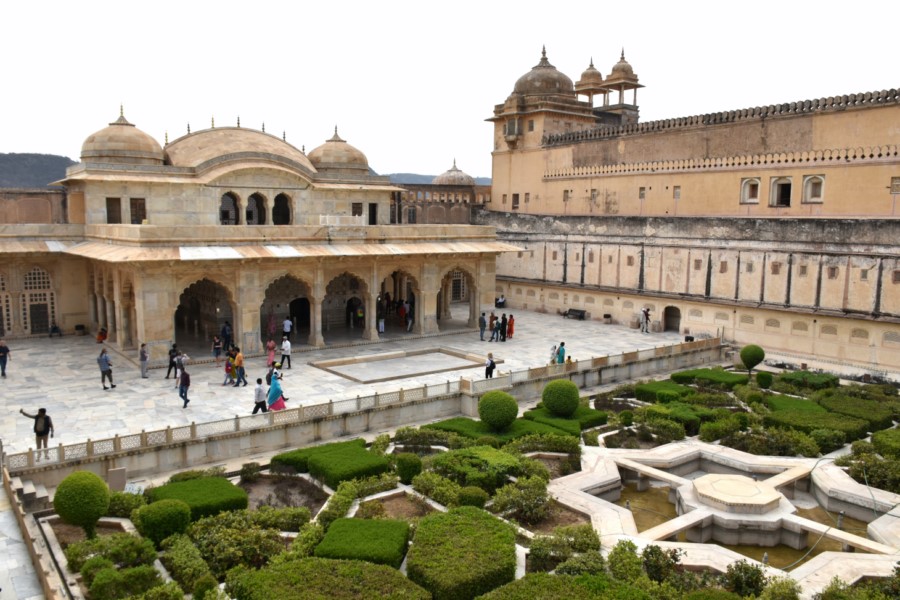
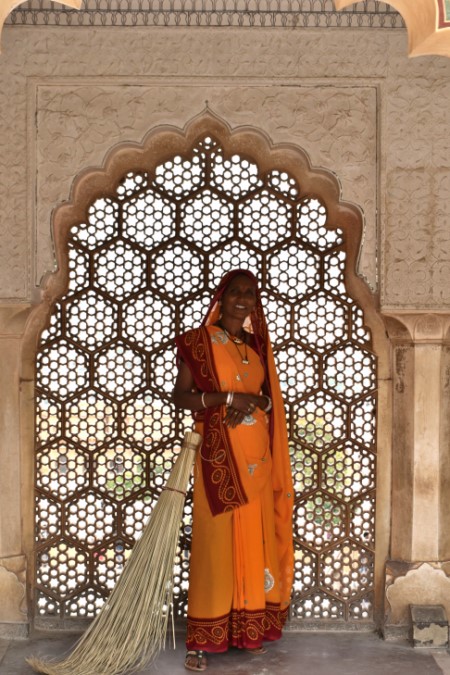
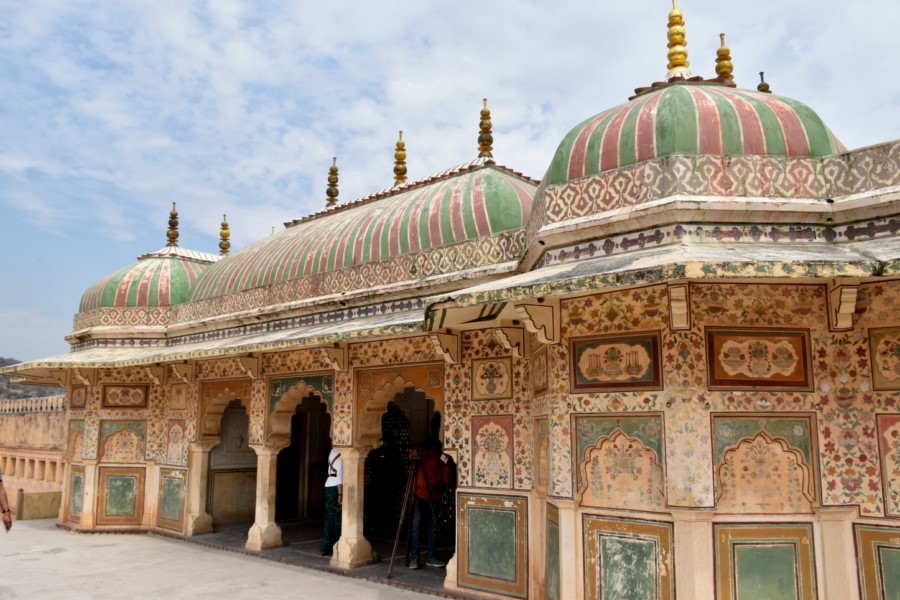
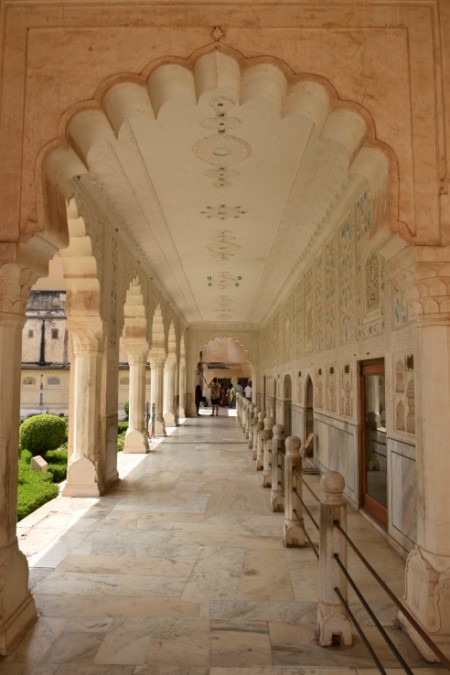
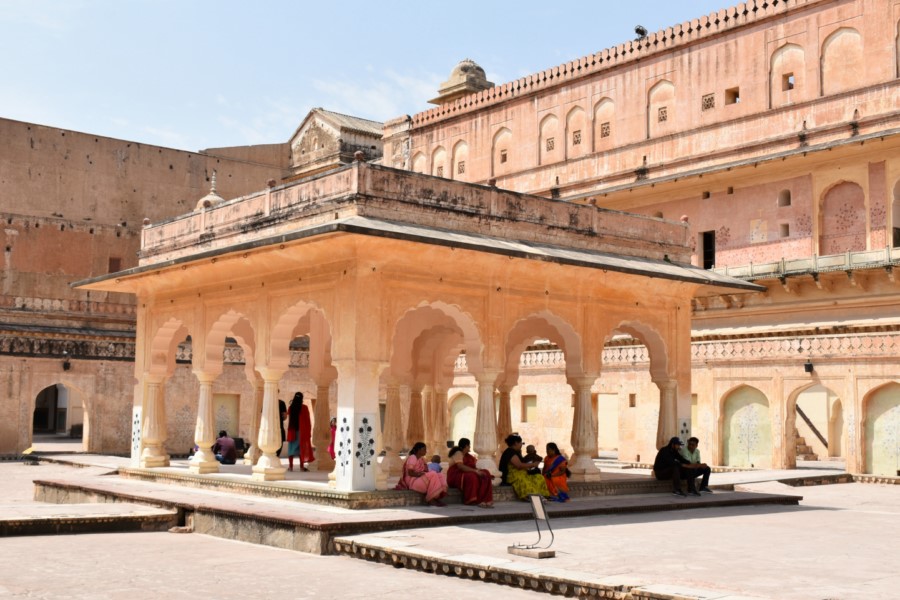
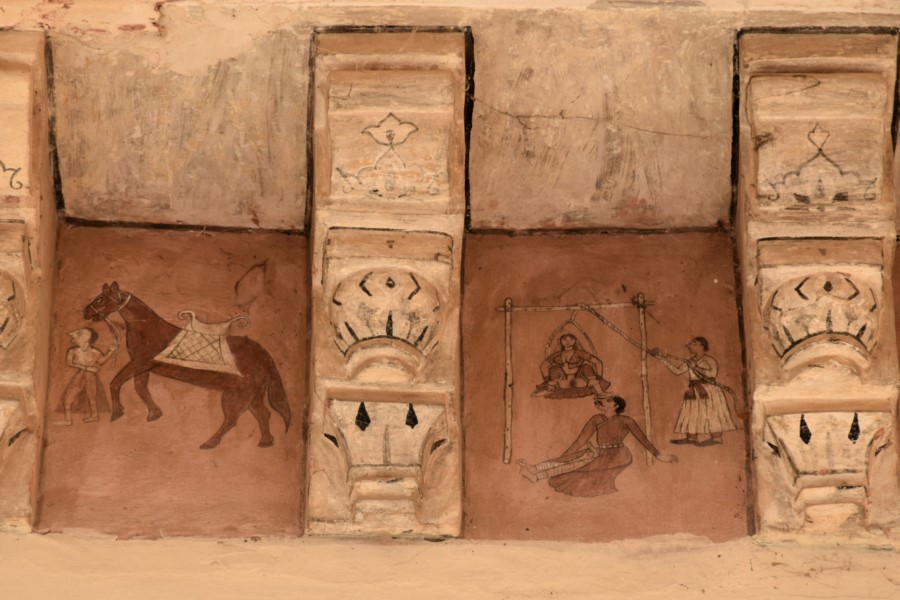
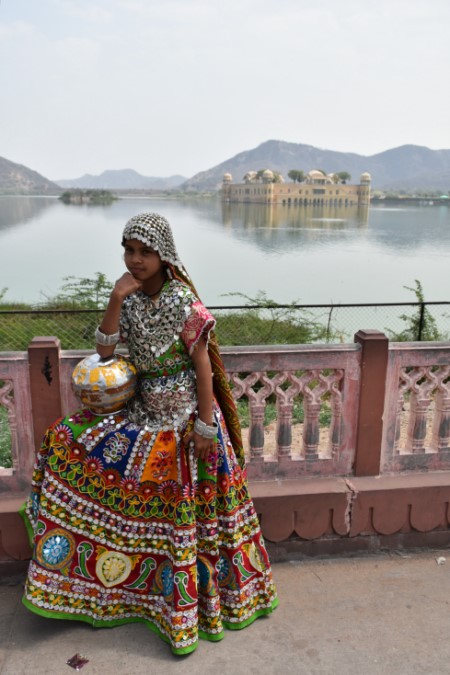
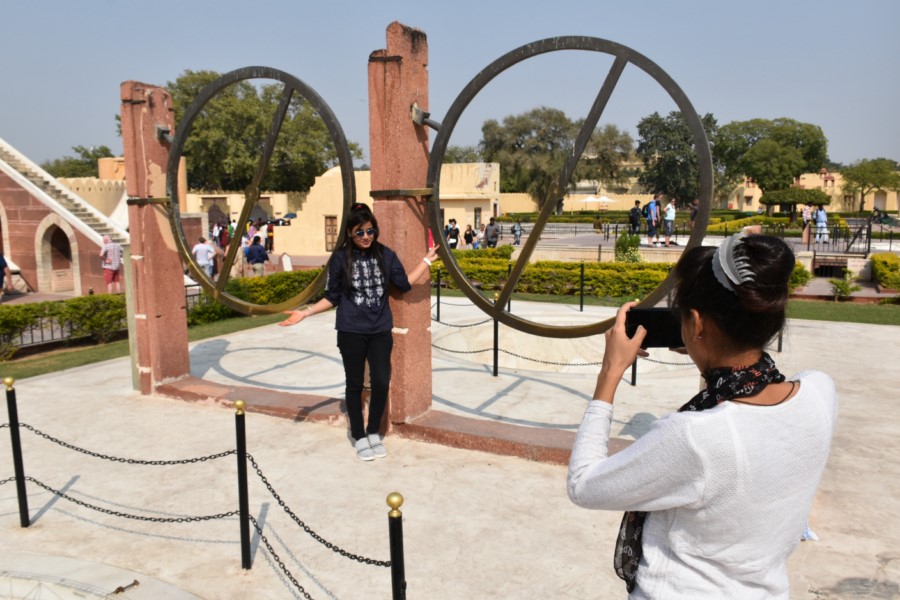
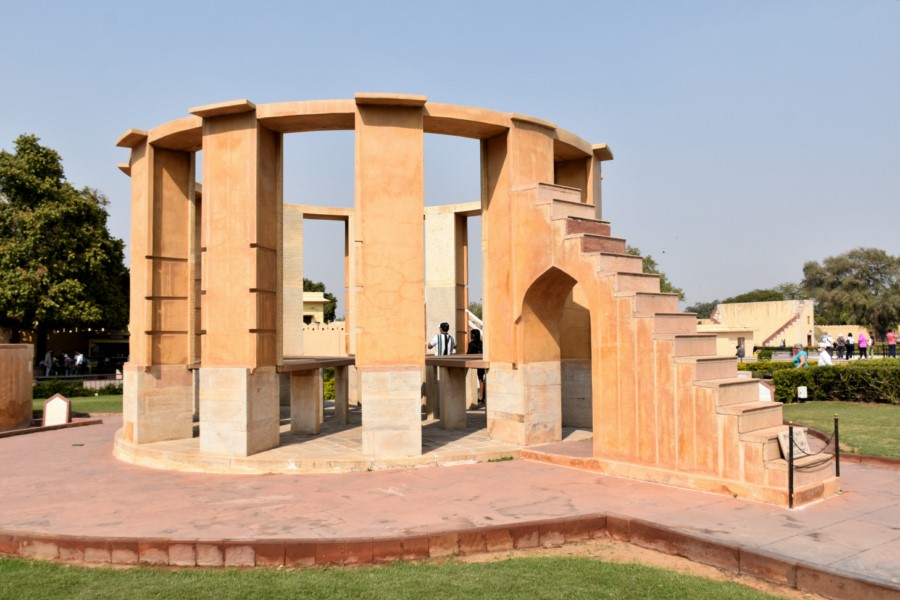
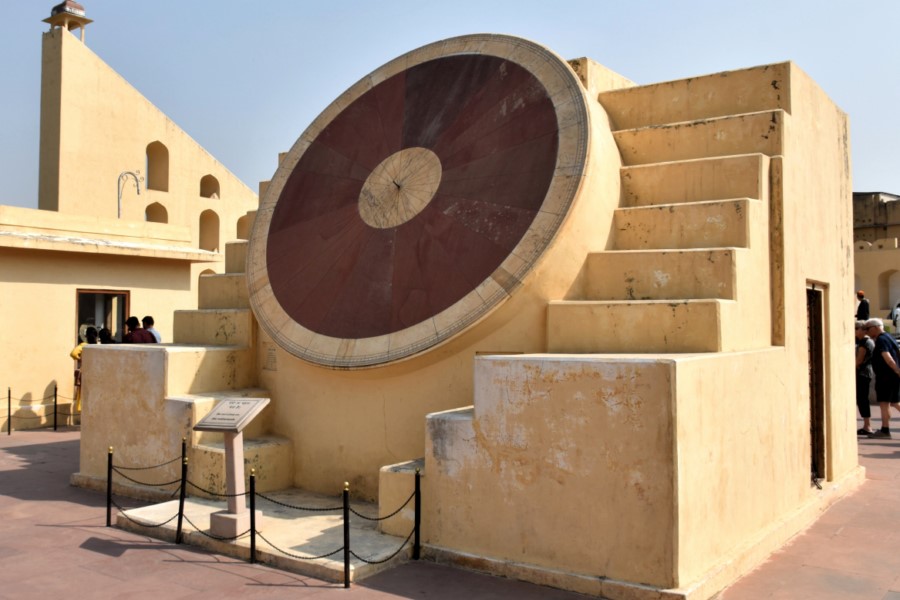
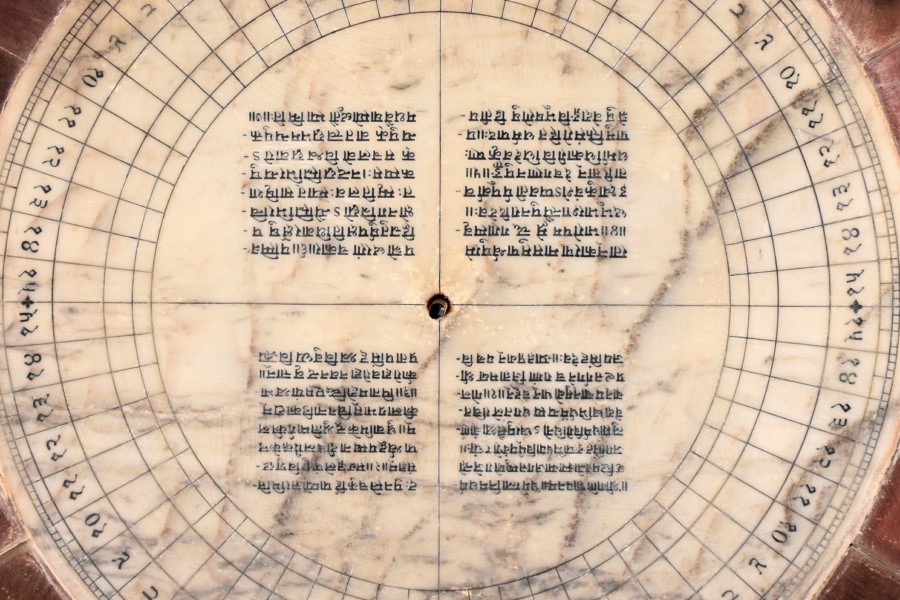
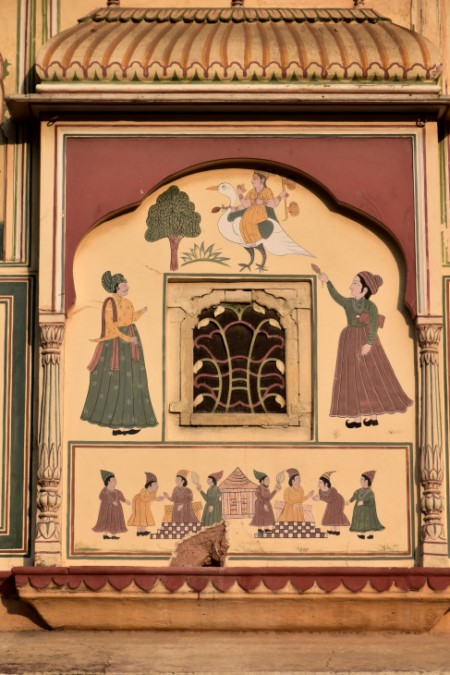
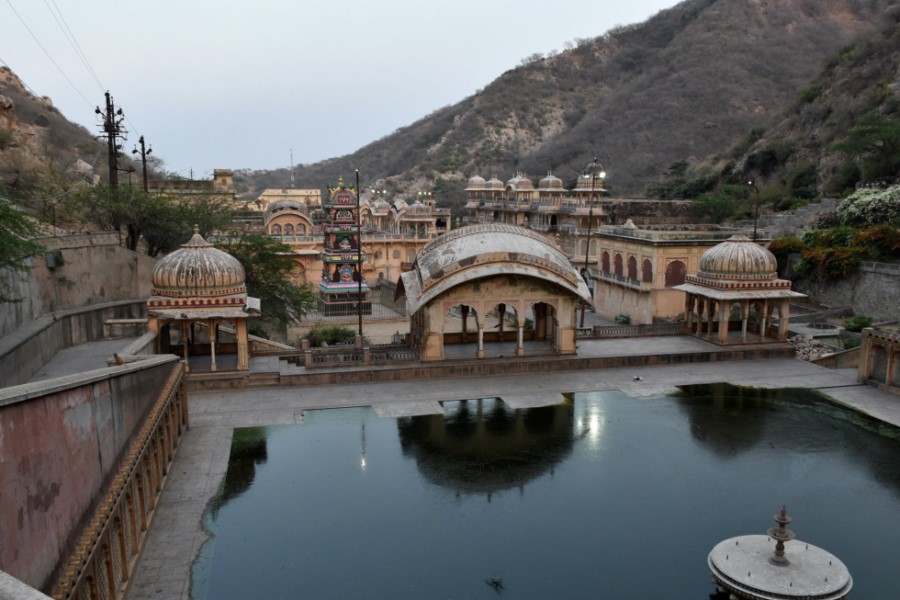
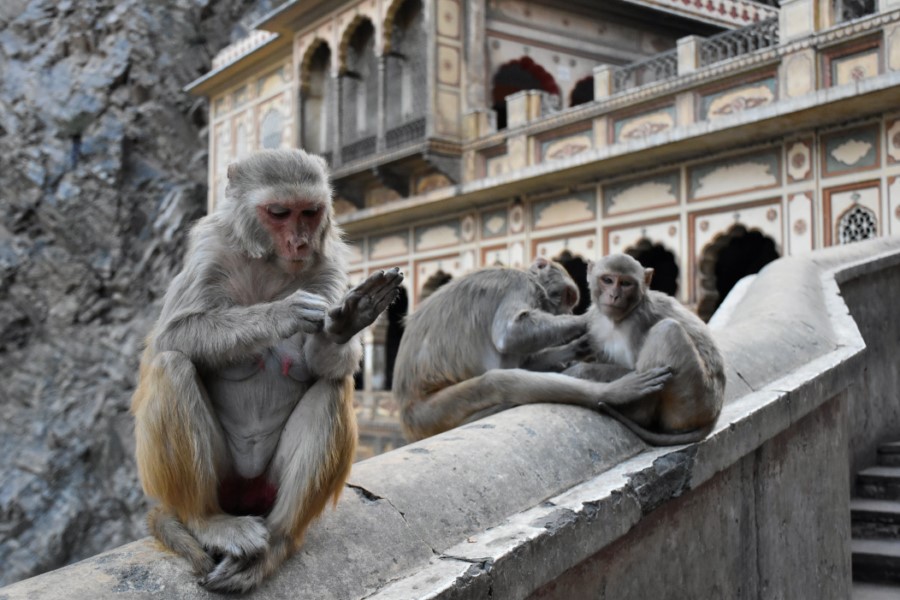
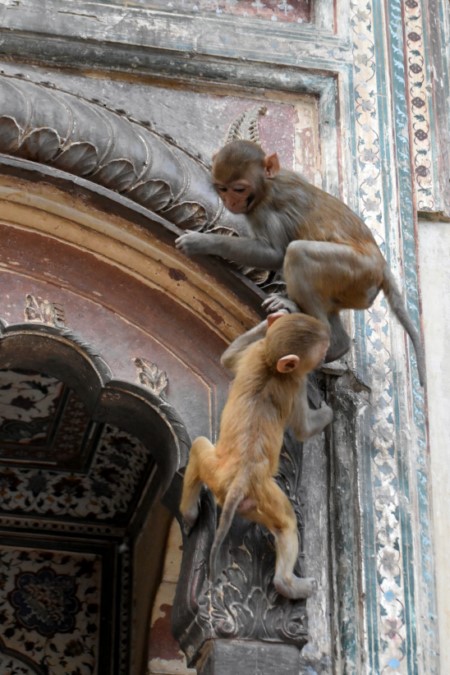
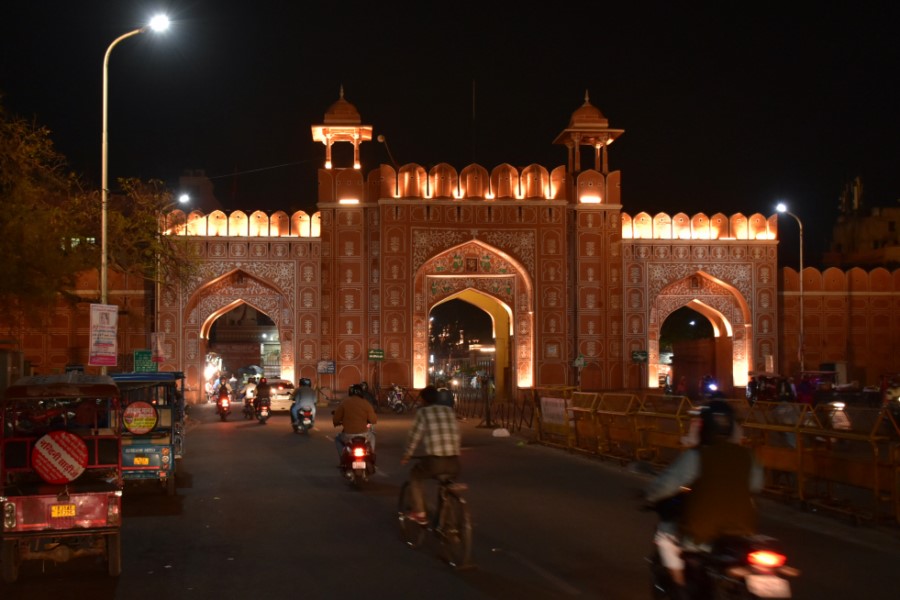
Anyone else willing? Badi Chaupar roundabout Hawa Mahal (Palace of Winds) in all its glory Impressive facade Repeating motif of three balconies Souvenir photo Street scene Hawa Mahal at night Hawa Mahal at night Tripolia Gate, entrance to the City Palace City Palace from the 18th century Rajendra Pol entrance gate Guard Life-sized elephant statues flanking the gate Souvenir photo Mubarak Mahal, reception area for foreign guests Hanging balcony decorated with carvings in white and beige marble Clock tower Sabha Niwas (Diwan-i-Aam or Hall of Public Audience) Guard Sarvato Bhadra (Diwan-i-Khas) Gangajali (340 kg, 1.6 m high, 4000 l capacity) Chandra Mahal Chandra Mahal, latticed windows Peacock Gate Decorative canopy above the Peacock Gate Souvenir photo Amber Fort and its reflection in Maota Lake Steep approach, Sun Gate in the background She couldn't make it Soaring fort walls Musician Return of the elephants carrying tourists to the fort Return of the elephants Return of the elephants Mahout Suraj Pol (Sun Gate) Jaleb Chowk, the first courtyard Singh Pol (Lion Gate), entrance to the second courtyard Diwan-i-Am, Hall of Public Audience Colonnade of Diwan-i-Am Capitals of the outer columns Monumental Ganesh Pol (Ganesha Gate) Polychromy depicting Ganesha on the throne Floral motifs decorating the ceiling Third courtyard, Mughal-style garden in the foreground Sheesh Mahal (Palace of Mirrors) Interior decorated with glass panels and mirrors Wall panel inlaid with pieces of mirrors Souvenir photo, Suhaag Mandir in the background Latticed window in Suhaag Mandir Suhaag Mandir Sukh Mahal (Palace of Pleasure), private apartments of the maharaja Latticed window Baradari Pavilion in the middle of the fourth courtyard Polychromies decorating the Zanani Deorhi palace View from the pavilion to the palace of Man Singh I Polychromies decorating the Zanani Deorhi palace Maharajah on an elephant with his retinue by Man Sagar Lake Souvenir photo with Jal Mahal in the background Girl in traditional Rajasthani attire Jal Mahal (Water Palace) from the late 17th century Samrat Yantra sundial Quadrant measuring local time with an accuracy of 2 seconds Scale for determining time on the Samrat Yantra quadrant Souvenir photo Unnatansh Yantra, used for measuring the altitude of celestial bodies Rasivalaya Yantra, a complex of 12 gnomons used for casting horoscopes Dakshinottara Bhitti Yantra, used for finding the position of celestial bodies Laghu Samrat Yantra, a small sundial measuring time with an accuracy of 20 seconds Raj Yantra, used for determining the azimuth of celestial bodies Chakra Yantra, used for calculating the declination of stars and planets relative to the equator Ram Yantra, used for calculating the altitude of the Sun Narivalaya Yantra, used for determining the equinoxes Narivalaya Yantra, scale for making readings Digamsha Yantra, used for measuring angular distances Jai Prakash Yantra, serves to verify readings of other instruments Street scene Rest Hindu religious procession Observer Sisodia Rani Ka Bagh, suburban palace of the Udaipur princess Corner tower Pavilion with a porch Facade polychromy, court scenes Facade polychromy, march of troops Unexpected obstacle Monkeys jumping blindly, monkeys doing monkey business Rhesus macaques Galtaji Rhesus macaques Naughty little ones Shri Gyan Gopal Ji Temple Sanganeri Gate

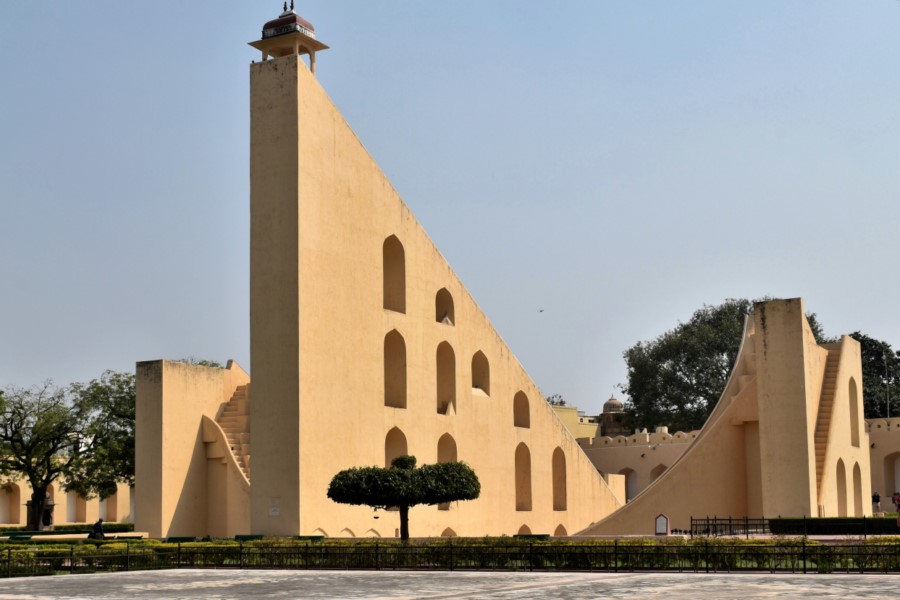
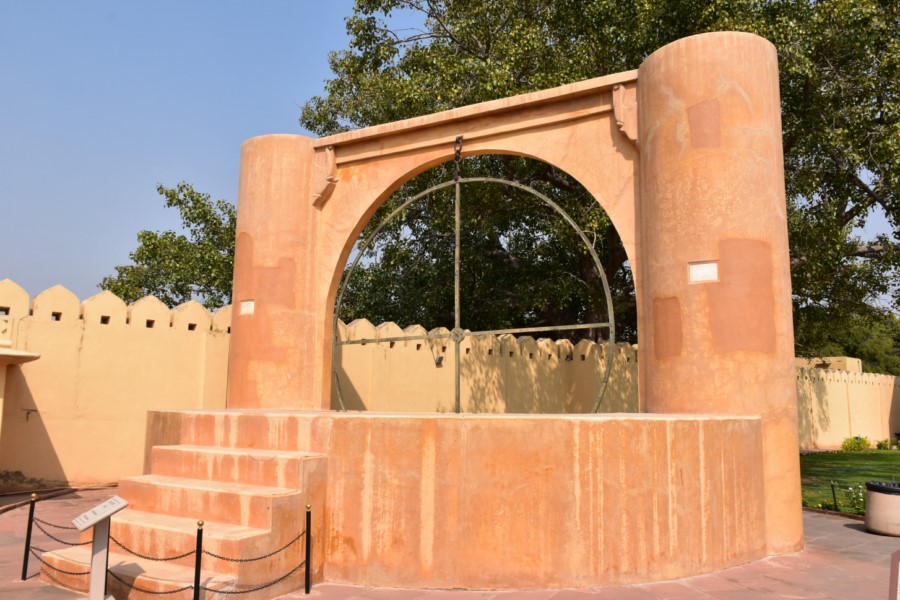
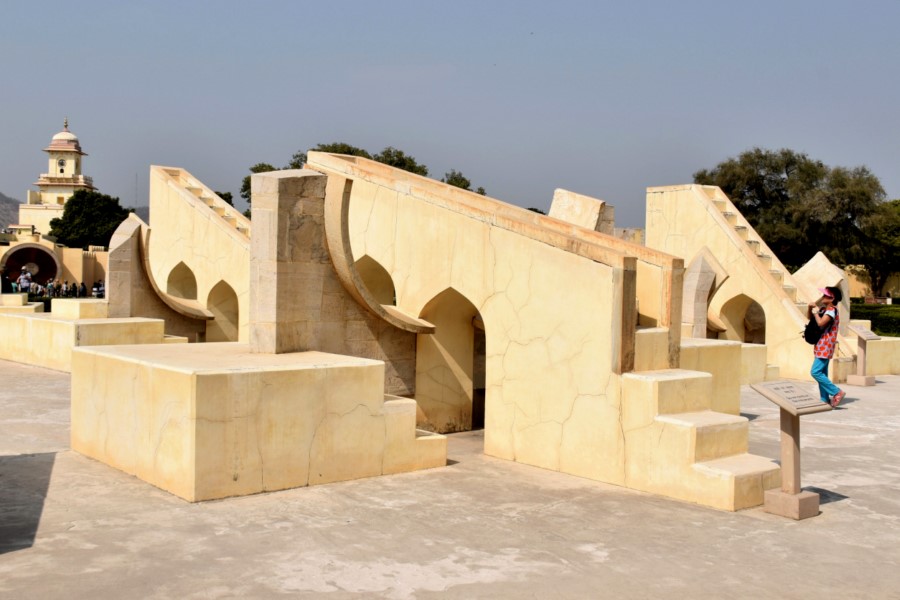
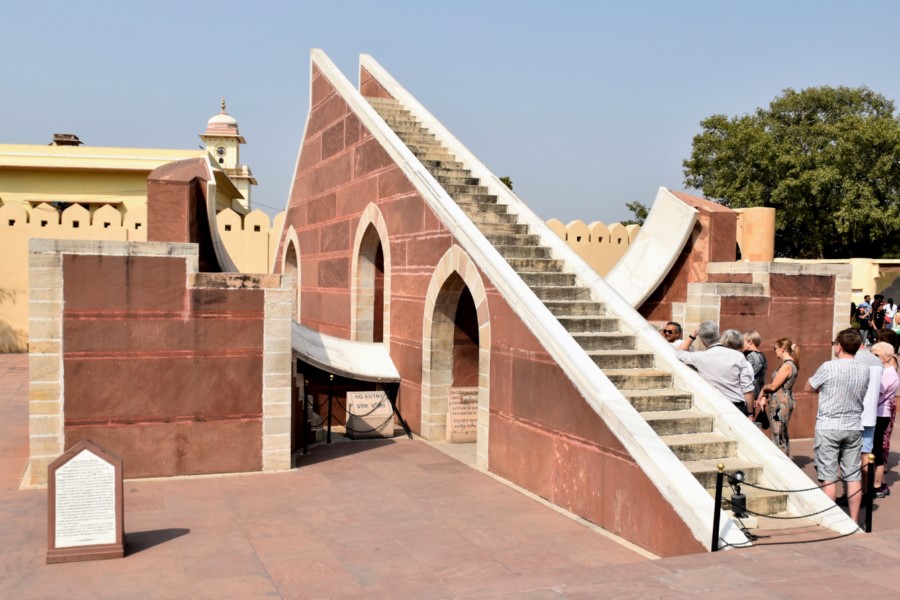
Jaipur is called the pink city because of the color of the buildings, which are lined with sandstone in this color. The most recognizable monument is the Hawal Mahal, i.e. the Palace of the Winds, whose monumental facade allowed the ladies of the court to observe the everyday life of the city. However, I was most impressed by the Jantar Mantar, an astronomical observatory built in the early 18th century by Maharaja Sawai Jai Singh II.


My favorite photos


Wszelkie prawa zastrzeżone