MYVOYAGES

Passion for exploring and photography

A TRIP ROUTE

Grecja - trasa wycieczki


IT IS WORTH KNOWING

One of the seven wonders of the ancient world was the statue of Zeus at Olympia. The sculpture by Phidias depicted Zeus sitting on the throne with a serious and dignified face. Phidias made the statue using the chryselefantine technique he developed around 437-432 BC, but he did not leave behind any plans to work on his work. The statue had a wreath of olive branches on its head, a golden cloak hung from its left shoulder, a statue of the goddess Nike in its right hand, and a scepter lined with precious stones. The figures of deities and battle scenes are depicted on the carved backs and legs of the throne. Zeus' robe and hair were made of gold, the exposed parts of the body were ivory, the throne was cedar inlaid with ebony and precious stones. The statue was over 13 meters high, and on the celli floor, in front of the statue there was a swimming pool (6.5 m²), lined with dark limestone and filled with oil, in which the figure of a god was reflected. The sculpture stood in the temple in Olympia for about 800 years. After the prohibition of the Olympic Games, the statue was taken to Constantinople around 420, where it was destroyed in a fire in 475. However, the temple was burned by the order of the Byzantine emperor Theodosius II in 426.

Posąg Zeusa w Olimpii, wyobrażenie z 1815 roku


INTERESTING FACTS

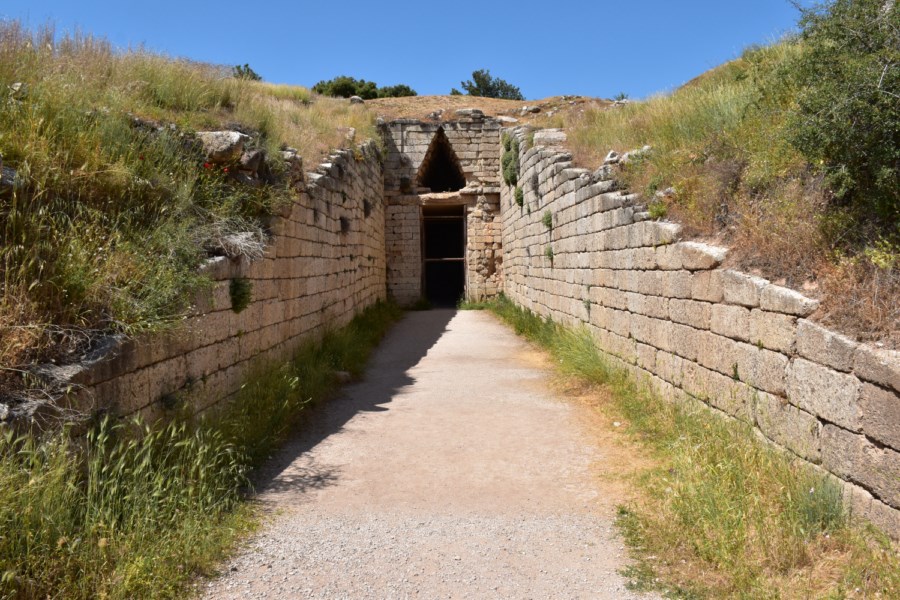
Probably many of you remember the poem by Juliusz Słowacki entitled "Agamemnon's Tomb". This ominous-sounding song by our bard was written in 1839 as a fragment of the song VIII "Travel to the Holy Land from Naples". The inspiration for writing it came from the stay of Juliusz Słowacki in the building which was then considered to be the tomb of King Agamemnon - the leader of the Greek army at Troy. Later studies have shown that it is a giant tomb (tolos) called the treasury of Atreus, built in the Mycenaean era around 1250 BC. A visit to the ancient building became an opportunity for Słowacki to reflect on his own poetry and a painful reckoning with the nation to whom the poet wishes to make himself aware of both the causes of the defeat of the November Uprising and the loss of independence. The bitter words of the bard reflect the romantic messianism he professes. Today, in retrospect, you may agree or disagree with it, but when, sitting alone under the stone dome, I read the verses of the poem, I felt the fragility and transience of human achievements.

"Let the fantastically tuned lute
Follow the gloomy and dark thoughts,
For I have entered Agamemnon's tomb
And I am sitting silent in the underground dome ..."

Juliusz Słowacki w grobie Agamemnona


Greece - Athens, Delphi, Peloponnese

April 2018

Ateny - zmiana warty przed grobem nieznanego żołnierza

My trip to mainland Greece was like a journey back in time to the sources of European history and culture. What I have only read about so far, I could see with my own eyes. The results exceeded my wildest expectations, although as usual I was chased by time and the need to use public transport.

Despite these objective difficulties, I visited - in my opinion - places that are most associated with ancient Greece. Unfortunately, my trip was at the peak of the tourist season, which definitely reduced the comfort of visiting. Despite this, in many places I managed to find some intimacy in order to fully experience and appreciate the sights. Sometimes, even under the influence of excessive fantasy or heat, it seemed to me that I was walking with a multicolored crowd of passers-by around the agora, passing figures of philosophers and archons.


Ancient Athens


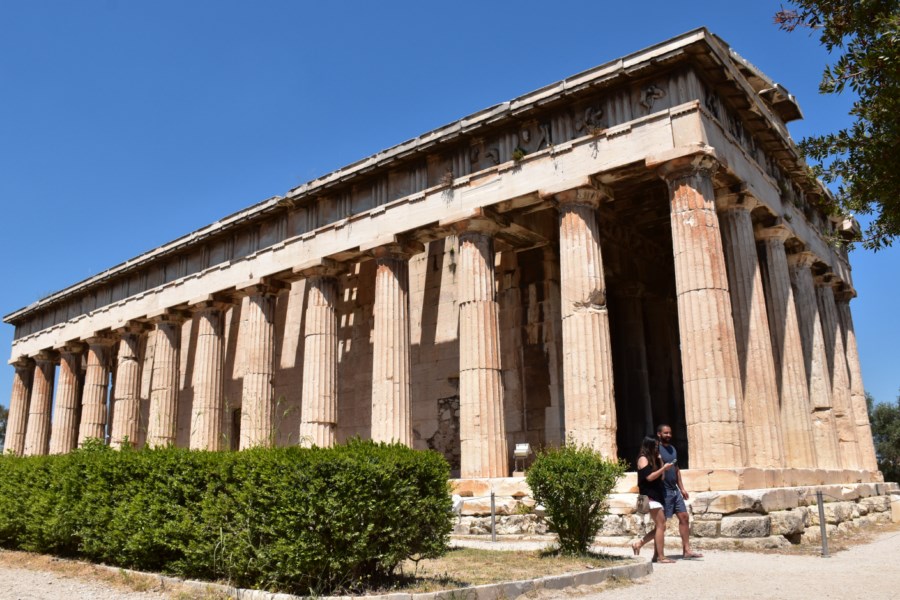
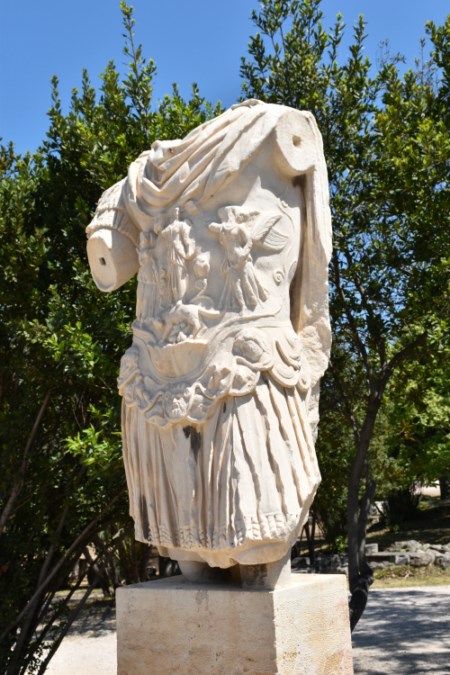
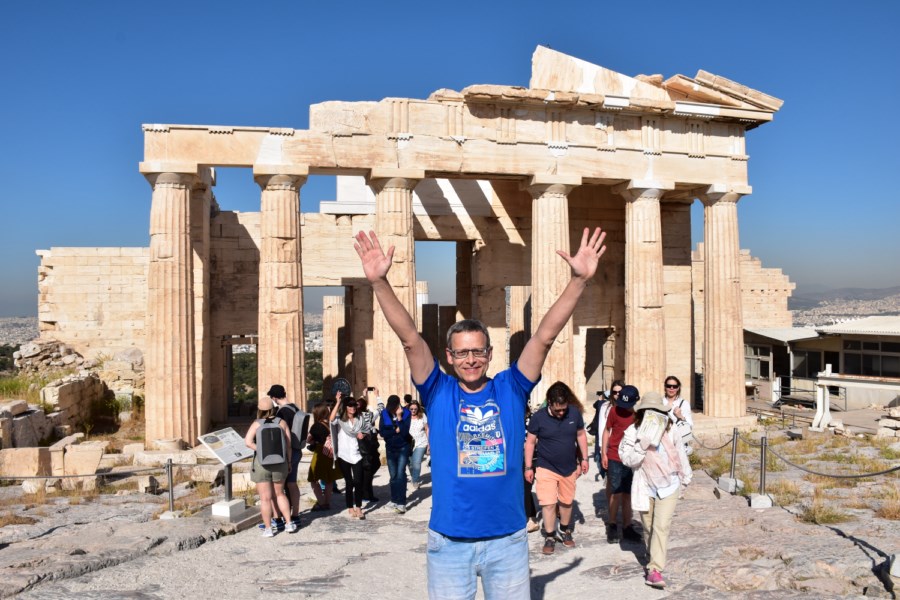
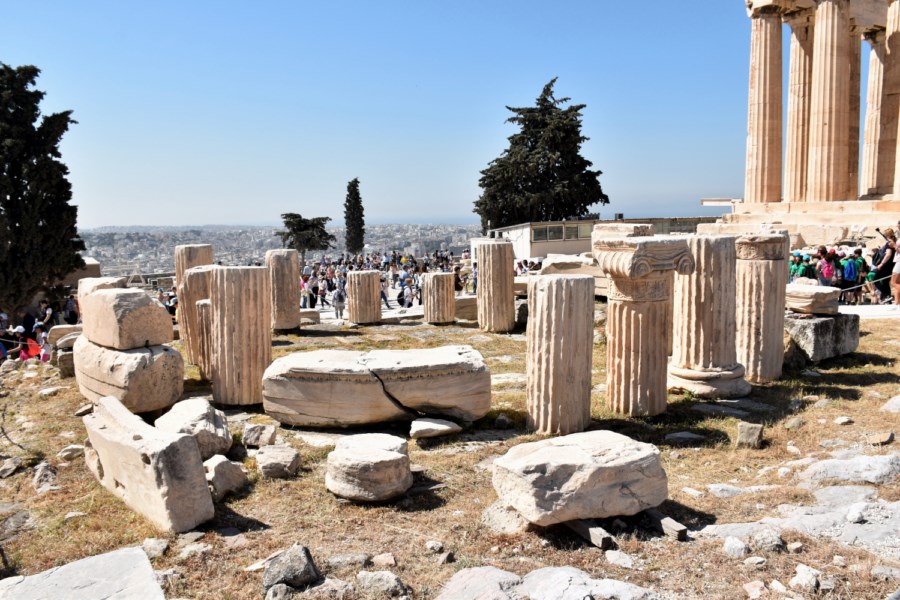
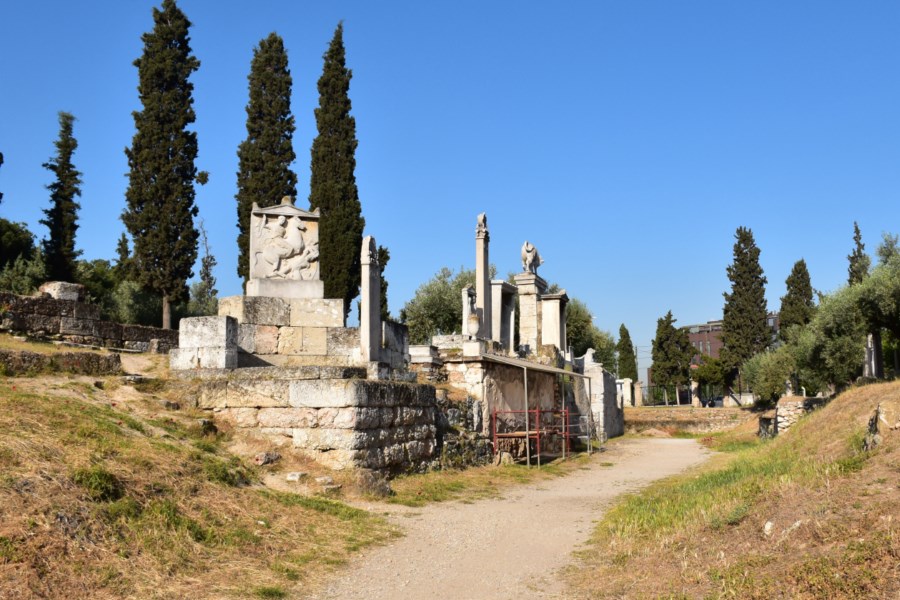
Odeon of Agrippa Stoa of Attalos Sculpture of Aphrodite Marble bust Panathenaic Way Middle Stoa The historic brick Byzantine church Capital Water clock Greek Agora Temple of Hephaestus Inner colonnade Statue of Emperor Hadrian Tholos Hadrian's Library Colonnade in the Corinthian order Tetraconch church Colonnade It won't collapse, will it Gate of Athena Archegetis Southern portico Tower of the Winds Frieze relief of Zephyrus Marble floor of the water clock Eastern portico and the Fethiye Mosque The ancient Tower of the Winds with the Acropolis behind it Defensive walls of the Acropolis Choregics Monument of Lysicrates, celebrating the victory of the choir in the City Dionysia Odeon of Herodes Atticus Beulé Gate The monumental entrance of the Propylaea with the ancient pedestal City panorama facing northwest The decorative coffered ceiling of the Propylaea Temple of Athena Nike Column in the Ionic order The eastern facade of the Propylaea View of the Areopagus from the Acropolis Photo session Erechtheion Caryatids Porch of the Caryatids Erechtheion, western facade Column base Invasion of tourists Parthenon Souvenir photo The monumental Doric entablature of the Parthenon The pediment decorations of the Parthenon Metope Temple of Augustus and Roma View from the Belvedere City panorama facing west The ruins of the Sanctuary of Asclepius Choregic Monument of Thrasyllos Theatre of Dionysus Marble throne The Bema of Phaedrus from the Roman period Menander monument Stoa of Eumenes Facade of the Odeon of Herodes Atticus Fragment of the orchestra Archaeological Museum Golden Mask of Agamemnon Bronze statue of the Jockey of Artemision Poseidon of Cape Artemision bronze statue Ostracon Kerameikos district Street of Tombs Marble bull Group of classical funerary steles Sacred Way to Eleusis Aristotle's Lyceum Hadrian's Arch Columns of the Olympieion The monumental ruins of the Temple of Olympian Zeus Detailed view of a Corinthian capital

Athens is a great city. The cultural heritage of the ancient Greeks is concentrated here like in a lens. I lived close to the city center, so I moved around on foot. Even the sun was burning from the early hours of the morning to the sight of me. Over the next few days I visited the Greek and Roman agora, the Olympian, I visited the Archaeological Museum at the end, leaving myself a cherry on the cake - the Acropolis hill.


Modern Athens


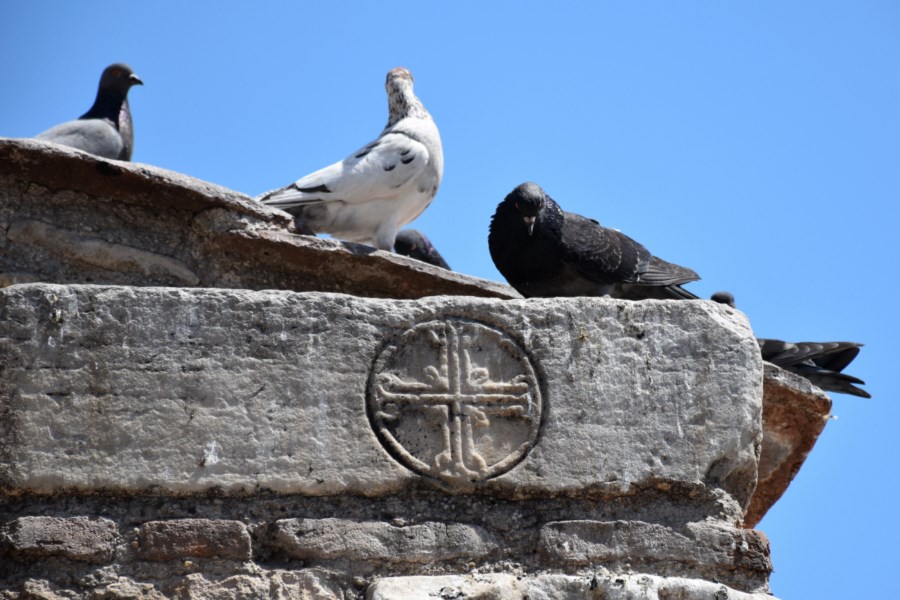
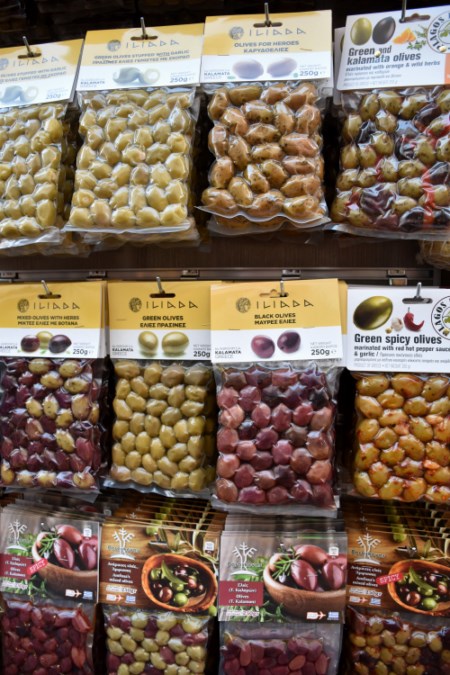
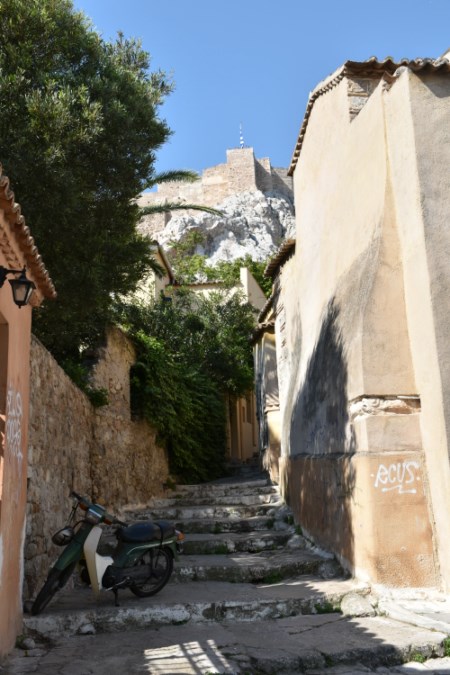
Tzistarakis Mosque Shopping near Monastiraki Square The 10th-century Pantanassa Church in Monastiraki The historic stone architecture of the Pantanassa Church Areos Street Souvenirs for tourists Greek olives Tired tourists Greek music Greek delicacies Souvenirs and attractions for tourists Greek koulouri sesame rings Church of Panagia Kapnikarea Entrance to the temple Architectural detail Greek flag Honor guard in front of the Tomb of the Unknown Soldier Evzones (Greek Presidential Guard) Syntagma Square Tomb of the Unknown Soldier Every movement is governed by rigid rules Evzones Souvenir photo Evzone self-portrait Little Metropolis Spolia Fresco depicting the Panagia Constantine XI Palaiologos The monumental Metropolitan Cathedral of the Annunciation View from the right nave Candle box Adoration of the icon The scenic narrow streets of the Anafiotika neighborhood Mediterranean residence Afternoon coffee Cycladic style architecture Cafe Anafiotika Chitchat Monastiraki metro station Monument to Themistocles Marina in Piraeus Port of Piraeus Goodbye Athens

The capital of Greece is not only monuments from Greek and Roman times. As I was wandering around Monastiraki and Plaka streets, I came across many beautiful Byzantine churches. The changing of the guard ceremony at the Tomb of the Unknown Soldier made an amazing impression on me. Piraeus, the port of ancient Athens, turned out to be equally attractive. Although little remains of its splendor today, it was once connected to them by the Long Walls.

Corinth


Ruins of the Temple of Apollo Doric Temple of Apollo Ruins of the temple Glauke Fountain Temple of Octavia Ancient entablature Column drums Remnants of the western shops Capital Southern stoa The ancient chamber of the Bouleuterion Agora Bema - the speakers' platform Marble post The monumental structures of the Peirene Fountain Relief depicting a rower Lechaion Road Dandelions Lechaion Road Capital Stoa Temple of Apollo Sculptures in the courtyard Seven against Thebes sarcophagus Sculpture of a Phrygian captive Krater for mixing wine with water Defensive walls of Acrocorinth Main gate First line of defense Second gate Stone cannonball embedded in the wall Second line of defense Third gate View from the walls Bell on the wall of the church Spolia Ruins of castle buildings Minaret Fortifications on the summit of the hill Panorama of the area facing south Frankish tower Ruins of the castle Souvenir photo Modern Corinth Corinth Canal Crossing View from the old bridge facing the Gulf of Corinth Rock wall

I have always associated the city of Corinth with the Corinth Canal and the daughters of Corinth. Although I had climbed to the very top of Acrocorinth, there was no trace of my daughters. I only found the ruins of buildings and the remains of defensive walls. However, connecting the Aegean Sea with the Ionian Sea, the Corinth Canal turned out to be the most real. The water canal, started in the times of Nero and finished only in the 19th century, made a great impression on me.


Olympia


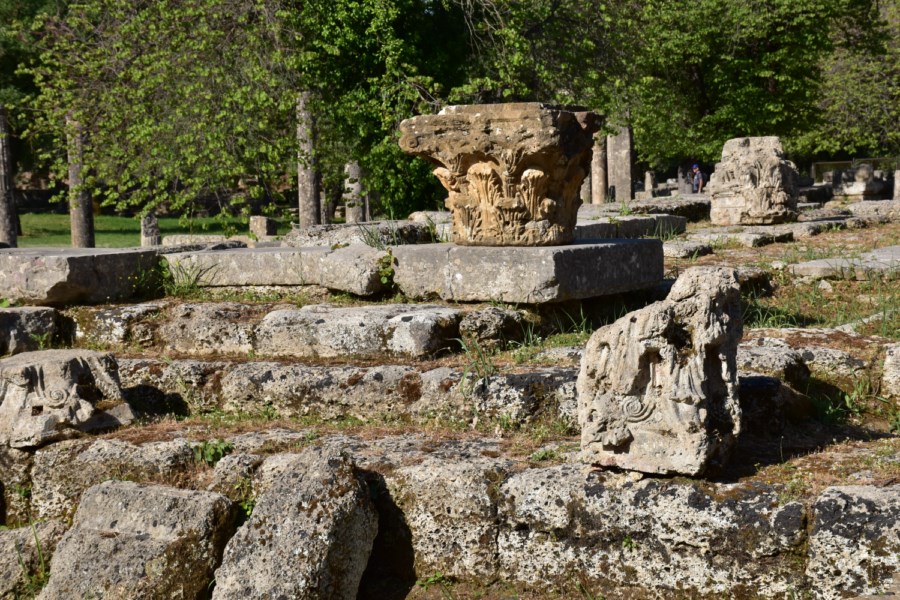
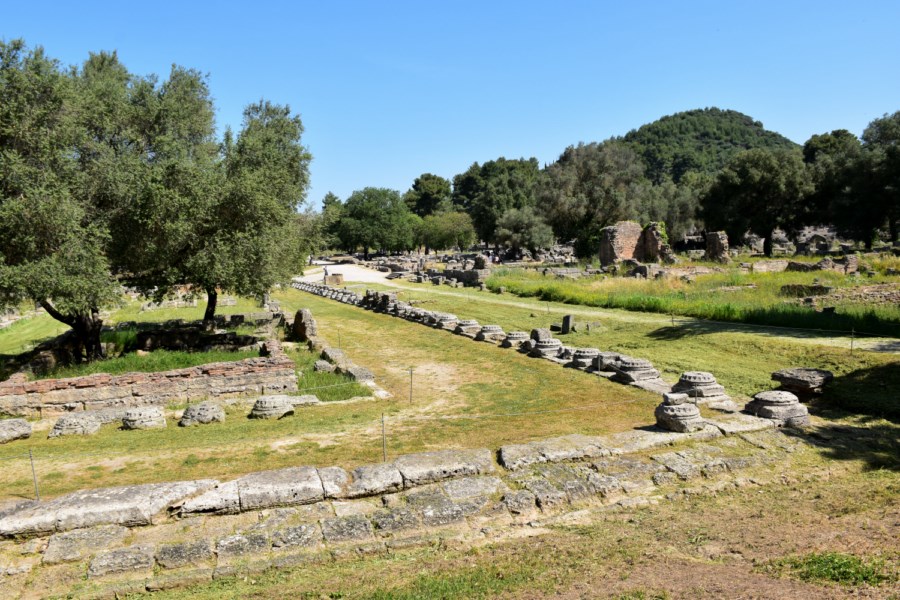
The ruins of the ancient Prytaneion structure The ruins of the circular Philippeion tholos Ionic column Still life with a cat Temple of Hera Doric column Nymphaeum fountain Decorative water basin The remains of the Doric Metroon temple Ionic capital The stone foundations of the Sicyonian treasury The stone bases of the Zanes statues Greek inscription Vaulted tunnel leading to the stadium The ancient stadium track and starting lines The historical racetrack Podium for judges The ruins of the stadium layout Fragment of a starting block Laurel wreaths Bronze discs Echo Stoa Pedestal of the statue of Nike Ruins of the Temple of Zeus Doric base The monumental collapsed columns of the Temple of Zeus Tablet with an inscription The ancient stone structures of the Temple of Zeus Souvenir photo Western pediment of the Temple of Zeus Apollo Centaur Eastern pediment of the Temple of Zeus Thermae Leonidaion Workshop of Phidias Spacious interior Architectural details The monumental columns of the ancient Palaestra The ruins of the classical athletic Gymnasium The famous terracotta sculpture of Zeus and Ganymede The famous classical masterwork of Hermes by Praxiteles

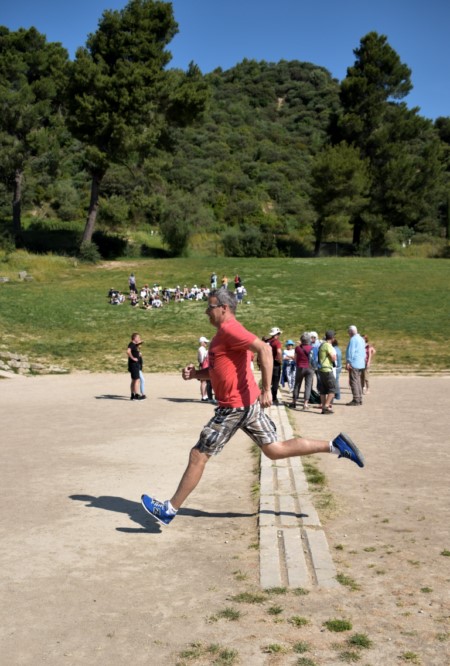
Ancient Olympia, located in the western Peloponnese, attracts tourists thanks to one of the seven wonders of the world and the place where the idea of ​​the Olympic Games was born. After the temple of Zeus and the famous altar with the statue of the highest of gods sculpted by Phidias, only picturesque ruins remain. However, the olympic stadium from the 5th century BC survived, thanks to which I was able to take off from the ancient runways and sprint into the past.


Mycenae


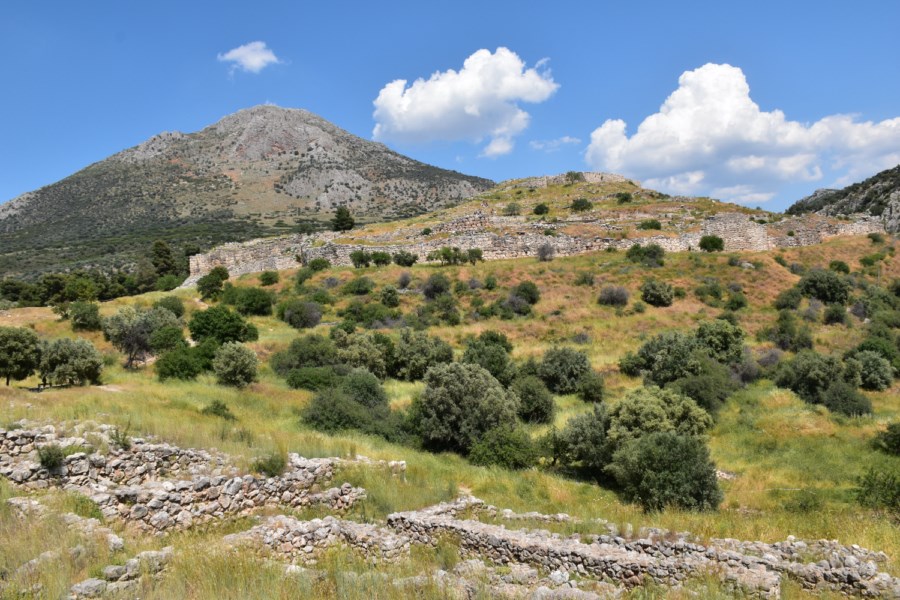
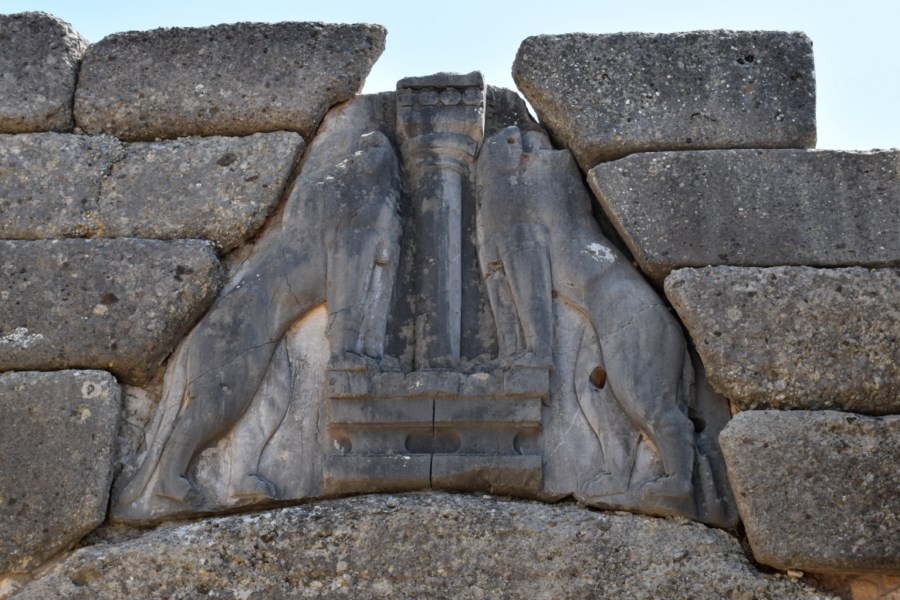
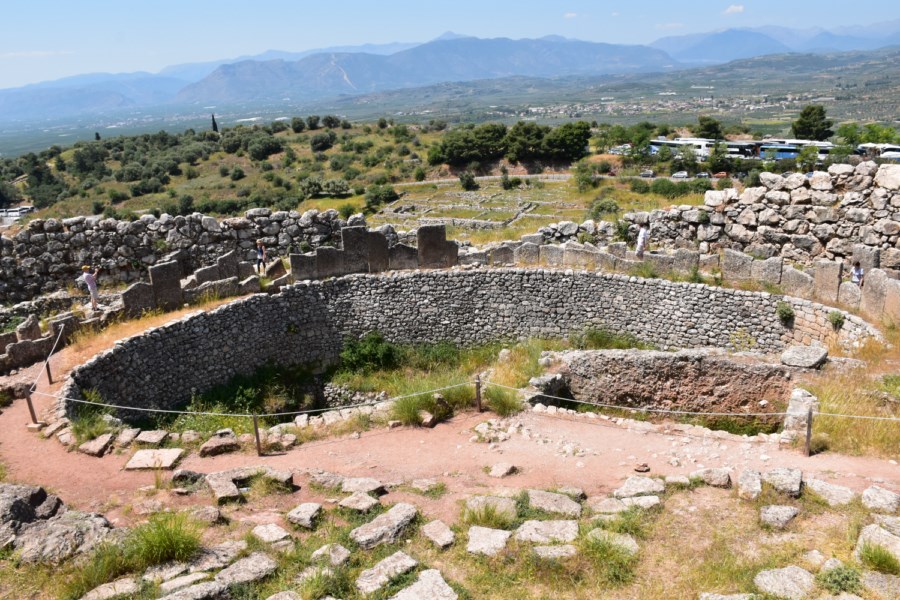
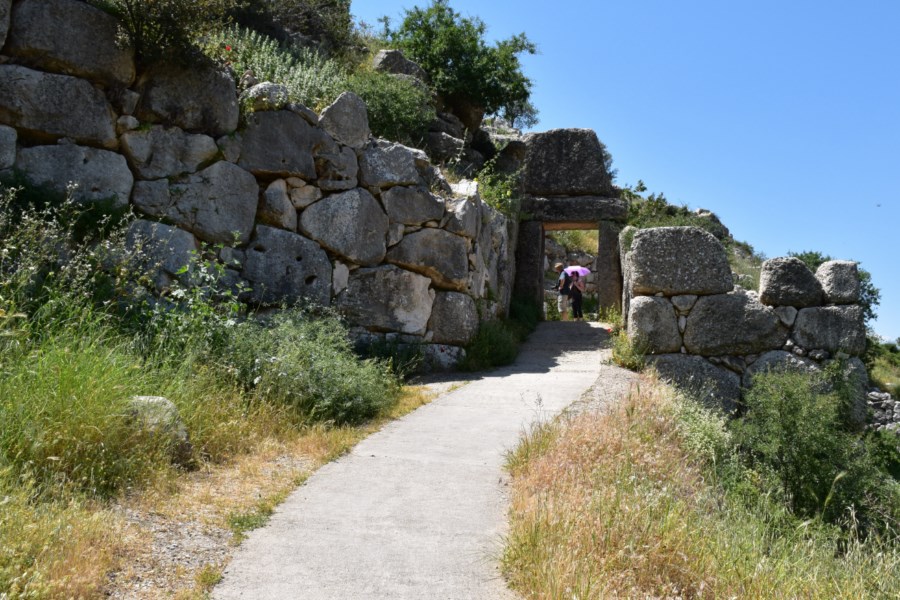
Surroundings of modern Mykines Wayside shrine The modern settlement of Mykines The road to ancient Mycenae The monumental tholos tomb known as the Treasury of Atreus Dromos entrance corridor leading to the tomb Entrance to the ancient tomb Corbelled vault Entrance to the ossuary Ruins of the oil merchants' houses Souvenir photo The first visitors Cyclopean defensive walls The monumental stone entrance of the Lion Gate Souvenir photo The ancient relief carving of the lions The monumental stone citadel ramp Granary ruins The ancient royal Shaft Graves Sacred cult centre of the citadel Megaron Outbuildings North Postern Gate Panorama of the area Descent to the cistern Residential buildings Palatial structures Corn poppy Curtain wall Cyclopean wall Dromos Burial chamber Shaft grave complex Tomb of Clytemnestra Prickly pear Olive trees

Mycenae, reached by public transport, required a lot of sacrifice, and was worth the hardships. Both the Atreus Treasury and the Bronze Age castle buildings make an impressive impression even today. I especially remember the Cyclopean walls and the Lion's Gate. The fact that Heinrich Schliemann, a German amateur archaeologist and discoverer of Troy, conducted the excavations here, added an additional flavor to the visit.


Delphi


The road to the Gulf of Corinth Picturesque views Gymnasium Sanctuary of Athena Pronaia Doric tholos Tholos Entablature in the Doric order Castalian Spring Sanctuary of Apollo Roman agora Niche Wall in the Byzantine style Votive altar Sacred Way Treasury of the Siphnians Omphalos Treasury of the Athenians Souvenir photo The ancient rock formation associated with the Sibyl Stoa of the Athenians Halos In front of the Ionic column Altar of Apollo The monumental ruins of the Temple of Apollo Serpent Column of the Potidaeans Column of Prusias II Doric Temple of Apollo Panoramic view of the Temple of Apollo from the higher terrace Theatre Souvenir photo The ancient panhellenic theatre structure The path to the stadium Three-arched entrance The well-preserved ancient athletic stadium Marble bench Panorama of the area Statue of the Sphinx Frieze depicting the Gigantomachy scene Bronze statue of the Charioteer Modern Delphi Balcony Balcony Taverna Lunch

The desire to know the future has accompanied people since the dawn of time. The oracle in Delphi, dating back to the Mycenaean period, was one of the most famous in the entire ancient world. The Greeks even considered the sanctuary to be omphalos or the navel of the world. Located at the foot of Parnassus, the ruins of the ancient sanctuary dedicated to Apollo and Athena Pronaja are most picturesque from the road leading to the stadium.


My favorite photos


Wszelkie prawa zastrzeżone