MYVOYAGES

Passion for exploring and photography

A TRIP ROUTE

Southern France - trasa wycieczki


CURIOSITIES FROM THE PAST

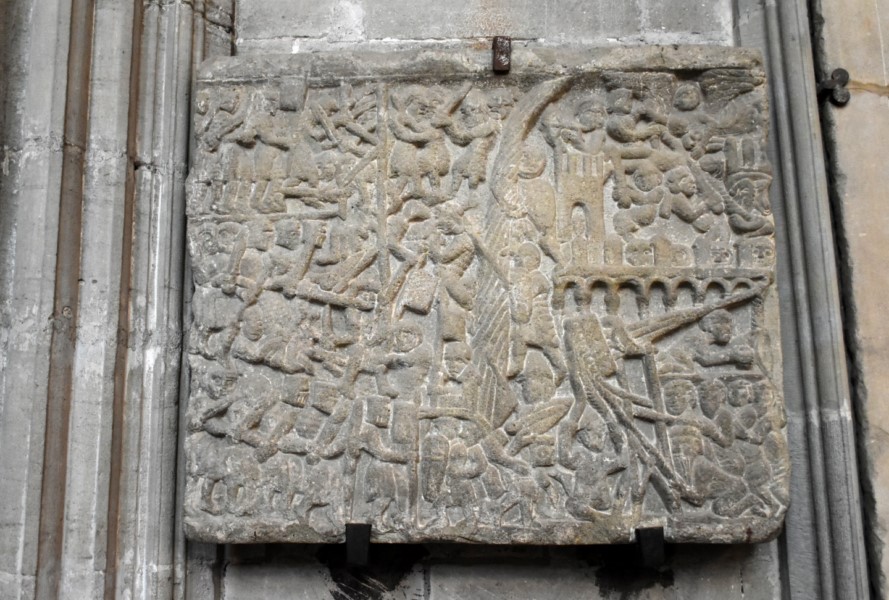
Few people know that crusades were also organized in medieval Europe, directed against heretics and pagans. One of them were the Cathars (Cathars), also called Albigenses (after the city of Albi). The dualistic religious movement of the Cathars was directed against the feudal system and the church hierarchy, so the reaction of the Church was not long in coming. In 1208, Pope Innocent III announced a crusade against the Cathars. He promised everyone who took part not only complete indulgence of sins, but also the possibility of taking over the heretics' property. This second incentive was much more attractive to many. French knights led by the cruel Simon de Monfort, spiritually supported by Saint Dominic Guzman of Toulouse (founder of the Dominican Order) attacked heretics. The main Cathar centers of Beziers, Carcassonne, Minerve, Montsegur, Queribus and Peyrepertuse were captured and thousands of heretics were burned at the stake. The actual end to religion was put by the decades-long activity of the Inquisition. Zbigniew Herbert devoted the essay "On Albigenses, Inquisitors and Troubadours" to the Albigenses in the collection "The Barbarian in the Garden".

Expulsion of the Cathars from Carcassonne (source: wikipedia.org)


INTERESTING FACTS

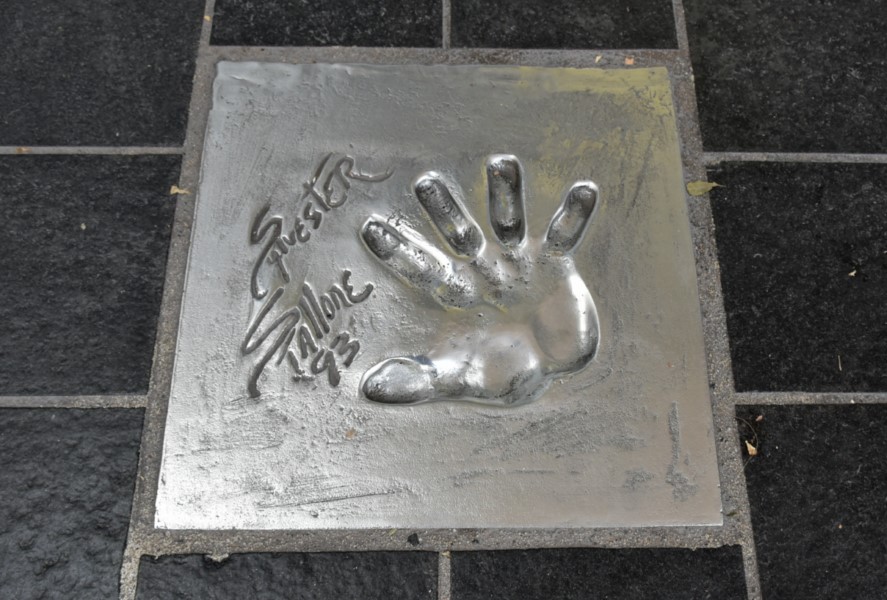
The city of Cannes, located on the French Riviera, is known around the world for its international film festival. It takes place every year (with some exceptions) and gathers people associated with the film industry and crowds of fans. During the festival, an award is given for the best film, the so-called Golden Palm. Most often, this award was won by American, Italian, French and British artists. The only Polish films that received the Palme d'Or are "Man of Iron" by Andrzej Wajda and "The Pianist" by Roman Polanski (Polish-French production). After the end of the festival, without stars shining on the red carpet, hundreds of reporters, enthusiastic crowd and all this setting, the Festival Palace looks very modest, to put it mildly. The only attraction is the famous Walk of Fame with the handprints of famous people associated with the film industry. A nice Polish accent are the handprints of our countrymen, film and theater director Andrzej Wajda, film producer, screenwriter and actor Roman Polański and director, screenwriter and actor Andrzej Żuławski.

Avenue of Stars, Andrzej Żuławski's handprint


INTERESTING STORIES

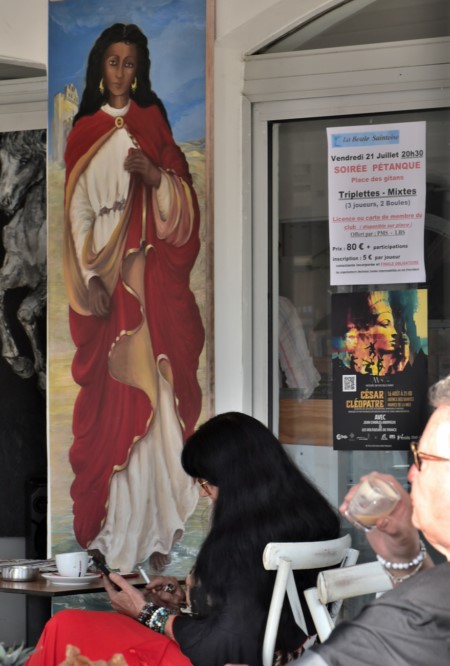
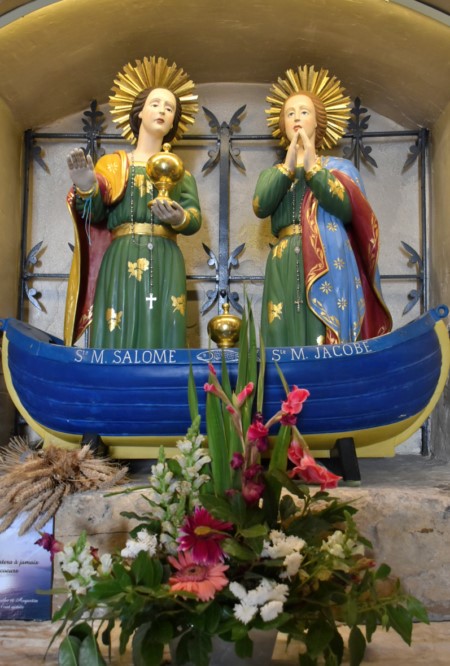
Every year, on May 24 and 25, Roma (Gypsies) from all over Europe gather in the seaside town of Saintes-Maries-de-la-Mer to honor their patron, saint Sarah. According to various accounts, during the persecution of the first Christians, Lazarus, his sisters Mary Magdalene and Martha, Mary Salome (mother of the apostles John and James the Greater), Mary of James (mother of the apostles James the Less, Jude and Simon), her servant Sarah and Saint Maximin stayed in 42 a.d. sent out to sea in a boat. They sailed safely to the southern shore of Gaul to the place named later Saintes-Maries-de-la-Mer. In the mid-15th century, remains were found in the crypt of Les Stes-Maries and identified as Sarah, Salome and Mary, the mother of James. During the celebration, the Roma recreate Sarah's arrival in France and her figure is carried to the sea. Some researchers point to the similarity of the ceremony dedicated to Sara with the cult of the Hindu goddess Kali, as it is known that the Roma come from India. The authors of the book "Holy Blood, Holy Grail" suggest that Sarah was the daughter of Jesus Christ and Mary Magdalene. This concept was also popularized by Dan Brown in his novel "The Da Vinci Code".

Figure of Saint Sarah in Saintes-Maries-de-la-Mer


IT IS WORTH KNOWING

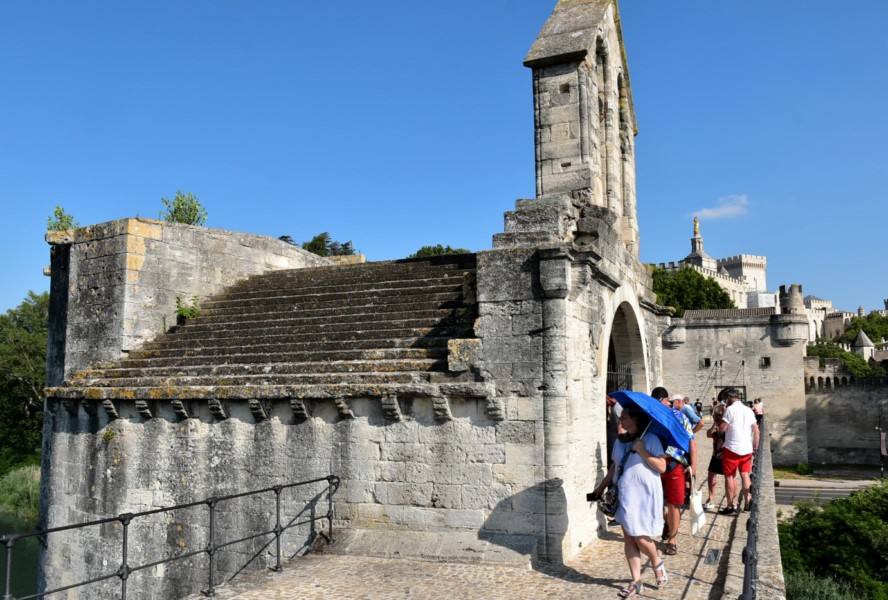
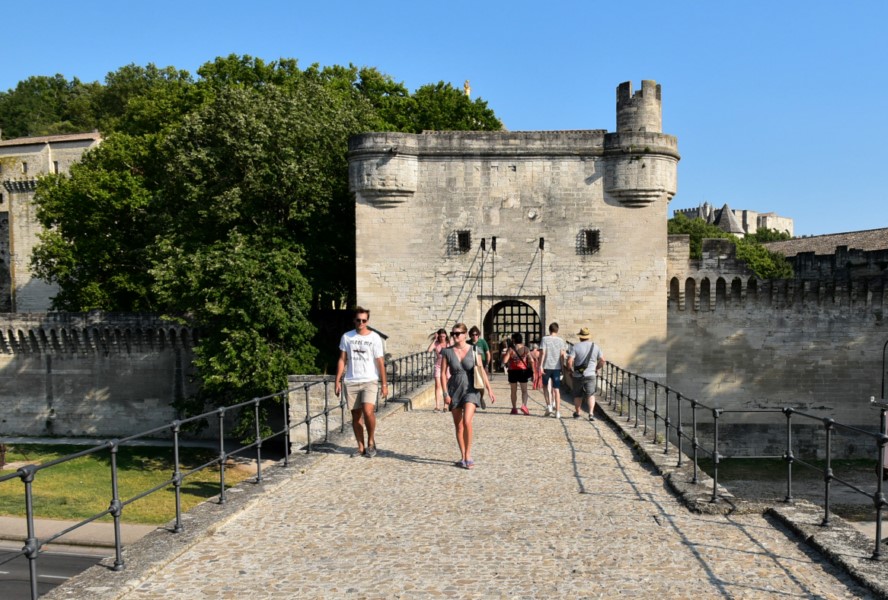
St. Benezet bridge, more known as the Avignon Bridge, was built at the end of the 12th century. He connected the city of Avignon with a settlement on the other bank of Rhone and was an important point on the trade route. Legend has it that its construction was started by st. Benedict, when God in a dream ordered him to connect both banks of the river. The structure with a length of 900 m consisted of 22 spans and was rebuilt many times. The bridge often destroyed floods, and after one of them, which took place in the 17-th century only 4 spans and a romanesque chapel remained. The Avignon Bridge is very much popularized in european culture. A well-known children's song `Sur Le Pont d’Avignon` (on the bridge in Avignon) treats about him. A poem by Krzysztof Kamil Baczyński 'Sur Le Pont d'Avignon` (written in 1941), who with the music of Andrzej Zarycki entitled' On the Avignon bridge in Avignon' brilliantly sang in 1968, Ewa Demarczyk. Certainly everyone has heard the chorus of the song `Gentlemen are dancing, ladies dancing on the bridge in Avignion`. In fact, the fun did not take place on the bridge but on the islands under his spans.


France - southern, Andorra, Monaco

July 2023

Pont du Gard bridge

I had been planning to visit southern France for several years, but I never had the opportunity. During the trip, I used different ways of moving and staying overnight than usual. Everything worked out perfectly, and the BlaBlaCar rides and overnight stays in a tent gave me full freedom to explore and relax.

Unlike Paris and the castles on the Loire, the regions on the Mediterranean Sea, such as Occitania and Provence, are underestimated by tourists. Completely wrong. Apart from the picturesque landscapes and the opportunity to swim in the sea and sun, I visited a lot of places and monuments, many of which are on the Unesco list. In Albi, Collioure, Arles and Aix en Provance I followed in the footsteps of the most famous painters of the turn of the 19th and 20th centuries. I visited Monaco, one of the smallest countries in Europe. Unfortunately, I also had some mishaps. At the station in Marseille, due to my inattention, my charger and camera batteries were stolen.


FRANCE

Lourdes


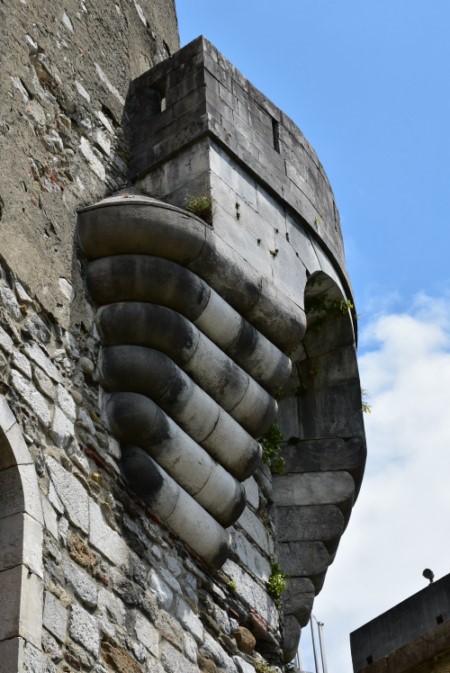
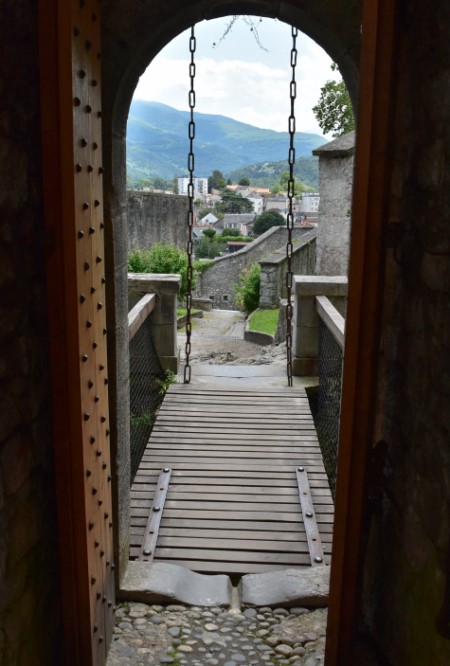
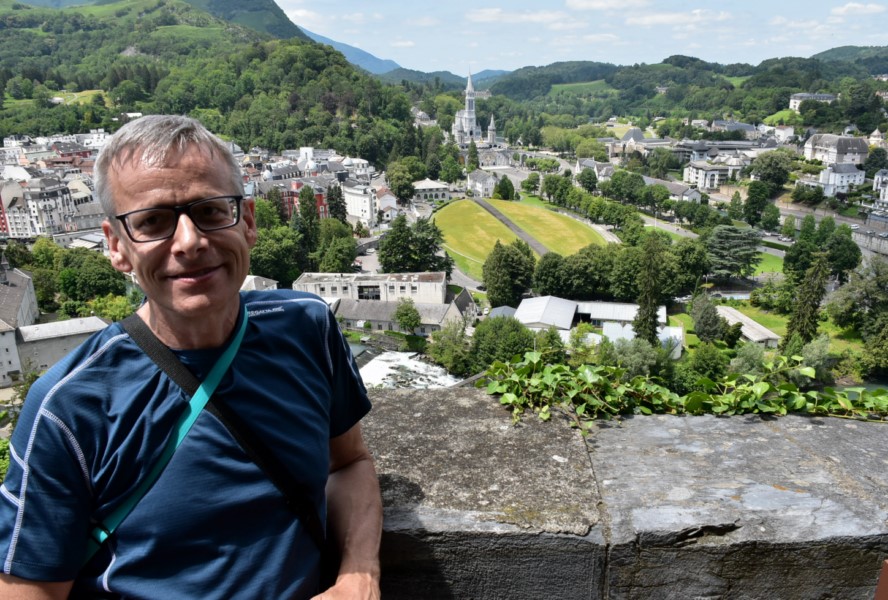
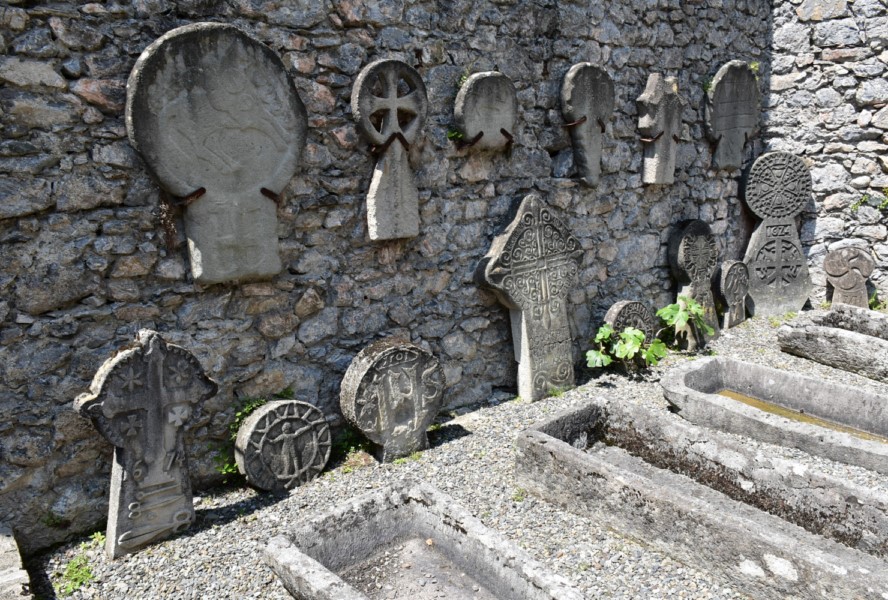
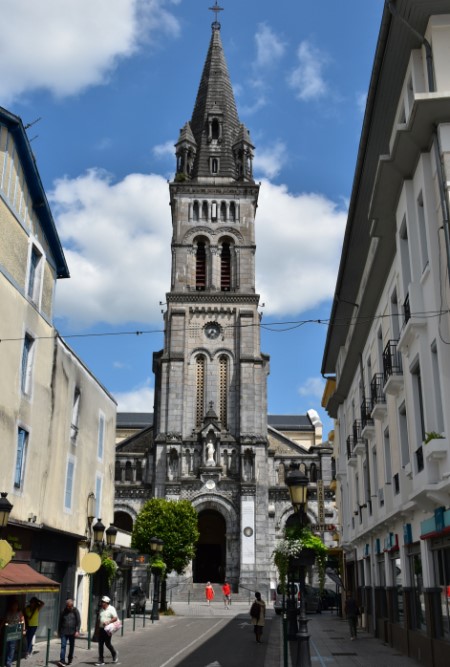
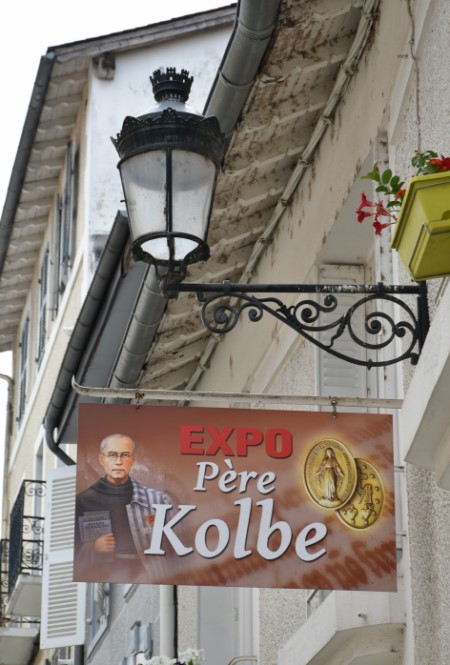
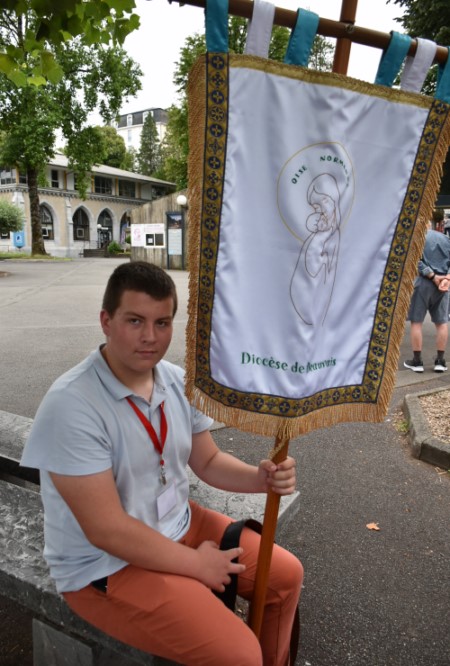
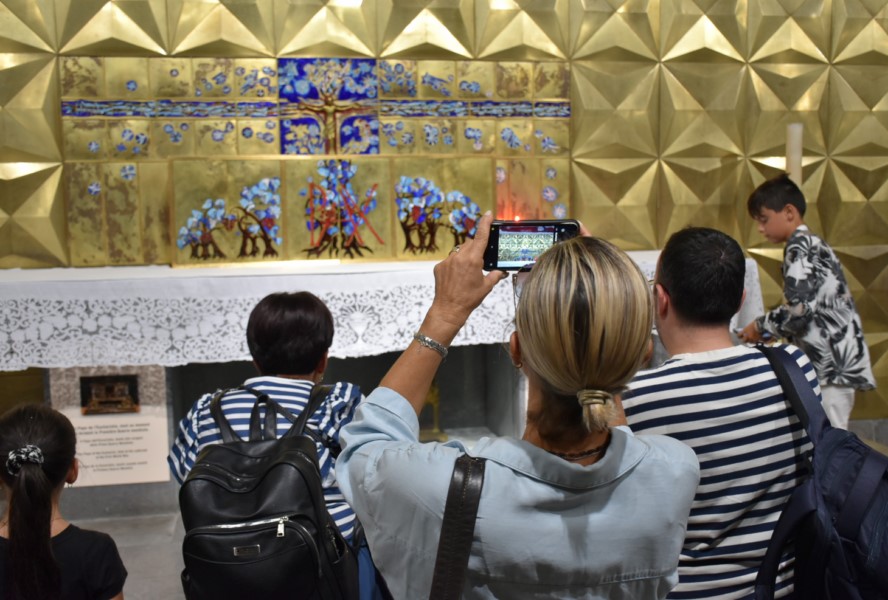
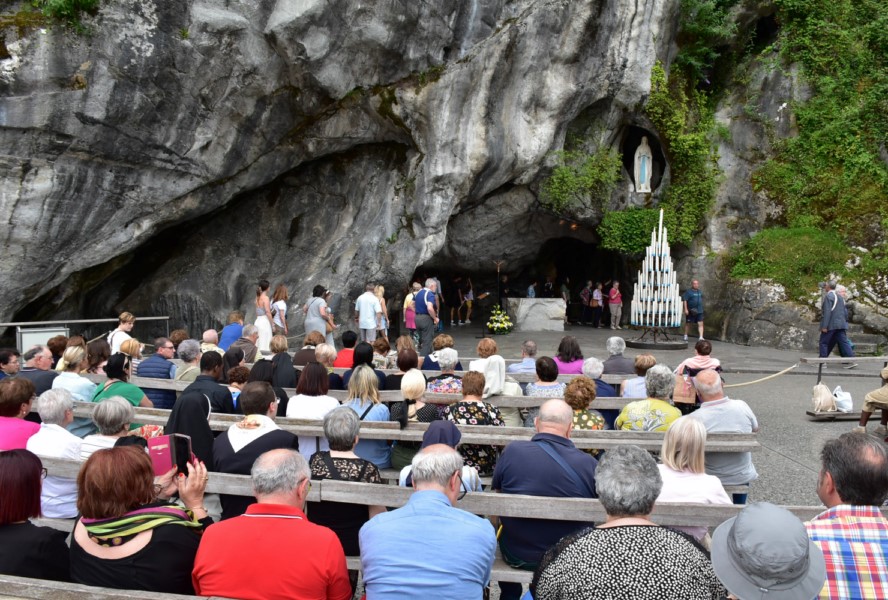
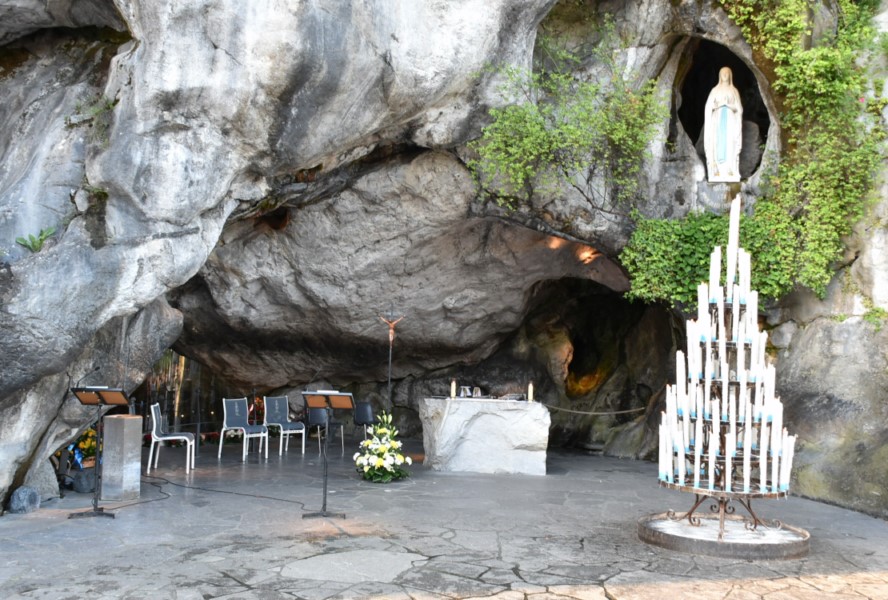
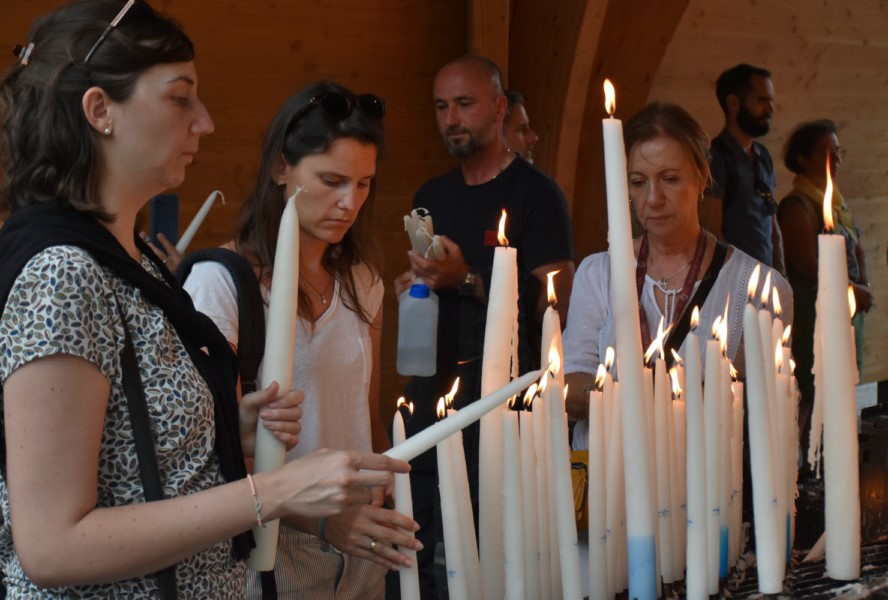
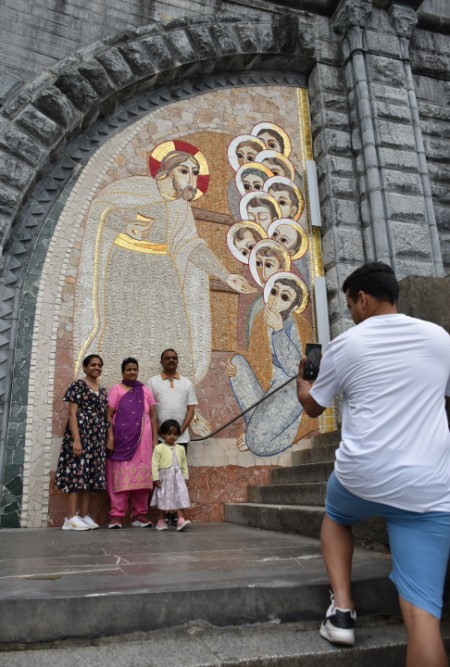
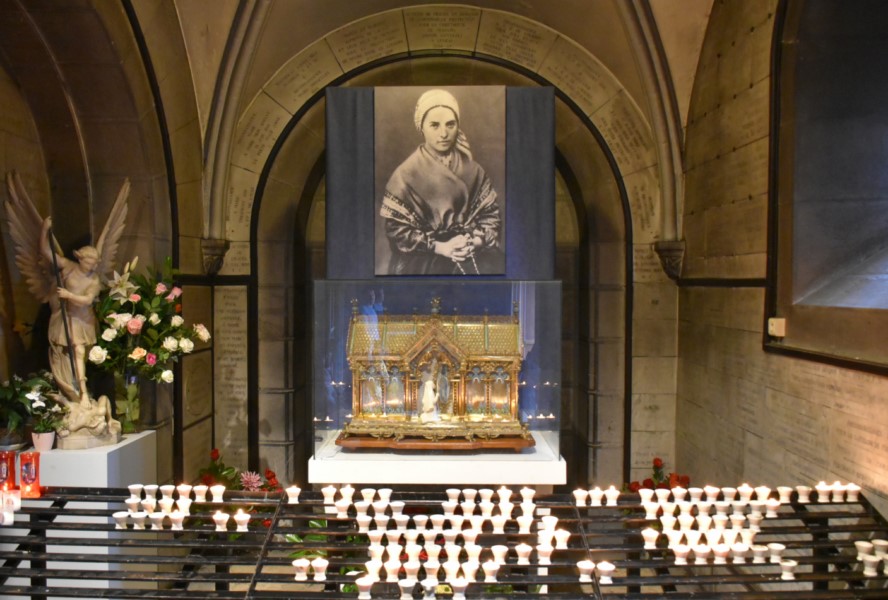
Château Fort fortified castle from the 11th/12th century Machicolations Drawbridge Coat of arms of the city of Lourdes, an eagle with a trout in its beak Castle courtyard, with a 14th-century donjon in the background Scale model of Pyrenean architecture View looking west towards the pilgrimage center City panorama 7th-century sarcophagi and 16th-19th century discoidal tombstones from the Basque Country Stone tombstone in the castle cemetery Peyramale Square, war memorial in the Art Deco style New parish church from the late 19th century Baptismal font from the old church where the baptism of Bernadette Soubirous took place Le Cachot, the place where Bernadette lived during the period of the apparitions Chemin de Bernadette, brass marker on the path with the image of the saint Souvenirs for pilgrims Polish accent, Father Kolbe Souvenirs for pilgrims Pilgrim from the Diocese of Beauvais in northern France Pilgrimage souvenir Underground Basilica of St. Pius X Fragment of the cassock with bloodstains, which John Paul II wore on May 13, 1981 Upper Basilica and the Grotto of the Apparitions Pilgrims praying in front of the Grotto of the Apparitions Grotto of the Apparitions with walls smoothed by the touch of millions of hands Chapel of Light Symbolic extension of prayer Gave de Pau River, with the Upper and Rosary Basilicas in the background Neobizantine Basilica of Our Lady of the Rosary Portal Pilgrims from different parts of the world Crypt on the Rock of Massabielle, with a reliquary containing the relics of St. Bernadette in the background

My first stop on French soil was Lourdes, a marian sanctuary and a pilgrimage destination for millions of believers. In fact, at every step you can feel the religious excitement of pilgrims coming here for various intentions. The pilgrimage complex is truly impressive, but that's not all you can see in Lourdes. The medieval Chateau Fort offers a wonderful view of the city and the sanctuary.


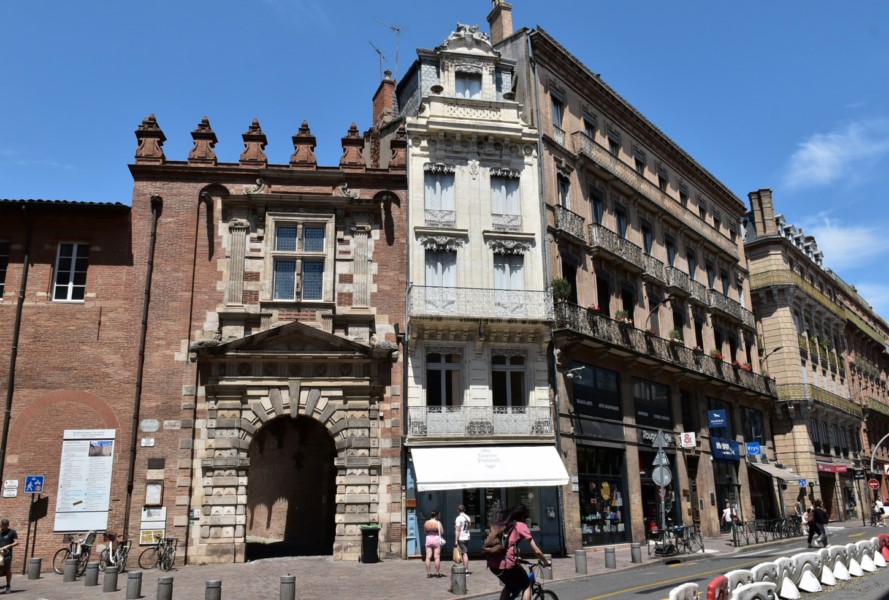
Toulouse


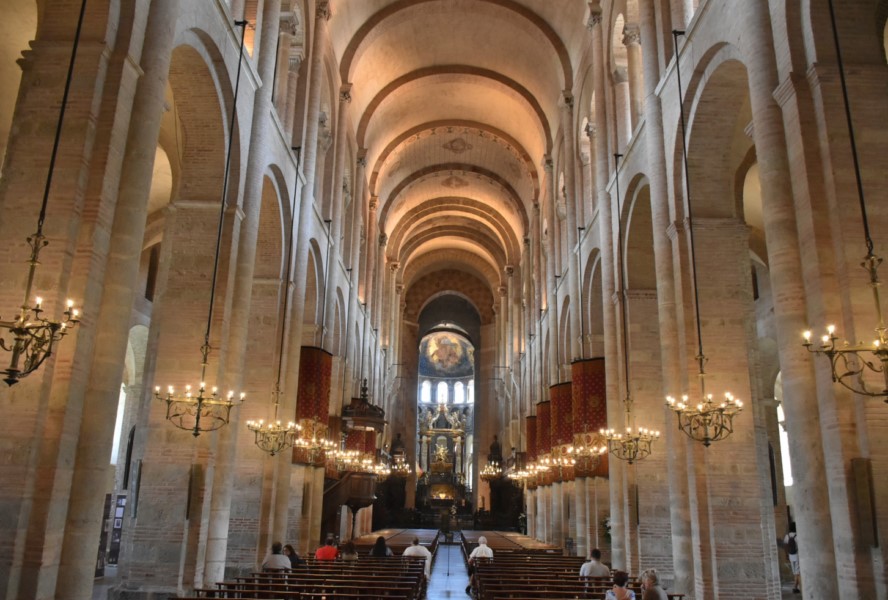
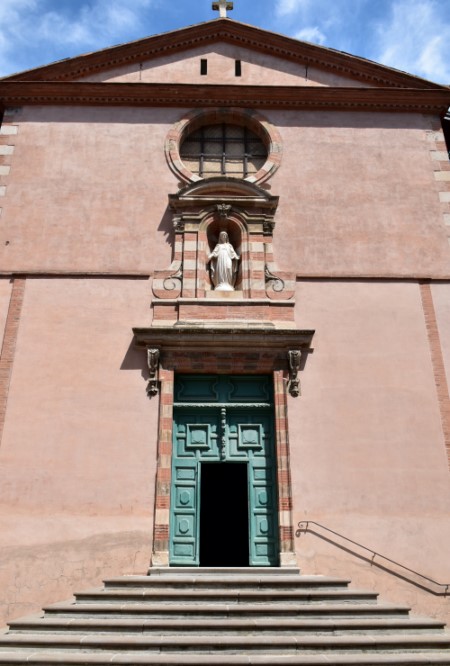
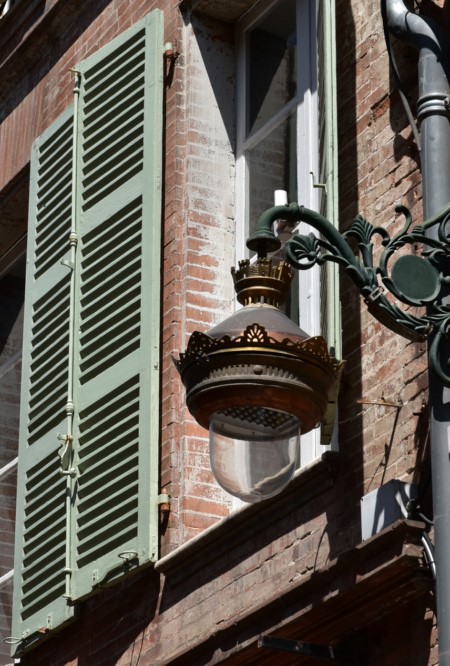
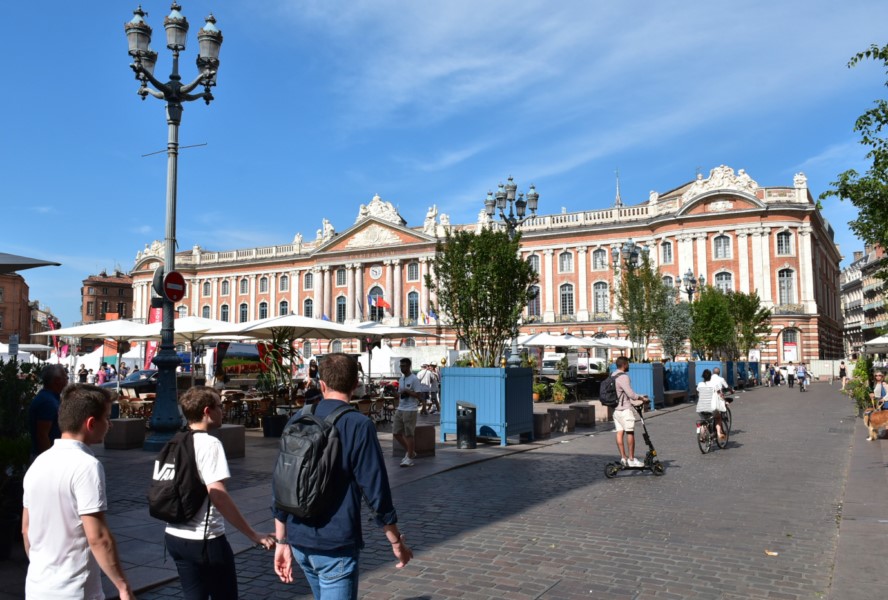
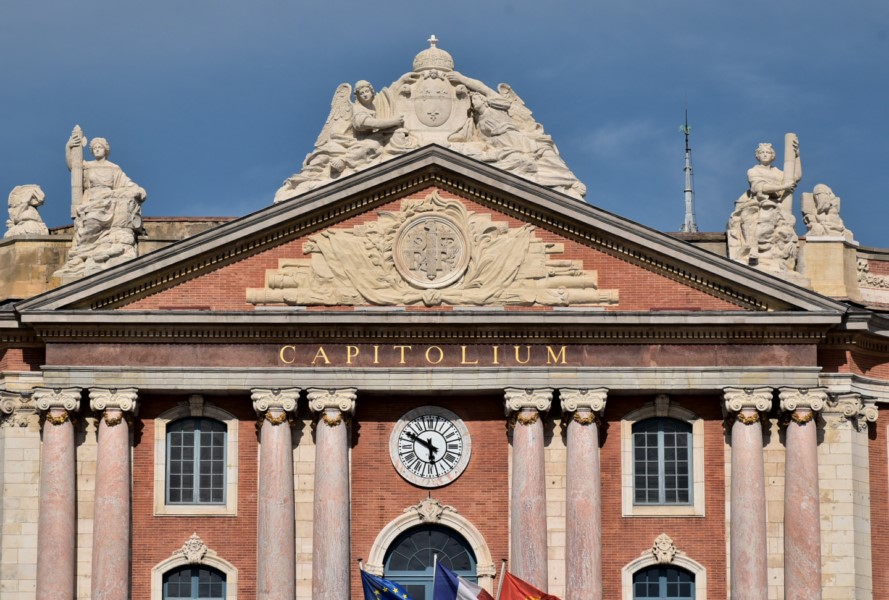
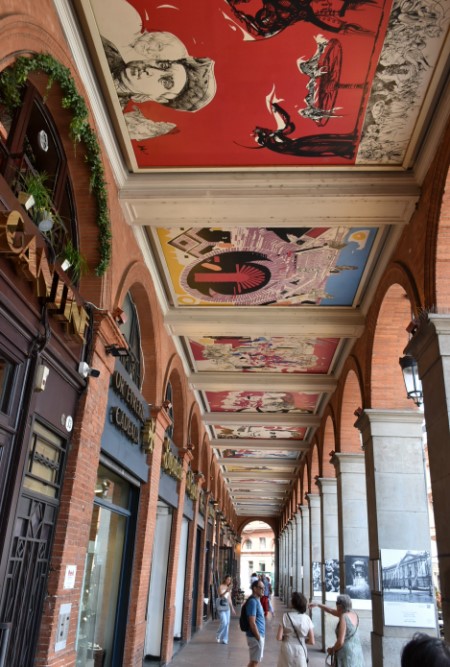
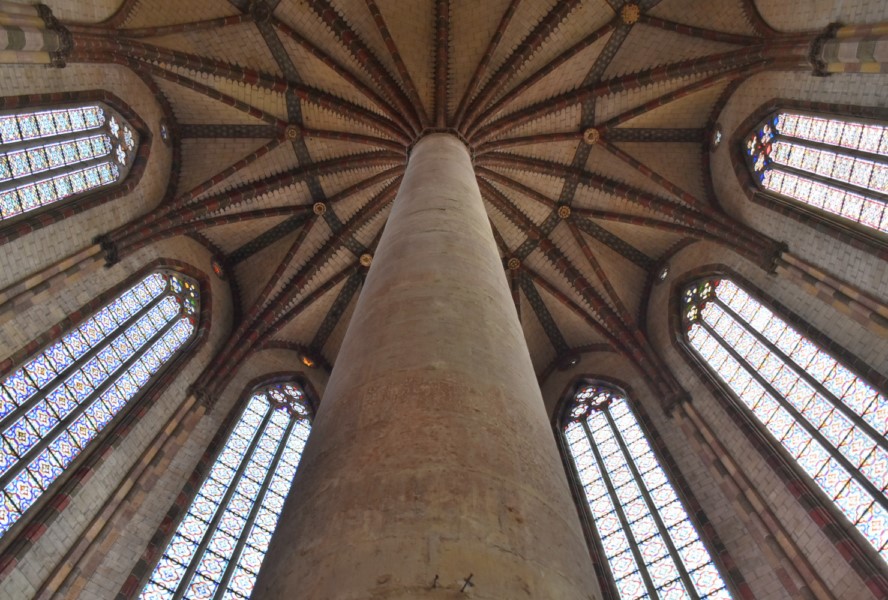
Romanesque Basilica of Saint-Sernin from the 11th/12th century Renaissance gate, with a 13th-century octagonal tower in the background Romanesque portal, St. James the Great Romanesque portal, demons carrying away Simon Magus Spacious interior of the basilica Tomb of Saint Saturnin decorated with a baldachin from the 18th century Fragment of the basilica's nave added in the 13th century Christ on the 12th-century cross of Count Raymond IV Resurrection of Christ, a 12th-century fresco Ambulatory, scallop shells Ambulatory, Christ in Majesty in a tetramorph Picturesque alley Baroque Carmelite Chapel from the 17th century Interior of the chapel, paintings by Jean-Baptiste Despax from the 18th century Jean-Pierre Rivalz, allegories of virtues (Humility and Faith) 14th-century Church of Notre-Dame du Taur Street lamp Place du Capitole Neoclassical facade of the Capitole (city hall) from 1750 Moretti's paintings on the vault of the arcades Place Esquirol Chitchat Interior of the Gothic Church of the Jacobins Relics of St. Thomas Aquinas (1224-1274) One of the seven slender columns surrounded by a ring of stained glass windows Hôtel d'Assézat, a 16th-century merchant mansion Pont Neuf, a 16th/17th-century bridge over the Garonne River 14th-century Augustinians Convent Musée des Augustins, terracotta figures of prophets and sibyls from 1523 Monastery cloisters

The capital of Occitania, Toulouse, has a lot to offer to visitors, as I saw firsthand. In the medieval streets, churches and cathedrals you can see traces of the city's turbulent history. I was most impressed by the basilica of St. Sernin which is an important stop on the pilgrimage route to Santiago de Compostella. It turns out that in the 1920s, Antoine de Saint-Exupery, the author of The Little Prince, set off on mail flights from Toulouse to Africa and South America.


Albi - city of heretics


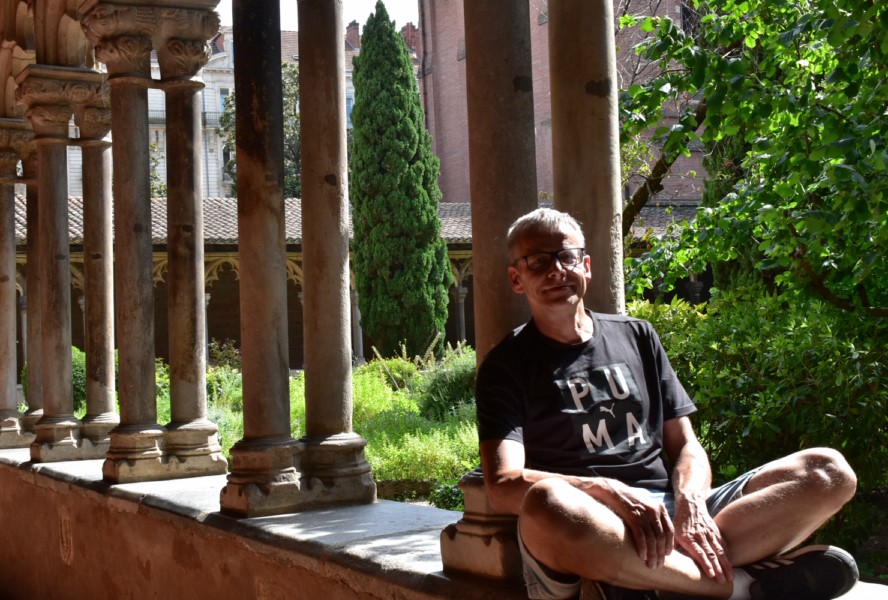
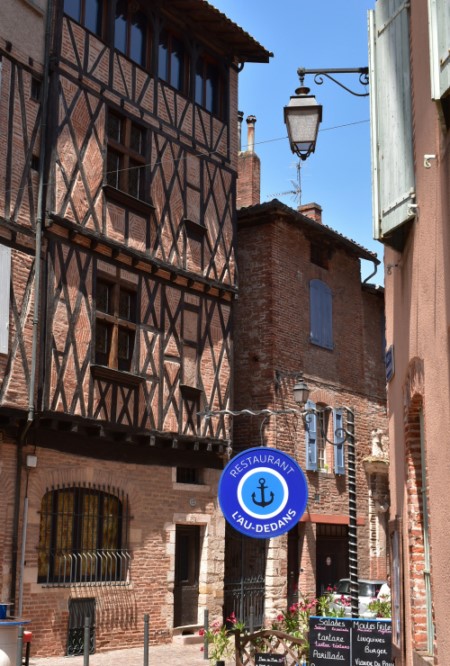
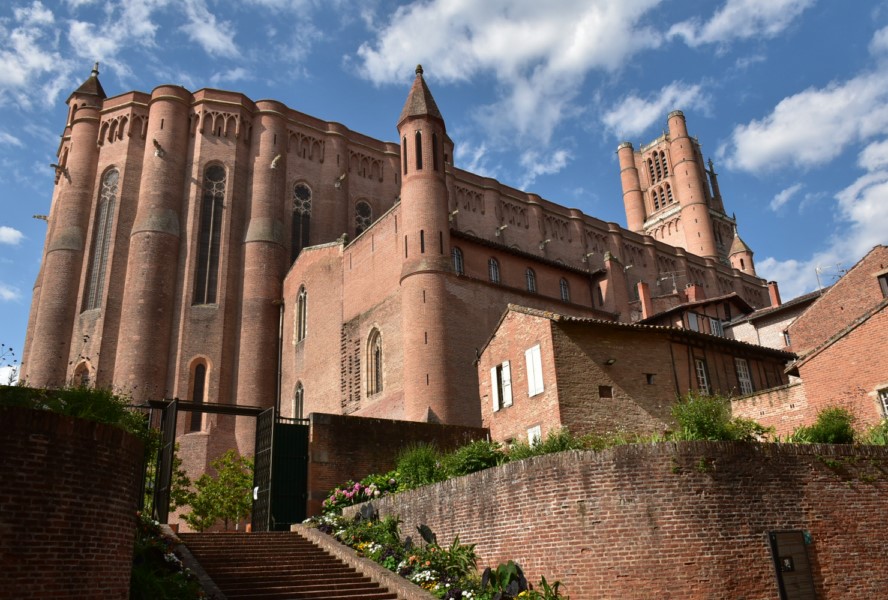
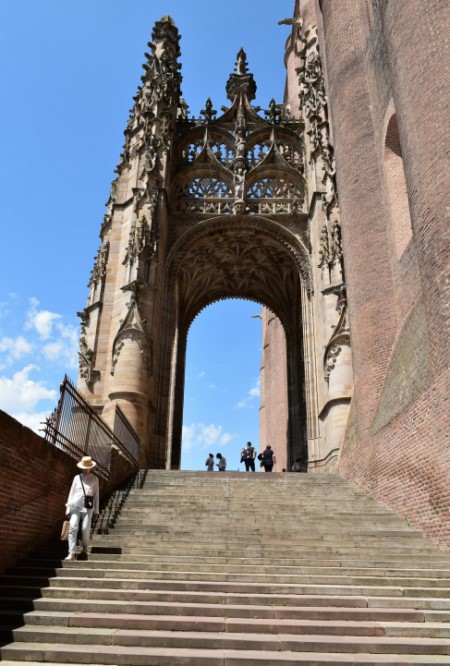
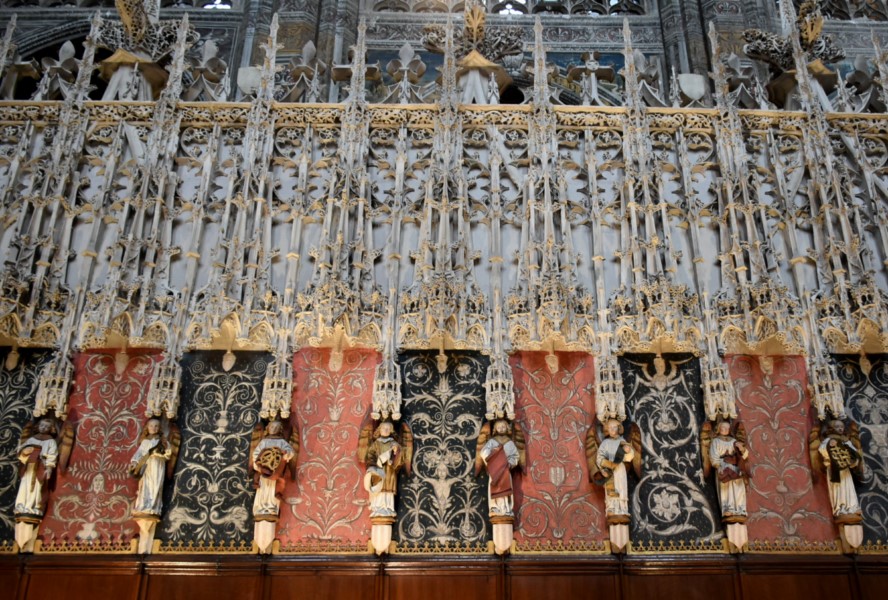
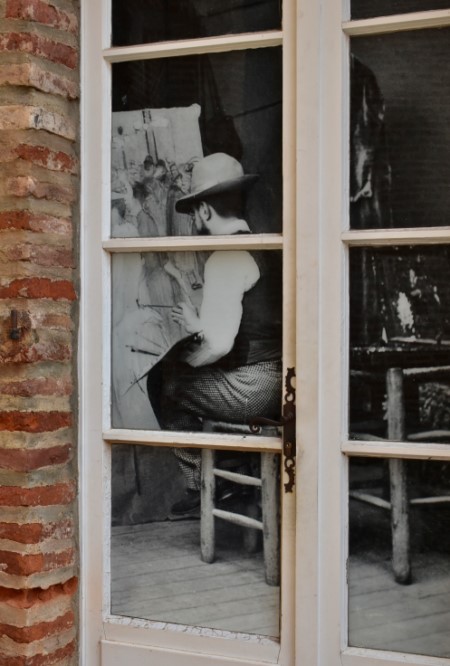
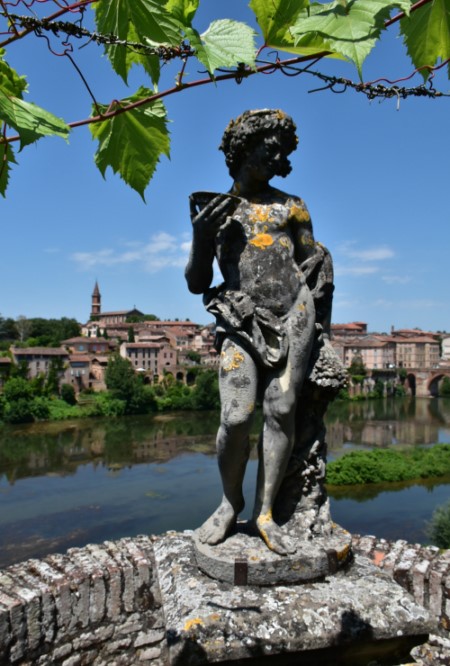
Pont-Vieux over the Tarn River Medieval houses along Rue d'Engueysse Timber-framed facade of a house Cathedral of Saint Cecilia, view from the Bishop's Palace Massive fortress-like construction Cathedral of Saint Cecilia in all its glory, with the Berbie Bishop's Palace on the right Stone gargoyle Portal of Bishop Domenico della Rovere from the 15th century Tympanum of the portal with figures of Saint Cecilia and the kneeling Bishop Domenico Baldachin of the southern portal Southern portal Interior of the cathedral, view facing east (towards the choir) Ribbed vault of the nave Allegorical wall decoration, penitentia (repentance) The Last Judgment, a fresco from 1490 Fragment of the fresco depicting the torments of sinners Stone rood screen, view from the nave Interior of the choir Vault above the choir, Christ in Majesty in a tetramorph Intricate decorations of the choir stalls Choir stalls, figure of an angel Chapel of Saint Cecilia, statue of the saint with sword cuts visible on her neck Cathedral treasury, relics of Saint Cecilia Berbie Palace (episcopal residence) from the 13th/14th century Toulouse-Lautrec at work Berbie Palace, one of the rooms in the Toulouse-Lautrec Museum Vault of the Amboise gallery resembling an inverted ship's hull Souvenir photo from the viewing terrace View of the Tarn River and the Old Bridge from the 11th century Palace garden established in the 17th century Pergola, stone statue of Dionysus Picturesque alley Remnants of the Romanesque cathedral cloisters Romanesque-Gothic Collegiate Church of Saint-Salvi Jesus before the Sanhedrin, wood carvings from the 12th century Bound hands of Jesus Cloister garth Monastery cloisters
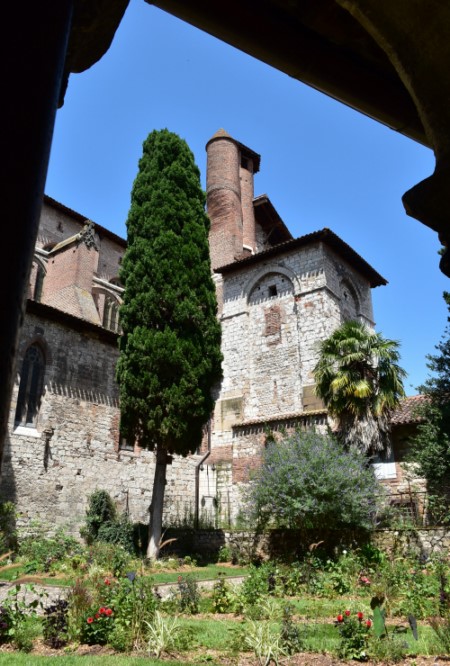
Albi is known for the religious movement of the Albigenses and a wonderful collection of paintings by the painter Touluse-Lautrec, born in this city. The powerful, fortress-like Gothic cathedral of Ste-Cecile was built after the defeat of the Cathars at the turn of the 13th and 14th centuries and was intended to dazzle with its splendor the townspeople who supported the heretics. The idea was certainly a success, as the cathedral was included on the Unesco list.


Carcassone
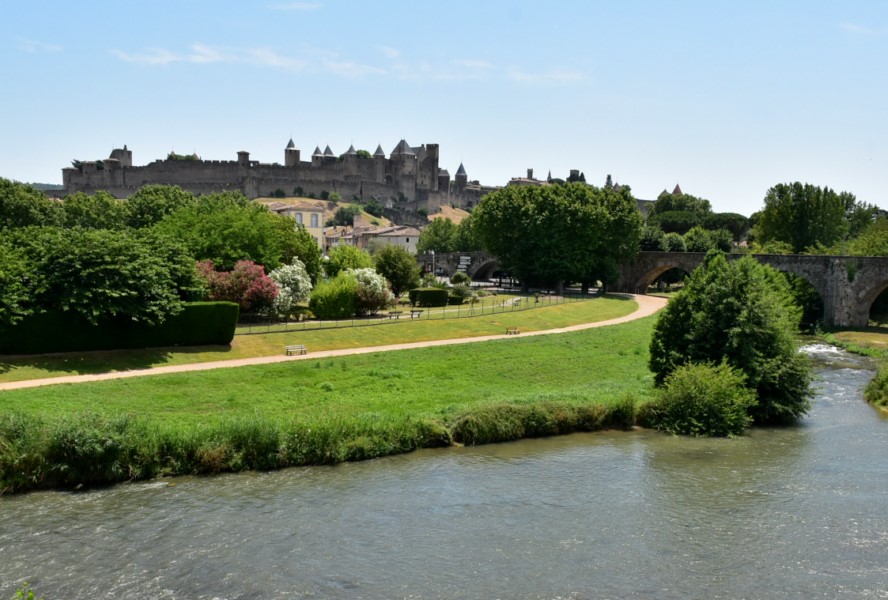

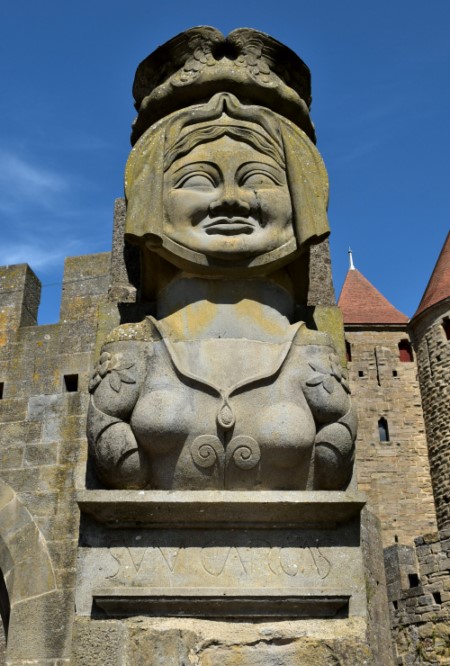
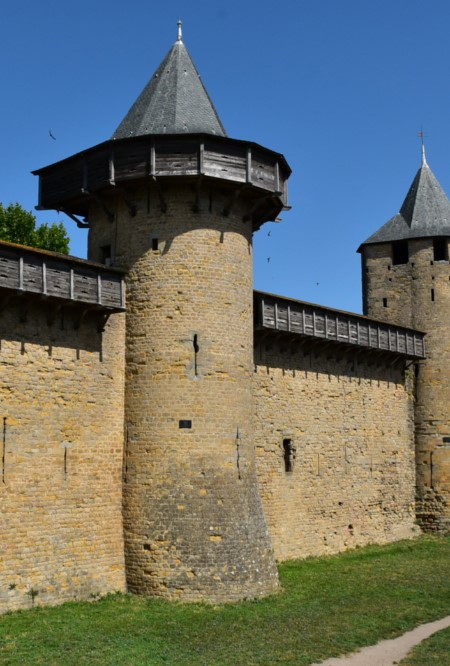
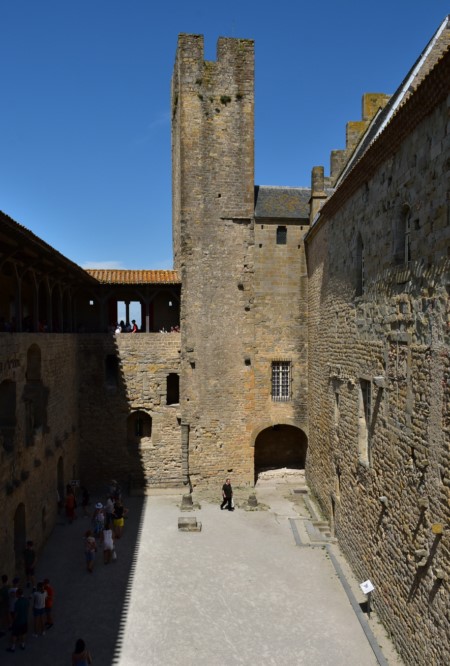
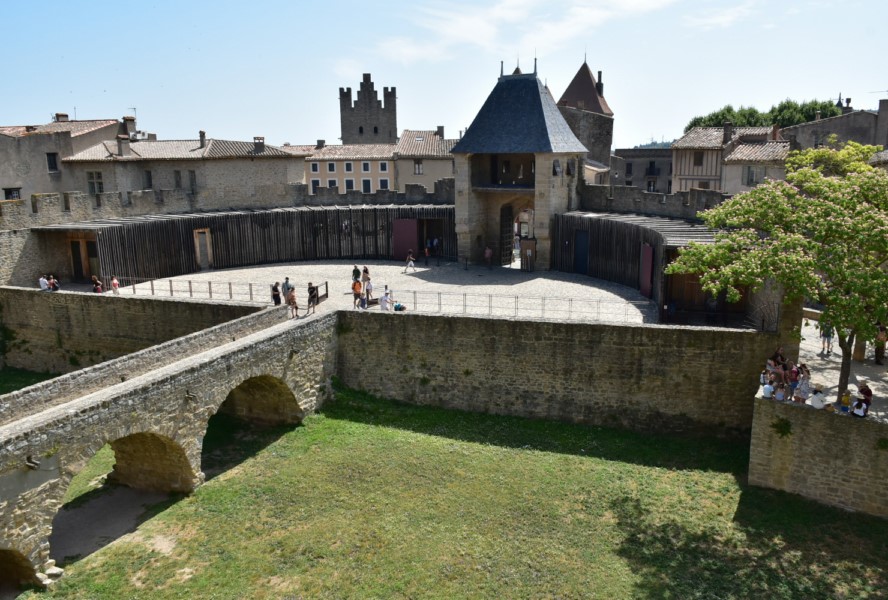
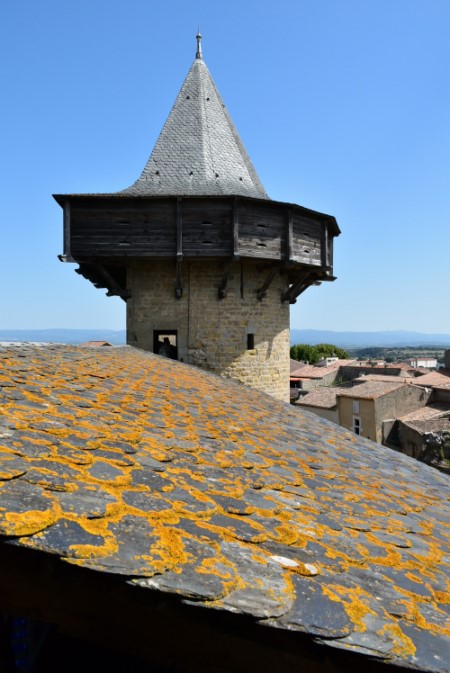
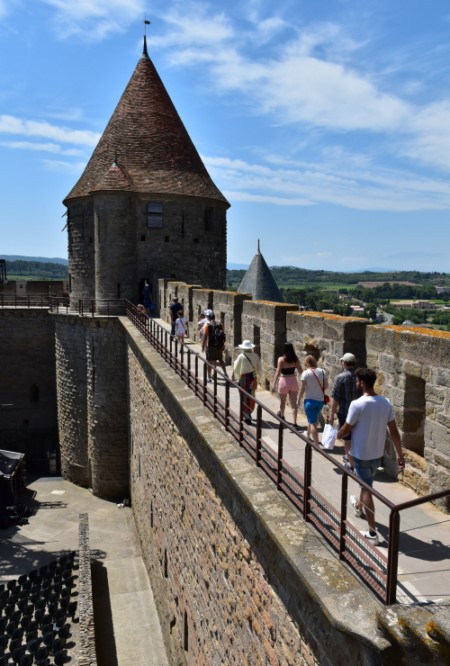
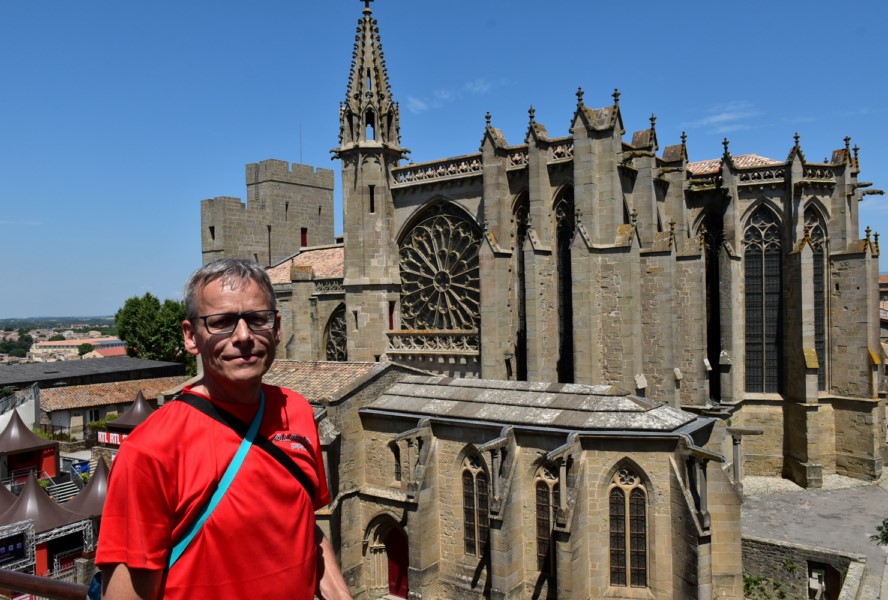
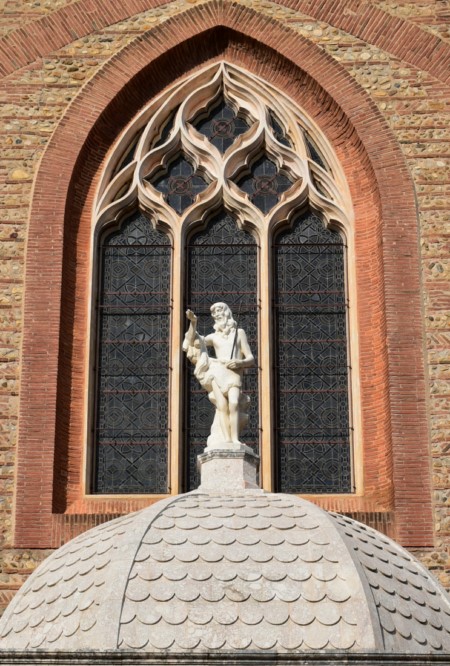
Bridge over the Aude River, panorama of Carcassonne Eastern walls, Tour du Trésau in the foreground Souvenir photo Southern walls, Tour d'Ourliac in the background on the left Castle moat Narbonne Gate and the St. Louis barbican Dame Carcass, legendary defender of the city (8th century) Narbonne Gate in all its glory Cros-Mayrevieille street Château Comtal (Count's Castle) Tour des Casernes Tour Pinte, watchtower Castle barbican Tour des Casernes, machicolations Interior of the hoardings Northern walls from Roman times (4th century) Tour de Justice Castle museum, tracery windows from the Grassalio house Castle museum, Smiling Madonna, 14th-century sculpture Castle museum, stone tombstone of a knight View of the city Roofs Tour du Four Saint-Nazaire Souvenir photo Tour Mipadre Romanesque-Gothic Basilica of Saint-Nazaire Basilica, the Carcassonne Siege Stone, fragment of a 13th-century sarcophagus Basilica, rose window from the 13th/14th century Medieval arcaded house Great Well at the Plaza of the Grand Puits Seneschal's Gate Stone curtain walls leading to a lost barbican, with Château Comtal in the background

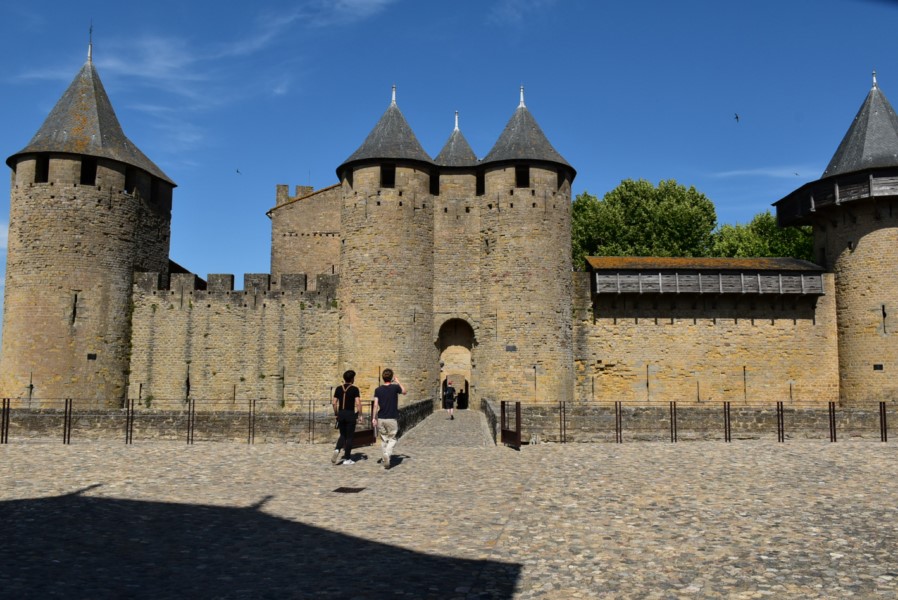
I visited Carcassone during a real siege. However, it was not an enemy army, but crowds of French families with children and tourists who, on Sunday morning, decided to visit the largest medieval city fortifications in Europe, inscribed on the Unesco list. The high walls and soaring towers of Chateau comtal made an incredible impression on me, but I must admit that sightseeing in such conditions was a real "the road through torment".


Perpignan and Collioure


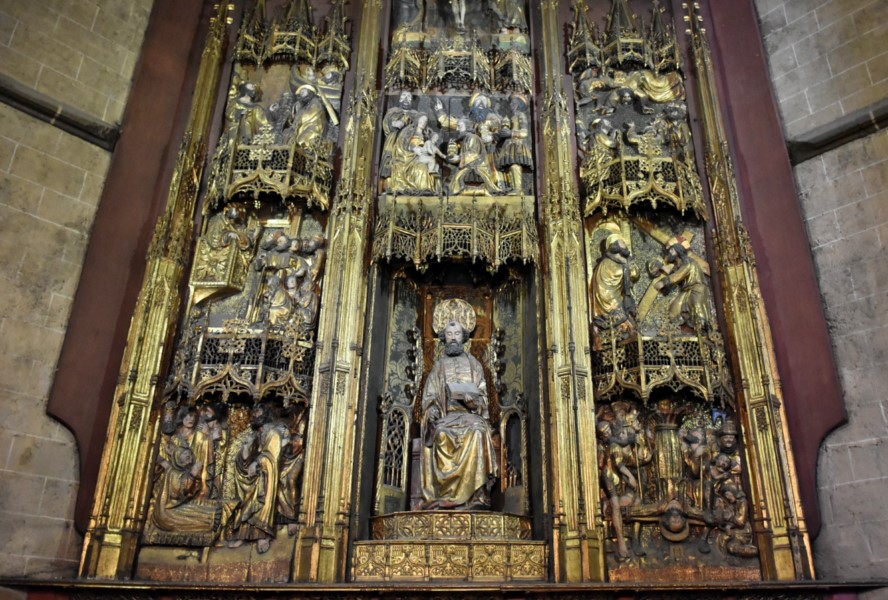
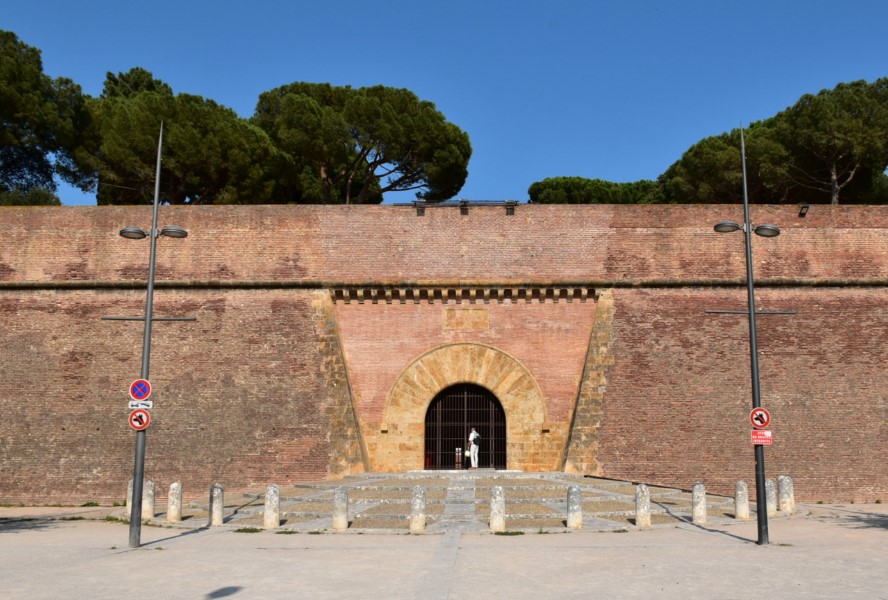
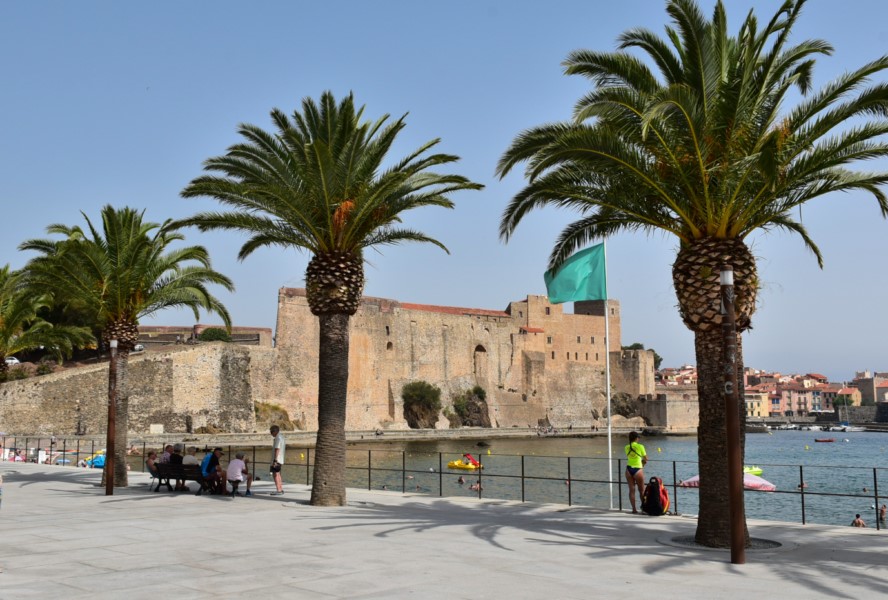
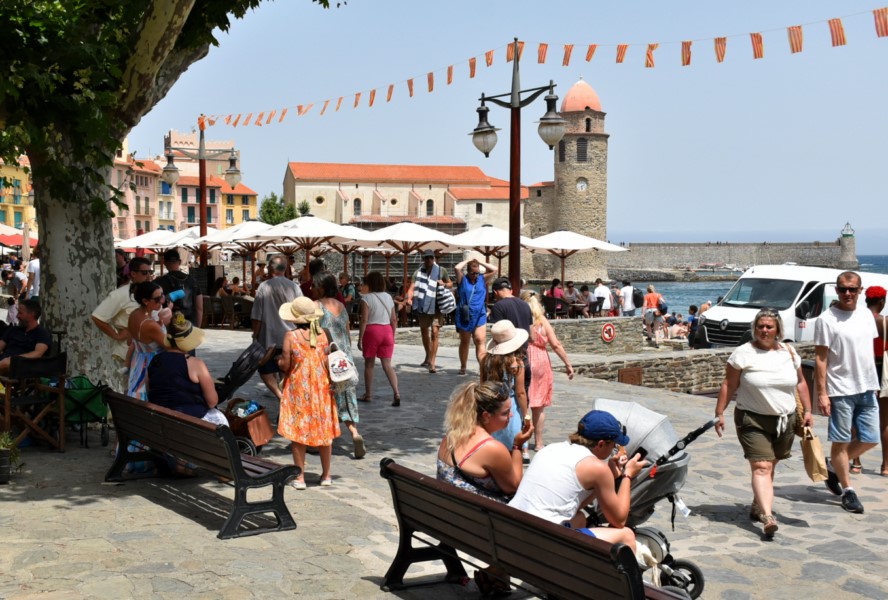
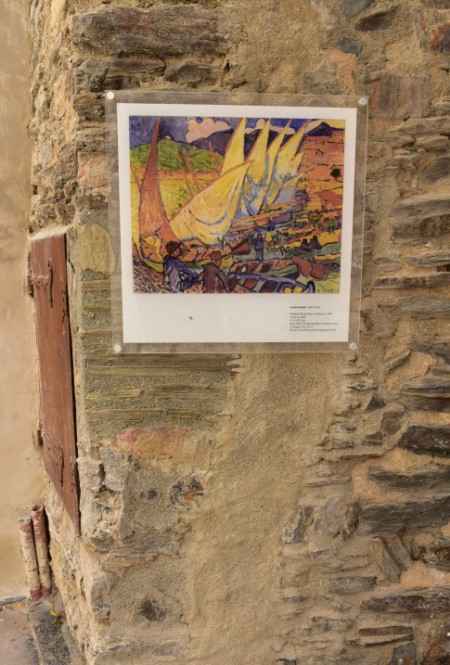
Le Castillet, a 14th-century city gate St. John the Baptist Cathedral from the 14th/15th century Bell tower with a wrought-iron openwork cage Gothic stained glass window Altarpiece in the Catalan style Stained glass window depicting the Throne of Mercy City hall with a facade decorated with river cobblestones Facade of La Loge de Mer from the 14th/16th century, the seat of the Maritime Trade Tribunal La Loge de Mer, a symbol of the city's wealth Cafes at François Arago Square Fortifications surrounding the Palace of the Kings of Majorca Collioure, Château Royal, former stronghold of the Knights Templar Tour Aval, a former lighthouse from the 14th century City panorama from the harbor Fishing boats in the harbor Originally decorated townhouse Easels with paintings on the harbor promenade Reproduction of Henri Matisse's painting depicting the port of Collioure Harbor promenade Real sea sponges at 12 euros each Reproduction of André Derain's painting - 'Fishing Boats in Collioure' Souvenirs for tourists Town beach, with the Church of Notre-Dame-des-Anges in the background Atmospheric interior of the church

Perpignan is the capital of Roussilon, a historical land called Northern Catalonia. This is a place rich in monuments, However, picturesque Collioure, located right by the sea, is much more popular. The city gained fame at the beginning of the 20th century when its colors captivated the fauvists Henri Matisse and Andre Derain. However, I was enchanted by the beach where I was relaxing and admiring the old town and the medieval Templar castle.


Cathar castles


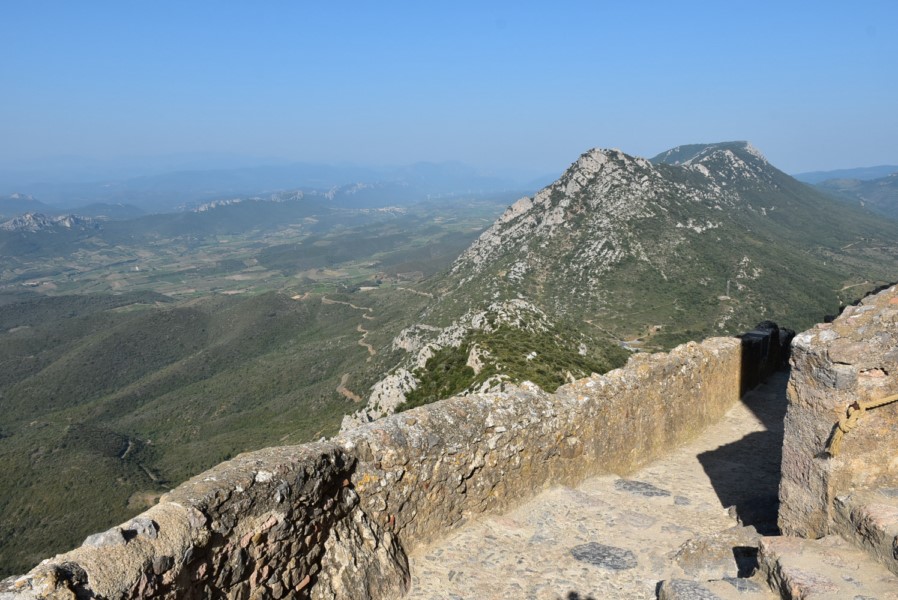
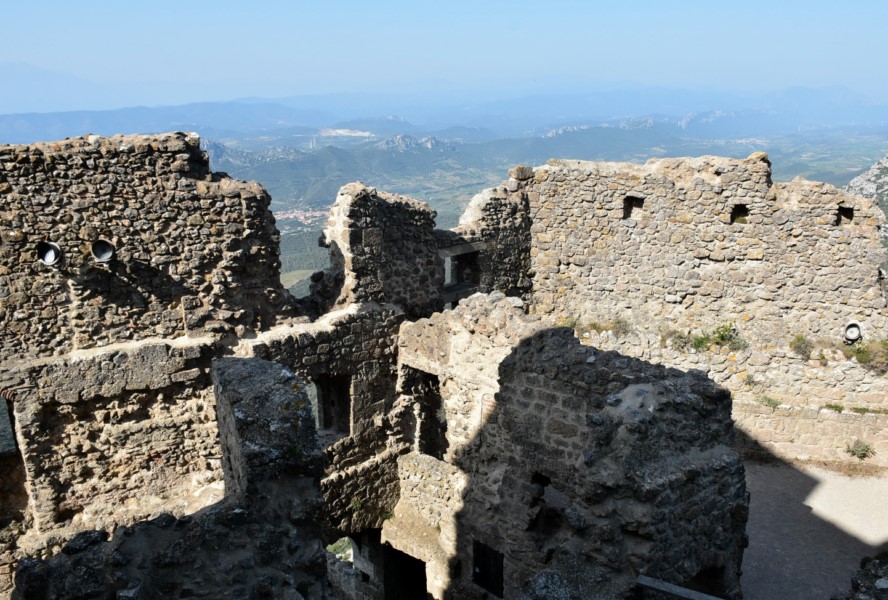
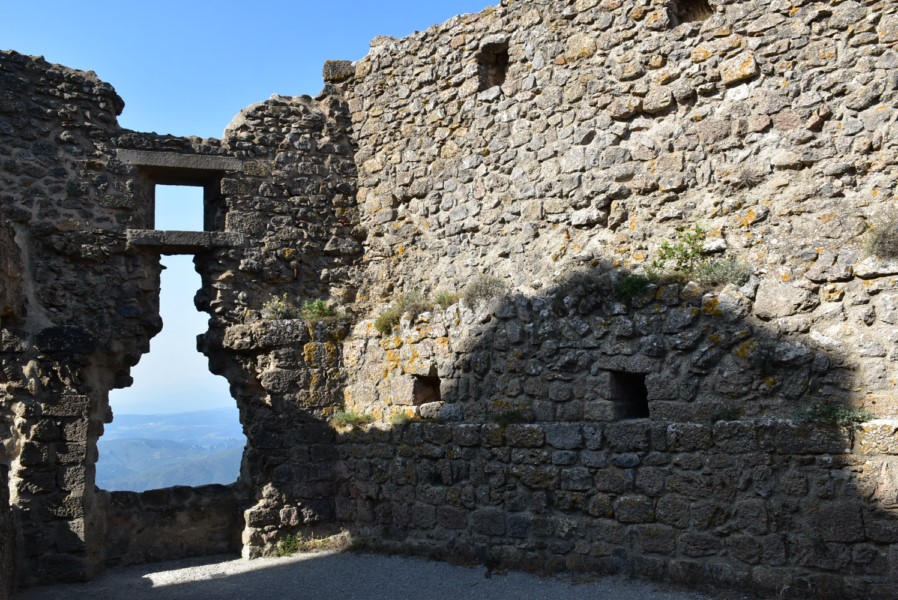
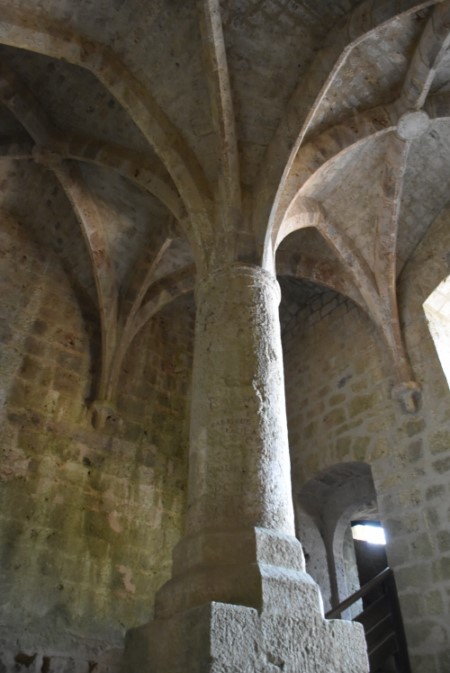
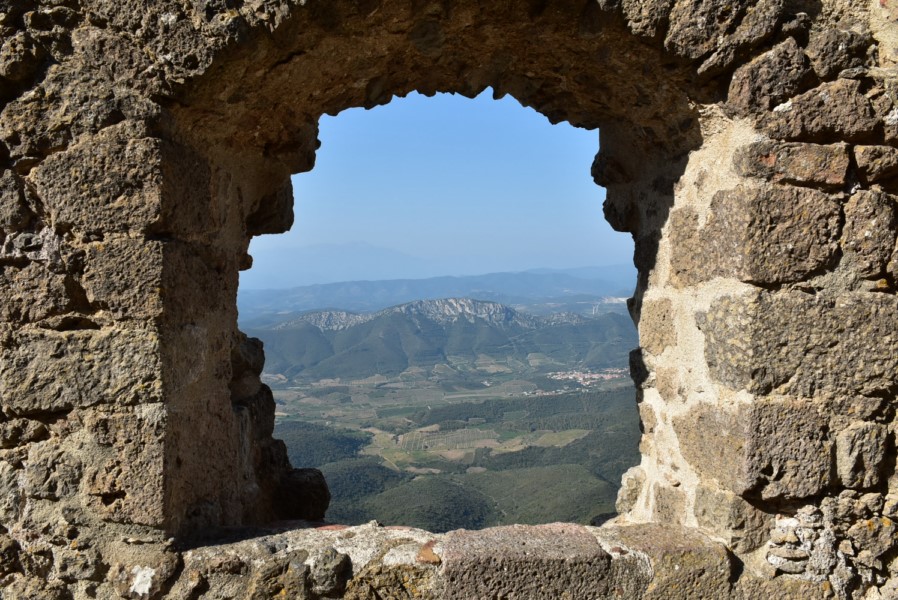
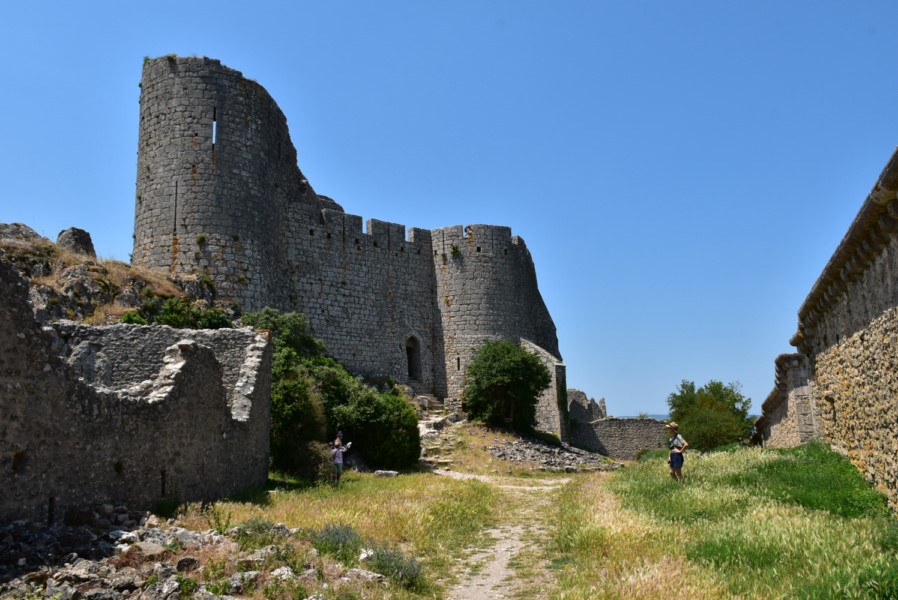
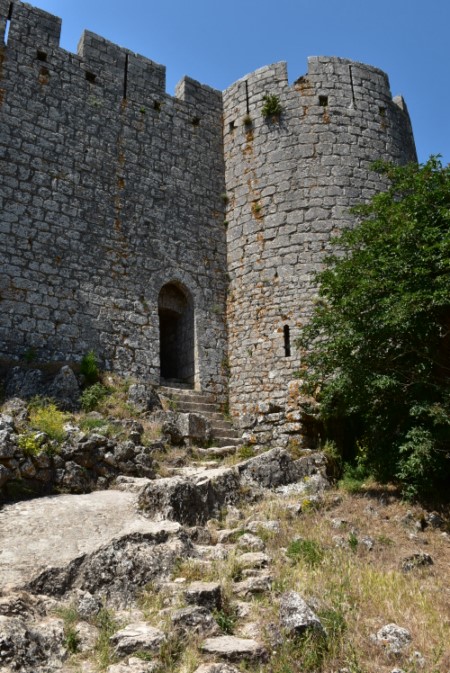
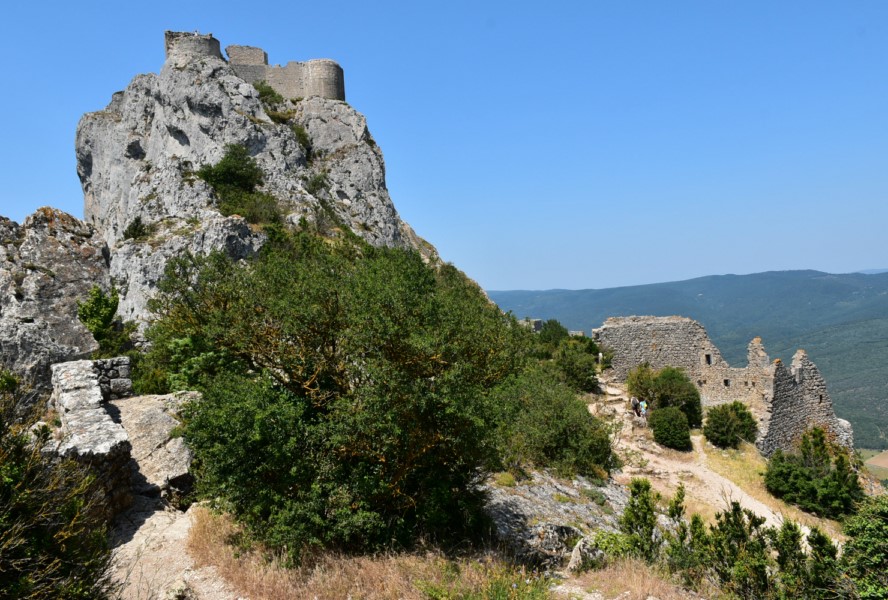
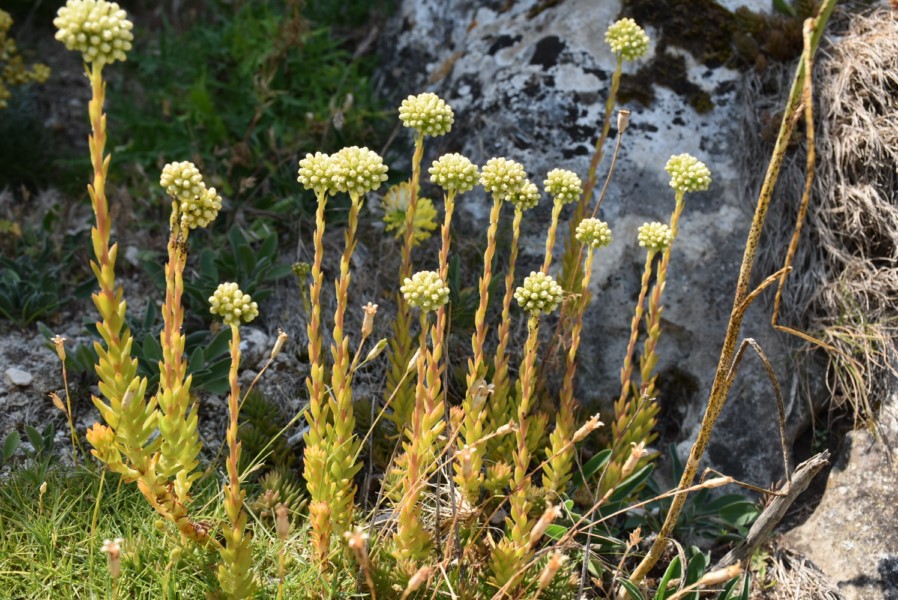
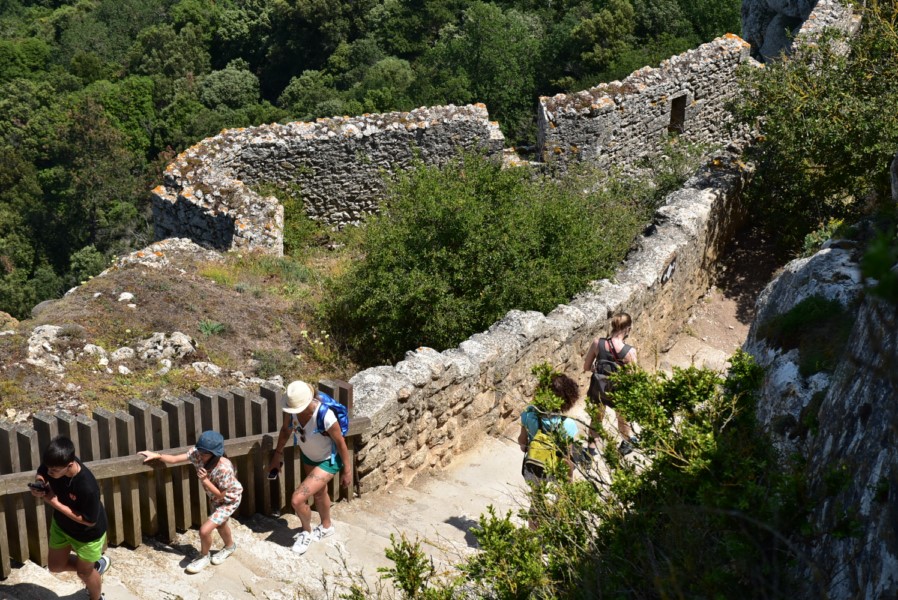
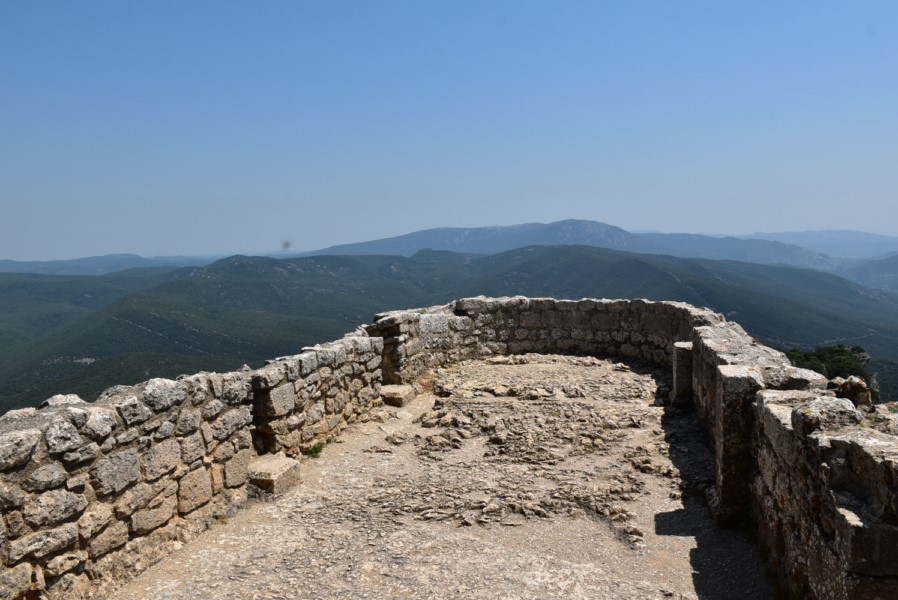
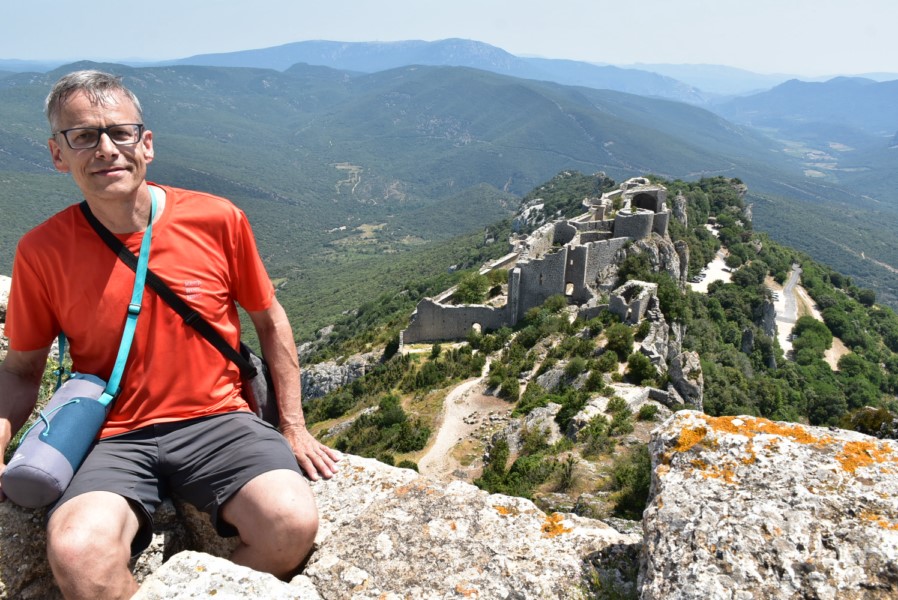
French Pyrenees, Aude department Queribus Castle Entrance to the fortress Second line of fortifications Entrance to the third line of fortifications Utility and storage rooms Guardroom Donjon, residential and defensive tower Donjon, chamber with a pillar View of the surrounding area Panorama of the surrounding area, with Peyrepertuse Castle in the distance on the horizon Peyrepertuse Castle Steep path leading to the top of the ridge Lower Castle Entrance to the castle Interior of the defensive tower Picturesque view San Jordi keep, with remnants of outbuildings on the right Plants rule here now Saint Louis stairs leading to the top of the keep Force of nature San Jordi keep, with Queribus Castle visible in the background on the left Remnants of the castle chapel San Jordi keep, view of the Lower Castle

The castles of Queribus and Peyrepertuse were built in the mountainous areas that once marked the border between France and Aragon. Both fortresses still command respect today, and climbing to the peak of Peyrepertuse through narrow and winding gorges is quite a challenge. However, Queribus, located on a 700 m high rock ledge, was the place of the last resistance of the Cathars. From both peaks I had the pleasure of admiring the picturesque panorama of the area.


ANDORRA

Andorra


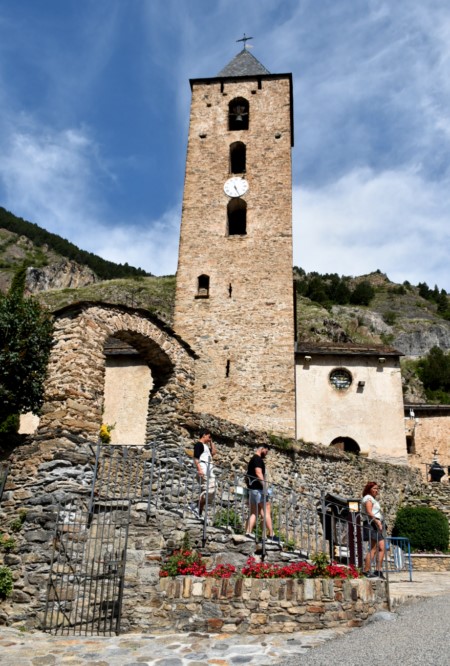
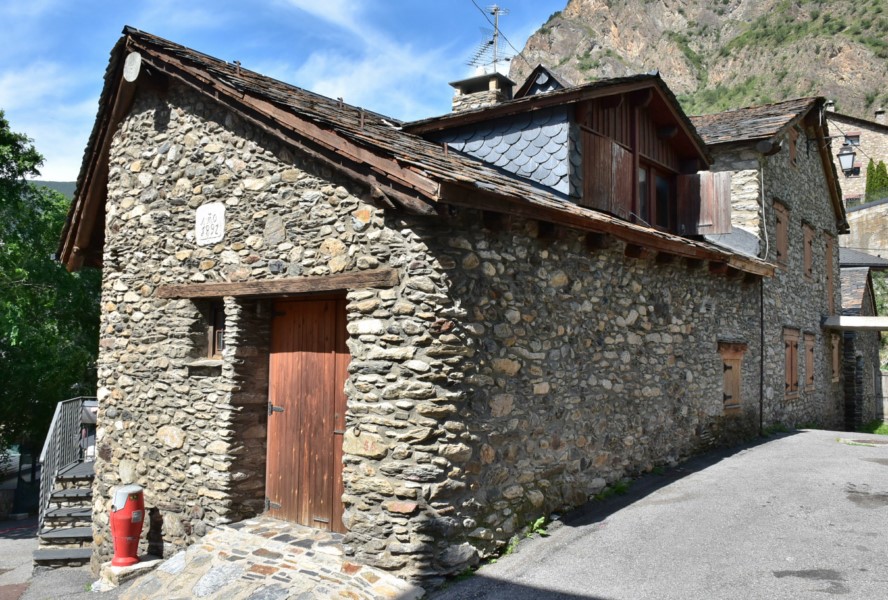
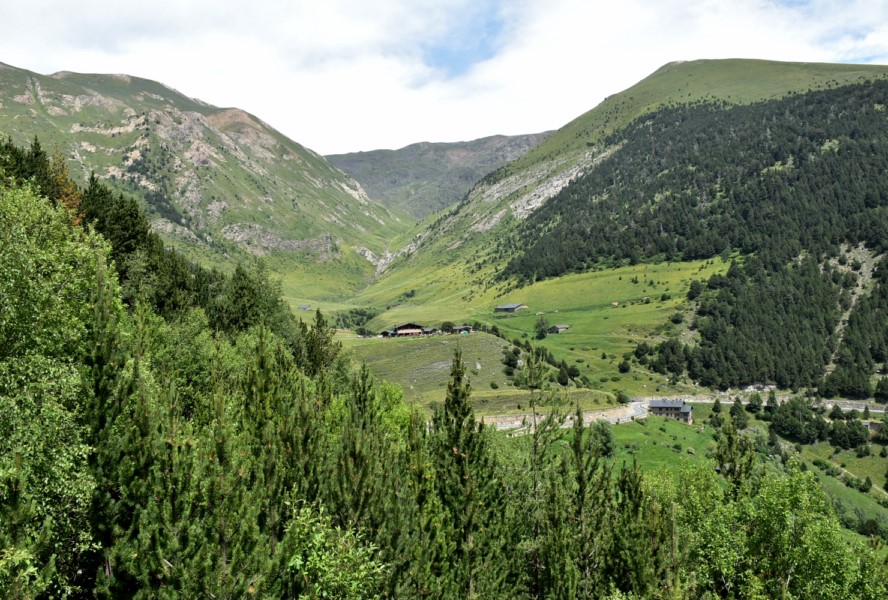
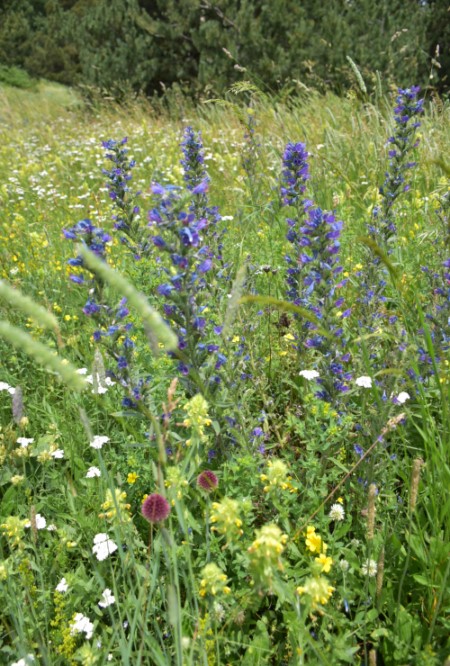
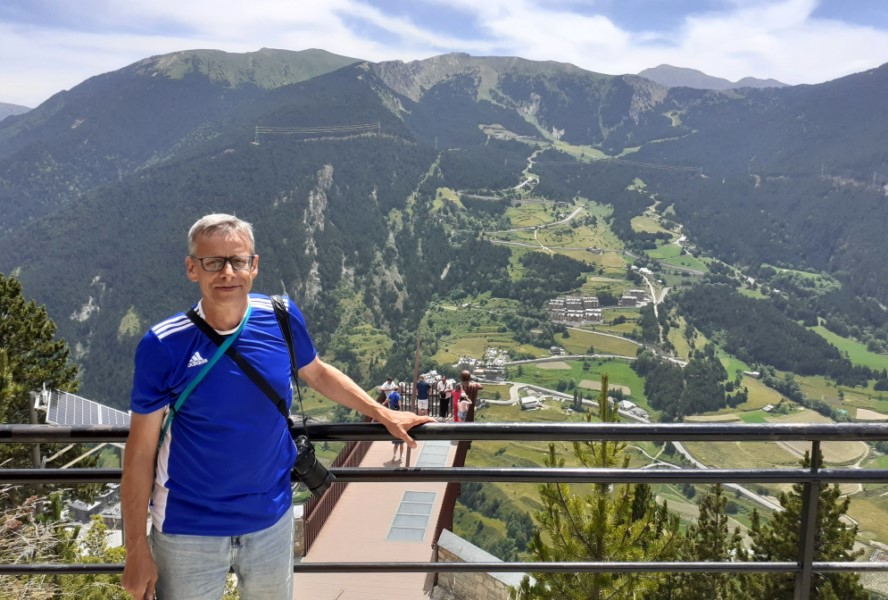
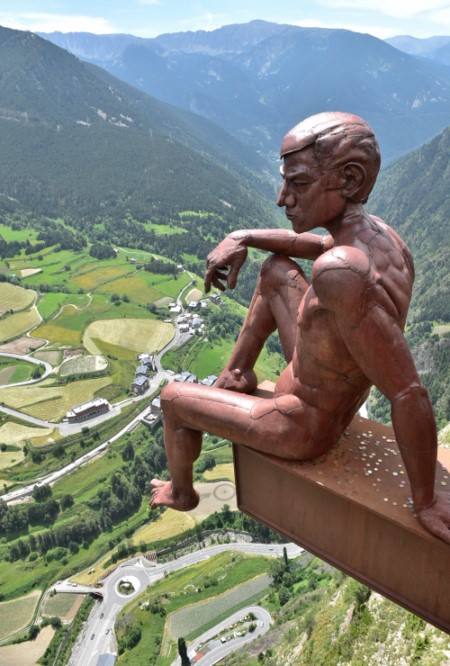
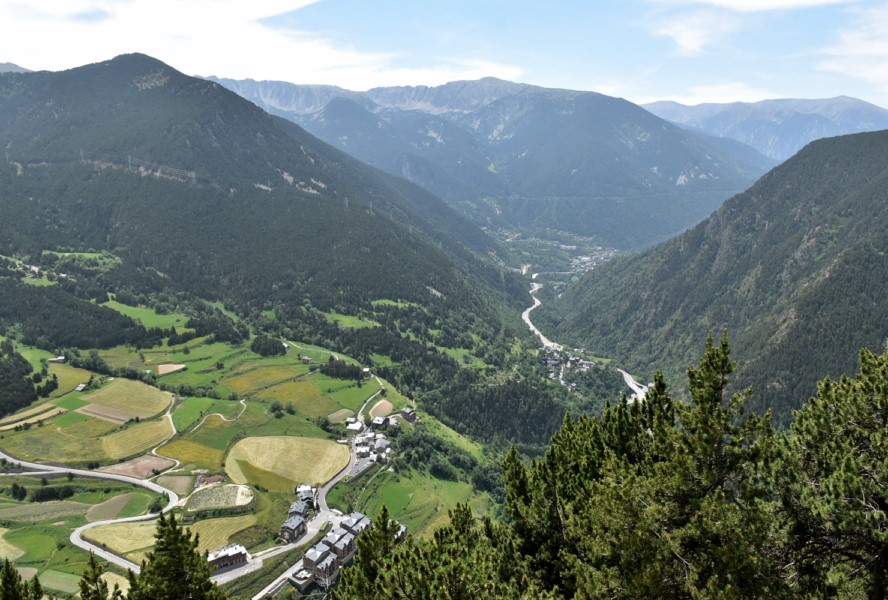
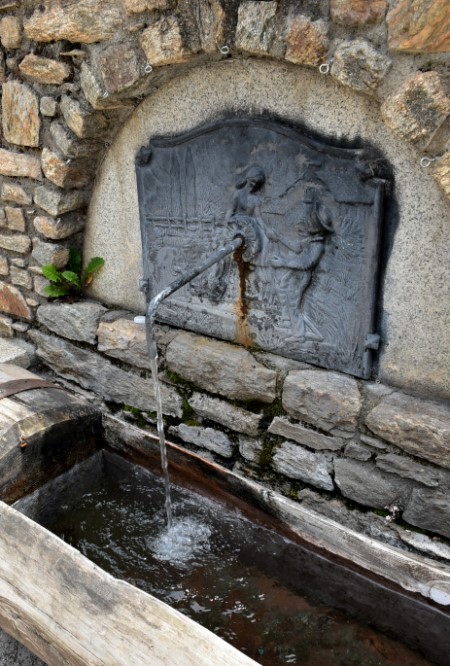
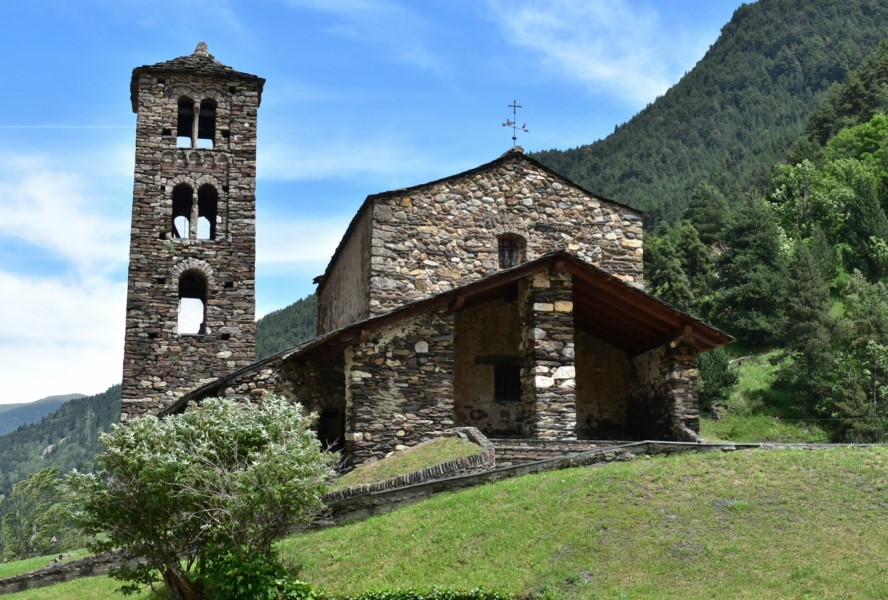
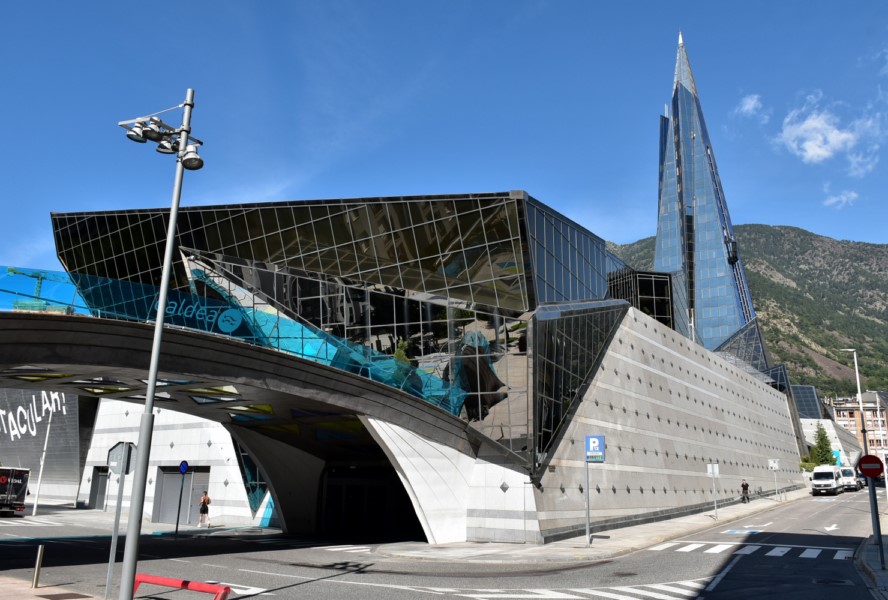
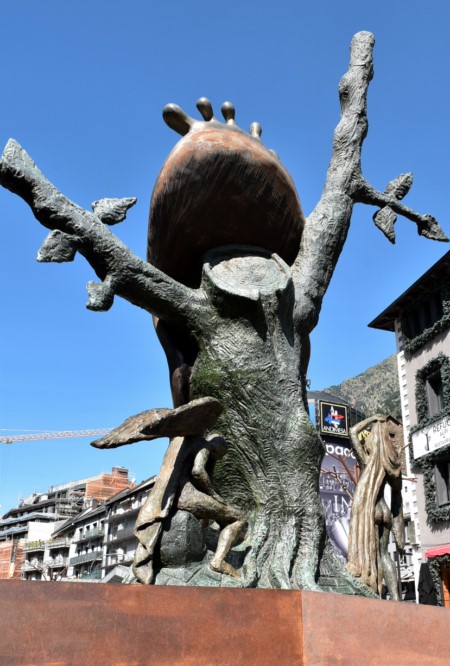
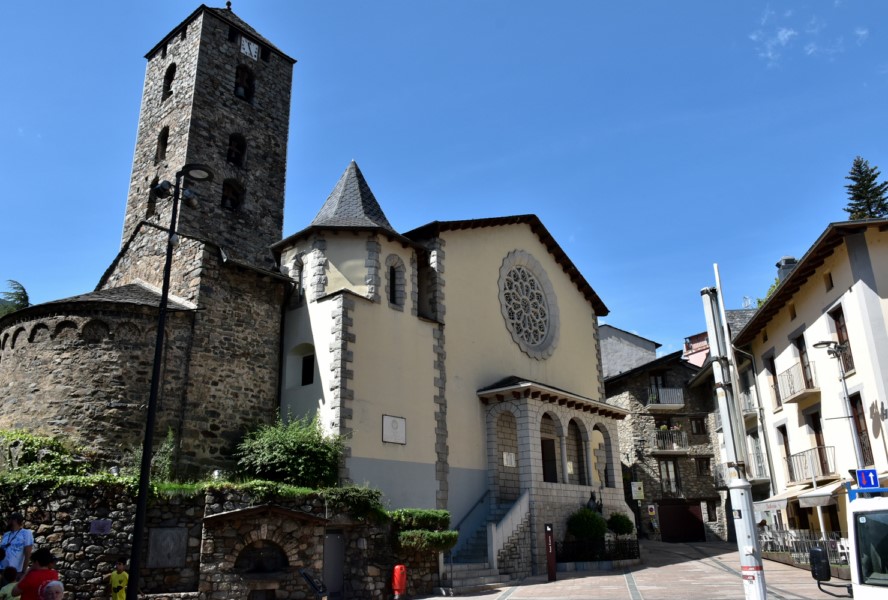
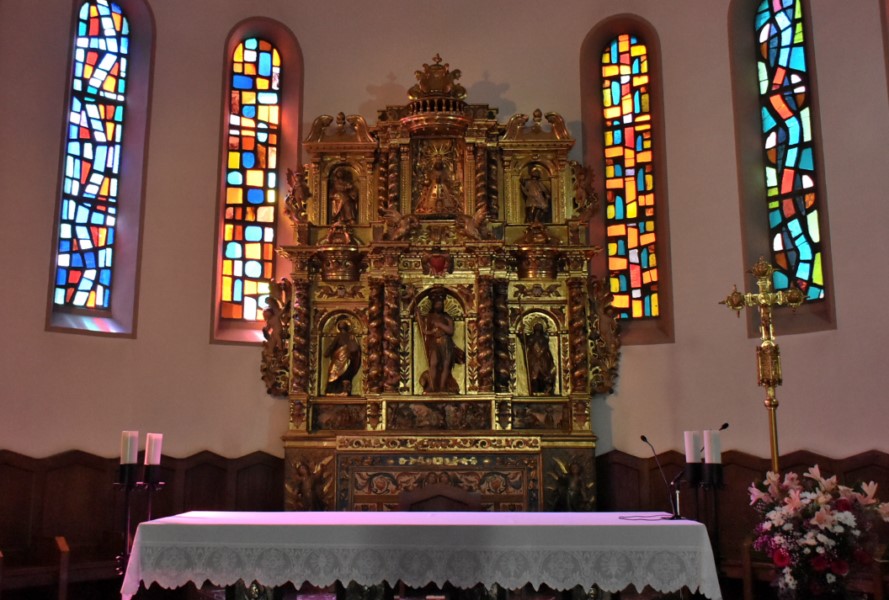
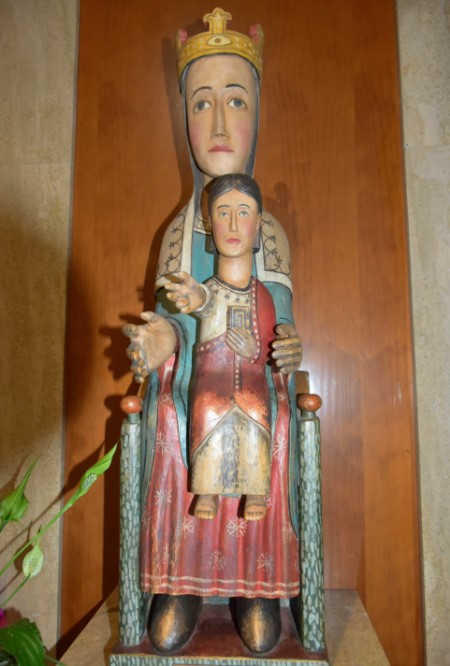
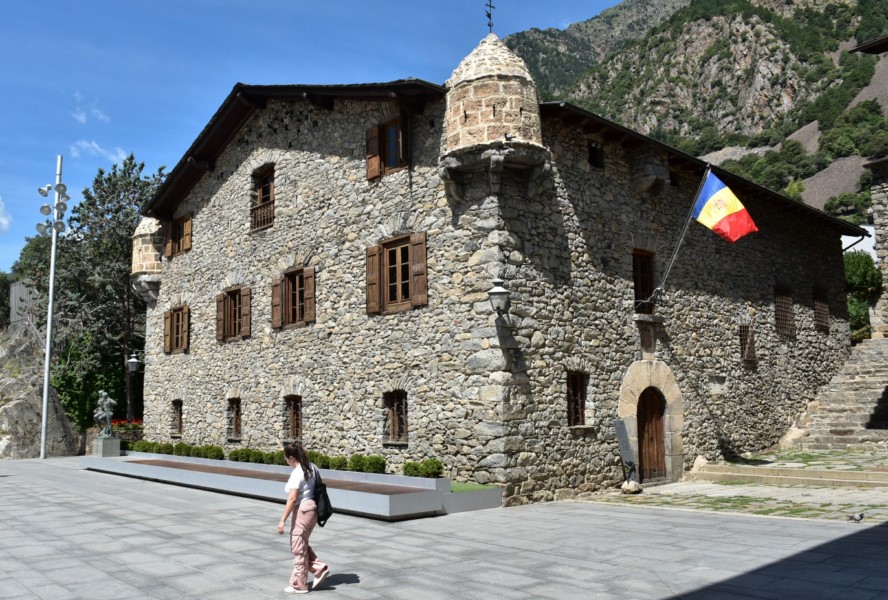
The town of Canillo, with the Mirador del Roc del Quer looming at the top of the mountain Church of Sant Serni from the 17th/18th century Original crucifix with the depiction of night and day 19th-century stone house Mirador del Roc del Quer Alpine meadows and pastures Lush vegetation Road to the summit Souvenir photo Viewing platform with a length of 12 meters The famous sculpture 'The Ponderer' Montaup Valley and the Pyrenees Time to return Mountain stream Fresh water brings good health Buildings of Canillo Church of Sant Joan de Caselles from the 11th/12th century Andorra la Vella, the rushing Gran Valira River Caldea thermal complex The 80-meter-high glass-covered Caldea tower Paris Bridge over the Gran Valira River Salvador Dali, Nobility of Time sculpture Tradition and modernity Church of Sant Esteve from the 11th/12th century Main altarpiece in the Catalan style The famous Romanesque statue of Our Lady of Meritxell 16th-century Casa de la Vall, former seat of the General Council (Andorran parliament) A couple dancing the sardana, the national Catalan dance '7 Poets' composition in front of the parliament building Fragment of the '7 Poets' composition

Andorra is a small country in the Pyrenees on the french-spanish border. The capital of the country, Andorra la Vella, did not impress me as much as the trip itself, which turned out to be an interesting experience. However, a visit to the picturesque town of Canillo was a great idea. After a rather arduous climb, I reached Mirador del Roc del Quer, from where I admired the breathtaking panorama of the Pyrenees.


FRANCE

Nimes


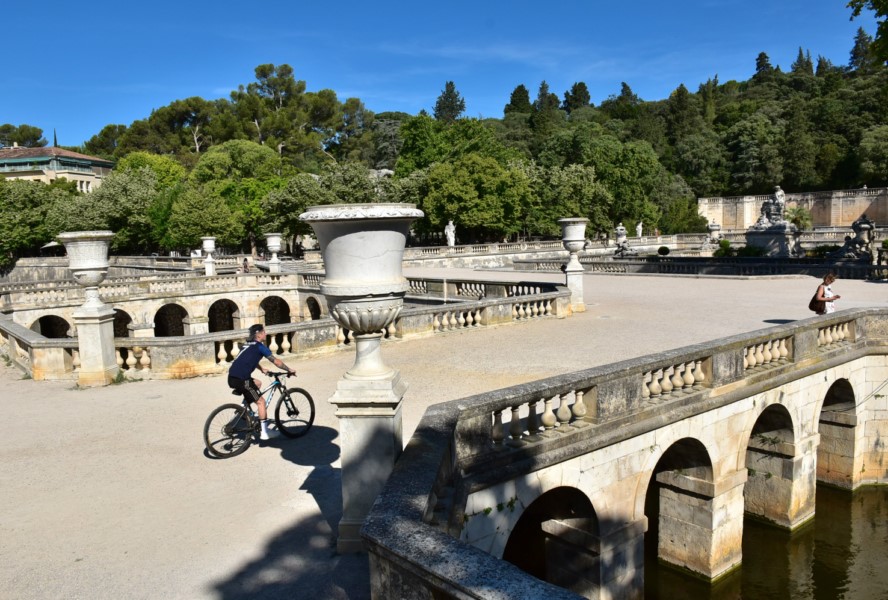
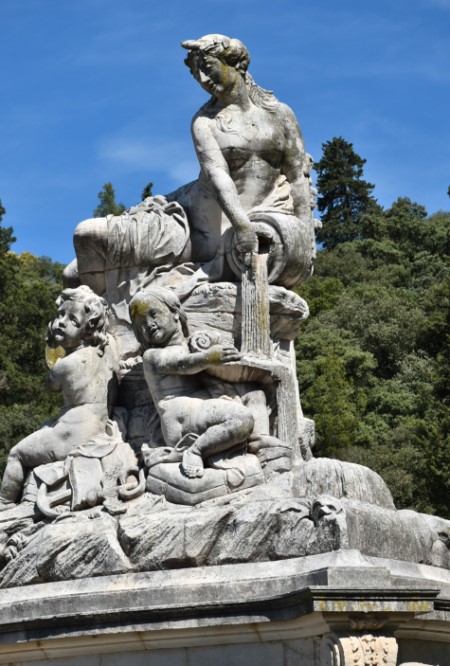
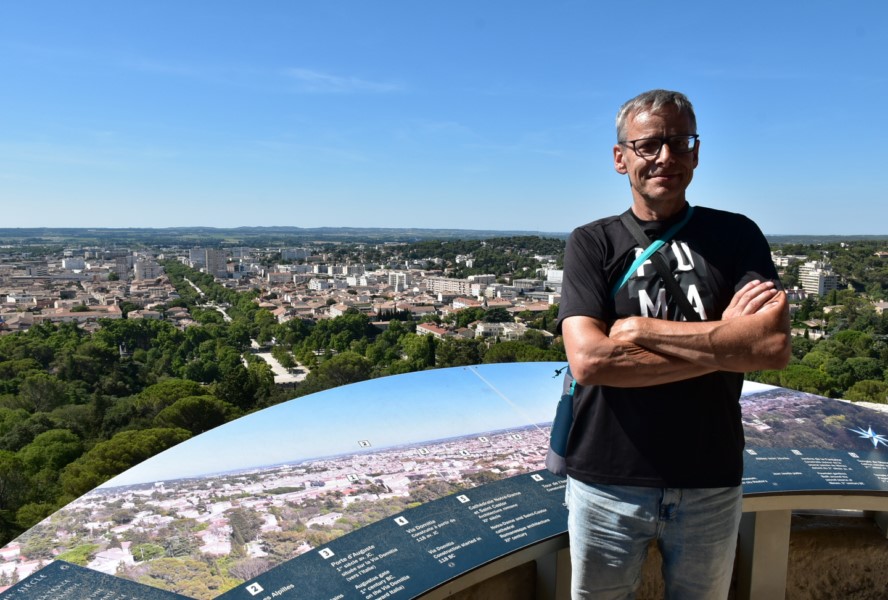
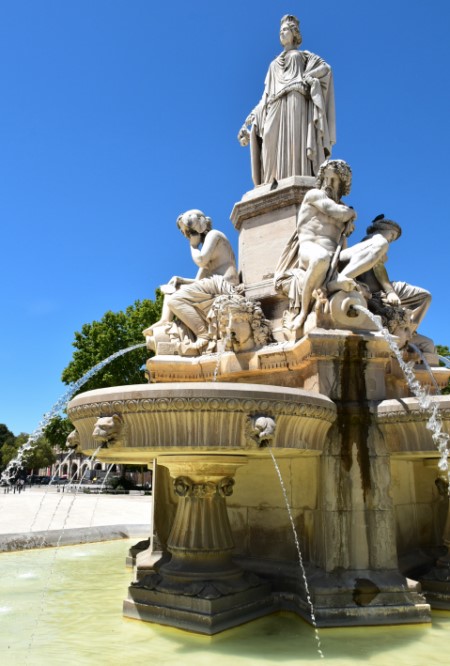
Ornate gate of the Jardins de la Fontaine Statue of Diana, Roman goddess of nature Nymphaeum, Medici vases on pedestals Nymphaeum, nymph pouring water from a jug Temple of Diana from the 1st century AD Tour Magne, tower of the former city fortifications Panorama of Nimes from the top of the tower Fountain Canal, Vierne Bridge in the background Water-lilies Maison Carrée Temple from the 1st century AD Western wall with pilasters Soffit of the portico Corinthian capitals Old town alley Flowers Belfry, former bell tower from the 15th century Balcony Porta Augusta Statue of Emperor Augustus Eclectic Church of Saint Perpetua from the Second Empire era Archangel Michael Pradier Fountain, the standing woman personifies the city of Nîmes The Arena of Nîmes in all its glory Monument to the French matador Nimeño II Arches and columns seen from the outside Entrances for spectators Inner corridor The Arena in all its glory Souvenir photo Consoles for the velarium masts that protected spectators from the sun

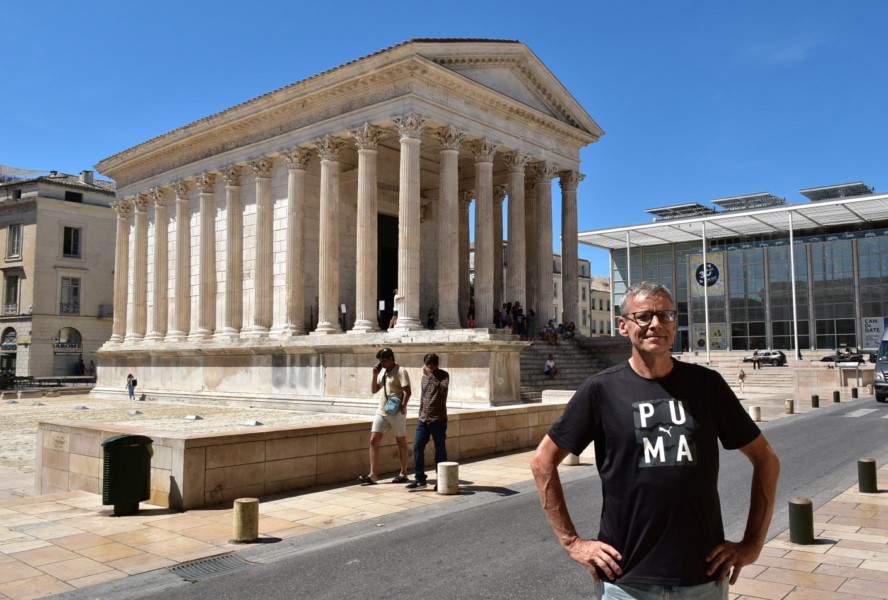
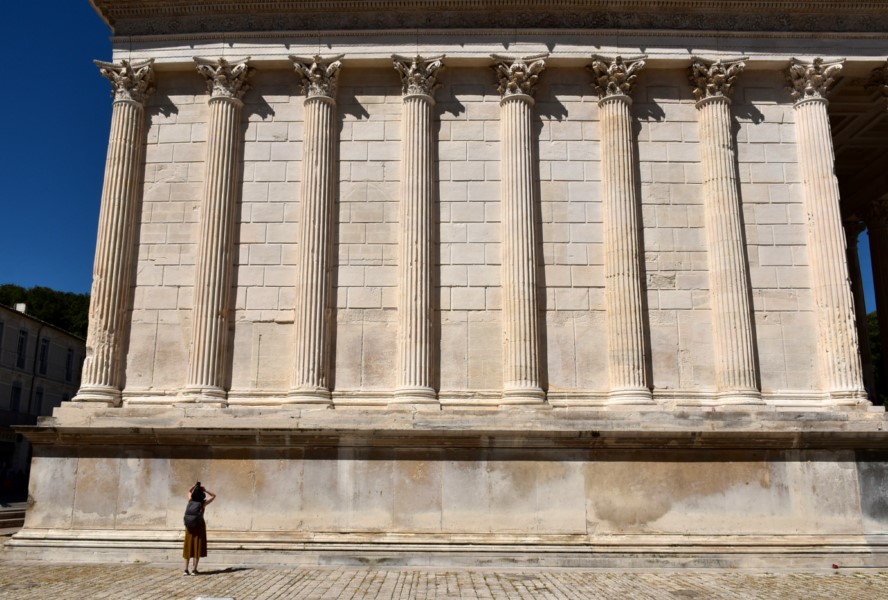
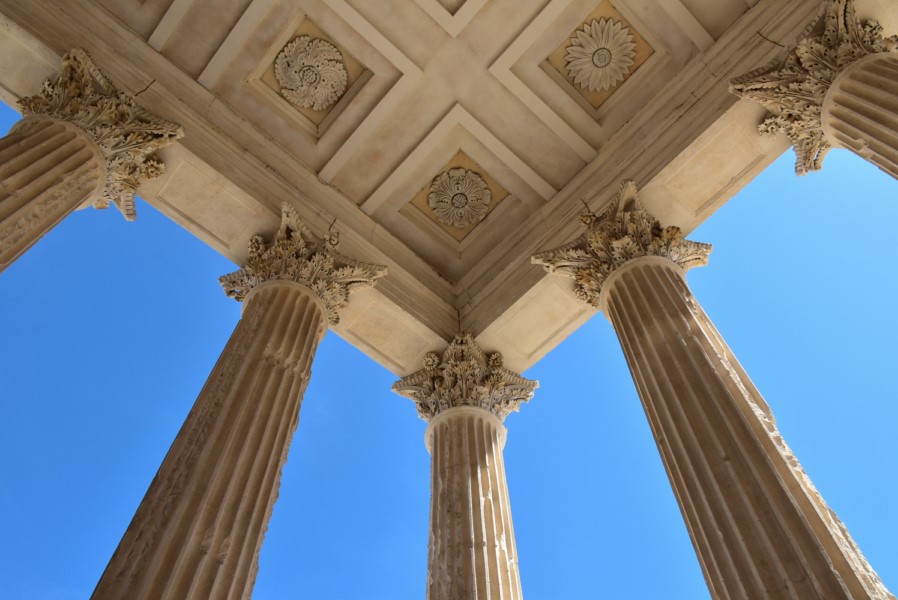
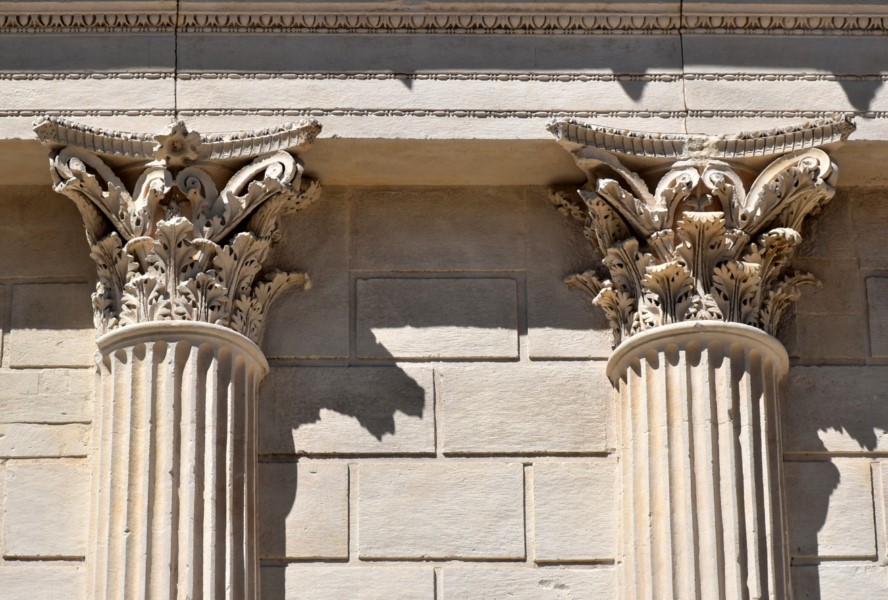
Apparently the sun shines in Nimes for 300 days a year. I don't know if it's true, but on the day I visited this city it was lit all day long. There are many monuments from Roman times preserved in Nimes, but what impressed me the most was not the amphitheater, but the Maison Carree temple, i.e. the Square House. The contrast between the modest interior called the cella and the impressive façade with Corinthian columns turned out to be quite a surprise.


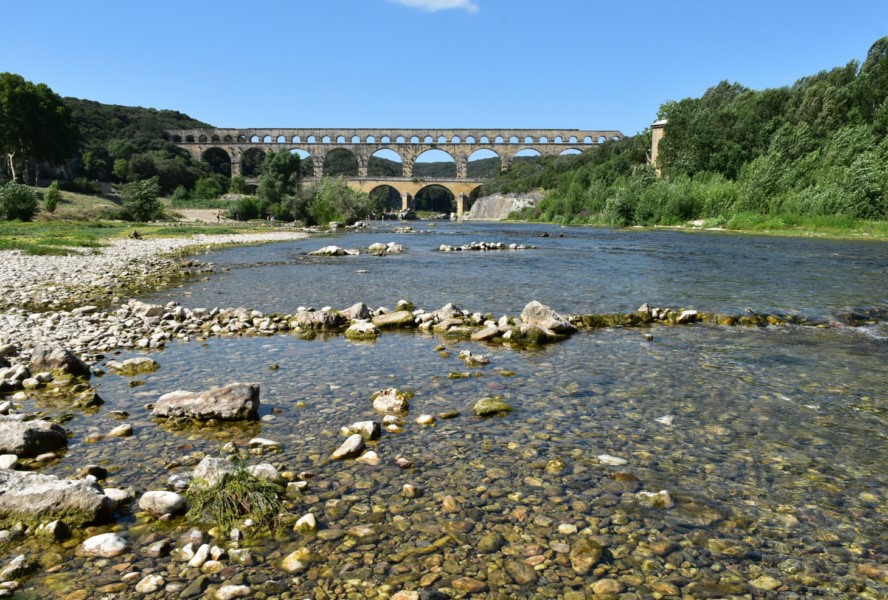
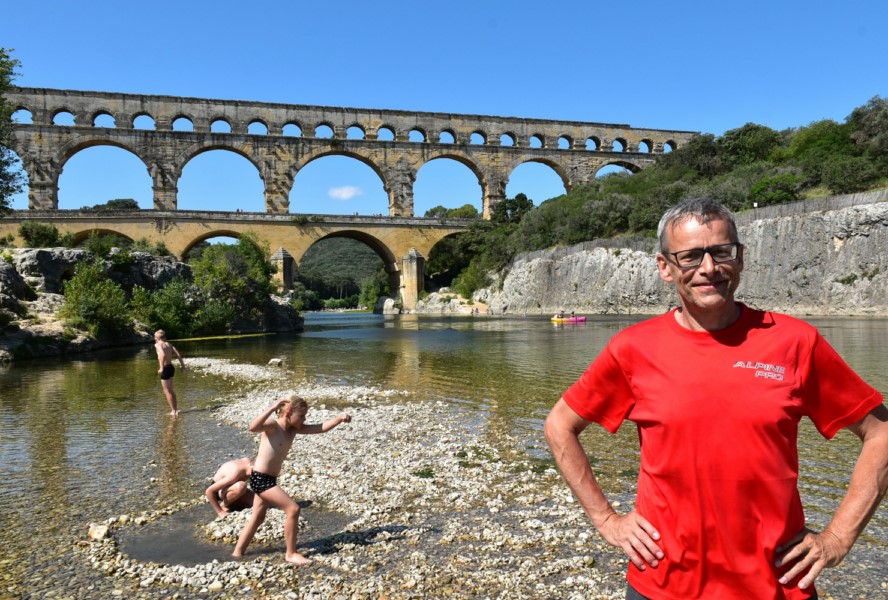
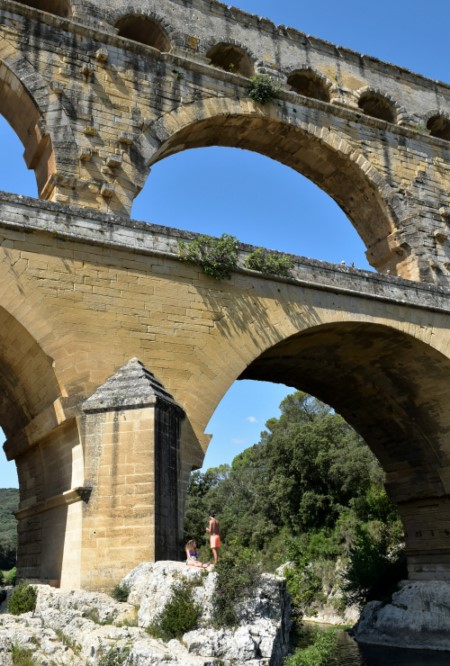
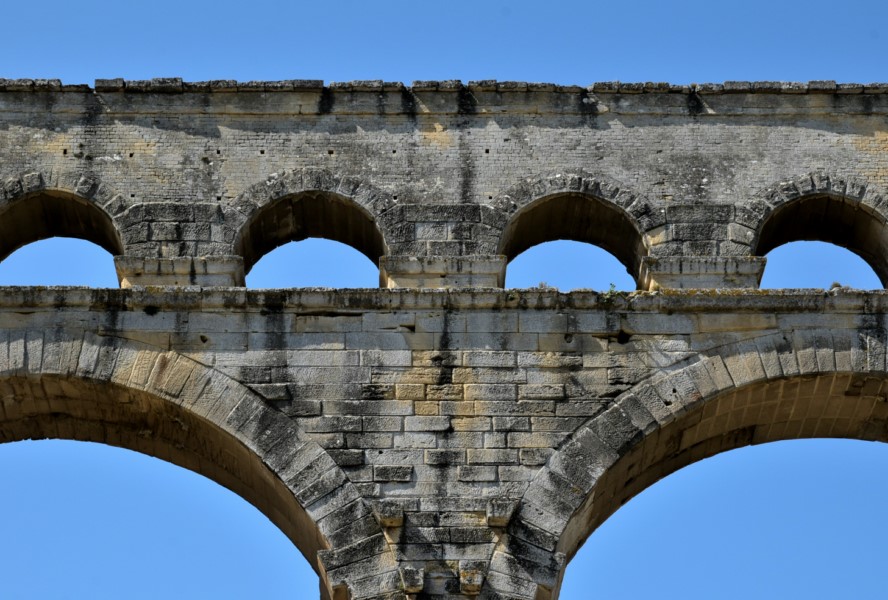
Pont du Gard


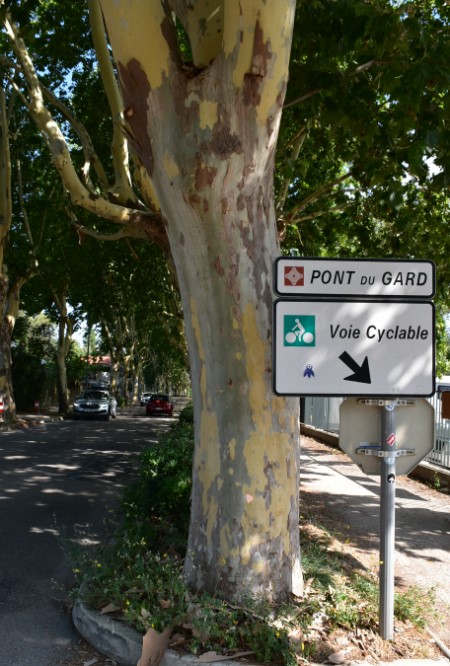
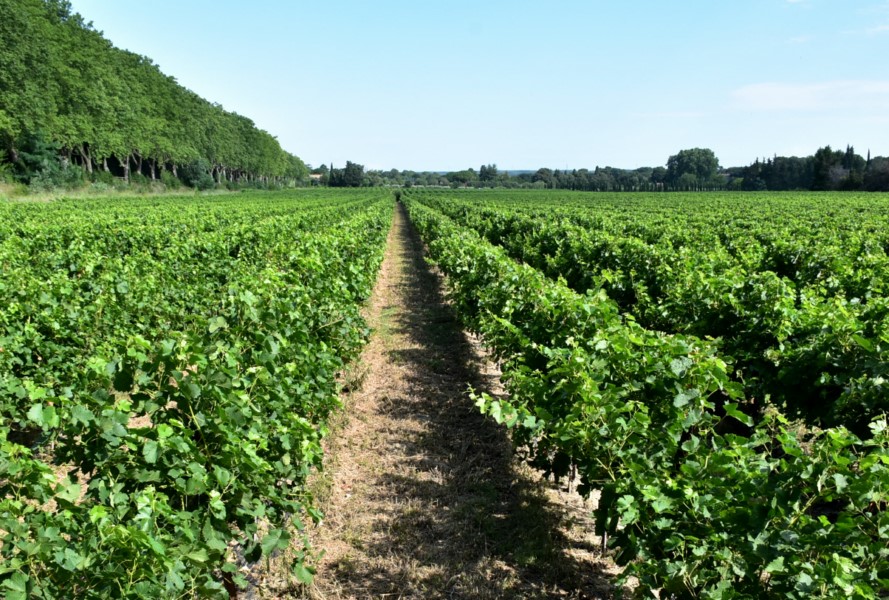
Panorama of the town of Remoulins Heading towards Pont du Gard! Avenue du Pont du Gard Vineyard Pont du Gard, first encounter Souvenir photo Starlings reducing water pressure on the pier The highest tiers of arches Road bridge added to the aqueduct in 1745 Graffiti made by 19th-century tourists View from the bridge looking north-east Beach on a rocky ledge The water channel (specus) at the top of the aqueduct through which water flowed Further part of the aqueduct cut into solid rock Salpêtrière cave, a Palaeolithic culture site from 19,000 years ago Three tiers of arches Protruding stones used as scaffolding supports Souvenir photo Gardon River, view looking west Time to return

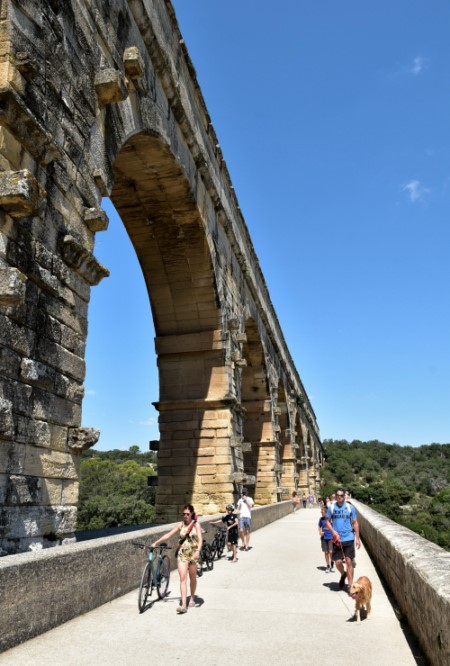
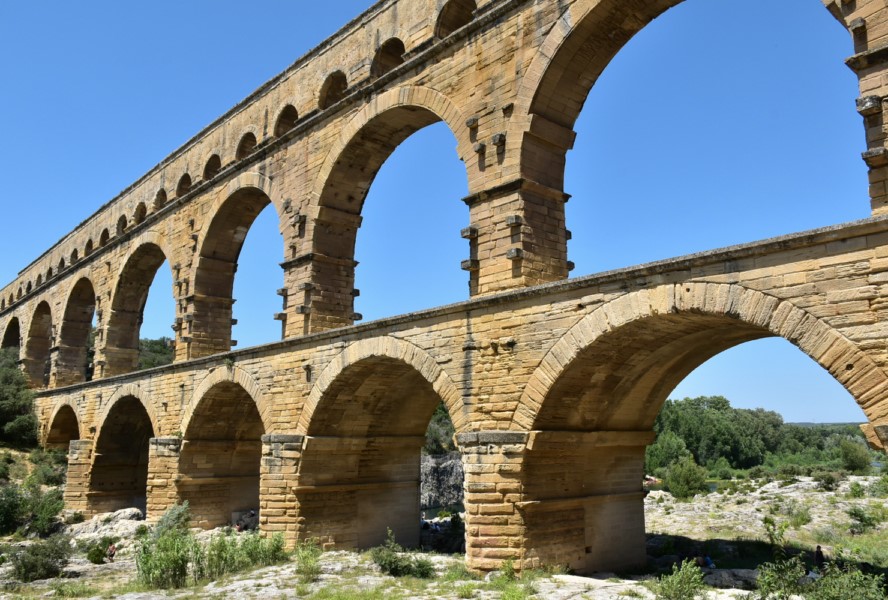
The Pont du Gard inscribed on the Unesco list is part of the roman aqueduct supplying water to the city of Nîmes. I won't be too original when I write that the bridge made an incredible impression on me. I had the opportunity to observe it at different times of the day, which somewhat reminded me of the experiences of Claude Monet, who painted the cathedral in Rouen in this way. I used my free time for lazing around, sunbathing and swimming in the Gard river.


Avignon - city of popes


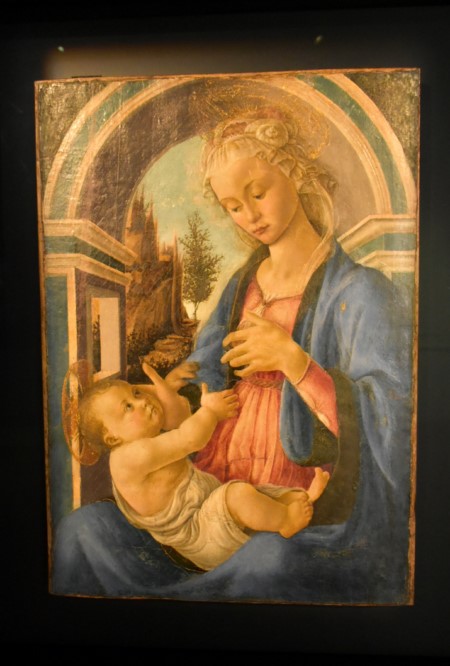
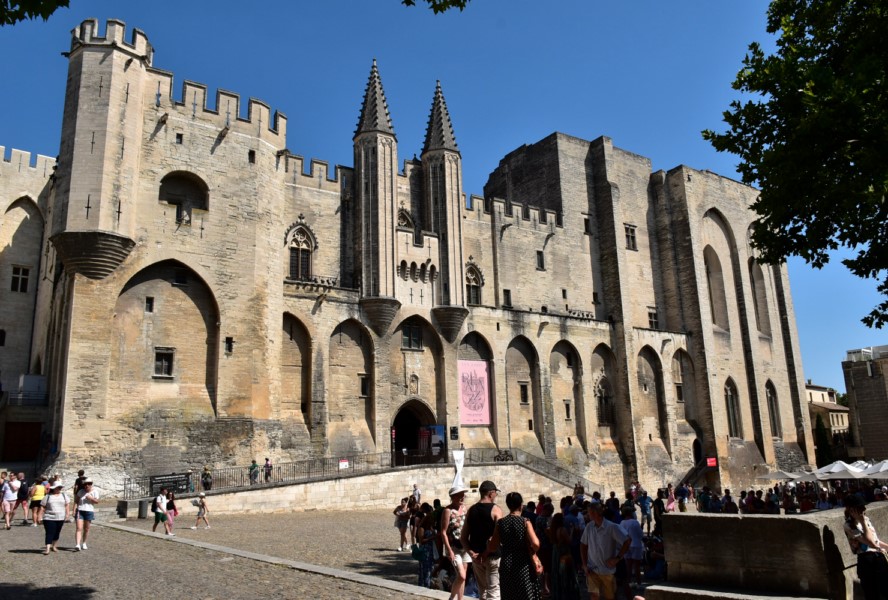
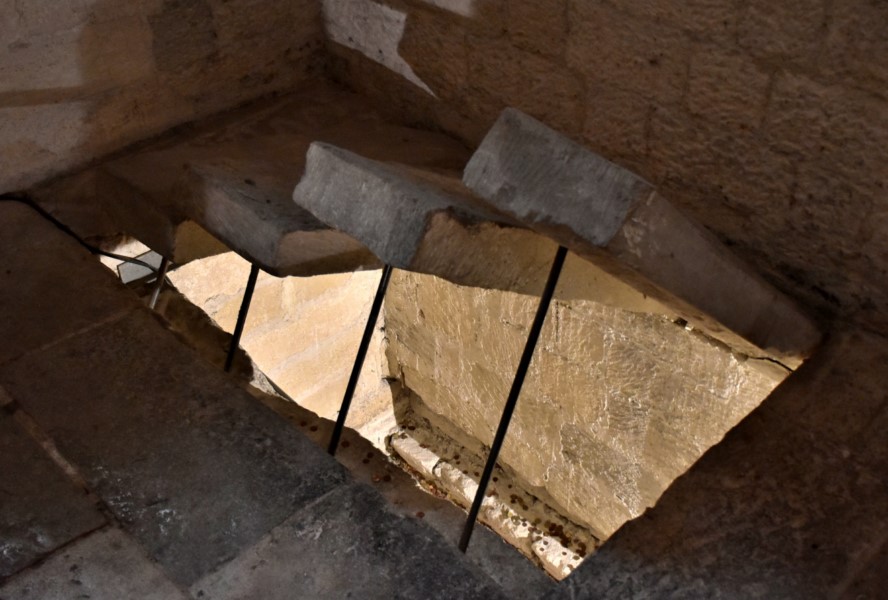
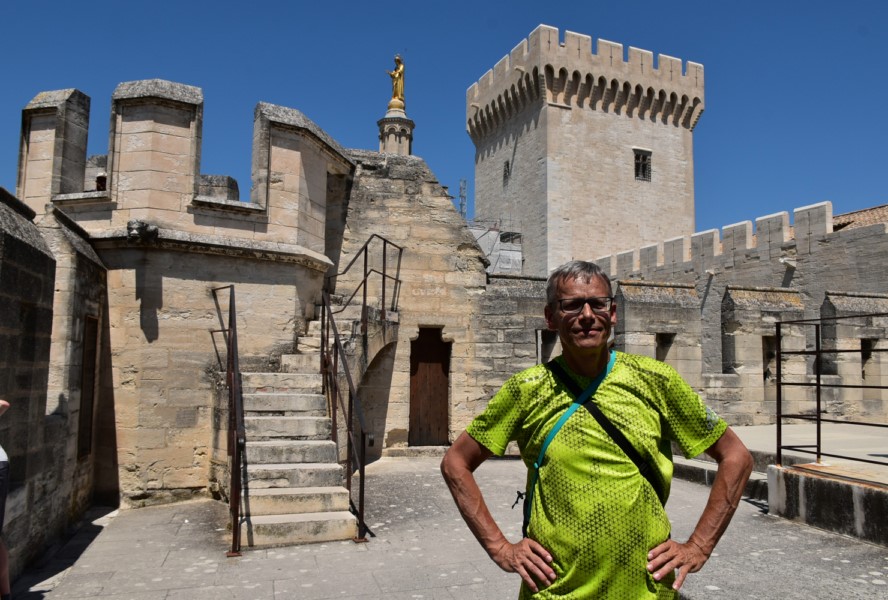
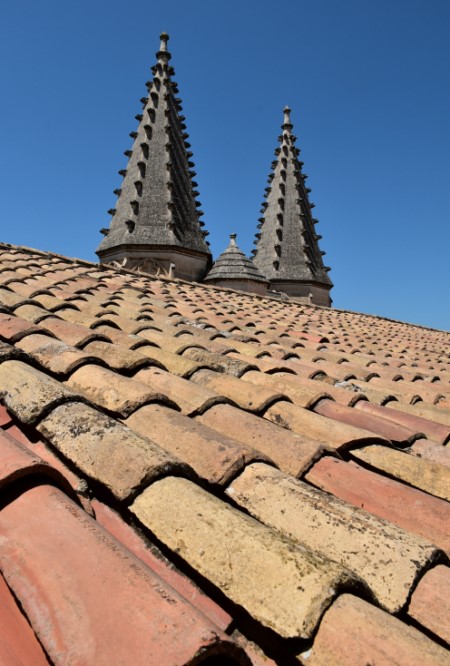
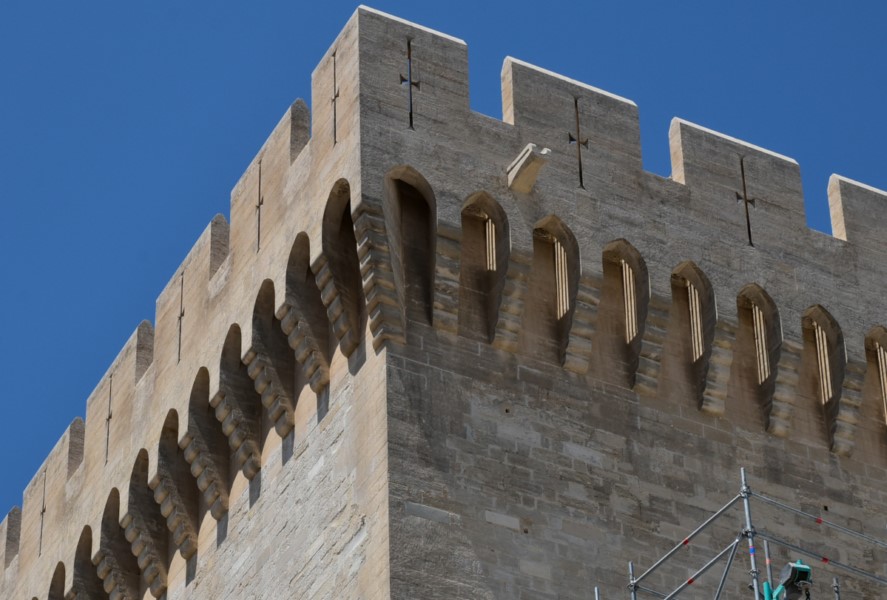
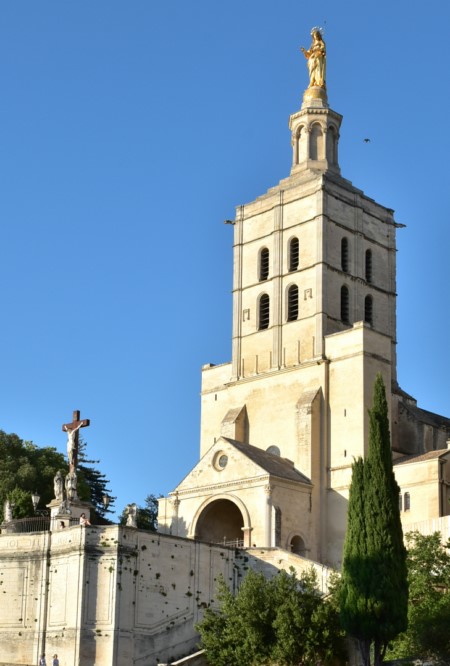
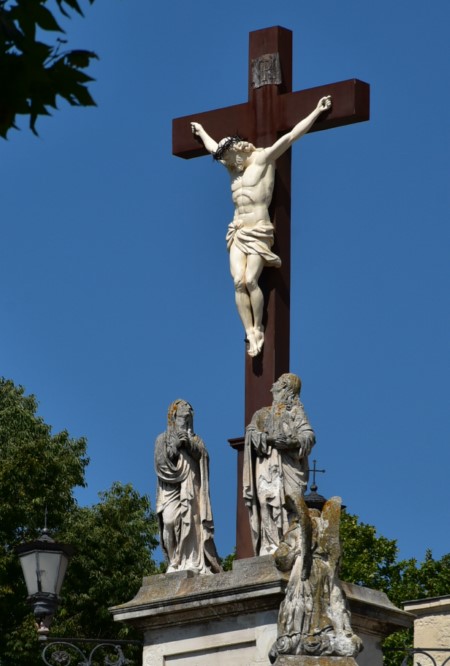
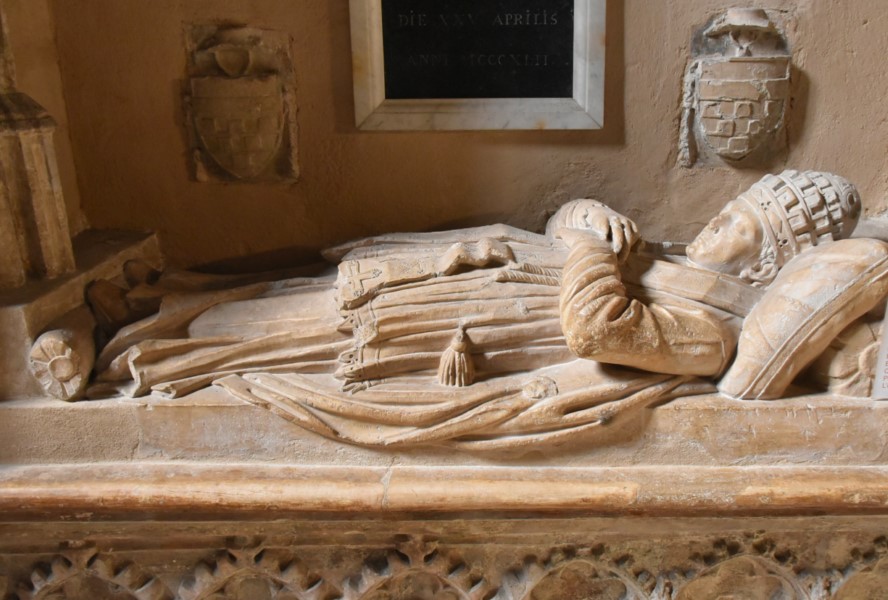
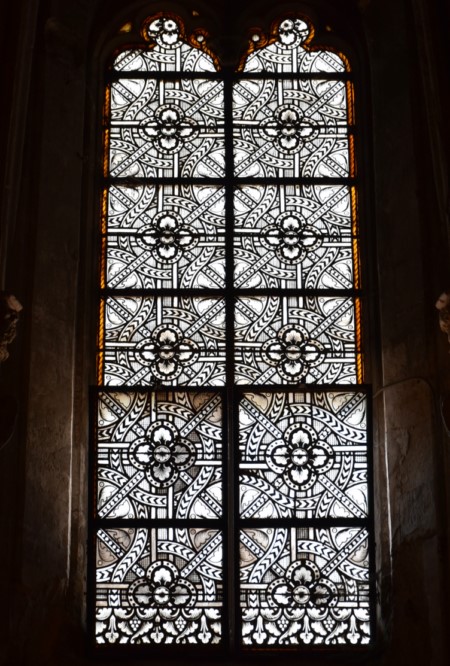
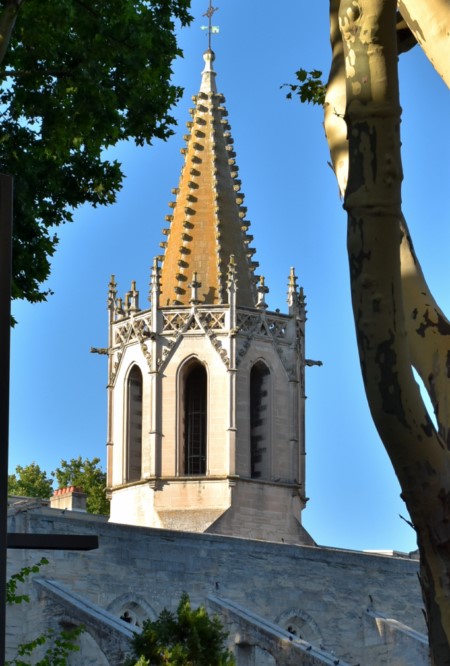
Rhône River and the Pont d'Avignon Panorama of the old town from the Daladier Bridge Defensive walls of Avignon Esplanade of the Papal Palace Square Baroque Hôtel des Monnaies from the 17th century, former mint Facade decorations, coat of arms of Cardinal Borghese Little Palace, residence of the bishops of Avignon Corner bartizan Former palace chapel Ribbed vault decorated with a boss featuring the coat of arms of Monseigneur Dominique Marini The Annunciation, sculptures from the mausoleum of Cardinal Jean de Lagrange (15th century) Sandro Botticelli, Virgin Mary with Child New Palais des Papes in all its glory Defensive turrets above the main entrance to the Papal Palace Main courtyard of the New Palace Consistory, curia meeting hall Scale model of the Palais des Papes Vault of St. John's Chapel One of the treasury chambers in the floor closed with stone slabs Cloisters around the courtyard of the Old Palace of Clement V Grand Tinel, the refectory where the conclave took place Huge chimney in the palace kitchen New Palace, interior of the northern sacristy Great Chapel Window of the Blessings Viewing terrace on the roof of the Old Palace Twin turrets decorated with pinnacles Machicolations of the Tour de la Campane tower View of the southern frontage of the Papal Palace Square Romanesque Notre-Dame des Doms Cathedral Crucifixion group in front of the cathedral entrance Tomb of Pope Benedict XII Stained glass window View of the Pont d'Avignon from the defensive walls Pont d'Avignon, souvenir photo Chapel of Saints Nicholas and Bénézet Entrance to the bridge from the defensive walls 19th-century Opéra d'Avignon building Street mosaic with the city coat of arms Belfry tower 18th-century Oratorian Chapel Holiday hairstyle Celestines Church from the late 14th century Fountain on Jean Jaurès street 14th-century tower of the Church of St. Martial Republic Gate

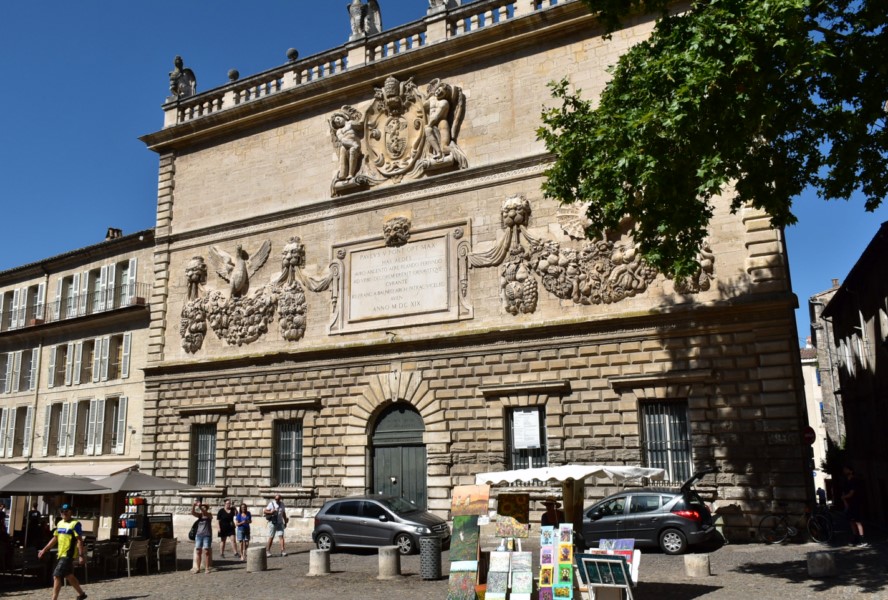
In the 14th century, Avignon was the seat of the popes during the so-called Avignon captivity. The Papal Palace, included on the Unesco list, is the city's greatest attraction. The monumental gothic building made a huge impression on me, although during the tour I often lost orientation in the thicket of rooms, chambers and corridors. On the Avignon Bridge, I witnessed a spontaneous performance by the Polish tour participants, who danced and sang Ewa Demarczyk's famous hit.


Orange


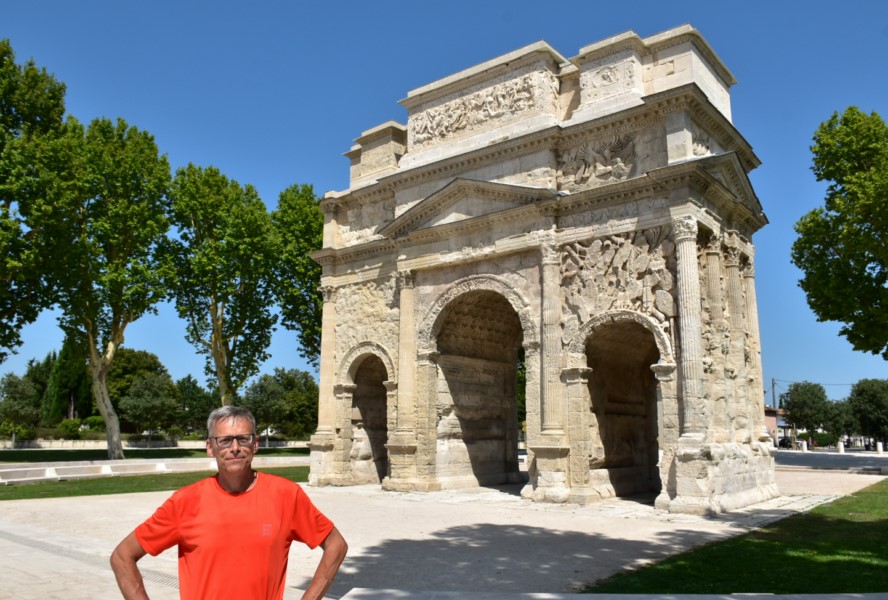
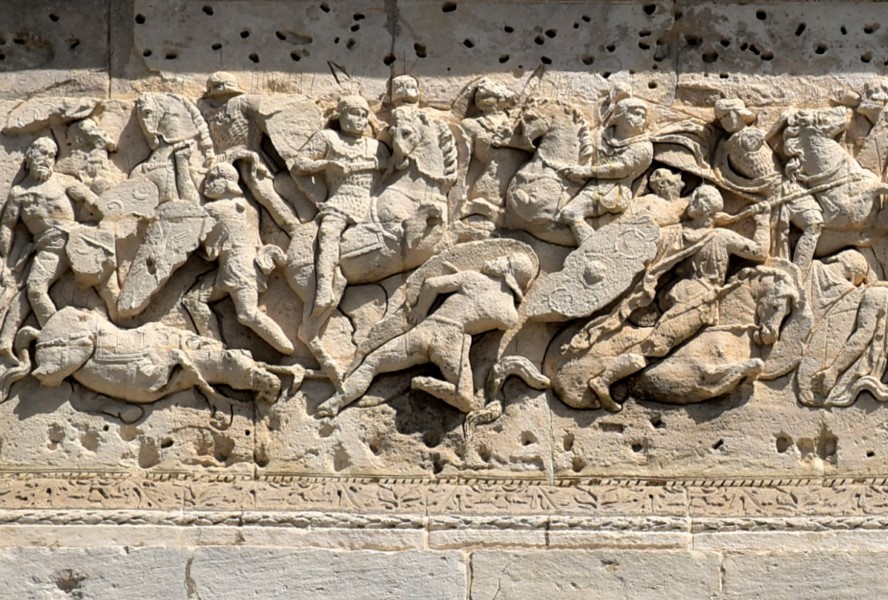
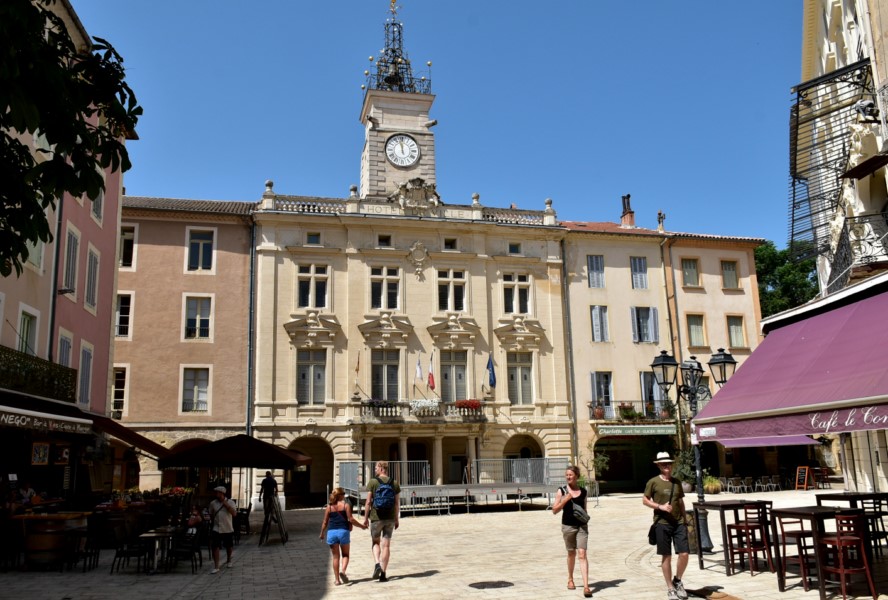
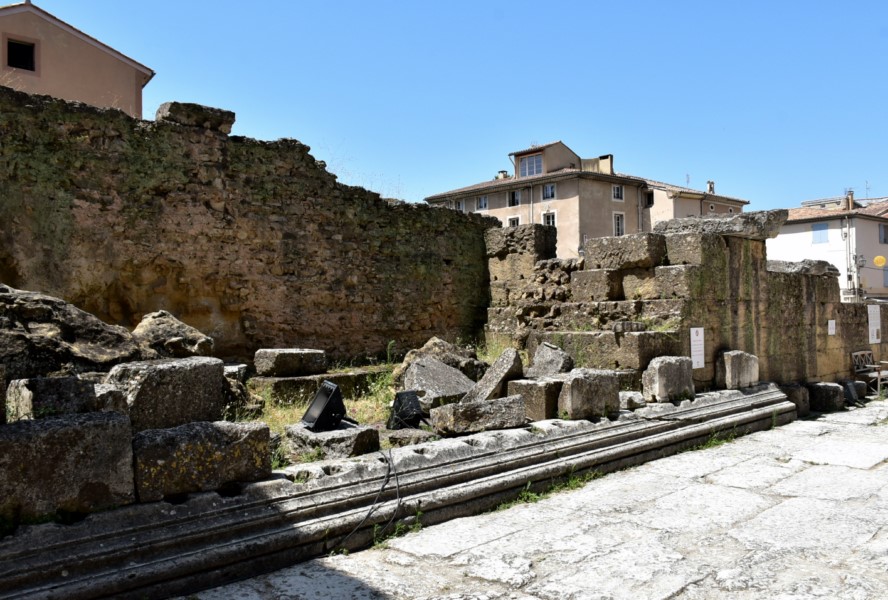
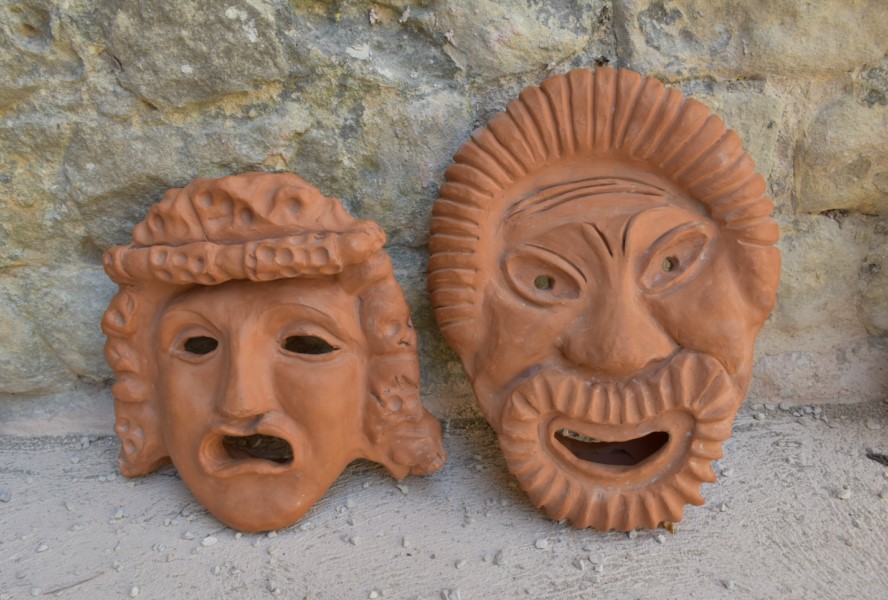
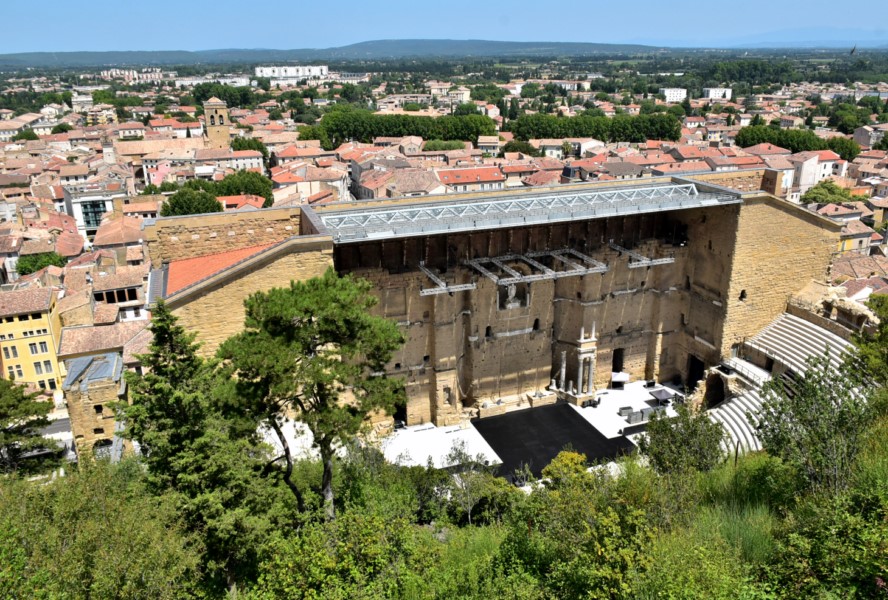
Triumphal Arch from the era of Emperor Augustus Monumental gate Eastern facade, war trophies and chained prisoners Southern facade, bas-relief depicting the battle of the Legio II Augusta with the Gauls City hall Republic Square, monument to Raimbaut II, Count of Orange Picturesque alley Old town Monument in front of the theater, Ancient genius of art Church of St. Florentius from the 14th/16th century Statue of St. Roch with a dog View from the theater towards the ancient forum Forum, ruins of a Roman temple from the 2nd century View of the theater from Rue de l'Ancien Hôpital Main entrance for spectators Monumental scenae frons (61 m long and 37 m high) Marble statue of Emperor Augustus Theatrical masks, tragic and comic Souvenir photo City panorama from St. Eutrope Hill

The Principality of Orange took its name from the city Orange, from which come the representatives of the Orange-Nassau dynasty who rule the Kingdom of the Netherlands to this day. Here you can admire the Unesco listed Arc de Triomphe of Tiberius and the roman theater with the surrounding buildings. I was particularly enchanted by this second monument due to its monumental skene, which has almost entirely survived to this day.


Arles - city of Van Gogh


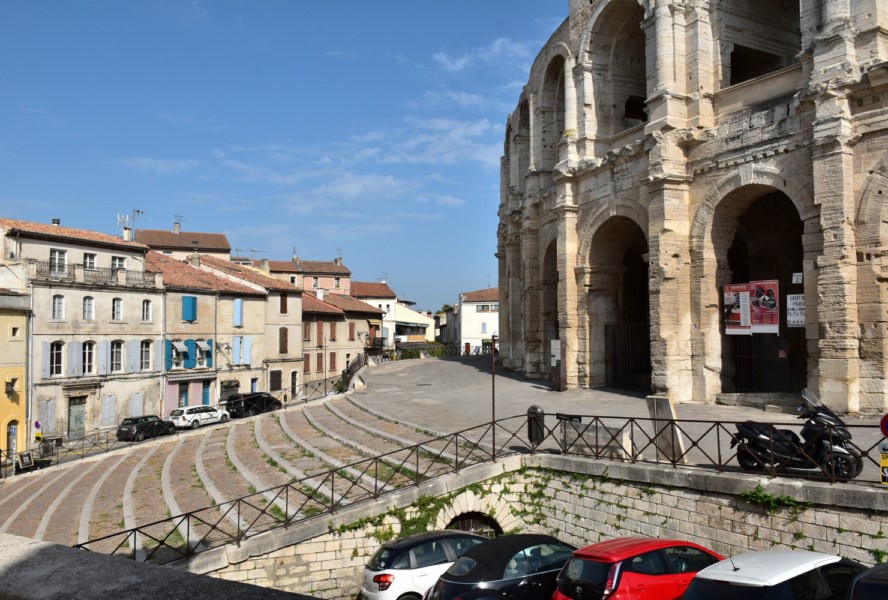
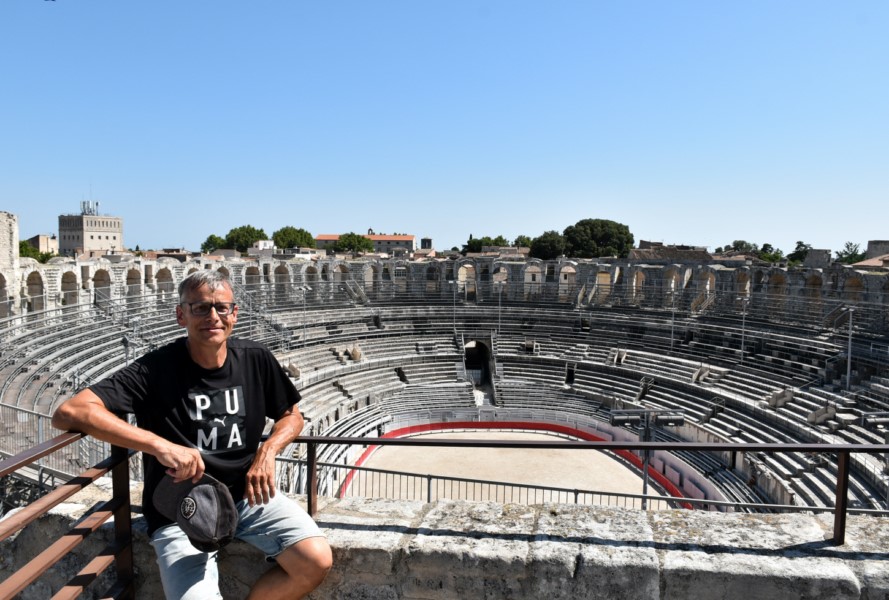
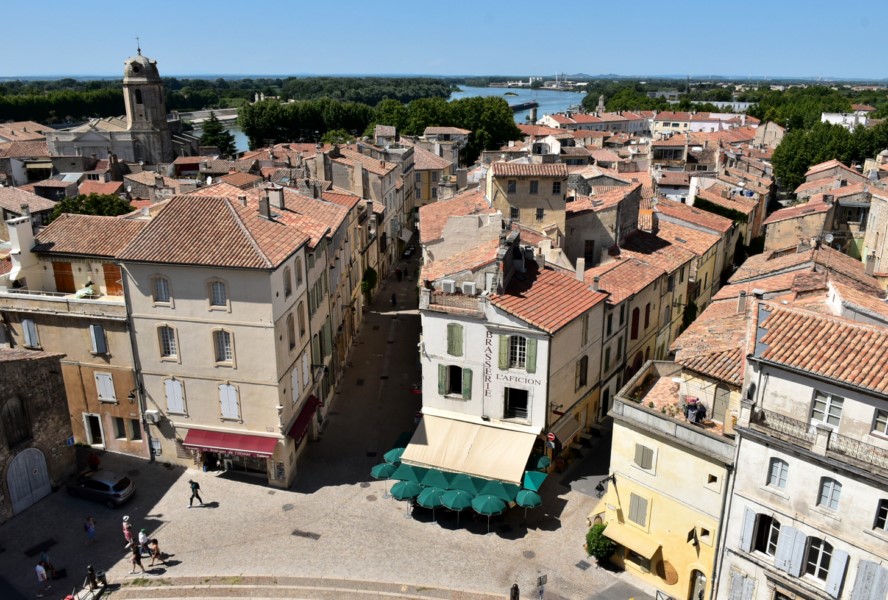
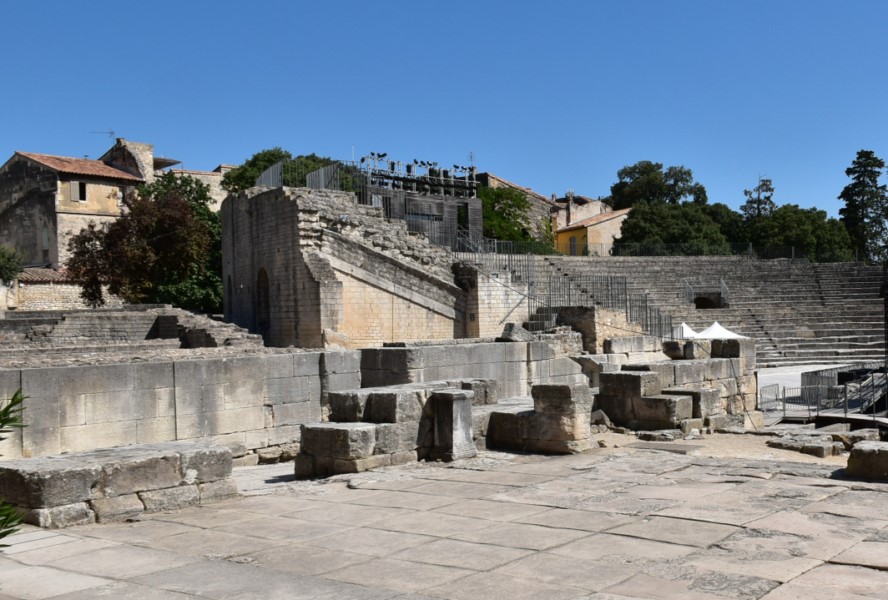
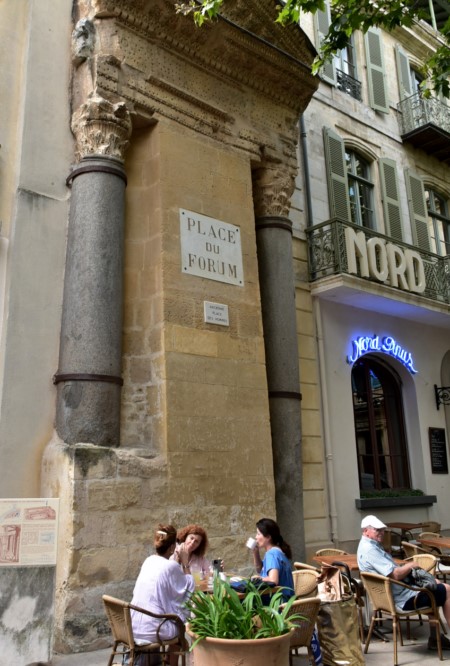
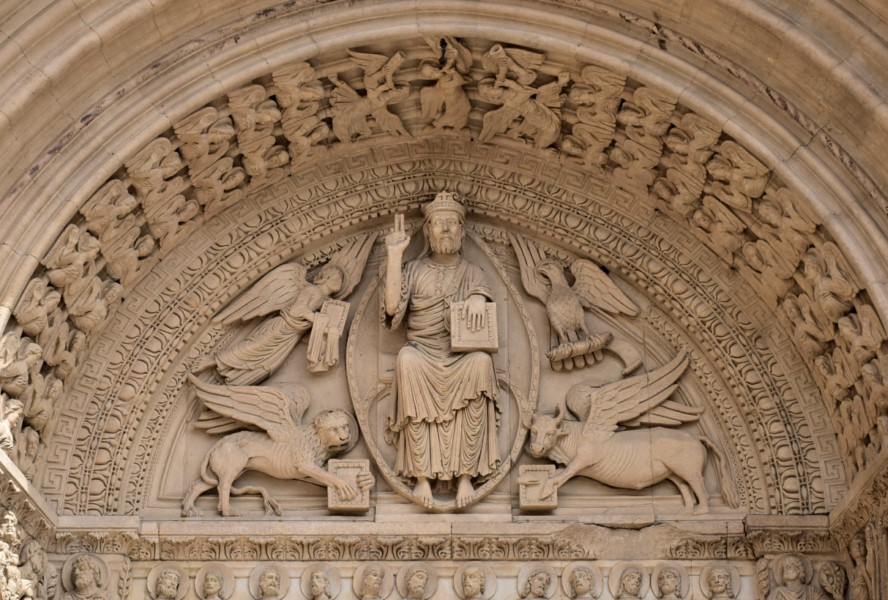
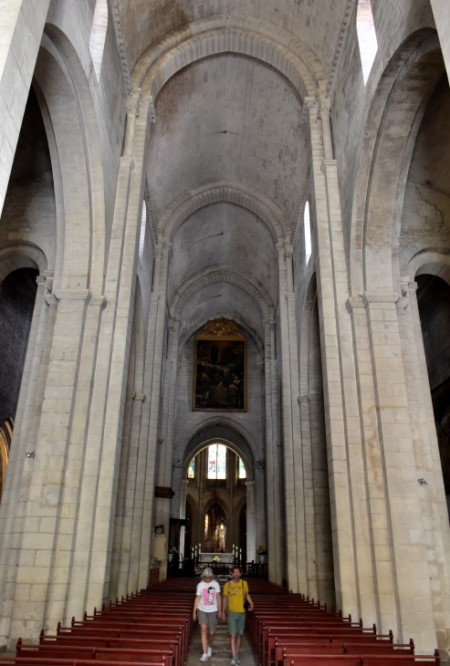
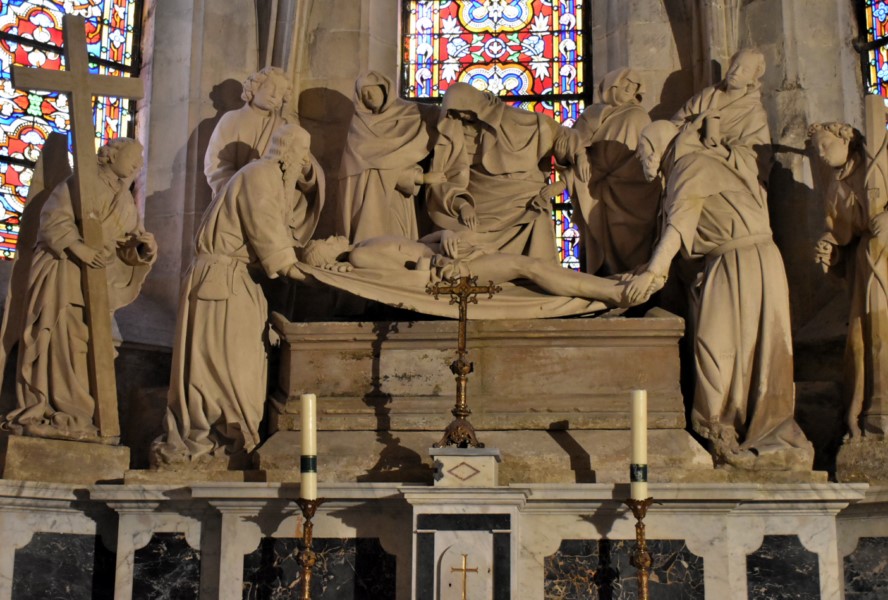
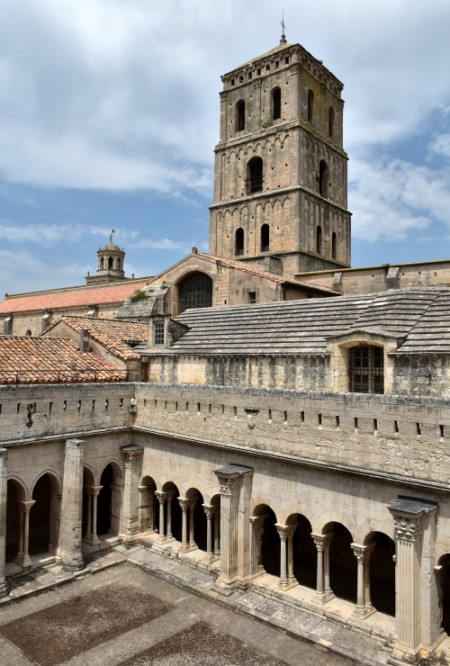
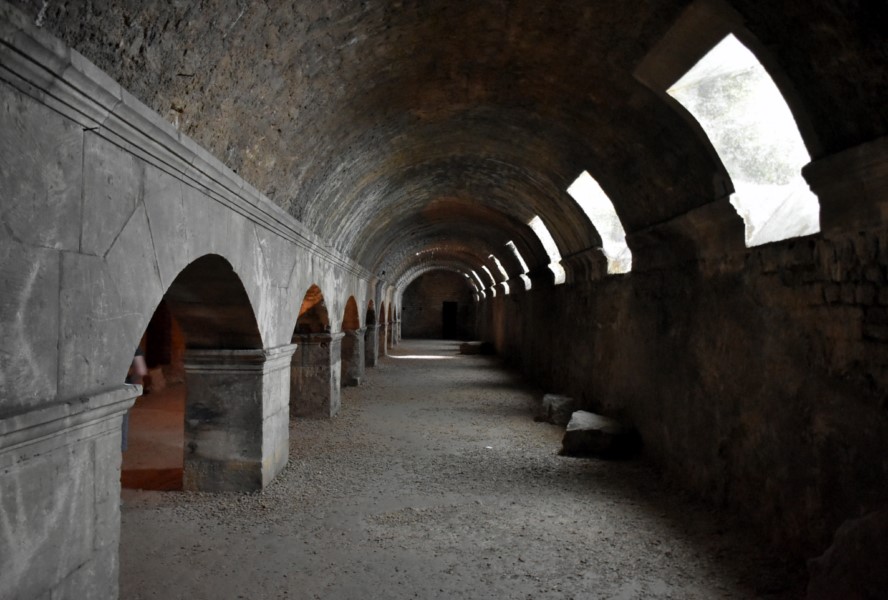
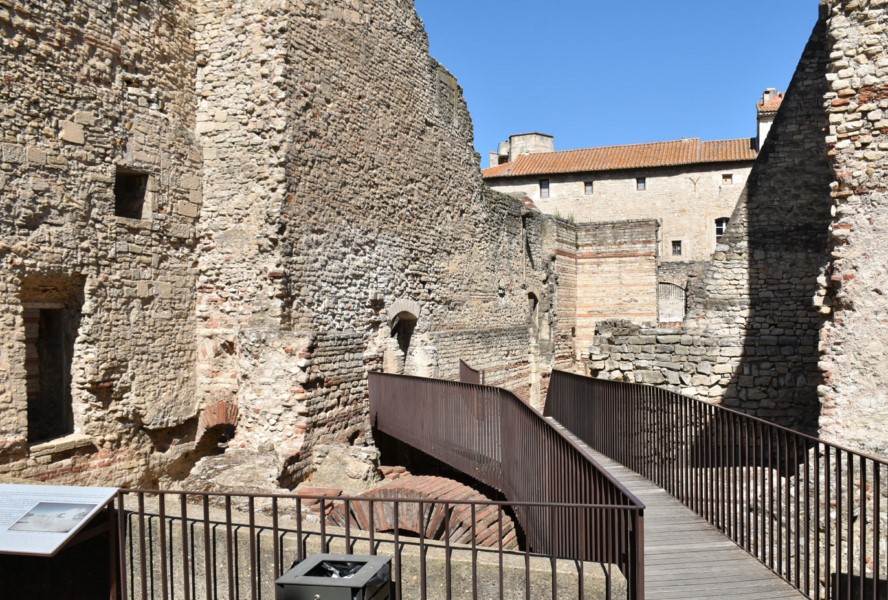
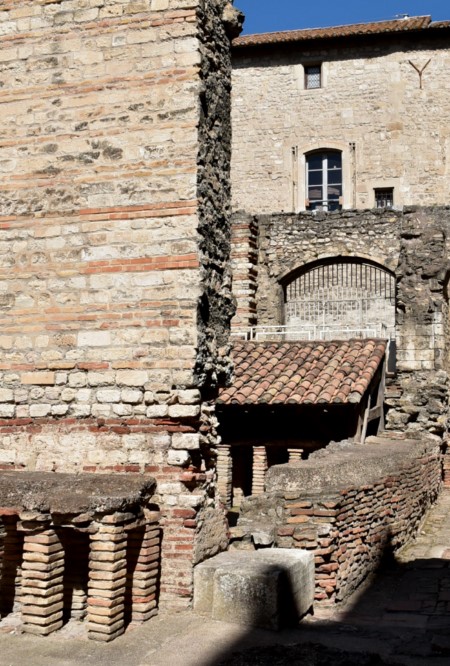
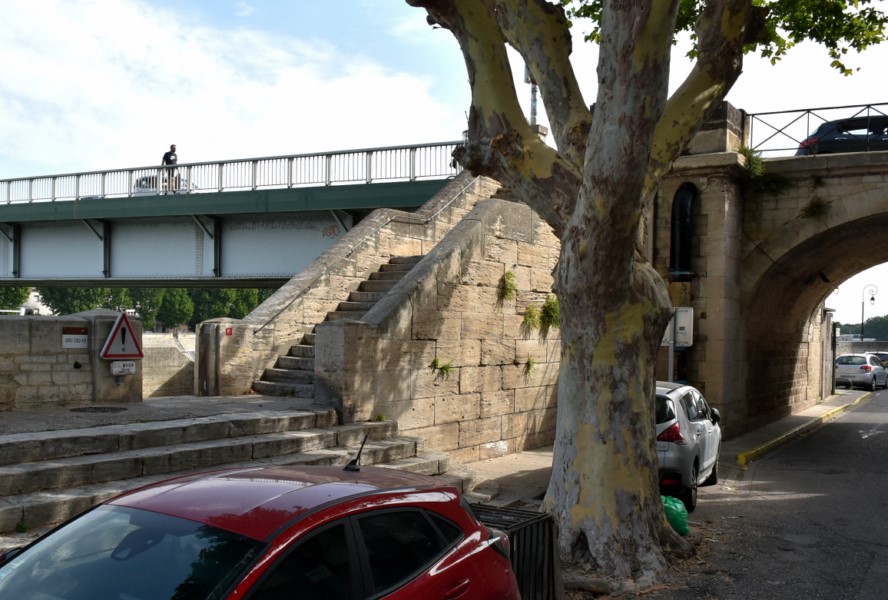
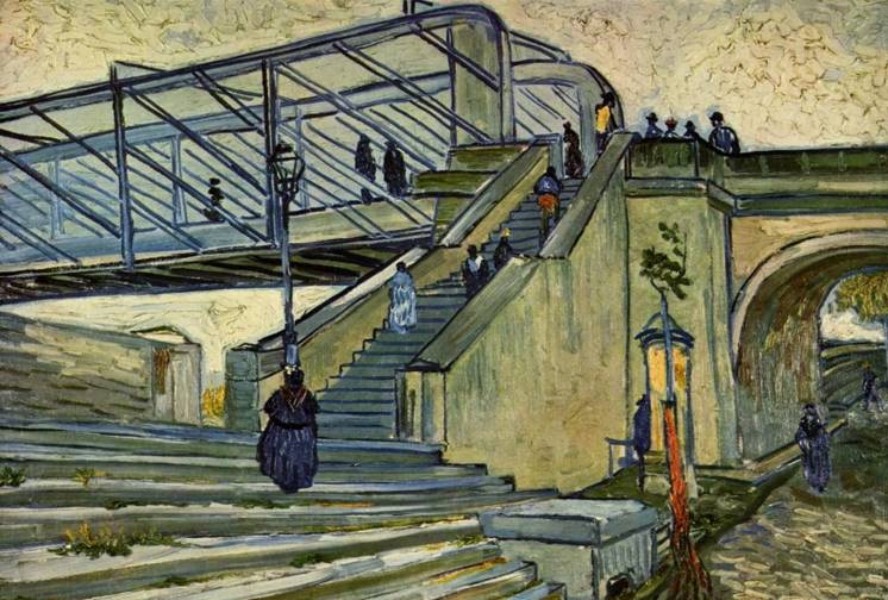
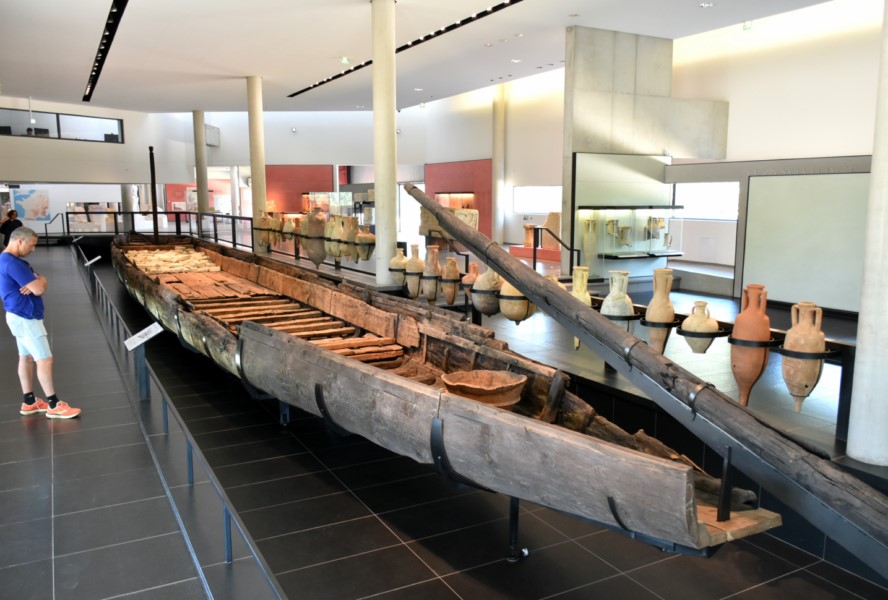
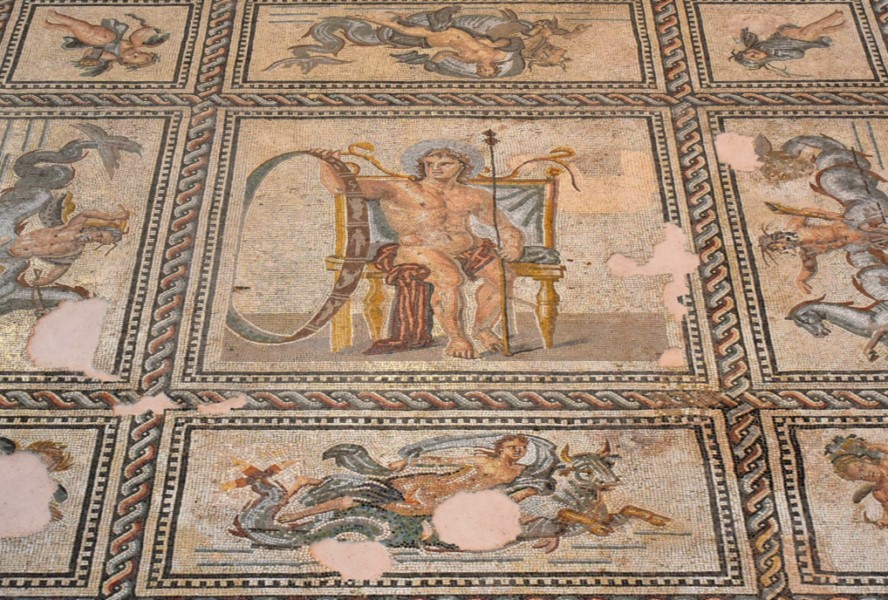
Roman Amphitheater from the 1st century AD Main entrance Arches and columns of the arena seen from the outside Passageway leading to the arena The arena in all its glory Gladiator fights show, with a referee in the center Clash There can be only one winner Arches of the arena seen from the inside Souvenir photo Vaults of the uppermost arcades View of the city, with the Rhône River in the background Invitation Remnants of the ancient theater Place du Forum, remnants of a Roman temple Café Van Gogh, contemporary view Vincent Van Gogh, 'Café Terrace at Night' at the Place du Forum in Arles A moment of relaxation A cup of black coffee Jean Jaurès street, with the city hall building in the background Republic Square, 17th-century city hall Ubiquitous Vincent Romanesque Church of Saint-Trophime Fragment of the portal, Saints Bartholomew, James the Great, Trophimus, John the Evangelist and Peter Daniel in the lions' den Tarasque, a monster from Provencal folklore devouring a man Tympanum, Christ in Majesty in a tetramorph Nave Holy Sepulchre Chapel, scene depicting The Entombment of Christ Saint-Genès Chapel, sarcophagus depicting the Crossing of the Red Sea Stained glass window featuring the Virgin Mary and St. Trophimus Cloisters of Saint-Trophime Capital Gothic gallery from the 14th century North-west pillar, with St. Trophimus in the center Bas-relief depicting the kiss of Judas Saint-Trophime cloister, belfry in the background Gallery above the cloisters Free-will offering Courtyard of the Arles hospital, contemporary view Vincent van Gogh, 'The Hospital Medical Ward in Arles' Figure on the corner of a house Cryptoporticus, underground storage vaults from the 1st century BC Cryptoporticus, underground storage vaults from the 1st century BC Figure on the corner of a house 16th-century Grand Priory of the Order of Malta Gargoyle Gargoyle Baths of Constantine from the 4th century Baths of Constantine, remnants of the tepidarium Baths of Constantine, fragment of the hypocaust Trinquetaille Bridge, contemporary view Vincent van Gogh, 'The Trinquetaille Bridge' The Kiss Rhône River, with abutments of the Lions' Bridge bombed in 1944 on both sides Museum of Antiquities, Roman river barge Museum of Antiquities, scale model of the amphitheater Museum of Antiquities, mosaic depicting Aion, the god of time, turning the celestial sphere decorated with signs of the zodiac Langlois Bridge, contemporary view Vincent van Gogh, 'The Langlois Bridge at Arles'

My expectations before visiting Arles were very high and I must admit that I was not disappointed. It is here that some of the best works of the Dutch painter, Vincent van Gogh, were created. Following the footsteps of the places where he painted his paintings was real fun. I also visited the Unesco listed cathedral of St. Trofim and the roman amphitheatre, where the final scene of the cult film "Ronin" with Robert de Niro in the main role took place.


Saintes Maries de la Mer


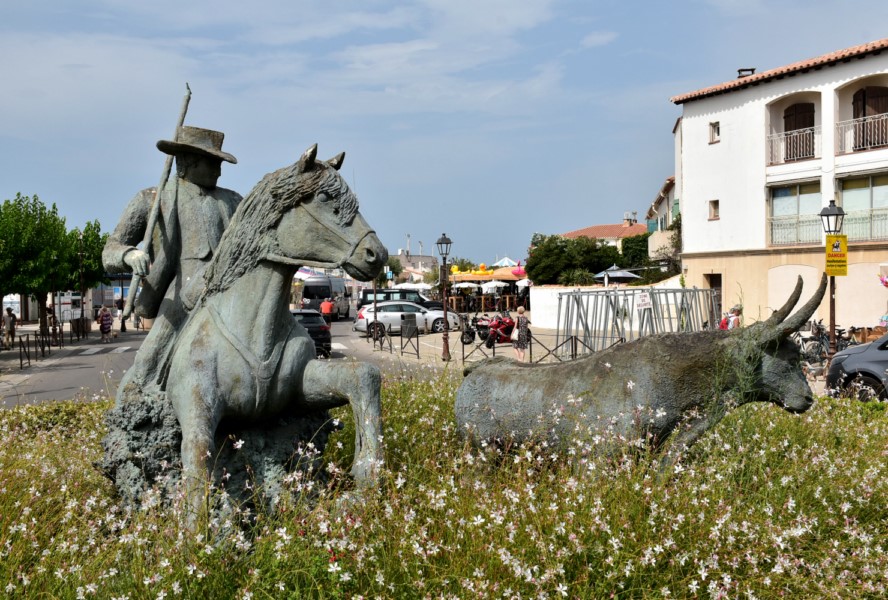
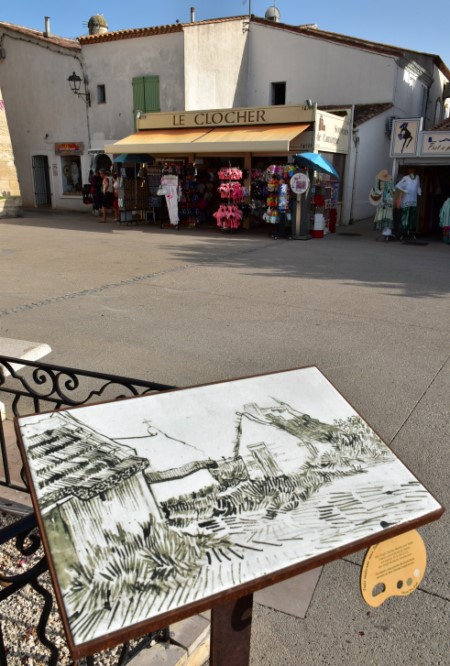
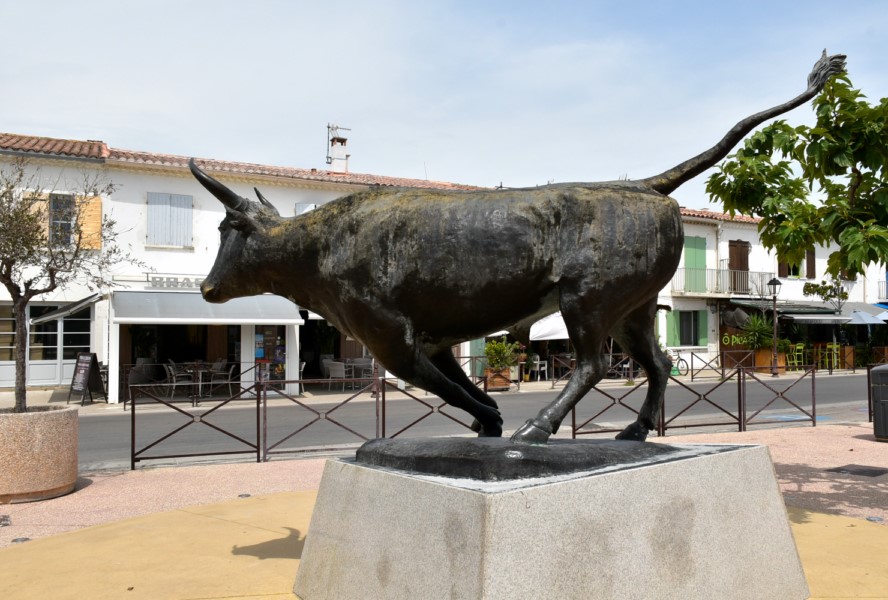
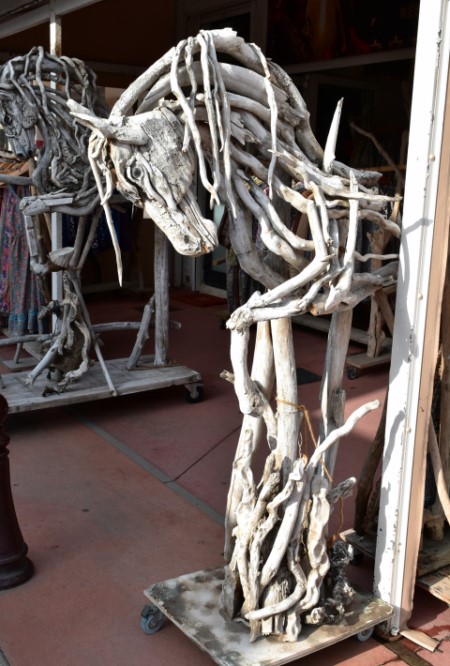
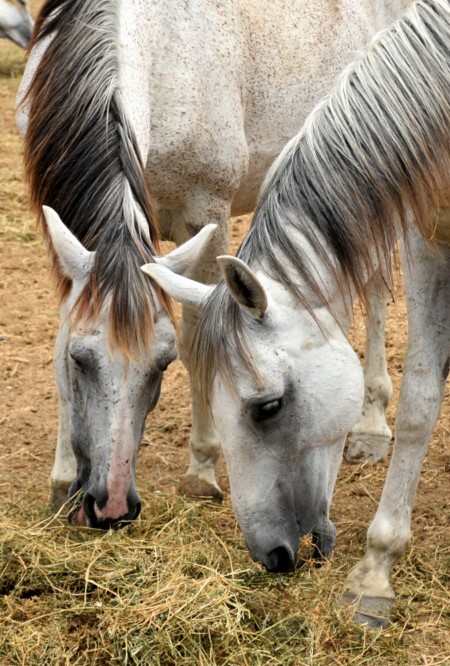
Town center, stone sculpture of Crin-Blanc Spanish traditions Houses in Saintes-Maries, drawing by Van Gogh from 1888 Cubist flamingo Souvenir photo Danger, course camarguaise bullfights and equestrian events Bulls rule here Original sculpture made of roots Ubiquitous Saint Sarah Fortified Church of Notre-Dame-de-la-Mer from the 12th century Machicolations of the donjon Capital Nave St. Mary Salome and St. Mary Jacobe in a boat Crypt of Saint Sarah Seaside promenade View of the Sea at Saintes-Maries, painting by Van Gogh from 1888 Fishing Boats in Saintes-Maries, painting by Van Gogh from 1888 Petit Rhône River Alluvium Marshes Breeding horses for arena performances A bite to eat Nothing like a sand bath

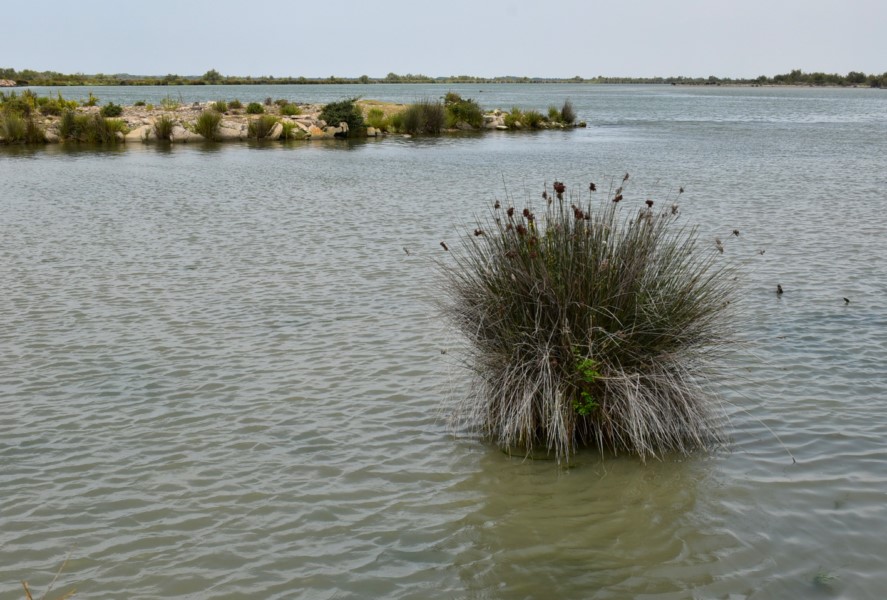
I came to Saintes Maries by accident. Once there, it turned out that the small town with a long name had many interesting monuments, interesting traditions and picturesque surroundings to offer. I really wanted to see a bullfighting show (feria) at the local arena, but it was not possible on the day of my stay. To wipe away my tears, I went on a walking tour through the alluvial areas of the Little Rhône, admiring salt lakes, marshes and lagoons.


Aix en Provance


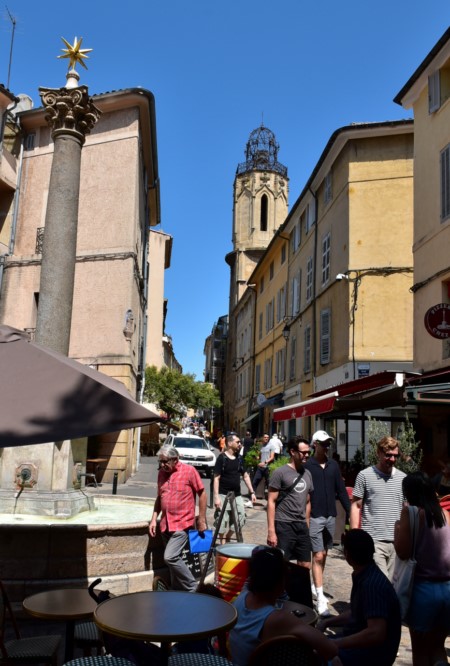
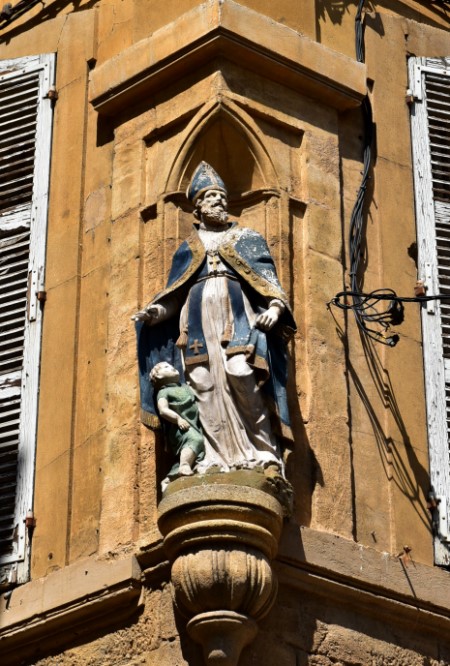
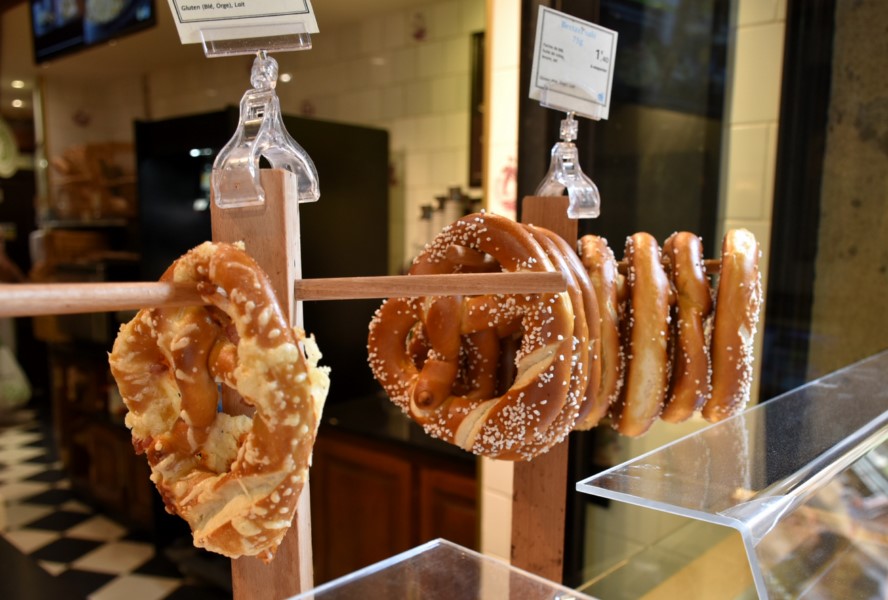
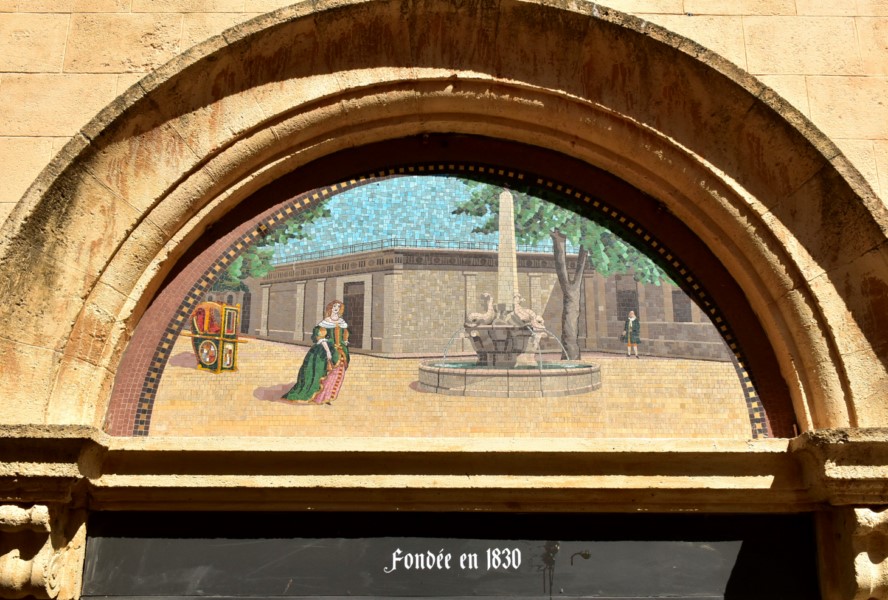
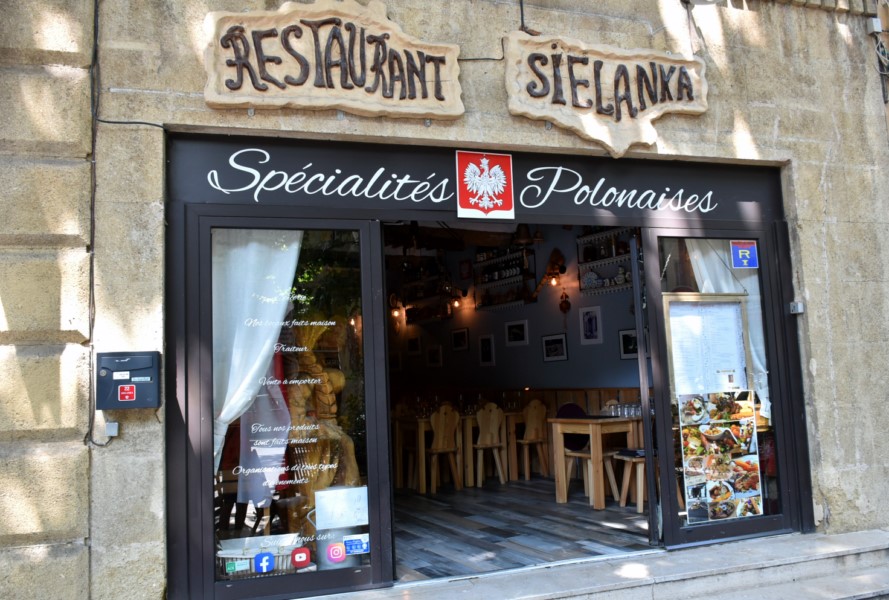
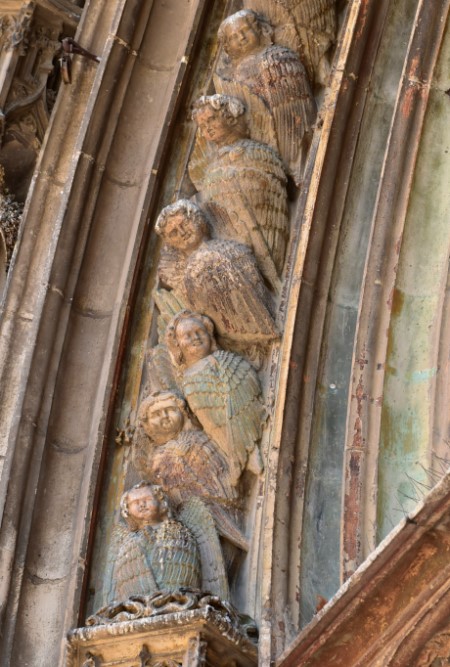
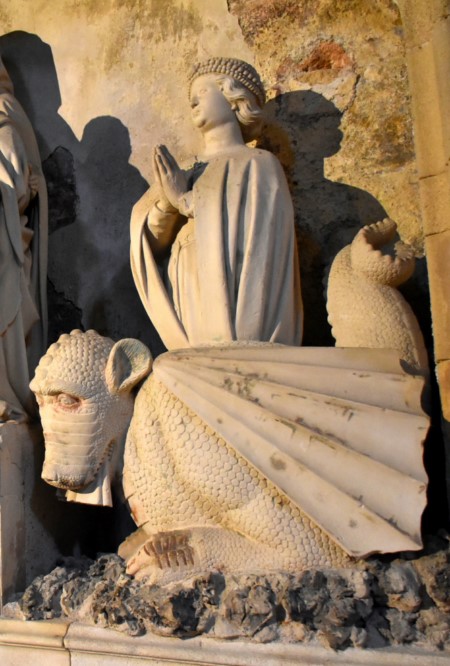
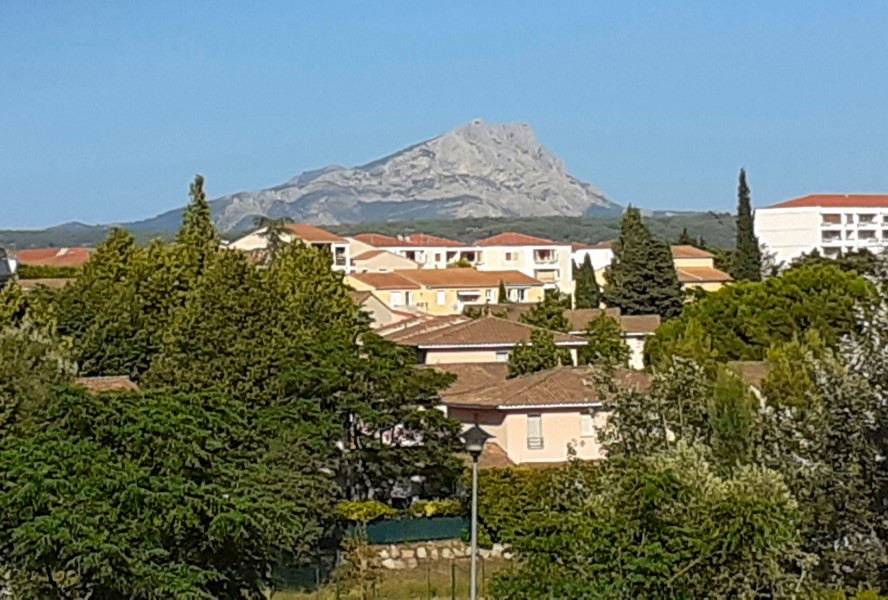
Monument to Paul Cezanne, who was born in Aix La Rotonde Fountain from 1860 La Rotonde Fountain, a child riding a swan Augustins Square Corner figure Cours Mirabeau, the main city artery laid out in the 17th century Atlantes guarding the entrance to the Hôtel d'Espagnet from the mid-17th century Place des Quatre-Dauphins and the fountain from 1667 Corner figure The obwarzanki (traditional Polish braided bread) reminded me of Krakow Good King Rene, and the singer was also alone Lantern Picturesque alley Mosaic depicting a period genre scene at the Place des Quatre-Dauphins Church of Saint-Jean-de-Malte from the 13th century Musée Granet, sculpture gallery 'The Three Musketeers' Fountain Sielanka (Idyll) restaurant, a Polish accent in Aix La Tourreluque, a 14th-century watchtower Monumental Cathedral of the Holy Saviour Fragment of the Gothic portal, a row of cherubs Romanesque nave, interior of the 5th-century baptistery Gothic nave St. Martin sharing his cloak with a beggar 'The Burning Bush', fragment of the triptych by Nicolas Froment (15th century) St. Margaret and the dragon, fragment of the Aygosi Altarpiece from 1470 Great Baroque organ Suburban street Paul Cezanne's atelier Buildings of Aix and Mont Sainte-Victoire Mont Sainte-Victoire, painting by Paul Cezanne from 1892-1895

Paul Cézanne, a french post-impressionist painter, whose work is a bridge between impressionism and cubism, was born, lived and worked in Aix en Provance. I had the pleasure of seeing the master's atelier and admiring his paintings in the Granet museum. However, what impressed me the most was the St. Savior cathedral, built on the ruins of a roman temple. The monumental building houses naves built in different periods - romanesque, gothic and baroque.


Marseille


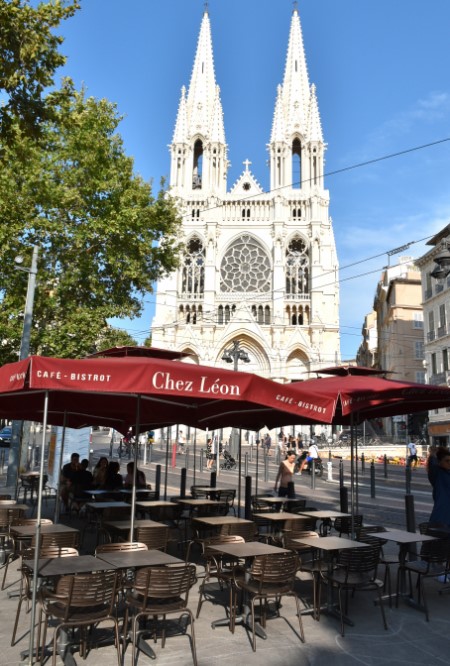
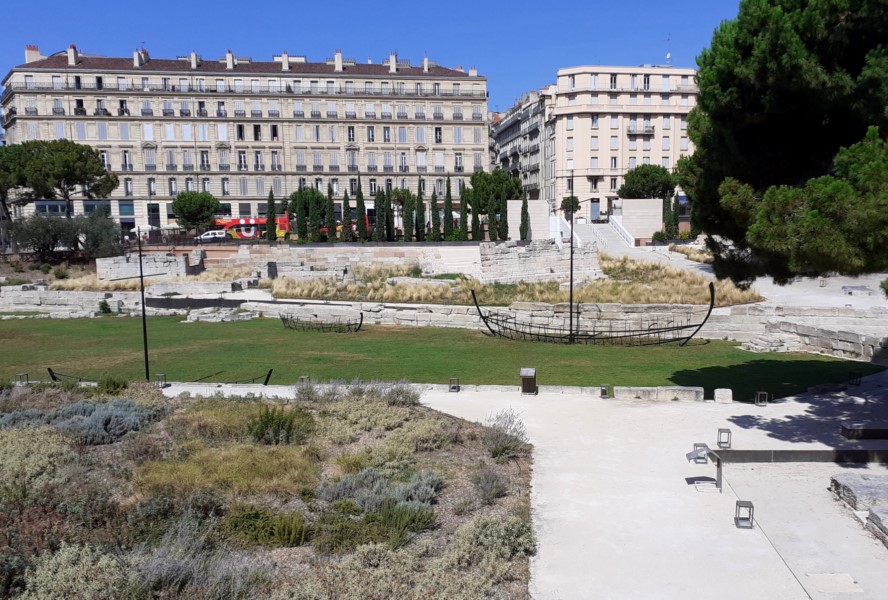
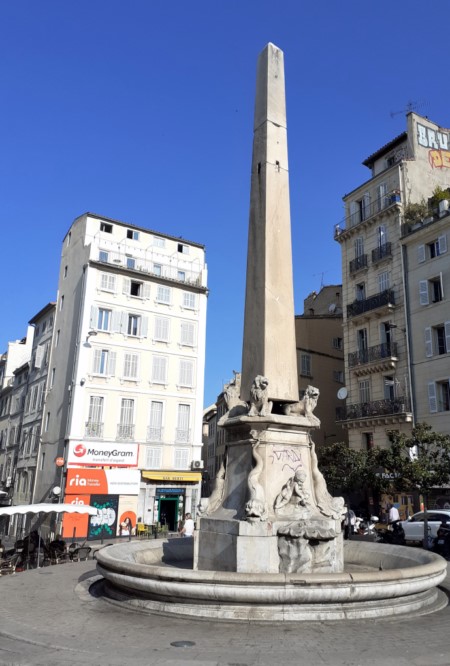
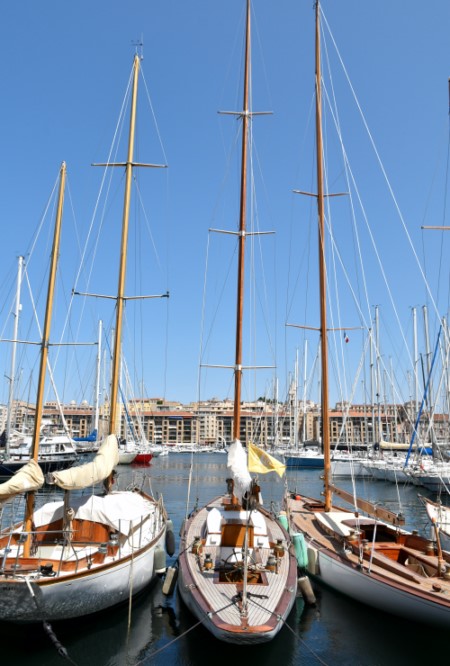
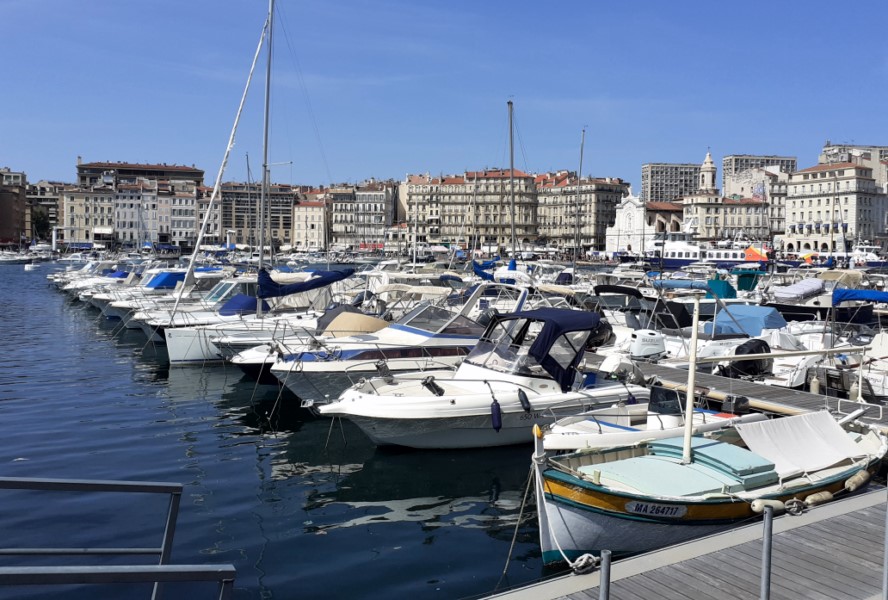
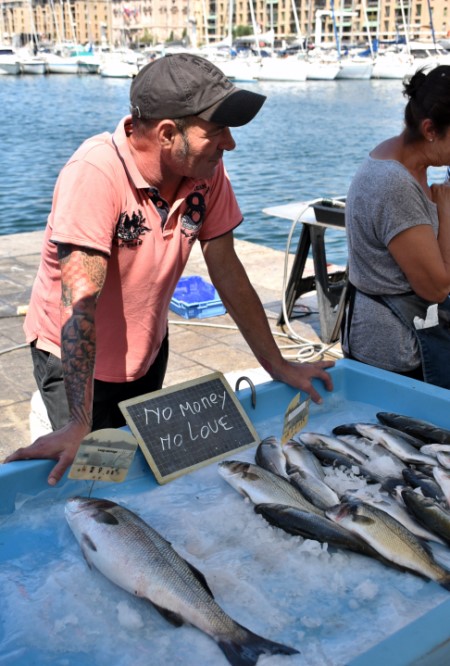
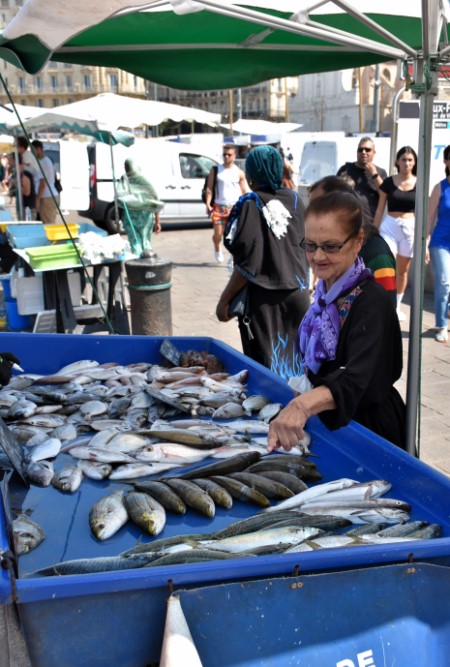
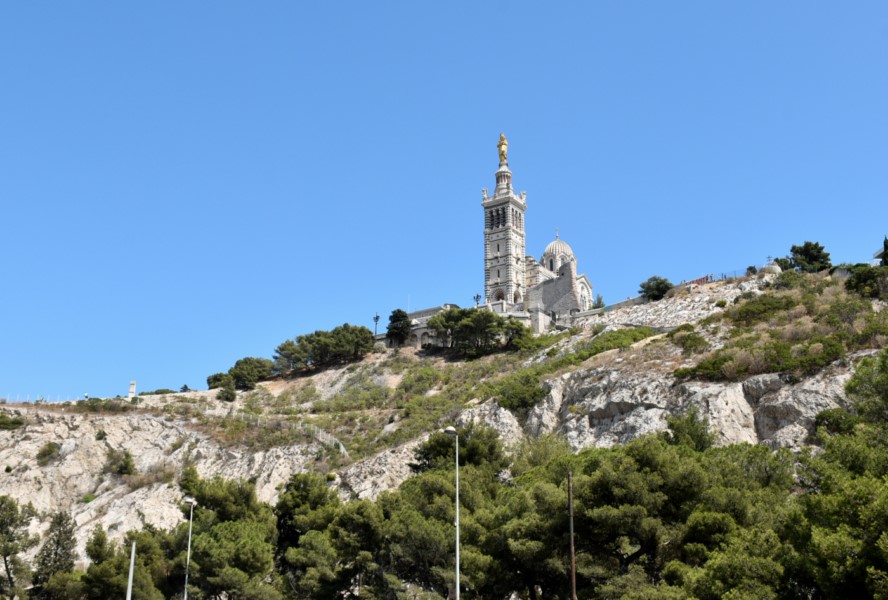
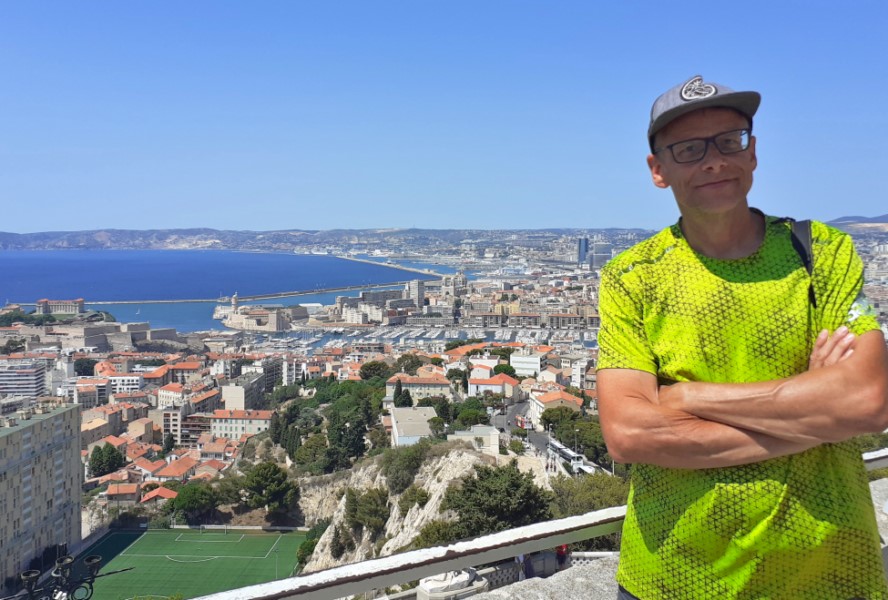
Stairs leading to the Marseille-Saint-Charles railway station 19th-century Church of Saint-Vincent-de-Paul Remnants of Roman harbor structures Fossati Fountain La Samaritaine, a 19th-century former brewery building Church of Saint-Ferréol from the 15th/16th century Marina Marina Marina Fishing harbor, no money no love Fishing harbor Fishing harbor Fort Saint-Jean erected in the 13th century by the Knights Hospitaller Catalans Beach Fort Saint-Nicolas erected in the 13th century by the Knights Hospitaller Old Port 12th-century Romanesque Abbey of Saint-Victor Chapel of the Blessed Sacrament, 11th-century Our Lady of Wisdom sculpture Neobyzantine Notre-Dame de la Garde Basilica Steep climb Courtyard, it is always very busy here City panorama The 10-meter statue of the Virgin Mary at the top of the belfry High altar Apse, mosaic depicting birds and a ship on a rough sea

My stay in Marseille did not leave me with pleasant memories. Shortly after arrival, at the Saint-Charles train station, I lost my batteries and camera charger. This unfortunate event made me very depressed. The bitterness was added to the news that on that day there were no ships to the island of If, popularized in the novel `The Count of Monte Cristo`. My well-being improved only after a visit to the Catalan beach, where I relaxed and bathed in the sea and sun.


St. Tropez and surroundings


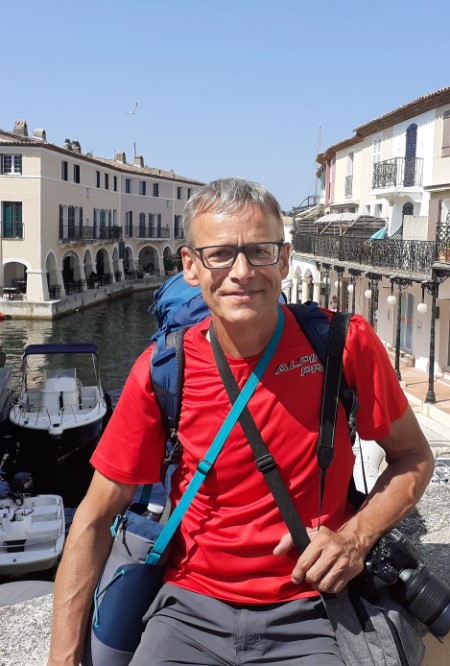
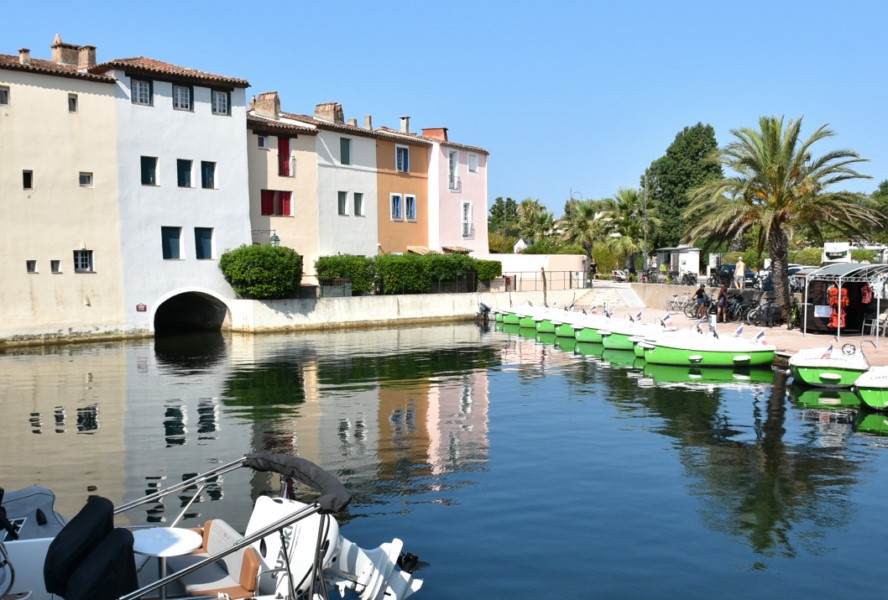
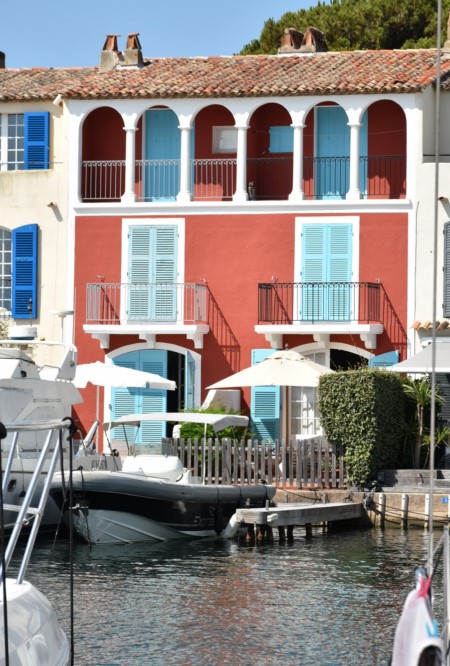
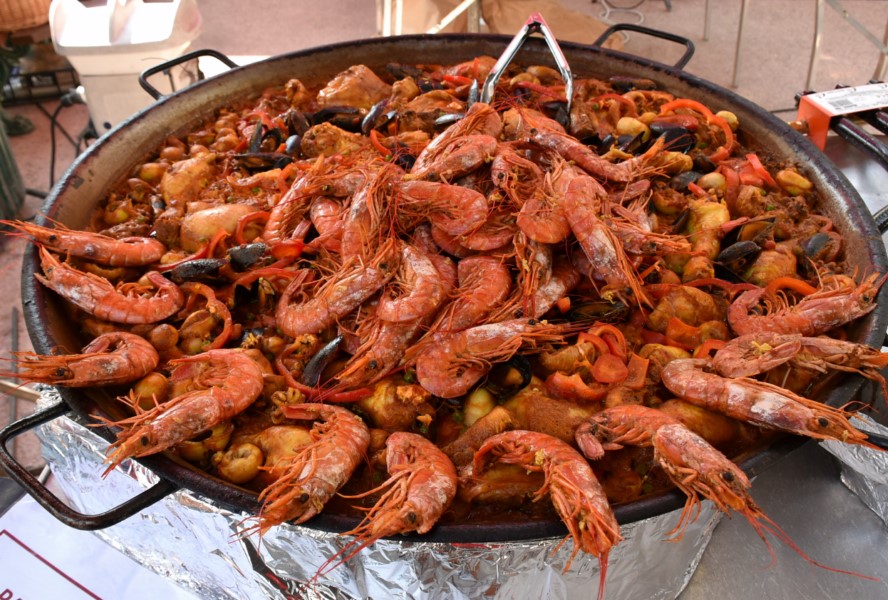
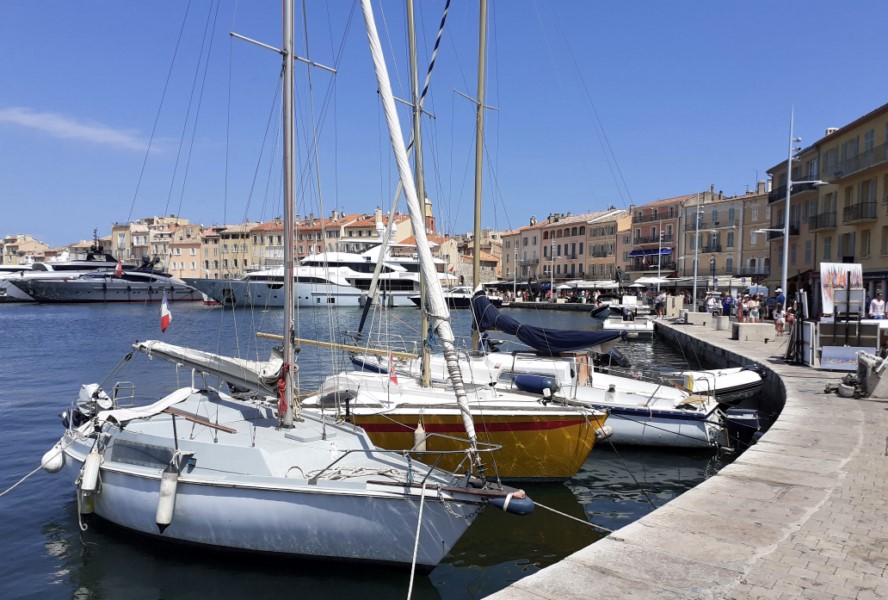
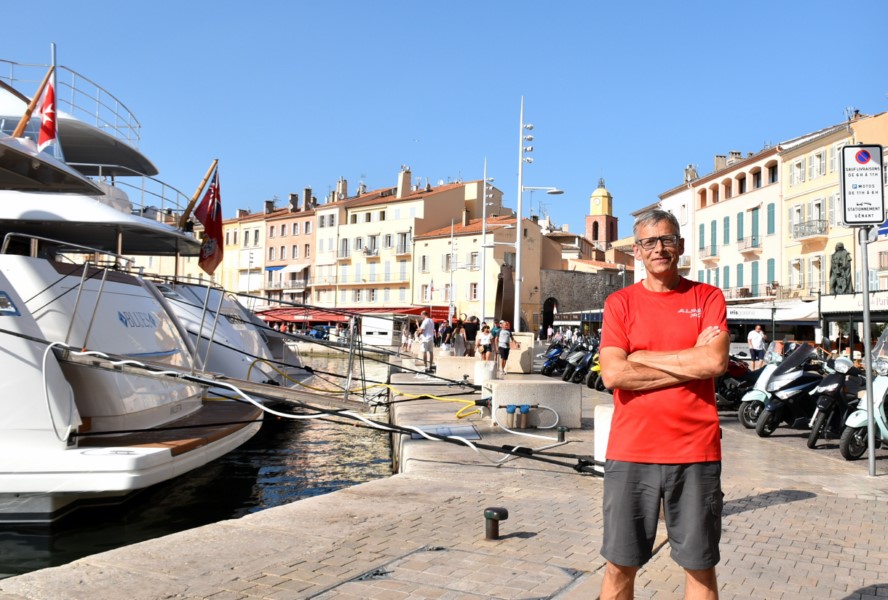
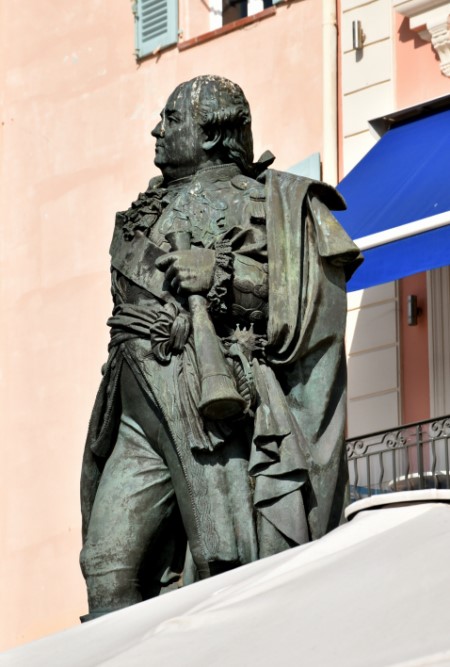
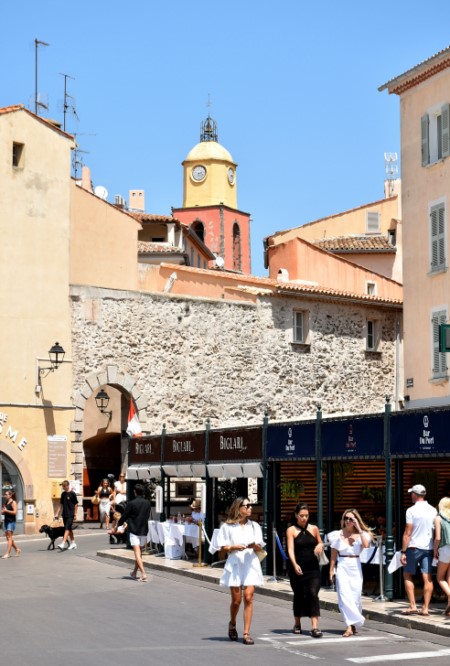
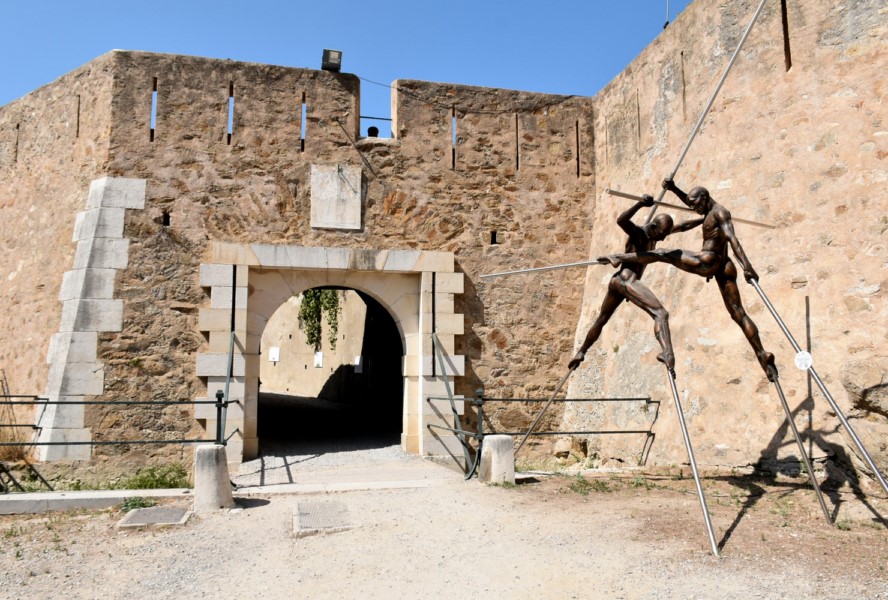
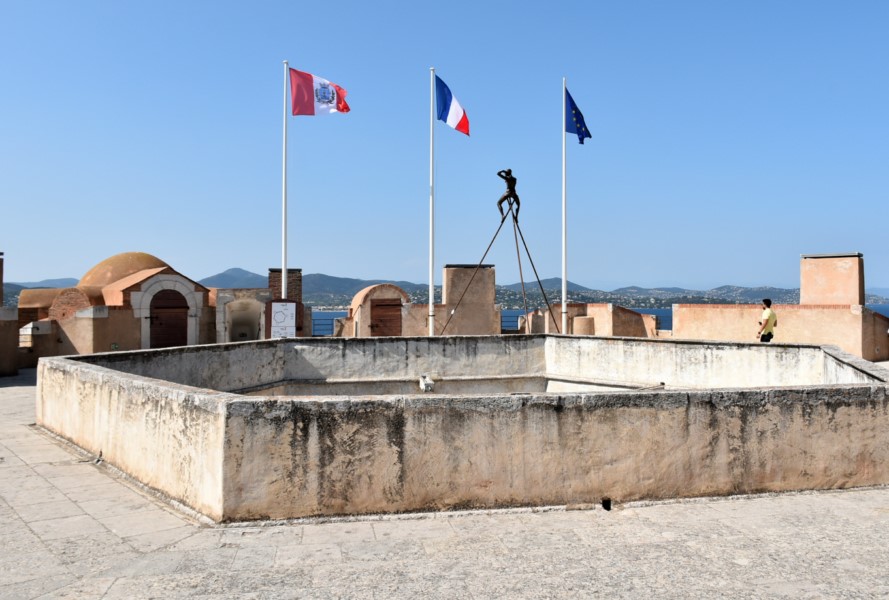
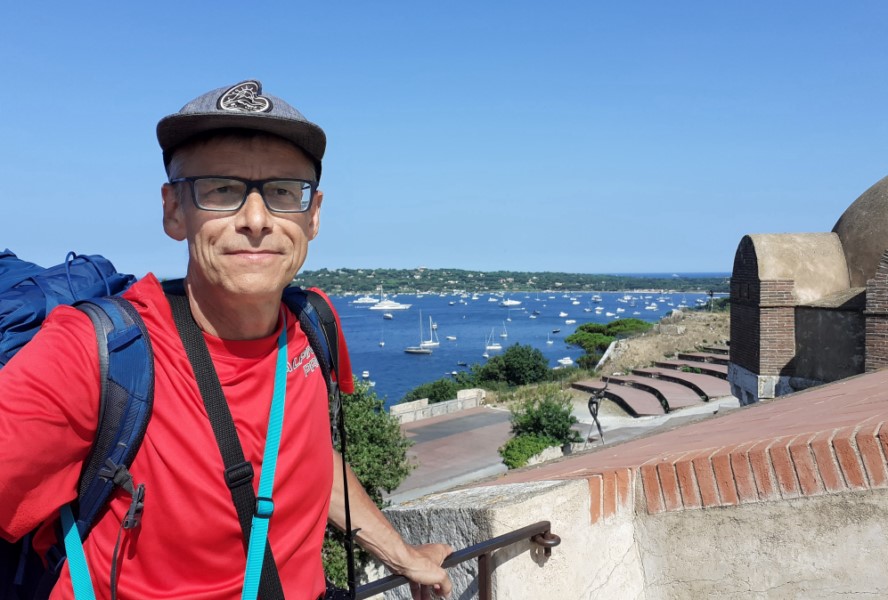
Port Grimaud Poterne Bridge Port Grimaud Port Grimaud Port Grimaud Local specialties Lavender, do not touch! Yum, yum, delicious Eco-friendly chimney French Riviera in the vicinity of Saint-Tropez Saint-Tropez, marina Works of a local artist Souvenir photo French admiral Bailli de Suffren Restaurants along the seaside promenade Portalet Tower from the 16th century Monument to the Allied landings in Provence on August 15, 1944 Glaye Beach Old town Picturesque street Awaiting guests City hall City park Peacock Boy, I am thirsty Peahen 16th/17th-century Citadel, with a sculpture by Nicolas Lavarenne on the right Fortress cannon Donjon of the citadel Observation platform Souvenir photo View of the Gulf of Saint-Tropez

I started my adventure in the picturesque town of Port Grimaud, called the Venice of Provence. Saint Tropez, located nearby, owes its international fame to the film industry. It was here that the film 'And God Created Woman' with Brigitte Bardot, a symbol of sex appeal of the 1950s and 1960s, was shot in 1956. From my childhood, I also remember the comedy The Troops of St. Tropez with the show-off role of Louis de Funes, and that's why I wanted to visit this place.


Cannes
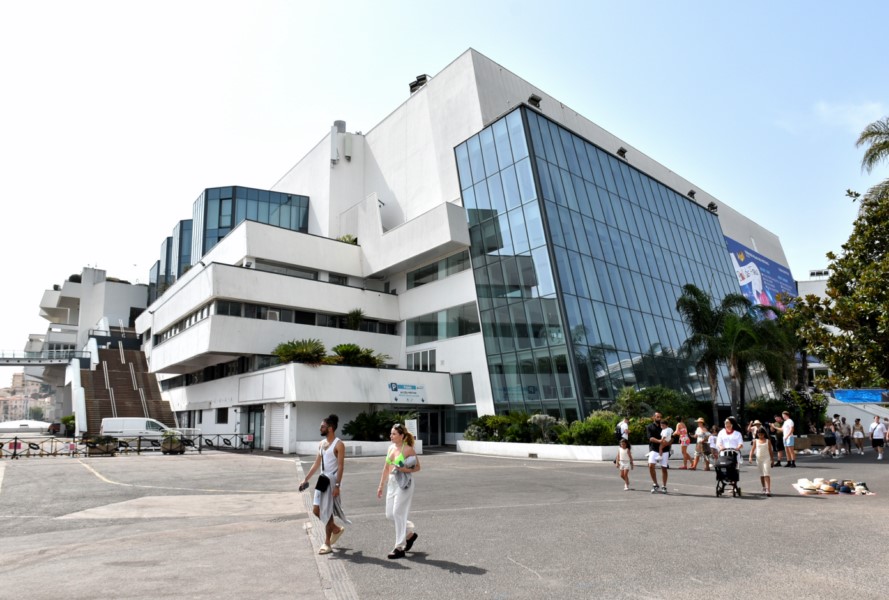

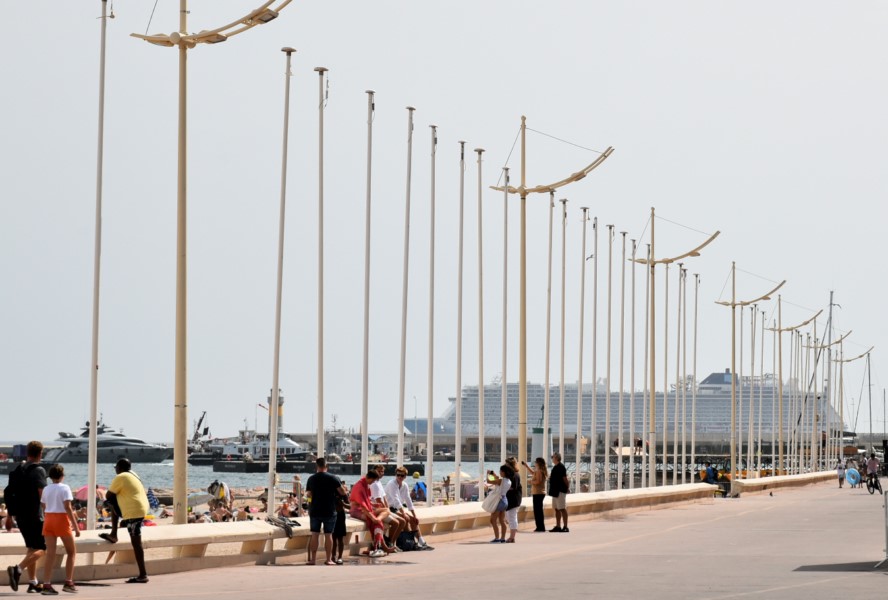
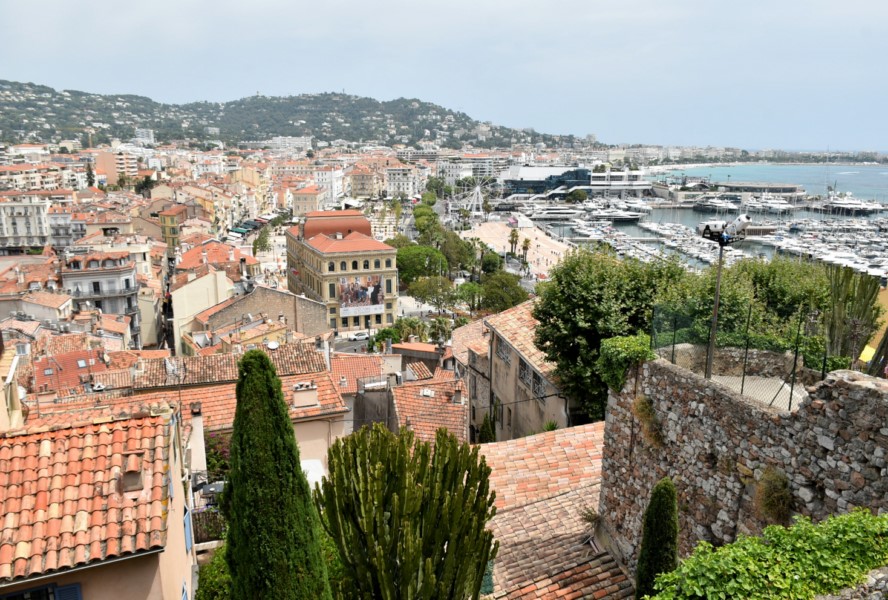
Palais des Festivals et des Congrès The famous red carpet stairs, unfortunately the actors are made of cardboard Walk of Fame, Sylvester Stallone Walk of Fame, Dennis Hopper Walk of Fame, Nicole Kidman Promenade Macé public beach Marina General de Gaulle Square Félix Faure street Hotel Splendid Esplanade Pantiero Advertising Church of Notre-Dame d'Espérance from the 16th century City panorama from Le Suquet hill

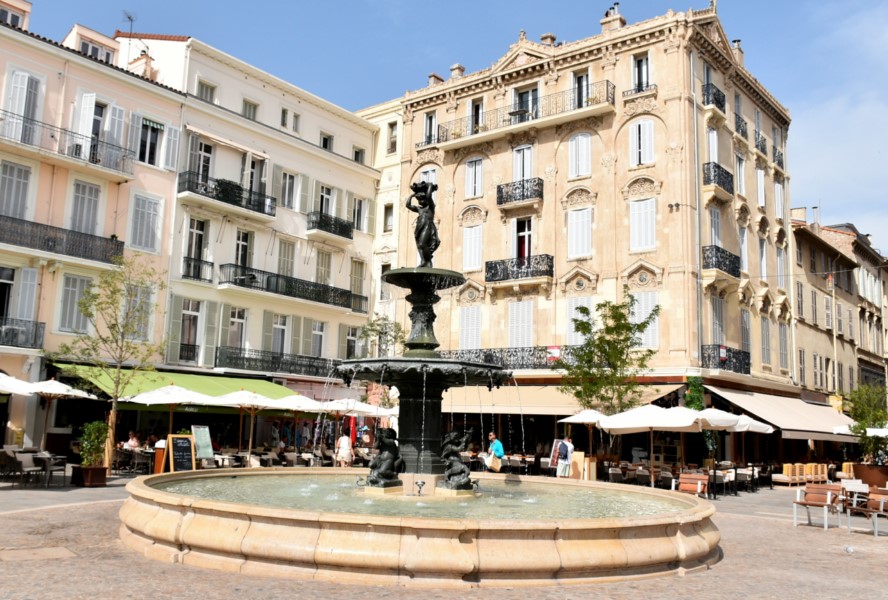
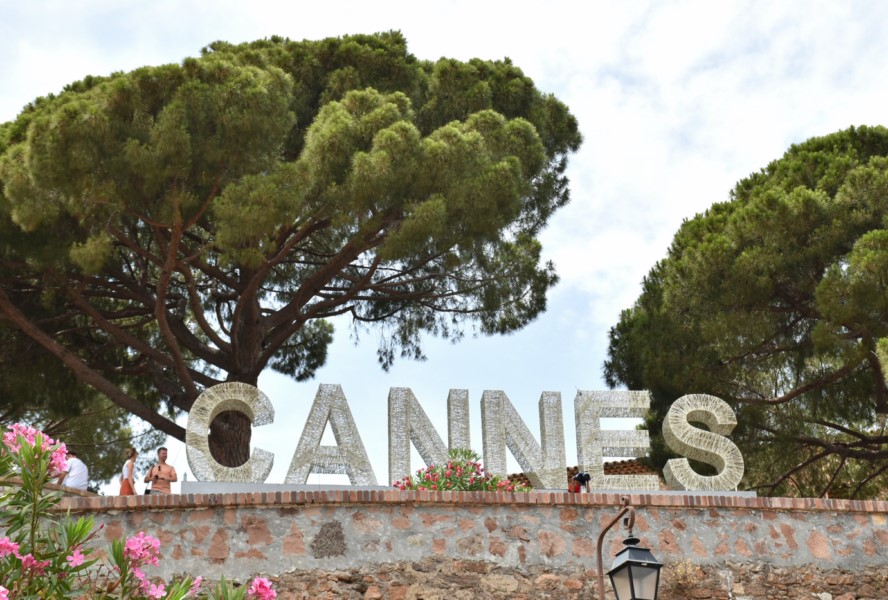
During the visit to Cannes the weather was not good. This is probably why this place, known to all cinema lovers, did not make much of an impression on me. In the off-season, Cannes is very similar to many other french cities on the French Riviera. During the day, I lazed a bit on the beach, wandered around the Esplenade Pantiero and old town, took a few photos, and in the late afternoon I continued my journey without any regrets.


Nicea


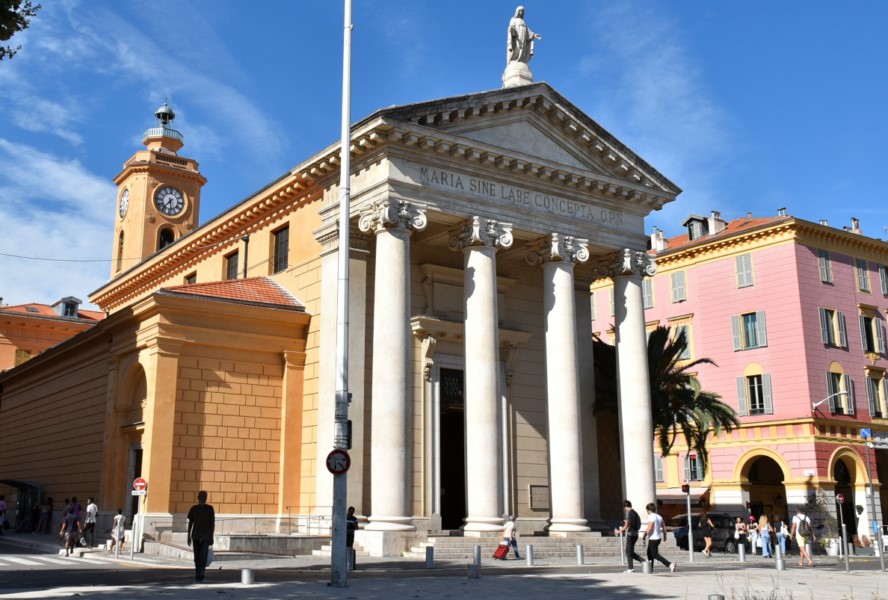
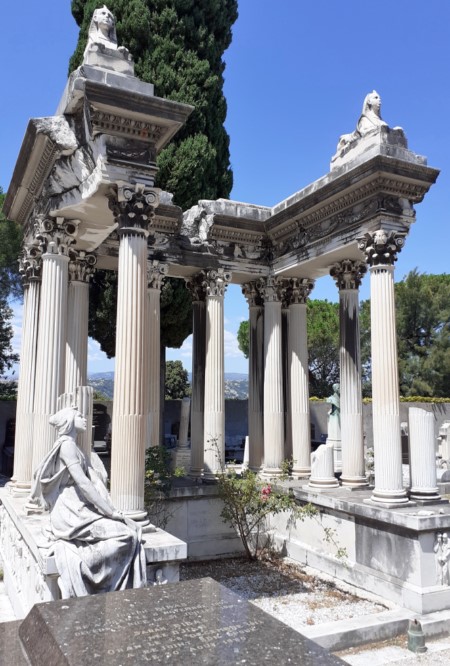
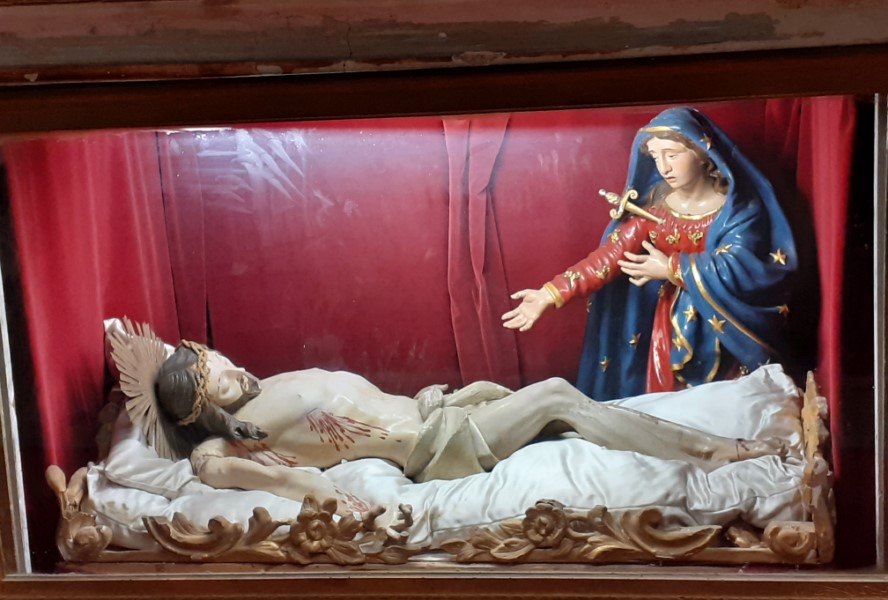
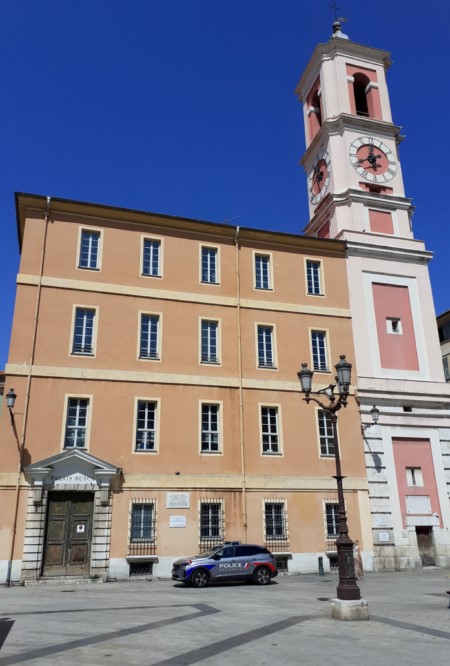
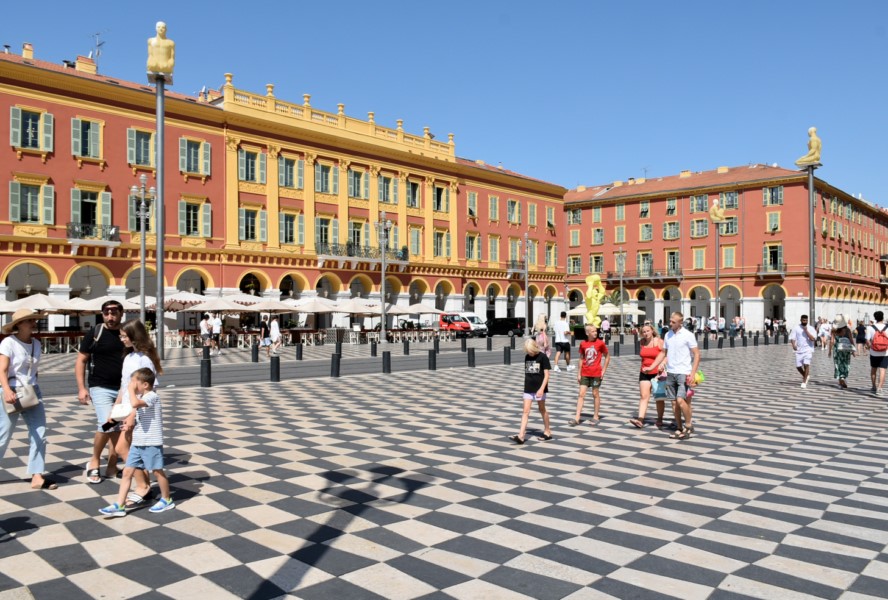
Port Lympia Church of Notre-Dame du Port from the mid-19th century Seaside promenade Richard Orlinski, 'King Kong' Contemplation Castel Beach Mini tsunami Richard Orlinski, 'Polar Bear' Castle Cemetery from the 18th century A moment of reflection Park on Castle Hill City panorama Old town Picturesque alley Queue for the famous local socca pancake Seafood 17th-century Church of the Annunciation, also known as St. Rita Window shutters In vino veritas Alcohol clearly harms Church of St. James the Great from the early 17th century St. Joseph's Chapel, Pieta sculpture Picturesque street Soaps Place du Palais, 15th-century belfry and Palais Rusca Place du Palais, 'Olive Tree' sculpture by Laurent Bosio Basilica of Notre-Dame de Nice Place Masséna Fountain of the Sun Fountain of the Sun, Mercury on a horse

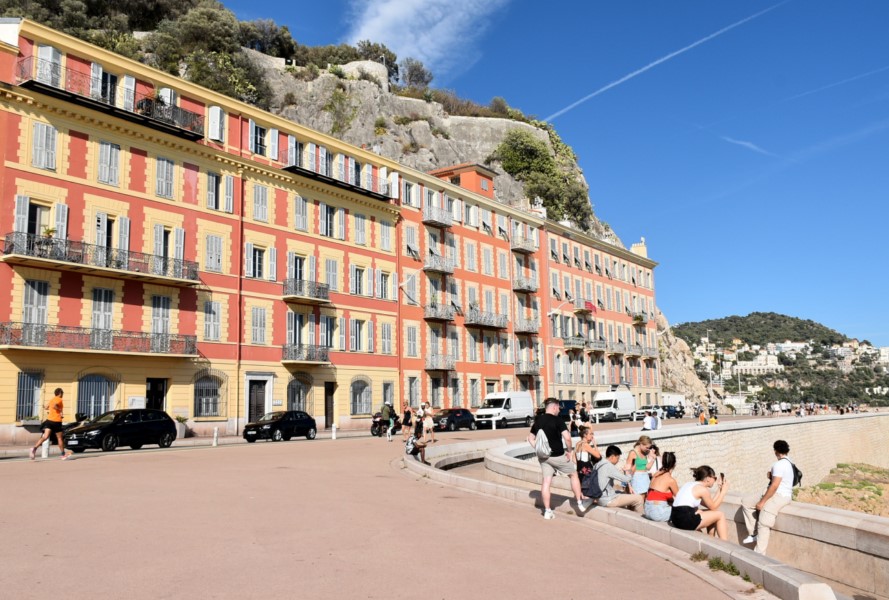
Nice, the unofficial capital of the French Riviera, absolutely enchanted me. What I liked most was wandering around the narrow and winding streets of the old town, which have not changed much since the 18th century. Equally pleasant was a visit to the vibrant Jean Medecin district, full of elegant boutiques and fashionable bistros and restaurants, part of it at Place Massena looked absolutely amazing in the afternoon sun. I would love to come back here again someday.


MONACO

Monaco


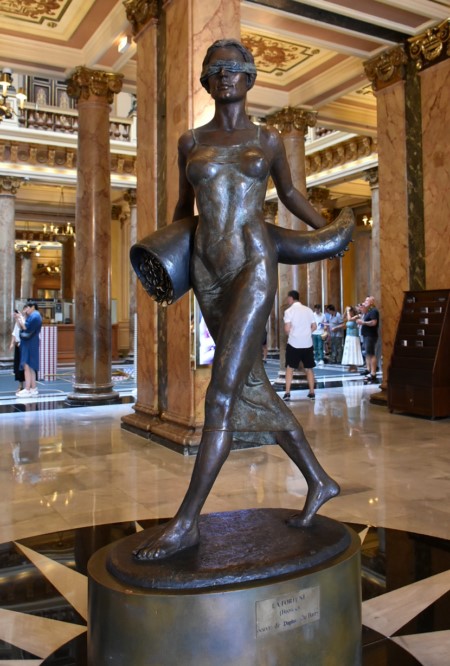
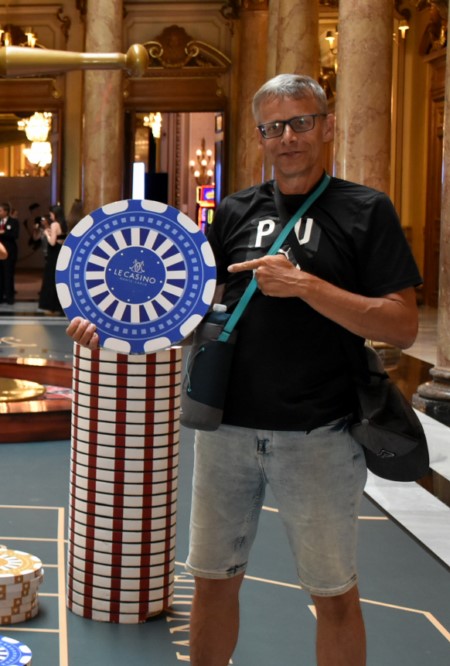
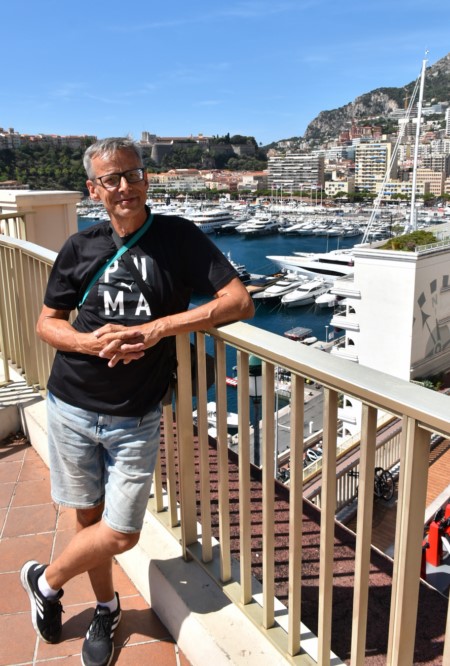
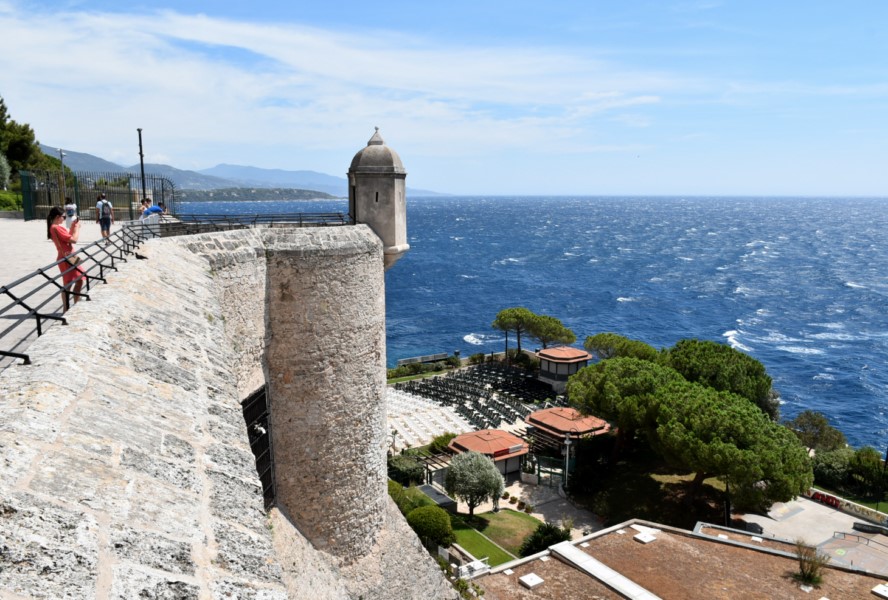
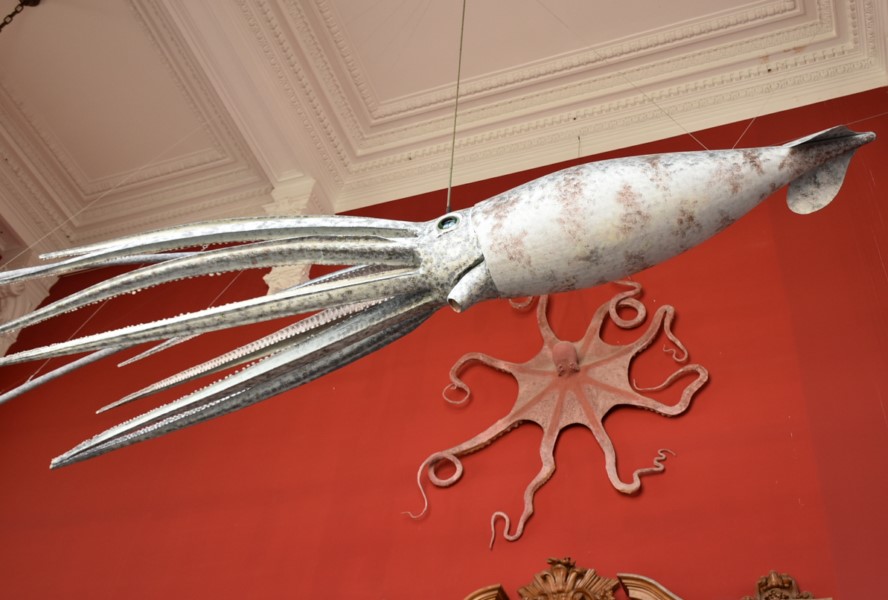
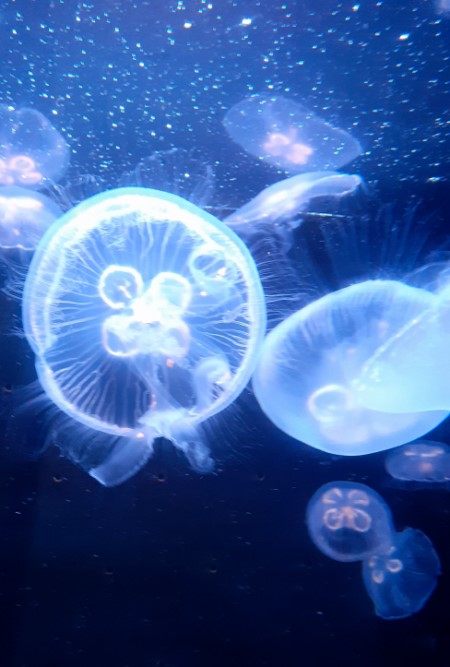
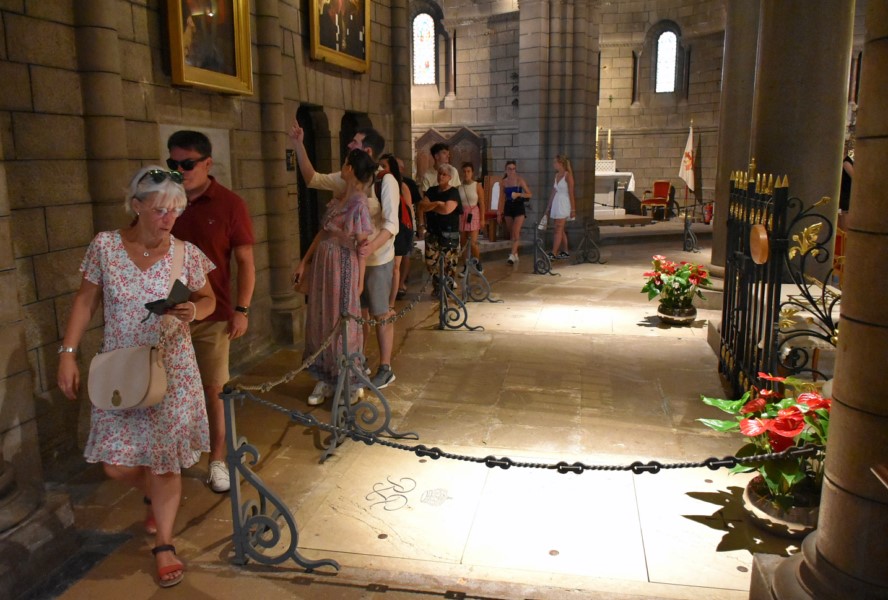
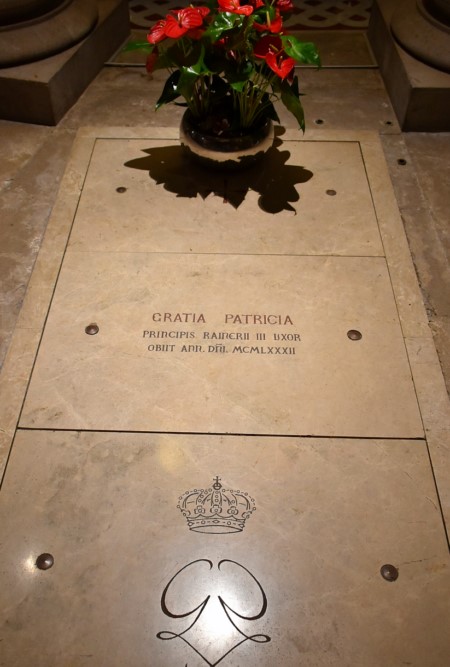
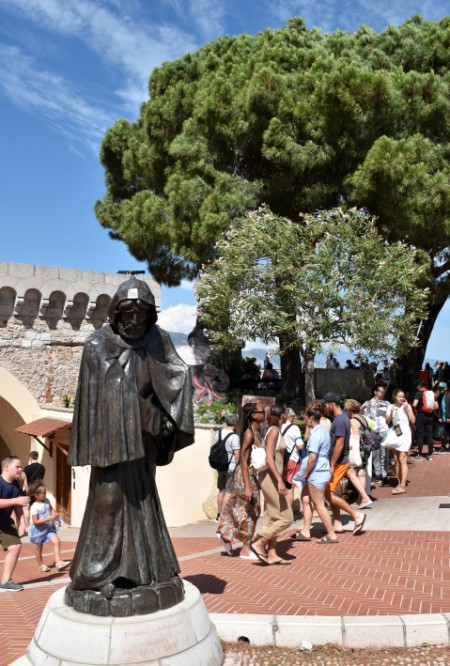
Monte Carlo Casino and Opéra building Casino guests' cars, Ferrari 296 GTB Casino foyer, statue of Fortuna with a cornucopia Gigantic roulette wheel Playing the dealer Colorful roulette chip Casino Square Port Hercules and the Harbor District Souvenir photo Prince Rainier III Olympic swimming pool Prince's Palace, waiting for the changing of the guard ceremony Souvenir photo Guard Cannons on carriages Original cannonballs Defensive walls, with the Hanging Gardens below The octopus also has its own monument Oceanographic Museum Giant squid Interactive show of marine deep-life Aquarium exhibition Oceanarium display Aquarium Marine aquarium Aquarium exhibition Oceanarium Marine life display Extravagantly decorated 19th-century mansion 19th-century St. Nicholas Cathedral The tombs of the princely family attract the greatest interest Tomb of Princess Grace Kelly Palace of Justice Picturesque alley 17th-century Chapel of Mercy Chapel of Mercy, Cristo Muerto Statue of Francois Grimaldi, the first ruler of Monaco Port Hercules Souvenir photo

Tiny Monaco is commonly associated with casinos, Formula 1 races and the Grimaldi princely family, which has ruled the principality since the 13th century. What I was most interested in seeing was the famous casino and the changing of the guard ceremony in front of the Prince's Palace. Unfortunately, the ceremony was canceled on the day of my visit. I successfully compensated for this by visiting the impressive Oceanographic Museum and admiring the picturesque panorama of the city.


My favorite photos


Wszelkie prawa zastrzeżone