MYVOYAGES

Passion for exploring and photography

A TRIP ROUTE
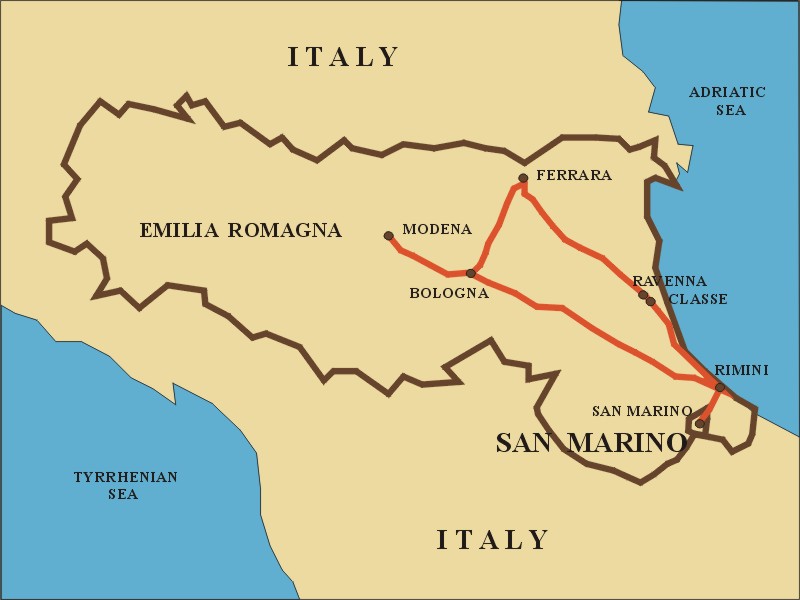
Emilia Romania - trasa wycieczki


IT IS WORTH KNOWING

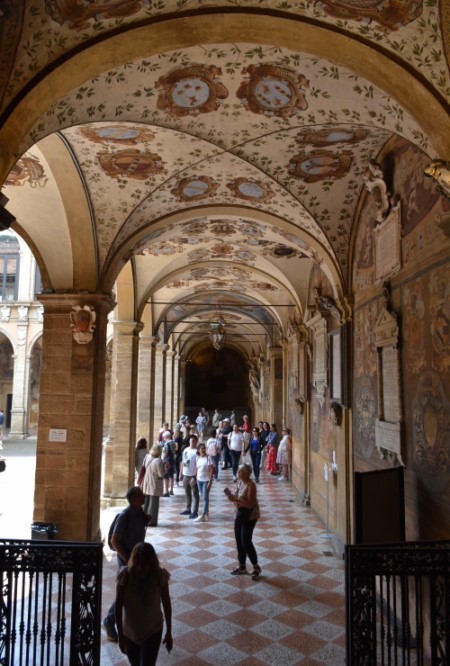
Bologna is the seat of the oldest university in the world (next to the Sorbonne in Paris), which was famous for its high level of law studies. It was here that the revival of Roman law took place on the basis of copies of Justinian's Code brought from the dilapidated Ravenna. Bolognese the university called by its pupils Alma Mater (Nursing Mother) was a model for many younger universities, including Cracow Academy, founded by Casimir the Great in 1364. Over the centuries, the Bologna General Study has been visited by many well-known Poles: Wincenty Kadłubek (bishop of Kraków and chronicler), Iwo Odrowąż (bishop of Kraków), Andrzej Krzycki (humanist, poet, Primate of Poland), Bernard Wapowski (astronomer, historian, cartographer, secretary of King Sigismund the Old), Wojciech Oczko (father of Polish medicine) and many other. Separately, it is necessary to mention Nicolaus Copernicus, whose studies were commemorated with a bust in Archiginnasio and a commemorative plaque on the wall of the house at 65 Via Galliera where the young Copernicus made observations of the moon to solve a problem with Ptolemy's theory.

Popiersie Mikołaja Kopernika w Archiginnasio


INTERESTING STORIES

On April 21, 1945, the Polish 2nd Corps occupied Bologna. The battle for this city is mentioned next to the battles for Monte Cassino or Ancona as one of the largest in the West with the participation of the Polish Army. It was also the last battle of General Władysław Anders' 2nd Corps. In fights 300 Polish soldiers were killed and 600 wounded. The entire battle took its name from the capture of Bologna, but the main combat actions took place much earlier. General Clark planned this operation to circumvent the German forces bilaterally. it was for the destruction of the 10th German Army and the establishment of pincers. The right wing was the British Eighth Army and the left was the US Fifth Army. Branches The 2nd Corps came across elite German units. In front of the Poles stood, among others, the same 1st Parachute Rifle Division, which participated in the main combat operations at Monte Casino, the 4th Parachute Division and the 26th Armored Division. The Poles broke up with German troops and entered the city, greeted enthusiastically by the population. The 9th Carpathian Rifle Battalion received the name "Bologna", and 17 of its commanders received honorary citizenship of the city. The Senate of Bologna presented Polish soldiers with 215 specially minted commemorative coins medals (www.dzieje.pl).
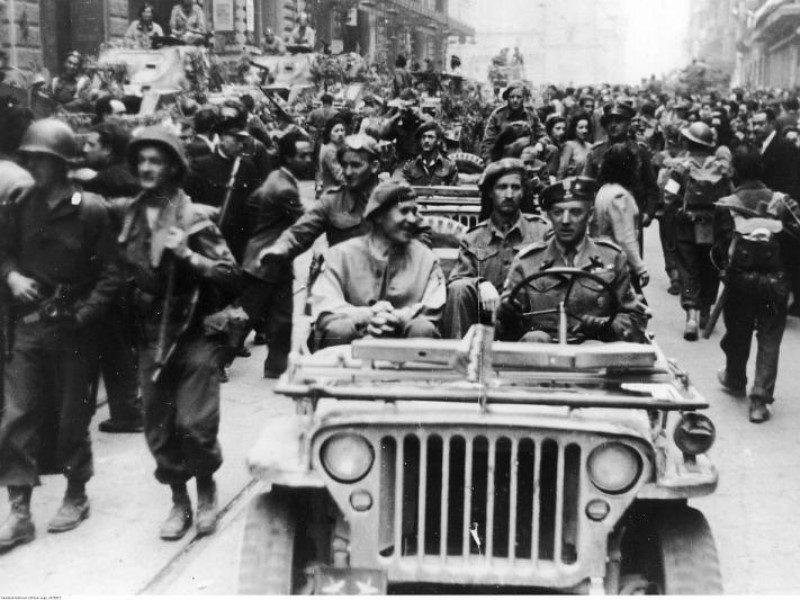
Wkroczenie 2 Korpusu Polskiego do Bolonii 21 kwietnia 1945 r.


Italy - Emilia Romagna, San Marino

June 2023

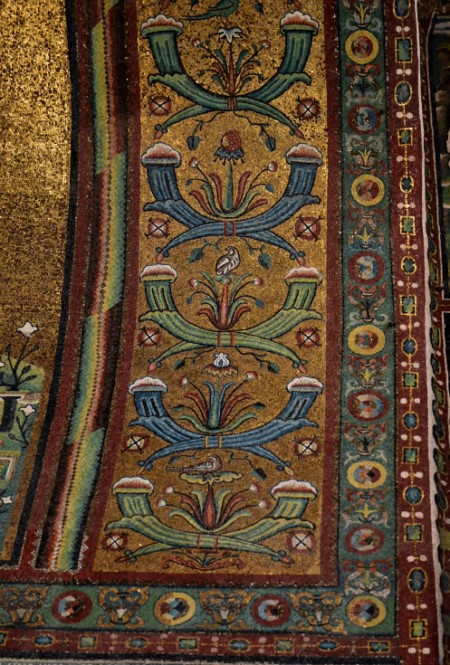
mozaika w kościele Sant Apolinare Nuovo

I planned a trip to Emilia Romagna two months in advance. Imagine my horror when two weeks before my leaving, I heard on TV about the catastrophic floods in the region. Well, once again man turns out to be small compared to power nature. Fortunately, the element let go, and the Italians dealt with removing the damage quite quickly.

It was a fantastic, emotional week filled with sightseeing, taking photos and enjoying the Italian vibe. Unfortunately, the weather did not spoil me, although I caught a few sunny days. But it wasn't warm enough for me to take a bath, although the beach in Rimini tempted with golden sand, and in the Adriatic Sea a few daredevils were tempered. It wasn't without either unnecessary emotions. I inadvertently got on a train going in the opposite direction to what I had intended, luckily I figured it out quickly and got out. I ended up losing a few euros and learning, which will certainly be useful in my next trips.


ITALY

Bologna
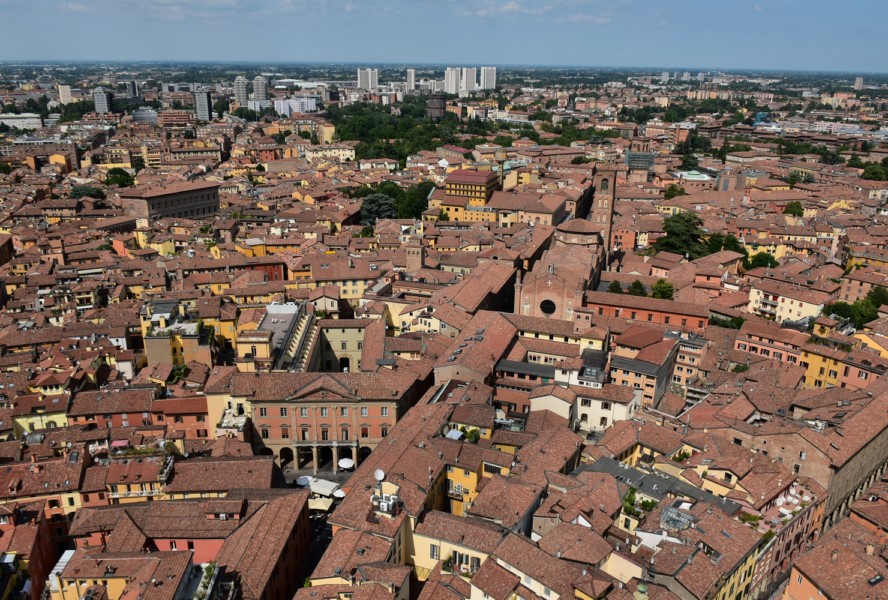

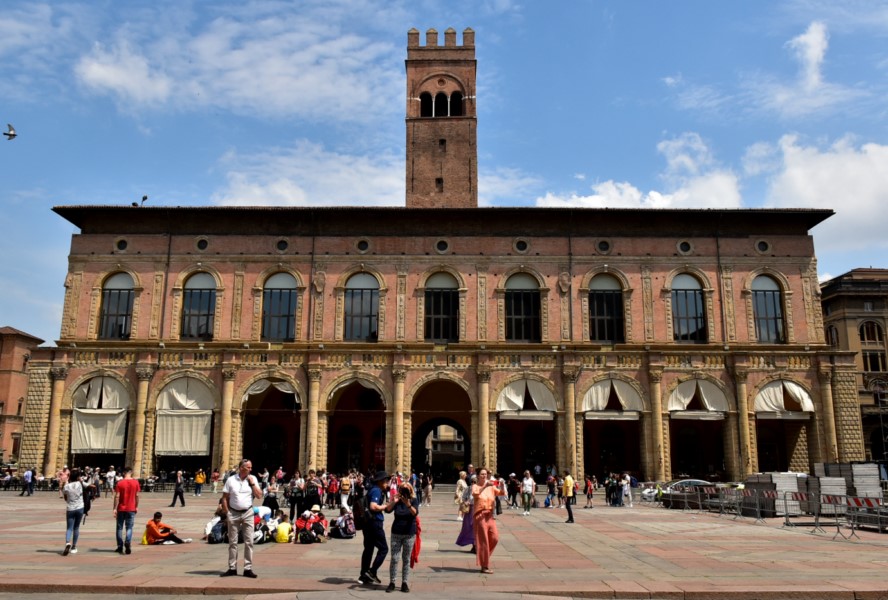
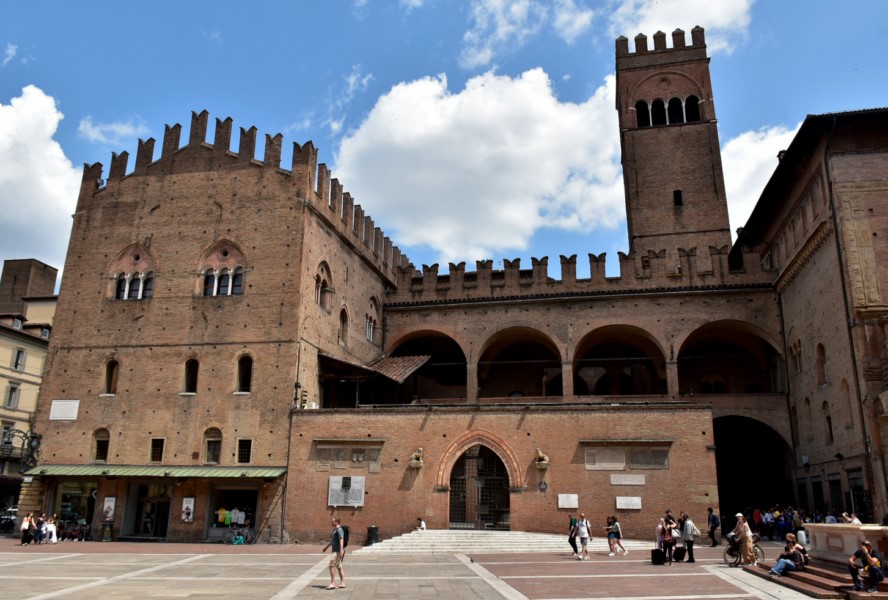
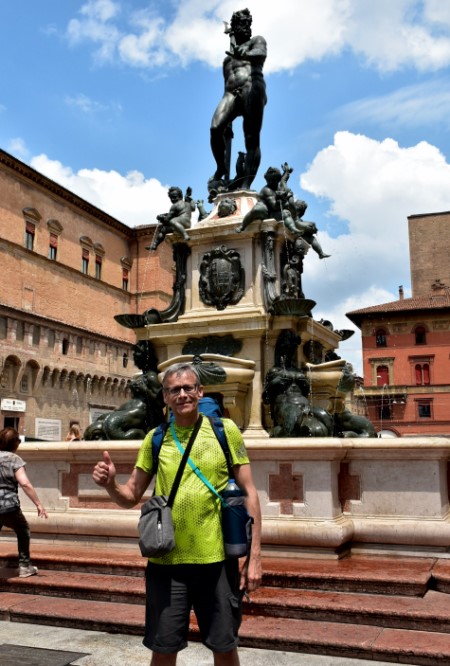
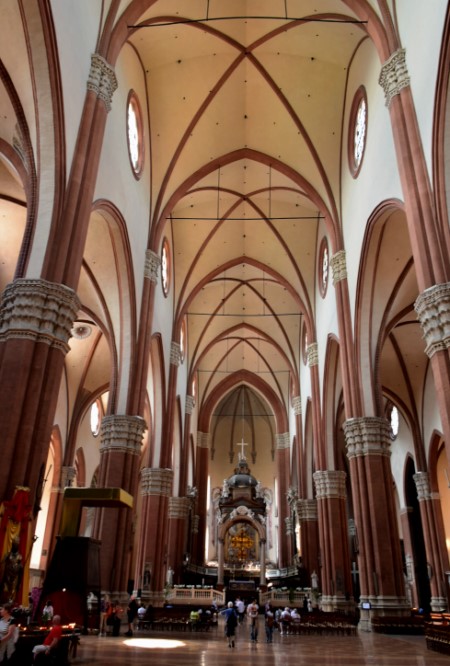
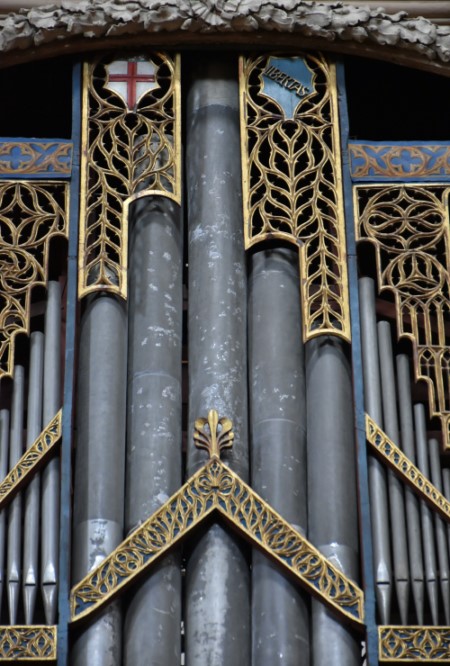
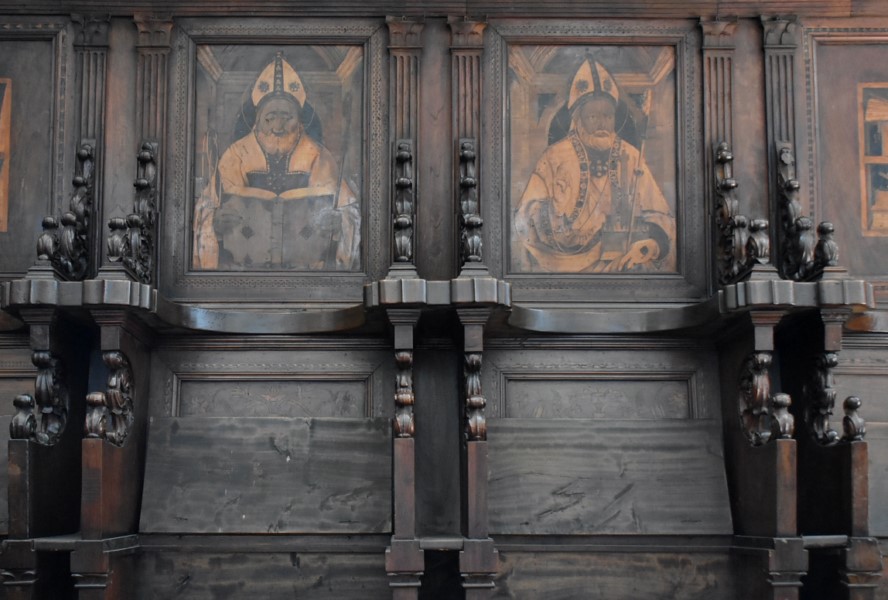
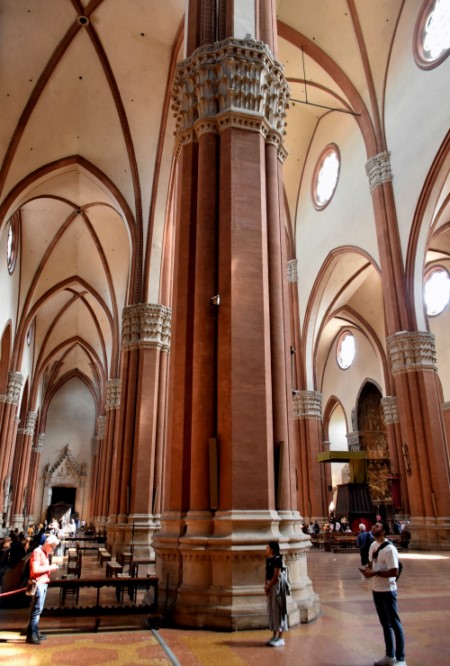
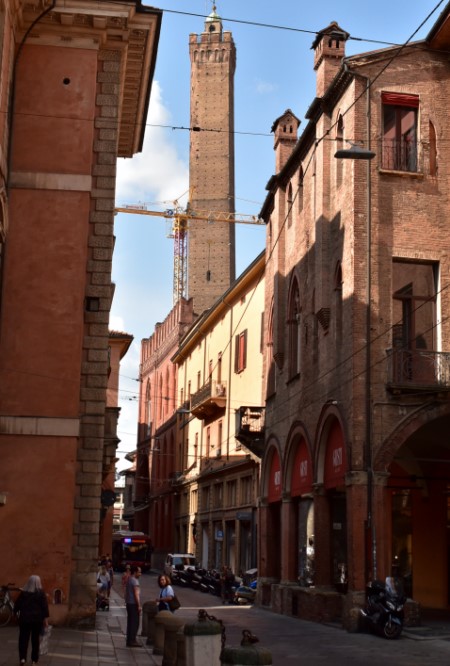
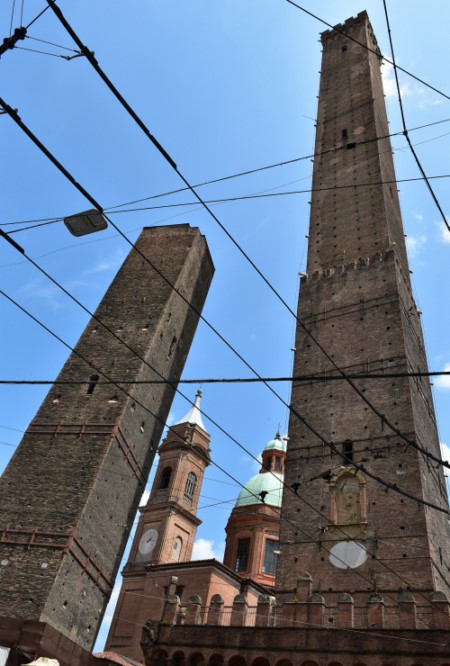
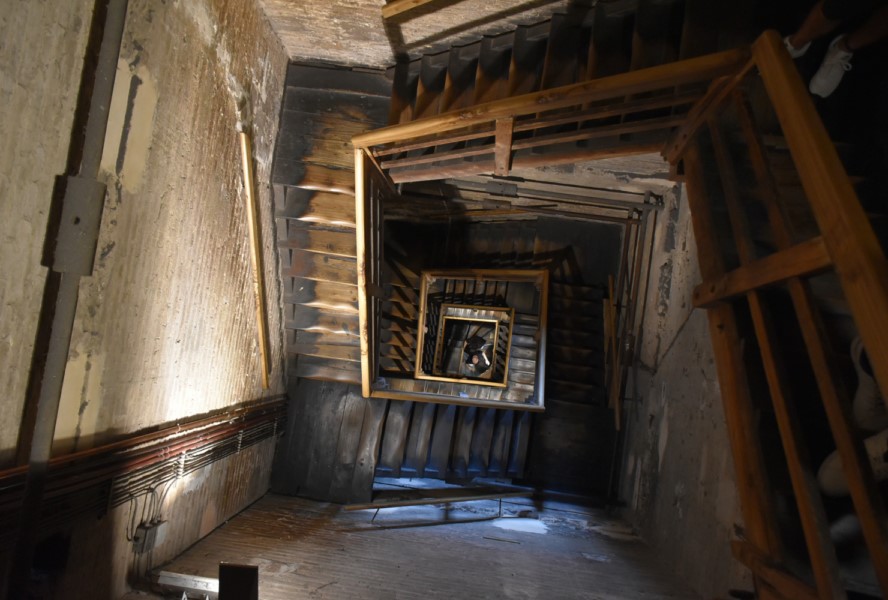
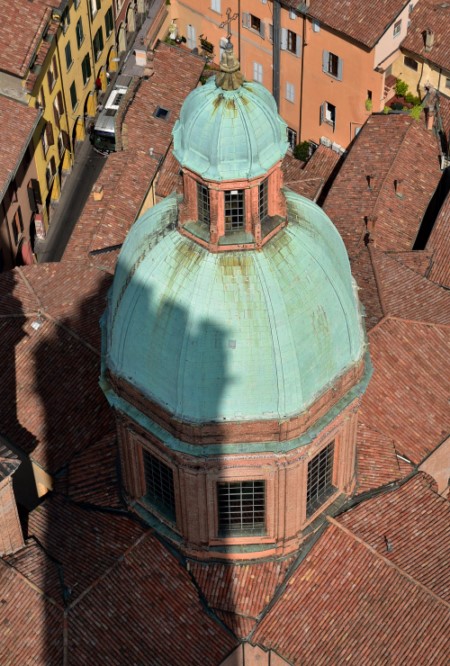
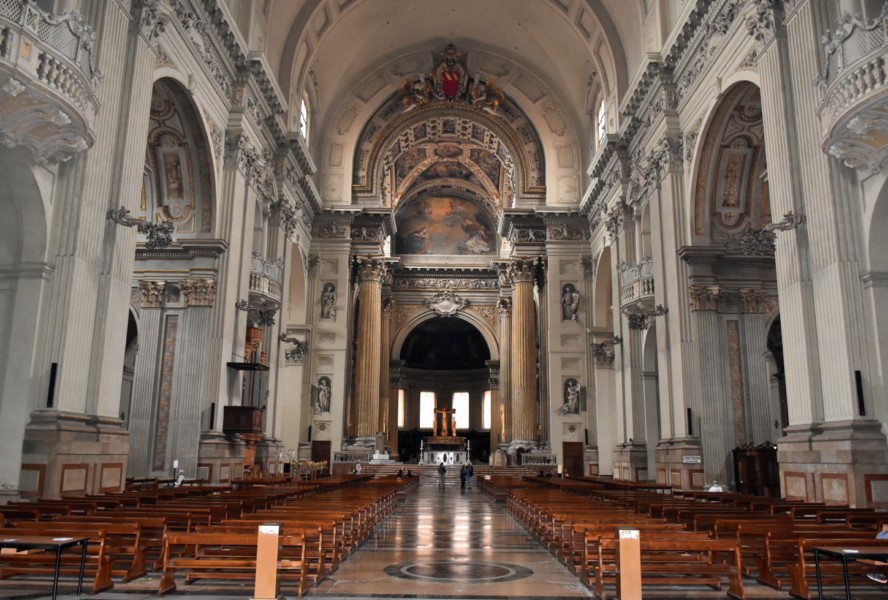
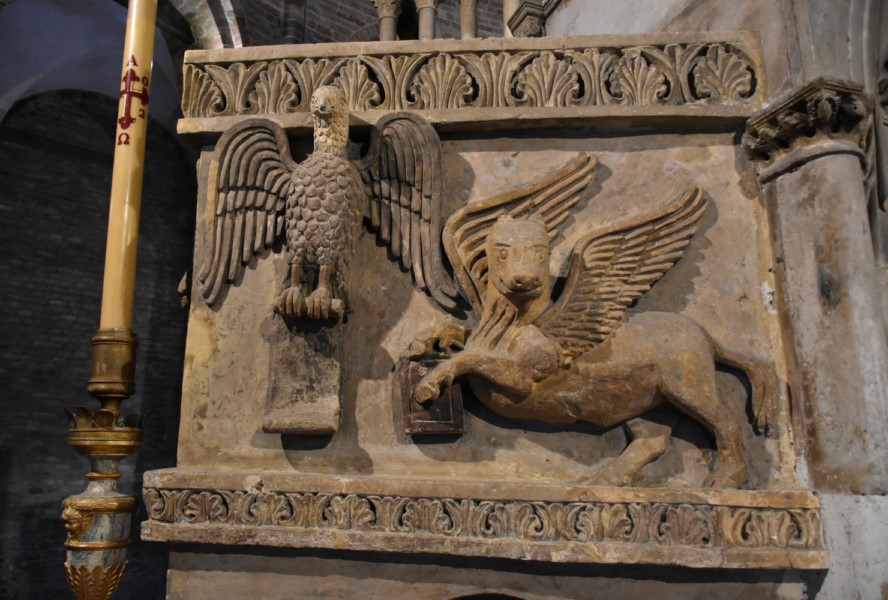
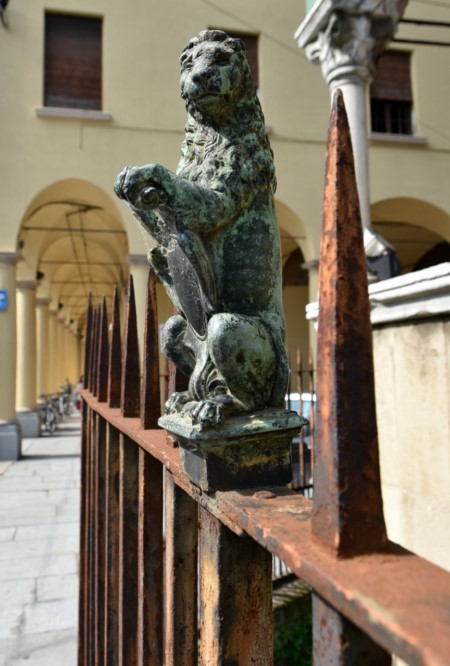
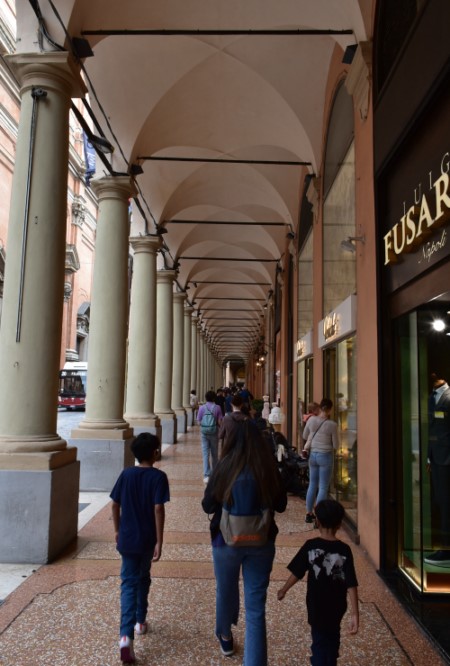
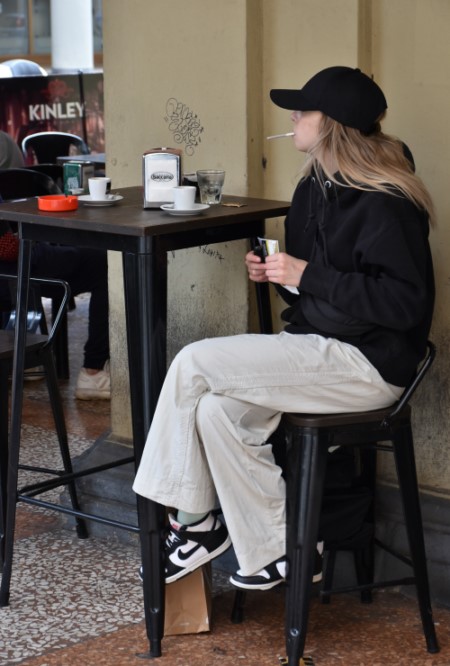
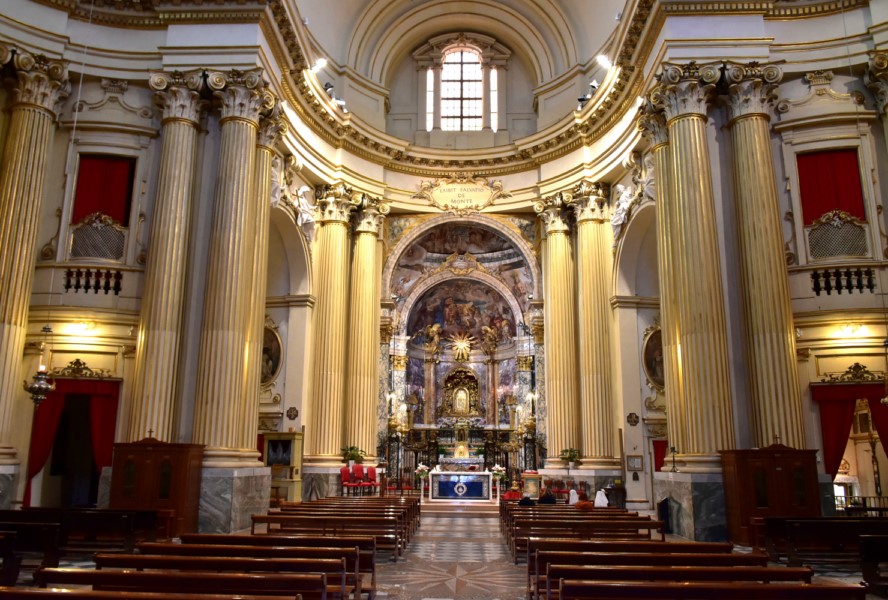
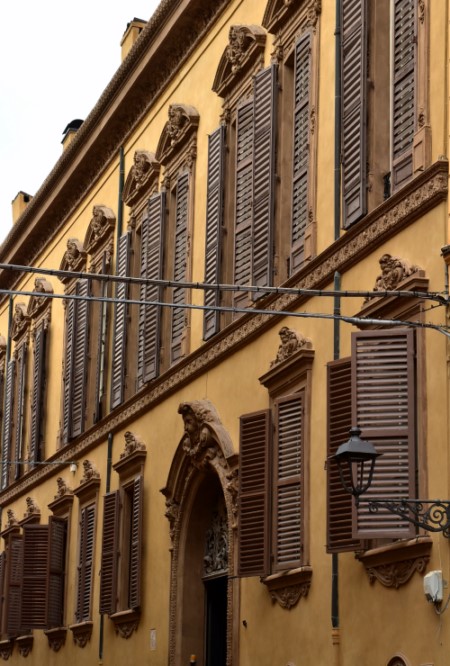
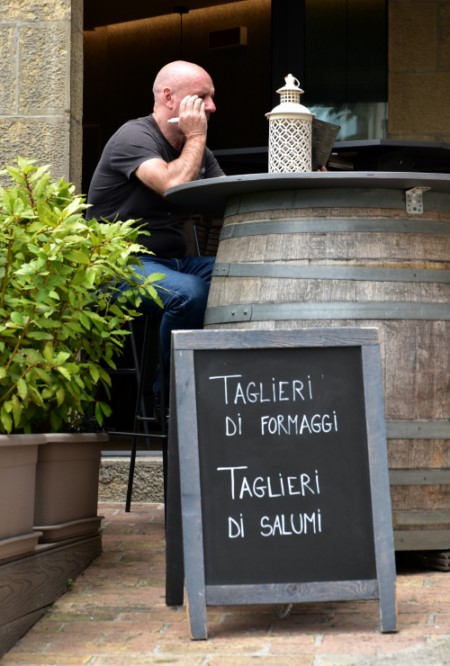
Piazza Maggiore, the historic Palazzo del Podesta dating back to the 12th-15th centuries A vintage wrought iron awning regulator bracket mounted on a wall Piazza Maggiore, the medieval facade of Palazzo del Re Enzo Piazza Maggiore, the Renaissance Fountain of Neptune designed by Giambologna in 1563 A tourist souvenir photo taken during the visit to Bologna Detail of the Fountain of Neptune with water spouting from the breasts of a Nereid siren Piazza Maggiore, the monumental Basilica of San Petronio constructed between the 14th and 17th centuries The richly carved marble portal above the main entrance of the basilica The interior view of the gigantic central nave reaching an impressive height of 44 meters The high altar area featuring the magnificent architectural ciborium designed by Vignola The historic church organ, considered the oldest monumental organ in the world, dating from the late 15th century A detailed close-up look at the historic metal organ pipes The intricately carved wooden choir stalls featuring the inlaid depictions of Saint Petronius and Saint Ambrose The Expulsion from Paradise, a relief panel sculpted by Jacopo della Quercia decorating the main facade The Lamentation of Christ, a group of expressive terracotta sculptures from the 15th century executed by Vincenzo d'Onofrio A massive and impressive brick column supporting the vaulted ceiling of the basilica The meridian line astronomical clock, showing the precise aperture hole in the vaulting through which a beam of sunlight projects The Magi Chapel decorated with the fresco of the Last Judgment, depicting Heaven and Hell with a terrifying figure of Lucifer Piazza Maggiore, the imposing facade of Palazzo d'Accursio originating from the 12th century Palazzo d'Accursio, the monumental bronze statue of Pope Gregory XIII on the main portal A memorable tourist snapshot taken at the spacious Piazza Maggiore square The soaring Torre degli Asinelli skyscraper of the Middle Ages, measuring 97 meters in height The iconic Two Towers, landmarks of medieval Bologna Torre degli Asinelli, a relief decoration depicting a symbolic lion caught in a net The steep wooden staircase structure leading up to the panoramic viewing platform at the top of the tower The panoramic observation deck at the top of the medieval tower A breathtaking cityscape view looking over the red roofs of Bologna towards the north The prominent baroque dome of the Church of Saints Bartholomew and Gaetano rising above the city A perspective view inside one of Bologna's famous vaulted historic porticoes Tourists resting in front of the main entrance to the Pinacoteca Nazionale An exhibition room inside the Pinacoteca Nazionale showing fine art collections A magnificent medieval painted polyptych executed by the master Giotto A spacious museum gallery decorated with detached Renaissance fresco paintings on the walls The elegant architectural rhythm of a classic brick portico street arcade A group of university students gathered and studying under the historic city arches The Luigi Cattaneo Anatomical Wax Museum displaying rare scientific models from the 18th and 19th centuries A detailed and macabre wax model depicting cyclopia pathology for medical study The main entrance portal leading into the historic Palazzo dell'Archiginnasio building Thousands of colorful heraldic coats of arms painted on the walls commemorating past university students The double-tiered central courtyard and beautiful Renaissance cloisters of the Archiginnasio The courtyard exhibition area of the Civic Archaeological Museum of Bologna The monumental baroque facade of the Metropolitan Cathedral of San Pietro built in the 17th century An interior perspective look down the grand and richly decorated main nave of the cathedral A finely carved marble holy water stoup located near the church entrance The expressive terracotta sculpture group of the Lamentation of Christ created by Alfonso Lombardi in the 16th century Walking under the lively porticoes along Via Zamboni in the heart of the university district The historical exterior facade of the Gothic style Church of San Giacomo Maggiore The quiet and atmospheric old monastic cloisters connected to the Oratory of Santa Cecilia The historic complex of Seven Churches known as the New Jerusalem or Basilica of Santo Stefano The intricate marble aedicule structure built as a medieval replica of the Holy Sepulchre Tomb of Christ in Jerusalem The sculpted eagle and ox, traditional iconographic symbols of the Evangelists John and Luke The elegant baroque facade of the historic Church of San Donato A street scene capturing a person deeply engrossed in a printed book The monumental exterior of the 13th-century Basilica of San Domenico The magnificent baroque chapel housing the sacred remains of Saint Dominic de Guzmán The masterfully carved marble sarcophagus Arca di San Domenico executed by Nicola Pisano Detail of the exquisite kneeling angel bearing a candelabrum sculpted by Michelangelo Buonarroti The dedicated chapel and altar painting commemorating the Polish Dominican Saint Hyacinth Odrowąż Piazza Malpighi featuring the historic baroque Column of the Immaculate Conception erected in the 17th century Detailed look at the unusual and decorative ironwork element on the perimeter wall of the Franciscan complex The impressive brick Gothic apse and flying buttresses of the 13th-century Basilica of San Francesco The prominent raised pyramidal brick tomb monument of the famous medieval glossator and law professor Odofredus dating to 1265 An architectural study of light and shadow under a classical city portico arcade A mouthwatering window display filled with traditional Bolognese cured meats, cheeses, and handmade tortellini A candid lifestyle shot of a local resident taking a short smoke break on a city street The monumental fortified structures of Porta Saragozza, part of Bologna's medieval defensive walls The endless architectural perspective of the massive Portico di San Luca stretching up the hill A lovely souvenir photo capturing a travel moment during the trek up to San Luca A wide panoramic vista showing the sea of red terracotta rooftops and medieval towers of Bologna The majestic baroque pilgrimage Basilica Sanctuary of the Madonna di San Luca crowning the hilltop The opulent interior view of the sanctuary church showing the main dome and rich baroque decorations The highly venerated Byzantine-style holy icon of the Virgin Mary and Child, traditionally attributed to Saint Luke the Evangelist
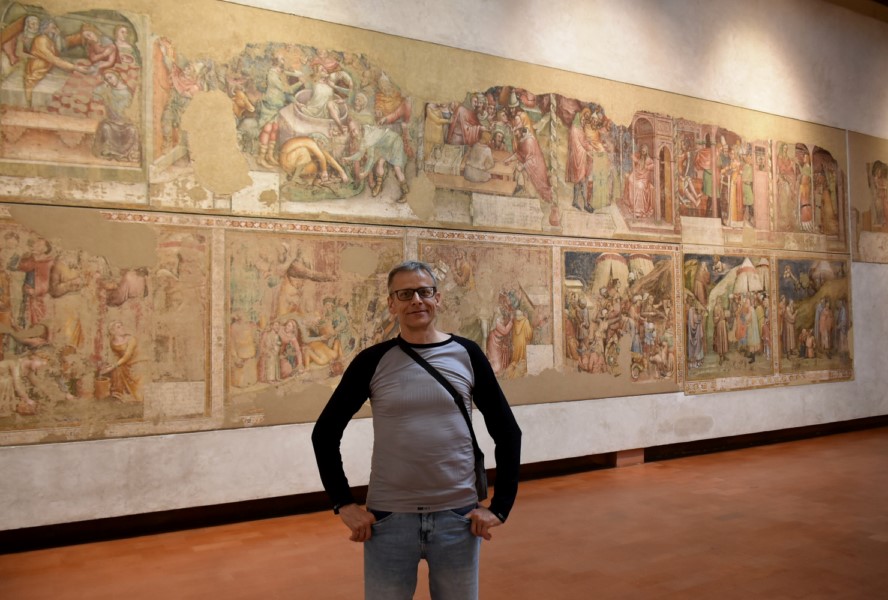
Bologna is a beautiful city that I definitely underestimated. Its showcase is one of the oldest in Europe universities and an almost 4 km long portico leading to the sanctuary of the Madonna di San Luca, which is on the Unesco World Heritage List. However, the medieval tower Torre Asinelli made the biggest impression on me, measuring 97 meters high.


Rimini


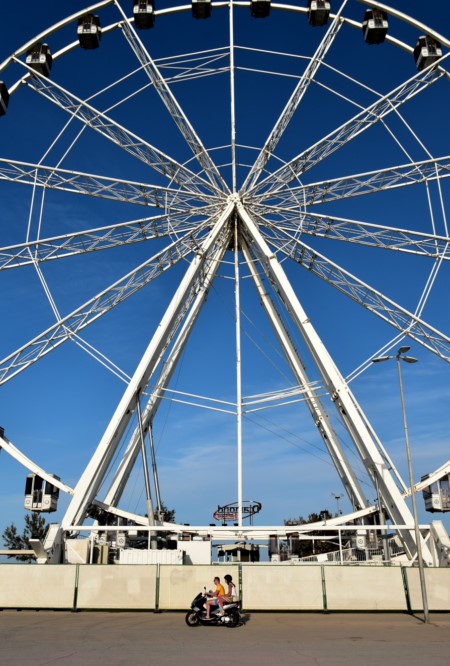
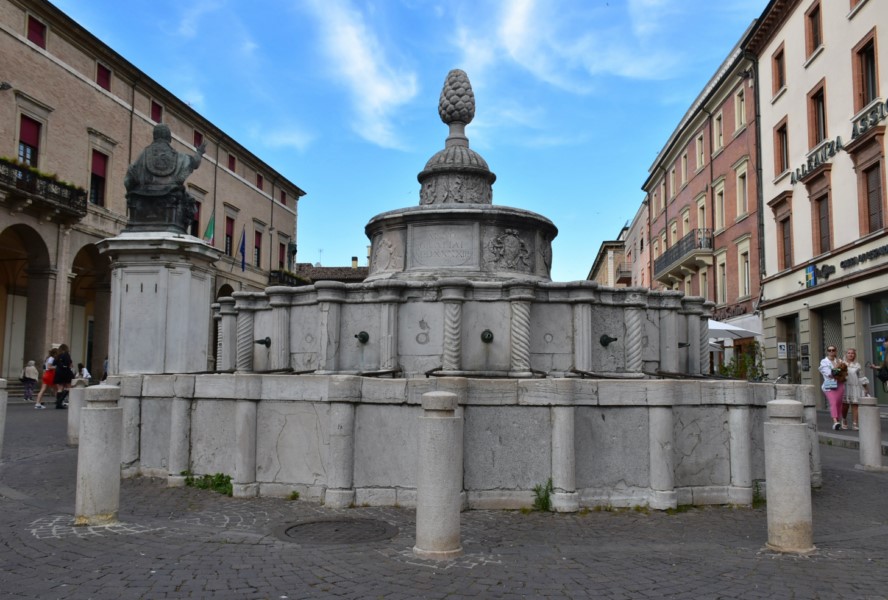
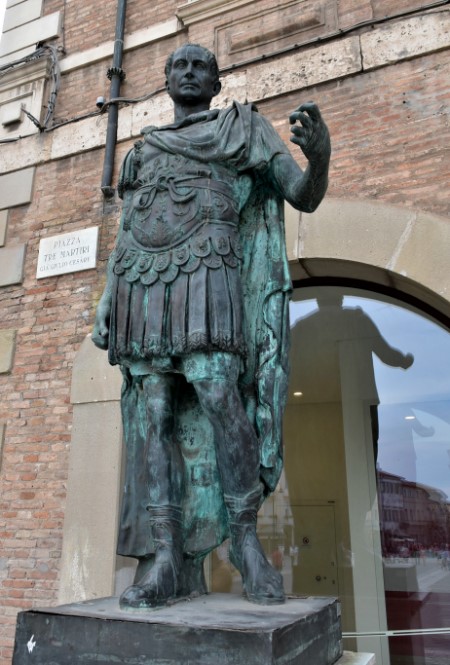
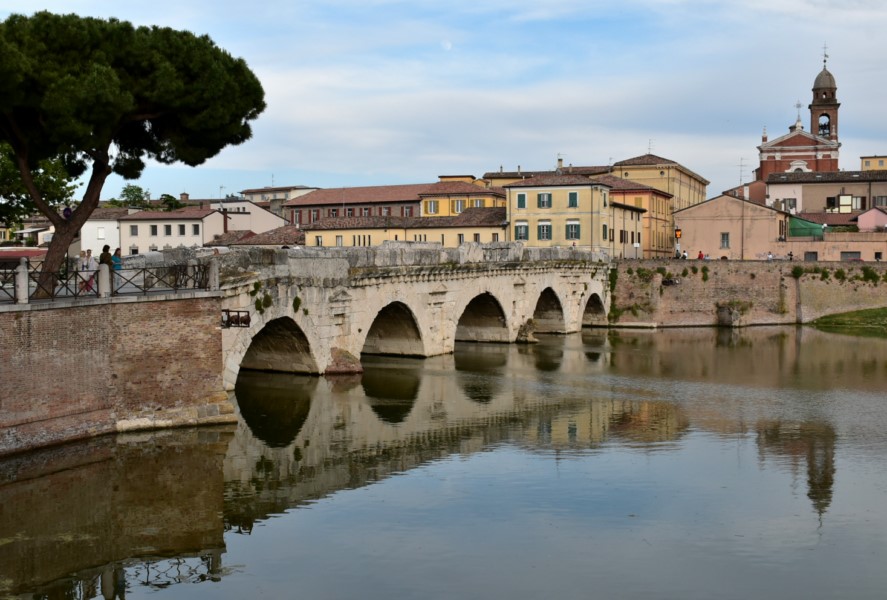
Empty beach before the season The beach Pier, monument to sailors' wives Pier, an old man's life is a jolly life Local attraction Amphitheater ruins Arch of Augustus, triumphal arch from 27 BC Souvenir photo Clipeus with the head of Neptune decorating the outer facade of the gate Piazza Cavour Piazza Cavour, 16th-century fountain I'll show you, rascals - Pope Paul V (1550-1621) Malatesta Castle Piazza Tre Martiri, former Roman forum Clock tower, traditional and perpetual clock Tempietto of St. Anthony of Padua Statue of Julius Caesar commemorating the crossing of the nearby Rubicon in 49 BC Tempio Malatestiano, former Franciscan church transformed into a family mausoleum Tomb of Isotta degli Atti, mistress of Sigismondo Malatesta Bridge of Tiberius from the 1st century AD Marecchia River and the Bridge of Tiberius

In Riminia I had the opportunity to relax a bit and laze around on the beach. Contrary to appearances, this popular holiday resort hides numerous remains of the ancient city of Ariminium such as the ruins of the amphitheater, the Arch of Augustus and the impressive stone Tiberius Bridge from the 1st century AD However, the most interesting monument is the church of St. Francis, in which condottiere Sigismondo Malatesta arranged a mausoleum for himself.


Ravenna
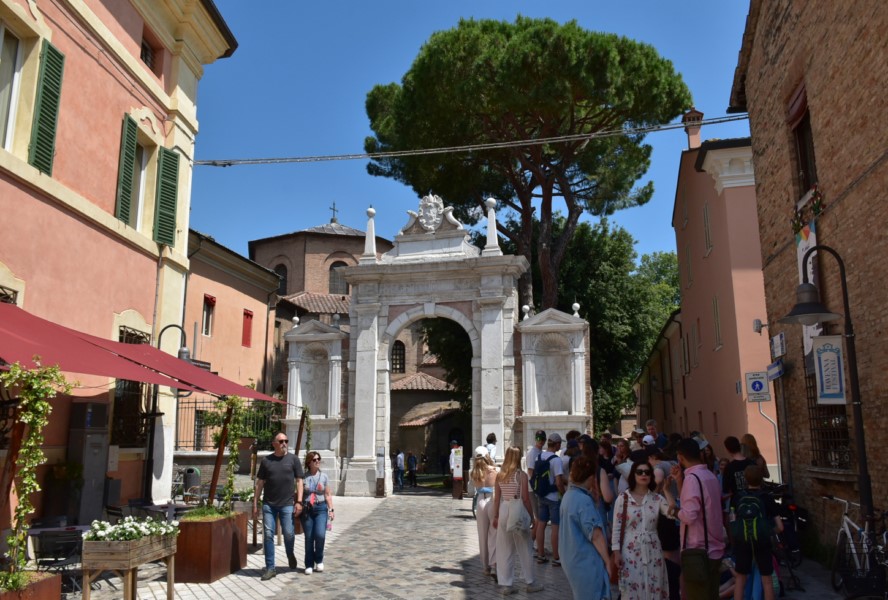

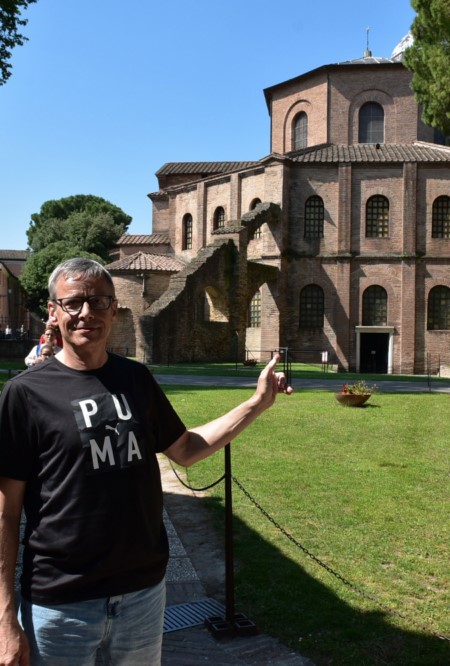
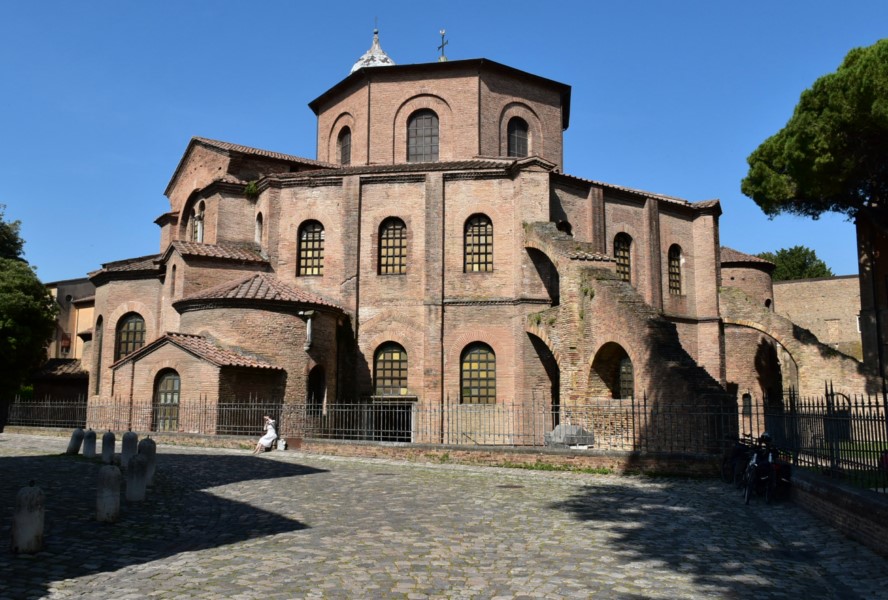
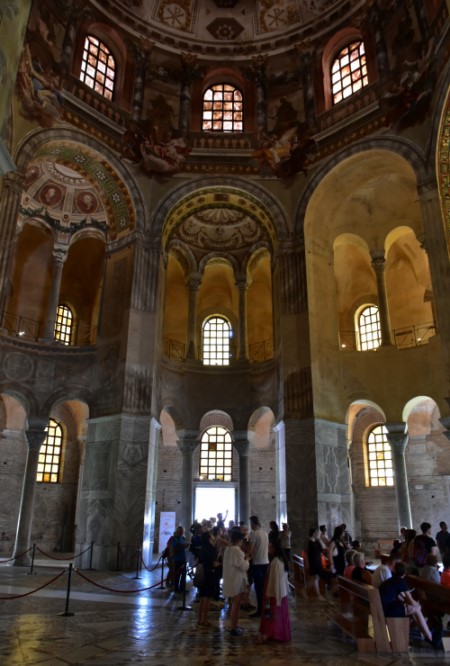
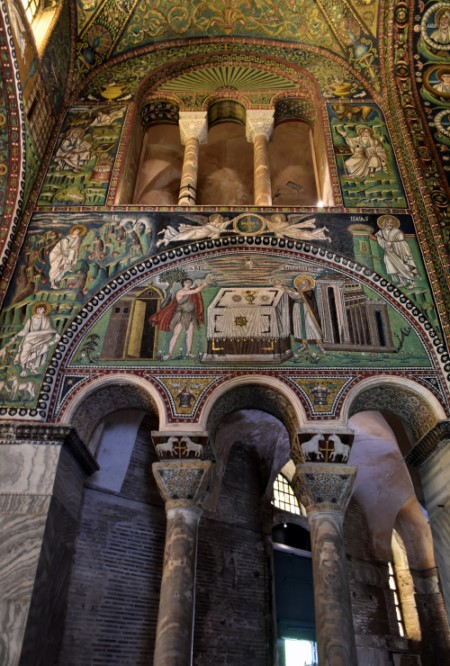
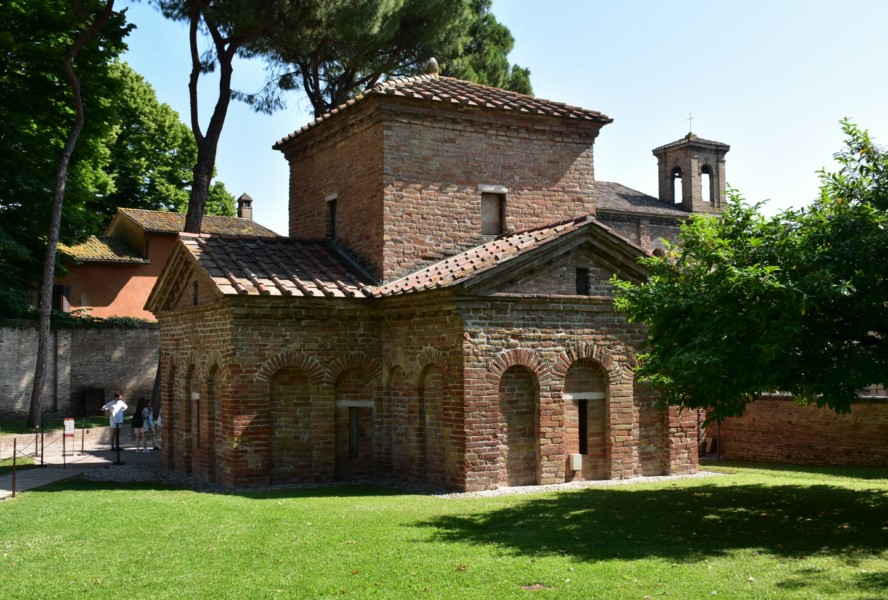
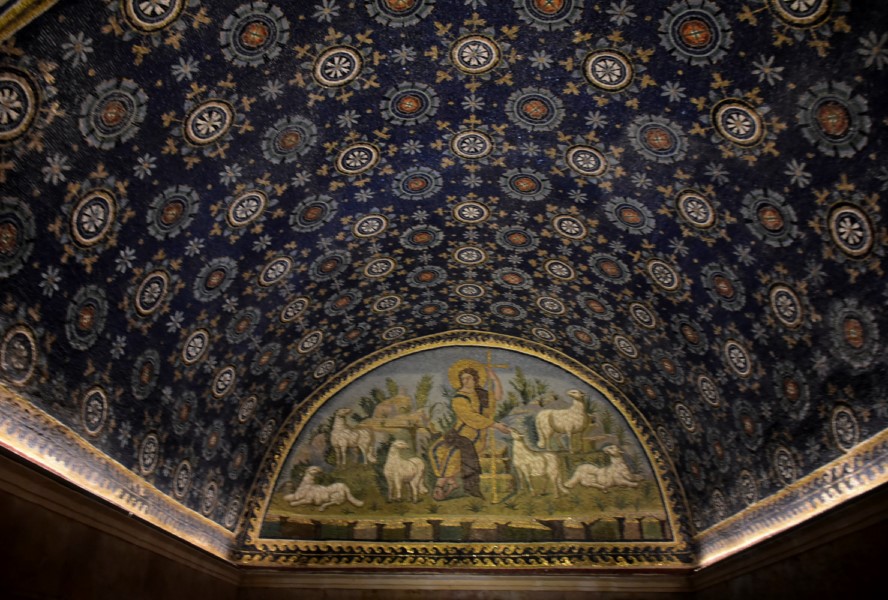
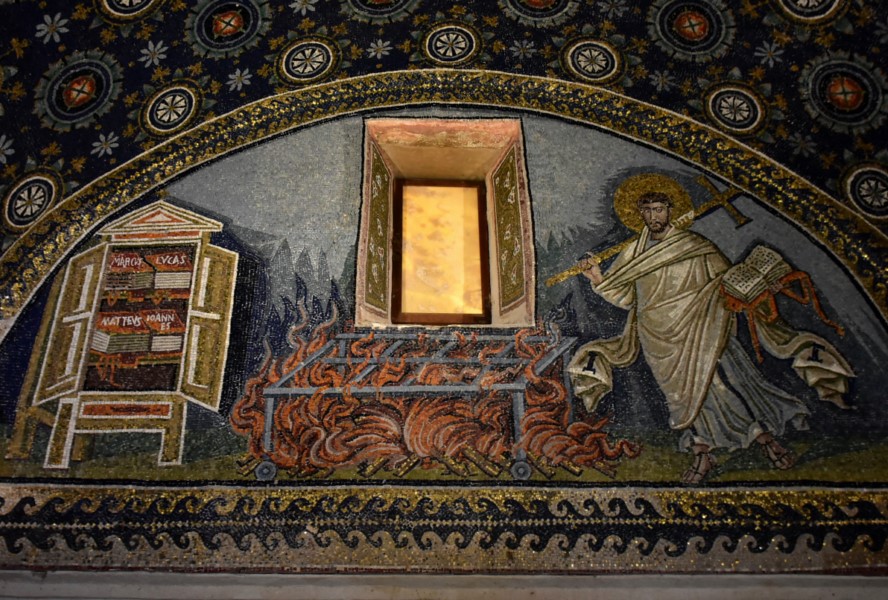
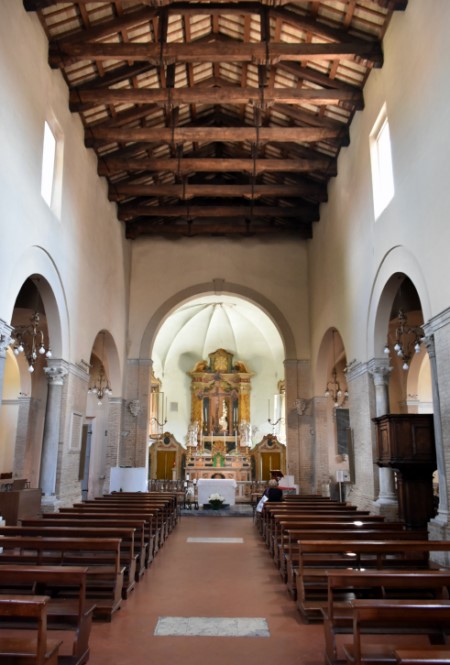
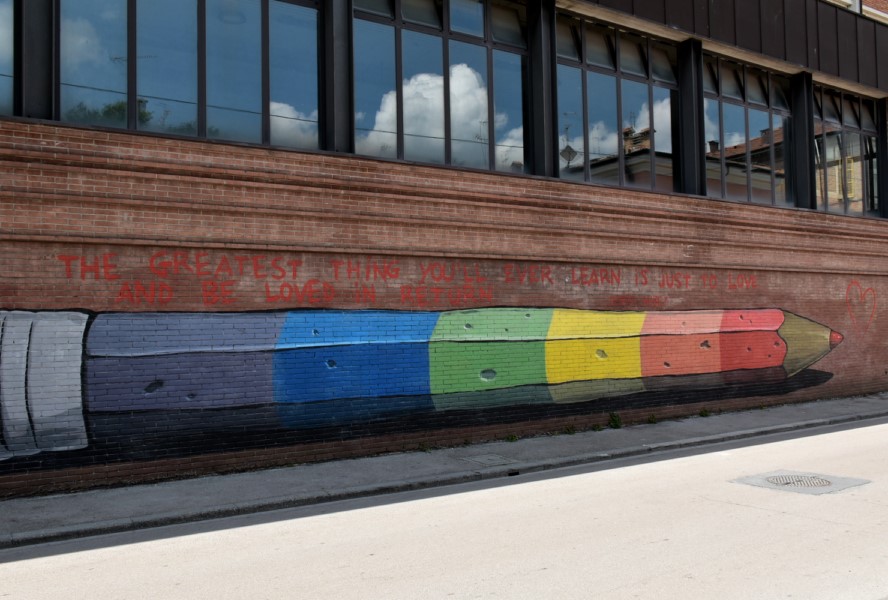
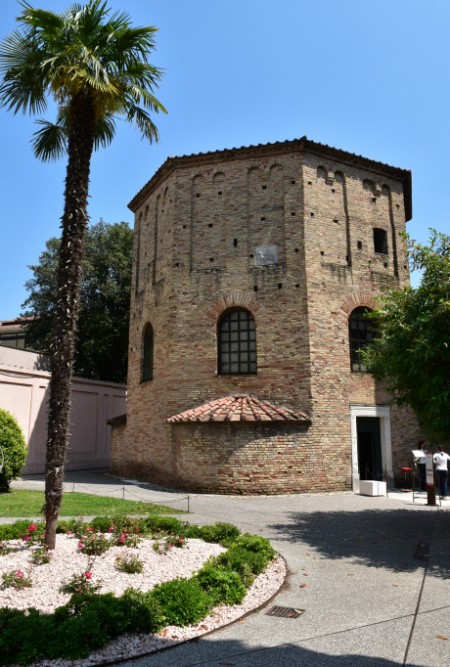
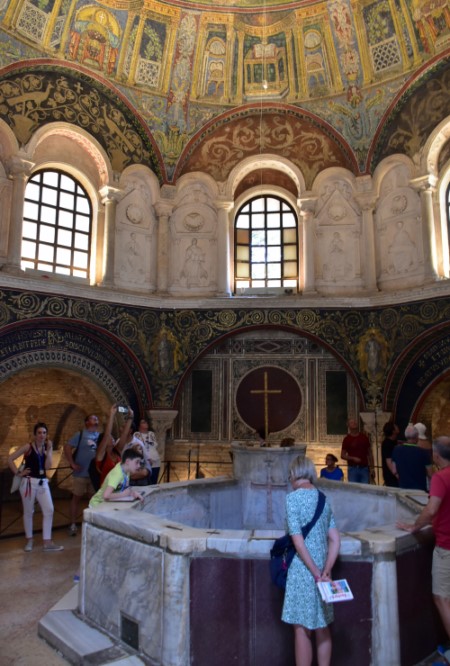
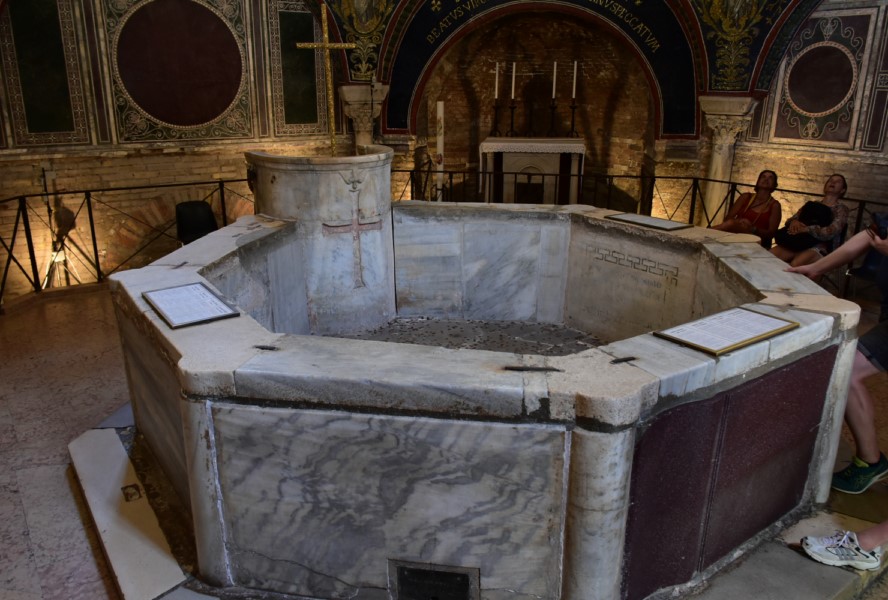
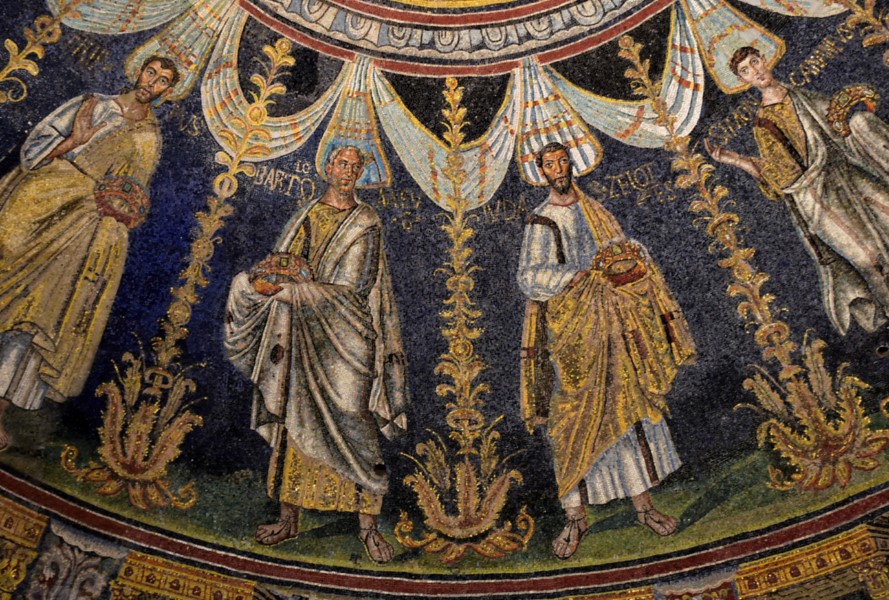
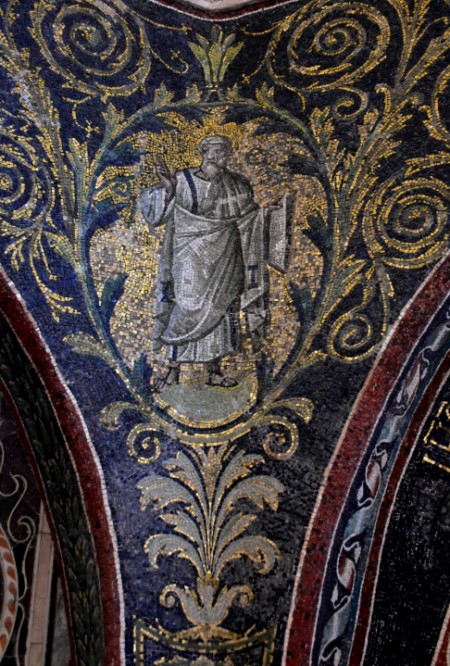
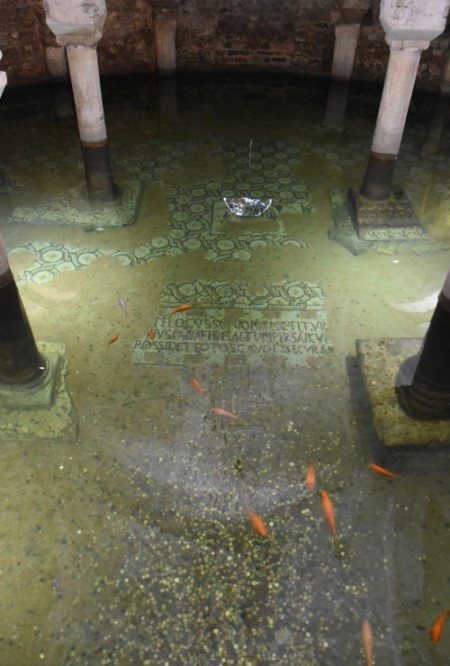
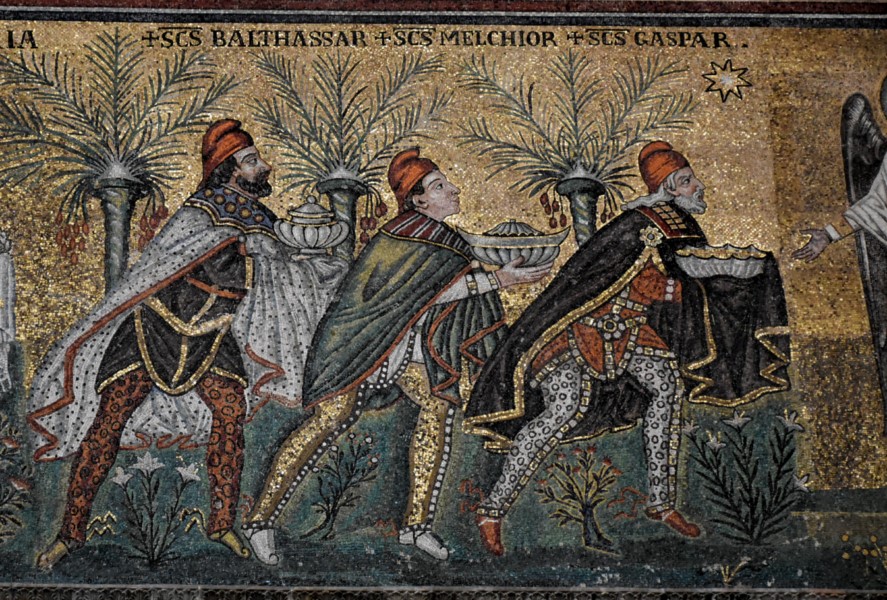
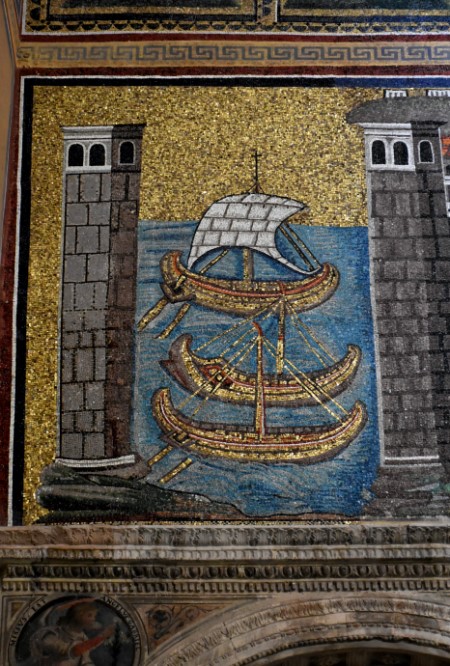
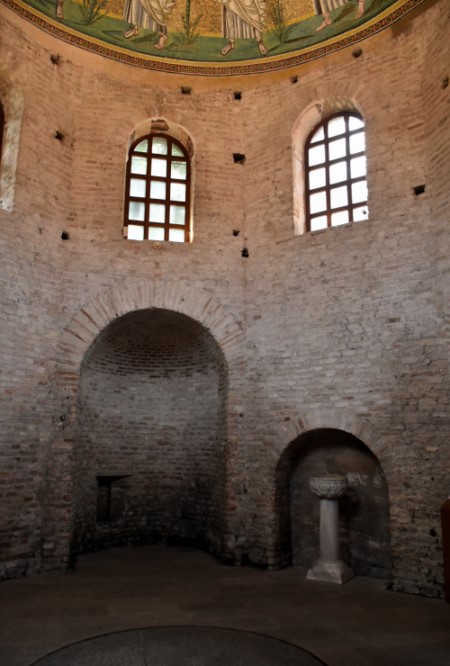
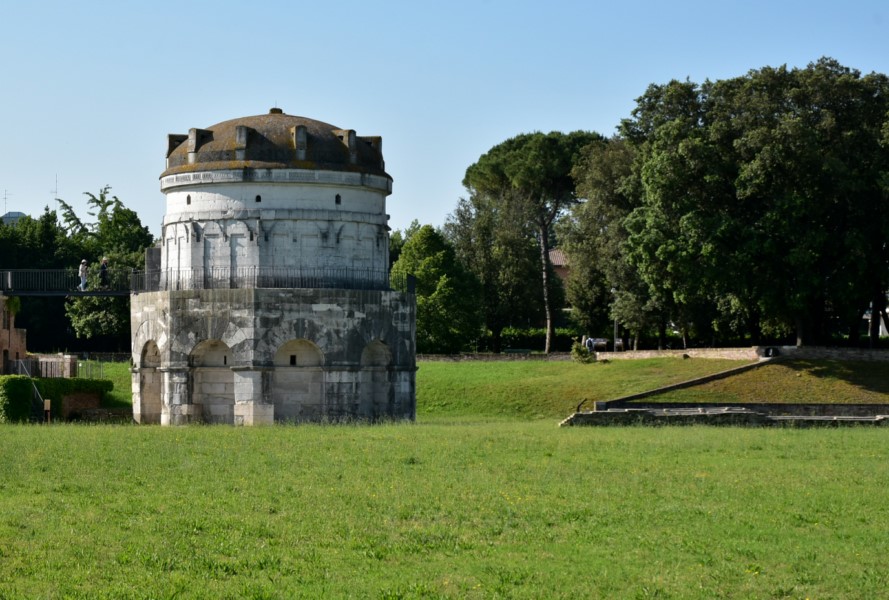
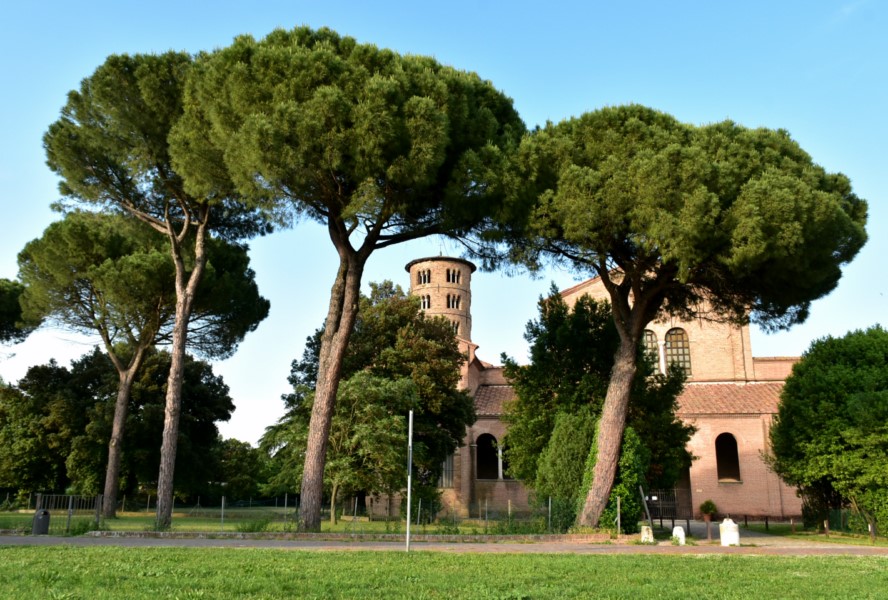
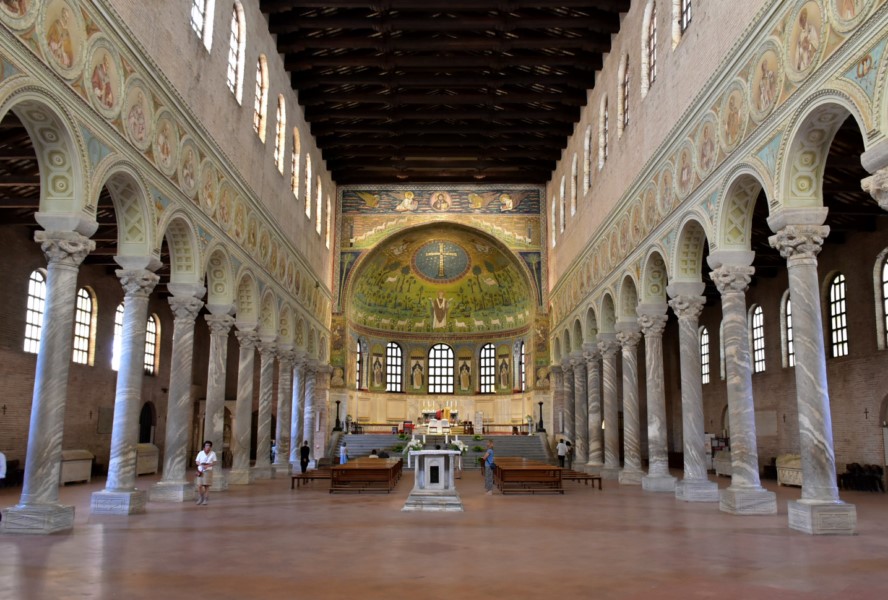
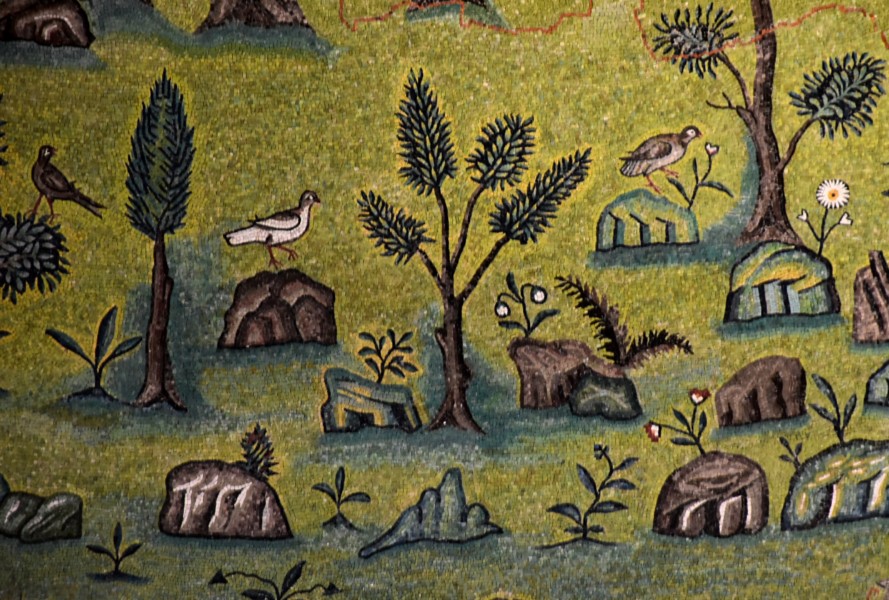
Crowds of tourists on Via Argentario Souvenir photo The Basilica of San Vitale in all its glory Spacious interior Sanctuary Christ Emmanuel presenting the crown, the reward for martyrdom, to Saint Vitalis Mosaics of the triumphal arch depicting Jesus Christ and the apostles The Lamb of God surrounded by angels, mosaics on the sanctuary ceiling Two-level ambulatory Arcades Fascinated tourists Emperor Justinian with his retinue offering a golden paten to Christ Empress Theodora with her retinue offering a golden chalice to Christ Empress Theodora Mosaics Mausoleum of Galla Placidia from the 5th century AD Mosaics covering all walls and vaults Christ as the Good Shepherd surrounded by sheep One of the final chords of ancient art with its careful observation of nature The patron of the mausoleum, Saint Lawrence, with the instrument of his martyrdom, a gridiron over the fire The Basilica of Santa Maria Maggiore Nave Church of the Holy Cross built by order of Galla Placidia The greatest thing you'll ever learn is just to love and be loved in return! Baptistery of Neon from the 5th century Spacious interior Baptismal font Saint John baptizing Jesus, next to a figure personifying the Jordan River The Apostles offering the crowns of martyrdom to Christ Mosaic Piazza Duomo, 18th-century Cathedral of the Resurrection of Jesus Christ Archiepiscopal Museum 6th-century bishops' chapel The four Evangelists along with their attributes Piazza del Popolo Garibaldi Monument Dante's Tomb Ancient Roman sarcophagus containing the great poet's remains Interior of the Franciscan church Polish Franciscan, Saint Maximilian Kolbe, who died in the Auschwitz concentration camp Flooded mosaics in the crypt below the sanctuary 16th/17th-century Basilica Sanctuary of Santa Maria in Porto Urn with the remains of Saint Paul the First Hermit, patron of the Pauline Order Late 16th-century Porta Gregoriana Remains of the 6th/8th-century palace complex of the Gothic King Theodoric Late 5th-century Church of Sant'Apollinare Nuovo Impressive nave Late 6th-century pyrgos-type marble pulpit Mosaics arranged in three bands on the nave wall Christ in a Roman toga miraculously multiplying the bread and fish Procession of Christian martyrs The Three Wise Men with gifts for the enthroned Madonna and Child Columns of the nave Saint Martin sharing his cloak with a poor man The Port of Classe, a mosaic from the time of Theodoric The Palace of the Gothic King Theodoric in Ravenna 5th-century Arian Baptistery A moment of respite The austere interior of the baptistery Mosaics decorating the vault The Baptism of Christ An impressive spiderweb over 2 meters long Mausoleum of Theodoric Two-story rotunda of white limestone Vaulted dome made from a block of stone, 11m in diameter and weighing 276 tons Stone handle carved with the name of John the Apostle Great porphyry sarcophagus for the ashes of Theodoric Bronze cows grazing in the meadows of Classe Basilica of Sant'Apollinare in Classe, the ancient port of Ravenna Interior of the temple Altar apse, the Transfiguration on Mount Tabor Mosaic depicting Saint Apollinaris A jeweled cross against a starry sky symbolizing the transfigured Christ Date palm Sheep symbolizing the apostles Birds on a tree Birds, flowers and shrubs Emperor Constantine IV granting privileges to the church in Ravenna 24 columns of Italian marble Arcade and wooden ceiling Base of a marble column Elaborately decorated sarcophagus

Ravenna is one of those places that you remember for life. This is due to Byzantine mosaics, decorating churches, chapels and baptisteries, inscribed on the Unesco World Heritage List. The most beautiful ones are in the basilica San Vitale, but I was equally impressed by the mosaics decorating the mausoleum of Gaul Placidia, the Arian baptistery and the Basilica of St. Apollinaris in Classe.

Ferrara


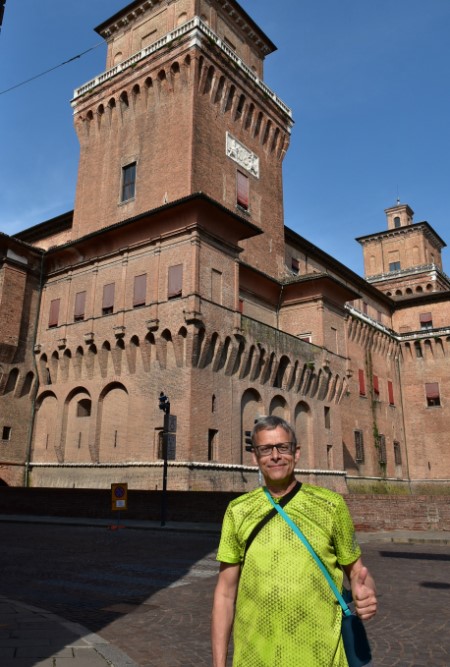
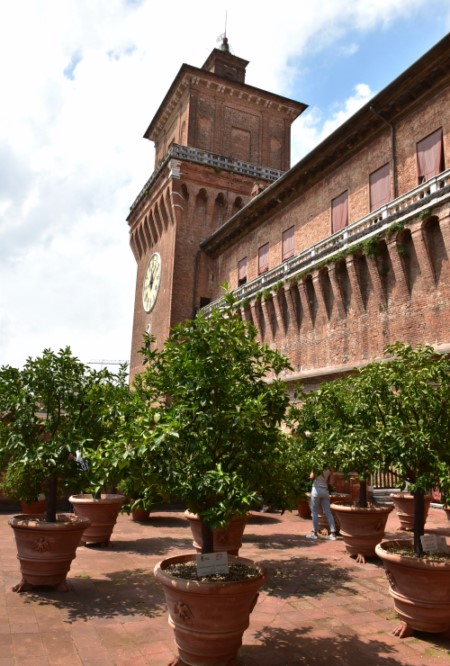
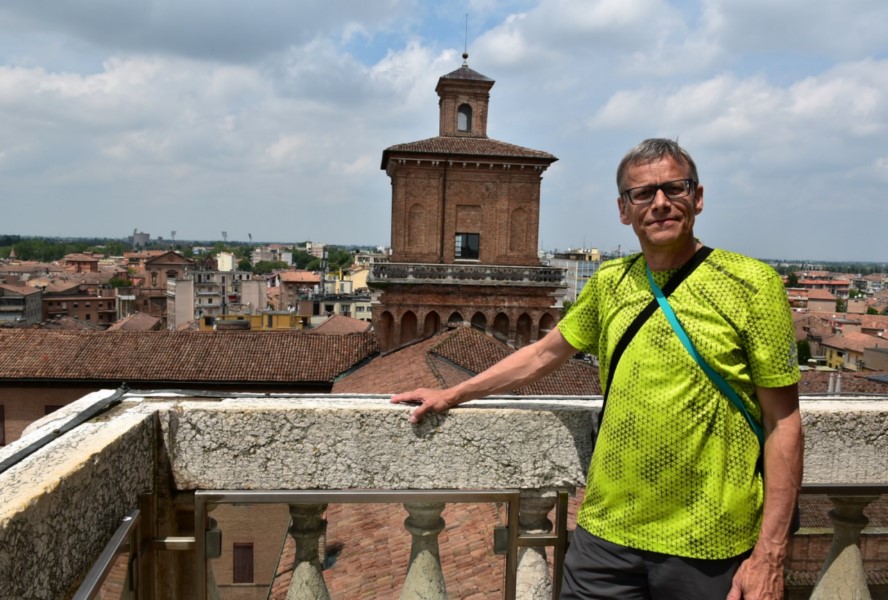
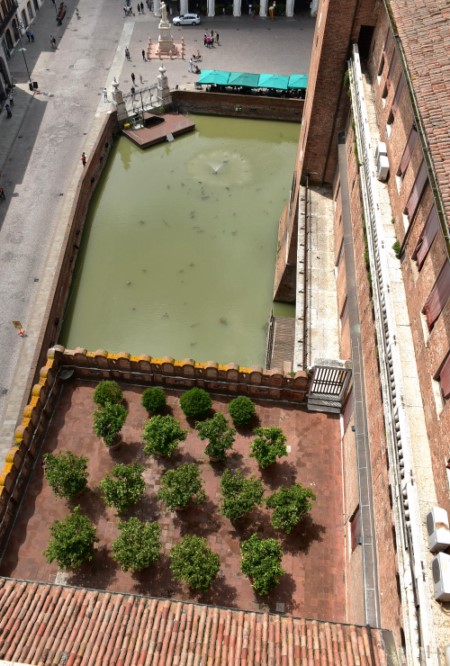
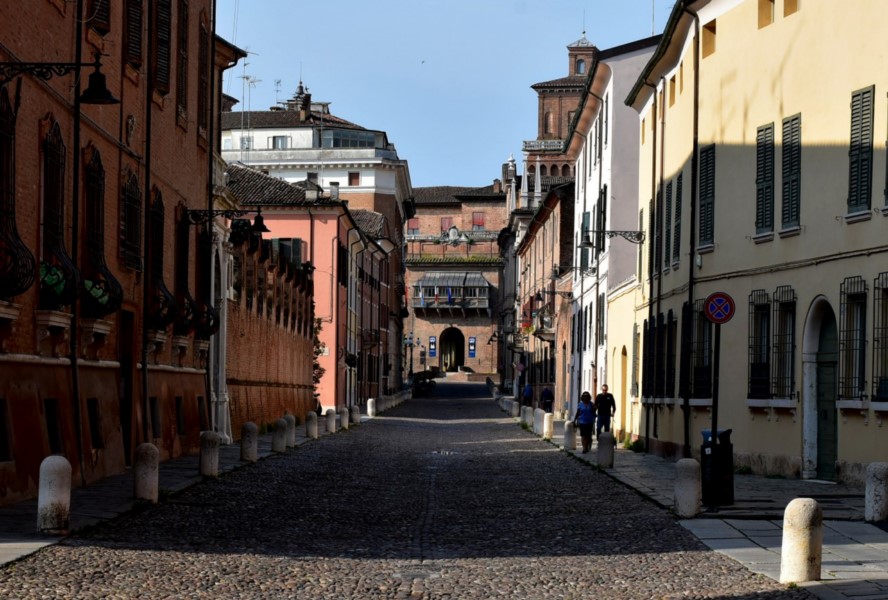
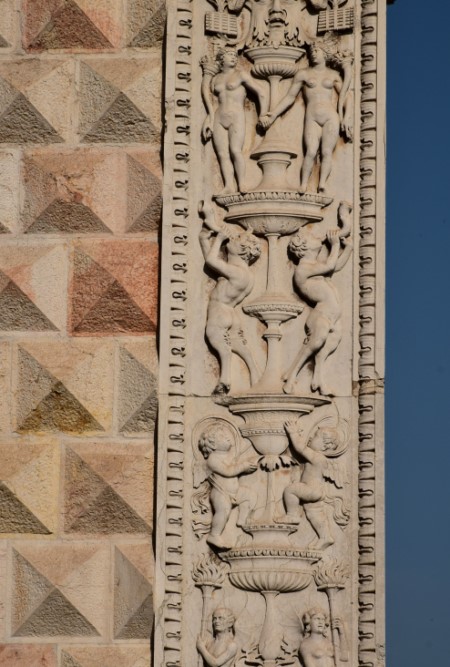
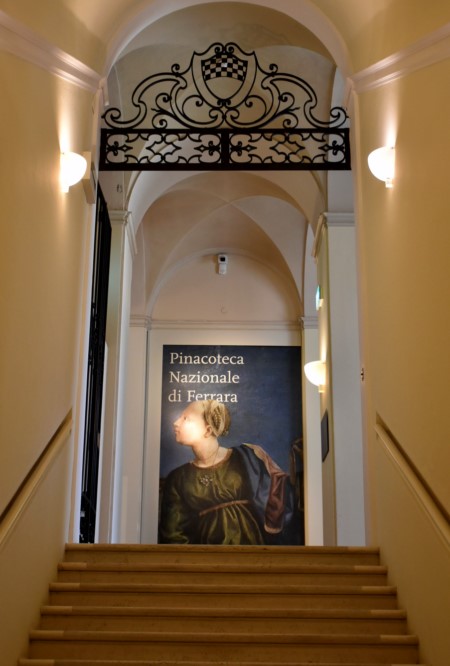
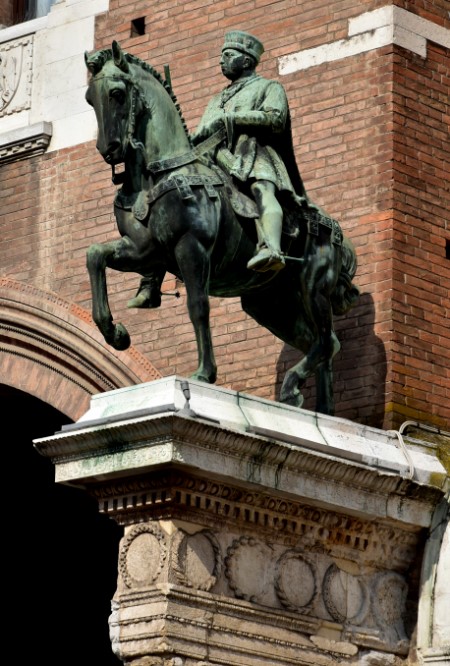
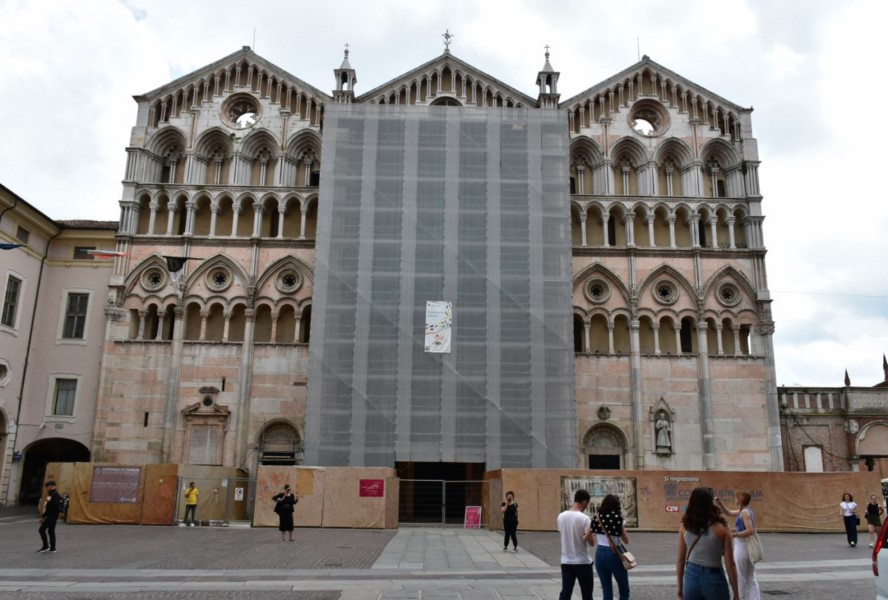
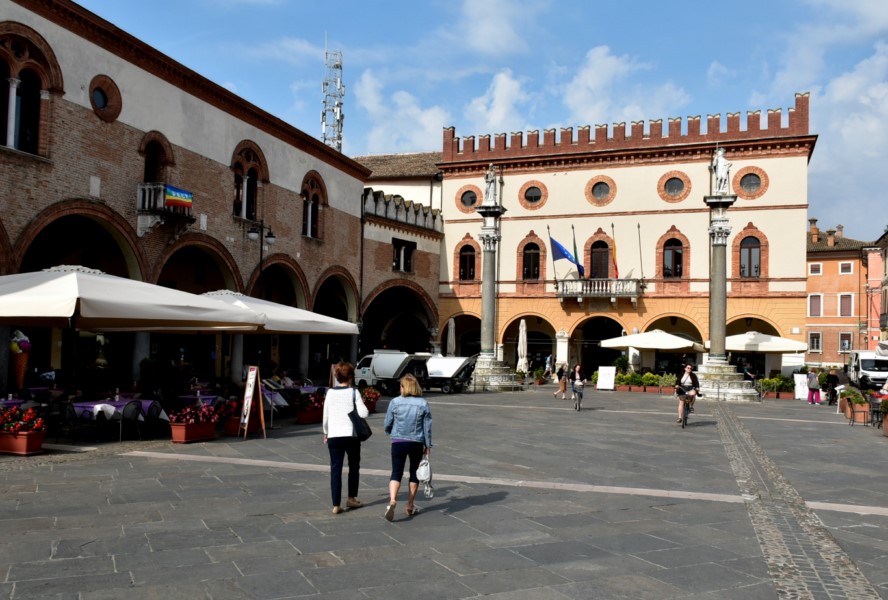
Castello Estense fortress from the late 14th century The Lions Tower, relief with the coat of arms of Niccolò II d'Este (1338-1388) Souvenir photo Monument to Savonarola, a religious reformer declared a heretic and burned at the stake The picturesque little church of San Giuliano A full-scale replica of a culverin from 1556 Horse ramp in the Lions Tower Loggia with an orange orchard Observation deck at the top of the Lions Tower View from the Lions Tower of the orange orchard and the moat View from the Lions Tower of the ravelin and the moat City panorama from the Lions Tower Chamber of Games Souvenir photo Chamber of Games, fresco depicting physical exercises Chamber of Games, fresco depicting chariot races Chamber of Coats of Arms Coat of arms of Cardinal San Giorgio Aldobrandini Coats of arms of popes Renaissance well in the castle courtyard Representative street being part of the so-called Herculean Addition Addizione Erculea, architectural detail Addizione Erculea, Diamond Palace Diamond Palace, fragment of the facade National Gallery The Circumcision of Christ, fragment of a painting by Luca Longhi (1507-1580) Palazzo Municipale, seat of the d'Este family Palazzo Municipale, statue of Marquis Borso d'Este (1413-1471) Palazzo Municipale, statue of Marquis Niccolò III d'Este (1383-1441) Renaissance staircase in the palace courtyard Chatting A moment of respite Romanesque-Gothic facade of Saint George's Cathedral Statue of Alberto V d'Este (1347-1393) on the cathedral facade Row of arcades decorating the side elevation of the cathedral Male figure as a column base Palazzo Arcivescovile, plaque commemorating Nicolaus Copernicus Antonio Foschini Rotunda Perspective of Corso Giovecca Late 14th-century portal of Palazzo Schifanoia Church of Santa Maria in Vado Sanctuary of the Most Precious Blood Apse of the original church with traces of blood from the miracle of 1171 Palace of Ludovico Sforza, garden view Monastery of Sant'Antonio in Polesine Saint Mary Magdalene, fresco from the School of Giotto Palazzo Bevilacqua Costabili, facade decorations Medieval street Via delle Volte

Wandering the cobbled streets of Ferrara, shaded by brick houses, churches and palaces, is a real pleasure forsenses. That's probably why the entire historic center of the city has been inscribed on the Unesco World Heritage List. Was quite a disappointment for me, the fact of maintenance work in the cathedral of St. Jerzy, but I quickly forgot about this inconvenience while admiring the impressive gallery of painting in Palazzo dei Diamanti.


Modena


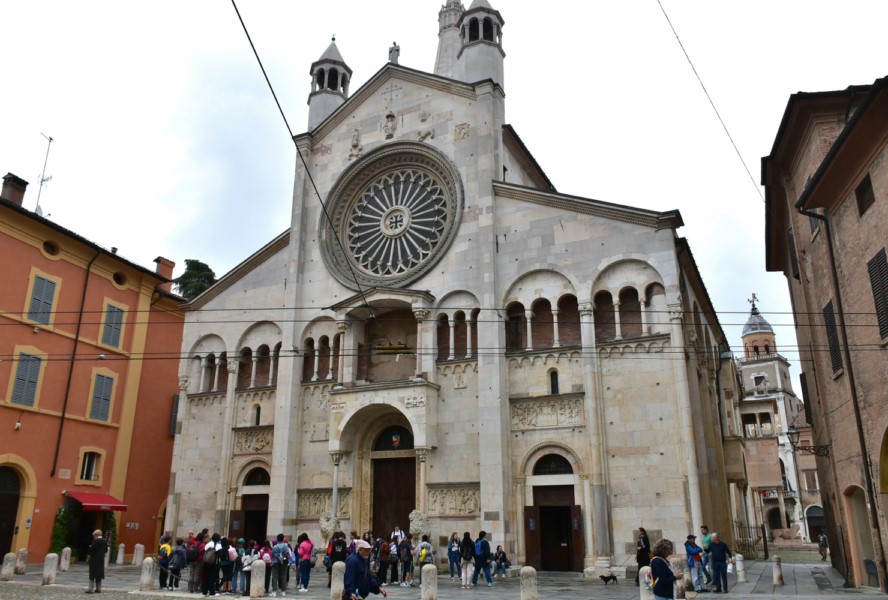
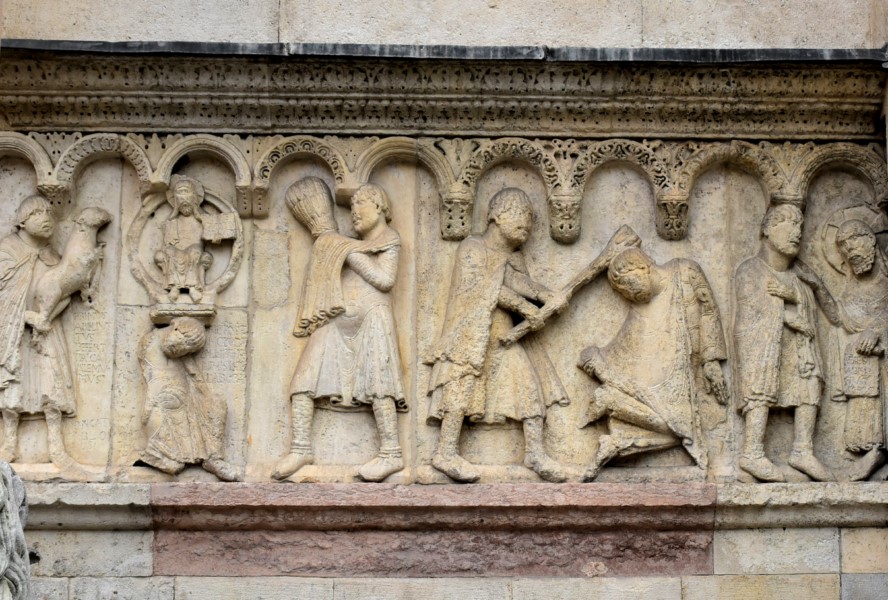
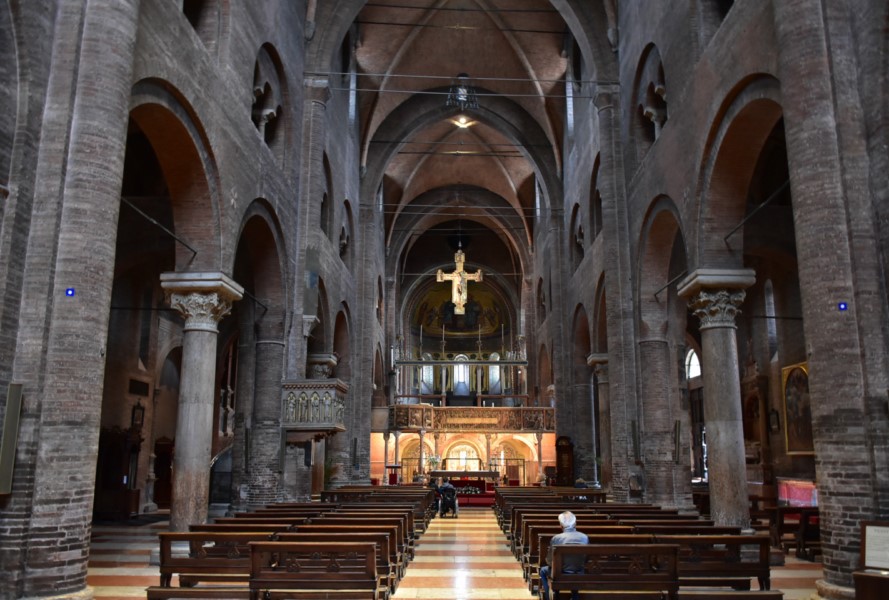
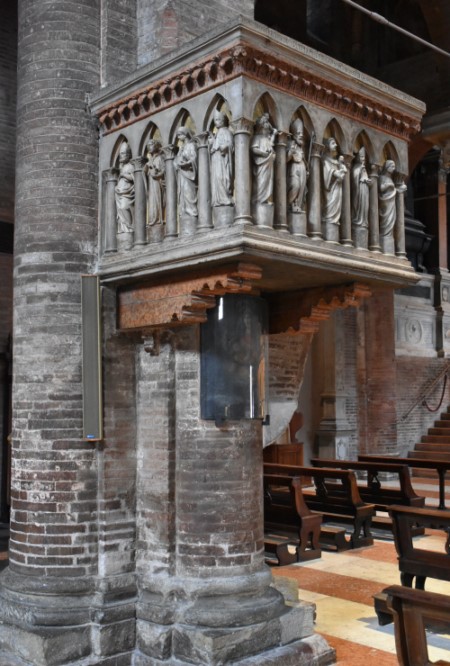
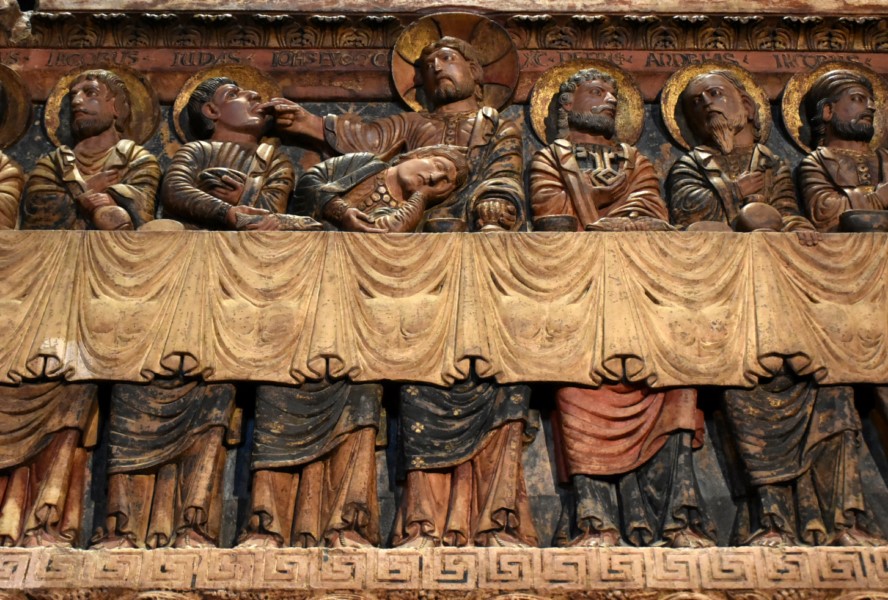
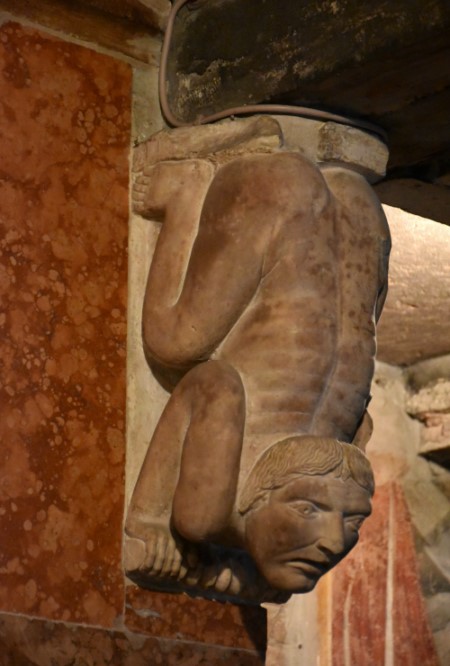
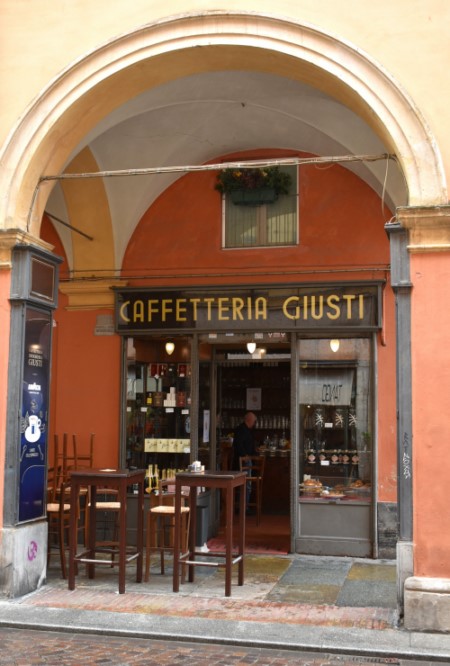
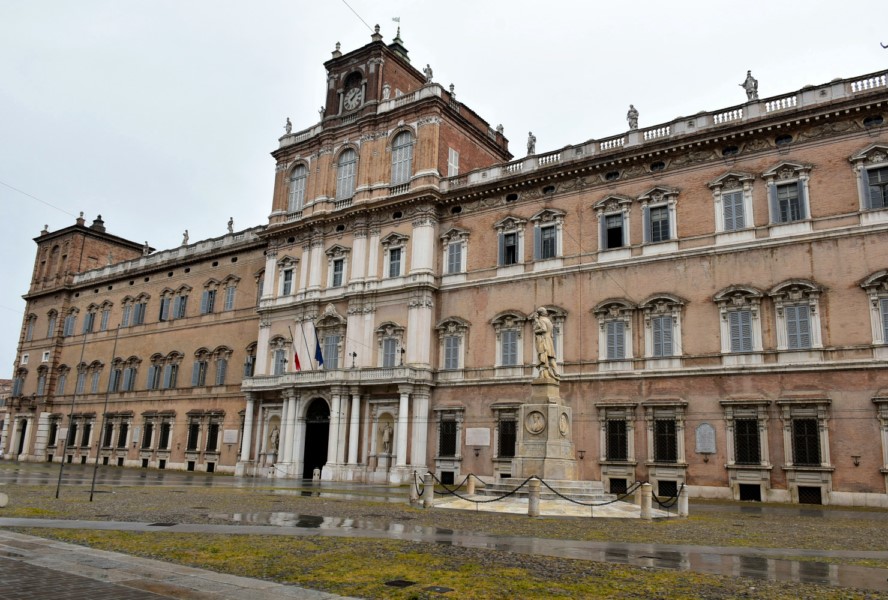
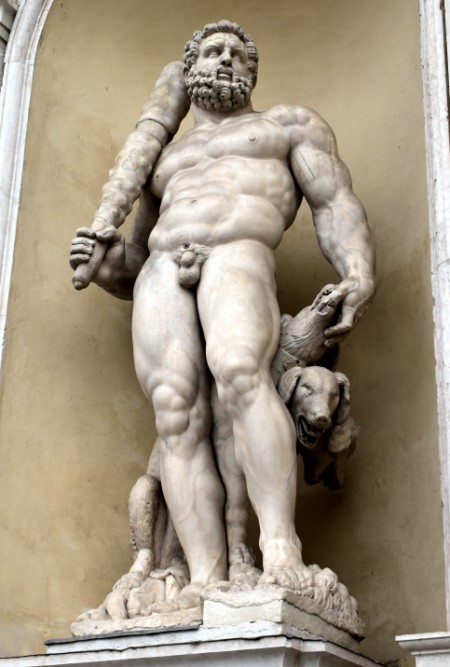
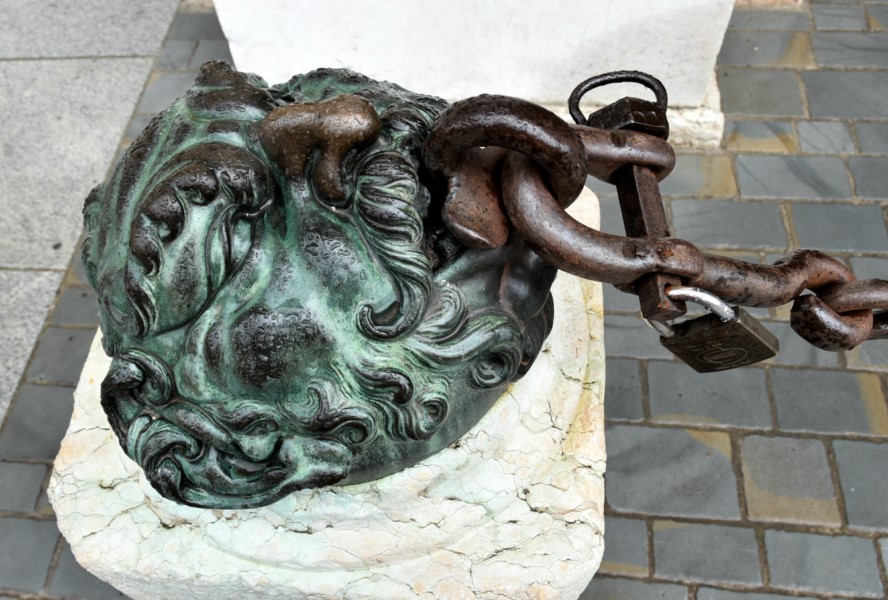
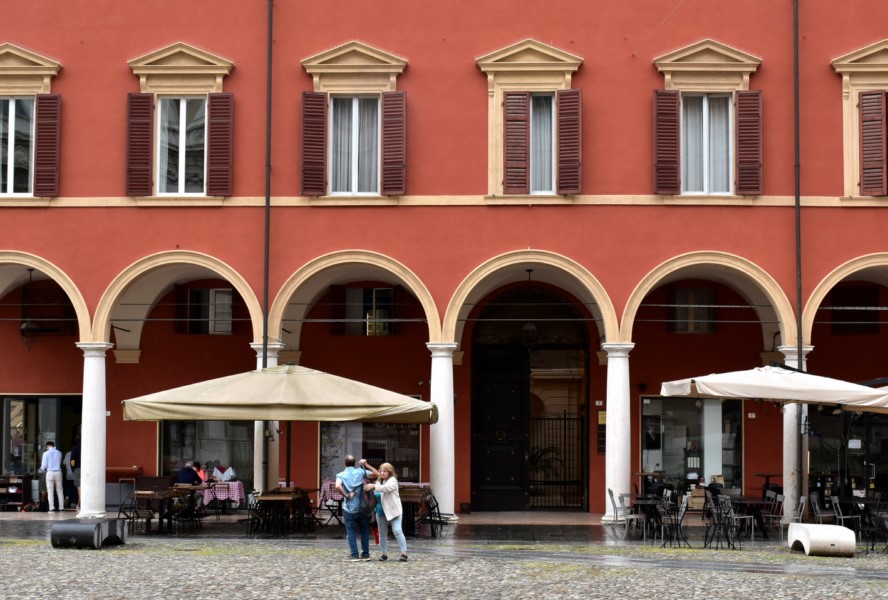
Romanesque cathedral from the 12th century Rose window Souvenir photo Wiligelmo's relief, the creation of Adam and Eve and the original sin Wiligelmo's relief, the story of Cain and Abel with a brutal scene of fratricide Porta della Pescheria, an impressive portal on the northern side Stone lion serving as a column base Elaborately decorated columns of the portal Interior of the cathedral 13th-century pulpit with images of the Doctors of the Church Romanesque rood screen Stone relief depicting the Last Supper Pulpit, reliefs depicting Christ blessing and the symbols of the Evangelists Column capital, the sacrifice of Isaac Rood screen columns with bases in the form of lions Corbel in the form of a naked man Crypt below the sanctuary with the tomb of the patron saint of Modena, Bishop San Geminiano Porta della Pescheria, scenes from the Arthurian cycle Ghirlandina Tower Stairs leading to the top Guardians' room City panorama facing south Waiting for customers The rain is best waited out with an aromatic cup of cappuccino Palazzo Comunale, town hall During the rain, the porticoes are buzzing with life Piazza Duomo, with the baroque Chiesa del Voto in the background Baroque facade of the Church of San Giorgio Portico of Palazzo dell’Intendenza Camerale Palazzo Ducale, residence of the rulers of Modena Sculpture of Hercules decorating the avant-corps of the facade Original chain holder Piazza Roma, arcades Piazza Roma, shutters

I visited Modena in the rain, which always detracts from the attractiveness of a given place. Unfortunately, it was also Monday a day when most museums and galleries are closed. I came here to see the World Heritage Site Unesco Romanesque cathedral, famous for one of the greatest rood screens that have survived to our times. I have to admit that I was not disappointed.


SAN MARINO

San Marino


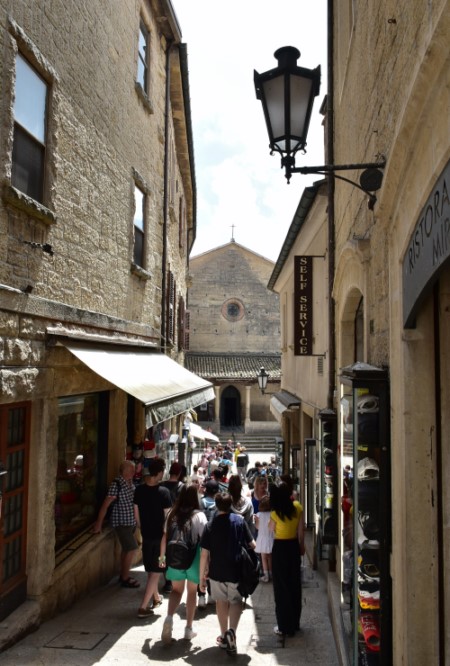
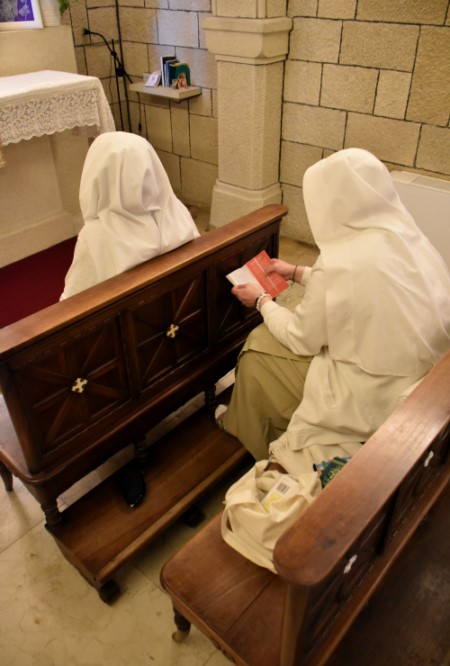
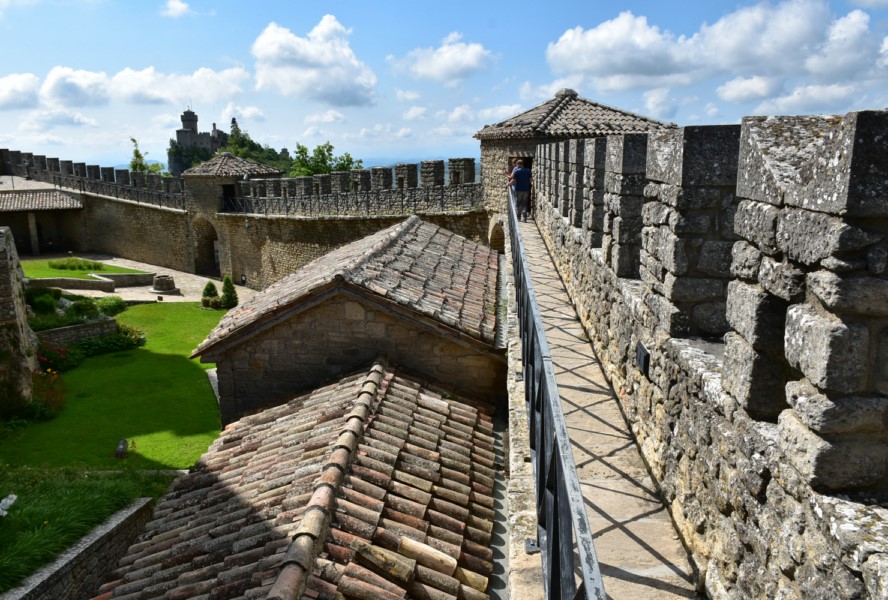
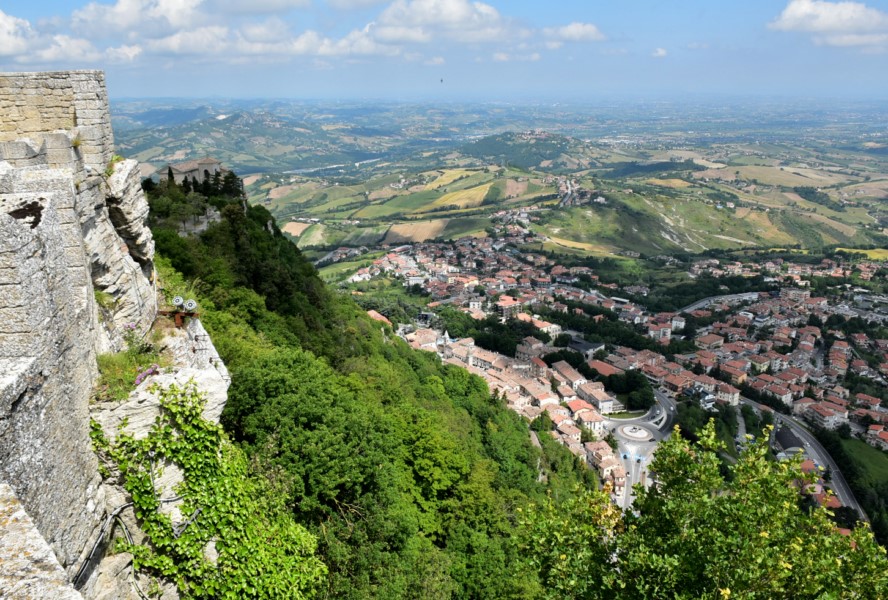
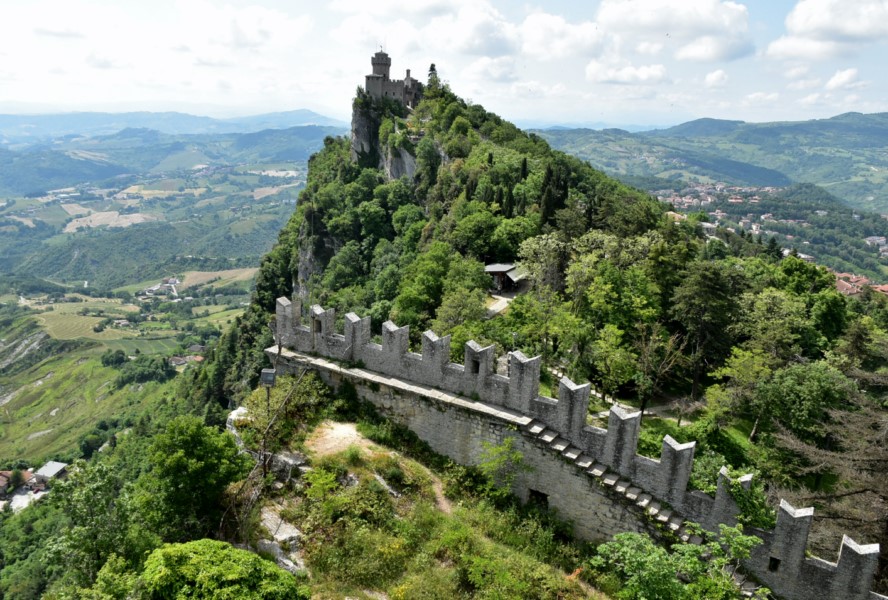
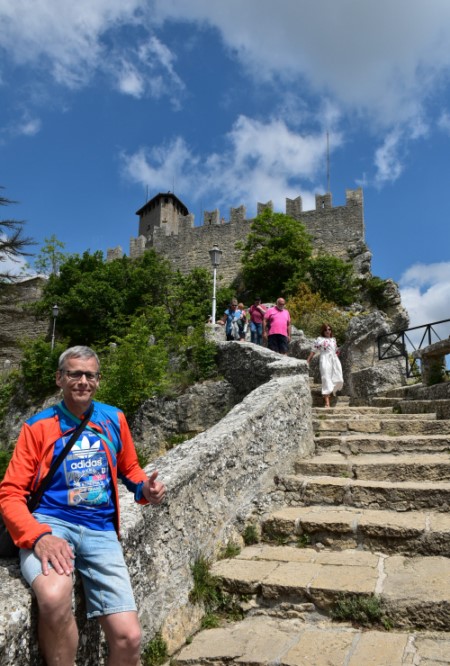
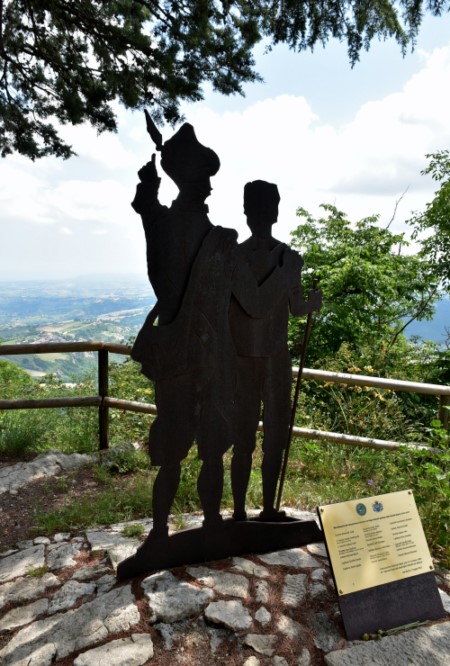
Defensive walls and Saint Francis Gate Still too early for tourists The Thinker by Rodin Cheap alcohol shop Cheap perfume shop Statue of Liberty and the Government Palace Government Palace, Grand and General Council Hall Tourist invasion Crossbowmen's gallery Panorama of the area facing west Flag of San Marino Basilica of Saint Marinus, bell tower and the Church of Saint Peter Statue of Saint Marinus, the legendary founder of San Marino Coat of arms of San Marino, three towers and the inscription Libertas Prayer in the Church of Saint Peter Souvenir photo Guaita, the first tower Outer courtyard, with Saint Barbara Chapel on the left Watchtower Crenellated outer walls Panorama of the area from the defensive walls View from the tower of the Guaita fortress (La Rocca) towards the town hall La Cesta (Fratta), the second fortress View from the tower of the Guaita fortress onto the courtyard and the main gate Witches' Path La Cesta (Fratta) Panorama of the area facing north Montale, the third fortress In memory of volunteers fighting in the Great War Porta della Murata Nuova (New Walls Gate) from the 13th/14th century

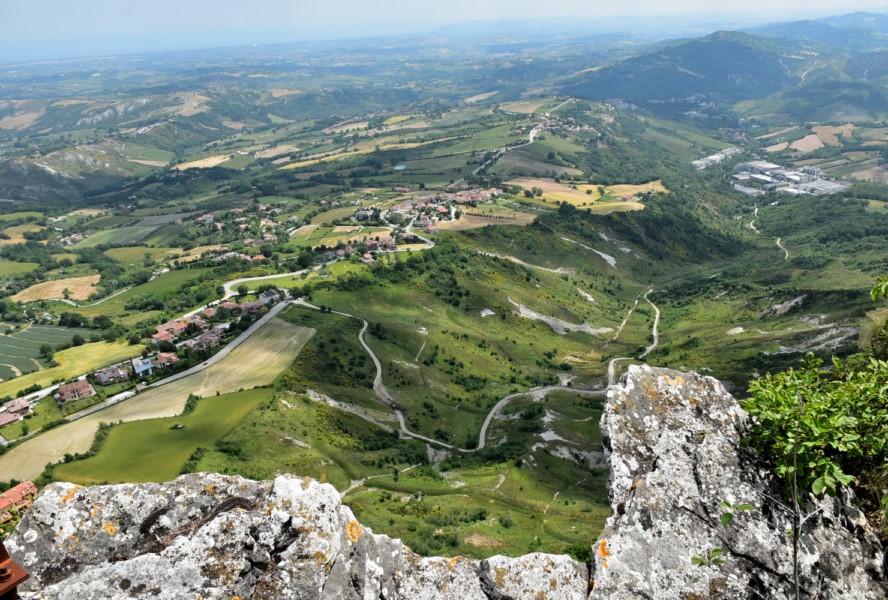
San Marino is one of the smallest countries in the world located on the slopes of Monte Titano. The buildings look a bit like a city Gibraltar, but on a much smaller scale. According to guidebooks, in the capital, apart from fabulous views of the area and shops with cheap alcohol and perfumes there are not many attractions. One of them is the medieval fortress Rocca Guaita, surrounded by an impressive triple ring of walls.


My favorite photos


Wszelkie prawa zastrzeżone