MYVOYAGES
Passion for exploring and photography

A TRIP ROUTE

INTERESTING STORIES
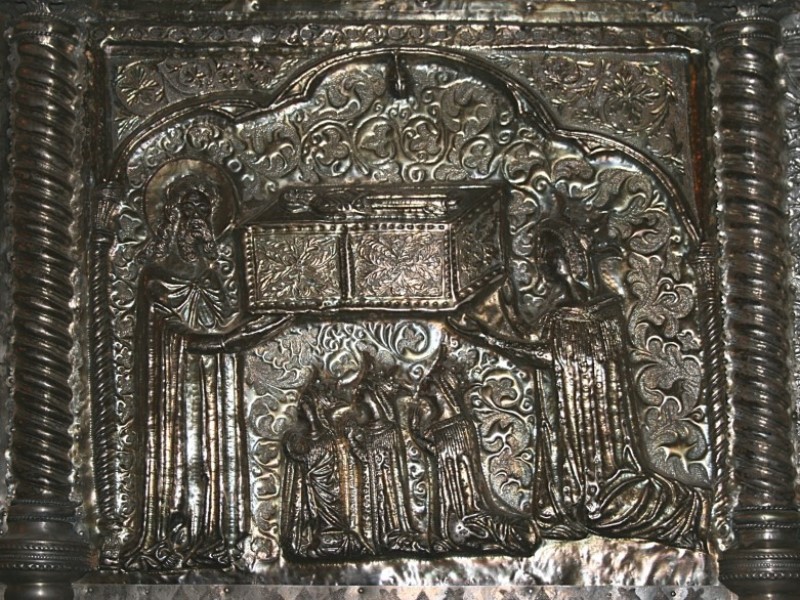
In the Zadar church of St. Simeon there is an artifact related to the history of our country. It is the sarcophagus with the remains of the prophet Simeon, who was the first to recognize Jesus as the promised Messiah during the Presentation of the Child in the Temple. According to legend, the relics of the prophet in the 6th century were transferred from Jerusalem to Constantinople, from where they were taken by the Venetians during the 4th Crusade. Due to the storm, the ship with the relics entered Zadar and the remains have already remained there. In the mid-fourteenth century, the city came under the rule of Ludwik Andegaweński, who sat on our throne after the death of Casimir the Great. His wife Elżbieta Bośniaczka was the mother of three daughters, Katarzyna (who died in childhood), Maria (later Queen of Hungary) and Jadwiga (Queen of Poland and wife of Władysław Jagiełło). Elizabeth, during a visit to the church, stole the saint's finger, who was famous for his effective intercession to beget sons, and that was what the Queen wanted most. When she fell ill shortly after this event, she considered it a punishment, gave her finger back and additionally funded a damaged sarcophagus. It did not help much, because she did not give birth to a son anyway, and during the power struggle in Hungary after Ludwik's death, she was strangled. (posztukiwania.pl)
IT IS WORTH KNOWING
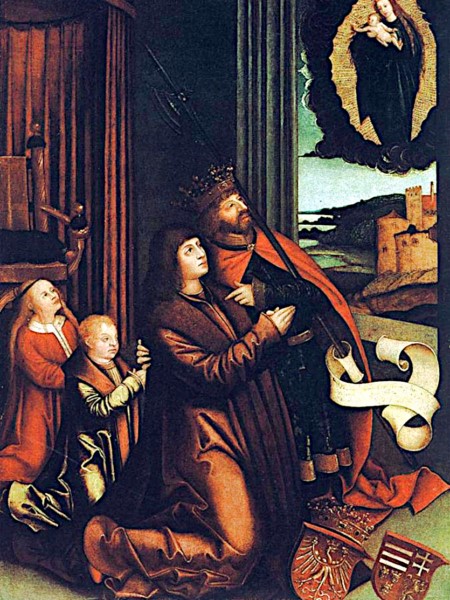
Władysław II Jagiellończyk (born in 1456 in Krakow, died in 1516 in Buda) was the son of the Polish king Casimir IV Jagiellon and Elżbieta Rakuszanka, the Polish prince, from 1471 the Czech king, and from 1490 the king of Hungary and Croatia. At that time, the Kingdom of Hungary also included the Croatian lands between Rijeka and the city of Omis (excluding these Dalmatian cities and islands). However, the Polish monarch did not enjoy recognition in the eyes of his subordinates. Known for his indolence and weak character, Władysław II easily succumbed to pressure from magnates and the rival of the middle nobility. For this reason, the Hungarians earned the nickname Dobzse from the abuse of this word (translated from Latin "rex bene" literally means "king of well"). Incompetent policy towards the Habsburgs and childless death of his son Ludwik in the battle with the Turks at Mohacz in 1526, she deprived the Jagiellonian dynasty of the Czech and Hungarian thrones.
Croatia - Zadar, Sibenik
August 2019

Holidays in Croatia were the first ones Julek spent without his dad. Marta went with her sisters, brothers-in-law and niece, Milenka. The Dalmatian coast attracted them, like many of our countrymen, thirsty for sun, sea baths and strong rakija.
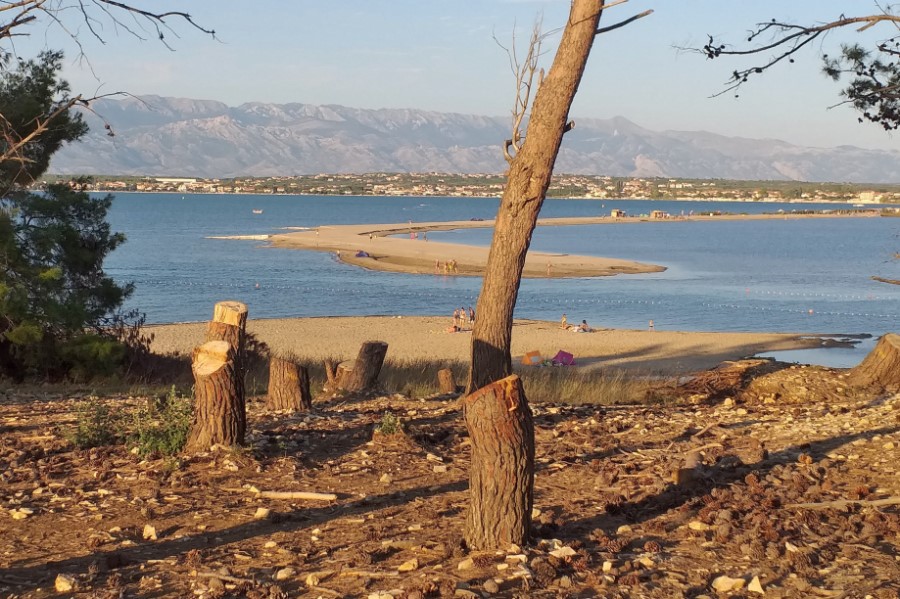
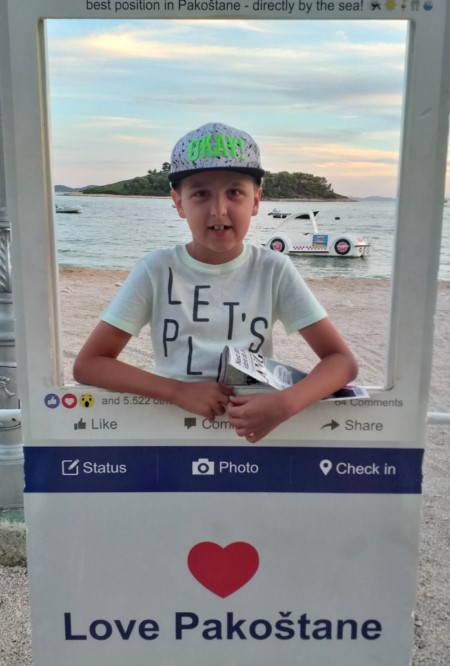
Traveling to Croatia in two cars turned out to be a great idea. It allowed for great flexibility in movement, gave a sense of security and allowed to take more tourist gadgets. The purpose of the trip was the picturesque town of Pakostane, located in the Zadar County. The perfect location between four national parks, numerous natural attractions, rich cultural heritage and an extensive tourist and gastronomic base made the stay a real fun.Julek is resting


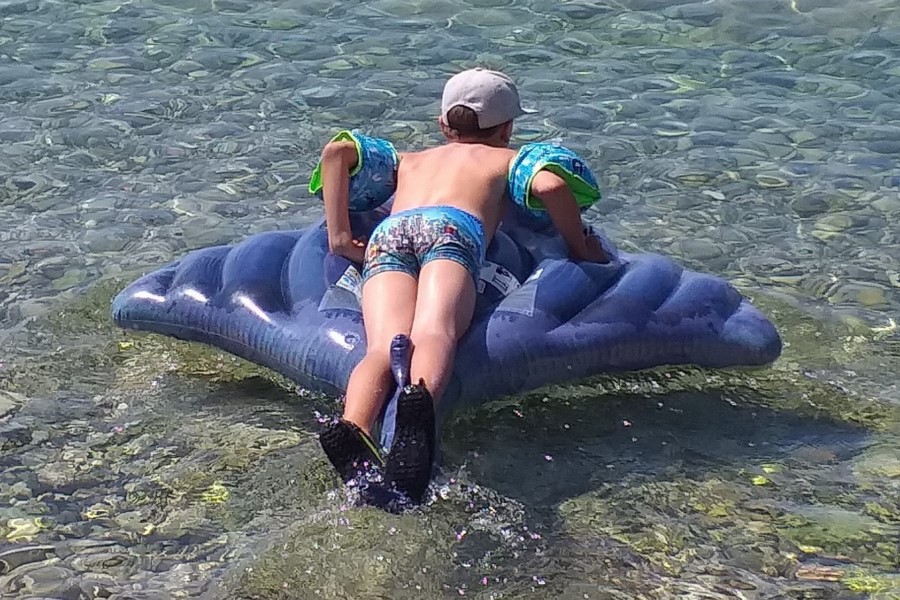
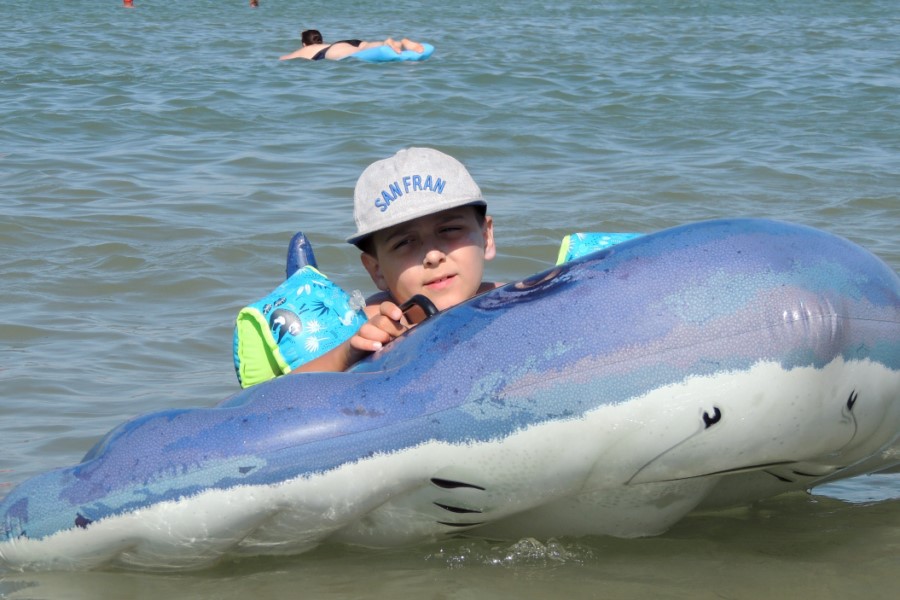

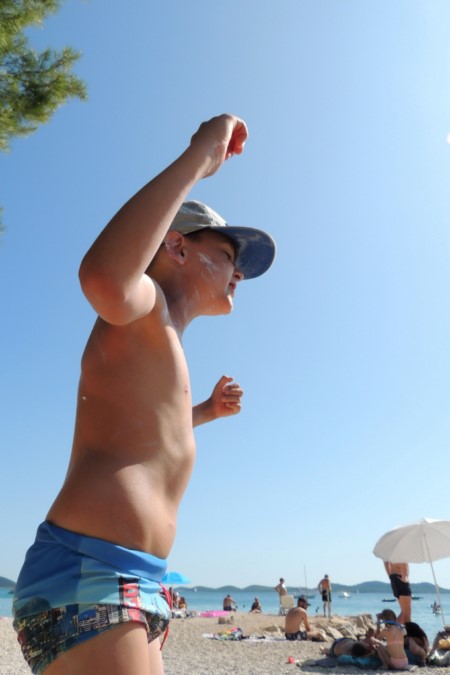


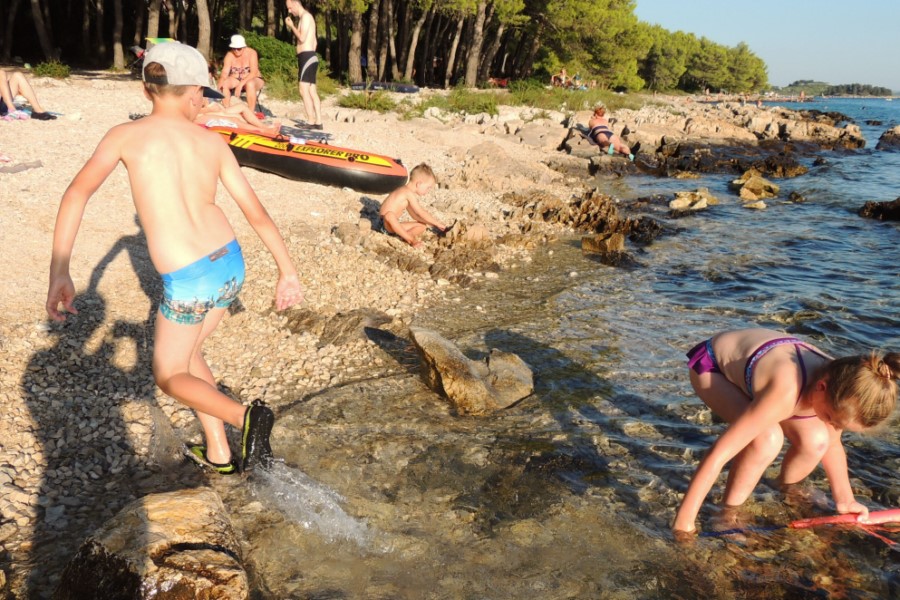

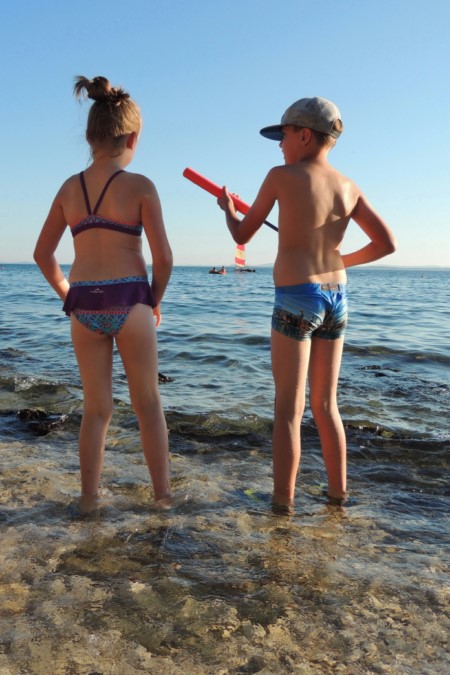
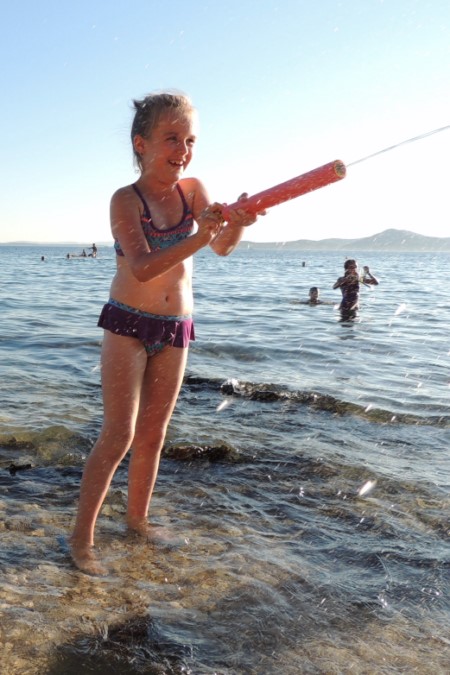

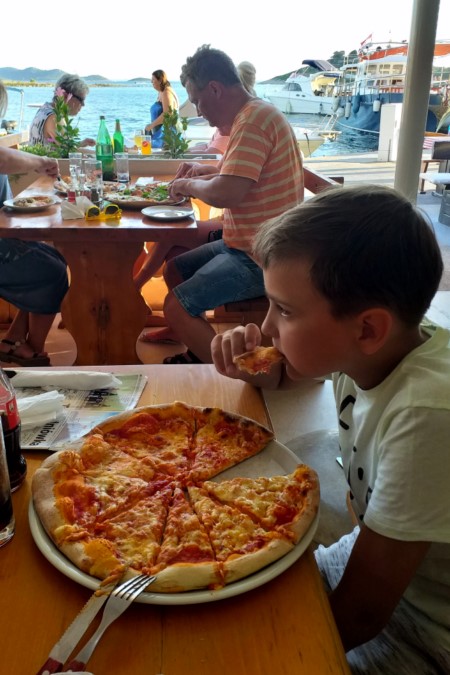
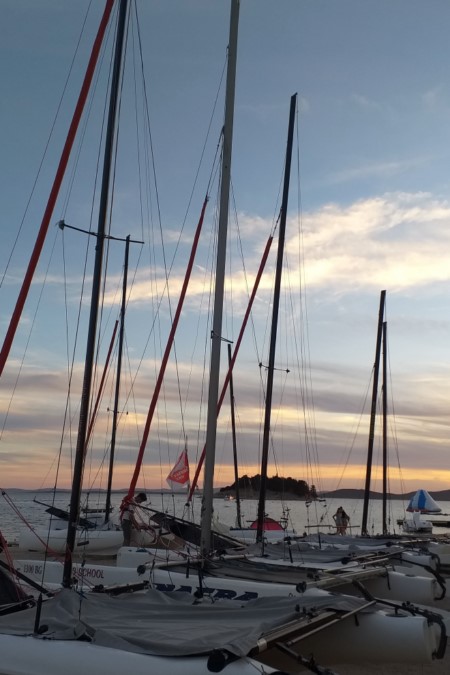

The weather was good. Throughout his stay, Julek was in his element. Endless fun on the beach with my cousin Milenka, basking in the sun, swimming with a stingray and improving swimming skills under the care of uncle Andrzej. In between these pleasures, he devoured kilograms of delicious ice cream and gobbled up pizzas the size of a car wheel. In a word, live, not die.
Zadar
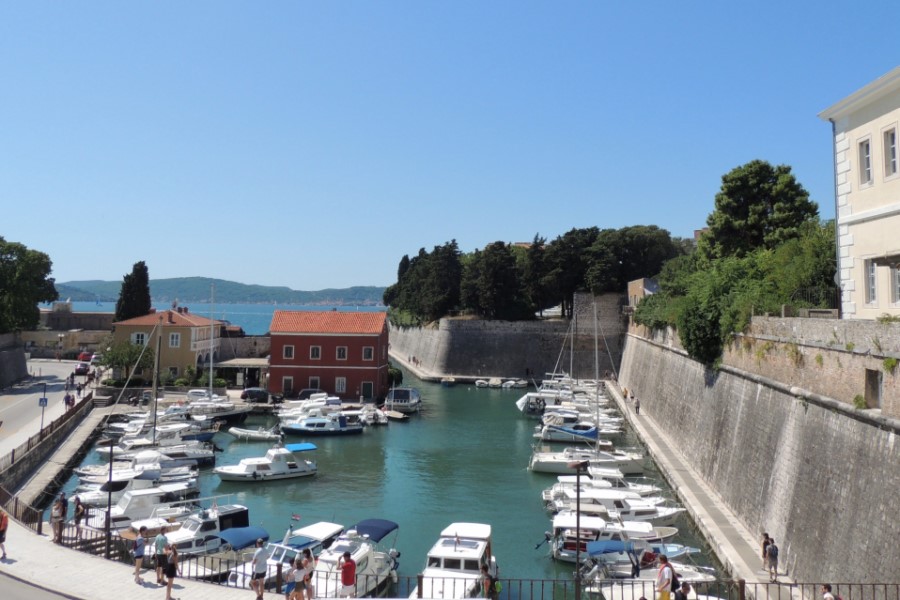


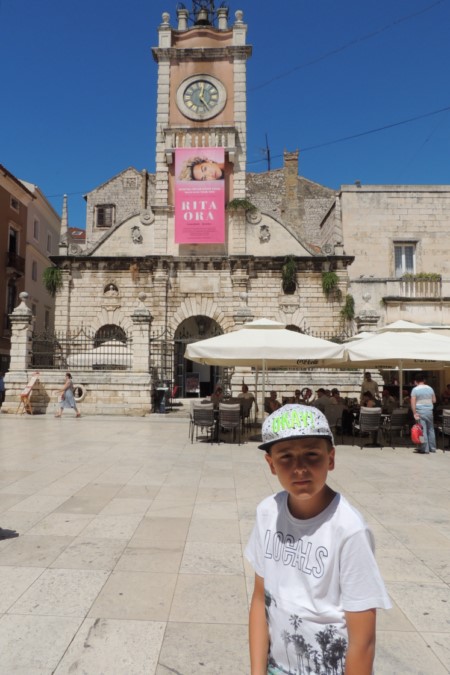


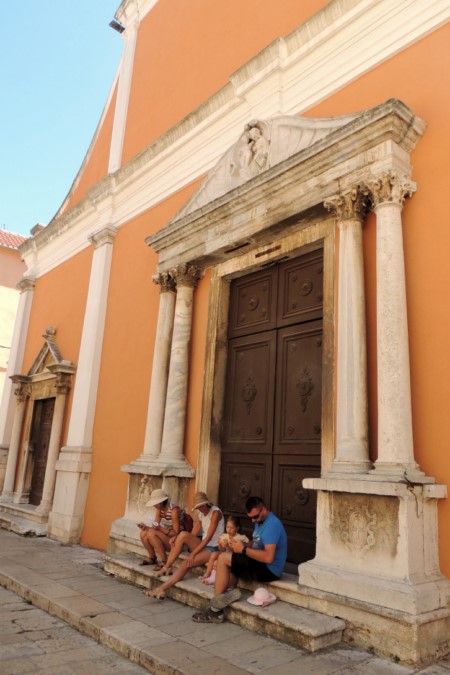
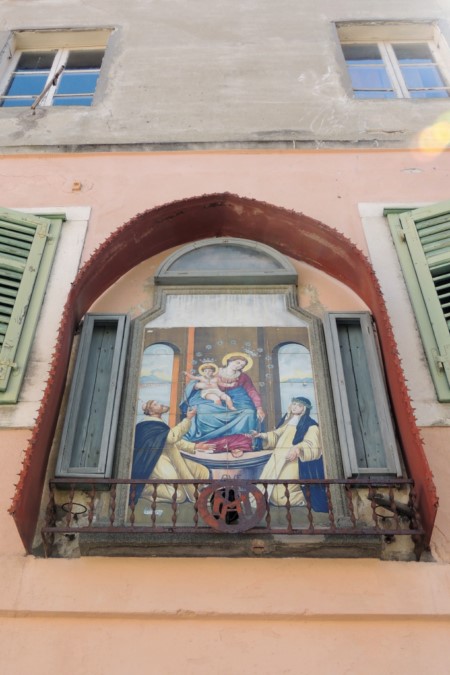

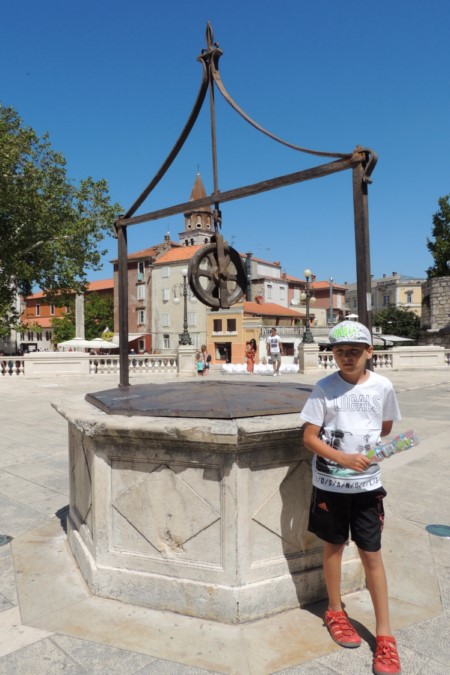


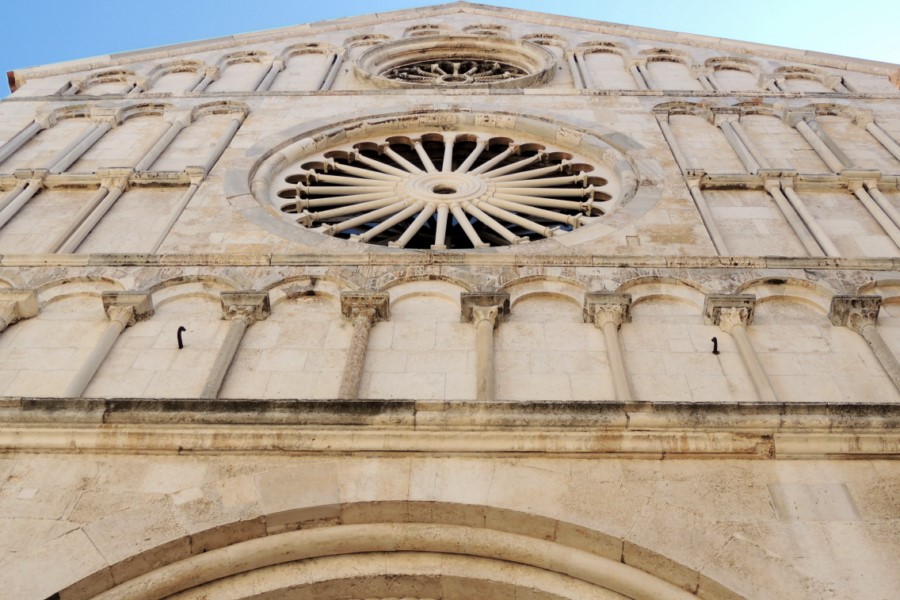


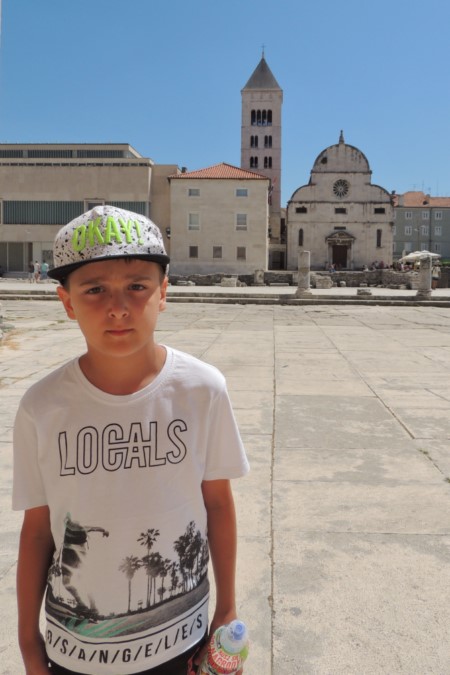


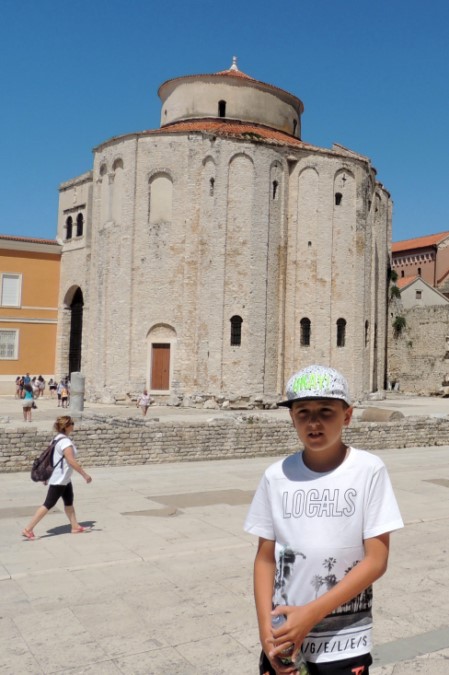

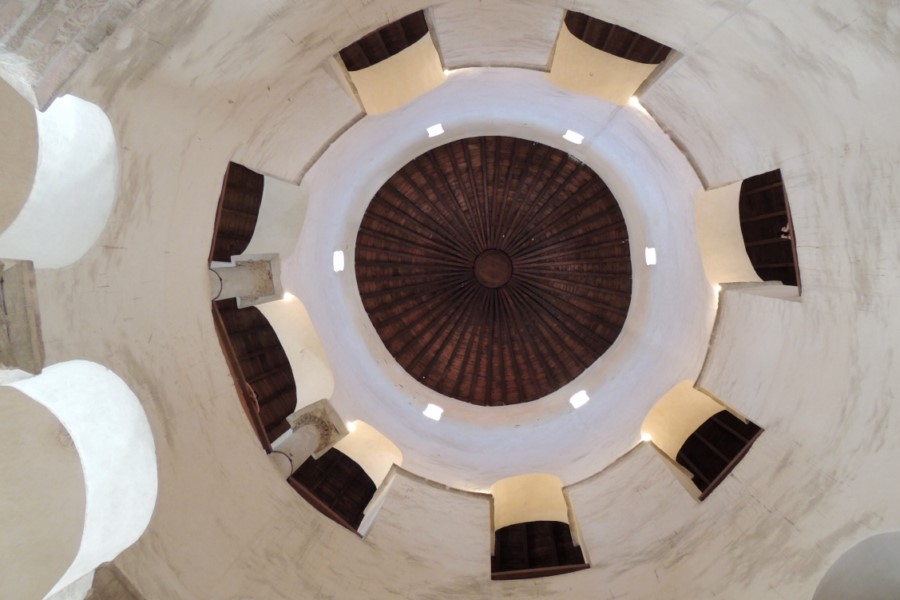


A trip to Zadar was the most attractive point of my stay in Croatia. The rich and turbulent history meant that the city can boast of numerous monuments. Sightseeing in the almost four-degree heat was not the most enjoyable one, but it was worth the effort. The facade of the romanesque cathedral of St. Anastasia is simply phenomenal and is one of the most beautiful in all of Dalmatia.
Sibenik


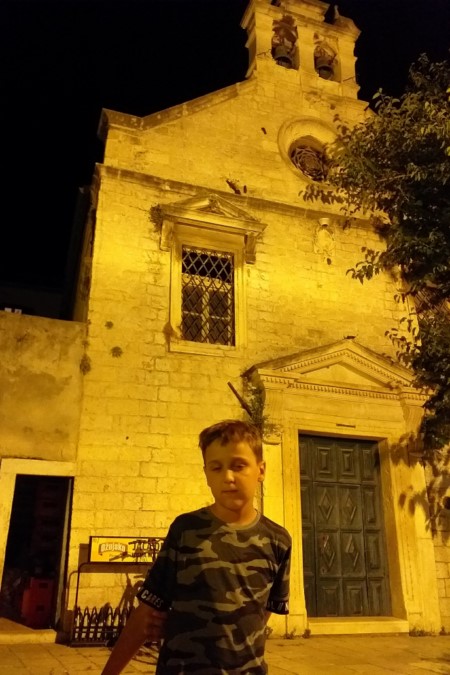
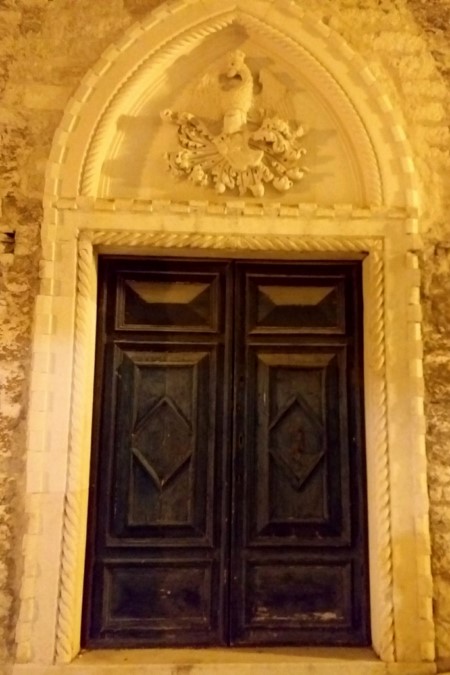

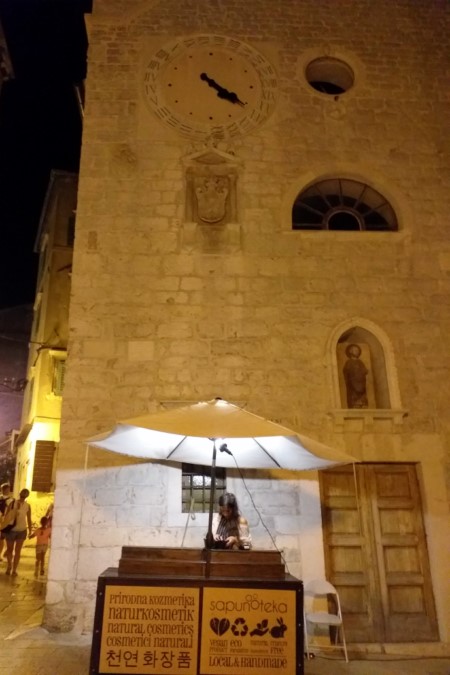
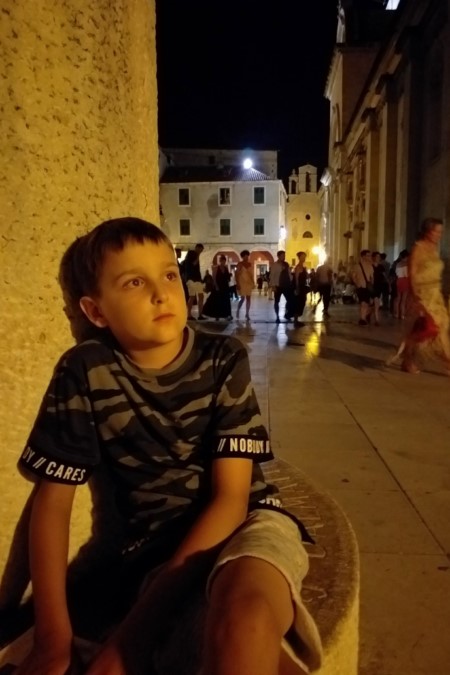

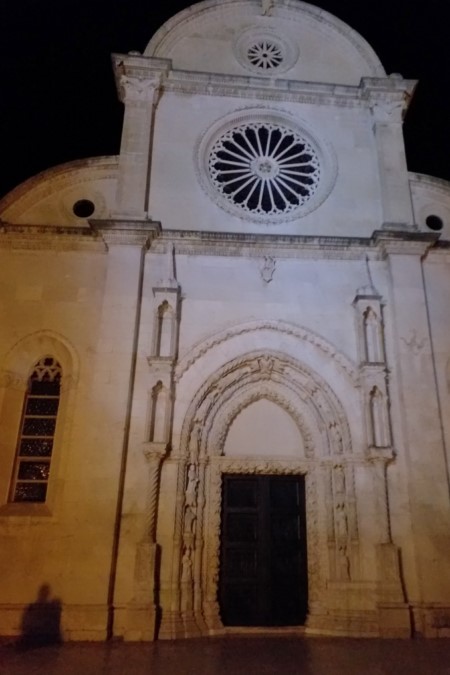


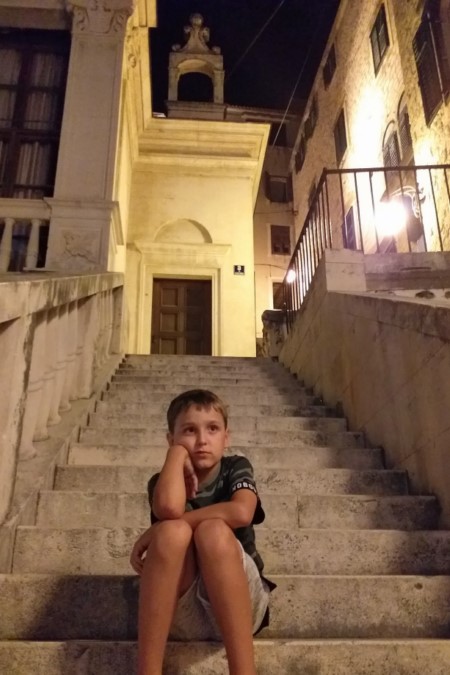
Taught from the experience of the previous trip, they went to visit Šibenik in the late evening. The idea was only partially successful. Although the heat did not bother you during the walk, you could only see the monuments from the outside, as most of them were closed. Fortunately, this inconvenience was fully compensated by the romantic atmosphere provided by artificial lighting, and the Cathedral of St. Jakub became more mysterious in it.

My favorite photos


